Fruit pavé is a Brazilian layered dessert of lightly moistened biscuits, a smooth milk-and-condensed-milk cream and fresh fruit. It can be prepared ahead for New Year’s Eve, with suitable plant-based alternatives where needed, and is best served well chilled.
This fruit pavé for New Year’s Eve combines a sweet vanilla cream with colourful fruit and softened biscuit layers. Follow the steps below for a festive dessert that is easy to serve straight from its dish.
Ingredients for fruit pavé with vanilla cream
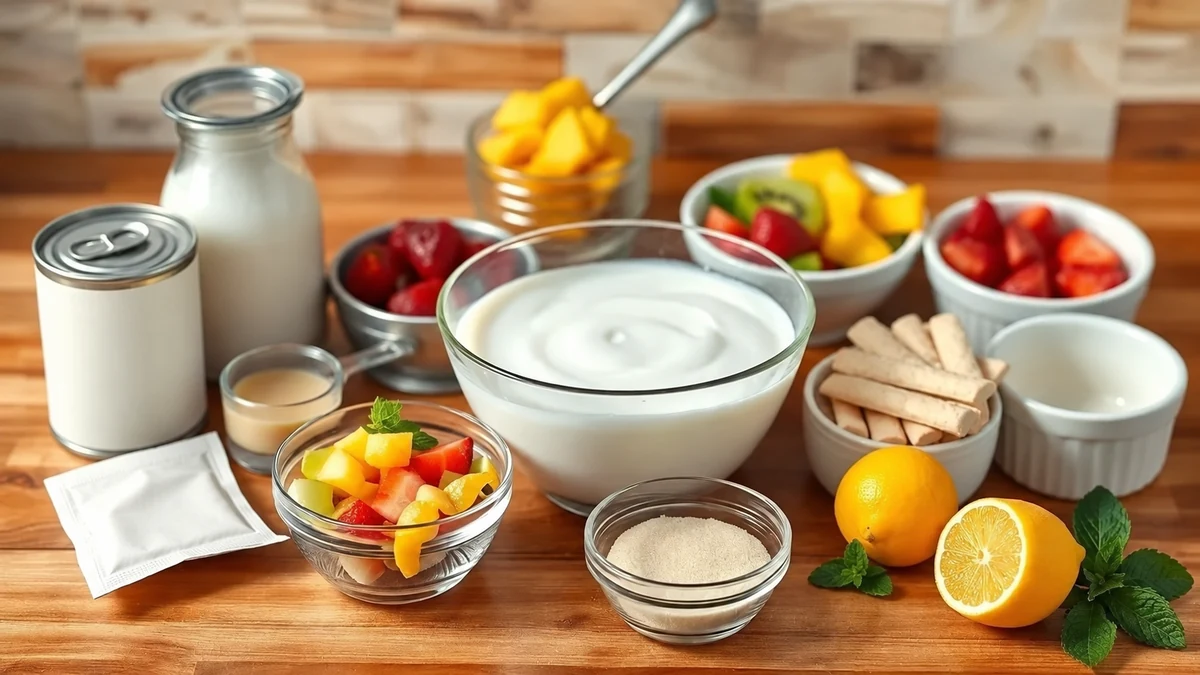
To make fruit pavé with vanilla cream, gather the ingredients below. Choose ripe but firm fruit and check product labels if making dietary adaptations.
- 400 g plain biscuits or sponge fingers, for layering. Brazilian maize biscuits are traditional; choose suitable gluten-free biscuits if required.
- 500 ml whole milk in total, reserving 120 ml of this to mix with the cornflour. A suitable unsweetened plant-based drink can be used in the adapted version.
- 395 g sweetened condensed milk, or an appropriate plant-based condensed milk alternative; check the weight rather than assuming all tins are the same size.
- 200 ml cream, or suitable soya or coconut cream in a dairy-free version.
- 2 tablespoons cornflour, mixed with the reserved cold milk. This makes a soft, spoonable cream; gelatine is not a direct tablespoon-for-tablespoon substitute and needs its own method and quantity.
- 2 egg yolks, optional, for a richer cream. Omit for an egg-free or vegan version; if used, they must be cooked in the cream rather than stirred in raw after cooking.
- 2 teaspoons vanilla extract, or finely grated lemon zest for a citrus variation.
- 300–400 g mixed fruit, such as strawberries, kiwi and mango, prepared and chopped. Well-drained tinned pineapple or peaches are alternatives, as are appropriately cut seedless grapes.
- 120 ml fruit juice or light fruit syrup, for moistening biscuits; orange or peach juice works. Weak coffee gives a different flavour if preferred.
- Lemon zest and mint leaves, optional, to decorate.
- Extra sugar, optional, only if needed after tasting; the condensed milk already makes the cream sweet.
Ingredient tips
Use firm, ripe fruit and drain tinned fruit thoroughly. Freezing very ripe fruit does not prevent it releasing water after thawing, so reserve soft fruit for another use. Yoghurt can replace some cream for a tangier variation but changes the consistency. If using a separate gelatine-based recipe, follow its directions: fresh kiwi and pineapple can interfere with gelatine setting, whereas the main recipe here uses cooked cornflour.
How to make fruit pavé step by step
- Prepare the fruit: wash, dry and prepare 300–400 g fruit. Remove stalks, peel where necessary and cut into bite-sized pieces. Reserve a little for decoration and keep chilled.
- Prepare the soaking liquid: pour the fruit juice into a shallow bowl. Dip biscuits only briefly as you assemble, rather than soaking the whole batch in advance; some need only a quick brush of juice.
- Cook the cream: mix the cornflour with 120 ml cold milk taken from the 500 ml total. Combine with the remaining milk and condensed milk in a saucepan. If using the optional yolks, whisk them into the cold cornflour mixture before adding. Heat gently, whisking continuously, until the cream thickens and begins to bubble; continue stirring until the cornflour is cooked and the mixture is smooth. Cook any egg-containing mixture thoroughly, rather than relying on residual heat after removing the pan.
- Finish the cream: stir in the cream and vanilla, gently reheating while stirring until uniformly hot. Transfer to a shallow heatproof container and cool promptly, using a cold-water bath if helpful. Cover and refrigerate within 1–2 hours. Do not add uncooked yolks at this stage.
- Dairy-free or vegan version: use suitable plant-based milk, condensed milk and cream, omit the yolks and check that the biscuits are vegan. Keep the same 500 ml total milk measure. Different products thicken differently, so use the spoonable consistency as your guide rather than adding an unspecified setting agent at the end.
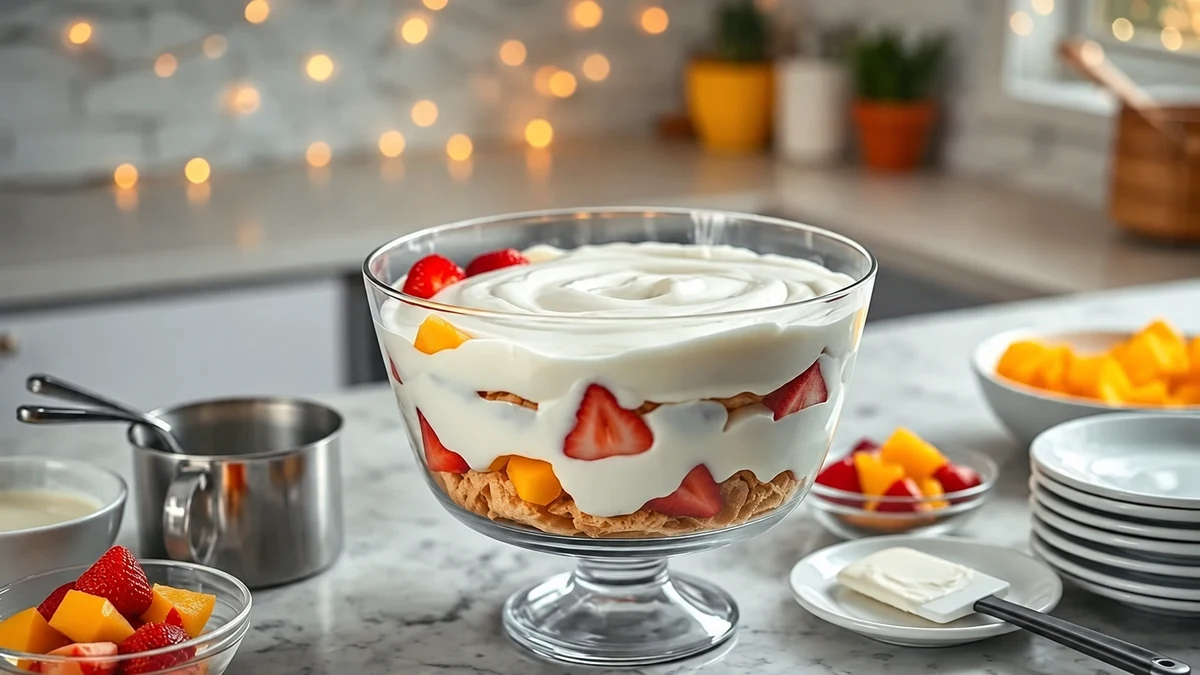
- Start the layers: spread a thin layer of cool cream over the base of a serving dish, followed by an even layer of briefly moistened biscuits.
- Add fruit and cream: scatter over half the fruit for the filling and cover with cream. Repeat the biscuit, fruit and cream layers, finishing with cream. Adapt the number of layers to the size of your dish.
-
Tips for even layers
- Drain excess fruit juice before assembly so it does not soak the biscuits.
- Spread cream gently with a spatula to fill gaps without crushing the fruit or biscuits.
- Decorate: arrange reserved strawberry slices, kiwi and mango over the top just before serving. Add optional lemon zest and mint leaves.
- Chill thoroughly: refrigerate for at least 4 hours, or overnight, so the biscuits soften and the layers settle.
- Serve: bring out shortly before serving and spoon into bowls. If your chilled pavé is firm enough to cut, use a clean knife dipped in warm water and wiped dry between portions; this soft cream does not guarantee rigid slices.
- Storage: keep covered at 5°C or below and use within 48 hours of preparing the cream, or sooner if an ingredient requires it. Avoid freezing the assembled dessert, and add the final fruit decoration shortly before serving.
Fruit pavé variations
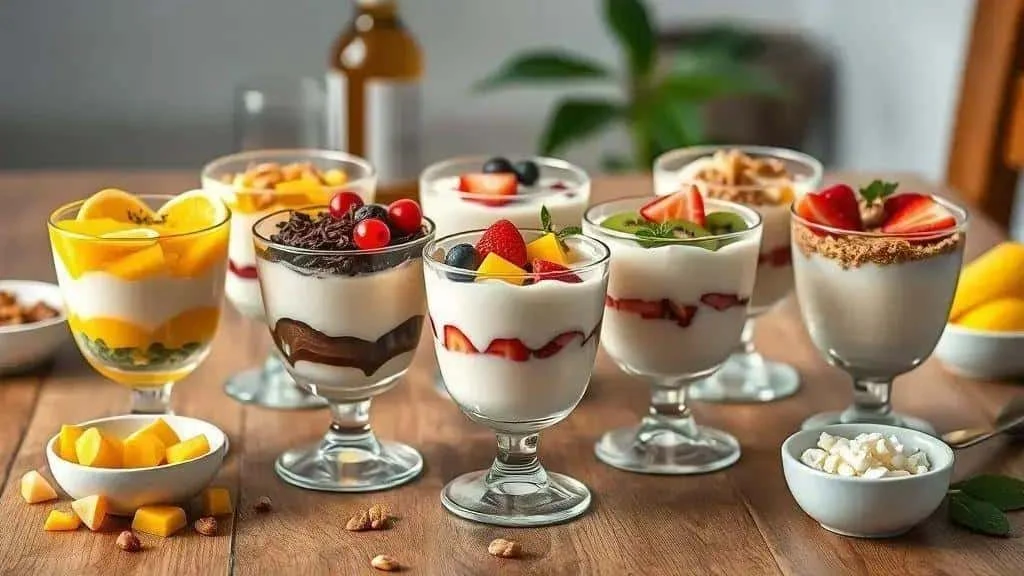
Passion fruit variation
Add a passion fruit layer for a tangy contrast to the sweet vanilla cream.
- How to adapt: use strained passion fruit pulp as a thin layer or topping, adding gradually to taste. Stirring a full 120 ml into the finished cream would loosen it considerably; extra acid is not a reason to automatically reduce sugar.
- Tip: use some chopped fruit between the layers and reserve a little passion fruit pulp for the top rather than saturating the biscuits.
Chocolate and berry variation
Add a thin ganache layer and use strawberries or raspberries for a contrast with the chocolate.
- How to adapt: melt 150 g dark chocolate with 100 ml cream, stirring gently. Cool until spreadable before adding a thin layer over the biscuits.
- Alternatives: a little cocoa powder cooked into the cream gives a subtler chocolate flavour; milk chocolate makes a sweeter ganache.
Lemon variation
Finely grated lemon zest gives the cream a citrus aroma without adding liquid. If adding lemon juice as well, start with a little and taste, as it changes both acidity and consistency.
- How to adapt: if a variation needs extra cornflour, mix it with cold liquid and cook it thoroughly into the cream. Do not stir dry cornflour into the finished chilled dessert to try to make it set.
- Tip: use fine zest without bitter white pith, and remove any decorative lemon slices before eating if preferred.
Optional alcoholic variation for adults
A little orange liqueur, rum or cream liqueur can be added to the biscuit-soaking liquid for an adult variation. Clearly identify it as containing alcohol.
- How to adapt: combine about 80 ml juice with 1–2 tablespoons of the chosen spirit or liqueur, then moisten biscuits sparingly.
- Alternative: flavour only one layer for a gentler taste, but the whole dessert still contains alcohol. Make a separate alcohol-free dish where needed.
Vegan and dairy-free variation
Use plant-based milk, cream and sweetened condensed milk, omit the egg yolks and choose vegan biscuits. Rice cakes soften differently and are not a direct texture match for biscuits.
- How to adapt: cook 500 ml total plant-based milk with 395 g suitable plant-based condensed milk and the cornflour, using the method above. Stir in 200 ml plant-based cream and vanilla, then cool promptly.
- Tip: chill thoroughly, ideally overnight. More chilling cannot compensate for an incorrectly prepared thickener, and different plant-based products may give a softer result.
Yoghurt variation
Plain yoghurt gives a tangier cream; replacing some dairy cream may change its energy content, depending on the products used.
- How to adapt: replace part of the recipe’s 200 ml cream with plain yoghurt, folding it into the cooked cream once cooled. Do not add an unrelated extra 500 ml of dairy, and taste before adding any sweetener because condensed milk is already sweet.
- Note: yoghurt may make the mixture softer. Chill for at least 6 hours and serve with a spoon rather than expecting a firm slice.
Gluten-free biscuits and a crunchy nut topping
Use suitable gluten-free biscuits and finish with chopped toasted almonds or Brazil nuts if appropriate for your guests. Check every other ingredient too.
- How to adapt: scatter up to ½ measuring cup chopped toasted or lightly caramelised nuts over the cream just before serving, allowing any caramelised topping to cool completely first.
- Tip: sunflower seeds are another possible topping, but are not automatically safe for everyone with an allergy. Confirm individual requirements and avoid cross-contact.
Fruit ideas for New Year’s Eve
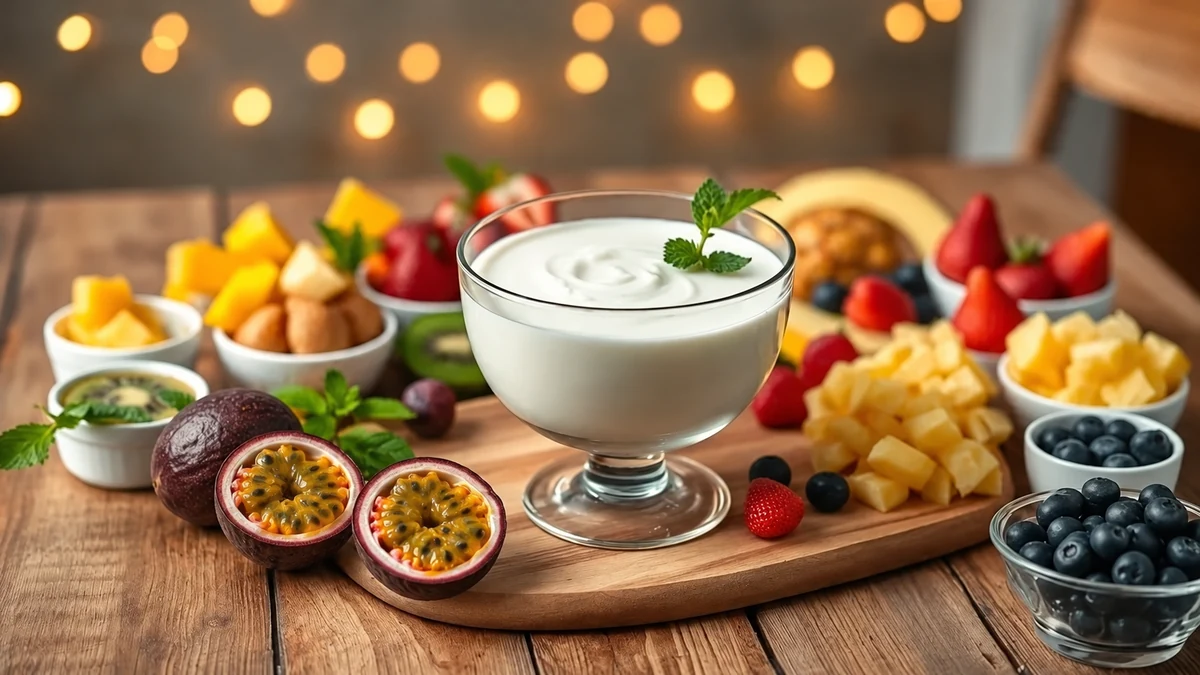
- Mango adds sweet, golden cubes that hold their shape when ripe but firm.
- Strawberries add colour and a little sharpness; wash, dry and slice as needed.
- Kiwi brings green colour and tang. Add close to serving for the freshest flavour, especially when using dairy cream.
- Pineapple is juicy and fragrant; well-drained tinned pineapple is a practical choice.
- Seedless grapes offer another texture. Quarter lengthways for young children rather than serving whole grapes.
- Passion fruit works as a small amount of sharp sauce or topping.
- Blueberries add little points of colour; prepare appropriately for young children.
Fruit combinations
- Mango, strawberry and kiwi: a colourful combination of sweet and sharp flavours.
- Pineapple, passion fruit and mint: a fresh-tasting tropical variation.
- Strawberry and chocolate ganache: fruit contrasts with the deeper chocolate flavour.
- Grape, peach and blueberry: a milder combination with varied textures.
Texture and appearance
Vary the shapes with mango cubes, kiwi slices and sliced strawberries. Firm fruit makes tidier layers; very soft fruit releases more liquid and can make the biscuits soggy.
Adapting for your guests
- Children: choose an alcohol-free version and prepare fruit for the child’s age. Quarter grapes lengthways, remove stones and seeds and avoid whole nuts for young children.
- Adults choosing alcohol: add the optional liqueur to a clearly separate dish so guests can distinguish it from the alcohol-free dessert.
- Dietary needs: check all ingredients for gluten-free, lactose-free or vegan requirements. Lactose-free dairy still contains milk proteins and is not suitable for a milk allergy.
Quick preparation tips
- Choose ripe but firm fruit to keep the layers neat.
- Drain tinned fruit and syrup thoroughly before adding it.
- Drain very juicy fruit rather than dusting it with raw cornflour. Cornflour needs cooking to thicken properly and should not be used as an uncooked coating here.
- Reserve attractive pieces of fruit for decorating just before serving.
Colour on the celebration table
Golden mango or pineapple, green kiwi and red strawberries contrast with the pale cream. Use that contrast to arrange a colourful dessert without elaborate decoration.
Layering and decorating the dish
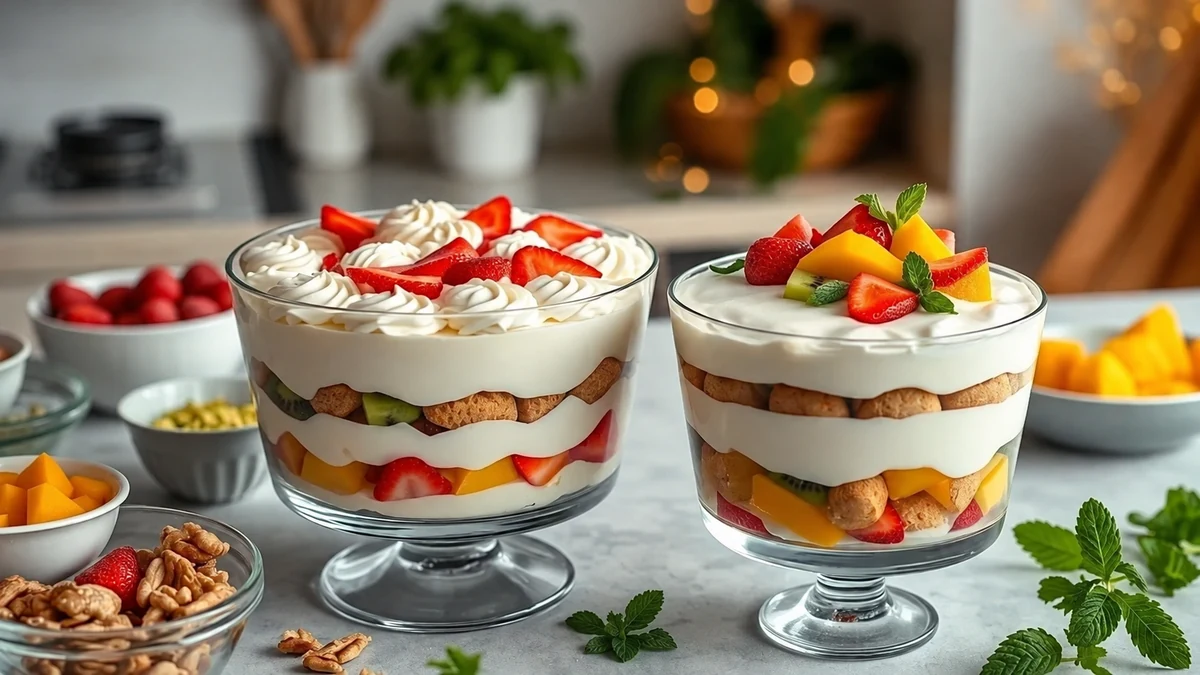
Even layers and a simple fruit topping make the pavé attractive. Choose decorations that suit a chilled dessert and add delicate finishing touches at serving time.
- Level each layer: spread the cream gently with a spatula and settle the biscuits without pressing hard enough to crush them.
- Layer order: start with a little cream, then moistened biscuits, fruit and more cream. Repeat and finish with cream.
- Avoid soaking: dip biscuits very briefly or brush with juice, adjusting to how quickly they soften.
- A clear dish: food-safe glass shows the contrasting layers well.
- Prepare ahead thoughtfully: assemble the day before if useful, but leave the decorative fruit topping until closer to serving.
Decoration ideas
- Concentric rings: arrange strawberry and kiwi slices with mango cubes in a simple circular pattern.
- A fruit mosaic: alternate small fruit pieces or strips for a colourful surface.
- Piped cream: if adding separate whipped cream, pipe small rosettes between fruit pieces. The soft cooked filling itself may not hold a defined piping shape.
- Crunchy finish: use suitable toasted nuts, chocolate shavings or toasted coconut just before serving.
- Aromatic touches: add lemon or orange zest and a few mint leaves.
- Edible flowers: use only flowers sold for eating by a reliable food supplier, following its preparation advice. Florist flowers are not a suitable substitute.
Avoiding soggy layers
- Drain tinned fruit: leave in a sieve and pat dry gently with clean kitchen paper if needed.
- Juicy fruit: drain or use a smaller amount between layers. Do not add uncooked cornflour to absorb juice.
- Cream consistency: cook the cornflour properly and chill the cream thoroughly. For a deliberately firm, gelatine-set dessert, follow a tested recipe for that method rather than adding an arbitrary sachet to this one.
- Final fruit layer: add shortly before serving. A layer of cream is not a waterproof barrier against fruit juice.
Presentation and serving
- Serve chilled: refrigerate for at least 4 hours, preferably overnight, to let the biscuit layers soften evenly.
- Neat portions: use a broad serving spoon, or a clean warmed and dried knife if the mixture is firm enough to cut.
- Individual glasses: assemble in small dessert glasses for easy serving without cutting.
- Decorate at the end: add mint and fresh fruit as the pavé goes to the table.
Storage and advance preparation
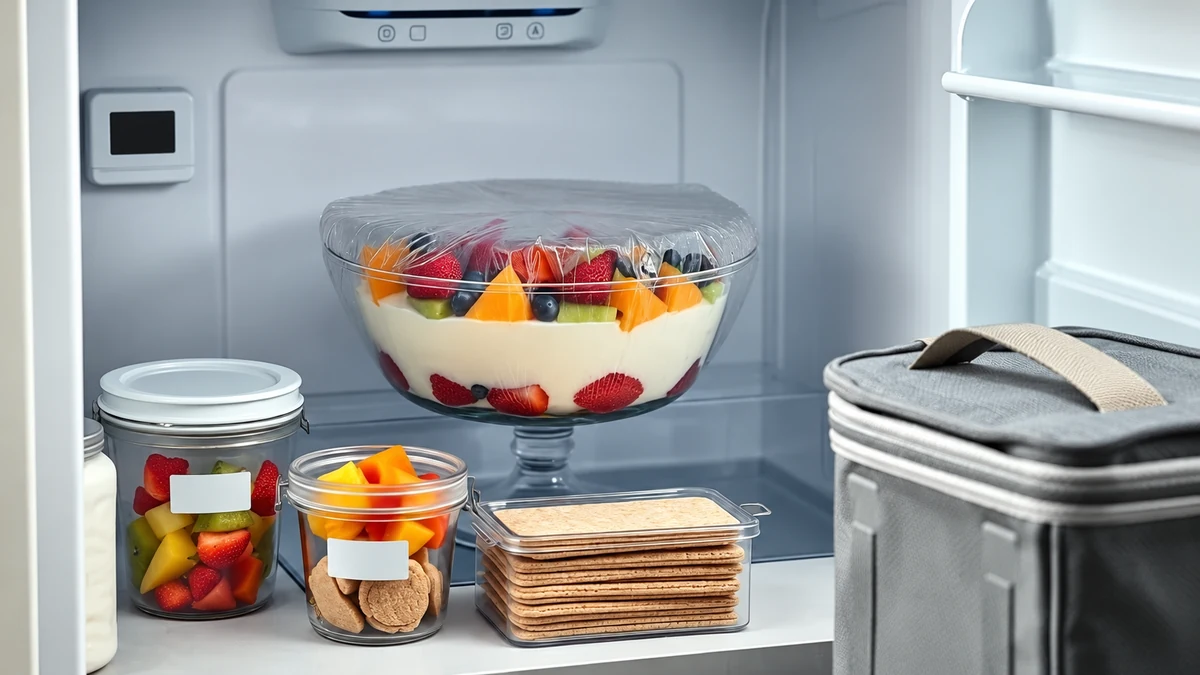
- Keep refrigerated: cover the assembled dish and place promptly in the fridge at 5°C or below.
- Storage period: use within 48 hours of preparing the cream, or sooner if another ingredient requires it. Assembly or fresh decoration does not restart this time.
- Avoid freezing the assembled dessert: thawed fruit releases water and the biscuits and cream can lose their texture.
Make-ahead steps
- Prepare the cream: cook it, cool promptly in a shallow container and refrigerate within 1–2 hours. Prepare the day before rather than keeping it for several days before assembly.
- Prepare the fruit: wash, dry and chop as appropriate. Keep covered in separate chilled containers for up to 24 hours before assembly, draining excess juice.
- Moisten biscuits at assembly: keep them dry until you are ready to build the layers.
- Leave the topping until later: assemble the biscuit, fruit and cream layers, cover and chill. Add decorative fruit shortly before serving.
- Fully assembled in advance: use well-drained fruit and keep the pavé refrigerated. Expect a soft, spoonable dessert; extra setting agents are not a substitute for proper chilling.
Practical storage tips
- Cover the cream: suitable food-safe film touching its surface helps prevent a skin while cooling; follow the film manufacturer’s temperature guidance.
- Separate components: keep cream and prepared fruit refrigerated, while dry biscuits stay in a sealed pack in a cool, dry place.
- Freezing components: this cornflour-and-dairy cream may separate after freezing, so fresh preparation is preferable. Freeze surplus fruit for another suitable use rather than relying on it to retain a fresh texture in the pavé.
- Time at room temperature: keep service brief, aiming for less than 2 hours outside refrigeration in total, and less in hot conditions.
Transport and service
- Short journeys: use an insulated carrier with ice packs and keep the dessert properly chilled. A fixed journey length alone does not guarantee safe temperature.
- Longer journeys: keep cream and fruit chilled separately if that protects texture, and allow enough time for the assembled dessert to chill at the destination. Maintain the cold chain throughout.
- Serving: bring out shortly before eating, portion with clean utensils and return unused chilled portions promptly to the fridge.
Clean handling
- Hands and utensils: use clean hands, work surfaces, dishes and containers throughout preparation.
- Date labels: record when the cream and fruit were prepared so the storage period remains clear after assembly.
Lactose-free and gluten-free options
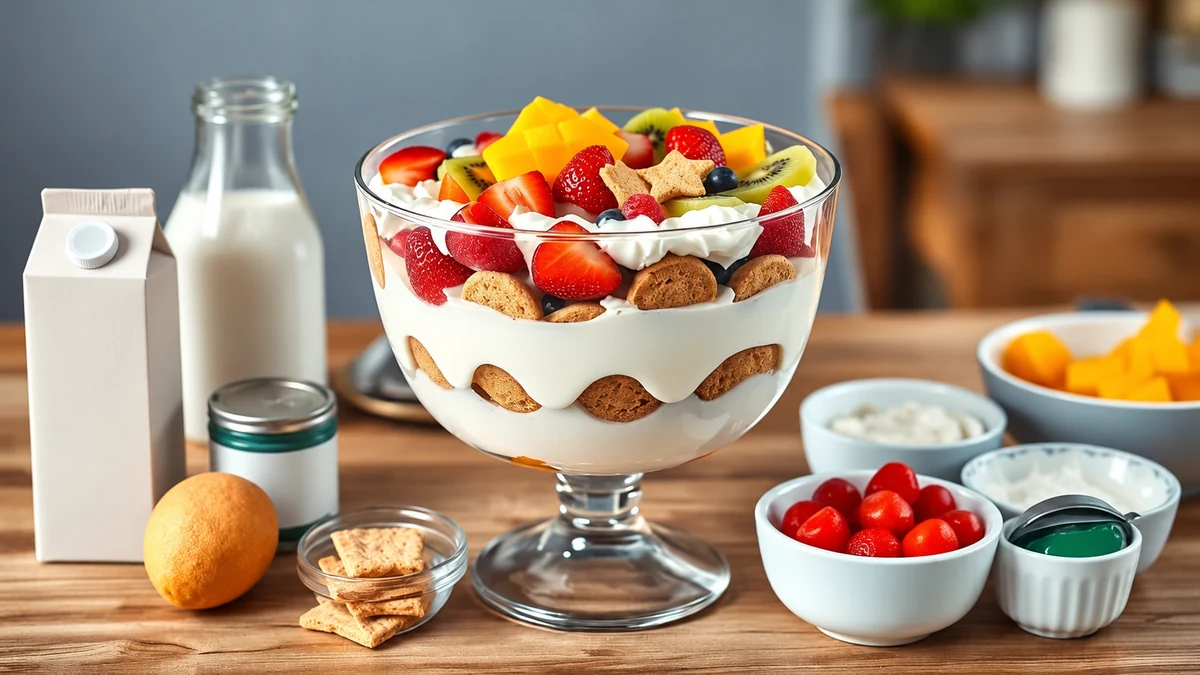
You can adapt fruit pavé for particular dietary needs, but check every component. Lactose intolerance, milk allergy, coeliac disease and vegan preferences require different ingredient checks.
Alternative ingredients
- Suitable gluten-free biscuits, enough for your dish. Use up to the main recipe’s 400 g; 200–250 g makes fewer or thinner biscuit layers. Check the label and texture rather than assuming rice cakes behave like biscuits.
- 500 ml total unsweetened plant-based milk, with 120 ml reserved for the cornflour. Choose an appropriate gluten-free oat drink where required, or another suitable alternative.
- 395 g suitable condensed milk alternative. Lactose-free dairy condensed milk still contains milk proteins; choose a genuinely plant-based product for a vegan or milk-free version, checking allergen labelling.
- 200 ml plant-based cream, such as suitable coconut or soya cream.
- 2 tablespoons cornflour, mixed with the reserved cold plant-based milk. Vegetarian gelling products vary and are not interchangeable with a 12 g gelatine sachet.
- 300–400 g prepared fruit, such as mango, strawberries and kiwi, ripe but firm.
- 120 ml fruit juice for moistening biscuits, used sparingly according to how quickly the biscuits soften.
- Optional extra sweetener, only after tasting; condensed milk alternatives differ in sweetness.
Adapted preparation
- Make a cornflour mixture: combine cornflour with the reserved 120 ml cold plant-based milk. Add to the remaining milk and condensed milk alternative. This is a starch-thickened cream, not a flour-and-fat roux.
- Cook until thickened: heat while whisking until bubbling gently and the cornflour is cooked. Stir in plant-based cream and vanilla, then gently heat until uniform. Timing varies with the pan and ingredients.
- Cool promptly: transfer to a shallow heatproof container, cover appropriately and refrigerate within 1–2 hours, using a cold-water bath to speed cooling if needed.
- Moisten biscuits: brush or dip briefly in juice as you assemble. Some gluten-free biscuits soften very quickly.
- Layer: alternate cool cream, moistened biscuits and drained fruit, finishing with cream.
- Setting agents: the main adapted method uses cooked cornflour. If choosing a separate recipe with agar or another vegetarian gelling agent, follow its specific boiling and dosage instructions; stirring it into merely warm cream may not activate it.
- Chill for at least 4 hours: overnight chilling helps the layers settle, although the result remains a spoonable dessert.
Points to check
- Avoid cross-contact: use clean utensils and surfaces and separate ingredients where preparing food for someone with coeliac disease or an allergy.
- Read labels: verify the specific dietary requirement on all products, rather than treating lactose-free, dairy-free, vegan and gluten-free as equivalent claims.
- Biscuit texture: moisten gluten-free biscuits lightly and adjust according to the product, while still allowing the assembled dessert to chill properly.
- Cream consistency: different plant-based products give different results. Cook the starch correctly and serve in glasses if the filling is too soft for neat portions from a large dish.
- Flavour alternatives: coconut cream adds a tropical note. Plant-based yoghurt gives tang but may loosen the filling, so use it as a deliberate variation.
Fruit pavé with vanilla cream is a colourful, adaptable dessert for New Year’s Eve, combining familiar biscuit layers with fresh fruit.
Careful draining, gentle layering and thorough chilling help it reach the table with enjoyable flavour and texture.
Thank you for following the recipe. Find more seasonal ideas on our social pages and the I Love Christmas blog.
Happy celebrations and a wonderful New Year!
Frequently asked questions about fruit pavé
Which fruit works best?
Choose ripe but firm mango, strawberries and kiwi, or well-drained tinned pineapple or peaches. Add delicate decorative fruit close to serving and avoid excess juice between layers.
Can I prepare pavé ahead?
Yes. Prepare and assemble the day before, keep refrigerated and add decorative fruit shortly before serving. Count the storage period from when the cream was prepared, not from decoration or assembly.
How do I stop the biscuits becoming soggy?
Dip very briefly or brush lightly with juice, depending on the biscuit. Drain fruit well and avoid adding excess liquid; the biscuits will still soften as the dessert chills.
Can I make a vegan or dairy-free version?
Yes. Use suitable plant-based milk, condensed milk and cream, omit yolks and choose appropriate biscuits. Check allergens and cook the cornflour properly. Lactose-free dairy is not the same as milk-free or vegan.
How long can I keep pavé in the fridge?
Keep covered at 5°C or below and use within 48 hours of preparing the cream, or sooner if another ingredient requires it. Keep time outside refrigeration short.
How do I serve neat portions?
Chill thoroughly and use a broad spoon. If the filling is firm enough to slice, use a clean knife warmed in water and wiped dry. Individual dessert glasses are a convenient option for this soft cream.
Sources and Further Reading
- Food Standards Agency — chilling, freezing and defrosting food
- Food Standards Agency — food allergies and intolerances
- Food Standards Agency — cooking your food safely
- Dr. Oetker — gelatine and vegetarian setting products