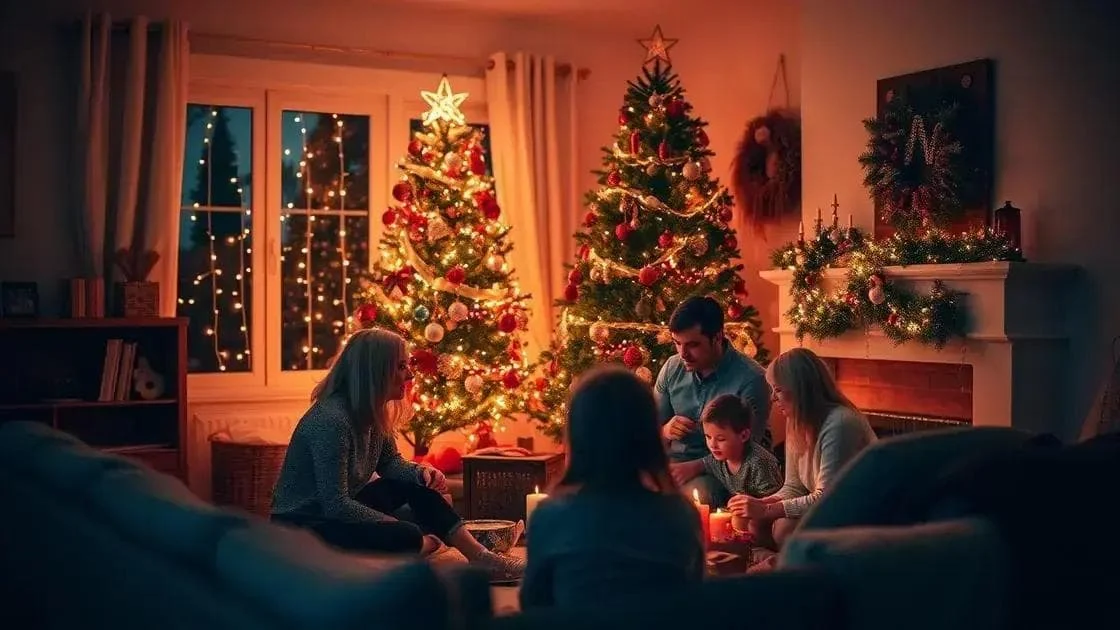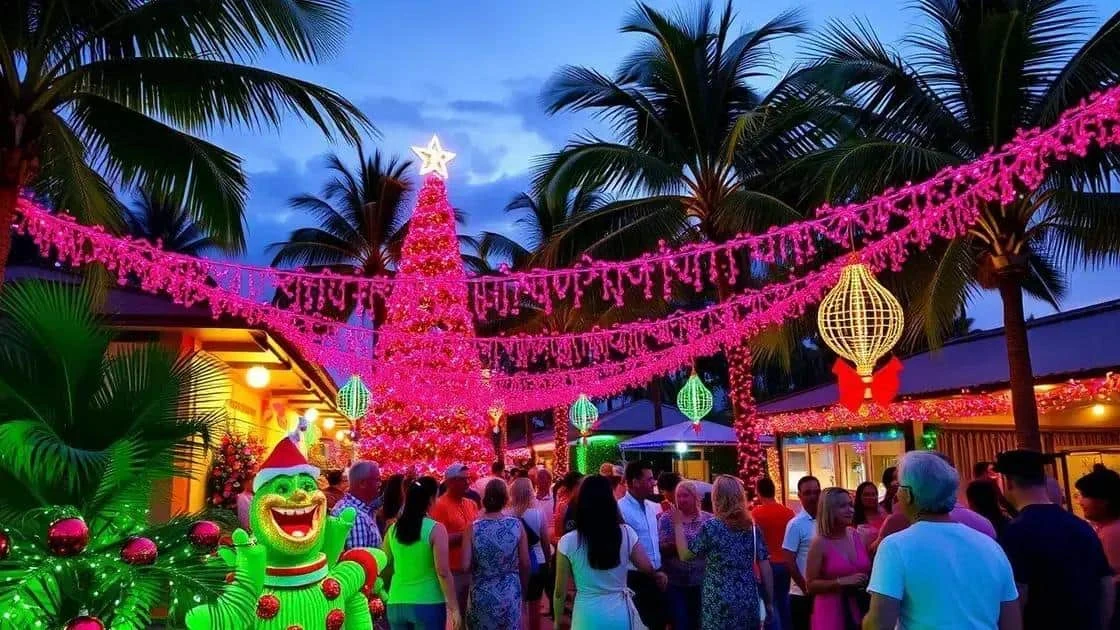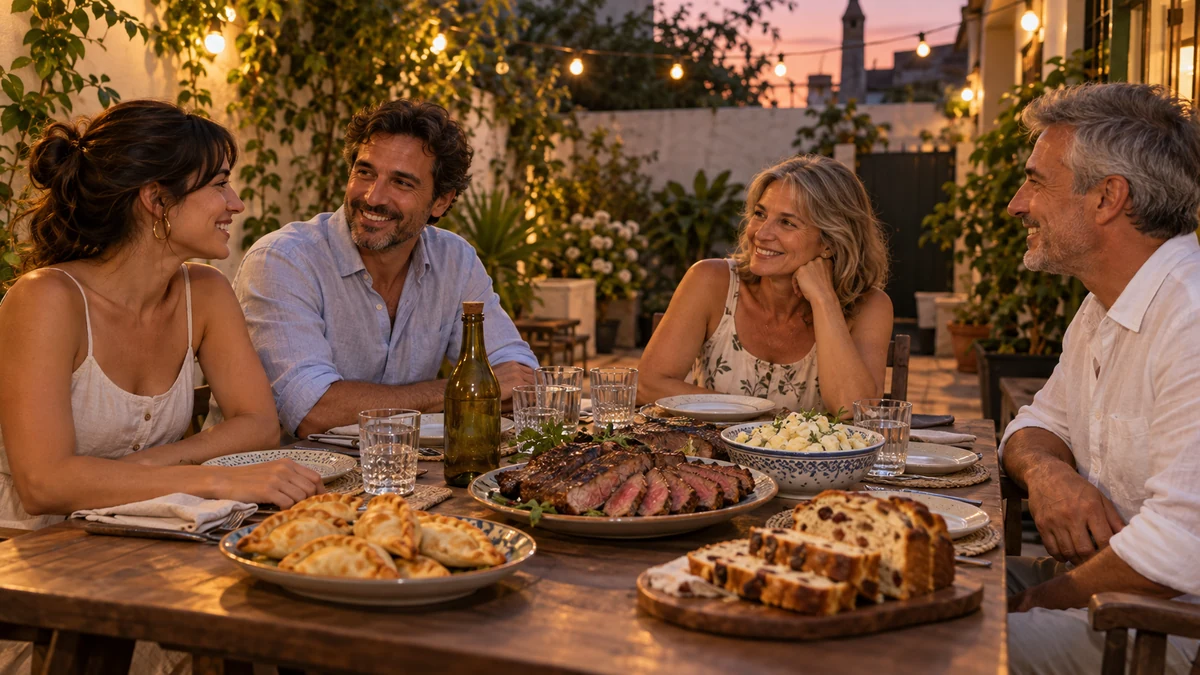
New Year in Argentina falls in summer and often centres on a late meal with family or friends and a midnight toast. Food, entertainment and symbolic customs vary between households and regions. Check local events and transport before travelling, and treat good-luck rituals as optional traditions rather than promises of prosperity.
New Year in Argentina can mean an outdoor meal, a gathering at home or a night out with friends. Beyond the images of fireworks and asado, there is no single national way to celebrate. This guide explores the food, different settings and practical details that can help a visitor understand the occasion.
Illustrations in this article are conceptual images, not documentary photographs or evidence of a particular historical event, destination, venue or access route.
Popular ways to welcome the New Year
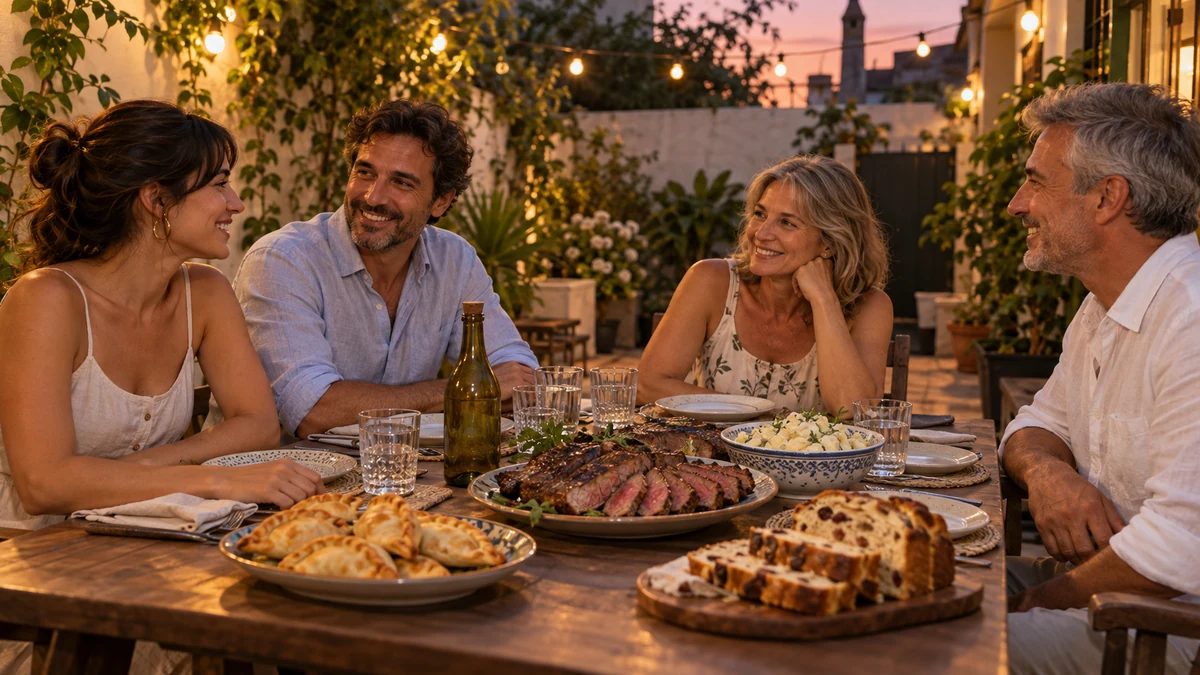
Families and friends may gather at home or choose a restaurant or organised event. A midnight toast, greetings and time together can mark the change of year, while the setting and scale of the celebration depend on the group.
Public celebrations
Some destinations organise music or public events, but a large street party is not guaranteed in every city. Fireworks are also subject to local restrictions and changing programmes. Check the municipality’s current announcements instead of relying on photographs from another year.
- Look for confirmed music and dance events, noting whether admission is public or ticketed.
- La Plata has a documented end-of-year muñecos tradition involving community-made figures; it should not be presented as a small household ritual practised everywhere.
- Coastal destinations can attract holiday visitors, so check access, facilities and crowd conditions before heading to a beach or square.
Symbolic customs and good-luck beliefs
You may encounter customs associated with luck, prosperity or travel, some of which circulate across several Spanish-speaking countries. Their presence in a list of New Year ideas does not establish that every Argentine household follows them.
- Twelve grapes: some people associate grapes with wishes for the coming months. This is not uniquely Argentine, and eating should never become a race against the clock.
- Yellow clothing or an accessory may be chosen as a personal symbol of luck; it is not a national dress requirement.
- Coins in a purse can symbolise hopes for prosperity, but they cannot guarantee money in the coming year.
- An empty suitcase may symbolise a wish to travel. If someone enjoys this custom, keeping it at home avoids obstructing busy streets.
- Lentils or beans may carry an association with abundance in some families. Ask your hosts about their own customs rather than assuming a standard ritual.
Food, company and the midnight toast
A gathering may include asado, the Argentine barbecue tradition, alongside salads, empanadas or other shared dishes. The midnight toast might use cider, sparkling wine or an alcohol-free drink. Not everyone drinks alcohol or wants physical greetings, so follow people’s preferences.
Some households prefer a relaxed meal and conversation; others go out later. Tourist destinations may offer paid dinners and entertainment, whose menus, prices and age policies should be checked beforehand.
Joining a celebration as a visitor
If invited to a home, confirm the time and ask whether to bring anything. A dish, dessert or drink can be a thoughtful contribution when agreed with the host. An invitation from a resident is a personal welcome, not something visitors should expect or pressure people to provide.
Argentine festive food
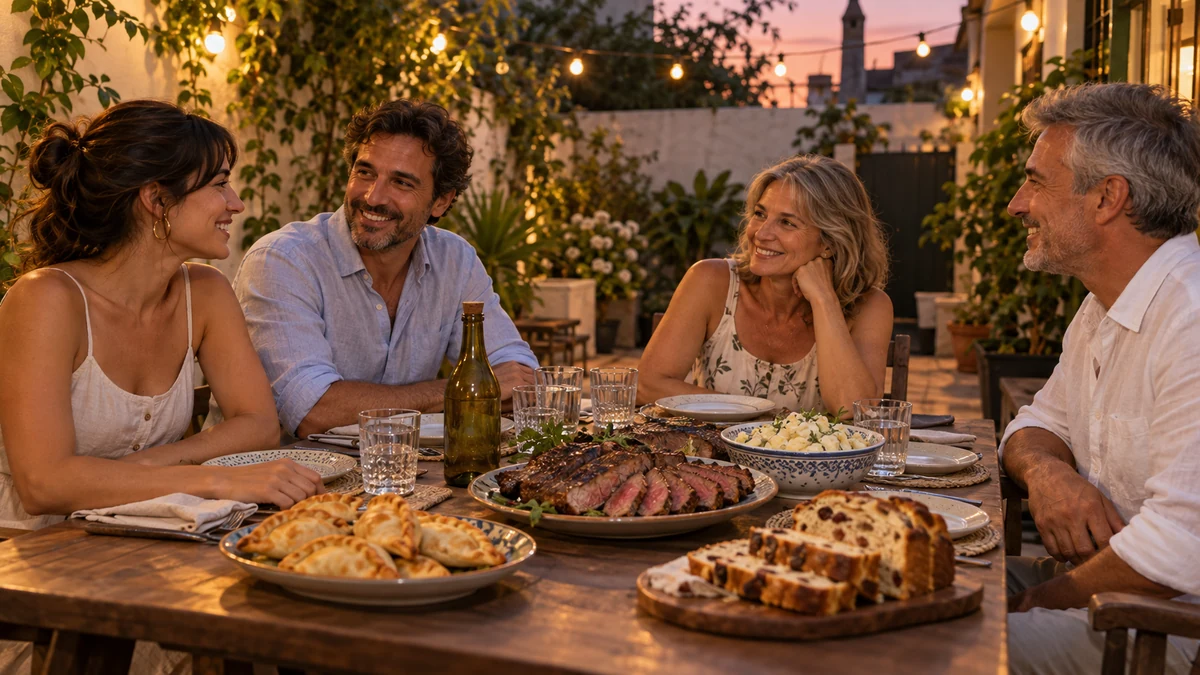
A New Year’s meal may combine grilled food, cold dishes and sweet treats suited to a summer gathering. The menu varies with family traditions, budget and dietary needs; there is no compulsory sequence or universal list of dishes.
Dishes you may encounter
- Asado: meat cooked on a parrilla, often shared with accompanying dishes. Argentina’s official tourism guide describes its place in festive family gatherings, alongside other seasonal foods. Source: Argentina Tourism: festive dishes
- Empanadas: baked or fried filled pastries, with options such as meat, cheese or humita, a sweetcorn-based filling. Recipes differ between regions and cooks.
- Provoleta: grilled provolone cheese, often seasoned with oregano, served as a starter or alongside a barbecue.
- Choripán: grilled chorizo sausage in bread, a familiar option at informal gatherings rather than a dish reserved for New Year.
- Ensalada rusa: a potato salad commonly made with peas, carrots and mayonnaise. Keep prepared salads chilled until serving.
Desserts and drinks
- Pan dulce: a festive sweet bread, often containing dried or candied fruit and sometimes nuts, usually served in slices.
- Turrón and other sweets: nougat-style confections and sweet bars can form part of a festive spread. Check ingredients for nuts and other allergens.
- Ice cream and dulce de leche desserts: chilled treats provide another option, especially for a warm evening. Flavours and recipes depend on the household.
- Cider and sparkling wine: possible choices for the toast, with alcohol-free alternatives for anyone who prefers them. The drink matters less than including everyone comfortably.
Regional choices and dietary alternatives
Local ingredients and family preferences influence menus more reliably than a rigid regional rule. Vegetarian options might include grilled vegetables, suitable cheese, vegetable empanadas and salads. Confirm ingredients and cooking arrangements; cheese dishes and pastry are not automatically vegetarian or suitable for every allergy.
Serving a summer meal
If hosting an asado, plan the cooking and serving around food being ready safely rather than forcing every dish to finish at midnight. Keep raw and cooked food separate, cook meat appropriately and keep chilled dishes cold until needed. Bring out smaller portions and replenish them instead of leaving the whole meal in the heat.
Good-luck customs and what they mean
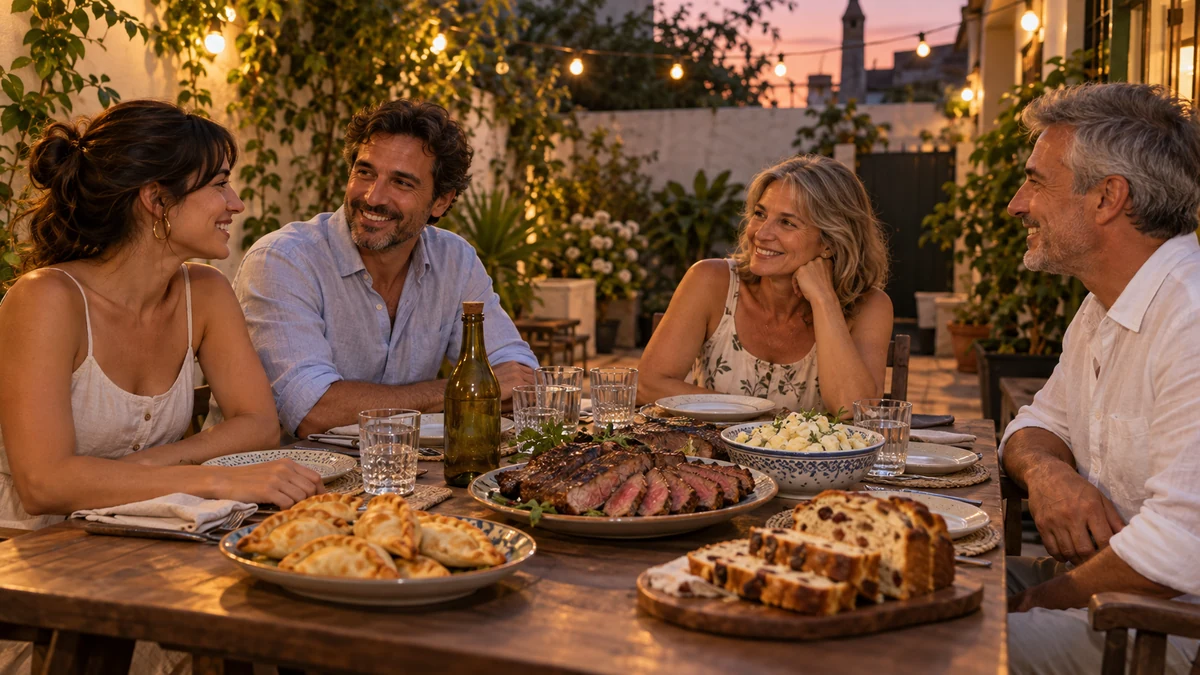
Symbolic rituals can be a playful way to express hopes for the coming year. They are beliefs or personal customs, not methods that produce luck, love or money. Families may follow some, adapt them or ignore them altogether.
Customs you may hear about
- Twelve grapes: if your family chooses this custom, eat at a comfortable pace rather than trying to swallow to each chime. NHS child-safety advice recommends cutting round fruit lengthways into quarters for young children and supervising them while seated. Source: NHS practice: preventing choking in children
- Wearing yellow: an optional colour choice associated by some people with good fortune. Treat it as a personal symbol rather than a rule for dressing in Argentina.
- Coins in a purse: a symbolic wish for financial wellbeing. Keep loose coins away from young children and do not put them in food.
- An empty suitcase: a light-hearted symbol of future travel. A suitcase by the door is enough if you enjoy the idea; there is no need to carry it through a crowded road.
- Lentils or beans: some people associate them with abundance. Serve them only as properly prepared food, and keep loose dried pieces away from small children.
- Muñecos at the end of the year: La Plata’s municipal archive records its 2024–2025 end-of-year figures competition. This is a specific local tradition, not an instruction to burn an effigy at home. Follow current official arrangements and restrictions if attending an event. Source: La Plata municipal archive: 2024–25 muñeco competition
Choosing what suits your gathering
One symbolic gesture is enough if it has meaning for you; none is necessary. Avoid home burning activities and rushed eating challenges. Respect local customs by asking what an occasion means and joining only where invited, without assuming that every family follows a list found online.
Street parties, music and fireworks
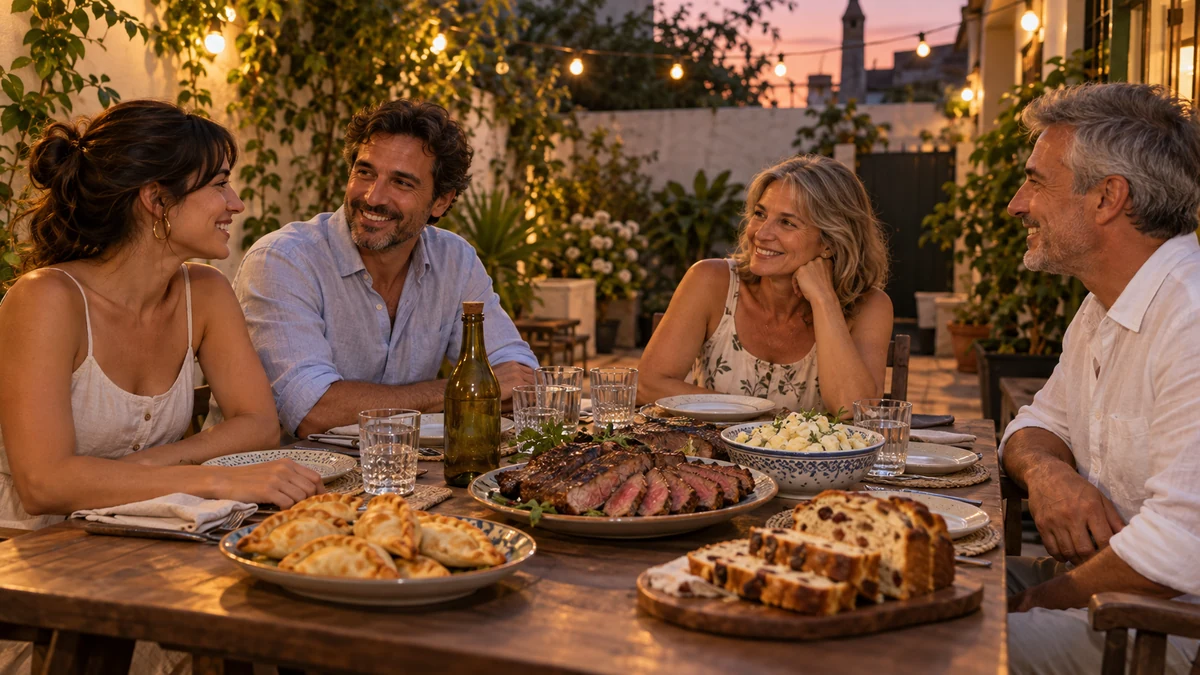
Some people spend the evening at public or commercial events, while others stay with family. Look for a confirmed programme for your destination and year, rather than assuming that streets and squares automatically become organised party venues.
Understanding event arrangements
Free and ticketed events can differ greatly in facilities and access. A paid ticket does not automatically guarantee better crowd management, toilets or medical provision. Check times and ticket requirements, as well as the organiser’s information on entry, accessibility and transport.
- Arrive within the recommended entry window and identify exits before choosing where to stand.
- Carry a modest amount of spending money and use secure payment methods appropriate to the venue.
- Confirm the finish time and how you will get back afterwards, including any reduced holiday transport service.
Enjoying a public event comfortably
Wear clothing suited to the forecast and comfortable shoes. Agree how your group will stay together, especially when accompanying children. Avoid tightly packed areas and follow local announcements if access or crowd conditions change.
- Choose a clear meeting point and a backup way to contact one another if phone networks are busy.
- Bring drinking water and sun protection for daytime outdoor activities where venue rules allow them.
- Take photographs without blocking pathways or other people’s view, and ask before photographing individuals closely.
Fireworks and local rules
Rules and displays differ by municipality and venue; there is no single national New Year’s timetable to rely on. Stay behind barriers at authorised displays. Do not handle fireworks in a crowd or assume that an open space means their use is permitted.
- Follow the organiser’s directions where an official display is confirmed.
- Choose a designated viewing area with a clear exit rather than climbing onto walls, roofs or other unsafe viewpoints.
- Keep away from fireworks and their remains, and do not start an improvised display near people, buildings or vegetation.
Accessibility and support
Check whether the specific event offers accessible routes, toilets, seating and first-aid support. Do not assume these facilities exist simply because an event is advertised publicly. Contact the organiser if you need information that is not provided.
- Identify exits and a realistic route back to your accommodation before the event starts.
- Respect barriers and follow instructions from event staff and local authorities.
- If you need help, use the official information point or approach identifiable event staff or authorities.
Advice for families
Choose an event that suits the children attending, with manageable noise, crowds and timing. Suitable hearing protection can help with loud sound, but moving away from an uncomfortable setting is also important. Keep children under close supervision.
- Check the event’s age policy, family facilities and entry arrangements before buying tickets.
- Avoid taking babies or children close to explosions, smoke or very loud speakers.
- Keep a contact number securely with a child, without displaying unnecessary personal information publicly.
How celebrations vary across Argentina
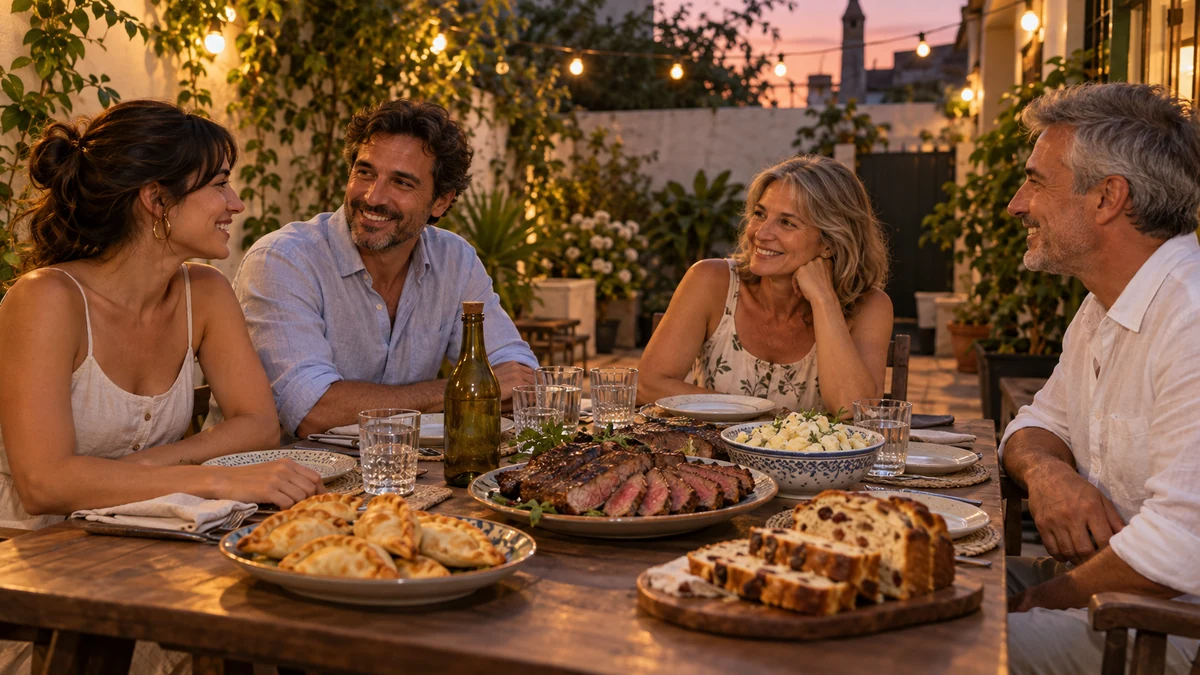
Location, weather, family preferences and local events shape the evening. The following regional notes suggest things to consider rather than fixed descriptions of how every resident celebrates.
Buenos Aires and its surrounding area
A gathering might begin with a late meal featuring asado, cold dishes or other family favourites, followed by a toast. Some people then go out; others stay at home. Check a venue’s actual programme rather than expecting a particular soundtrack, tango performance or city-wide street party.
The Pampas and inland towns
A barbecue or gathering in a garden may suit a warm evening, but an inland address does not automatically mean a quiet or traditional celebration. Ask your hosts about the arrangements and check local events if you plan to go out.
Coastal destinations
A stay in a resort such as Mar del Plata may include time by the sea, subject to weather and local access rules. Sparklers and fireworks are not essential beach activities; do not assume they are allowed or appropriate near other visitors, animals or vegetation.
North-western Argentina: Salta and Jujuy
Regional food and music can give a visit its own character. However, Indigenous ceremonies should not be treated as generic New Year’s entertainment or assumed to take place on 31 December. Ask about specific events and their meaning, and respect restrictions on participation or photography.
Cuyo and Mendoza
Wine is an important part of Mendoza’s tourism and culinary identity, but it is not compulsory at a family celebration. If including a winery visit, check holiday opening times and arrange transport that does not depend on anyone driving after drinking.
Patagonia
New Year is also in summer in Patagonia. Conditions vary with latitude, altitude and location, and evenings may be cool or windy. Check the forecast rather than picturing every celebration beside a winter fireplace, and pack layers suitable for your actual destination.
Local traditions in particular towns
Some places have distinctive community events, including La Plata’s muñecos tradition. These should be tied to a named place and confirmed programme, not described as something every small town does. Respecting local customs starts with accurate information and an invitation where one is needed.
Practical advice for joining a gathering
- Ask your host about timing, clothing and what the evening will involve.
- Offer to bring a dish, dessert or drink, then confirm what would actually be useful.
- Dress for the local forecast and the planned venue, with an extra layer where evenings may cool down.
- Join private or religious activities only when invited, and ask if you are uncertain about expectations.
- Keep children away from cooking areas and open flames, and choose alternatives to household fireworks.
Planning a New Year visit
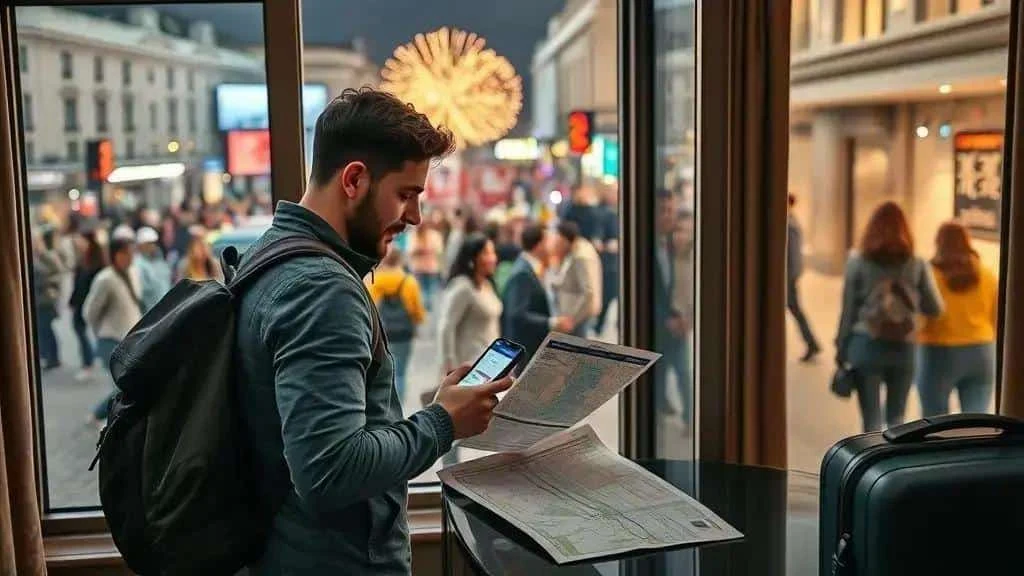
A little preparation can make holiday travel easier. Arrange accommodation, transport and event bookings, and agree a simple plan for staying in touch with your group.
Accommodation and reservations
Popular destinations and venues may book up, so compare options ahead of your trip. Confirm check-in times, payment conditions and cancellation rules before committing.
- Consider the journey between your accommodation and the celebration, including how practical it will be late at night.
- A flexible booking may be useful if plans could change, but compare its price and exact conditions with other options.
Getting around
Research public transport, licensed taxis and available booking services before the evening. Holiday schedules may be reduced or changed rather than expanded. Plan the return journey and keep a backup option.
- Identify official taxi arrangements or relevant stations where available; not every destination has a metro system.
- If driving, check parking and road closures, and ensure the driver does not drink alcohol.
Looking after belongings and each other
Keep valuables secure and avoid displaying more than necessary. Agree on a meeting point in case your group becomes separated.
- Use a secure bag or inner pocket, and protect any digital copies of important documents.
- Choose crowd conditions suited to each person’s comfort and mobility rather than making assumptions based on age alone.
Payments, tickets and communications
Check how local venues accept payment and carry only what you need. Save useful contacts, including your accommodation and the appropriate local emergency information, before going out.
- Keep tickets and booking confirmations accessible offline as well as on your phone.
- Arrange mobile data or another way to access maps and transport information, and check any roaming costs.
Clothing and useful items
Match your clothes to the forecast, location and venue. Comfortable footwear helps if the evening involves walking or standing, and a layer for cooler conditions may be useful.
- Consider a small torch, sun protection and a reusable water bottle where permitted.
- Suitable hearing protection and a weather-resistant bag may help, depending on the event and forecast.
Health and food considerations
Seek travel-health advice appropriate to your circumstances before the trip and carry necessary medicines. Choose food that appears to be handled and stored properly rather than judging safety solely by the presence of a stall.
- Tell hosts about allergies and other dietary requirements in advance where possible.
- Allow time to rest and drink water, especially during hot weather and long evenings.
Local etiquette
Follow the organiser’s rules, ask before photographing people and stay out of private or restricted spaces.
- Accept that some activities are for invited participants only.
- Use available bins and take your rubbish away if suitable disposal is not provided.
Quick reminders
- Check the recommended arrival time and leave enough time to find the entrance without rushing.
- Agree where to meet and start the evening with a charged phone.
- Use a reputable transport service, verify the vehicle and driver details and share your journey with someone you trust if useful.
- When travelling with children, keep suitable identification and a recent photograph available privately.
Etiquette, safety and keeping costs manageable
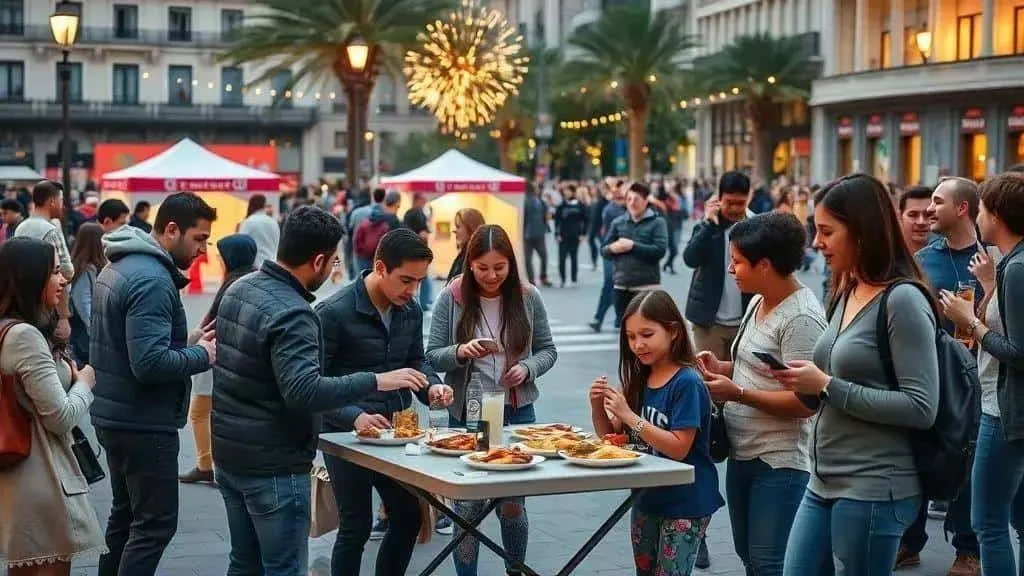
- Respect the host’s arrangements: confirm the time and any contribution before arriving with extra guests, gifts or food.
- Keep the evening considerate: avoid pressuring anyone to drink and make sure non-drinkers have enjoyable options.
- Ask before sharing photographs: permission to take a picture does not automatically mean permission to publish it on social media.
- Dress for the occasion: consider comfort, weather and any stated venue requirements.
- Offer a friendly greeting: thank hosts and acknowledge neighbours without assuming everyone wants a hug or other physical contact.
Personal safety
Keep belongings close and avoid leaving bags unattended. Use a secure inner pocket or bag for essential items rather than displaying valuables in busy areas.
- Keep useful document copies and emergency contacts secure; do not store payment-card security codes in an ordinary phone note.
- Agree a contact plan and share your location with a trusted person if that helps your arrangements.
- When accompanying children, maintain supervision and identify an easy-to-recognise meeting place and suitable staff to approach for help.
Fireworks and crowds
Prefer a properly organised viewing area if an authorised display is taking place. Keep clear of launch areas and do not handle fireworks or unexploded remains.
- Follow the instructions of organisers and safety staff, including any request to move away or leave.
- Keep children and animals away from fireworks, smoke and crowded launch areas.
- Know where exits and any first-aid point are located before you need them.
Enjoying the evening on a budget
A simple gathering can be enjoyable without an expensive ticket. Plan with friends and agree a spending limit that everyone is comfortable with.
- If sharing food, allocate dishes so that guests do not all bring the same thing, and discuss allergies beforehand.
- Compare prices and buy realistic quantities of drinks, including water and alcohol-free options, rather than buying in bulk simply because it looks cheaper.
- Check confirmed free events if they suit your group, while allowing for transport and any other costs.
Saving money without losing sight of practicalities
- Carry a limited amount of cash and use secure electronic payments where appropriate and accepted.
- Sharing a suitable licensed vehicle with friends may reduce the cost, but check capacity and the quoted fare. A booking does not by itself guarantee safety.
- Confirm ticket prices, booking fees and inclusions before paying, especially for packages that advertise a dinner and entertainment together.
A short checklist
- Essential documents and securely stored copies.
- A charged phone and an appropriate portable charger.
- Suitable payment methods and a modest amount of cash where needed.
- Personal medicines and basic supplies appropriate to your trip.
- Comfortable clothes and protection from the weather expected at your destination.
Welcoming the year in your own way
New Year in Argentina offers different foods, settings and family customs to discover. Approach them with curiosity, check practical arrangements and leave room for a celebration that differs from your expectations.
Thank you for reading. Explore more festive meal ideas and seasonal traditions, and use current local information when planning a trip.
Visit the I Love Christmas blog for more ideas for the end-of-year celebrations.
Frequently asked questions about New Year in Argentina
What are some popular ways to celebrate?
A meal with family or friends and a midnight toast are familiar possibilities, followed in some cases by going out. Menus, public events and symbolic customs vary; neither fireworks nor twelve grapes are universal requirements.
Which foods might I try at a festive meal?
Depending on the menu, you may find asado, empanadas, provoleta, ensalada rusa, pan dulce or desserts with dulce de leche. Ask about ingredients and dietary needs rather than assuming every household serves the same dishes.
Which good-luck rituals might I hear about?
Grapes, coloured clothing, coins, lentils and an empty suitcase appear in different New Year customs across several countries and some families. They are symbolic wishes, not uniquely Argentine practices or guarantees of prosperity, and participation is optional.
How should I prepare for a street celebration?
Check the current official programme, entry arrangements, facilities and transport. Keep belongings secure, agree a meeting point, avoid overcrowded areas and follow staff instructions. No set of precautions can guarantee safety at every event.
Should I book accommodation and tickets in advance?
It is sensible to check availability early for popular destinations and events. Compare the full cost, location and cancellation terms before booking, and confirm that the programme applies to your travel dates.
How can I keep the cost down?
Set a shared budget, coordinate food contributions, compare confirmed free events and include transport in your calculations. Buy quantities you will use and check package inclusions rather than assuming bulk purchases or a low ticket price always save money.
Sources and Further Reading
- Argentina Tourism: festive dishes
- La Plata municipal archive: 2024–25 muñeco competition
- NHS practice: preventing choking in children