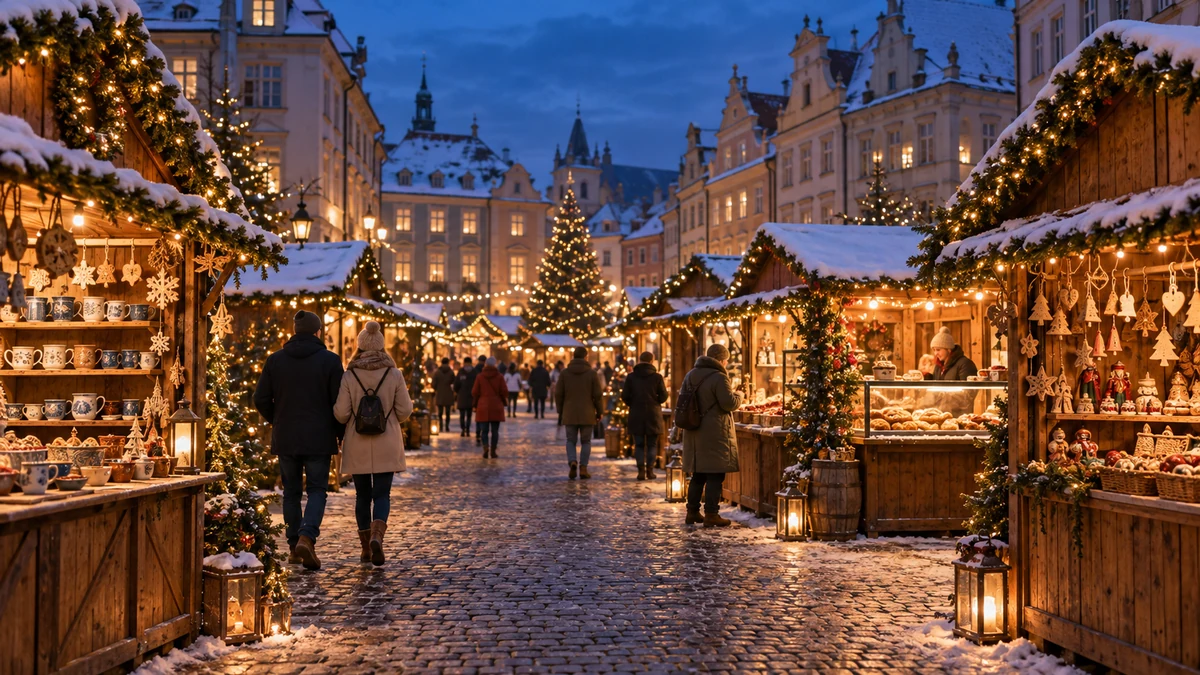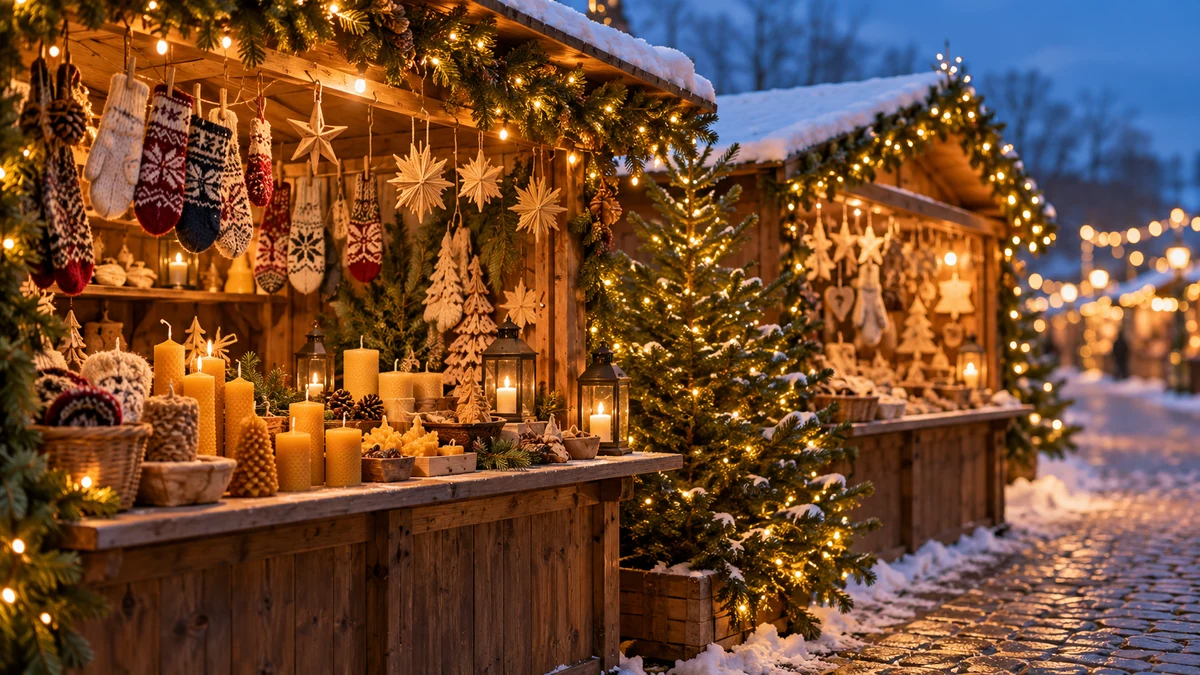
Tallinn Christmas Market brings seasonal stalls, festive food and gifts to Town Hall Square in Estonia’s capital. Its Old Town setting is part of the appeal, alongside traditional flavours and opportunities to browse handicrafts. Check current dates, opening hours and the programme before travelling; the origin of individual products varies by seller.
Tallinn Christmas Market is an invitation to explore illuminated streets, try festive flavours and browse gifts in a historic setting. This guide helps you plan the practical details and ask useful questions when shopping, without claiming that every stall is local or that one market is the region’s most authentic.
Illustrations in this article are conceptual images, not documentary photographs or evidence of a particular historical event, destination, venue or access route.
What Makes Tallinn Christmas Market Distinctive?
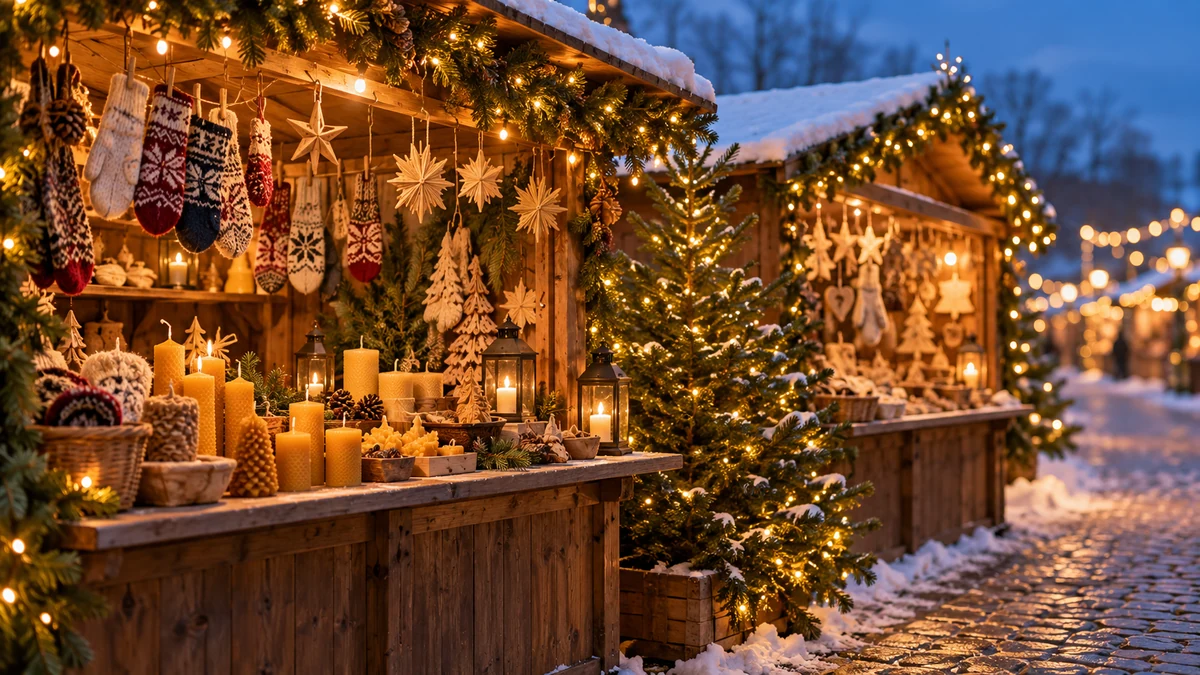
Tallinn Christmas Market takes place in Town Hall Square, where wooden stalls and Christmas lights sit among the buildings of the Old Town. Tallinn is a Baltic city in Northern Europe; its appeal does not depend on ranking it against other European markets.
The Historic Old Town Setting
Narrow streets and historic façades give the visit a distinctive backdrop. The architecture is worth exploring alongside the market, although the festive stalls are a modern seasonal event, not a recreation of everyday medieval life.
Crafts and Local Makers
Look for handicrafts and small producers, but ask who made an item and where. The range changes between stalls and seasons, and a traditional-looking design alone does not establish that a product was handmade locally.
- Wooden gifts: look out for ornaments or carved objects, checking the maker and suitability if buying a toy for a child.
- Woollen and knitted items: hats, gloves and other warm accessories can make useful gifts. Ask about the fibre content and care instructions.
- Glass decorations: if you find delicate baubles or ornaments, ask about their production and protective packaging.
- Beeswax candles: check the ingredients and instructions rather than assuming that a rustic appearance proves the material or origin.
- Sweets and marzipan: explore the market and nearby confectionery shops for suitable gifts, checking ingredients, maker details and storage guidance.
Traditional Flavours and Marzipan
The city’s tourism guide highlights blood sausage, sauerkraut, mulled wine and gingerbread among the market’s festive foods. Other dishes and confectionery may be available at particular stalls or in nearby shops; consult menus rather than expecting every item below at every visit. Source: Visit Tallinn: Christmas market food and experiences
- Hõõgvein, or mulled wine: a spiced wine drink. Alcohol-free alternatives may be offered, but ask explicitly rather than assuming heating removes the alcohol.
- Marzipan: an almond-based sweet associated with Tallinn’s confectionery tradition. Check whether a particular product is made locally and contains other allergens.
- Smoked fish: a possible option to seek out in the city’s food shops or on menus; do not assume it is available at every market stall or smoked on site.
- Rye bread and gingerbread: savoury bread and spiced biscuits offer different ways to explore regional flavours.
Music, Traditions and Activities
Seasonal entertainment may add to a visit, but check the current programme for times and locations. Hands-on activities should be treated as optional possibilities only when advertised; workshops and craft demonstrations are not guaranteed at each stall.
Thoughtful Shopping and Product Origins
Buying from a maker can support their work, but a Christmas market is also a tourist destination. Ask about materials and production instead of assuming that all goods are local, small-batch or environmentally preferable to alternatives.
Quick Tips for Your Visit
- Return after dark to enjoy the lights if that suits your plans. Late afternoon and evening can also be busy, so they are not a guaranteed way to avoid crowds.
- Wear warm layers and suitable footwear for cold conditions and uneven cobbles.
- Ask makers about their work and check product information before buying. A friendly conversation can inform a purchase, but is not proof of authenticity by itself.
Stalls, Festive Food and Gifts to Explore
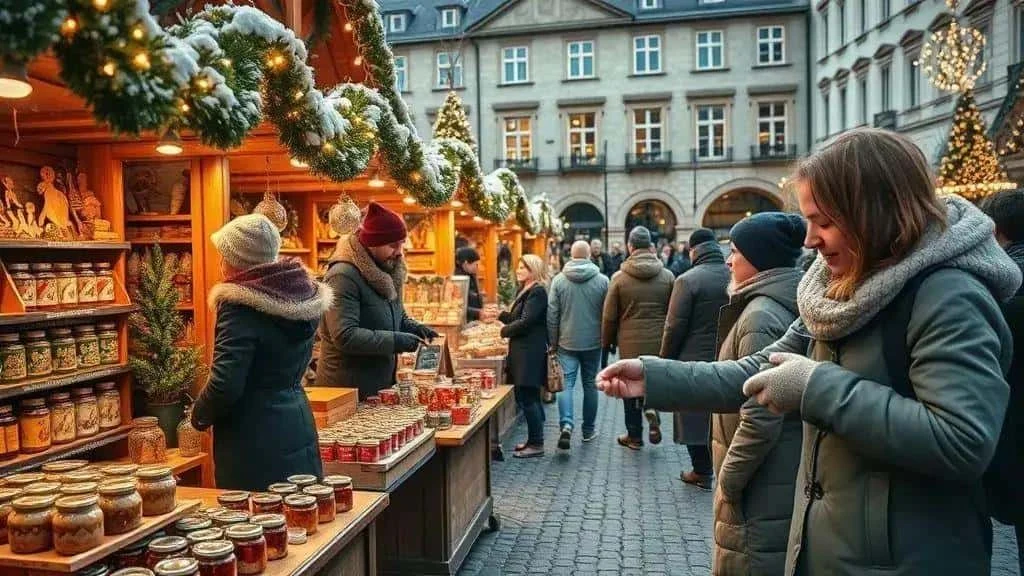
Wooden stalls, warm lighting and seasonal displays make browsing part of the pleasure. Leave room in your itinerary to compare items and take breaks rather than treating the whole market as a shopping checklist.
Types of Stalls to Look For
- Woodwork: carved ornaments, boards or other wooden gifts may be available. Ask about the maker, material and intended use.
- Textiles and knitwear: hats, gloves and warm accessories can be practical gifts if the fabric and size suit the recipient.
- Glass and ceramics: delicate decorations and household objects need careful packing. Variations in finish do not automatically prove that an item is handmade.
- Jewellery and decorative keepsakes: some designs draw on regional or historic motifs. Ask which tradition inspired them rather than assuming every design is specifically Estonian.
Food and Flavours to Consider
Food can be a memorable part of a market visit. Choose what appeals to you and suits your dietary needs, perhaps sharing a few portions rather than ordering more than your group wants.
- Hõõgvein: spiced mulled wine; ask separately about an alcohol-free hot fruit drink if preferred. A hot drink is no substitute for warm clothing and indoor breaks.
- Marzipan: a sweet almond-based treat that can make a gift when packaged and stored according to the maker’s instructions.
- Smoked fish: where available, check the menu, preparation and storage arrangements. Its presence in regional cuisine does not guarantee a stall serving it at the Christmas market.
- Rye bread and gingerbread: try them as part of a meal or a sweet snack, checking ingredients if you avoid gluten or other allergens.
- Sausages and hot savoury dishes: read the menu carefully, since meat, blood sausage and vegetarian choices are not interchangeable.
How to Ask About Handmade Products
Speaking with a producer can be helpful. Ask about the item’s story, including materials, place of manufacture and technique. A signature or irregular finish is not reliable proof of handmade production on its own.
Practical Shopping Tips
- Ask permission to handle a piece and find out how it was made and how to care for it.
- Check the price before a long discussion. Treat displayed prices as fixed unless the seller offers a discount or invites negotiation.
- Estonia uses the euro. Carry a modest amount of cash if useful and ask each stall whether it accepts your card; payment options can vary. Source: Visit Tallinn: practical information
- Bring a reusable bag suitable for your purchases, and protect fragile items separately.
Demonstrations and Activities
If the published programme includes a demonstration or decoration-making activity, check its location, time, price and language. Do not plan around a workshop or free tasting unless it has actually been advertised.
A Few More Ways to Enjoy the Visit
- Arriving near the confirmed opening time may give you a different experience from the evening, but quiet conditions and demonstrations cannot be guaranteed.
- Choose small portions or share suitable dishes if you want to sample several flavours without wasting food.
- Give sellers room to work and ask before photographing people or close-up displays.
Opening Times and a Flexible Itinerary
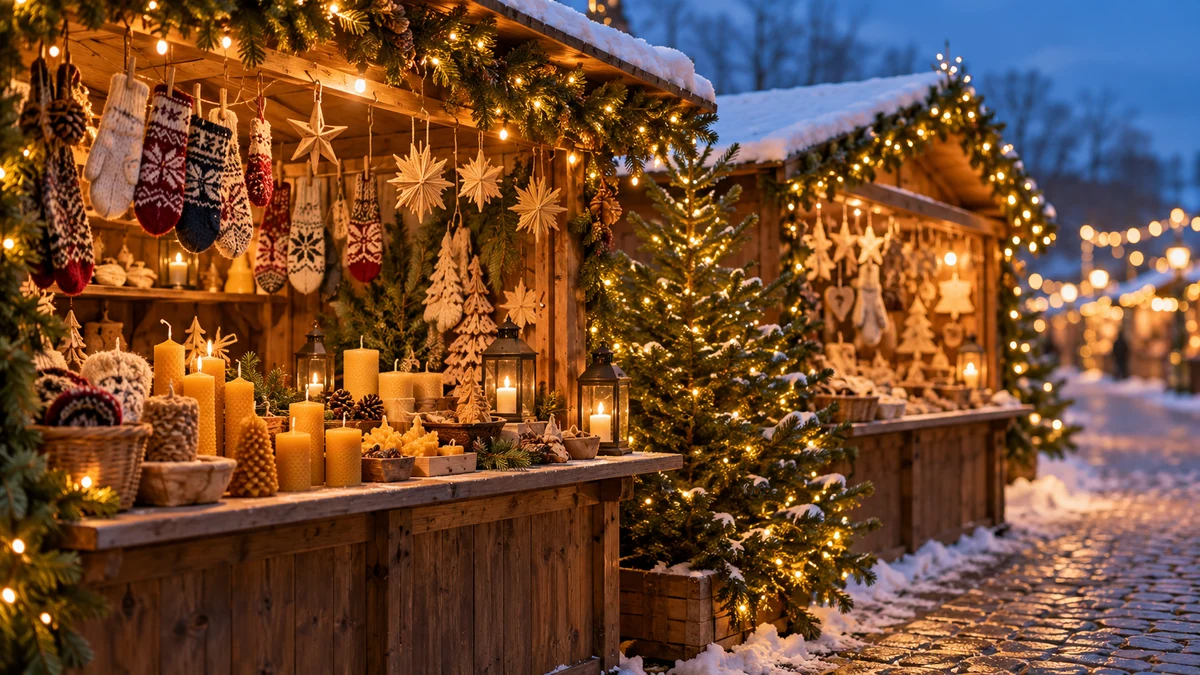
A little planning can help you manage the cold and make time for the things you most want to see. Leave flexibility for crowds, weather and changes to the programme.
Dates and Times to Check
- Current published schedule: the organiser lists 20 November 2026 to 6 January 2027, with daily market hours of 10:00–20:00. Recheck before travelling, especially for holiday arrangements and individual activities; arriving at 09:00 would be before those advertised opening hours. Source: Tallinn Christmas Market: official dates and opening times
- Afternoon: a visit around 14:00–16:00 may fit well between indoor sightseeing stops. This is a suggested itinerary window, not a claim about the quietest hours.
- Late afternoon and evening: the lights are part of the attraction after dark. Keep the closing time in mind and allow for a busier atmosphere around popular performances.
- Weekdays: a weekday visit may suit travellers seeking a different pace, but events, school groups and holidays can change crowd levels.
- Travel dates: compare accommodation and transport costs as well as the programme. Early December is not automatically cheaper or quieter on every day.
A Suggested Route Through the Day
- Begin at Town Hall Square: get your bearings, check the displayed programme and note stalls or activities you would like to revisit.
- Browse after opening: compare gifts and speak to sellers when they have time. Do not expect every stall to show a live craft demonstration.
- Choose a lunch stop: compare the current menus and try a dish that suits your preferences, rather than relying on a fixed list of foods being available.
- Take an indoor café break: warm up and rest before returning outside. Choose a drink you enjoy; alcohol should not be used as protection against the cold.
- Return for the lights: if you are comfortable and the weather allows, revisit the square after dark to enjoy a different atmosphere.
- Finish with a scheduled event: pick a performance or activity only after checking its time and location. Ending with a relaxed walk is equally valid.
Practical Ways to Stay Comfortable
- Wear comfortable, weather-appropriate footwear and warm layers; cobbles and steps may be slippery.
- Keep a small amount of euros for purchases where useful, and confirm card acceptance before ordering.
- If a queue or area feels too crowded, try another stall or return later. There is no dependable daily two-hour window that guarantees shorter queues.
- Alternate outdoor browsing with museums, cafés or other indoor visits, checking their separate opening hours and admission arrangements.
- Two or three hours, including breaks, can be a starting point for planning. Shorten or extend the visit to suit your group rather than treating that as a required minimum.
Adapting the Route for Different Needs
For children, older relatives or anyone who needs a gentler pace, prioritise regular breaks and a manageable route. Check gradients, steps, seating and accessible facilities instead of assuming a circular route will avoid them.
A Closer Look at Festive Food
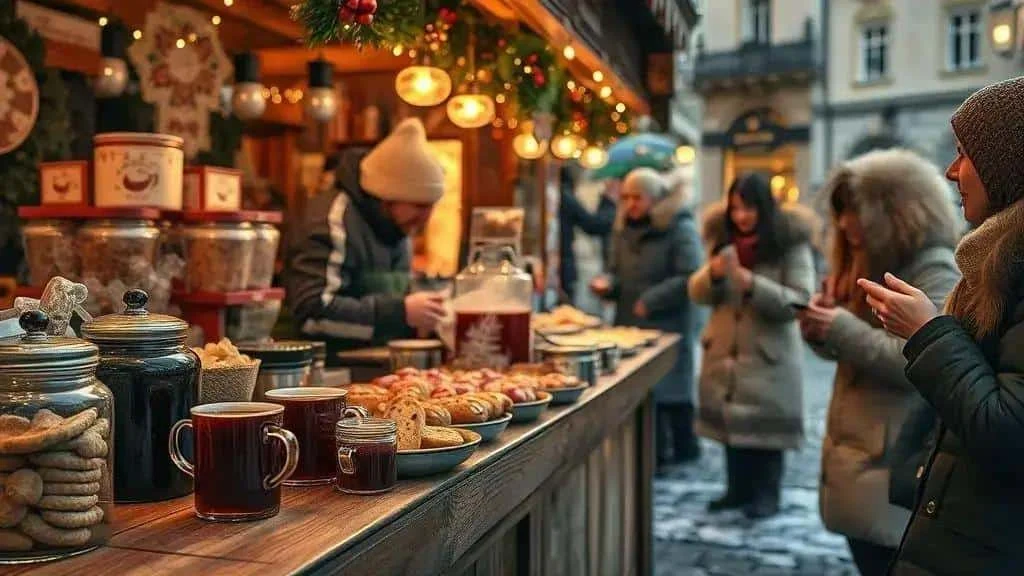
Seasonal foods are an enjoyable way to explore Tallinn, both at the market and in nearby cafés and shops. Availability, ingredients and serving styles vary, so use the ideas below as things to look for rather than a guaranteed stall menu.
Savoury Dishes to Explore
- Verivorst, or blood sausage: a traditional Estonian Christmas food. Sauerkraut is another festive staple; side dishes and serving styles depend on the vendor.
- Smoked fish: if listed on a menu, ask about the fish and preparation. Do not assume it was caught locally or smoked at the stall.
- Rye bread: a substantial bread that may accompany fish, cheese or other dishes. Recipes and ingredients differ.
- Cabbage and root vegetables: look for seasonal side dishes, checking for meat or animal fat if you want a vegetarian meal.
Warm Drinks
- Mulled wine and alcohol-free alternatives: hõõgvein generally refers to mulled wine; other Nordic-style drinks may be labelled differently. Ask about alcohol content, ingredients and serving temperature.
- Hot fruit drinks: an option to ask about if you prefer a non-alcoholic drink, especially for children. Check before ordering and let it cool sufficiently before drinking.
- Coffee and hot chocolate: useful alternatives where offered, with milk and other ingredients worth checking for dietary requirements.
Sweets to Look For
- Marzipan: almond confectionery sold in various shapes and presentations. A decorative shape does not indicate whether it was made by hand.
- Piparkoogid: Estonian spiced gingerbread biscuits, with recipes and textures varying by maker.
- Kringel and sweet breads: look in bakeries or at stalls that advertise them. Fillings may include cinnamon or nuts, so check the particular product.
Trying Several Flavours Without Overordering
- Choose small portions where available. Samples are at the seller’s discretion, not an expected part of every purchase.
- Share food with willing members of your group using suitable utensils, taking allergies and dietary preferences into account.
- For edible gifts, follow the labelled storage and use-by guidance and check transport restrictions. Packaged sweets are not automatically suitable for every journey.
Dietary Requirements
Ask about ingredients and preparation, and look for clearly described vegetarian or gluten-free choices where needed. Do not assume marzipan or a hot fruit drink is suitable for every diet: nuts, milk, egg, alcohol or cross-contact may be relevant depending on the product.
Gifts and Souvenirs: Choosing and Buying Thoughtfully

The market offers opportunities to browse seasonal gifts, but usefulness, quality and provenance matter more than how convincingly a stall looks traditional. Keep your budget and luggage space in mind.
Gift Ideas to Consider
- Marzipan: a small packaged selection may be convenient, subject to ingredients, storage guidance and the rules at your destination.
- Glass ornaments: check whether the decoration is hand-produced and how it can be protected on the journey home.
- Knitwear: hats, gloves and socks may be useful gifts. Read the fibre label and ask about origin rather than relying on a Nordic-looking pattern.
- Wooden items: ornaments, boards and carved objects can appeal to different tastes. Check food-contact suitability for kitchenware and age suitability for toys.
- Candles and soaps: check ingredients, maker information and instructions. The word natural does not mean a product is suitable for everyone.
- Small pieces of jewellery: ask about materials, design origins and care before buying, especially where metal allergies matter.
Prices and Polite Questions
- Show genuine interest and ask about the item. There is no need to perform a bargaining routine or assume sellers distrust hurried shoppers.
- If buying several pieces, you may politely ask whether a stated bundle offer exists. Accept the answer without pressure.
- Carrying cash can be practical, but does not entitle you to a lower price. Ask about payment options rather than assuming a cash discount.
- Treat marked prices as fixed unless the seller indicates otherwise. There is no verified general rule that discounts of 5–15% are normal at Tallinn Christmas Market.
- For an expensive item, ask for clear maker and material details and a receipt. A certificate is useful only if it is meaningful and verifiable for that type of product.
Assessing Provenance
A maker may be able to explain how a piece was produced. Signatures and small variations can be interesting details, but do not prove origin or authenticity. Ask where the materials and finished item came from and keep relevant purchase information.
Packing and Transport
- Ask for protective packaging for fragile pieces and check that it will withstand your journey.
- Cushion breakable items inside your luggage without leaving sharp edges or heavy objects pressed against them.
- Check the destination country’s current rules for bringing in food or other goods. Do not assume that marzipan, meat, fish or any other product is automatically permitted.
- For bulky purchases, compare shipping costs, restrictions and delivery arrangements before paying, alongside any extra baggage charges.
A Few Shopping Reminders
- If supporting local production matters to you, ask for specific information about the maker and place of manufacture before choosing an item.
- With permission, photograph an item for your records and keep the receipt. A photo of a seller is neither necessary nor proof of authenticity.
- Buy when the item and price suit you. Waiting until closing time does not guarantee a discount and may simply mean the stall has shut.
Winter Weather, Clothing, Transport and Safety
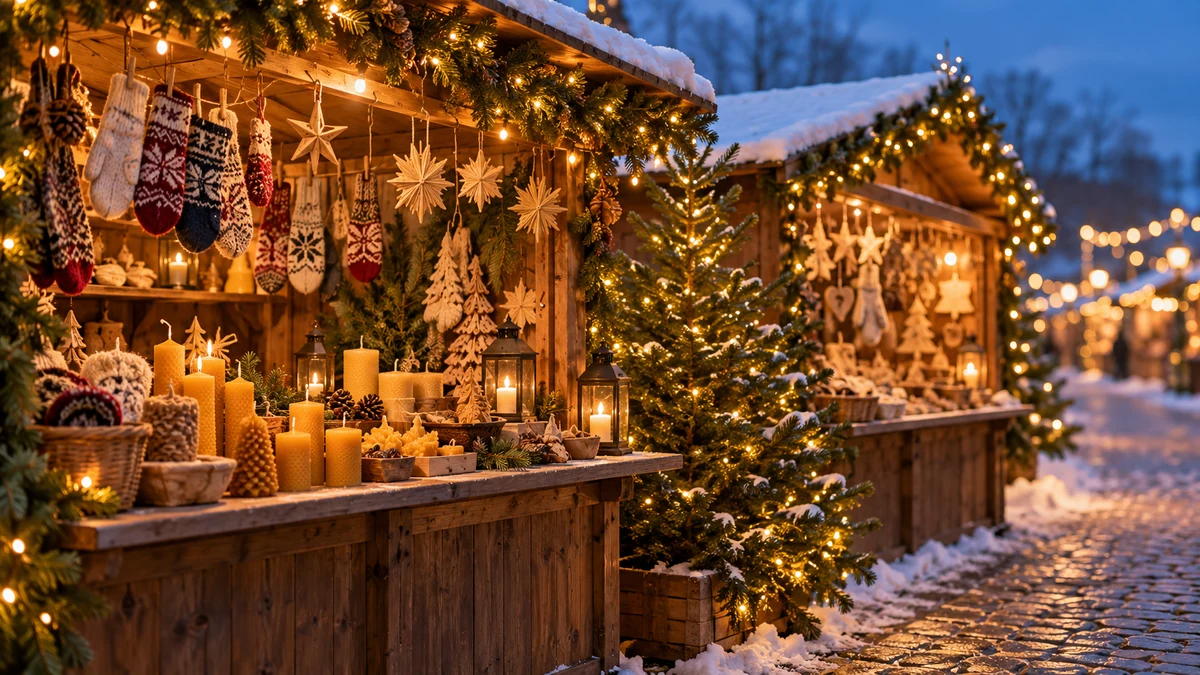
Preparing for cold conditions and uneven streets can make a Tallinn visit more comfortable. Use current forecasts and transport information rather than relying on a fixed description of a typical winter day.
Weather and Forecasts
Winter conditions can include cold wind, rain, snow and ice. Temperatures vary from day to day, and freezing conditions are possible; do not plan around a narrow temperature range or assume there will be snow. Check the forecast close to departure and during your stay.
Clothing and Footwear
- Layers: combine a suitable base layer, an insulating middle layer and a weather-resistant outer coat, adjusting for the actual conditions and your comfort.
- Footwear: choose warm, water-resistant boots with a grippy sole. If using traction aids on ice, follow their instructions and remove them where unsuitable, such as some indoor surfaces.
- Accessories: a hat covering the ears, warm gloves, a scarf and appropriate socks can help keep you comfortable.
- Useful extras: protected storage for documents, a rain cover for a bag and any hand warmers you can use safely according to their instructions.
Getting Around
The central area is compact enough for many visitors to explore on foot. Walking is one option rather than the best choice for everyone: cobbles, gradients and winter conditions can make some routes difficult.
- Tallinn has buses and trams. Check the current ticket instructions before boarding; contactless bank-card purchases and QR ticket validation use the marked validator at the front of the vehicle. Visitors should not assume that general free-travel arrangements for eligible residents apply to them. Source: Tallinn: public transport
- A licensed taxi or reputable booking service may suit some journeys. Confirm the destination and fare basis before travelling and avoid assuming that every service has accessible vehicles available.
- If driving, check parking rules, restrictions and the route to your accommodation. A car park may be more practical than searching narrow streets, but confirm its opening hours and access.
Staying Safe at the Market
Keep ordinary travel precautions in mind and pay attention to weather, crowded areas and hot food or drinks. No destination can be described as risk-free.
- Keep passports, money and other valuables secure, taking only what you need for the outing.
- In busy areas, keep your bag where you can monitor it and avoid leaving it unattended while browsing.
- Take care on slippery paving and steps, walk at a comfortable pace and use handrails where available.
- Follow signs and barriers around any heaters, cooking equipment or other hazards, and keep children away from hot surfaces and drinks.
- For an emergency in Estonia, call 112 for ambulance, police or rescue services. Keep your location details available so you can describe where help is needed. Source: Estonian Emergency Response Centre: 112
More Practical Reminders
- Bring a charged phone and, if useful, a power bank; keep both protected according to their operating instructions in cold conditions.
- Have a modest amount of euros if you want cash as an alternative, and check each seller’s payment options.
- Choose layers that are easy to adjust when moving between outdoor stalls and heated cafés or shops.
- Recheck opening times and the event programme before setting out, including any holiday changes.
- Read your travel insurance terms for the activities and circumstances of your trip, including any relevant weather-related disruption. Cover varies by policy.
Visiting with Children, Older Relatives or Mobility Needs

Tailor the pace to the people travelling with you. Preparation can help, but it does not remove uneven surfaces, cold weather or access barriers in a historic centre.
Planning the Pace
Break the outing into manageable sections, with regular indoor pauses where possible. Agree that anyone can ask to stop or leave without feeling they are spoiling the visit.
- Choose a time within confirmed opening hours that works for your group; arriving before the stalls open is not useful simply to avoid crowds.
- Use two or three hours only as a flexible planning estimate, including rests. A much shorter visit may be the right choice.
- Adjust to the actual crowd level rather than assuming particular midday hours will always be the busiest.
Accessibility and Routes
Check routes, entrances, steps, gradients and accessible toilets in advance. Some Old Town streets have narrow pavements and uneven surfaces; contact the venue or tourist information service for specific access questions.
- Pushchairs and wheelchairs: use equipment suited to the traveller and conditions, and confirm practical access. Compact size alone does not make a mobility aid appropriate, and ramps do not remove all barriers.
- Transport: check accessible boarding and stops for your chosen bus or tram, or book a suitable vehicle when needed. Do not assume every taxi can accommodate a wheelchair.
- If arriving by car, check the distance and surface conditions between the parking place and your destination, as well as any relevant accessible parking rules.
Comfort and Food
Bring suitable snacks and water if helpful, and use a well-sealed insulated container safely for warm drinks. Avoid handing a child a flask of scalding liquid.
- Choose snacks that suit each person’s age, allergies and dietary needs; dried fruit, cereal bars and biscuits are not suitable for everyone.
- Pack adjustable layers and spare socks if there is a chance of wet feet.
- Identify cafés or other suitable resting places in advance, checking access and opening hours rather than relying on a free seat appearing at a stall.
Wellbeing During the Visit
Simple arrangements can make it easier to respond if somebody is tired, uncomfortable or separated from the group.
- Contact details for children: a discreet contact card can be useful; avoid displaying personal details publicly. It complements supervision rather than replacing it.
- Agree a clear meeting point and explain how children can seek help from an appropriate member of staff if separated.
- Unusual confusion, slurred speech or marked drowsiness in the cold can indicate hypothermia, a medical emergency affecting any age. Call 112 if suspected, move the person to shelter, keep them warm and follow emergency guidance; do not treat it as ordinary tiredness or give alcohol to warm them up. Source: NHS: recognising hypothermia
- Keep essential medicines and relevant emergency contact information accessible throughout the outing.
Activities and Entertainment
Choose a short activity or performance that is actually listed in the current programme. Check whether seating, shelter, language or booking requirements suit your group.
- Pick one or two things the children are interested in and leave time for unplanned breaks rather than filling every minute.
- Where someone needs to sit down, confirm seating arrangements instead of assuming it will be available beside every attraction.
A Quick Packing Checklist
- Warm layers suited to the forecast, including an insulating layer and weather-resistant outer coat.
- Appropriate boots with a grippy sole and protection from wet conditions.
- Hats, gloves and spare essentials for the people in your group.
- Suitable snacks and drinks in safe, well-sealed containers.
- A charged power bank if useful for keeping a phone available.
- Identification and contact details stored securely.
- A small first-aid kit and any personal medicines you need.
Planning a Visit That Suits You
A visit to Tallinn Christmas Market can combine festive food, gifts and the setting of the Old Town. The most useful preparation is practical: check the programme, dress for the conditions and leave time to enjoy the parts that interest you.
Ask sellers about their products, take breaks when needed and be flexible about crowds and weather. A thoughtful purchase and a comfortable pace are more valuable than trying to tick off every stall.
Thank you for reading. Explore more festive travel ideas on the I Love Christmas blog and follow our social channels for seasonal inspiration.
Tallinn Christmas Market: Frequently Asked Questions
When can I visit Tallinn Christmas Market?
The organiser currently lists 20 November 2026 to 6 January 2027, daily from 10:00 to 20:00. Recheck the official programme before travelling. After dark is appealing for the lights, but no particular time guarantees quiet stalls.
Is everything at the market handmade locally?
Do not assume so. Handicrafts and seasonal food are part of the attraction, but products and sellers vary. Ask about the maker, materials and place of manufacture rather than relying on appearance alone.
How can I pay at the stalls?
Estonia uses euros. Confirm payment methods with individual sellers; a small amount of cash can be useful alongside a card. Card acceptance and any minimum purchase conditions may vary.
Is the market straightforward to visit with children or older relatives?
It can be enjoyable with a suitable plan, but cold weather, cobbles, steps and crowds can create difficulties. Check access needs, allow indoor breaks and shorten the outing whenever that suits your group.
What makes a useful souvenir?
Depending on availability and your interests, consider packaged marzipan, knitwear, ornaments or wooden gifts. Check provenance, ingredients or materials, protective packaging and any travel restrictions before buying.
Sources and Further Reading
- Tallinn Christmas Market: official dates and opening times
- Visit Tallinn: Christmas market food and experiences
- Visit Tallinn: practical information
- Tallinn: public transport
- Estonian Emergency Response Centre: 112
- NHS: recognising hypothermia