Hot chocolate with liqueur combines melted chocolate and milk with a measured splash of amaretto, Irish cream, coffee or orange liqueur. This recipe uses 30–50 ml for the whole batch, not per mug. Add it off the heat, adjust the sweetness and keep a separate alcohol-free version available.
Hot chocolate with liqueur brings a festive twist to a cosy drink for cold evenings. Start with a smooth chocolate base, then choose a flavour that complements it. The alcoholic version is for adults who choose to drink; the base is just as enjoyable without liqueur.
Ingredients for Hot Chocolate with Liqueur
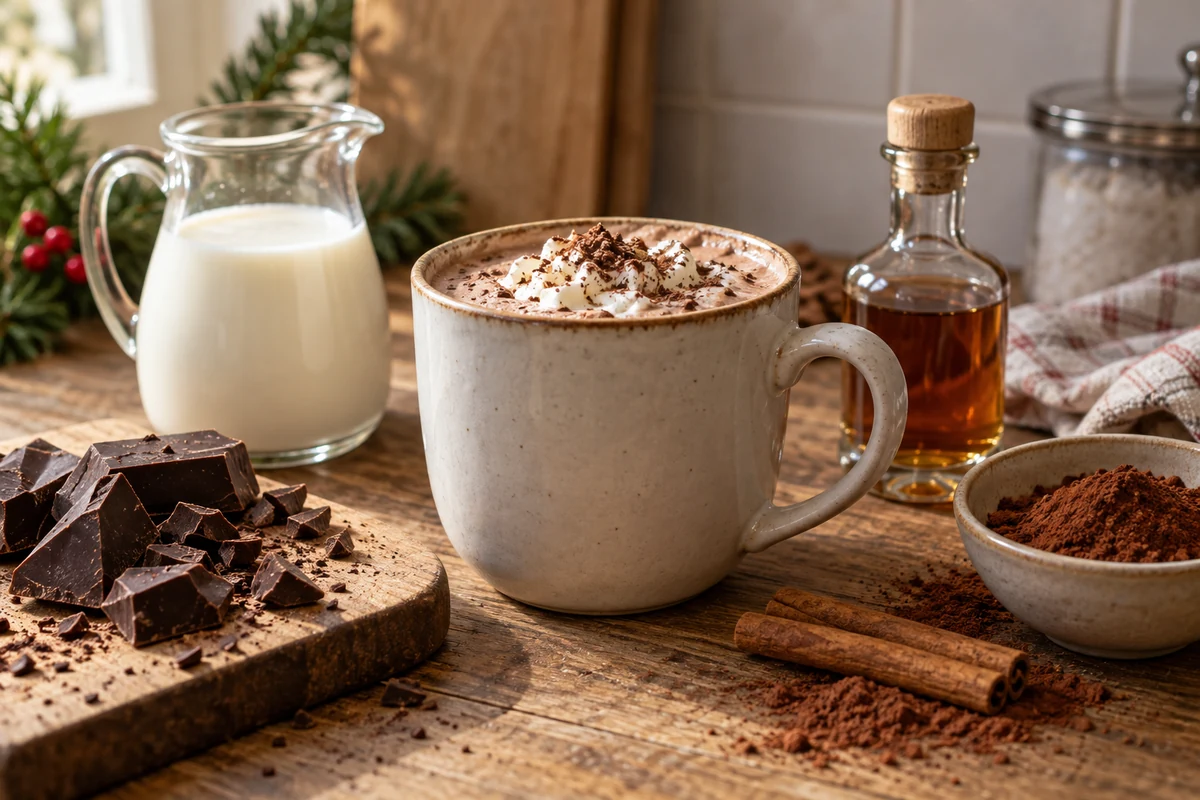
- 500 ml whole milk, including the milk used to mix the cornflour. Oat or almond drink is an alternative, but a vegan version also needs suitable chocolate, toppings and flavourings.
- 100 g dark chocolate, around 70% cocoa, chopped. Milk chocolate makes a sweeter version; reduce the added sugar accordingly.
- 2 tbsp unsweetened cocoa powder, for a deeper chocolate flavour. You can leave it out for a milder drink; extra solid chocolate changes both sweetness and texture.
- Up to 2 tbsp sugar, to taste. Add gradually, particularly with sweet liqueurs or milk chocolate. Honey, maple syrup or a suitable sweetener changes the flavour; follow the product guidance rather than assuming equal quantities.
- 1 tbsp cornflour, optional, for a thicker drink. Leave it out if you prefer a more fluid hot chocolate.
- 30–50 ml liqueur for the whole batch, such as amaretto, Irish cream, coffee liqueur or orange liqueur. Strengths differ, so check the label and measure carefully. Add off the heat.
- A pinch of salt, to balance the chocolate flavour.
- ½ tsp vanilla extract, optional. Choose an alcohol-free vanilla flavouring when preparing the alcohol-free version.
- Whipped cream, to serve, or a suitable whipped plant-based alternative.
- Chocolate shavings or cocoa powder, to finish.
- 1 cinnamon stick, optional, to infuse the milk; remove it before serving.
Quick Ingredient Notes
- Milk: whole milk gives a rounded texture. Oat drink can also work well, although brands differ in thickness and sweetness.
- Sugar: honey or agave adds a different flavour. Taste before sweetening, especially with milk chocolate. Honey is not vegan and must not be given to babies under one.
- Liqueur: amaretto brings almond-like notes, Irish cream adds a creamy flavour, and orange liqueur gives a citrus accent. Check ingredients and allergens on the bottle.
- Thickener: without cornflour, the chocolate still adds body. Try the base first before changing the amount of milk or chocolate, as either adjustment alters the balance.
- Serving: remove the pan from the heat before stirring in liqueur. This keeps the aroma fresher, but the finished drink still contains alcohol.
How to Make Hot Chocolate with Liqueur
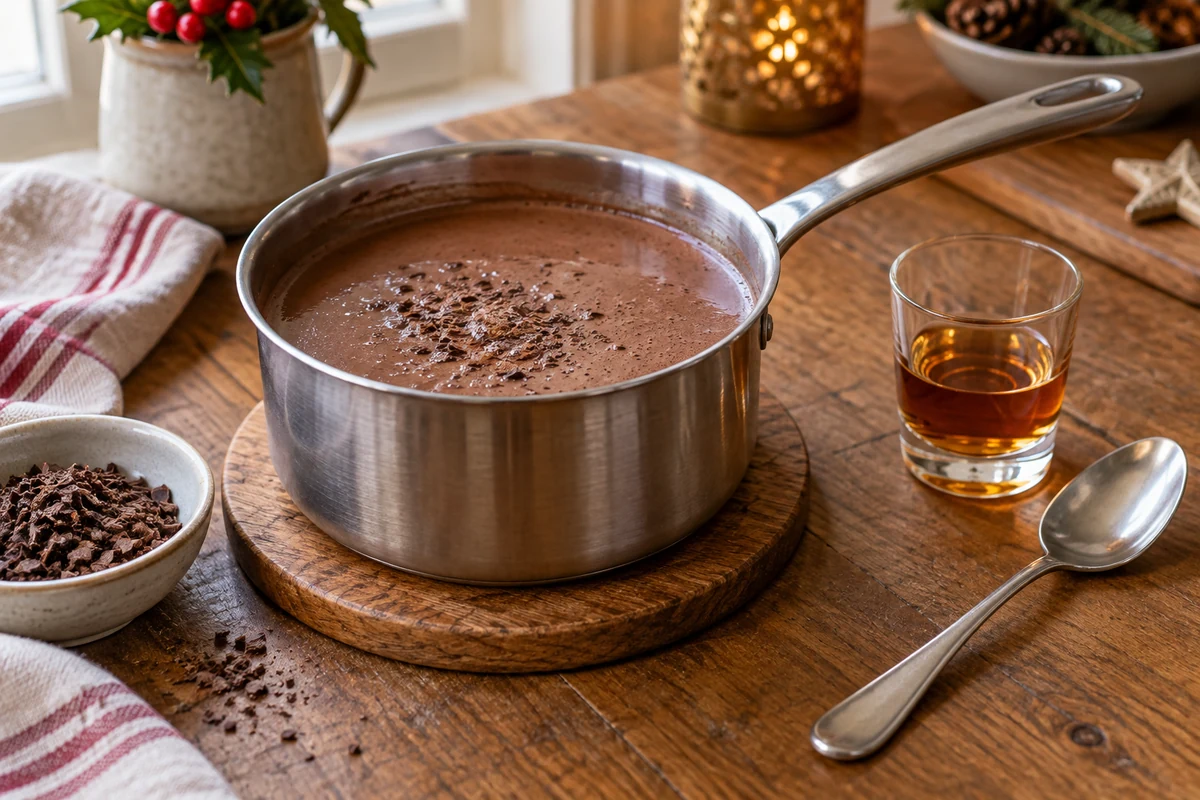
- Prepare the ingredients and equipment: measure 500 ml milk in total, 100 g chopped chocolate, 2 tbsp cocoa, up to 2 tbsp sugar, 1 tbsp cornflour, if using, a pinch of salt and 30–50 ml liqueur for the batch. Have a medium saucepan, whisk and small bowl ready.
- Mix the cornflour: take 2 tbsp cold milk from the measured total and stir it into the cornflour until smooth. Skip this step if not using cornflour.
- Warm the milk: pour the remainder of the 500 ml milk into the pan. Add the cinnamon stick, if using, and warm over a medium-low heat until small bubbles appear around the edge.
- Melt the chocolate: turn the heat down and add the chopped chocolate and cocoa powder. Whisk gently until smooth.
- Thicken and sweeten: stir the cornflour mixture again, then whisk it into the pan. Bring to a gentle simmer, stirring continuously, and cook for 1–2 minutes until thickened and no longer floury. Avoid a vigorous boil or scorching. Add sugar gradually, remembering that the liqueur may also be sweet.
- Adjust the flavour: stir in the salt and ½ tsp vanilla, if using. Taste a cooled spoonful and adjust the sweetness if needed. Remove the cinnamon stick.
- Add the liqueur off the heat: remove the pan from the heat, then stir in 30–50 ml in total of your chosen liqueur. If serving both versions, set aside the alcohol-free portion first and reduce the liqueur proportionately for the remaining chocolate.
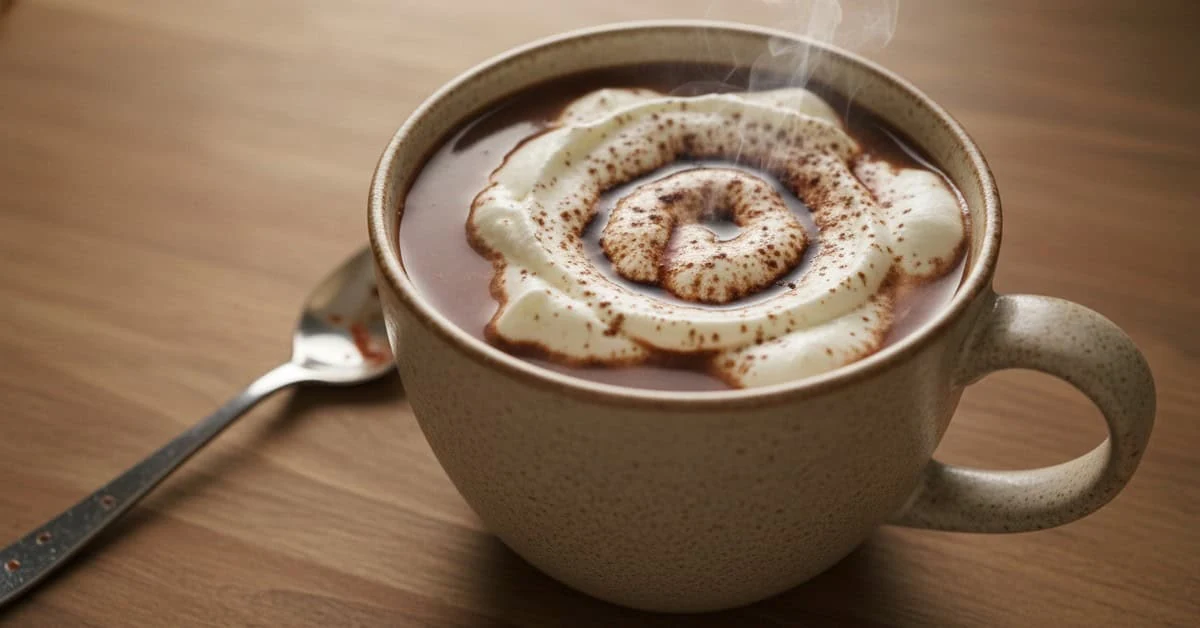
- Serve: pour into heatproof mugs. Add whipped cream and chocolate shavings, cocoa or a little cinnamon, as preferred. Let the drink cool to a comfortable sipping temperature.
- Store and reheat: cool leftovers promptly, refrigerate within two hours at 5°C or below and use within 48 hours. Reheat only the portion needed, once, until steaming hot throughout, stirring and adding a little milk if needed. Allow it to cool before drinking. Reheating does not reliably make an alcoholic drink alcohol-free.
Practical Tips
- A richer texture: try reducing the milk by 50 ml, or adding a little more chopped chocolate. Make one small adjustment at a time rather than changing both automatically.
- A vegan version: use a plant drink, vegan chocolate and plant-based topping. Check the liqueur too: ordinary dairy cream liqueurs are unsuitable.
- Less alcohol: use less liqueur or omit it. Avoid automatically topping up each mug; keep any measured additions within the intended batch total.
- Keep away from flames: turn off the heat and move the pan away from the hob before adding liqueur. Do not pour alcohol near a naked flame or attempt to flambé the drink.
Hot Chocolate Variations
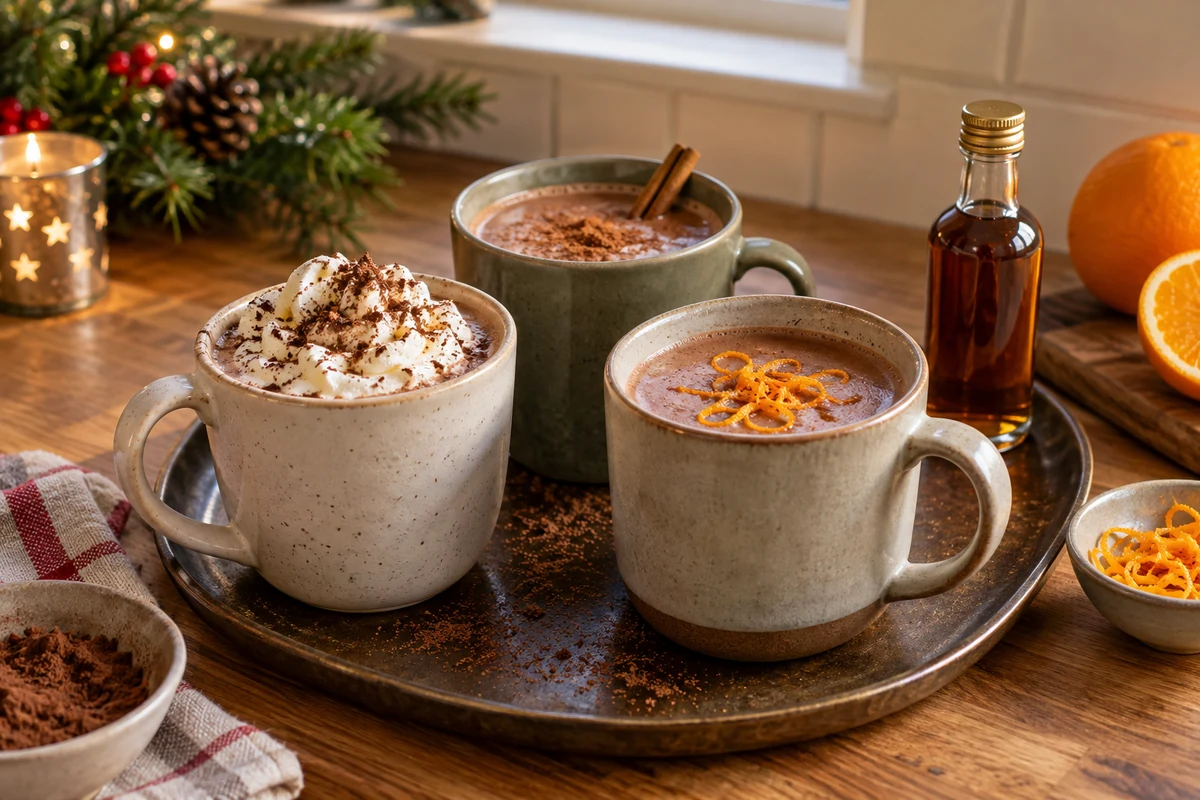
These flavour variations adapt hot chocolate with liqueur to different tastes. Each list gives the main ingredients for that variation; cocoa, cornflour and garnishes from the base recipe are optional, not additional compulsory ingredients.
1. Amaretto Hot Chocolate
Almond-like notes work well with chocolate and nut-based desserts.
- 500 ml milk
- 100 g dark chocolate
- 30 ml amaretto, added off the heat
- Up to 1 tbsp sugar, to taste
Tip: measure the amaretto so that it complements rather than overwhelms the chocolate.
2. Irish Cream Hot Chocolate
A cream liqueur gives a smooth, rich flavour for an occasional festive drink.
- 450 ml milk and 50 ml single cream
- 100 g milk or dark chocolate
- 40 ml Irish cream liqueur, such as Baileys, added off the heat
- Whipped cream, to taste, for serving
Tip: remove the pan from the heat before adding the liqueur. Check the bottle for allergens and storage instructions.
3. Coffee Liqueur Hot Chocolate
Coffee brings roasted notes that complement dark chocolate; the finished sweetness depends on the liqueur.
- 500 ml milk
- 100 g chocolate with 70% cocoa
- 25–30 ml coffee liqueur
- A pinch of salt, to balance the flavour
Tip: a little finely grated orange zest adds a citrus contrast.
4. Orange Liqueur Hot Chocolate
Orange and dark chocolate make a fragrant pairing, particularly alongside citrus desserts.
- 500 ml milk
- 90 g dark chocolate
- 20–30 ml orange liqueur, such as Cointreau
- Orange zest, to finish
Tip: warm a thin strip of washed orange peel with the milk, avoiding the bitter white pith, then remove it before serving.
5. Spiced Hot Chocolate with Liqueur
A little chilli gives the chocolate a warming flavour. Add it gradually so that it does not dominate.
- 500 ml milk
- 100 g dark chocolate
- 30 ml of your chosen liqueur, such as amaretto. Rum is a spirit rather than a liqueur and can be stronger; if substituting it, check its strength and use a smaller measured amount to taste.
- A small pinch of cayenne pepper, up to ¼ tsp to taste, or a little black pepper
Tip: start with much less than the maximum cayenne quantity, stir and taste a cooled spoonful before adding more.
6. Vegan, Alcohol-Free Hot Chocolate
For a version without dairy or alcohol, check every ingredient, including flavourings and toppings.
- 500 ml oat or almond drink
- 100 g vegan chocolate
- Up to 1 tbsp maple or agave syrup, to taste
- ½ tsp alcohol-free vanilla flavouring
Tip: a suitable alcohol-free almond or coffee flavouring can add complexity; follow its dosage instructions. These flavourings do not reproduce alcohol itself. Finish with a plant-based topping if desired.
Serving Suggestions
- Liqueur quantity: this recipe uses 30–50 ml across the batch made with 500 ml milk. It is a recipe proportion, not a recommended alcohol allowance; bottle strengths and serving sizes vary.
- Toppings: whipped cream, chocolate shavings, sifted cocoa or finely grated orange zest all work well. Remove whole spices before drinking.
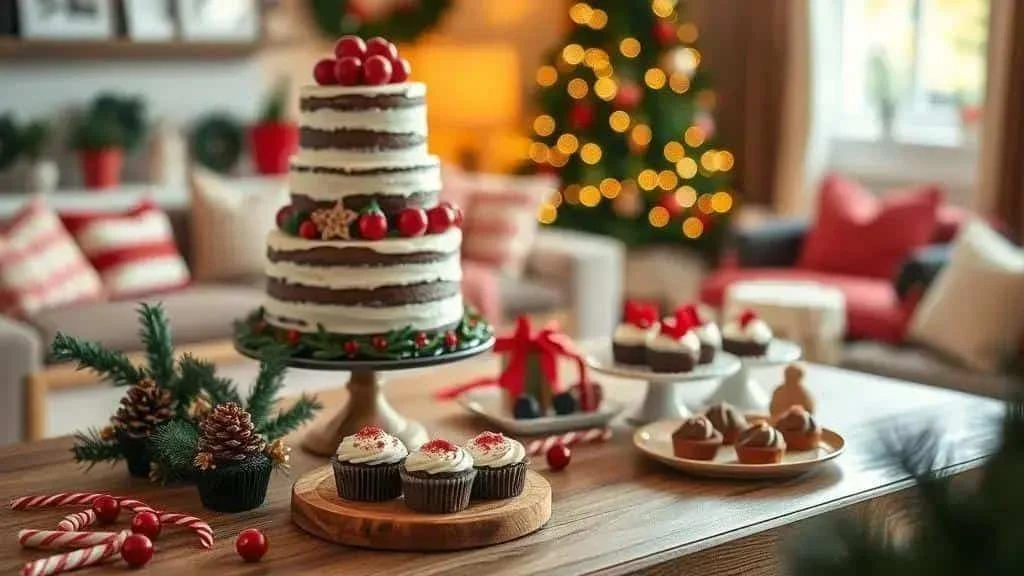
- Pairings: try nut cake, butter biscuits or a small citrus dessert.
Choosing a Liqueur and Food Pairings
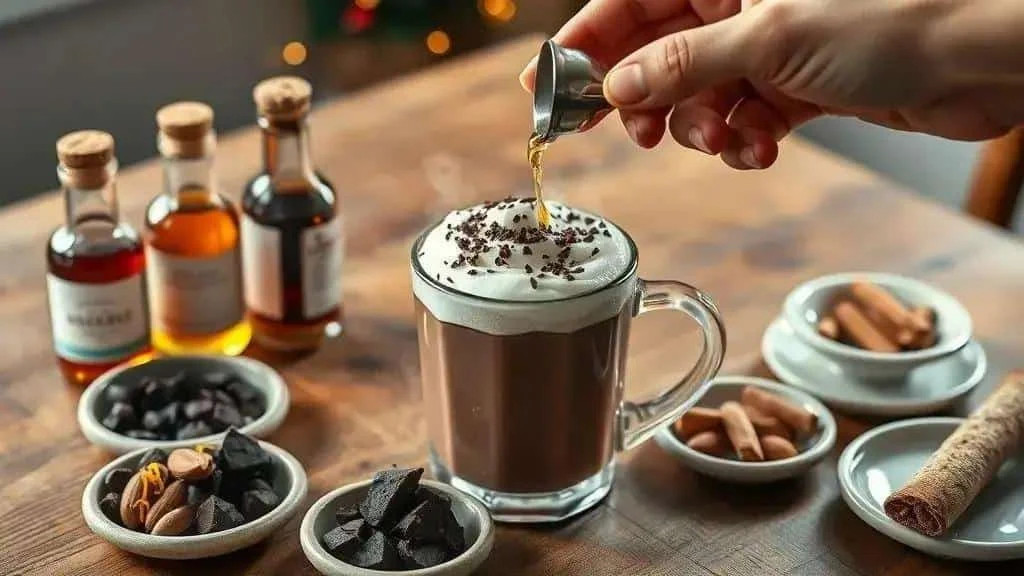
The liqueur changes the sweetness and aroma of hot chocolate with liqueur. Think about the chocolate you are using and the food you plan to serve alongside it.
Liqueur Flavour Profiles
- Amaretto: almond-like flavour and sweetness, suitable with milk chocolate and nut-based desserts. Consult the actual product ingredients for allergens.
- Irish cream: a rich, dairy-based flavour that complements creamy chocolate drinks. Conventional versions contain milk.
- Coffee liqueur: roasted coffee notes and sweetness that pair well with dark chocolate.
- Orange liqueur: a fragrant citrus note that contrasts with dark chocolate.
- Rum: a spirit with a different strength and sweetness from most liqueurs. Its character depends on the bottle; do not substitute it measure for measure without considering alcohol content.
Simple Food Pairings
- Amaretto: almond cake, nut tart or butter biscuits.
- Irish cream: brownies, puddings or creamy desserts.
- Coffee liqueur: coffee-flavoured desserts, tiramisu or a cocoa-rich bake.
- Orange liqueur: citrus desserts or caramelised orange.
- Rum: spiced cake, caramelised banana or raisin desserts.
Measuring and Adding the Liqueur
- Recipe proportion: use 30–50 ml liqueur for the whole batch made with 500 ml milk, or less if preferred. Measure it rather than pouring freely.
- Add off the heat: switch off the hob and move the pan away before stirring in the liqueur. This is an alcoholic drink even when served hot.
- Keep alcohol optional: make the base without liqueur and add measured portions only to the mugs intended for adults who want it. Clearly distinguish the two versions.
- Adjust gradually: begin with the smaller quantity. More is not necessarily better: too much liqueur can overwhelm the chocolate and increase the alcohol content.
Practical Tips
- Simple combinations: dark chocolate and coffee liqueur give a stronger roasted flavour; milk chocolate and amaretto make a sweeter pairing.
- Extra aromas: try orange zest, a cinnamon infusion or a small pinch of sea salt.
- Consider your guests: offer an alcohol-free version and clearly identify ingredients and allergens in both drinks.
- Store the bottles properly: follow each liqueur manufacturer’s instructions after opening, especially for cream liqueurs. A cool cupboard is not a universal substitute for refrigeration when the label requires it.
Festive Serving Ideas
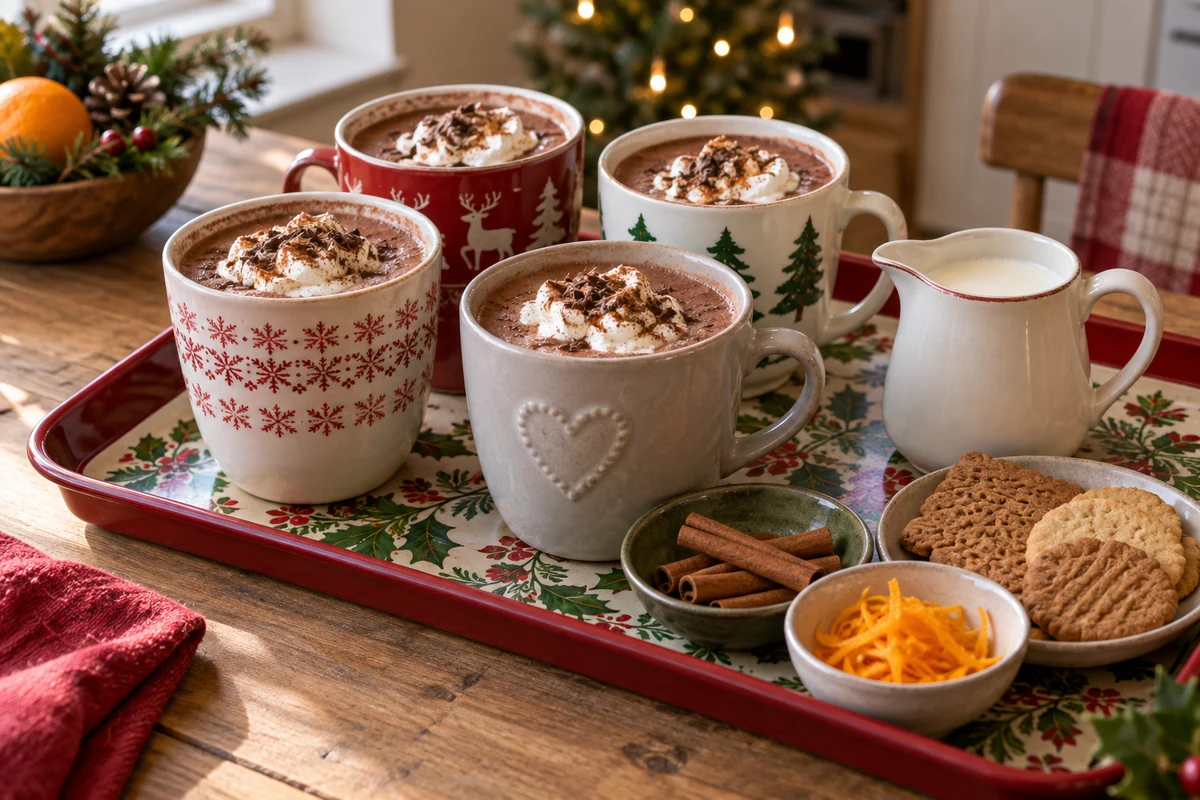
These serving notes help you offer hot chocolate with liqueur with a good balance of flavour, presentation and choice.
Useful Points to Remember
- Adding liqueur off the heat keeps its aroma fresh. It does not remove alcohol, and heating is not a reliable way to make the finished drink alcohol-free.
- Dark chocolate can balance the sweetness of a liqueur, while citrus or almond-like notes provide contrast.
- A hot drink releases aromas readily, but alcohol does not make it a suitable way to protect yourself from cold weather.
- Cream liqueurs change both flavour and texture. Add them gradually and check how your chosen product behaves.
- There is no single temperature that defines creaminess, and a drink at 60–65°C can still scald. Texture depends on the ingredients and thickener; let each mug cool before sipping.
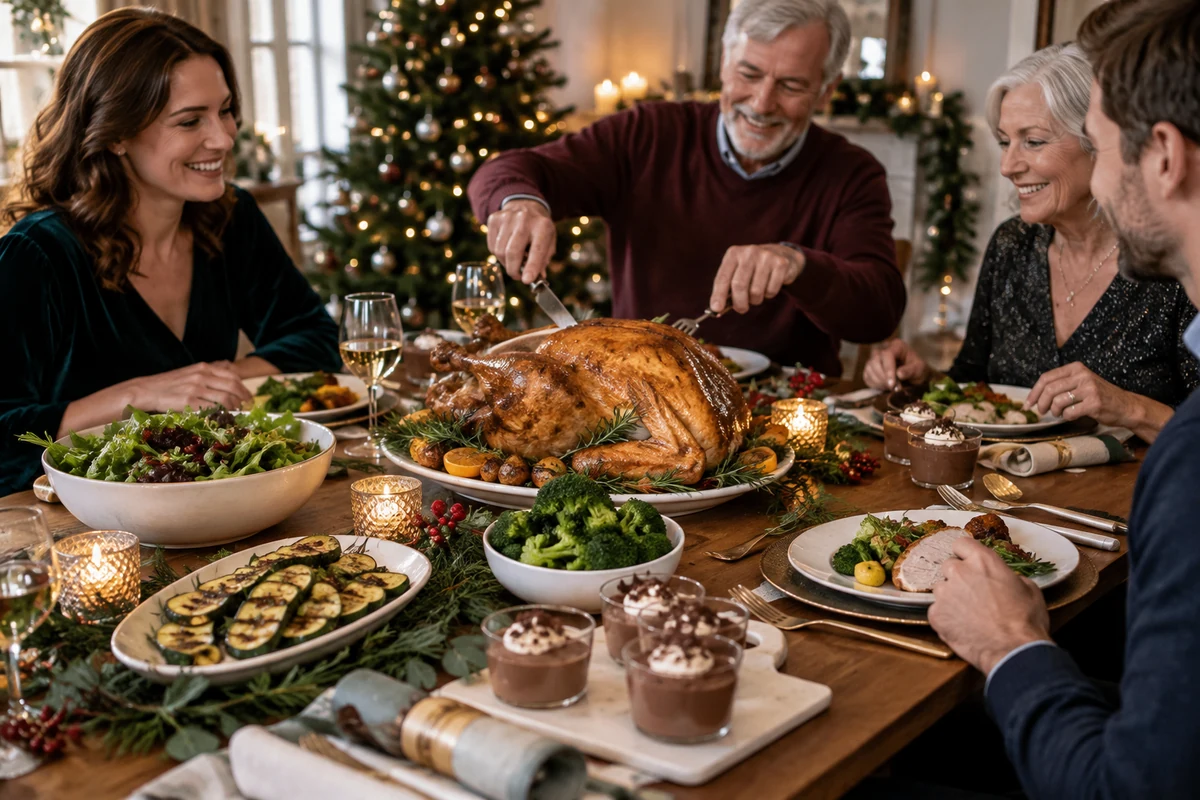
Serving at a Christmas Gathering
- Portions and measures: the 30–50 ml liqueur is for the entire recipe. If dividing it into two equal mugs, that is 15–25 ml each; smaller portions contain correspondingly less. This is not a personal drinking recommendation.
- A topping station: offer cream, chocolate shavings, cocoa and orange zest in separate bowls. Keep liqueurs in clearly labelled bottles, with a measure, away from children; do not use unidentified bottles for alcoholic drinks.
- Food alongside: small portions of nut cake, butter biscuits, brownies or dried fruit can complement the drink.
- Presentation: use heatproof mugs and add a little whipped cream, a chocolate shaving or orange zest. Avoid decorative items that could fall into the drink unnoticed.
- Alcohol-free options: leave out the liqueur and use flavourings explicitly labelled alcohol-free. Ordinary extracts may contain alcohol, and some adult-style alternatives are unsuitable for children. Check the label rather than relying on a product name.
- Preparing for guests: make small batches and serve promptly. If hot-holding, keep the drink at or above 63°C using suitable equipment and check with a thermometer; this is a holding temperature, not a comfortable drinking temperature. Cool and refrigerate leftovers promptly instead of leaving a lukewarm pan out for hours.
- Clear choices: label the alcoholic version and keep the alcohol-free version separate, with its own serving utensil. Offer the latter to children and anyone avoiding alcohol, including drivers.
Simple Finishing Touches
- Infuse the milk briefly with washed orange zest, then remove any strips before serving.
- A small sprinkle of chocolate shavings gives texture without the need to make or handle hot caramel.
- Keep any optional liqueur additions measured and clearly labelled. An extra glass alongside the drink should not imply an automatic additional serving.
Conclusion
Hot chocolate with liqueur is easy to adapt for a festive gathering. Choose a chocolate you enjoy, measure the liqueur and adjust the sweetness gradually.
Try a flavour variation and stir the liqueur in off the heat. Keep an equally appealing alcohol-free version available, checking that the flavourings and toppings are suitable too.
Thank you for reading. Follow our social channels for more seasonal ideas, or visit the I Love Christmas blog for festive recipes and inspiration.
FAQ — Hot Chocolate with Liqueur
Which liqueur works best in hot chocolate?
It depends on the flavour you enjoy. Amaretto gives almond-like notes, Irish cream adds a creamy flavour, coffee liqueur brings roasted notes and orange liqueur adds citrus. Check the bottle for strength and allergens.
When should I add the liqueur?
Add it after removing the pan from the heat and away from any flame. Stir gently. The drink still contains alcohol; serving it hot does not make it alcohol-free.
How can I make an alcohol-free version with a similar flavour?
Omit the liqueur and use an explicitly alcohol-free vanilla, almond or coffee flavouring, following its dosage instructions. Ordinary extracts may contain alcohol. Use suitable plant drink, chocolate and toppings if you also need a vegan version.
How should I store and reheat it?
Cool promptly, refrigerate within two hours at 5°C or below and use within 48 hours. Reheat only the portion needed, once, until steaming hot throughout, stirring in a little milk if necessary. Let it cool to a comfortable drinking temperature. Reheating does not reliably remove the alcohol.
How can I make the hot chocolate creamier?
Use a little more chocolate or a small amount of cream, or add the optional cornflour mixed with cold milk and cook it properly. For a vegan version, choose suitable plant drink, chocolate, flavouring and topping. Adjust gradually rather than changing several ingredients at once.
Which desserts go well with it?
Nut cakes, brownies, butter biscuits, citrus tarts and dried fruit can all work. Choose a small accompaniment that suits the flavour of the liqueur and your guests’ dietary needs.
Sources and Further Reading
- Food Standards Agency: cooking food safely
- Food Standards Agency: chilling, freezing and defrosting food
- NHS: calculating alcohol units