
Classic Christmas films offer stories about kindness, family and second chances. Choose a particular version, check its content advice and plan a viewing that suits the people present; a festive setting does not make every film suitable for every age.
Classic Christmas films can bring back memories or introduce a familiar story to someone new. This selection explores several established favourites and ways to enjoy them together. It is not a ranked top ten, and availability should be checked in your region before planning the evening.
Christmas films to consider for your watchlist

Choosing Christmas films is a matter of taste rather than a compulsory seasonal checklist. The following examples offer different kinds of storytelling, from comedy to fantasy and drama.
Disney’s A Christmas Carol
Disney’s 2009 adaptation follows Ebenezer Scrooge, an adult miser visited by ghosts who confront him with his past, present and possible future. It is a story of change and generosity, but its darker scenes may be unsettling for some viewers. Check the guidance for this specific version.
Home Alone: a festive comedy
In Home Alone, Kevin McCallister is accidentally left behind when his family departs for Christmas. The 1990 comedy combines his growing homesickness with exaggerated confrontations with burglars. The traps are fictional slapstick, not safe activities to copy.
The Grinch: looking beyond presents
Dr. Seuss’s story follows a character who tries to take Christmas away from the Whos and discovers that their celebration is about more than possessions. There are several screen versions; specify which one you mean, such as the 2018 animation, rather than mixing their details.
It’s a Wonderful Life: community and belonging
George Bailey’s story explores the importance of his relationships and the effect of his life on others. Alongside its hopeful conclusion, the film deals with distress and suicidal thoughts, so consider the content and your household’s needs before viewing.
The Polar Express: a journey into fantasy
The Polar Express is a 2004 animated film about a boy’s magical Christmas Eve train journey to the North Pole. Its adventurous sequences and unusual visual style may appeal differently to different viewers; a Christmas theme alone is not an age recommendation.
These films offer starting points for a shared watchlist. Ask what others would enjoy and choose a version and viewing time that work for the group.
How Christmas films can become family traditions

For some households, classic Christmas films become part of an annual routine. That does not mean they define Christmas for everyone: family, religious and cultural traditions vary.
Making time to watch together
An annual film evening can be a simple opportunity to meet and relax. It might involve one favourite film rather than a long marathon, and guests should feel free to suggest something different.
Talking about values
It’s a Wonderful Life and other festive stories can prompt discussion about kindness, responsibility and support. Let the conversation follow viewers’ interests rather than treating a film as a guaranteed lesson or a substitute for real-life support.
Making shared memories
Watching films together may become a fond memory, especially when the occasion is comfortable and unhurried. Leave room for changing tastes and different ways to participate as families grow.
Inspiration for decorations and gatherings
Film trees, tables and festive houses can inspire decorations, but they are designed for the screen. You do not need to copy their scale or spending to create a welcoming home.
A soundtrack or a colour scheme may provide a small seasonal touch. Choose suitable, safe decorations and keep the occasion within your budget.
Sharing an old favourite with a new generation can be enjoyable, while hearing a different interpretation may make a familiar story feel fresh.
Planning a Christmas film evening

A Christmas film evening works best when the plan suits the people watching. Here are practical ideas for a relaxed gathering.
Choose different styles if wanted
Comedy, animation and drama offer different moods. Home Alone, a particular Grinch adaptation and a version of A Christmas Carol are possible options, but check each film’s content rather than assuming the titles are interchangeable.
Make the space comfortable
Provide enough seating and comfortable room lighting. Blankets and cushions can help older children and adults relax; keep routes clear and any decorative lights away from fabric and used according to their instructions.
Choose suitable snacks
Ask about allergies and dietary requirements. Choose age-appropriate food, keep hot drinks away from young children and remember that popcorn and whole nuts are not suitable for under-fives. Snacks are optional, not a requirement for enjoying the film.
Allow time for breaks
Check running times and include pauses between films. One film may be enough, especially for younger viewers. Do not assume the most emotional or frightening choice belongs at the end of a late evening.
Let the household help choose
Discuss preferences beforehand and let people flag topics they would rather avoid. A vote can help, but it should not overrule a child’s distress or a guest’s stated boundary.
An optional theme
You might choose 1990s comedies or animation as a loose theme. Dressing up or decorating can be optional extras; avoid any attempt to recreate dangerous film stunts or traps.
A flexible plan can make watching together enjoyable without pressure to finish a long list of films.
Stories that explore the meaning of Christmas
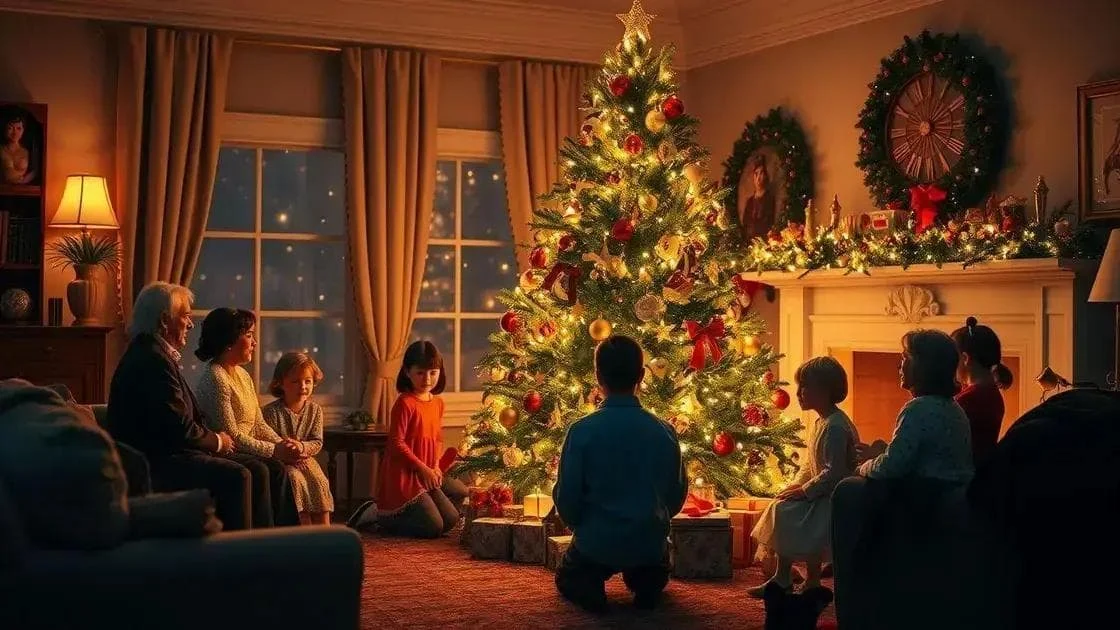
Different films explore the meaning of Christmas in different ways. These interpretations are prompts for conversation, not a single definition that every household must share.
A Christmas Carol
Scrooge’s encounters confront him with the consequences of his actions and the possibility of change. Adaptations vary in tone, length and frightening imagery, so choose the specific version carefully.
It’s a Wonderful Life
George Bailey’s relationships place individual hardship within a wider community. The hopeful message sits alongside serious themes, which may need discussion or make another film a better choice for your group.
The Grinch
The story questions whether taking away decorations and gifts can remove the Whos’ celebration. It offers a way to discuss possessions and kindness without insisting that every viewer takes the same lesson from it.
Home Alone
Kevin’s initial excitement about being alone gives way to missing his family. Its exaggerated comedy can prompt a conversation about independence and asking for help, while making clear that its dangerous tricks should not be imitated.
The Polar Express
A magical train journey explores wonder and belief within a fantasy about Father Christmas. Families differ in how they discuss those traditions, so consider the story’s content before introducing it.
The shared experience may matter as much as a film’s message. Enjoyment does not require turning every scene into a lesson.
Details worth checking when discussing Christmas films

Stories about Christmas films often circulate with mixed-up titles or credits. A few careful checks can make a film discussion more interesting and accurate.
1. Different versions of the Grinch
The Grinch has appeared in more than one screen adaptation. When describing a cast, song or animation style, name the version rather than combining details from separate productions.
2. A Christmas Carol adaptations
Charles Dickens’s story has inspired many adaptations, including Disney’s 2009 film. Their tone and presentation vary considerably; a familiar story does not mean every version has the same content or suitability.
3. Home Alone’s setting and premise
The comedy was released in 1990 and begins with Kevin being left behind by his family. That is different from the mistaken description that he forgets to go home. Treat behind-the-scenes figures or location stories cautiously unless you have a reliable source.
4. Screen costumes and real traditions
A festive costume in a film does not establish the historical origin of dressing up at Christmas. Avoid attributing a widespread tradition to a single comedy without evidence; focus instead on how the costume works within that story.
5. The song Believe
Believe from The Polar Express is performed by Josh Groban. Its music and lyrics are credited to Glen Ballard and Alan Silvestri, not to Groban as the composer. Distinguishing performers from writers avoids repeating an incorrect credit.
6. A film’s changing reputation
It’s a Wonderful Life is widely discussed as a Christmas classic today. Rather than inventing a simple story about its initial reception, look at reliable film histories if you want to explore how its reputation developed.
Accurate titles, versions and credits help viewers find the intended film and avoid passing on attractive but unsupported anecdotes.
How festive stories explore relationships

Many Christmas films explore family, friendship and belonging, although their tone may be comic, romantic or serious. The examples below suggest ways to discuss those themes.
Family relationships
A festive story may show both affection and tension within a family. It’s a Wonderful Life also places importance on the wider community, reminding viewers that support can come from beyond the household.
Romantic relationships
Romance is another common strand in seasonal cinema. If your group wants that mood, select a clearly identified film and check its content rather than relying on a vague translated title that may refer to several productions.
Friendship and unexpected connections
In Home Alone, Kevin’s encounter with a neighbour adds a quieter relationship alongside the burglary plot. It is more accurate to discuss the connections actually shown than to describe a team of friends helping him fight the burglars.
Generosity and compassion
The Grinch and A Christmas Carol both offer stories of changing attitudes towards others. Viewers can discuss actions and consequences without assuming that a single generous moment resolves every real-life difficulty.
A sense of community
Neighbours and shared celebrations feature in many seasonal stories. They can inspire conversation about belonging while acknowledging that some people experience Christmas alone or in difficult circumstances.
Different viewers may respond to different themes. Keep discussion open rather than insisting on a single correct emotional response.
Choosing for different viewers

Select Christmas films using the specific version’s BBFC rating and content advice, alongside what you know about the viewer. Broad age bands alone cannot guarantee suitability.
1. Animation options to consider
The Grinch (2018): an animated version of the story, with comic conflict. Check the guidance and whether its tone suits your child.
The Polar Express: a fantasy train adventure with potentially tense sequences. Preview the content rather than assuming animation means it is suitable for the youngest viewers.
The Snowman: a shorter animated story that may suit a limited viewing time, but its ending can be sad. Consider your child’s response to loss.
2. Comedy and drama for discussion
Home Alone: exaggerated violence and a child facing burglars require a different suitability judgement from a gentle cartoon. Explain that the traps are not to be copied.
It’s a Wonderful Life: a hopeful drama with serious distress and suicidal themes. Check detailed content advice rather than recommending it by an arbitrary minimum age.
3. Choices for older viewers
A Christmas Carol: compare adaptations if viewers enjoy literary stories, paying attention to frightening scenes and the chosen version’s guidance.
Arthur Christmas: an animated alternative for a group wanting a lighter adventure, with content and access options checked beforehand.
4. A shared household choice
A Christmas Carol: agree on a particular adaptation and preview it where needed. Not every version is appropriate for every viewer.
The Snowman: its short format can fit a mixed-age evening, while allowing time to talk about the story and ending.
Ask about preferences, check subtitles or audio description if needed and offer an alternative to anyone who does not want to watch.
Enjoying festive cinema together
Christmas films can provide a simple shared activity, whether you revisit an old favourite or discover a different adaptation. Choose according to the people present, not a claim that a film is essential viewing.
Comedy, animation and drama offer different experiences. Check content and running time, and remember that one well-chosen film can be enough for an enjoyable occasion.
Leave room for conversation, breaks and changing tastes. The aim is comfortable time together rather than completing a seasonal checklist.
Frequently asked questions about classic Christmas films
Which Christmas films might suit children?
Animation such as The Grinch, The Polar Express or The Snowman may be worth considering, but check the specific film’s BBFC content advice and your child’s sensitivities first.
How do I choose a film for a mixed-age household?
Ask about preferences, check the version, rating and content advice, and look at running time and accessibility options. Offer an alternative if the choice does not suit someone.
Why do some households watch Christmas films each year?
They may enjoy a familiar story, a seasonal atmosphere or simply an opportunity to spend time together. It is an optional tradition rather than an essential part of Christmas.
How can I plan a film marathon?
Choose a manageable number of films, check availability in your region and allow breaks. With children, a single film or a short animation may be a better plan.
Can Christmas films be emotionally difficult?
Yes. Some include bereavement, frightening scenes or serious distress alongside a festive setting. Check content advice and let viewers decline or pause without pressure.
Can festive films prompt useful discussion?
They can offer ways to talk about kindness, choices and relationships. Keep discussion optional and avoid claiming that watching a film automatically teaches a particular value.
Sources and Further Reading
- Parents guide to age ratings — BBFC
- 2005 Academy Awards — Believe credits
- A Christmas Carol — Disney