Filled panettone adds a creamy or fruity filling to the Italian Christmas bread. This guide covers flavour combinations, assembly and storage; it is not a complete dough recipe with tested quantities.
Looking for filled panettone ideas for Christmas? A ready-made panettone is a convenient starting point, or you can bake one using a complete, reliable recipe. Here we look at choosing a filling, decorating the finished bread and keeping perishable ingredients properly chilled.
What is filled panettone?
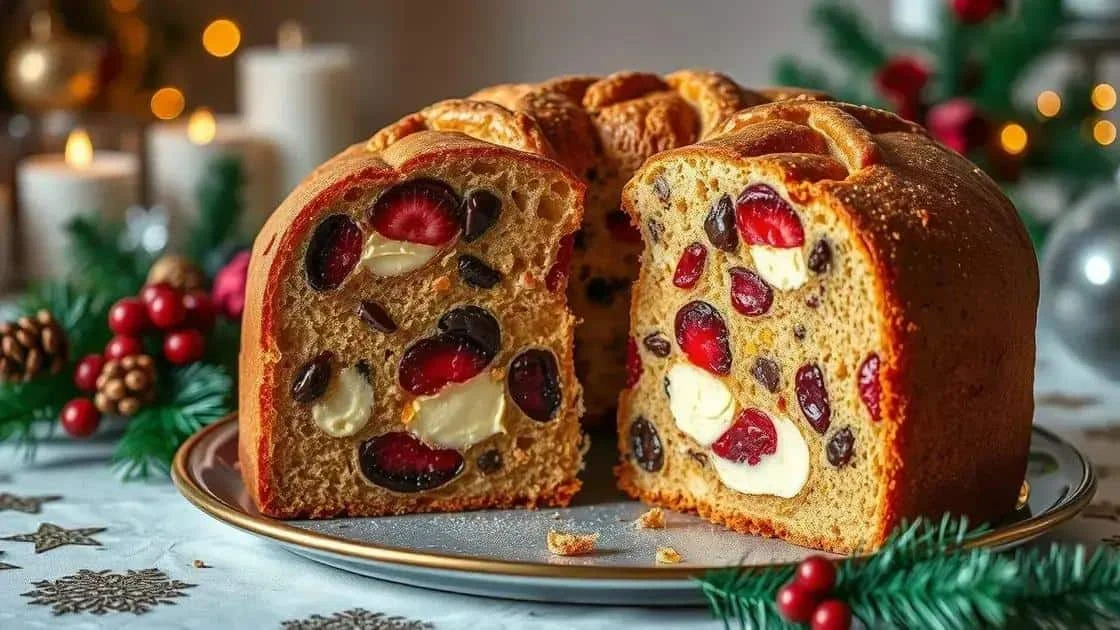
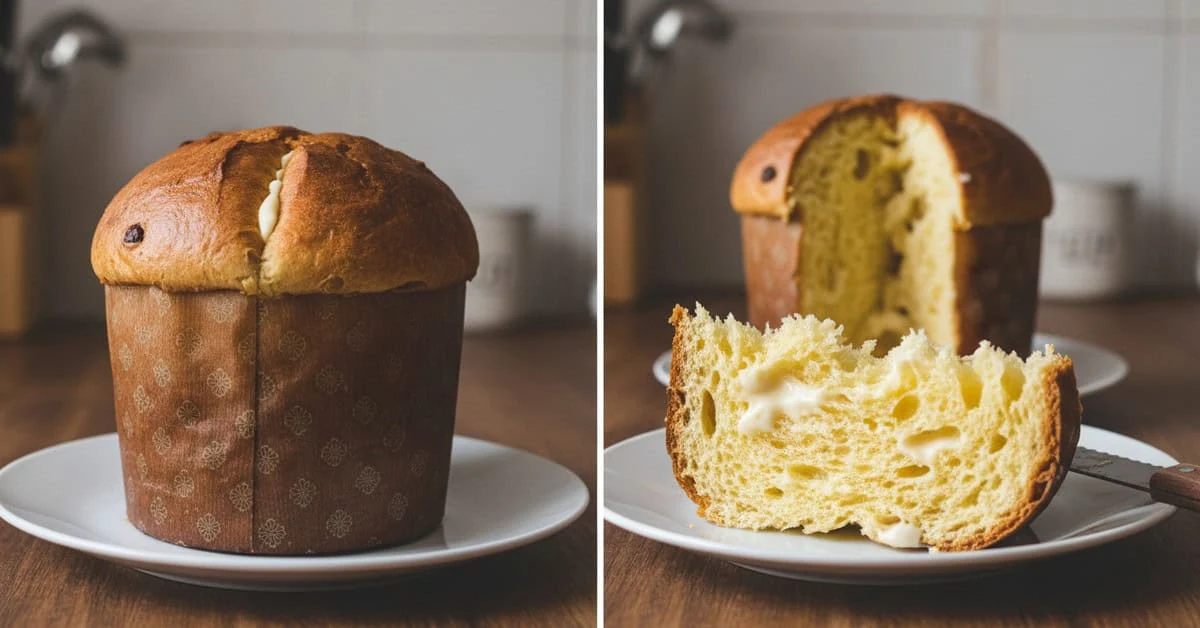
Filled panettone is a variation on the soft, enriched Christmas bread. Rather than just dried fruit or chocolate pieces baked into the dough, it may contain a filling such as ganache, a chocolate spread or cream cheese with fruit, added after baking and cooling.
Panettone is associated with Italy, especially Milan, and has inspired many adaptations elsewhere. A filled version can make a centrepiece dessert, but its storage needs differ from those of an unopened plain panettone. Check the bread and filling ingredients before choosing a version for guests or a gift.
Filling combinations to consider
These are flavour ideas rather than measured filling recipes. Use a reliable recipe for the consistency and quantities appropriate to the size of your panettone:
- Dark chocolate and orange
- Chocolate-hazelnut spread with finely chopped hazelnuts
- Berries and cream cheese
- Dulce de leche and chopped nuts
- Candied fruit and spices
Choose a combination that suits the people you are serving, checking for allergens and dietary requirements. A filled panettone already has plenty of richness, so one clear flavour pairing may work better than several competing fillings.
Ingredients to understand before starting
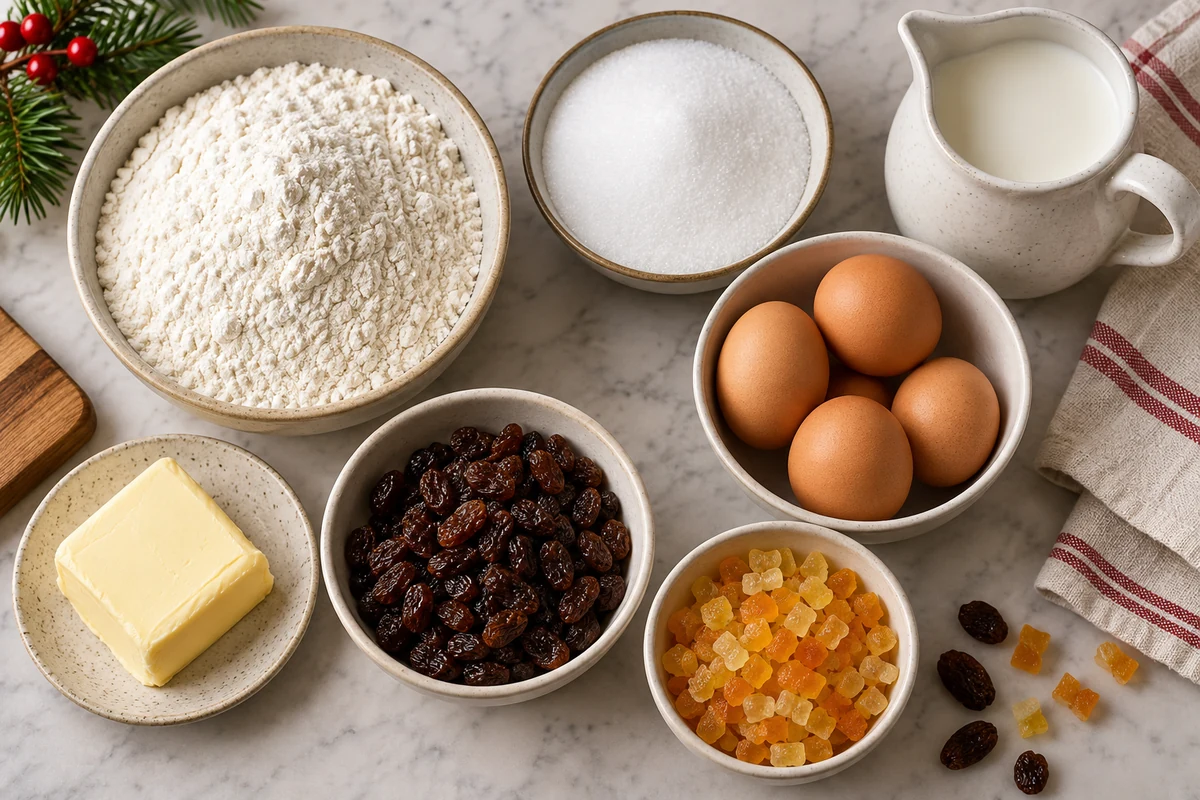
For a filled panettone, you need both a suitable bread and a filling with the right texture. If baking from scratch, follow a complete recipe: the ingredient notes below explain their roles but do not supply the quantities needed to make a dough.
- Wheat flour: Many panettone recipes use strong flour to support an enriched dough. Use the type specified in your recipe rather than assuming any flour will behave the same way.
- Sugar: Sugar contributes sweetness and affects dough texture and fermentation. Follow the stated type and amount; adding extra can alter more than the flavour.
- Yeast or starter: Recipes may use fresh yeast, dried yeast or a maintained natural starter. These are not interchangeable in equal quantities, so follow the chosen recipe and yeast instructions.
- Eggs: Eggs enrich the dough and help its structure. Use the specified size or weight, and check the recipe’s handling instructions rather than leaving perishable ingredients out for an extended period.
- Butter: Butter adds richness. Some dough methods need softened butter, not melted butter; use the condition and timing in your recipe to avoid changing the dough’s consistency.
- Milk or other liquid: The liquid hydrates the flour. Not every panettone recipe uses milk, and changing the liquid or amount can affect the dough, so follow your chosen formula.
- Vanilla: Vanilla extract can provide flavour where the recipe calls for it. Check the strength and ingredients of the product instead of substituting freely between different extracts and flavourings.
- Fillings and inclusions: Dried fruit or chocolate pieces baked into dough are different from a creamy filling added afterwards. Check which method a recipe is designed for, especially when using fresh dairy ingredients.
If you prefer to keep the project simple, use a purchased panettone and a dependable filling recipe. Keep the original ingredient labels so you can tell guests what the dessert contains.
Planning the dough and assembly
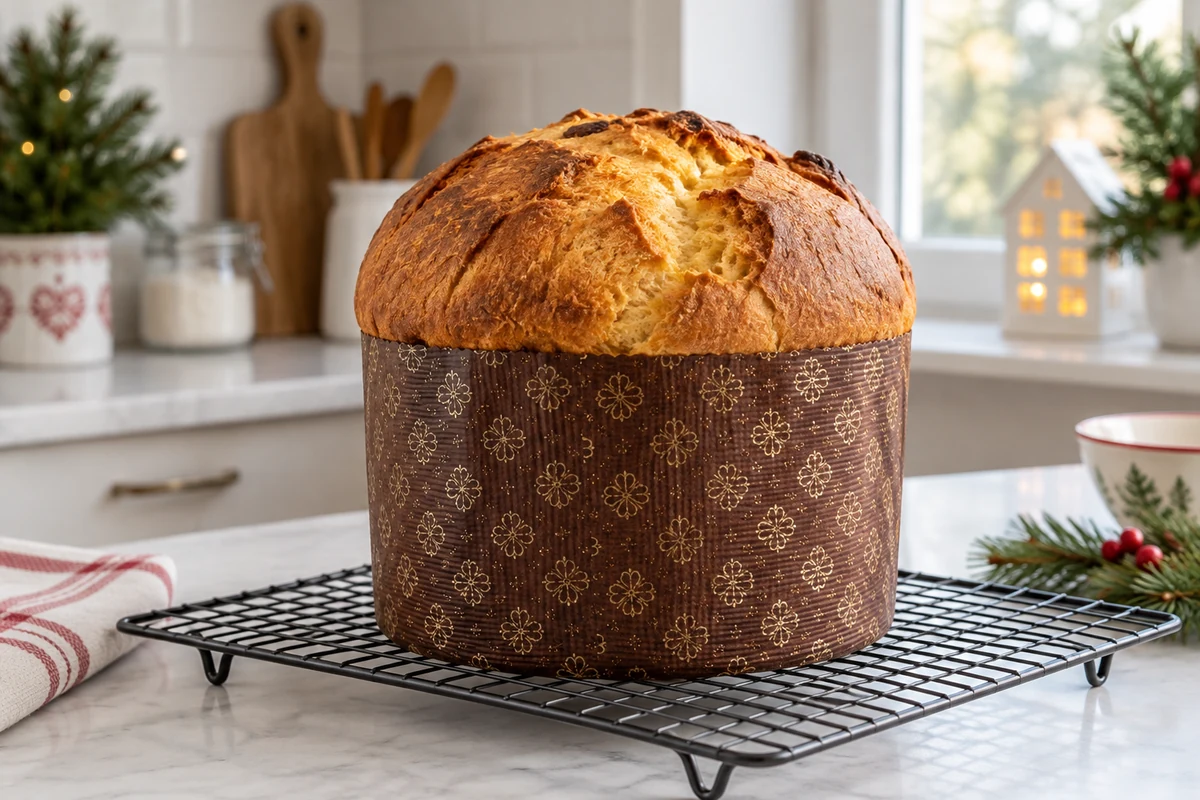
Making dough for a filled panettone is a baking project in its own right. The stages below explain the workflow, not a stand-alone recipe: use measured quantities, proving guidance and baking instructions from a complete recipe, or begin with a ready-baked panettone.
- Prepare the ingredients: Weigh everything before starting and check the required pan or paper mould size. Bring ingredients to the temperatures specified in the recipe only when needed.
- Prepare the yeast or starter: Follow the directions for the exact yeast or starter being used. Some dried yeasts mix directly into flour; others need a separate preparation step. Do not assume all yeast needs a ten-minute soak.
- Combine the dough ingredients: Follow the recipe’s order for flour, sugar and liquids. Enriched dough can require staged mixing, so a general instruction to mix everything at once may not produce the intended result.
- Add eggs and butter as directed: Incorporate them at the stage specified by your recipe. Do not substitute hot melted butter for softened butter or add extra liquid simply because the dough feels sticky.
- Develop the dough: Knead or mix until it reaches the texture described in the recipe. Timing depends on the formula and equipment; adding lots of flour to make it easier to handle can produce a heavier bread.
- Allow the first rise: Cover and leave the dough under the conditions specified. Use the recipe’s visual signs as well as its approximate timing, since room temperature and the leavening method affect fermentation.
- Add suitable inclusions: Fold in dried fruit or chocolate only if the dough recipe calls for them. Keep ganache, cream cheese and other after-baking fillings separate; do not knead an arbitrary creamy filling into an untested dough.
- Shape and prove: Use the correct mould and follow the recipe’s final-proving instructions. Dough should not automatically be left to reach the rim of every mould, as it may need room to rise in the oven.
- Bake, cool and assemble: Use the temperature, time and doneness checks for the chosen loaf size. Cool as directed before adding filling. For a ready-made panettone, one simple approach is to cut horizontal layers and spread a modest amount of the prepared filling between them, keeping the stack stable. Refrigerate promptly if the filling is perishable.
Treat the panettone dough and filling as two parts of the same dessert, each with its own instructions. This avoids guessing quantities or applying baking times that were intended for a different loaf.
Creative filling ideas
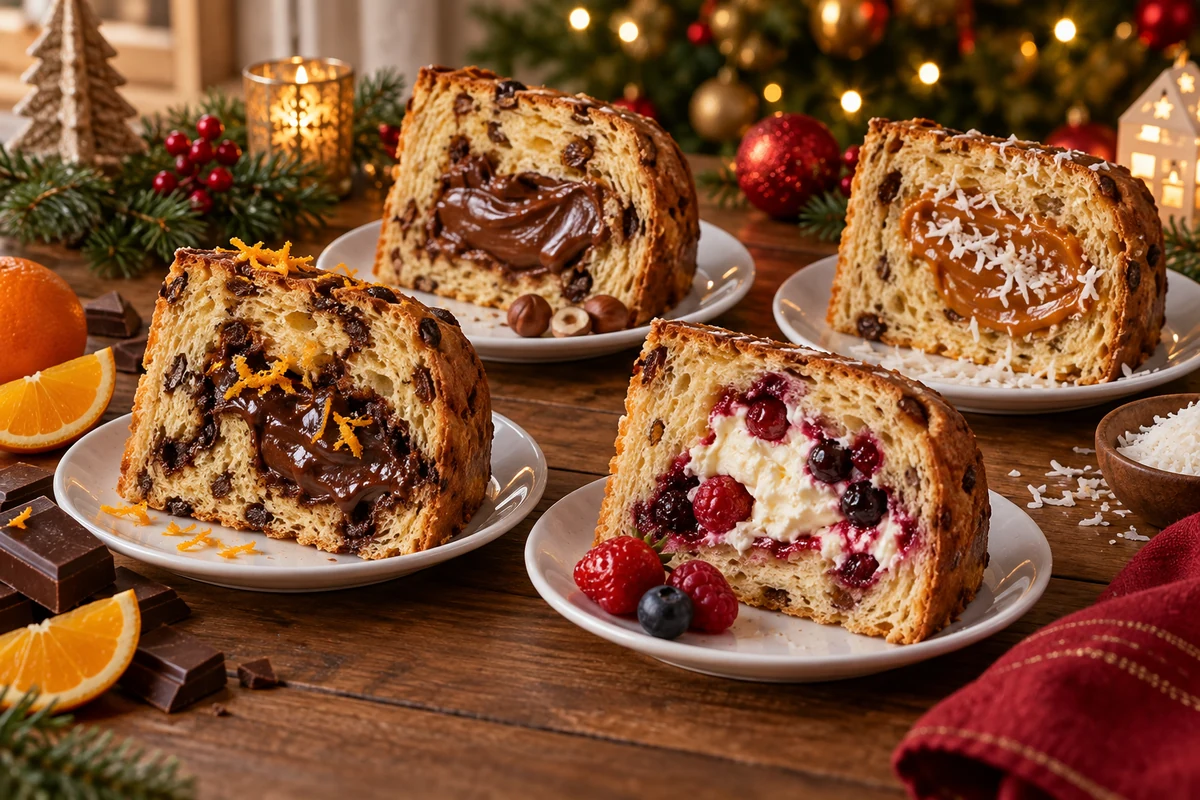
The filling gives a filled panettone its character. These flavour suggestions can help you choose a tested filling recipe; they do not establish shelf life or replace the quantities and handling instructions in that recipe.
- Chocolate and orange: Dark chocolate ganache with orange zest offers a rich, citrus combination. Allow the ganache to reach its recipe’s spreading consistency, and remember that a fresh-cream ganache requires appropriate chilled storage.
- Chocolate-hazelnut spread: A spread can provide a straightforward filling. Check its label for nuts, milk and other allergens. Extra chopped hazelnuts add texture, but are not suitable for every guest or young child.
- Berries and cream cheese: Use a reliable cream-cheese filling recipe and prepare the fruit as directed. Wet fruit can make the bread soggy. Keep the assembled dessert refrigerated and prepare it close to serving.
- Dulce de leche and coconut: This pairing adds a caramel flavour and coconut texture. Follow the storage directions for the dulce de leche once opened, and avoid overfilling the bread.
- Apple and cinnamon: A cooked apple filling can give a pie-inspired flavour. Use a recipe designed to hold its shape and let the filling cool before assembly; excess liquid can soak into the crumb.
- White chocolate and dried fruit: Chopped apricots or dates can complement white chocolate. Choose a spreadable filling recipe rather than assuming melted chocolate alone will stay soft once chilled.
- Ricotta and walnuts: Ricotta can give a milder dairy filling, with finely chopped walnuts if suitable for your guests. It is not automatically a healthier dessert. Keep it chilled, and do not include honey in food intended for a baby under one year.
Try one combination at a time and make a small amount first if you are unsure of the texture. A filled panettone should slice cleanly enough to serve without the filling overwhelming the bread.
Decorating a filled panettone
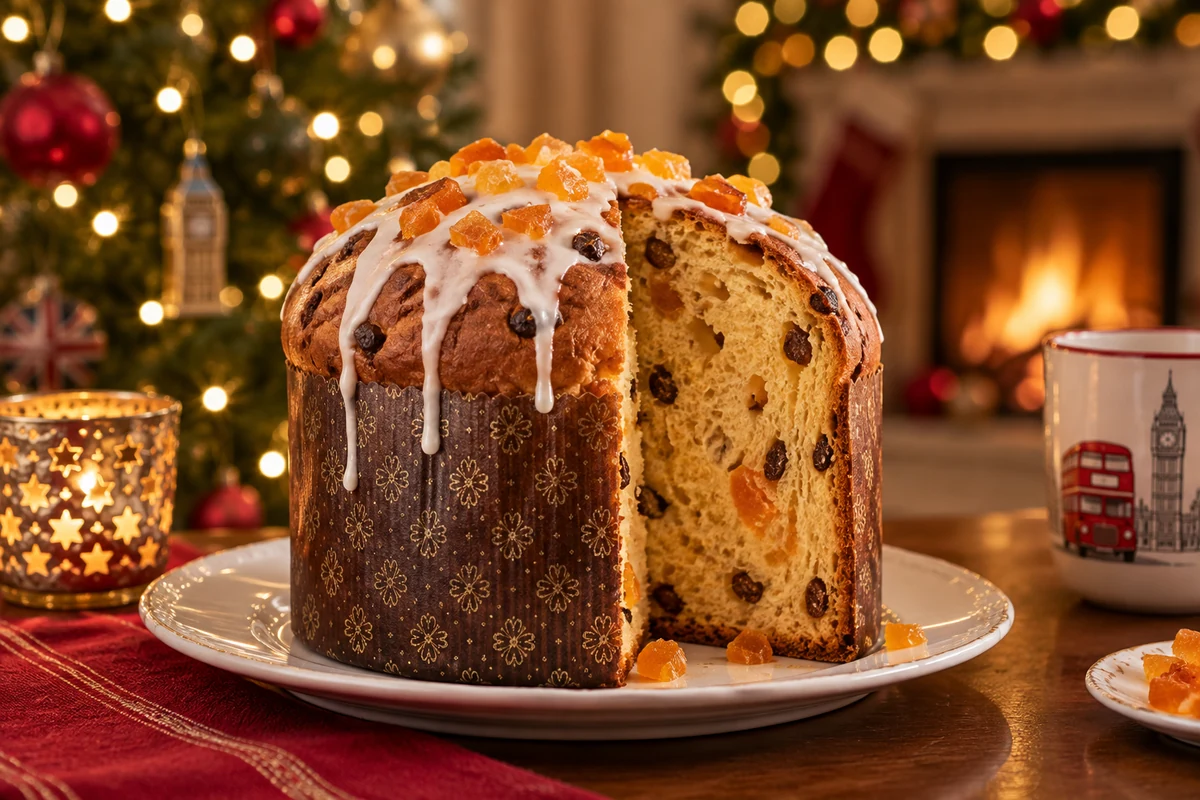
Decorating a filled panettone can be simple. When deciding how to decorate it, choose a topping that suits the filling, avoids unnecessary weight and is appropriate for the people who will eat it.
- Icing: A small amount of prepared icing can finish the top. Follow an icing recipe and allow it to set as directed, while keeping any perishable filling safely chilled.
- Candied fruit: Small pieces of candied orange or cherries can provide colour. Check labels for ingredients and allergens, including sulphites where present.
- Nuts: Chopped nuts can add texture if appropriate for your guests. Make their presence clear and avoid whole nuts for young children. A nut-free topping is often the easier choice for a mixed group.
- Chocolate: A drizzle of melted chocolate can add contrast. Let it cool enough for the planned decoration and avoid pouring hot chocolate over a delicate dairy filling.
- Sprinkles: Use decorations sold as edible, checking ingredients and suitability for young children. Very hard or large decorative pieces may be best left off.
- Ribbon: Put ribbon around the outside of a food-safe box or wrapper, not through the dessert. Remove non-edible decorations before serving. Ribbon is decorative and does not preserve the bread or make the filling safe to store.
- Edible lustre: If using a decorative dust, choose a product explicitly labelled edible and follow its instructions. Craft glitter or a product described only as non-toxic is not a food ingredient.
A neat finish is enough to make a filled panettone inviting. Keep packaging food-safe and do not let elaborate decoration make the dessert difficult to chill or serve.
Storage and serving
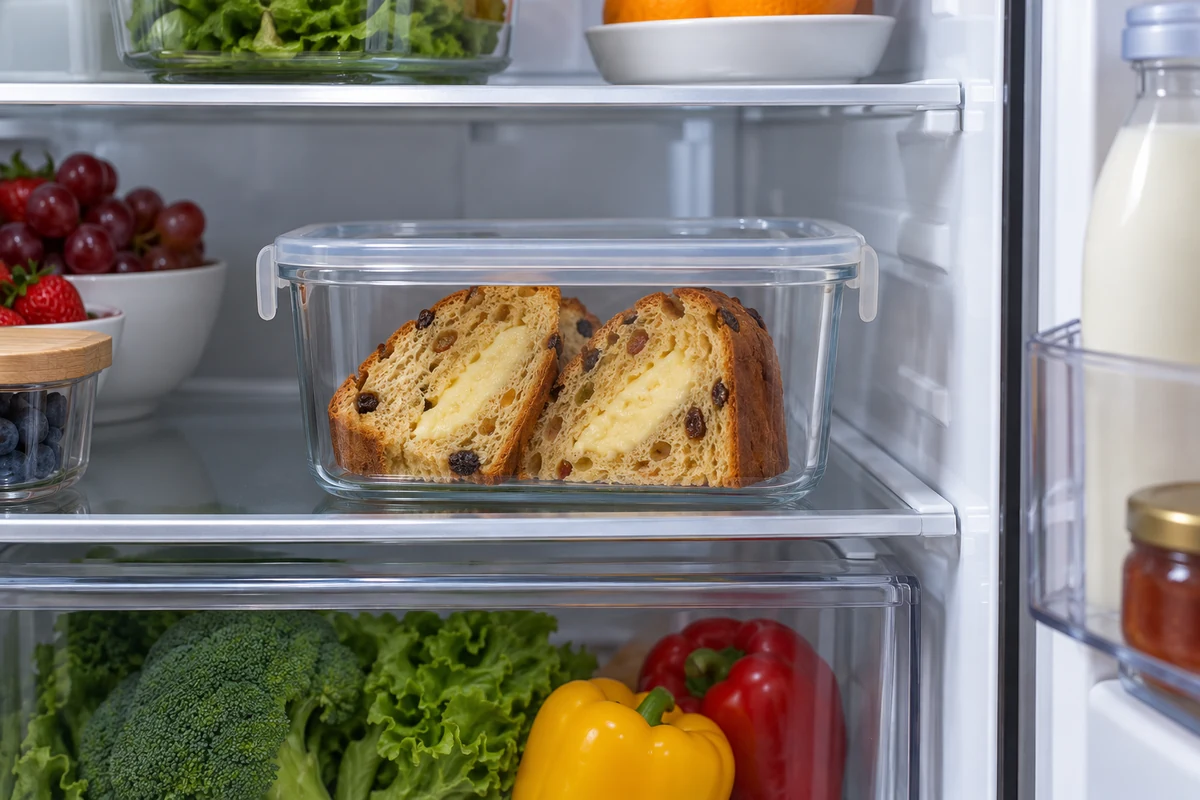
The storage of a filled panettone depends on its most perishable ingredient. These storage and serving tips are especially important for cream, cream cheese, ricotta and fresh-fruit fillings; the shelf life of a sealed plain panettone no longer applies after filling it.
- Cool before filling: If baking the bread, cool it according to the recipe before assembly. Keep perishable filling ingredients refrigerated until needed and work with clean hands, utensils and surfaces.
- Use a suitable container: Cover the assembled dessert in a clean, food-safe container. Keep the ingredient labels and note when it was prepared, particularly if giving it to someone else.
- Refrigerate perishable fillings: Fresh cream, cream cheese and ricotta require chilled storage. Keep the fridge at 5°C or below. A slightly firmer crumb is preferable to leaving a dairy-filled dessert at room temperature to protect its texture.
- Freeze only if suitable: Check whether the filling recipe or product allows freezing. Some dairy and fruit fillings separate or become watery. Portion and label suitable food before freezing; there is no single three-month guarantee for every combination.
- Defrost safely: Defrost a suitable filled dessert in the fridge, keeping it covered. Follow its recipe or label, and use fully defrosted food within 24 hours. Do not warm a filled dessert in the oven unless its recipe specifically allows it.
- Do not assume a ten-day shelf life: Follow the shortest applicable use-by or after-opening instruction, and prepare a fresh dairy-filled dessert close to serving. Put out only what you need and minimise time away from refrigeration. Discard it if its safe storage history is uncertain.
For a gift, explain that the filled panettone needs refrigeration where applicable and provide ingredient and preparation details. Choose an unfilled packaged panettone instead if a cold chain cannot be maintained.
Panettone and Christmas tradition
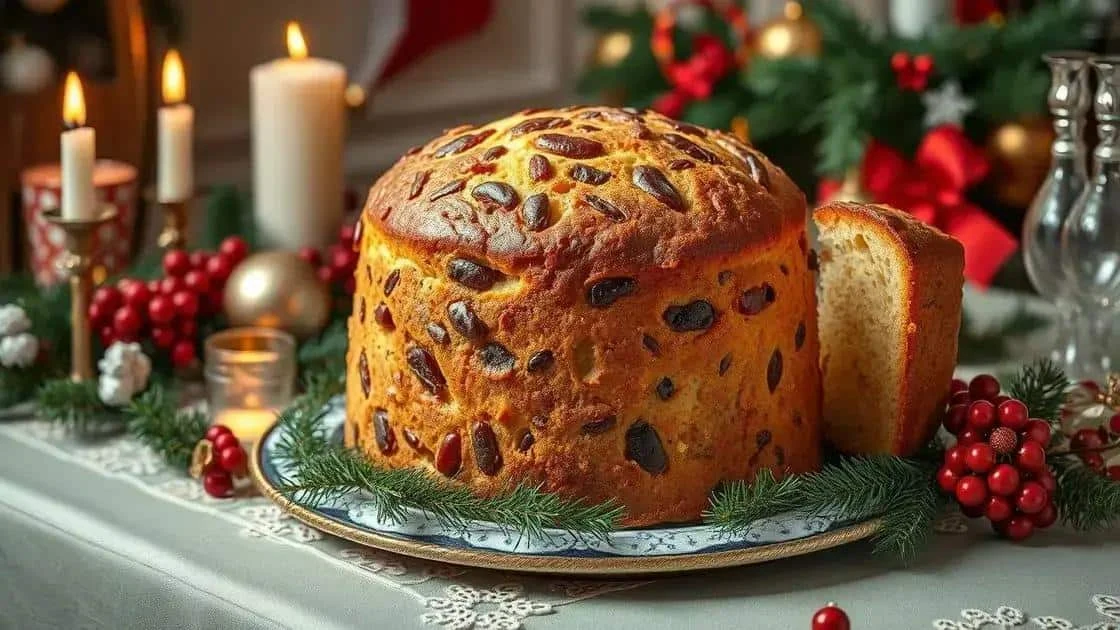
Panettone is closely associated with Milan and Italian Christmas celebrations. Stories about its invention mix history and legend, so a single charming origin tale should not be presented as established fact.
Traditional panettone is a carefully fermented, enriched bread, commonly containing raisins and candied fruit. Its light structure takes skill to produce, which is one reason a ready-made loaf can be a useful starting point for a home dessert.
Panettone is also familiar at Christmas in Brazil, where chocolate versions and filled adaptations are popular. These variations should be distinguished from claims about one fixed traditional Italian recipe.
Sharing a panettone can be a pleasant part of a family gathering or a gift between friends. A purchased loaf is just as suitable for that purpose as a homemade one when it meets the recipient’s needs.
Different households serve it in different ways. Whether you enjoy it plain or make a filled dessert, focus on a flavour you like and a method you can carry out reliably.
Choosing your filled panettone
A filled panettone offers plenty of scope for chocolate, fruit and dairy combinations. Pick one filling, check the ingredients and use a complete recipe for anything that needs precise preparation.
This guide explains options and handling rather than claiming a tested dough formula. Keep the distinction between plain bread and perishable filling in mind, especially when storing or transporting the finished dessert.
For a manageable Christmas project, start with a ready-baked panettone, choose a suitable filling and assemble it close to the occasion. Keep it chilled whenever the ingredients require it.
Frequently asked questions about filled panettone
Where does panettone come from?
Panettone is associated with Milan in northern Italy. Its history includes several origin legends, while its place in Italian Christmas baking is well established.
How should I store a filled panettone?
Follow the requirements of its most perishable ingredient. Fresh cream, cream cheese or ricotta fillings need refrigeration in a covered container; an unopened plain panettone’s shelf life does not apply after filling.
What fillings could I try?
Options include chocolate and orange, chocolate-hazelnut spread, dulce de leche or berries with cream cheese. Use a reliable filling recipe and check allergens and dietary needs before choosing.
Can I freeze a filled panettone?
Only if the filling recipe or label says it is suitable. Texture can change, especially with dairy or fruit. Defrost in the fridge and follow the relevant storage and use instructions rather than assuming all fillings freeze equally well.
How can I decorate it?
Try a small amount of icing, edible chocolate decoration or candied fruit. Check allergens and choking risks, and keep ribbon and other non-edible decorations on the outer packaging.
How long will it keep?
There is no universal shelf life for filled panettone. Follow the filling recipe, ingredient use-by dates and after-opening instructions, whichever is shortest. Prepare fresh dairy-filled versions close to serving; do not rely on a general ten-day claim.
Sources and Further Reading
- How to chill, freeze and defrost food safely — Food Standards Agency
- Preparing food safely — NHS
- History of panettone and pandoro — Italia.it
- Food at community and charity events — Food Standards Agency