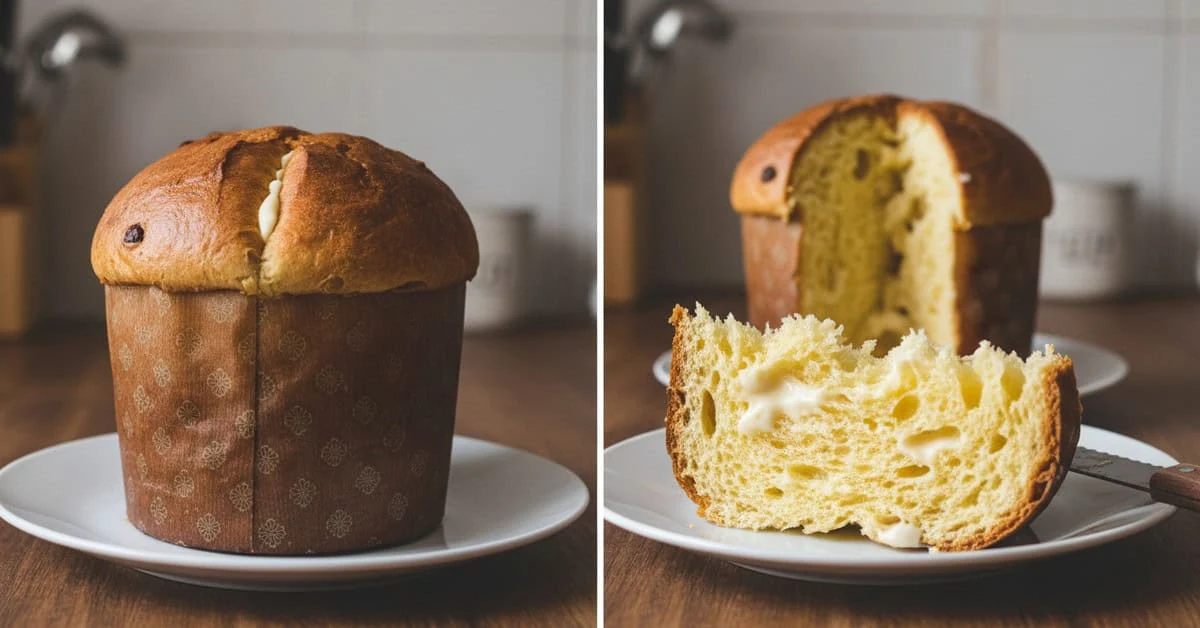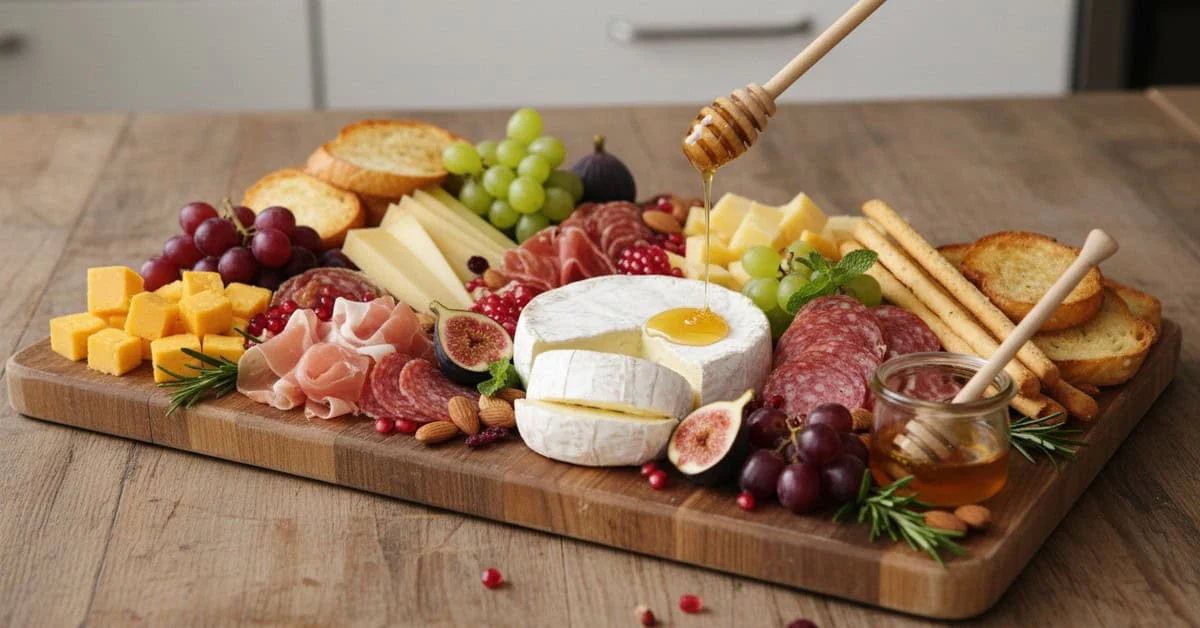
A Christmas cheese and charcuterie board combines cheeses, ready-to-eat meats, bread, fruit and small accompaniments. Plan portions according to whether it is a starter or main spread, provide suitable alternatives for guests and bring out chilled perishable foods in small batches.
A Christmas cheese and charcuterie board is a flexible way to welcome friends and family. A few contrasting textures and flavours can make it inviting without needing a huge shopping list. Here are ideas for choosing, arranging and serving it at different budgets.
Choosing cheeses, meats and accompaniments

For a balanced Christmas board, combine different textures, flavours and colours. Start with a total portion allowance per person, then divide it between your chosen cheeses and meats rather than adding a full portion of every item.
Choosing the cheeses
Choose three or four contrasting cheeses, such as a hard cheese, a creamy cheese, a small amount of blue cheese and a mild semi-hard cheese. Adjust the selection for guests’ dietary needs.
- Hard cheese, such as mature Cheddar or Manchego: allow about 20–30 g per person as one part of the cheese selection.
- Creamy cheese, such as Brie or Camembert: allow about 15–25 g per person, keeping reserve portions chilled.
- Blue cheese, such as Stilton or Gorgonzola: a smaller 10–15 g portion per person can be enough.
- Mild semi-hard cheese, such as Gouda or mild Cheddar: use it as an alternative within the cheese allowance, rather than automatically adding another full portion.
Choosing the meats
Choose two or three ready-to-eat meats with different flavours and slice them thinly. The suggested amounts below are options within your overall allowance.
- Ready-to-eat salami or coppa: around 15–25 g per person provides a small savoury portion.
- Prosciutto: around 15–25 g per person pairs well with figs or melon.
- Cooked sliced ham or turkey: use around 15–25 g per person as an alternative. Check the label: these products are not necessarily lower in salt.
Useful accompaniments
Include a few crunchy, sharp and sweet elements to complement the cheeses and meats.
- Bread and crostini: allow two or three small pieces per person initially, with extra available.
- Crackers: choose plain and wholegrain varieties.
- Fresh fruit: grapes, figs and sliced apples or pears add freshness. Wash fruit and prepare portions suitable for your guests.
- Dried fruit: a few apricots or dates provide a sweet contrast.
- Nuts: offer a small bowl of almonds or walnuts separately, clearly labelled for allergies.
- Pickles and olives: serve small amounts in bowls.
- Chutney, jam and honey: small pots work well with stronger cheeses.
Balancing flavour and texture
Vary the combinations: pair creamy cheese with fruit or chutney, and savoury meats with crisp bread. Put out small portions shortly before eating, keeping spare perishables in the fridge.
- Keep strongly flavoured items apart from delicate cheeses, using small bowls where helpful.
- Provide separate knives for soft and hard cheeses, and dedicated utensils for allergy-friendly alternatives.
- Arrange small groups, such as pear slices beside blue cheese, so guests can see possible combinations.
Vegetarian and vegan choices
Prepare a separate selection that gives guests a real choice, rather than relying only on leftover fruit and crackers.
- Plant-based cheese alternatives: choose suitable products and check for nuts, soya or other allergens.
- Dips: offer hummus or baba ganoush, about 1–2 tbsp per person choosing that option.
- Roasted vegetables: sliced peppers, aubergines and courgettes add colour; cool and chill them promptly if preparing ahead.
- Fruit and nuts: combine with a suitable jam or chutney. Omit honey from vegan portions.
Buying, preparing and storing ingredients
Shop close to the serving date and check use-by dates and opening instructions. Bring out only the cheese you plan to serve shortly; 20–30 minutes may soften its texture, but this counts towards its total time out of refrigeration. Keep meats and dips chilled until serving.
- Keep cheeses in their recommended wrapping or a suitable food-safe container. There is no blanket rule that all food-safe plastic must be avoided; follow the product’s storage guidance.
- Transport chilled ingredients in an insulated cool bag with frozen ice packs. Keep them cold, out of direct sun and return them to refrigeration on arrival.
- For a straightforward home-serving plan, limit perishable food to two hours out of refrigeration in total, and less in warm conditions. Put out small fresh portions rather than topping up food that has been sitting out.
How to assemble the board
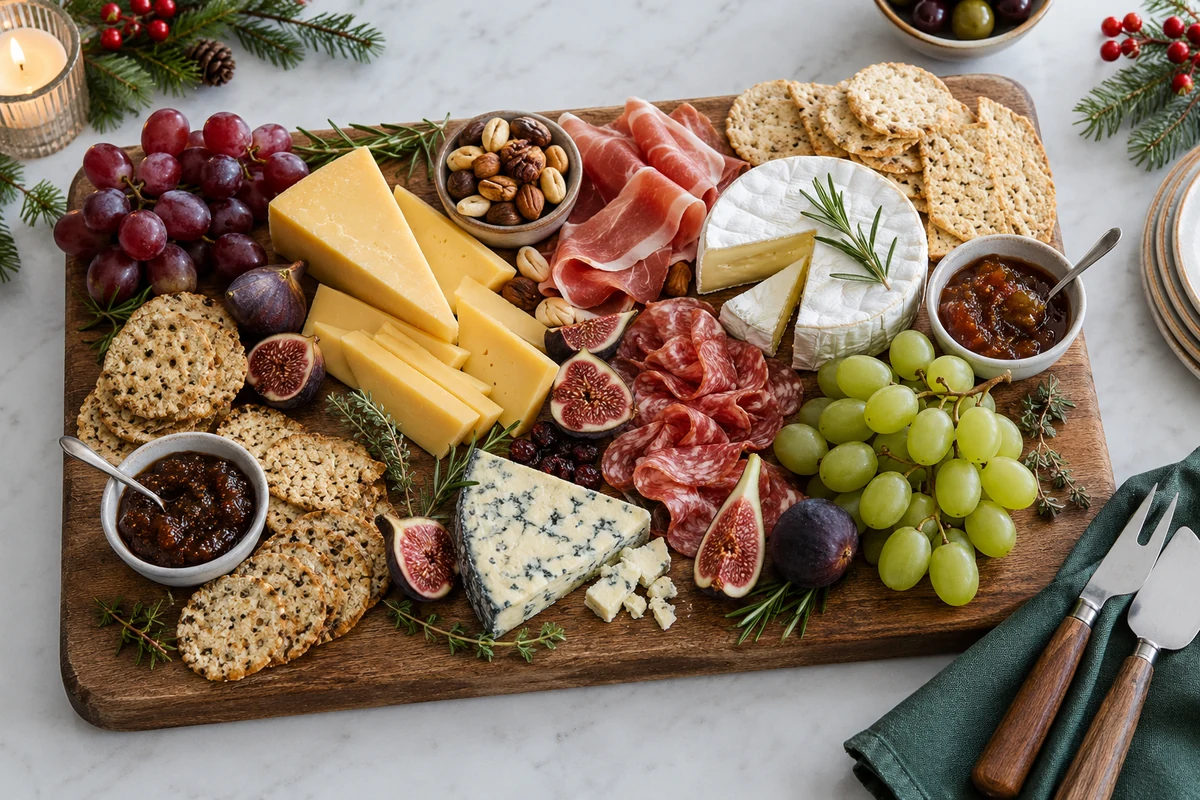
- Plan the quantity: as a rough shopping guide, allow 80–120 g of cheese and meat combined per person for a starter, or 150–200 g for a substantial main spread, with bread and other accompaniments in addition. Adjust for appetites and the rest of the meal.
- Prepare the surface and utensils: choose a clean food-safe board or platter, cheese knives, tongs and small bowls.
- Prepare the ingredients: cut cheeses and ready-to-eat meats as needed, then cover and refrigerate until shortly before serving.
- Place bowls first: position small pots for chutney, honey, olives and pickles to create useful anchor points.
- Space out the cheeses: distribute them around the board so people can reach them easily.
Cutting and portioning
Cut hard cheese into small pieces or thin slices. Leave a small wedge of soft cheese with its own knife and break blue cheese into modest portions. Label the cheeses and keep utensils separate.
- Arrange the meats: loosely fold prosciutto and fan out salami slices. Keep the arrangement easy to pick up rather than tightly packed.
- Add the accompaniments: place washed fruit, small nut bowls and bread between the main groups. Keep crackers away from wet fruit or pickles so they stay crisp.
- Balance colours and textures: alternate pale and darker foods, and use a few clean culinary herbs for decoration. Keep non-edible decorations off the food surface.
- Make serving easy: put knives beside their cheeses, tongs beside meats and small spoons in dips and chutneys.
- Keep reserve food chilled: bring out fresh small portions as needed. Count preparation and transport time as part of any time out of refrigeration.
Tips for a first board
Start with bowls, then cheese, meat and finally the smaller accompaniments. Leave room for utensils and fingers to reach food comfortably. If travelling, pack wet and delicate items separately and assemble on arrival.
Rustic, special-occasion and budget boards

A theme helps narrow down ingredients and presentation. These three approaches offer different ways to build a Christmas board without changing the basic serving principles.
Rustic
Choose straightforward ingredients and a relaxed arrangement. A wooden serving board, ceramic bowls and fresh herbs create a warm, informal look.
- Cheeses: mature Cheddar, a suitable goats’ cheese and a firm farmhouse cheese are practical UK choices. Divide the planned cheese allowance between them.
- Meats: ready-to-eat coppa or salami adds a savoury element.
- Accompaniments: crusty bread, fruit compote, nuts and grapes.
- Presentation: use small groups and a few culinary herb sprigs without overcrowding.
Special occasion
Choose a small number of distinctive ingredients. Three well-chosen cheeses and careful presentation can feel special without a long list of extras.
- Cheeses: try Brie, Comté or Manchego and a small portion of blue cheese, within the overall quantity planned.
- Meats: prosciutto, coppa and ready-to-eat pastrami offer contrasting textures.
- Accompaniments: fresh figs, dates, a little port jelly, honey and candied walnuts. Label alcohol and nuts where relevant.
- Presentation: use a food-safe slate or stone board with small utensils and discreet labels.
Budget-friendly
Choose versatile ingredients and make a few accompaniments yourself. Plan portions before shopping and use fruit that is readily available.
- Cheeses: Cheddar, a mild cheese and a small pot of cream cheese can make a varied selection.
- Meats: cooked sliced turkey or ham, simple ready-to-eat salami or mortadella are options.
- Accompaniments: homemade crostini, a vegetable dip, seasonal fruit and a small nut bowl. A tuna dip is another option for fish eaters, clearly labelled.
- Saving money: buy cheese in a block, make a small fruit compote and put out modest portions with chilled extras available.
Choosing an approach
Match the board to the guests and budget. A more formal dinner may suit a carefully arranged special-occasion board, while a casual gathering works well with a rustic or budget version.
- Place festive decorations beside the serving area, keeping candles, pine cones and non-edible foliage away from food and utensils.
- Offer at least a couple of substantial meat-free choices, checking that any dairy cheeses are labelled suitable for vegetarians.
- Use the total allowance consistently: 80–120 g cheese and meat combined per person as a starter, or 150–200 g as a main spread, plus accompaniments.
Quick accompaniments: crostini, hummus and fig compote
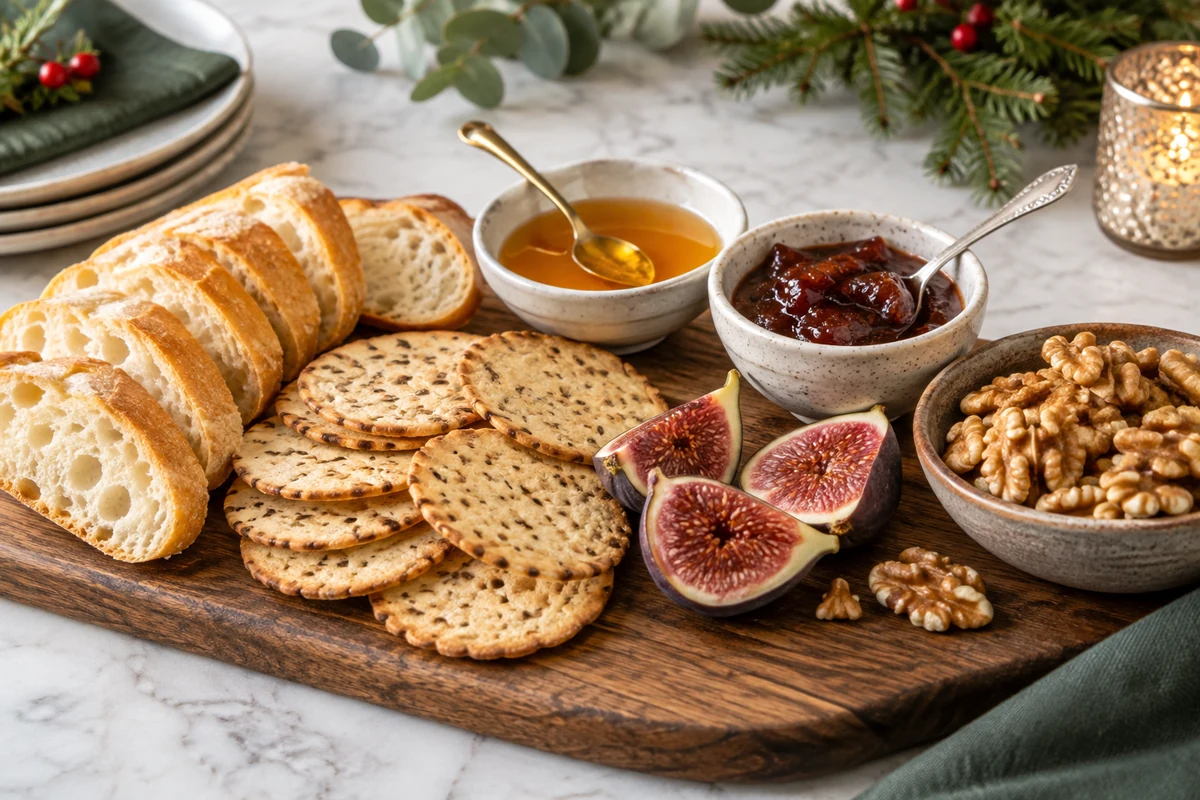
These three simple accompaniments add crunch, creaminess and sweetness. Prepare suitable portions in advance and keep the hummus and compote refrigerated until needed.
Oven-baked crostini
- 1 baguette, about 300–400 g, cut into 1 cm slices.
- 3 tbsp olive oil – melted butter is an alternative for a non-vegan version.
- 1 tsp dried rosemary or 1 tbsp finely chopped fresh rosemary.
- Salt, to taste, and freshly ground black pepper.
- Heat the oven to 180°C conventional, 160°C fan, gas 4.
- Slice the baguette into pieces about 1 cm thick.
- Mix the oil, rosemary and seasoning in a small bowl.
- Brush the slices lightly on both sides.
- Arrange in one layer on a baking tray and bake for about 8–12 minutes, turning if needed, until golden and crisp. Watch closely near the end.
- Cool on a rack before arranging on the board so the slices retain their crunch.
Classic hummus
- 1 × 400 g tin of chickpeas, about 240 g drained; reserve a little of the canning liquid before rinsing.
- 3 tbsp tahini – a non-vegan alternative is 2 tbsp plain yoghurt, though it changes the flavour and adds milk as an allergen.
- 2 tbsp lemon juice, plus more to taste.
- 1 garlic clove, crushed.
- 2–3 tbsp olive oil and salt to taste.
- Paprika and chopped parsley, optional, to finish.
- Drain the chickpeas, reserving 2–3 tbsp canning liquid, then rinse the chickpeas.
- Put in a food processor with the tahini, lemon juice, garlic, oil and a little salt.
- Blend until the mixture begins to become smooth.
- Add reserved liquid or cold water a spoonful at a time until creamy and spreadable.
- Transfer to a clean covered container and refrigerate. At serving time, spoon a small portion into a bowl and finish with paprika, parsley and a little oil. Use within 48 hours.
Quick refrigerated fig compote
- 300 g fresh figs, washed, stalks removed and quartered.
- 100 g sugar – honey changes the flavour and consistency and is not suitable for a vegan version.
- 1 tbsp lemon juice for flavour; this does not make the compote shelf-stable.
- ½ tsp vanilla extract, optional.
- Place the figs, sugar and lemon juice in a saucepan.
- Cook over a medium-low heat, stirring occasionally, until the figs release their juices, around 8–10 minutes.
- Mash lightly if you prefer smaller pieces.
- Lower the heat and simmer for a few more minutes until slightly thickened, adjusting for the ripeness of the fruit.
- Remove from the heat and add vanilla if using. Cool promptly in a shallow clean container, refrigerate within 1–2 hours and use within 48 hours or freeze. This is a fresh compote, not a cupboard-stored preserve.
Serving tips
- Put hummus and compote in separate small bowls with their own spoons.
- Offer crostini near firmer cheeses and compote beside creamy or blue cheeses.
- Individual small plates can make serving easier and help control waste.
Building a vegetarian or vegan board
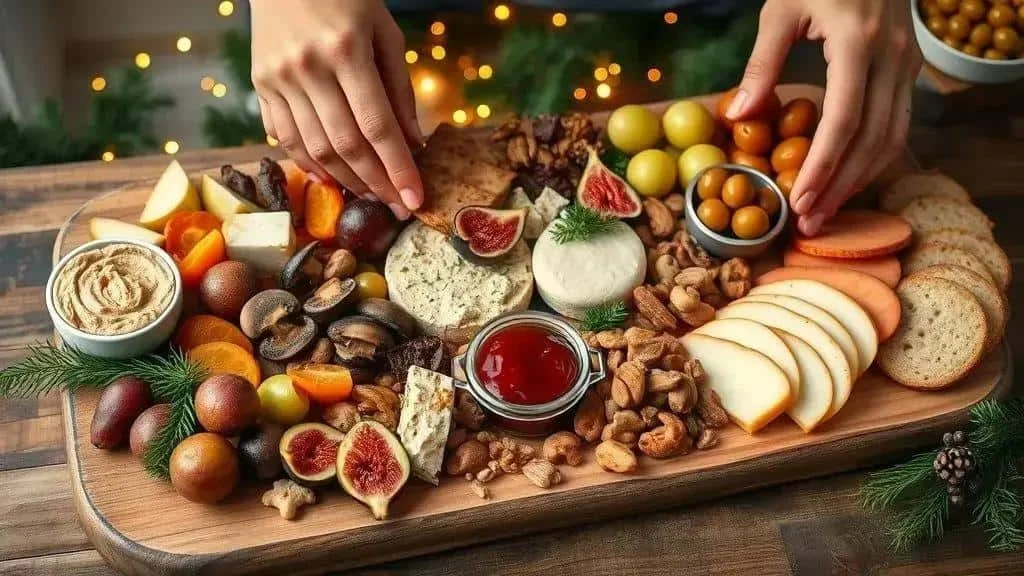
Combine varied textures, colours and substantial ingredients. A vegetarian board can use suitable dairy cheeses; a vegan board needs plant-based alternatives throughout.
Cheese alternatives
- Cashew-based cheese alternative: use a small portion as part of the total allowance, checking for nut allergies.
- Tofu-based feta-style alternative: choose a ready-to-eat product and add oregano and olive oil if liked.
- Creamy plant-based cheese: serve a small portion and keep reserves chilled according to its label.
Plant-based savoury additions
- Marinated tempeh: season with soy sauce and a little maple syrup, then cook thoroughly according to the packet. Cool and refrigerate promptly if serving later.
- Smoked tofu: slice or cube, checking whether the product is ready to eat or requires cooking.
- Sliced seitan: a savoury wheat-based option; follow its preparation instructions and label the gluten allergen.
- Roasted mushrooms: cooked shiitake or oyster mushrooms add a savoury flavour. Cool and chill promptly if making ahead.
Useful accompaniments
- Hummus: offer plain, beetroot or roasted pepper versions, with sesame labelled where present.
- Baba ganoush: a roasted aubergine dip for bread or crackers; check for sesame and other ingredients.
- Fruit jam or compote: use a small bowl and follow its storage instructions.
- Fresh fruit: grapes, figs, pear or apple slices add freshness.
- Dried fruit and nuts: offer in separate labelled bowls.
- Pickles and olives: small bowls provide a sharp contrast.
- Bread and crackers: include separate gluten-free options and utensils where needed.
Assembling the plant-based board
- Plan total portions: use roughly 80–120 g of the main cheese alternatives and savoury additions combined per person for a starter, or 150–200 g for a main spread, with bread and accompaniments alongside.
- Place bowls first: arrange hummus, compote and pickles around the board.
- Position cheese alternatives: leave space around each for its serving utensil.
- Add savoury items: arrange properly prepared tempeh, tofu or seitan in small groups.
- Add fruit and nuts: use washed fruit and separate nut bowls to fill gaps.
- Balance colour: alternate pale and darker ingredients without crowding the board.
- Finish simply: use a little chopped culinary herb and a drizzle of oil over suitable dips.
Suggested combinations
- Cashew cheese alternative, fig compote and pear offer creamy, sweet and fresh flavours.
- Ready-to-eat smoked tofu, pepper hummus and wholegrain crackers combine smoky flavour and crunch.
- Cooked marinated tempeh, roasted mushrooms and walnuts make a more substantial combination.
Preparation and storage tips
- Keep perishable items chilled until shortly before serving, following the product labels.
- Assemble on arrival when travelling, transporting chilled food in closed containers in an insulated cool bag.
- Use separate utensils to avoid mixing foods and transferring allergens.
- Put out small quantities and replace with freshly chilled portions as needed.
Presentation, chilling and transport
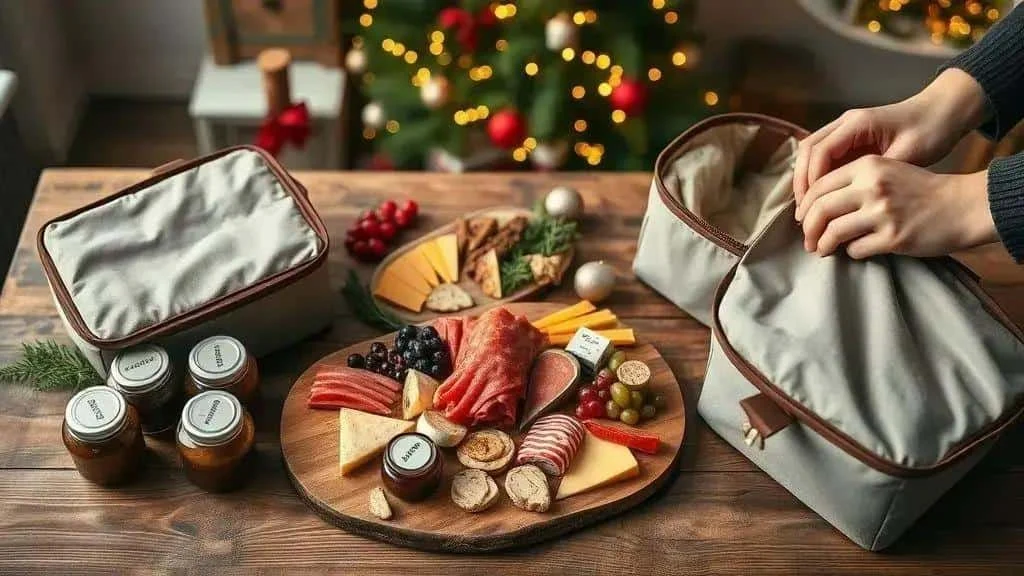
A practical board leaves enough space for guests to reach food and for you to replace small portions without disturbing the whole arrangement.
Presentation
- Create groups: keep cheeses, meats and accompaniments in recognisable sections.
- Vary shapes: use small bowls, wedges and fanned slices without creating unstable piles.
- Use colour: contrast pale cheese with fruit and darker chutney.
- Keep utensils visible: put each beside the food it serves.
- Finish with edible details: a little lemon zest or clean culinary herb is enough.
Chilling and food safety
- Time out of refrigeration: for this home-party plan, use two hours as a conservative total limit for perishables, less if conditions are warm. This includes preparation and unchilled travel time; it is not a universal statement of catering law.
- Guests with particular needs: ask about allergies and dietary restrictions. Pregnant guests should follow NHS advice on mould-ripened soft cheeses, soft blue cheeses and cured meats, which need thorough cooking; provide suitable separate alternatives.
- Packaging: use the product’s recommended wrapping or clean food-safe containers and follow use-by and after-opening instructions.
- Reserve portions: keep them in a fridge at 5°C or below until needed.
- Hygiene: use clean bowls and dedicated serving utensils. Do not mix fresh chilled food into leftovers that have been out for a long time.
Transporting the ingredients
- Choose suitable containers: use sturdy covered trays or boxes that fit inside the cool bag.
- Separate wet items: pack dips, compote, pickles and cut fruit in leakproof containers.
- Use an insulated bag with frozen ice packs: keep chilled food cold throughout the journey and refrigerate promptly on arrival.
- Finish later: pack bread and crackers separately to keep them dry, then assemble at the destination.
- Cover securely: use fitted lids or food-safe wrapping without crushing the food.
- Carry level: secure containers on a flat surface, away from heat and direct sunlight.
Finishing and replenishing
- Add final touches shortly before eating: arrange fruit, herbs and the small serving bowls.
- Replenish with fresh portions: keep extra food refrigerated and use a clean plate or bowl for each refill.
- Label clearly: name the cheeses, dietary alternatives and important allergens.
Useful equipment
- Insulated cool bags or boxes for chilled transport.
- Frozen reusable ice packs to keep the contents cold.
- Small lidded containers for dips, compote and pickles.
- Extra knives, spoons and tongs for separate foods and allergy-friendly options.
- Suitable food-safe wrapping for storage and transport.
An inviting Christmas board
A Christmas cheese and charcuterie board works best when flavour, portion size and easy serving matter as much as appearance.
Try the approach that suits your gathering, prepare a few simple accompaniments and keep chilled food in small, fresh servings.
Follow our social channels for more ideas and visit I Love Christmas for seasonal inspiration.
Christmas cheese and charcuterie boards: frequently asked questions
How much food should I allow per person?
As a rough guide, allow 80–120 g cheese and meat combined for a starter, or 150–200 g for a main spread, plus bread, fruit and other accompaniments. Adjust for appetites and the rest of the meal; do not add every individual ingredient allowance together.
Which cheeses make a varied selection?
Choose three or four contrasting styles, such as mature Cheddar, a creamy cheese, a small blue cheese portion and a mild semi-hard cheese. Check vegetarian suitability and guests’ other requirements.
How should I store and transport the board?
Keep perishable ingredients refrigerated, carry them in closed containers in a cool bag with frozen ice packs, and assemble on arrival where possible. Keep bread and crackers dry and separate.
What can I offer vegetarian and vegan guests?
Use suitable vegetarian dairy cheeses or plant-based alternatives, hummus, baba ganoush, properly prepared tofu or tempeh, roasted vegetables, fruit and nuts. Check labels and provide separate utensils.
How long can the board stay out?
For a simple home-serving plan, limit perishable food to two hours out of refrigeration in total, less in warm conditions, and bring out small batches. Follow the earliest use-by or opening limit. Keep promptly chilled homemade leftovers no longer than 48 hours, and discard food that has been out too long rather than trying to make it safe by cooling it again.
Sources and Further Reading
- Food Standards Agency: cooking food safely
- Food Standards Agency: chilling, freezing and defrosting food safely
- NHS: foods to avoid in pregnancy