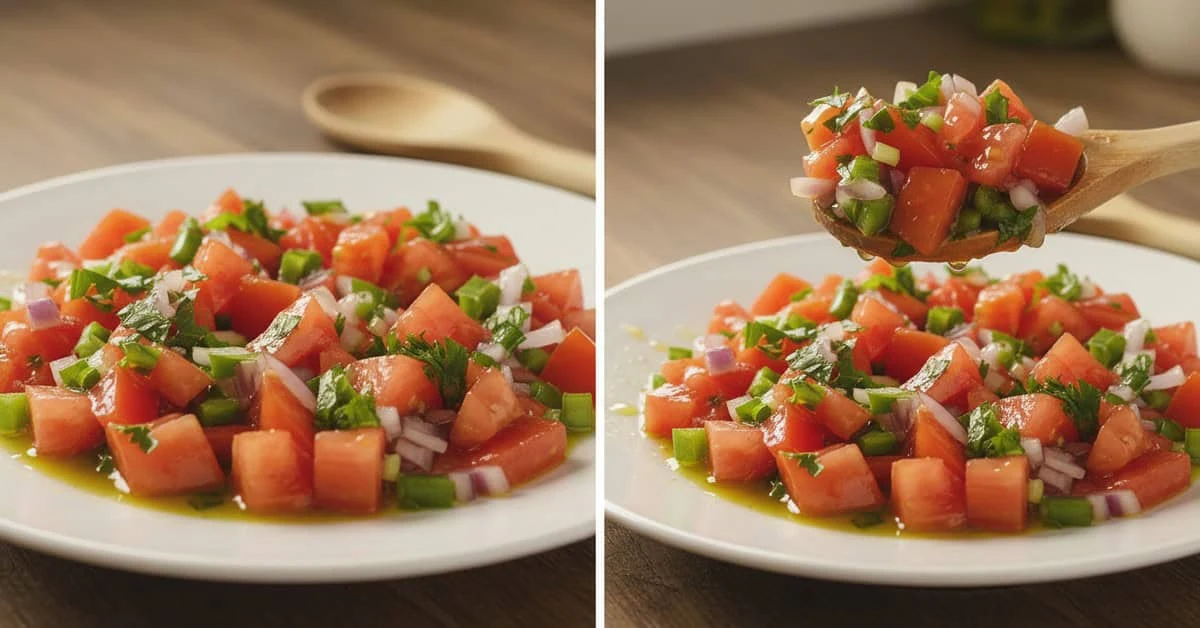
Brazilian vinagrete is a chopped tomato, pepper and onion side dressed with oil and vinegar, rather than just a smooth vinaigrette dressing. Its bright colours and fresh flavour complement festive roasts. Cut the vegetables evenly, chill briefly and try optional sweetcorn, avocado or feta variations.
Brazilian Christmas vinagrete brings colour to the table with a few everyday ingredients. Use the method below, then adjust the herbs and acidity to suit the rest of your meal.
Ingredients for Brazilian Christmas vinagrete
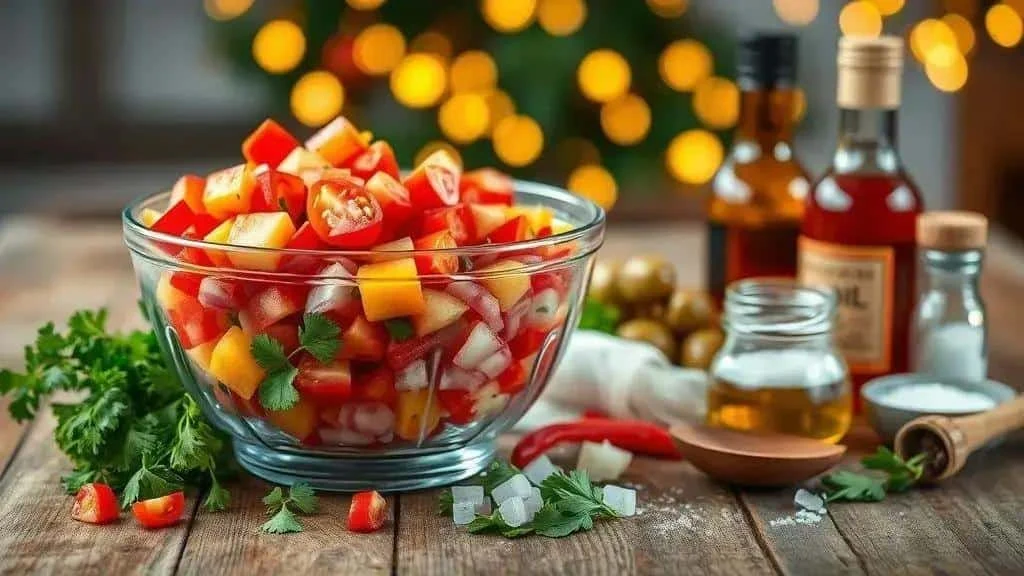
This Brazilian Christmas vinagrete makes about six generous side portions, or more if serving just a few spoonfuls alongside several dishes. Cup measures below use a 240 ml measuring cup.
- 4 medium tomatoes, about 500 g – diced, with some watery seeds removed if preferred. Alternatively use 300–400 g halved cherry tomatoes for a slightly smaller quantity.
- 1 red pepper – deseeded and finely diced; orange pepper is an alternative.
- 1 yellow pepper – deseeded and finely diced.
- 1 small red onion – finely chopped or thinly sliced. White onion can be used, but is not necessarily milder.
- ½ cup chopped fresh parsley – coriander is an alternative; start with less if you prefer a gentler flavour.
- 60 ml extra virgin olive oil – equivalent to ¼ of a 240 ml cup, or 4 tbsp. Sunflower oil gives a more neutral flavour.
- 3 tbsp red wine vinegar – or 2 tbsp lemon juice for a citrus version, adjusted to taste.
- Up to 1 tsp salt – add gradually, especially if including olives or feta.
- Up to ½ tsp freshly ground black pepper – to taste.
- Up to 1 tbsp sugar – optional; use only as much as you want to balance a sharp dressing.
- 1 small red chilli – optional, deseeded and finely chopped. A little dried chilli flake is an alternative; adjust to taste.
- 2 tbsp chopped green olives – optional.
Quick tips and substitutions
Tip 1: For less oil, reduce it to 2 tbsp and adjust the dressing to taste; more lemon will also make it sharper. Tip 2: Chill the dressed vegetables for about 20–30 minutes before serving. For the crispest texture, assemble within roughly 2 hours of eating. Tip 3: Taste before adding the full amount of salt, especially alongside salty meats or cheese.
How to make Brazilian Christmas vinagrete
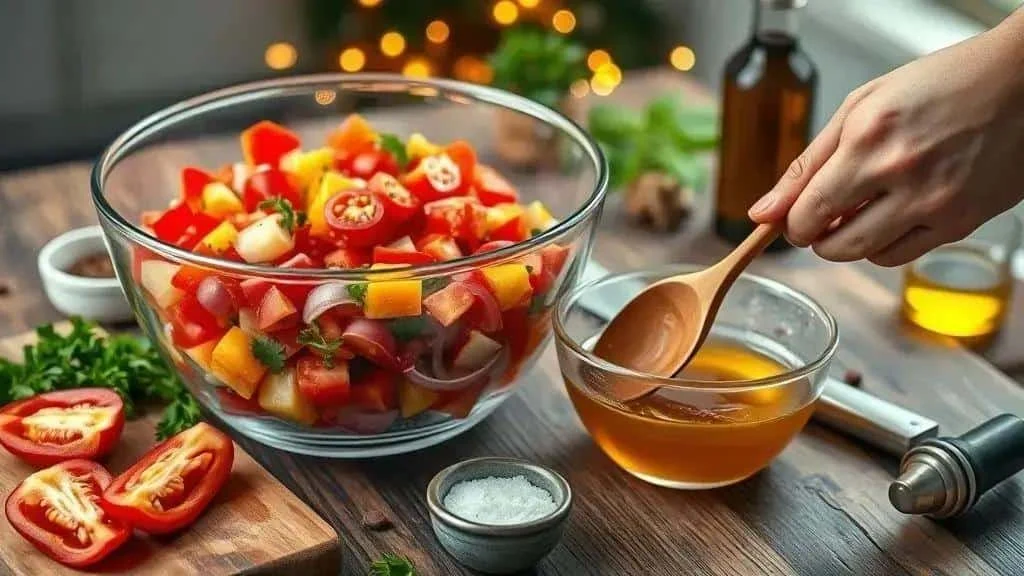
Prepare the vegetables first, then mix the dressing for your Brazilian Christmas vinagrete. A sharp knife and even pieces make serving easier.
- Wash and dry: Rinse the tomatoes, peppers and parsley under running water and dry well to avoid diluting the dressing.
- Dice the tomatoes: Cut into pieces about 1 cm across, removing some of the watery seeds if preferred. Alternatively, halve the cherry tomatoes.
- Chop the peppers: Remove stalks, seeds and membranes, then dice both peppers fairly finely, around 5 mm, so they distribute evenly.
- Prepare the onion: Finely chop or slice into thin half-moons. To mellow its sharpness, soak in cold water for about 5 minutes, then drain and dry thoroughly.
- Chop herbs and olives: Measure the chopped parsley and optional 2 tbsp chopped olives.
- Combine the vegetables: Place the tomatoes, peppers, onion, parsley and optional olives in a bowl and mix gently.
- Make the dressing: Whisk the 60 ml oil with the 3 tbsp vinegar, or 2 tbsp lemon juice. Add the optional sugar gradually, then salt and pepper to taste, rather than automatically using the maximum amounts.
- Dress the vegetables: Pour over the dressing and fold gently so the pieces are coated without being crushed.
- Taste and adjust: Add a little more oil if too sharp, or vinegar or lemon if not sharp enough. Adjust salt and optional sugar in small amounts.
- Chill briefly: Cover and refrigerate for about 20–30 minutes to let the flavours combine. Longer contact with dressing softens the vegetables; the separate storage guidance below still applies.
- Finish at serving time: Stir gently and taste again. Add the optional chopped chilli if wanted; a further drizzle of oil is optional, not essential.
- Try an addition: Fold in ½ cup cooked sweetcorn, add diced avocado just before serving, or use 2 tbsp crumbled feta for a different version.
Practical tips
- Even pieces: Small, evenly cut vegetables give a balanced mixture in each spoonful.
- Timing: About 30 minutes of chilling after assembly helps the flavours combine while retaining crunch.
- Storage: Keep covered at 5°C or below and use within 24 hours, preferably the same day for the best texture.
Vinagrete variations and substitutions
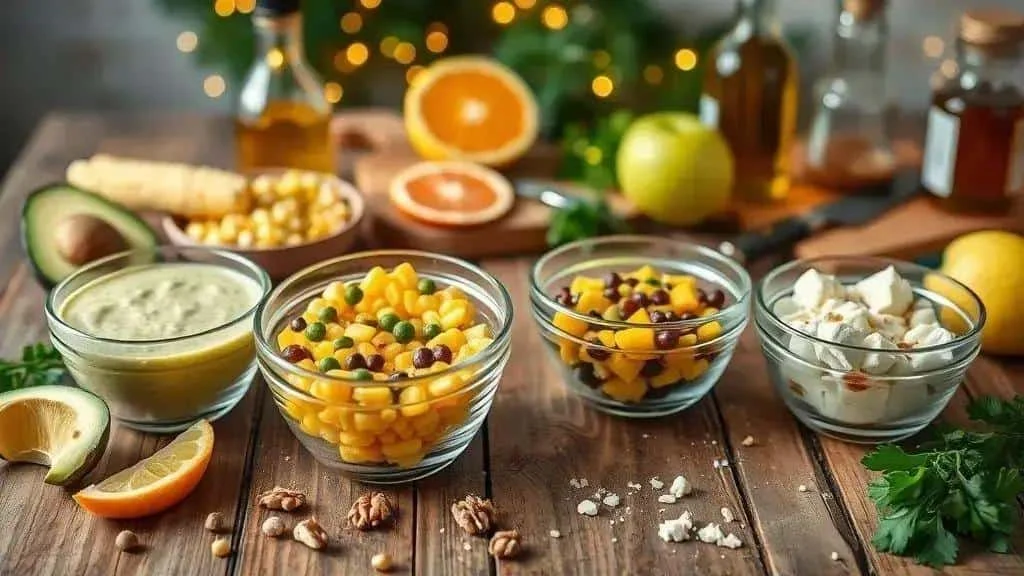
- Avocado version: Add about 150 g ripe avocado flesh, diced, and reduce some of the oil if preferred. A little lemon juice limits browning; fold in the avocado at serving time.
- Sweetcorn and black-eyed bean version: Add ½ cup cooked sweetcorn and ½ cup cooked black-eyed beans, both cooled and well drained. Dress as above and serve chilled.
- Citrus version: Replace the vinegar with 2 tbsp orange juice and 1 tbsp lemon juice. This gives a different sweet-sharp balance alongside cooked fish.
- Apple and walnut version: Add one finely diced green apple and 2 tbsp chopped walnuts shortly before serving for extra crunch.
- Feta and olive version: Use 2 tbsp crumbled feta and 2 tbsp chopped olives in total. Check the salt before adding more and serve with bread or a main dish.
Practical swaps
- Oil: Sunflower oil is an alternative if you prefer a neutral flavour.
- Vinegar: Use lemon juice or cider vinegar, adding to taste because acidity varies.
- Onion: Finely sliced spring onion is another option for a different flavour.
- Herbs: Coriander or a little mint can replace some of the parsley; add stronger herbs gradually.
Adjusting to your taste
For less acidity, start with less vinegar rather than adding it all and trying to correct it afterwards. For less oil, reduce the quantity and taste before adding lemon or a little cold water. The vegetables release juice too, so avoid making the dressing overly watery.
Quick serving ideas
- Separate variations: Offer a few small bowls if you want guests to choose between a plain version and additions such as avocado or feta.
- Resting time: Chill for about 20–30 minutes, adding avocado only at the end.
- Pairings: Fruit versions complement cooked fish and leaf salads; feta and olives work well with bread or roast dishes.
Serving vinagrete with a festive meal

- Portion guide: Allow roughly 3–4 tbsp per person as a condiment-style side. For six people this is 18–24 tbsp, about 270–360 ml, or roughly 1⅛–1½ of a 240 ml cup. The full recipe makes more than this small serving allowance.
- Serving temperature: Keep chilled until shortly before serving. This is a fresh chopped salad, not a hot sauce.
- Presentation: A glass bowl shows the colours; small individual bowls make portioning easy.
- Finish just before eating: Stir and check seasoning, adding a little oil only if needed.
- Festive garnish: A little parsley, lemon zest or pomegranate seed adds colour and aroma.
- Utensils: Provide a clean serving spoon that can lift the vegetables and a little dressing together.
Main dishes and accompaniments
- Roast meats: Tangy vinagrete contrasts with roast pork, ham or chicken.
- Fish and seafood: Citrus and herb versions complement pan-fried salmon or cooked prawns.
- Other sides: Plain rice, Brazilian farofa and rustic bread provide contrasting textures.
- Vegetarian serving ideas: Spoon over leaves or quinoa, or use in sandwiches and on toasted bread. Check any added cheese is suitable for vegetarians.
Drinks to serve alongside
Wine, if serving: A crisp white, rosé or dry sparkling wine is a possible pairing, depending on the whole meal.
Other options: Light beer or a citrus cocktail may suit the menu. Sparkling water with lemon offers an alcohol-free alternative.
Practical serving tips
- Let guests choose: Keep avocado, sweetcorn or feta additions separate if serving several preferences, and identify allergens.
- Preserve texture: Dress shortly before the meal, allowing about 20–30 minutes in the fridge.
- Adjust at the table: Offer a little extra vinegar and oil separately if wanted.
- Buffet service: Put out a small bowl and replenish with chilled portions instead of leaving the whole batch out for a long time.
- Storage: Refrigerate covered at 5°C or below and use within 24 hours. Add avocado shortly before eating.
Practical notes about Brazilian vinagrete
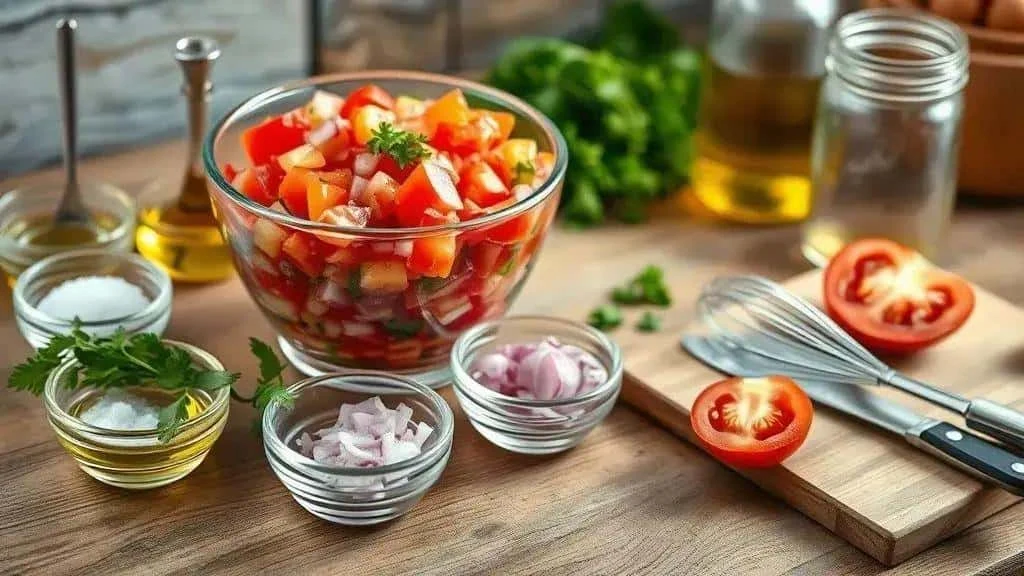
Small changes help keep vinagrete crisp, colourful and balanced. The amount of juice released by the tomatoes also affects the finished dressing.
Quick techniques
- Reduce excess liquid: Remove some watery tomato seeds and dry the vegetables after washing.
- Mellow the onion: Soak thin slices in cold water for about 5 minutes, then drain thoroughly.
- Dressing ratio: This recipe uses 4 tbsp oil to 3 tbsp vinegar, which is sharper than a classic 3:1 oil-to-vinegar dressing. Choose the balance you prefer rather than treating both ratios as the same recipe.
- Combine briefly: Whisk the oil and vinegar or shake in a sealed jar, then add to the vegetables. The mixture can separate again, so stir before serving.
- Keep some crunch: Avoid many hours in the dressing and add avocado only just before serving.
- Final check: Taste after chilling before adjusting salt, oil or acidity.
About this side dish
- Vinagrete versus vinaigrette: In this Brazilian recipe, the word describes chopped vegetables in a vinegar-based dressing, not just the dressing itself.
- Serving styles: It can accompany roasts, barbecued foods and fish, with optional additions such as sweetcorn or black-eyed beans.
- Different contrasts: Apple and pomegranate add fruitiness, while feta contributes a salty, creamy element.
- Storage matters: Vinegar in this fresh salad does not make it shelf-stable. Keep chilled and use within 24 hours; avocado is best added immediately before eating.
Everyday serving tips
- Extra dressing: Offer small quantities of vinegar and oil separately for guests who want to adjust their portion.
- Small side portions: Around 3–4 tbsp per person is a guide when serving it as a condiment alongside other dishes.
- Vary the herbs: Keep the main recipe’s ½ cup parsley or replace some with coriander or mint, starting with less of stronger-tasting herbs.
- A finishing flavour: Lemon zest adds aroma; a little honey can soften a sharp dressing if wanted, but use sugar or a suitable syrup instead for a vegan version.
Enjoy the recipe
We hope this Brazilian Christmas vinagrete brings a fresh, colourful accompaniment to your festive meal.
Share your version and the additions you enjoyed on our social channels.
Find more recipes and seasonal ideas at I Love Christmas.
Enjoy your meal and have a lovely festive season.
Brazilian Christmas vinagrete: frequently asked questions
How long can I keep vinagrete in the fridge?
Keep it covered at 5°C or below and use within 24 hours, preferably the same day for the best texture. Add avocado only just before serving because it softens and browns. The vinegar does not make the salad shelf-stable.
Can I make it ahead of a festive meal?
Yes. Dress it about 20–30 minutes before serving and keep chilled. If preparing earlier, store the chopped vegetables and dressing separately in the fridge, then combine near serving time.
What can I substitute if an ingredient is unavailable?
Use white onion instead of red, sunflower oil instead of olive oil, or lemon juice instead of vinegar. Their flavours differ, so add seasoning gradually and taste before serving.
How do I stop vinagrete becoming watery?
Dry washed vegetables well, remove some watery tomato seeds and use firm peppers. Avoid leaving the vegetables in the dressing for many hours, as salt draws out moisture.
What dishes go well with vinagrete?
Serve it with roast meat, chicken, cooked fish, rice or Brazilian farofa. Fruit variations also work with leaf salads, while feta and olives make it a useful topping for bread.