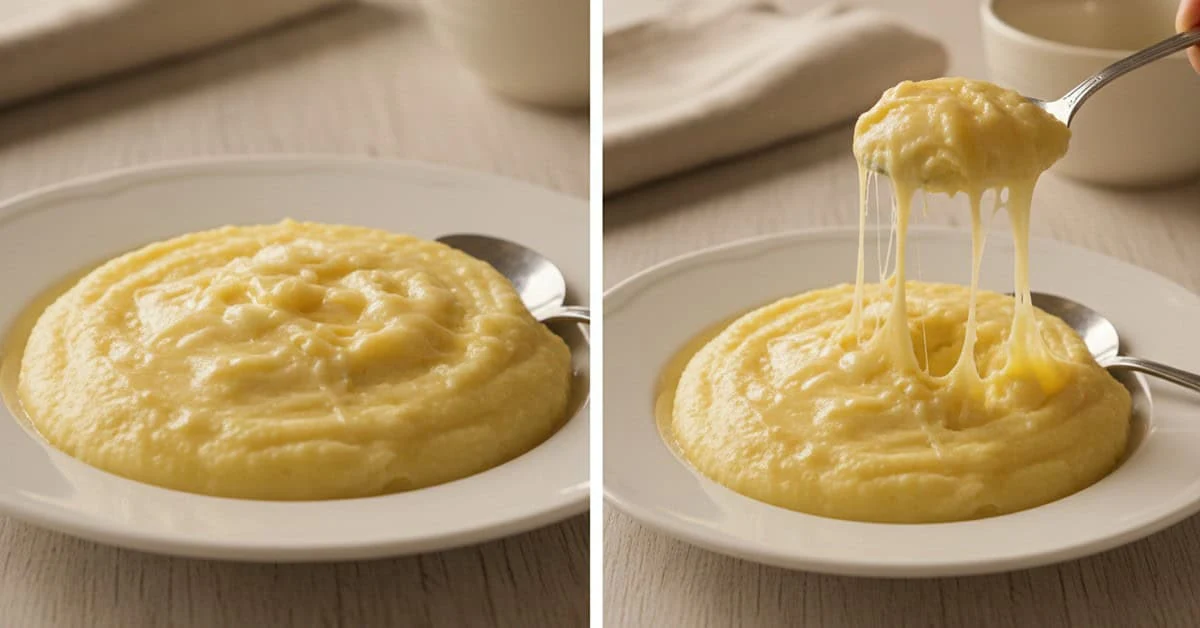
Arracacha mash with cheese is a creamy Brazilian side made with mandioquinha, also called batata-baroa. Cook the root until tender, mash with butter and warm milk, then fold in cheese. Serve as it is or brown a cheese topping, with plant-based alternatives available for a different version.
Arracacha mash with cheese is a comforting side for a festive meal. Mandioquinha is arracacha, a distinct root vegetable: it is not cassava, despite the similar Portuguese name, and is not simply another name for parsnip.
Ingredients for arracacha mash with cheese
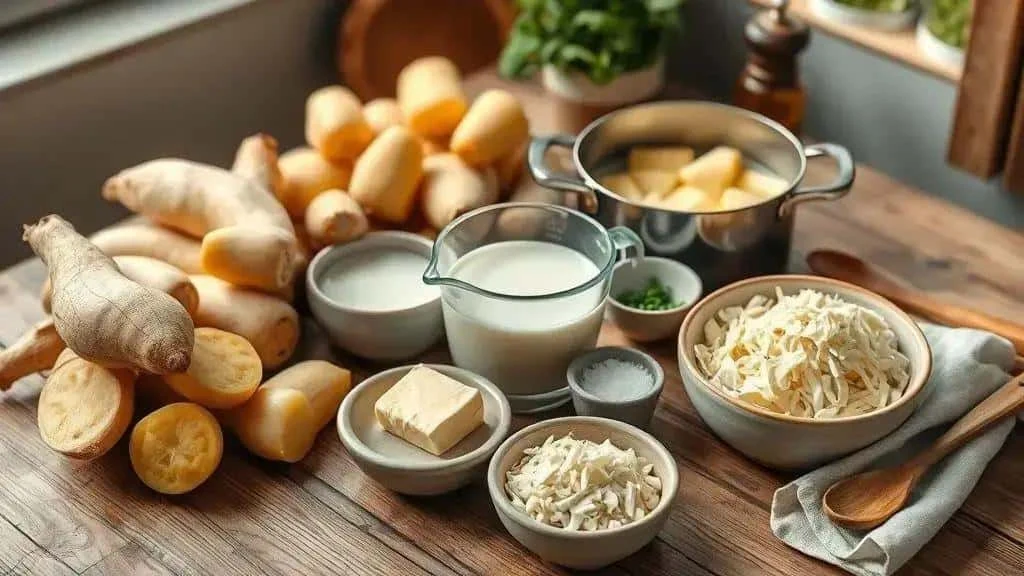
For arracacha mash with cheese, gather these ingredients. This recipe makes about four side portions.
- 600 g arracacha (mandioquinha or batata-baroa) – peeled and cut into evenly sized pieces.
- 2 tbsp butter – or 2 tbsp olive oil; a fully dairy-free version also needs alternatives to the milk, cheese and optional cream.
- 120–180 ml milk, warmed – add gradually; you may not need it all.
- 100 g Brazilian requeijão cremoso or soft cream cheese – alternatively, use 100 g grated mozzarella as a topping instead, following the gratin option below.
- 50 g finely grated Parmesan – optional. Use a suitable vegetarian alternative if needed.
- Salt, to taste – season lightly and check again after adding the cheese.
- Freshly ground black pepper – optional, to taste.
- A pinch of grated nutmeg – optional.
- 2 tbsp cream – optional, for extra richness; a little more milk is an alternative if the mash needs loosening.
- Chopped chives or parsley – to finish.
Substitution ideas
- Plant-based milk: Use an unsweetened, unflavoured drink such as oat or almond, adding it gradually as you would milk.
- Olive oil or vegan butter: These replace the butter; check the rest of the ingredients too if avoiding dairy.
- Plant-based cheese: Use suitable vegan soft cheese and a vegan Parmesan-style alternative, or omit the latter. Flavour and melting behaviour vary.
- Requeijão alternative: Plain soft cream cheese is a practical substitute. Plant-based cream gives a looser result, so use less milk if choosing it.
Servings: Approximately four side portions, depending on the rest of the meal.
How to make arracacha mash with cheese
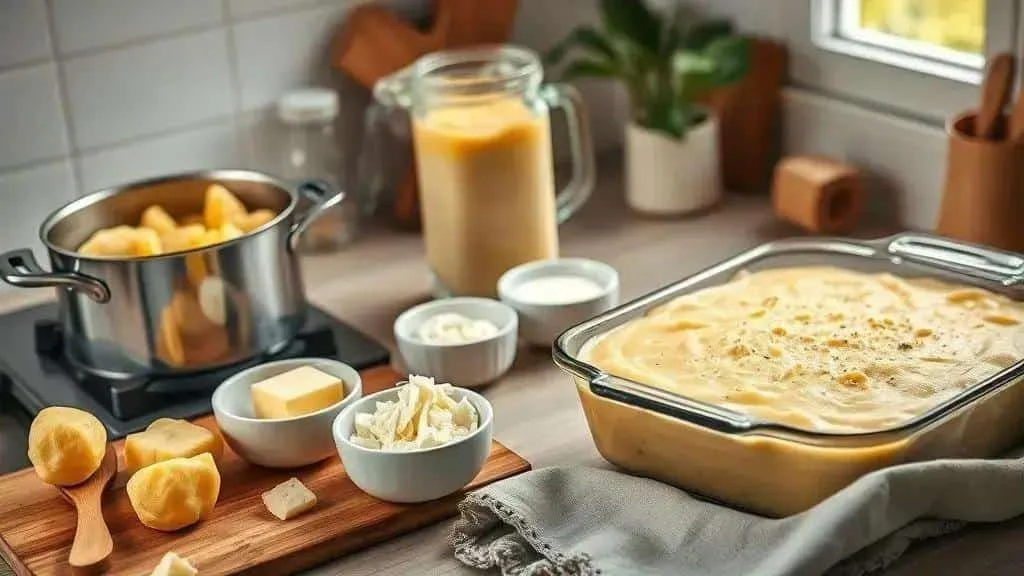
- Prepare the ingredients: Peel and cut the 600 g arracacha into even pieces. Measure the butter, milk and cheese, and have a saucepan, masher or potato ricer, spoon and optional ovenproof dish ready.
- Cook the arracacha: Cover with water in a saucepan and add a small pinch of salt if wanted. Bring to a simmer and cook for about 15–20 minutes, or until a fork slides in easily.
- Drain: Reserve about 120 ml cooking water before draining thoroughly. You may use a little to adjust the consistency later.
- Mash while warm: Use a masher or ricer, then stir in the 2 tbsp butter and an initial 60 ml of the warm milk. Avoid prolonged high-speed blending, and never seal hot food in a blender not designed for it.
- Adjust gradually: Add more of the measured warm milk a little at a time, using up to 120–180 ml in total as needed for a creamy, spoonable consistency. A little reserved cooking water is an alternative. Do not add every liquid automatically.
- Fold in the cheese: Stir in the 100 g requeijão or soft cream cheese and optional 50 g Parmesan over a low heat until combined. Taste before adding salt, pepper or nutmeg. If using the mozzarella alternative, reserve it for the topping rather than also adding another 100 g cheese here.
- Optional gratin: Transfer the hot mash to a shallow ovenproof dish. For the mozzarella alternative, spread the measured 100 g on top. Brown in an oven at 200–220°C, or 180–200°C fan, starting checks after 5–8 minutes, or under a suitable grill with constant supervision. Browning the top alone is not enough to reheat a chilled centre.
- Final adjustment: For a richer mash, fold in the optional 2 tbsp cream before gratinating or serving. For a looser texture, use a little warm milk instead. A dairy-free version needs appropriate alternatives to every dairy ingredient.
- Serve: Sprinkle with chives or parsley and serve hot alongside roast meat, fish or a vegetable-based main.
- Keep leftovers safely: Cool in shallow portions and refrigerate within 2 hours. Keep covered at 5°C or below and use within 48 hours, or freeze promptly. Reheat only once until steaming hot throughout, adding a little milk if needed.
Quick tips
For a finer texture, press the cooked arracacha through a sieve or ricer. Aged cheese adds a stronger, saltier flavour; mild soft cheese gives a gentler result.
Arracacha mash variations

- Cheese gratin: Choose the mozzarella-topped version in the main method and brown the hot mash just before serving. Tip: Use some of the optional Parmesan for a stronger-tasting topping rather than adding unlisted extra cheese.
- Bacon and browned onion: Fold in a little fully cooked crisp bacon and well-softened, browned onion. Add the bacon near serving time if you want more contrast in texture.
- Creamy leek: Soften finely sliced leek in a little butter and fold it into the mash with optional cream. The result: a mild onion flavour and a different texture.
- Blue cheese and pepper: Replace some of the cheese with a little blue cheese, such as Gorgonzola, adding gradually so it does not overwhelm the arracacha. Finish with black pepper.
- Vegan cashew version: Replace butter and dairy cheese with olive oil and about 60 ml plain cashew cream, adding nutritional yeast to taste if liked. Other swaps: use unsweetened plant-based milk as needed and omit dairy Parmesan and cream. Cashews introduce a nut allergen.
- Yoghurt and herbs: Replace the soft cheese with plain or Greek yoghurt for a tangier mash. Fold it in off the heat to reduce the chance of splitting, then add parsley or chives. Any reduction in fat or calories depends on the products used.
Tips for changing the recipe
- Warm liquids: Add warm milk gradually to the hot mash and let cheese soften gently rather than heating it aggressively.
- Texture: A sieve or ricer gives a finer mash; a hand masher leaves a more rustic texture.
- Balance: Strong cheese or bacon versions pair well with a fresh salad or simply cooked vegetables.
- Gratin safely: Use cookware suited to the oven or grill and watch the topping closely.
How to achieve a smooth, creamy texture
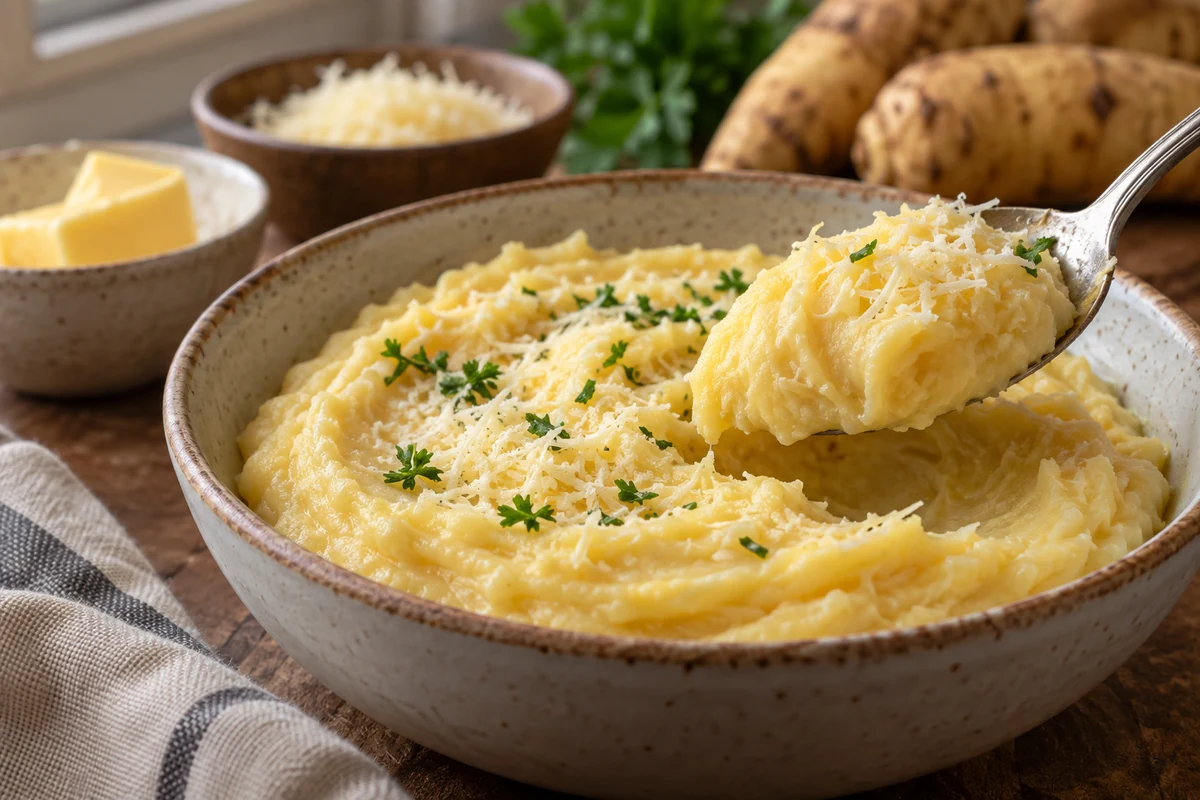
For creamy arracacha mash with cheese, cook the root fully, drain it well and add liquid in small amounts.
Useful equipment
A potato ricer or hand masher gives good control. If using a stick blender, process briefly and cautiously; prolonged blending can make a starchy mash sticky.
Key techniques
- Cook until tender: A fork should pass through the pieces easily before you drain them.
- Reserve cooking water: Keep about 120 ml, but add only a little if the mash needs loosening.
- Warm the milk: It blends into the hot mash without cooling it sharply. Add gradually, not all at once.
- Add richness in stages: Stir in butter first, then the chosen cheese, checking the consistency as you go.
- Do not overwork it: Excessive mechanical processing can make a starchy mash gluey; this is not a matter of the starch simply oxidising. Stop once combined.
- Sieve if wanted: Press the cooked root through a fine sieve with a spoon or spatula before adding the remaining ingredients.
- Control moisture: Add small spoonfuls of warm milk or reserved cooking water if the mash is too thick.
- Season last: Cheese contributes salt, so taste after it has been incorporated.
Gratin tips
- Choose a melting cheese: Mozzarella gives a stretchy topping; a little of the optional Parmesan adds a stronger flavour.
- Brown briefly: Start with hot mash so the top can brown without a cold centre remaining underneath.
Finish and serve: Add herbs and serve hot. Treat reheated leftovers separately: heat once until steaming hot throughout, not just until the cheese melts.
Serving ideas for a festive meal

Main dishes that pair well
- Roast meat: Roast pork or beef and a little gravy complement the creamy mash.
- Poultry: Roast chicken or turkey provides a contrasting texture.
- Fish: Pan-fried salmon or a simply baked white fish works alongside a mild cheese version.
- Vegetarian mains: Grilled seitan or lentil patties are possibilities; sautéed mushrooms provide another savoury accompaniment. Check that the cheese is suitable for vegetarians.
Other sides and textures
- Roasted vegetables: Carrots, courgettes and red onion bring colour and browned edges.
- Herbed rice: Rice with parsley and leek can be served in small portions as part of a larger spread.
- Crisp farofa: Brazilian toasted cassava crumbs with onion or cooked bacon provide crunch.
- Rustic bread: A little baguette or country bread is another accompaniment if wanted.
Salads for contrast
- Citrus salad: Mixed leaves with orange and a light vinaigrette balance the rich cheese flavour.
- Bitter leaves: Rocket and radicchio give a different contrast; extra cheese is optional.
- Tomato salad: Cherry tomatoes with basil and a little olive oil make a simple side.
Drinks to accompany the meal
- White wine: A lightly oaked Chardonnay or Chenin Blanc is a possible pairing if serving alcohol.
- Lighter red wine: Pinot Noir or a young Merlot may suit the rest of the meal.
- Dry sparkling wine: Another option for a festive table.
- Alcohol-free options: Sparkling water with lemon or apple juice offer alternatives.
Practical meal planning
- Serve hot: Time the mash to finish near the main dish and brown the topping shortly before serving. Avoid leaving it lukewarm for a long period.
- Balance the richness: Include a tangy dressing or lemon with another dish if that suits the menu.
- Portions: Around 150–200 g finished mash per adult is a starting guide for a generous side; adjust for appetite and other dishes.
- Presentation: Add chopped herbs and, if wanted, a small drizzle of olive oil.
- Reheating: Stir in warm milk gradually and heat only once until steaming hot throughout, avoiding excessive beating.
Storing and using leftover arracacha mash
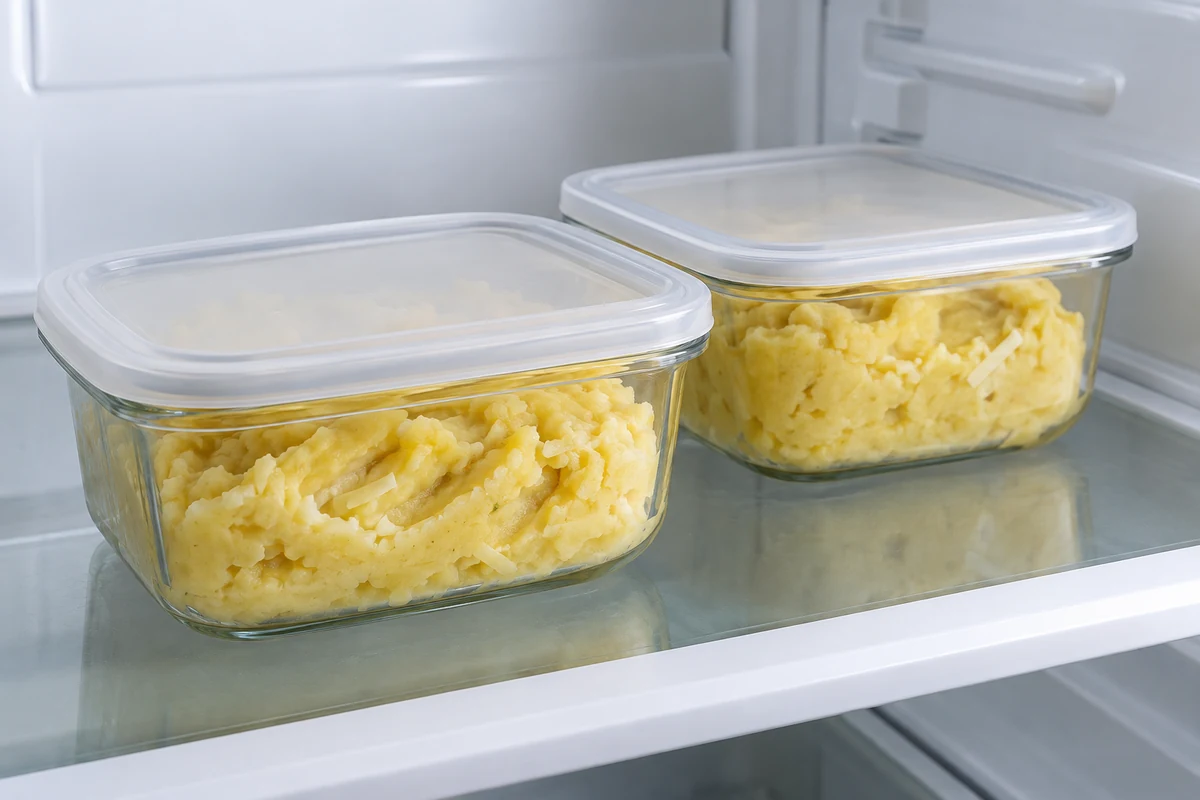
Good storage depends on prompt cooling, refrigeration and careful reheating, not just keeping the mash in a sealed pot.
- Fridge: Cool in shallow portions and refrigerate within 2 hours. Keep covered at 5°C or below and use within 48 hours, or freeze promptly.
- Freezer: Divide into suitable sealed containers, leaving a little expansion space. Around 3 months is a practical quality guide, though texture can change. Follow freezer guidance and label the portions.
- Cool quickly: Use small, shallow portions rather than leaving a deep saucepan out to cool slowly.
- Label clearly: Record the cooking and freezing dates on the container.
Reheating without losing texture
- Hob: Heat gently in a saucepan, stirring, with roughly 1–2 tbsp warm milk per 250 g mash if needed. Continue until steaming hot throughout, not just warm.
- Hot-water bath: If using this method, use a heatproof bowl and stir thoroughly; it must heat the whole portion until steaming hot. Do not heat an unsuitable sealed storage container.
- Microwave: Use a microwave-safe dish and follow the appliance guidance. Stir between heating intervals and check the centre is steaming hot, adding a little milk only if needed.
- Oven: Heat in a covered ovenproof dish at 180°C, or 160°C fan, until steaming hot throughout. Uncover and brown any cheese topping at the end, watching closely.
- Reheat once: Stir to distribute heat and serve immediately when ready. Do not repeatedly warm and cool the same portion.
Ideas for using leftovers
- Savoury cakes: Chilled mash can form the base of small cakes with egg and flour, but the required quantities depend on how much mash you have and its moisture. Use a tested recipe and cook the centres thoroughly; browning alone is not enough.
- Savoury pie: Use the mash as a topping or filling with cooked vegetables or safely stored cooked chicken, heating the whole dish until steaming hot.
- Pastry filling: A small amount can go into savoury pastries with herbs and cheese; avoid an overly wet filling and cook through.
- Vegetable gratin: Spread mash over cooked vegetables in an ovenproof dish, add a little cheese and heat thoroughly before browning the top.
- Soufflé-style variation: Use a tested savoury soufflé recipe if adding whisked egg whites. The proportions and baking time need to suit the quantity and moisture of the mash.
- Savoury pancake filling: Use a little mash inside pancakes and reheat thoroughly, serving with a leaf salad if liked.
Practical storage tips
- Small portions: Freeze enough for one or two people so you can thaw only what you need.
- Defrost in the fridge: Allow enough time for the portion to thaw fully and use within 24 hours. Do not thaw on the kitchen counter.
- Restore consistency: Add warm milk or a little butter only as needed during reheating, stirring gently.
- Avoid overbeating: Stir just enough to combine and distribute heat.
- Keep the original deadline: Turning leftovers into a new dish does not restart their safe storage time. Use only safely stored mash and count the new cooking as its single reheating.
Ready for the table
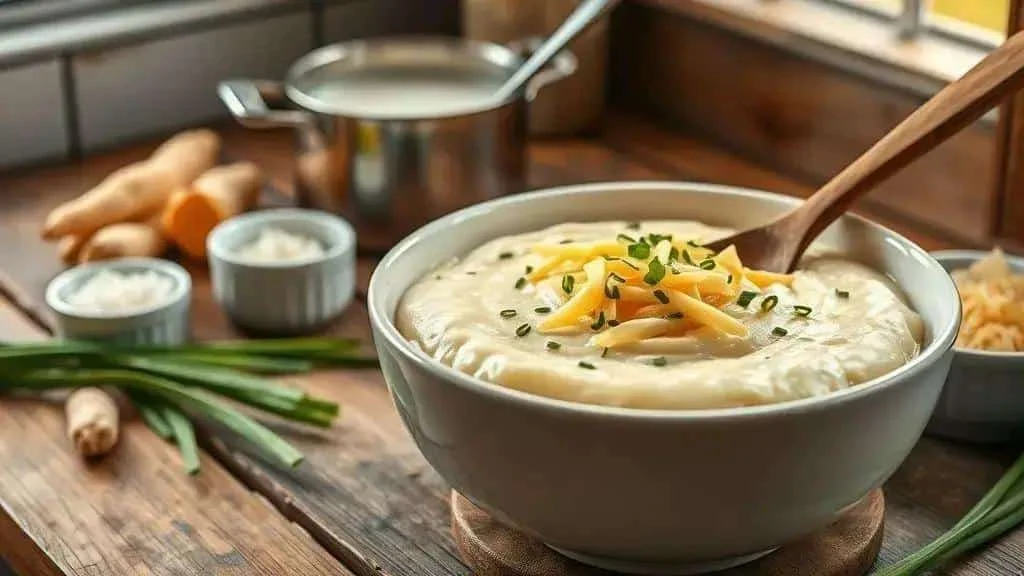
Arracacha mash with cheese can be served simply or with a browned topping. Choose the version that suits your menu and adjust the milk gradually so it stays creamy rather than soupy.
Tender arracacha, a gentle hand with the liquid and seasoning added after the cheese are the key steps. Try one variation at a time to find the balance you prefer.
Follow our social channels and explore I Love Christmas for more seasonal recipes and practical cooking ideas.
Share your version and return for more festive meal inspiration.
Arracacha mash with cheese: frequently asked questions
How long does arracacha take to cook?
Evenly sized pieces usually take about 15–20 minutes at a simmer, but check with a fork: they should be fully tender before mashing. Size and freshness affect the timing.
How can I make the mash smoother without changing its flavour?
Cook the arracacha until tender, drain well and use a ricer or sieve. Add warm milk or a little reserved cooking water gradually. Stop mixing once smooth rather than blending for a long time.
Can I make a vegan version?
Yes. Replace butter with olive oil or vegan butter, use unsweetened plant-based milk and choose vegan soft cheese or cashew cream. Omit or replace the Parmesan and optional dairy cream too, checking ingredient labels.
How should I store and reheat leftovers?
Cool in shallow portions and refrigerate within 2 hours. Keep covered at 5°C or below and use within 48 hours, or freeze promptly. Defrost in the fridge and use within 24 hours. Reheat only once until steaming hot throughout, adding warm milk if needed.
Can I gratinate the mash?
Yes. Use the mozzarella alternative from the ingredient list as a topping over hot mash. Brown at 200–220°C, or 180–200°C fan, starting checks after 5–8 minutes, or under a suitable grill with close supervision. If the mash is chilled, first heat the whole dish until steaming hot.
Sources and Further Reading
- Food Standards Agency: cooking and reheating safely
- Food Standards Agency: chilling, freezing and defrosting safely
- Embrapa: mandioquinha-salsa, Arracacia xanthorrhiza