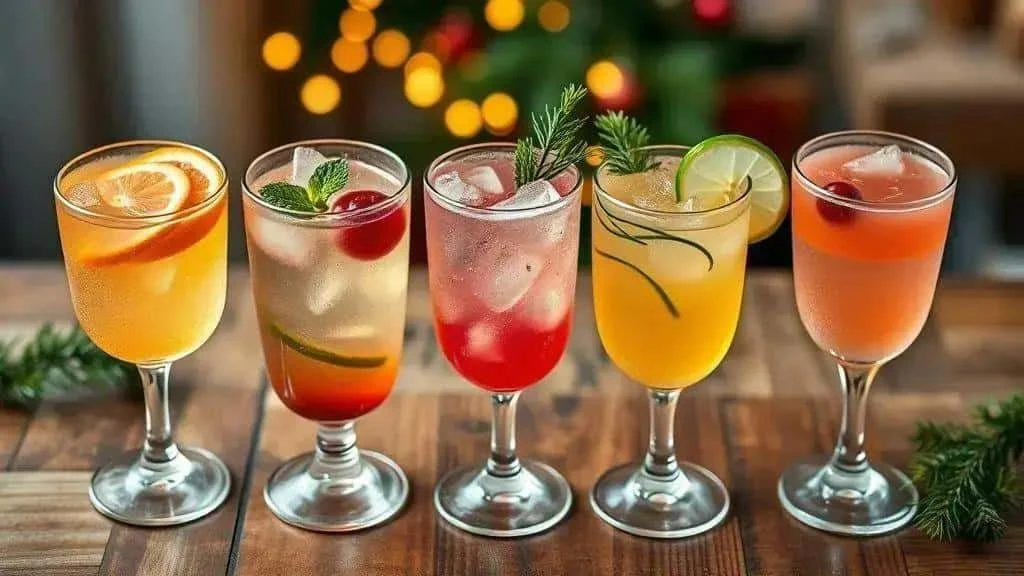
These five Christmas party drinks balance fruit, citrus and herbs, with alcoholic cocktails and alcohol-free options. Find ingredient lists, batch preparation advice, garnishing ideas and practical ways to keep drinks chilled and clearly labelled.
Looking for Christmas party drinks that are colourful and straightforward to serve? These five recipes include tropical flavours and refreshing mocktails. The guidance below does not imply that the recipes have been personally kitchen-tested.
Why These Drinks Work for Christmas Parties
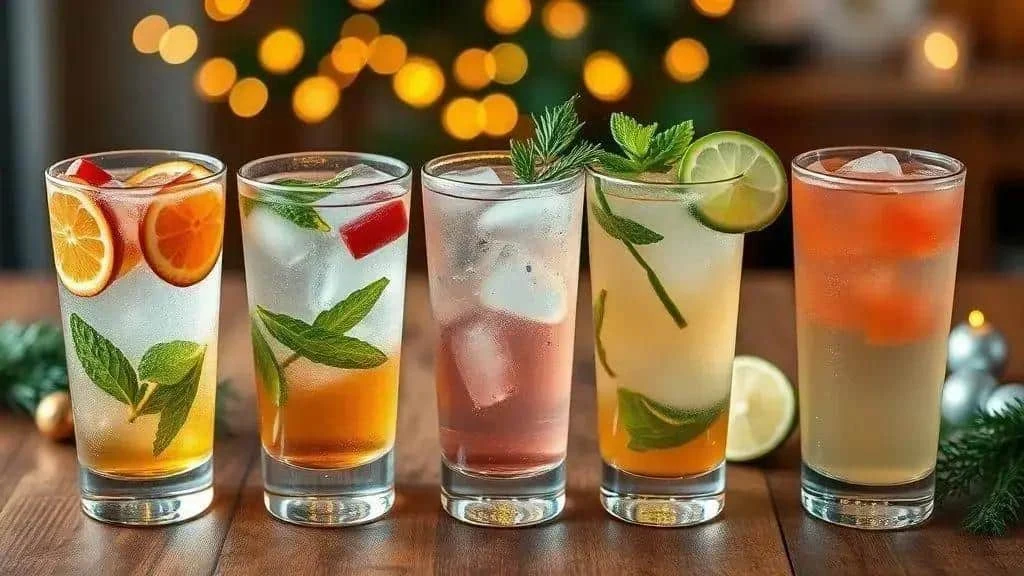
These recipes combine fresh flavours, attractive presentation and practical preparation, giving hosts a choice of individual cocktails and larger jugs.
Balancing Flavours
Citrus brings acidity, syrup adds sweetness, and herbs or a bitter ingredient provide contrast. Adjust gradually, since fruit juice and bottled ingredients vary considerably.
- Acidity: lemon, lime and passion fruit balance sweetness.
- Sweetness: simple syrup, fruit liqueur or diluted honey add body and sweetness.
- Bitter or herbal notes: mint, herbs and bitters add contrast. Many bitters contain alcohol, so check before adding them to mocktails.
Festive Colours and Presentation
Colourful fruit, suitable glassware and a simple garnish can make a drink inviting. Thoughtful presentation need not mean complicated decorations.
- Try citrus slices, passion fruit pulp, sprigs of herbs or fruit garnishes. Keep sharp cocktail sticks away from children.
- Use clean, undamaged glasses and ice made with drinking water.
Serving a Group Efficiently
Jug cocktails and punch reduce the number of drinks that need assembling individually. Measure portions so that the strength remains clear.
- Multiply an individual recipe for the number of servings required, then keep the still base refrigerated until serving.
- Large ice cubes generally melt more slowly than crushed ice, although all ice eventually dilutes a drink.
- Have a measure, long spoon, strainer and spare glasses ready.
Alcoholic Drinks and Mocktails
Offer appealing drinks without alcohol alongside cocktails. Check every component rather than assuming that replacing the main spirit makes the whole recipe alcohol-free.
- Replace spirits with sparkling water, apple juice or cooled tea, then adjust the sweetness and acidity.
- Use sparkling water or a product labelled 0.0% ABV when that is required; check sparkling wine alternatives and tonic ingredients.
- Taste fruit juices before adding syrup, as some need little or no extra sweetness.
Pairing Drinks with Festive Food
Citrus drinks can provide contrast to rich dishes, while herbal or fruit-led drinks work with lighter snacks. Pairings are a matter of preference, not a rule.
- Try citrus flavours with fried snacks or roast dishes.
- Herbal drinks can accompany salads and lighter starters.
- Fruit punch can work alongside a creamy dessert; serve modest portions if both are sweet.
Choosing Seasonal Ingredients
Use fruit and herbs that are fresh and good value where you shop. Pomegranate and clementines suit a UK Christmas table; imported tropical fruit offers another option.
- Pomegranate: use the seeds as a garnish or the juice for colour and tartness.
- Clementines or mandarins: use juice and slices for a gentler citrus flavour.
- Mint and basil: small amounts add a fresh aroma.
A Little Preparation Helps
Prepare the components: wash fruit, chill mixers and make enough ice. Keep cut fruit and prepared bases refrigerated until needed.
Tips for Preparing Drinks for a Crowd
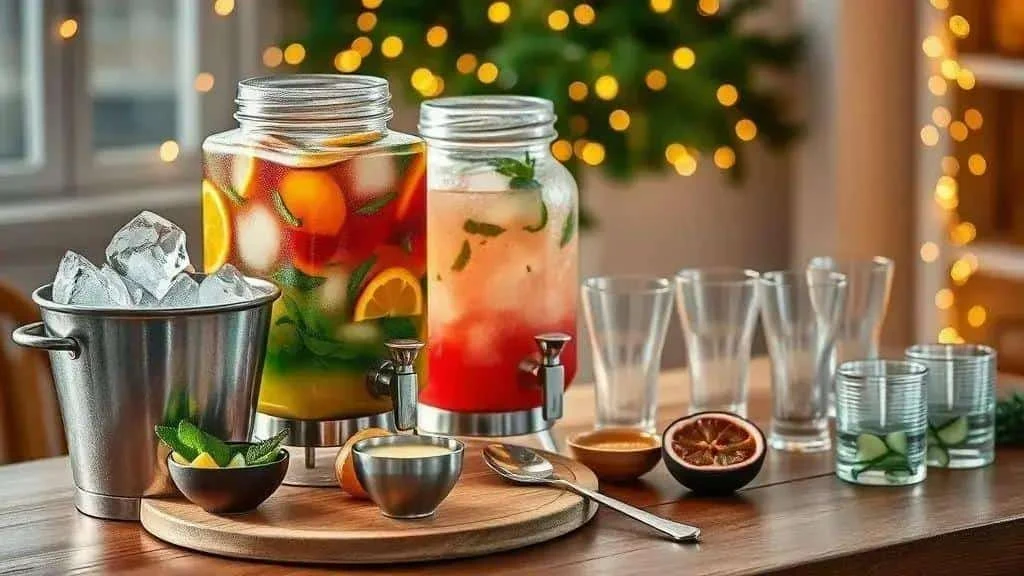
Organisation, measured batches and a clearly arranged drinks station make serving easier.
Planning Quantities
A 150–200 ml serving can be a useful guide for a soft drink, but glass size and recipe yield vary. Do not use a fixed number of cocktails per guest as a drinking target. A 50 ml measure of 40% spirit contains two UK alcohol units before any additional alcohol is included.
Prepare Drinks in Batches
- Benefit: less last-minute mixing and more consistent portions.
- Method: multiply the still ingredients by the required servings and mix in a clean jug with sufficient capacity. Add bubbles and ice when serving.
- Alcohol-free alternatives: use sparkling water, apple juice or cooled tea, and replace any liqueur or alcoholic bitters too.
Prepare Components Ahead
- Syrups and infusions: make small batches with clean equipment, cool promptly and refrigerate in covered containers. For this party plan, prepare them the day before rather than relying on an untested week-long shelf life.
- Fresh juice: squeeze on the day where practical and keep refrigerated. Follow the label for opened bottled juice.
- Ice: freeze enough drinking-water ice in advance and store it covered, away from raw foods.
Set Up a Drinks Station
Arrange jugs, an ice bucket, glasses, measures, a strainer and separate garnish bowls. Provide clear written labels identifying alcoholic drinks, alcohol-free alternatives and relevant allergens.
Prepare Garnishes
- Wash citrus and herbs, prepare small garnish trays and keep them chilled until needed.
- Use suitable reusable or paper straws if wanted; keep pointed garnish sticks out of children’s drinks.
- Place a small waste bowl nearby for peels and used garnishes.
Temperature and Storage
Keep prepared bases at 5°C or below until serving. Add ice to the glasses and sparkling ingredients at the last moment. Follow any ingredient label that requires a shorter storage time.
Serving Responsibly
- Offer clearly labelled alcohol-free choices and keep them separate from alcoholic drinks and utensils.
- Make drinking water readily available throughout the gathering.
- Use measured pours, avoid topping up an alcoholic drink without being asked, and do not pressure anyone to drink. Keep alcohol out of children’s reach.
Passion Fruit Mojito: Ingredients, Method and Variations
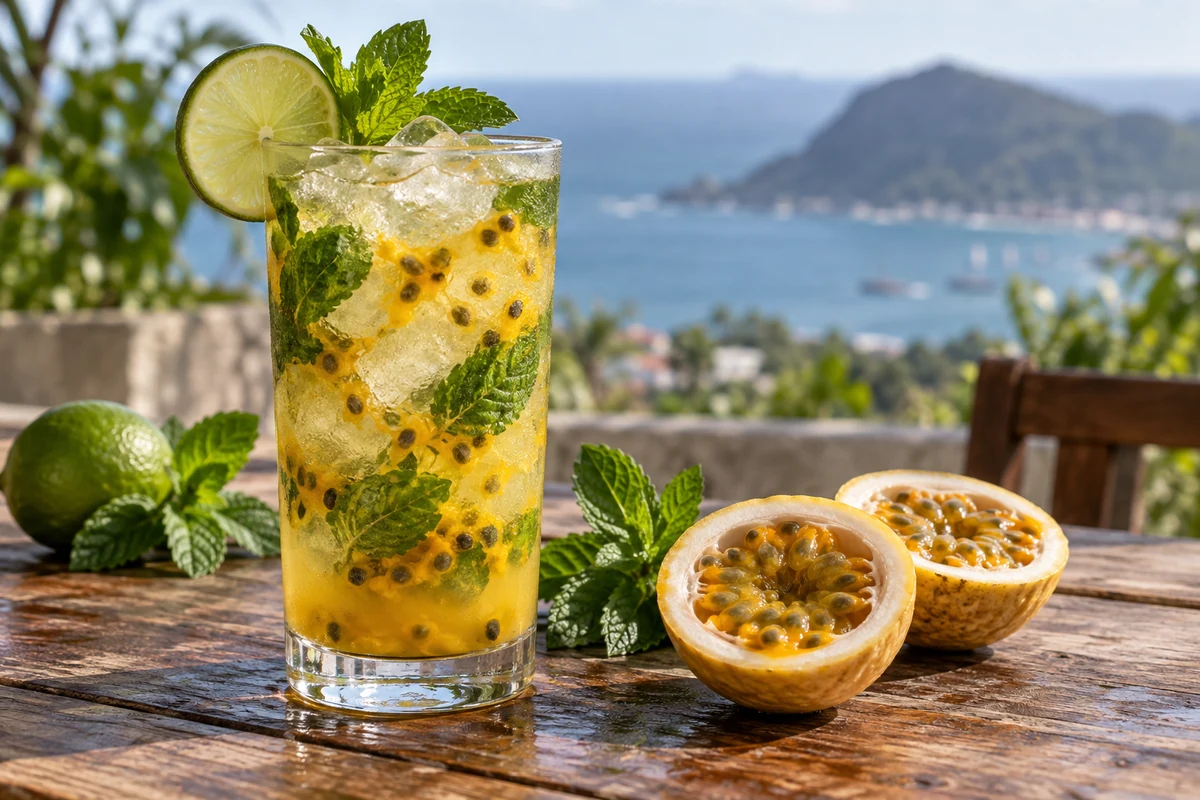
- 50 ml white rum — makes one cocktail; vodka gives a different, more neutral variation.
- About 60 g passion fruit pulp — the number of fruits needed depends on their size. Thaw frozen pulp in the fridge and follow its preparation instructions.
- 6–8 fresh mint leaves — basil provides a different herbal flavour.
- 25 ml fresh lime juice — measure it rather than assuming half a lime will yield enough.
- 20–30 ml simple syrup, made with equal weights of sugar and water. Start with the smaller quantity; diluted honey or agave will need adjustment to taste.
- Crushed ice or small ice cubes — larger cubes melt more slowly but change the texture.
- Chilled soda water to top up — a 0.0% sparkling alternative can be used, but the rum still makes this an alcoholic drink.
- A mint sprig and lime slice, to garnish
Method
- Prepare the fruit: scoop out enough passion fruit pulp to give about 60 g. Strain some seeds out if preferred.
- Start the base: put the mint leaves, syrup and lime juice in a sturdy tall glass.
- Press gently: lightly muddle the mint to release its aroma without shredding it.
- Add pulp and rum: stir in the passion fruit and 50 ml rum.
- Add ice: fill most of the remaining glass with crushed ice or small cubes.
- Top up: add chilled soda water, leaving space below the rim, and stir gently.
- Garnish and serve: add mint and a lime slice and serve straight away.
Variations
- Frozen passion fruit mojito: blend the pulp, rum, lime juice, syrup and ice in a blender suitable for crushing ice. Strain out seeds first if preferred.
- Mocktail: replace the rum with soda water or cooled hibiscus tea, then adjust the syrup and lime.
- Sparkling wine version: replace the soda with brut sparkling wine. This adds alcohol as well as bubbles.
Practical Tips
- Muddle gently to avoid bruising the mint excessively.
- Make syrup ahead by dissolving equal weights of sugar and water with gentle heat. Cool promptly, cover and refrigerate; prepare the day before for this serving plan.
- For a batch: combine measured rum, lime, pulp and syrup, refrigerate, and add mint, ice and soda when serving.
- Adjust gradually: passion fruit varies in tartness, so begin with less syrup and taste with a clean spoon.
Tropical Sparkling Spritz: Ingredients, Method and Variations
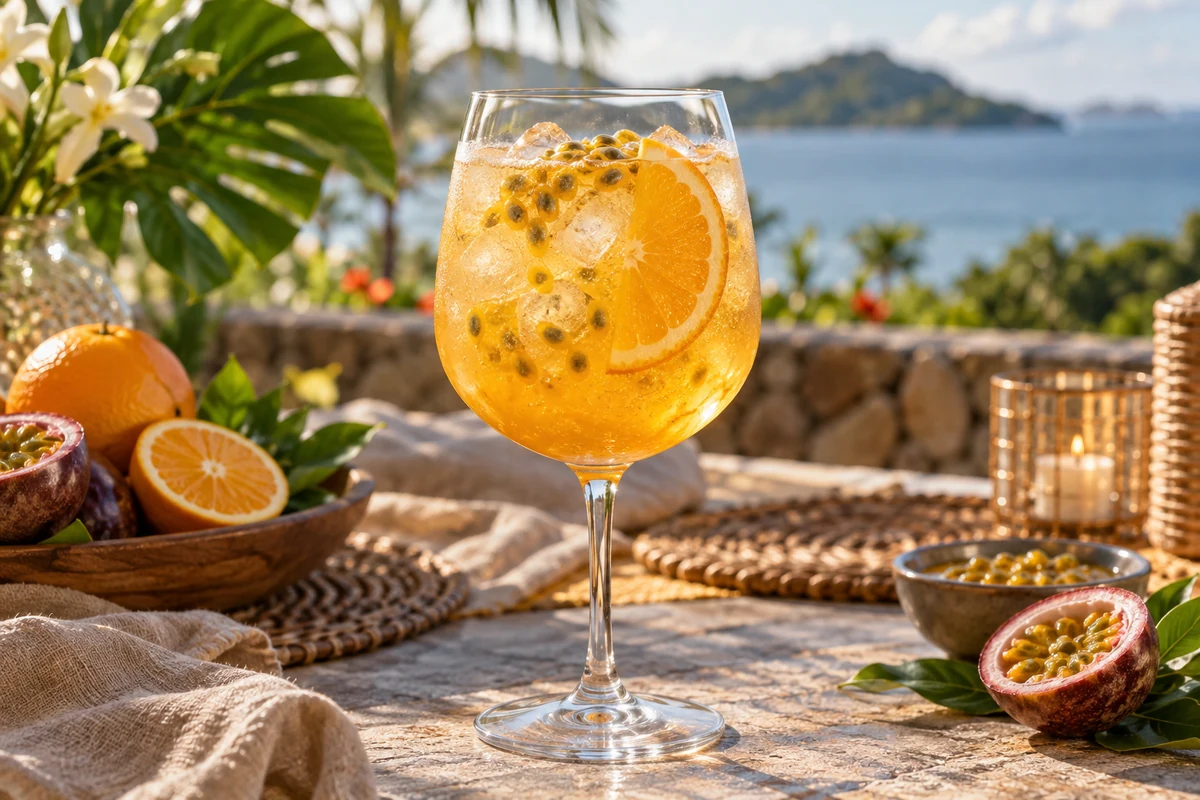
- 90 ml chilled brut sparkling wine — such as prosecco or cava, for one drink. Using a 0.0% alternative alone does not remove the alcohol from the liqueur below.
- 60 ml passion fruit juice — strained if preferred; mango juice gives a sweeter variation.
- 30 ml Aperol or triple sec — Aperol is a bittersweet aperitif, whereas triple sec is an orange liqueur. Their flavour and alcohol strength differ; check the bottle.
- 15–20 ml soda water — tonic water adds a different bitter flavour.
- Up to 15 ml simple syrup — optional; sweet juice or triple sec may make it unnecessary.
- Large ice cubes
- An orange slice and a little passion fruit pulp, to garnish — mint or basil can be used instead.
Method
- Chill the glass: fill a large wine glass with ice while measuring the ingredients. Avoid putting unsuitable glassware in the freezer.
- Mix the base: stir the juice and Aperol or triple sec together, adding syrup only if needed.
- Check the ice: drain any meltwater and leave the glass roughly two-thirds filled with cubes.
- Pour in the base: strain over the ice if you prefer less pulp.
- Add sparkling wine: pour in 90 ml slowly and give one gentle stir.
- Add soda: finish with 15–20 ml soda water.
- Garnish: add the orange and a little passion fruit pulp, then serve immediately.
Variations
- Mango spritz: use 60 ml mango juice or smooth purée instead of passion fruit and reduce the syrup as needed.
- Rosé spritz: use brut rosé sparkling wine for a different colour and fruit profile.
- Mocktail: replace the wine with soda or a suitable 0.0% sparkling drink, and replace the Aperol or triple sec with orange juice or a verified alcohol-free aperitif. Check both substitutions.
Practical Tips
- Recipe ratio: this variation uses three parts sparkling wine, two parts juice and one part aperitif or liqueur, plus soda and optional syrup. It is not the classic Aperol Spritz formula.
- Batch the base: multiply the still ingredients for eight to ten servings and refrigerate; add sparkling wine and soda to individual glasses.
- Stir lightly: vigorous mixing loses bubbles.
- Add herbs sparingly: a fresh mint or basil leaf can provide aroma without dominating.
- Taste before sweetening: tropical juices and liqueurs vary in sweetness.
Citrus Caipiroska: Ingredients, Method and Variations
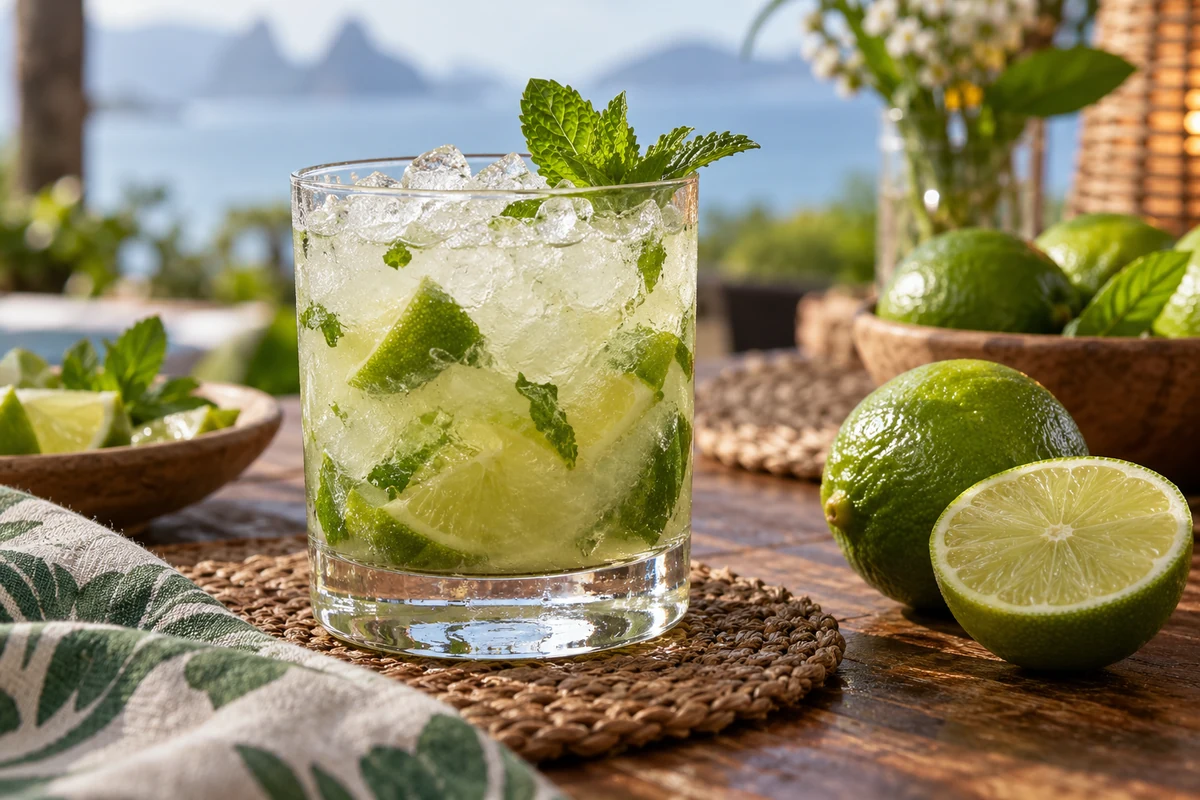
- 50 ml vodka — for one drink. Cachaça makes a caipirinha-style variation; gin gives a different herbal flavour.
- 1 lime, washed and cut into six to eight wedges — the usual supermarket lime works here. A mandarin or small orange gives a sweeter variation.
- 20–25 ml simple syrup — adjust diluted honey or agave to taste if substituting.
- Crushed ice — large cubes are an alternative with slower dilution.
- Optional: 10–15 ml extra lime juice if the fruit does not provide enough acidity.
- Garnish: a lime slice, a strip of citrus zest or a mint sprig.
Method
- Choose a glass: use a sturdy tumbler suitable for gentle muddling, chilled with ice if wanted.
- Add fruit: place the lime wedges in the glass, keeping the peel for aroma.
- Add syrup: start with 20 ml and increase only if needed.
- Muddle gently: press the wedges to release juice without grinding the peel into the drink.
- Add vodka: pour in the measured 50 ml.
- Add ice: fill the glass with crushed ice, leaving space to stir.
- Stir: mix for about eight to ten seconds to chill and combine. The standard recipe contains no sparkling ingredient.
- Garnish: add your chosen citrus or mint garnish and serve promptly.
- Batch version: scale the ingredients to the required portions and mix shortly before serving. Do not leave crushed peel soaking for hours; add ice to the glasses.
Variations
- Frozen citrus drink: use strained lime juice rather than whole unpeeled wedges, then blend with vodka, syrup and ice in a suitable blender.
- Sparkling version: top each glass with 30–50 ml chilled sparkling wine. This increases the drink’s alcohol content.
- Herbal version: gently muddle four to six mint or basil leaves with the fruit.
- Mocktail: replace the vodka with soda water or cooled ginger tea, then adjust fruit and syrup to taste.
Practical Tips
- Avoid over-muddling: firm but gentle pressure releases juice without excessive bitterness.
- Adjust sweetness: taste a small amount with a clean spoon before adding more syrup.
- Choose the ice: crushed ice gives the familiar texture; larger cubes melt more slowly.
- Eight measured servings: use 400 ml vodka, eight limes and 160–200 ml syrup, with ice added when serving. Do not treat this as a suggested amount for one person to drink.
- Keep it simple: clean glassware and one fresh garnish are enough.
Alcohol-Free Fruit Punch: Ingredients, Method and Variations
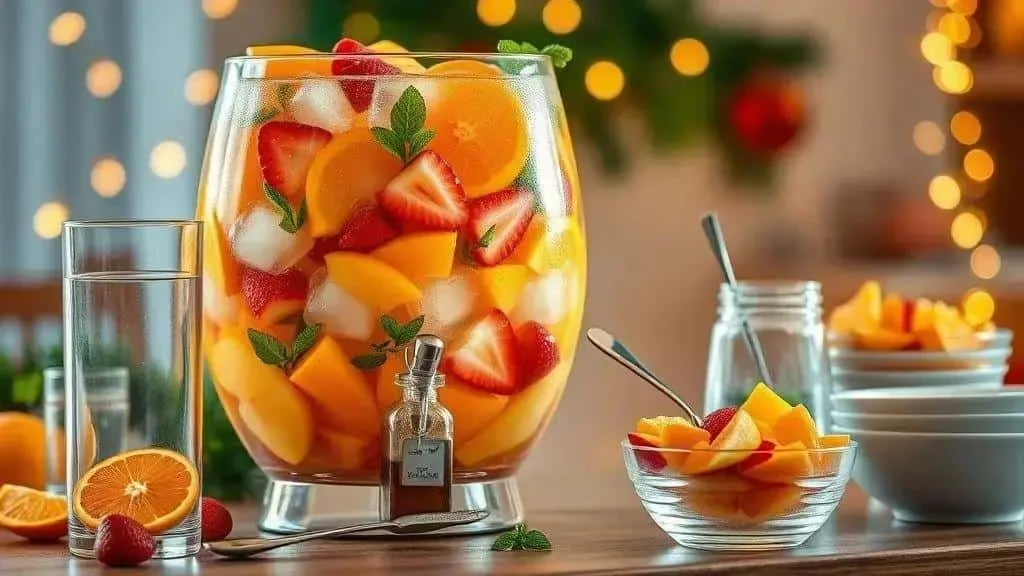
This colourful punch makes about 2.8 litres before fruit and optional syrup: roughly fourteen 200 ml servings or eighteen smaller 150 ml servings. Use a large enough jug or divide between two containers.
- 1.5 litres orange juice — freshly squeezed or a suitable bottled juice; mandarin juice is an alternative.
- 500 ml pineapple juice — mango juice gives a sweeter version.
- 500 ml chilled sparkling water — ginger ale or tonic changes the flavour and sweetness.
- 300 ml apple juice — or white grape juice.
- 150 g strawberries, sliced — raspberries or blueberries are alternatives.
- 160 g diced pineapple — fresh or well-drained tinned fruit.
- 1 orange, thinly sliced — washed before cutting; a mandarin can be used instead.
- 1 apple, cored and thinly sliced — or a little sliced lemon for a sharper flavour.
- 8–10 fresh mint sprigs — basil gives a different herbal note.
- Large ice cubes, for serving
- Optional: 50–100 ml simple syrup — add only if the juice mixture needs more sweetness. Honey is not suitable for babies under one year.
Method
- Chill the container: refrigerate a suitable jug or briefly fill it with ice, then empty it before adding the ingredients.
- Mix the juices: combine the orange, pineapple and apple juices in a large clean container.
- Taste: add optional syrup gradually, stopping as soon as the mixture is sweet enough.
- Prepare fruit: wash and slice the strawberries, orange and cored apple, and dice the pineapple.
- Combine: add the fruit to the juice mixture, allowing enough room for the sparkling water later.
- Refrigerate: cover and chill for about an hour.
- Add bubbles: just before serving, stir in the 500 ml sparkling water gently.
- Finish: add mint and serve over ice, with a little fruit if wanted.
- Serve in smaller batches: keep reserve punch refrigerated rather than repeatedly topping up a warm dispenser.
Variations
- Tropical punch: replace the 300 ml apple juice with mango juice and add peeled kiwi pieces.
- Pomegranate punch: replace 300 ml of the juice with pomegranate juice and garnish with its seeds.
- Tea punch: replace 300–400 ml juice with chilled hibiscus tea.
- Winter fruit punch: replace 200 ml orange juice with dark grape juice and add apple slices and a cinnamon stick. Remove the stick before serving portions.
Practical Tips
- Prepare the base ahead: mix the juices the day before and refrigerate, observing the shortest ingredient storage instruction.
- Add bubbles last: pour in the sparkling water immediately before serving.
- Decorative ice: freeze washed fruit pieces in drinking water. These cubes still dilute the punch as they melt.
- If adults want alcohol: add a measured amount to their individual glass in a separate serving area; keep the main punch alcohol-free.
- Label clearly: mark the shared punch as alcohol-free and use separate utensils for alcoholic additions.
Mint and Cucumber Mocktail: Ingredients, Method and Variations
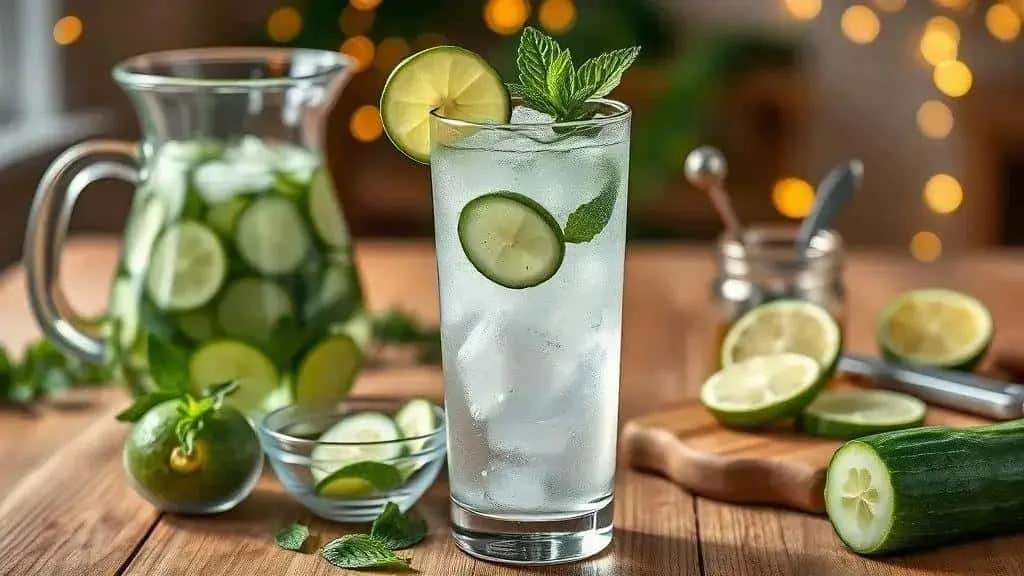
This mint and cucumber mocktail makes approximately one litre before ice: about five 200 ml servings or six smaller glasses. It is quite citrus-forward, so start with part of the lime juice and adjust.
Ingredients
- 750 ml chilled sparkling water — tonic gives a more bitter, differently sweetened drink.
- Up to 200 ml fresh lime juice — measure the juice, as fruit yields vary. Begin with half if you prefer a gentler drink.
- 1 large cucumber, washed and thinly sliced — reserve a few slices for the glasses.
- 12–15 fresh mint leaves — or basil for a different flavour.
- 60–80 ml simple syrup — start at the lower end; adjust other sweeteners separately rather than assuming an exact equivalent.
- Ice, for serving — crushed ice chills quickly; larger cubes melt more slowly.
- Lime slices and mint sprigs, to garnish
Method
- Start the base: put most of the cucumber slices, the mint leaves and syrup into a sturdy jug.
- Press gently: lightly muddle with a suitable utensil to release flavour without crushing everything to a pulp.
- Add citrus: stir in the lime juice, starting with 100 ml and reserving the rest to adjust later.
- Chill: refrigerate the base for 20–30 minutes.
- Strain if wanted: pass through a coarse sieve for a smoother drink.
- Prepare glasses: add ice and the reserved cucumber slices.
- Add sparkling water: gently combine the measured sparkling water with the base in the jug.
- Adjust and pour: taste the diluted drink, add more of the reserved lime juice or a little syrup if needed, then divide between the prepared glasses.
- Serve promptly: garnish with lime and mint.
Variations
- Fruit version: replace 100 ml sparkling water with apple or pineapple juice.
- Ginger twist: replace 50 ml sparkling water with ginger ale.
- Frozen version: blend the strained still base with ice in an ice-capable blender. Do not seal carbonated drinks in a blender.
- Less added syrup: use plain sparkling water and start with 30 ml syrup, reducing lime as necessary. This is a variation, not a verified low-sugar nutrition claim.
Practical Tips
- Batch preparation: refrigerate the still base and add the measured sparkling water when serving. The full recipe gives about five to six modest servings, not eight large glasses.
- Decorative ice: freeze thin cucumber slices in drinking-water ice; expect normal dilution as it melts.
- Clean preparation: wash cucumber and herbs, discard spoiled leaves, and use clean utensils and containers.
- Presentation: clear glasses show the cucumber and herbs neatly.
Setting Up and Serving Your Drinks
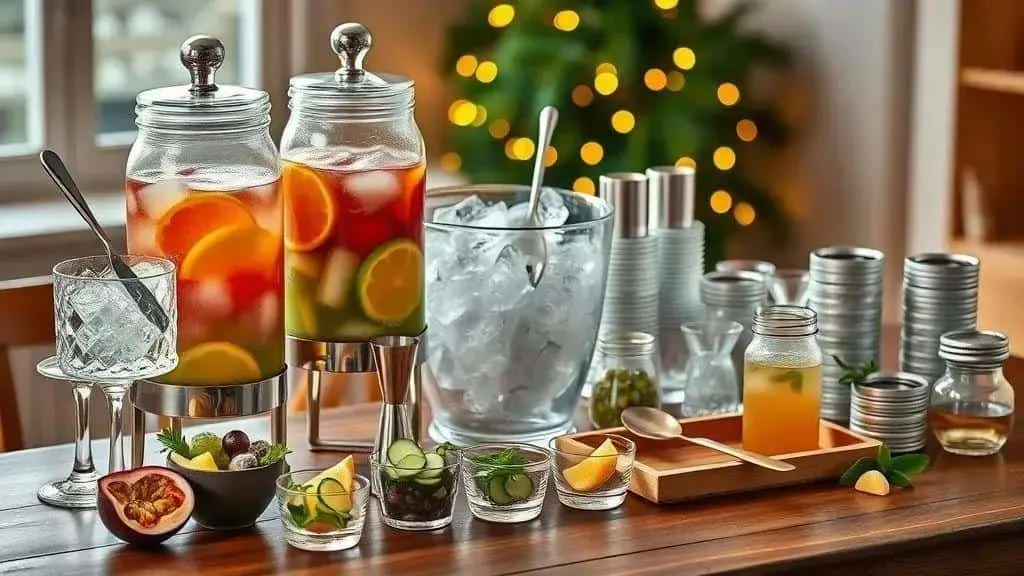
Choose an accessible serving area with enough space for guests to pour without blocking a doorway.
Useful Equipment
- Two large jugs or dispensers, clearly separated and labelled.
- An ice bucket and scoop or tongs — avoid dipping glasses into ice.
- Suitable glasses, napkins and optional straws, arranged securely rather than in unstable stacks.
- Basic bar tools: a measure, long spoon, strainer and muddler.
- Separate garnish trays for citrus, passion fruit and herbs, with clean serving utensils.
Arrange the Station
- Choose the position: near the gathering but out of a busy walkway, on a stable surface.
- Place the jugs: keep alcoholic and alcohol-free options apart, leaving room for glasses and clear labels.
- Keep ice accessible: position the bucket where guests can use the scoop without reaching over drinks.
- Arrange garnishes: put out small quantities with tongs or spoons and keep reserves chilled.
- Set out utensils: use a clean tray for measures and spoons; keep separate tools for alcohol-free drinks.
- Provide a waste area: leave a small container nearby for used fruit and other waste.
Jobs to Do Ahead
- Make syrups and infusions the day before, cool promptly and refrigerate covered. Storage life depends on the recipe; do not assume every homemade infusion lasts seven days.
- Prepare citrus on the day where possible and refrigerate in covered containers until needed.
- Mix still bases ahead and keep refrigerated, following the shortest storage instruction for their ingredients. Add fizz at serving time.
- Freeze decorative ice a day ahead using washed fruit and drinking water; it decorates rather than prevents dilution.
- Portion garnishes into small covered containers and bring out only what is needed.
Attractive Presentation
- Vary colour and glassware: use a few different shapes while keeping everything stable and easy to reach.
- Choose fresh garnishes: a citrus slice or mint sprig is often sufficient.
- Avoid clutter: keep spare bottles and unused equipment away from the pouring area.
Keep Service Running Smoothly
- Check supplies regularly: replenish ice and chilled garnishes as needed rather than leaving everything out at once.
- Separate used glasses: provide a tray away from the clean serving area.
- Keep drinks cold: store reserves in the fridge and use suitable ice baths for jugs if needed. Alcohol does not make a fruit mixture shelf-stable.
- Make the options clear: use readable written labels for alcoholic drinks, alcohol-free drinks and allergens; appearance alone is not enough.
Avoid Last-Minute Problems
- Keep spare ingredients chilled: have juice, syrup and sparkling water available for small adjustments.
- Measure servings: consistent pours make both flavour and alcohol content easier to track.
- Share the work: ask someone to help replenish and tidy the station.
Plan a Colourful Festive Drinks Menu
These five recipes offer fruity cocktails and two alcohol-free bases for a Christmas or New Year gathering. Choose a manageable selection and measure ingredients carefully.
Prepare still components ahead, chill them properly, and add bubbles and ice when serving. Keep mocktails clearly labelled and offer water throughout the event.
Browse the I Love Christmas blog for more festive recipes and serving ideas.
Christmas Party Drinks: Frequently Asked Questions
How much should I prepare per guest?
Plan around the recipe yield, glass size and your guests’ preferences, with plenty of water and alcohol-free options. Do not set a fixed cocktail allowance as a drinking target: a 50 ml measure of 40% spirit already contains two UK units.
How can I serve a large group efficiently?
Mix measured still bases in jugs, chill them, prepare small garnish trays and add ice and sparkling ingredients at serving time. Label each option clearly.
Which alcohol-free options can I offer?
Try fruit punch, mint and cucumber mocktails, sparkling water or chilled tea. Check all ingredients, including bitters and sparkling alternatives, rather than removing only the main spirit.
How do I keep drinks fresh without excessive dilution?
Chill the base and glasses first, add sparkling ingredients at the last moment, and use larger ice cubes when appropriate. All ordinary ice still dilutes a drink as it melts.
Can I prepare garnishes and components ahead?
For this plan, prepare syrups and still bases the day before and refrigerate covered, following the shortest ingredient storage instruction. Prepare cut fruit on the day where possible and keep it chilled. There is no single safe shelf life for every homemade syrup or infusion.
Sources and Further Reading
- Food Standards Agency: chilling food safely
- NHS: calculating alcohol units
- Aperol: product information