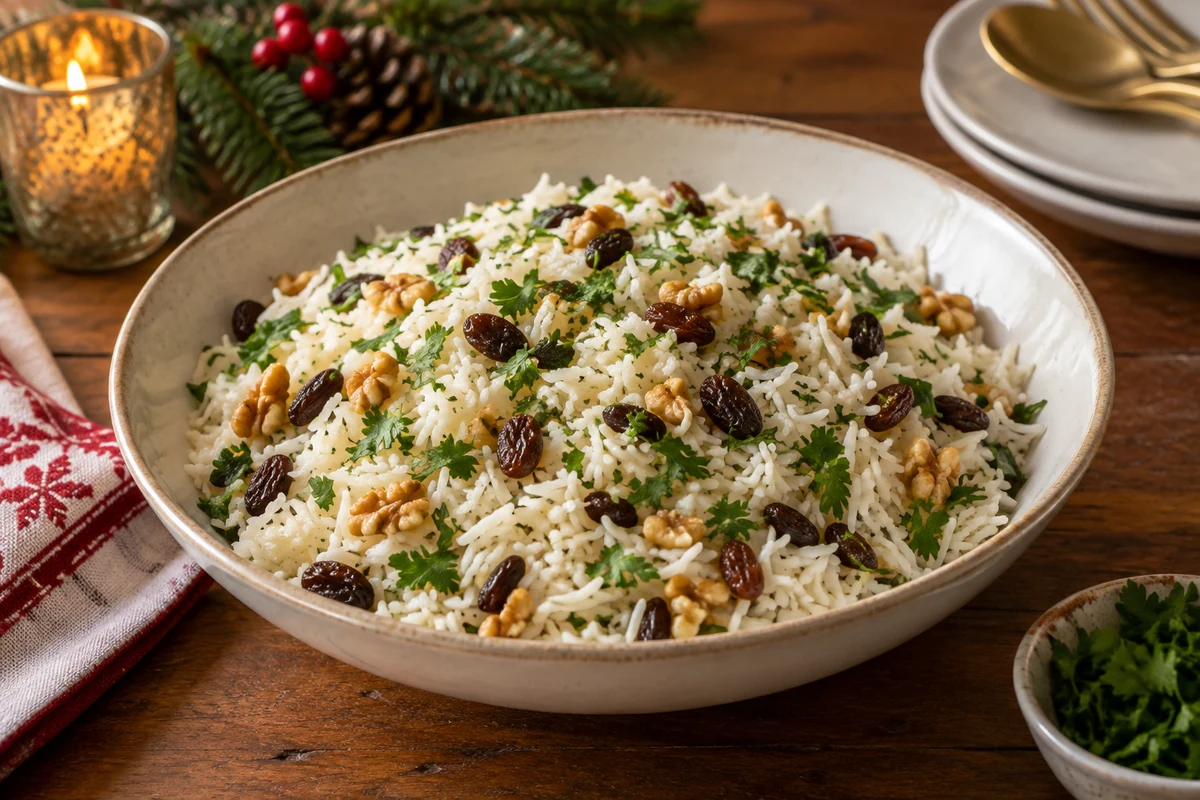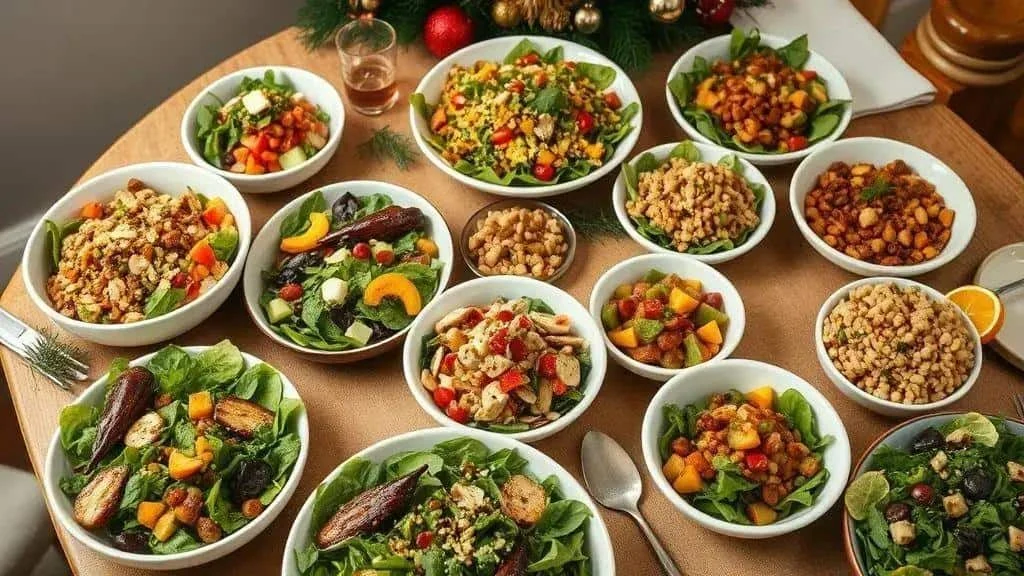
These special salads for Christmas dinner offer twelve combinations of leaves, fruit, vegetables, grains and protein. Explore ingredients and methods, vegan adaptations, dressings and presentation ideas, with planning guidance for portions, preparation, storage and transport. Choose a manageable selection to complement your meal.
Special salads for Christmas dinner bring colour and fresh flavours to the table. These twelve recipes, variations and serving ideas help you create a varied spread without needing to make every option.
Why include salads at Christmas dinner?
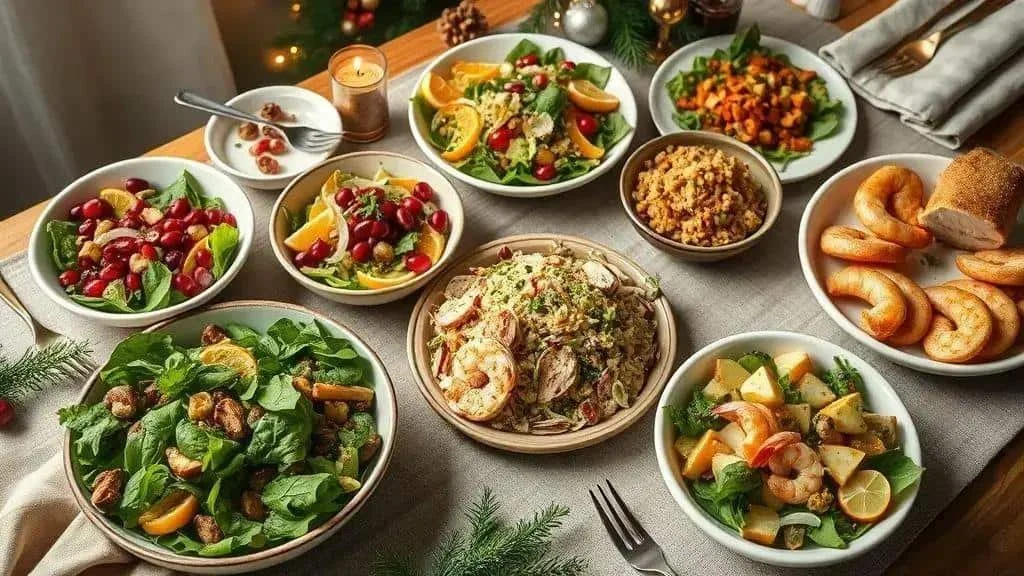
A selection of salads at Christmas dinner adds colour, texture and flavour contrasts alongside richer dishes, with choices for different preferences.
Practical advantages
- Fresh contrast: vegetables and crisp leaves provide a welcome change of texture alongside a rich meal, without promising to improve digestion.
- Ingredient variety: leaves, fruit, grains and protein foods broaden the range of ingredients on the plate.
- Dietary flexibility: suitable substitutions can create vegan, gluten-free or milk-free versions, provided every ingredient and preparation step is checked.
- Visual appeal: contrasting colours and textures make the table inviting.
- Versatility: salads can be starters, side dishes or the basis of a meal for guests who prefer less meat.
Fitting salads into the menu
- Balance textures: combine crisp leaves, soft fruit and a suitable crunchy topping such as nuts or seeds.
- Serve dressings separately: this helps leaves stay crisp until serving.
- Plan portions: around 120–180 g of salad per person in total is a starting point for a side dish, adjusted to the rest of the menu.
- Prepare components ahead: wash and dry leaves, roast vegetables and cook suitable grains the day before, cooling cooked food promptly and refrigerating it. Assemble close to serving.
- Use practical substitutions: swap nuts for suitable seeds, yoghurt for a suitable plant alternative, or quinoa for brown rice, checking allergies and the storage needs of each replacement.
- Present clearly: use contrasting serving dishes, visible layers and fresh herbs.
- Match flavours: citrus salads can contrast with richer meat dishes; creamy salads suit simpler accompaniments.
Planning your Christmas salad selection
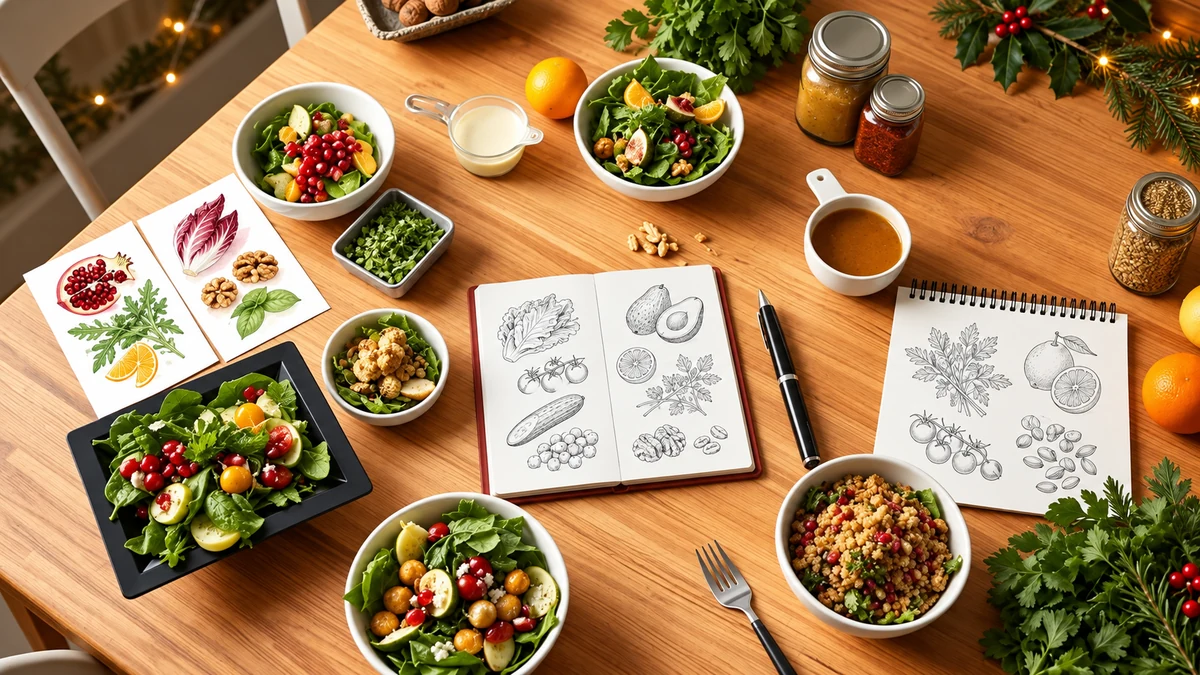
Treat these twelve salads as a selection to choose from. Balance flavours, preparation time and fridge space, and decide who will prepare and serve each dish.
Essential checklist
- Decide on the menu: select a balance of leafy, fruity, grain-based and protein-containing salads.
- Confirm guest numbers: check attendance and dietary requirements.
- Consider seasonal ingredients: compare quality and prices locally rather than assuming every seasonal option will be cheaper.
- Plan separate dressings: offer citrus, creamy or oil-based options without dressing all the leaves too early.
- Gather serving equipment: provide suitable spoons, tongs, dishes and clear ingredient and allergen labels.
- Allow fridge space: keep perishable salad components chilled until needed.
- Write a shopping list: calculate quantities before buying ingredients.
Calculating portions
Start with 120–180 g of salad per person in total for a side dish. Divide that total between the salads you plan to serve, allowing more of the options likely to be most popular.
- Formula: average portion per person × number of guests = total quantity of salad.
- Example: ten guests × 150 g = 1,500 g, or 1.5 kg, of salad in total. Dividing equally between twelve varieties would give just 125 g of each for the whole group; a smaller selection is usually more practical.
- For a large tasting spread: make three to five main salads and smaller quantities of other options, keeping the combined quantity within your calculated total.
Preparation timetable
- Seven days before: confirm guests and dietary requirements.
- Five days before: choose recipes and make a detailed shopping list.
- Three days before: buy non-perishable ingredients and organise serving dishes.
- One to two days before: prepare suitable vegetables, leaves and cooked grains within their storage limits. Cool cooked foods promptly and refrigerate; prepare rice no more than a day ahead and cool it within an hour.
- The day before: combine sturdy grain, root-vegetable or pulse salads where appropriate and refrigerate. Keep delicate leaves and crisp toppings separate.
- The evening before: portion dry toppings into containers and organise the assembly area.
- On the day: partially assemble suitable salads up to two hours ahead, returning them to the fridge. Finish dressings and garnishes shortly before serving, not after leaving the salads out for two hours.
Serving and presentation
- Separate dressings: preserve texture and let guests choose how much to add.
- Clear labels: identify ingredients and allergens as well as verified vegan or gluten-free options.
- Arrange dishes thoughtfully: place salads where guests can serve them comfortably alongside the main dishes.
- Replenish gradually: keep reserve portions refrigerated and replace empty dishes with clean ones.
Adapting recipes and controlling costs
- Compare alternatives: suitable seeds can replace nuts, or orange can replace mango, depending on local prices and guests’ requirements.
- Plan dietary choices: include plant-based or milk-free options according to your guests’ actual needs, checking all ingredients.
- Use leftovers carefully: properly chilled, safely stored leftovers can form a bowl meal the next day with a suitable cooked protein. Do not keep salads that have been left out too long, and do not restart their storage clock by adding fresh ingredients.
Twelve salads: ingredients, methods and variations
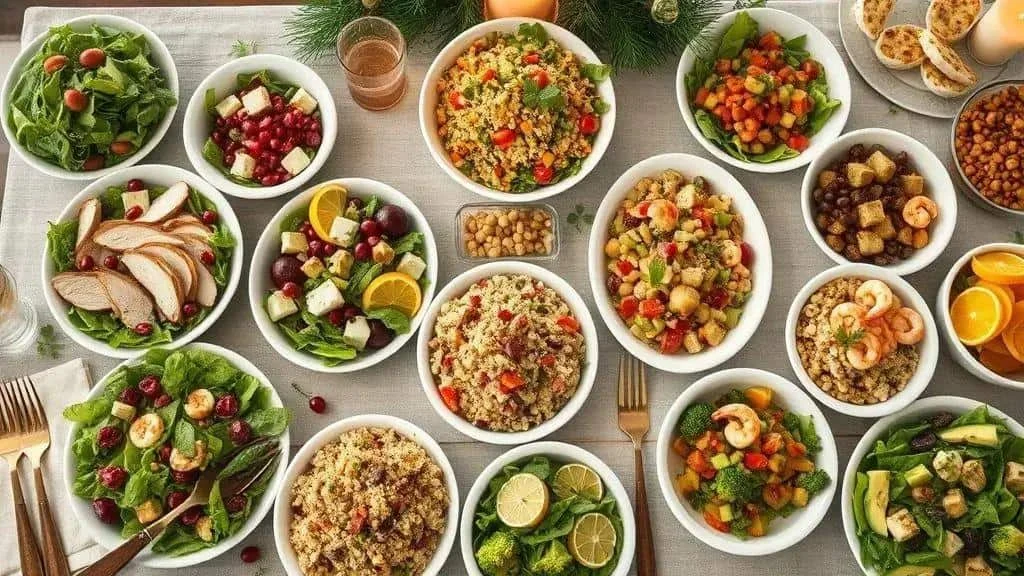
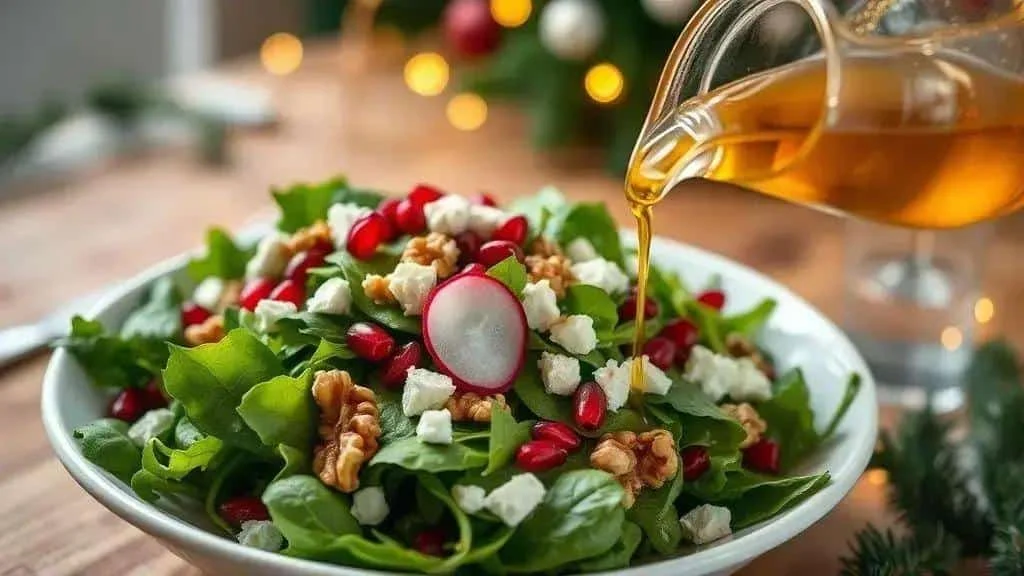
1. Leaf salad with pomegranate and walnuts
Ingredients
- 150 g mixed leaves, such as lettuce, rocket and radicchio
- 1 cup fresh pomegranate seeds
- ½ cup chopped walnuts, toasted and cooled
- 50 g feta, crumbled; use suitable ready-to-eat tofu for a vegan version
- 3 tablespoons olive oil
- 1 tablespoon balsamic vinegar
- Salt and pepper, to taste
Method
- Wash and dry the leaves thoroughly, using a salad spinner or clean cloth.
- Combine the leaves, pomegranate seeds and walnuts in a large bowl.
- Mix the dressing by whisking the oil, vinegar, salt and pepper in a jar or bowl; adjust the sharpness to taste.
- Dress the salad immediately before serving to help the leaves stay crisp.
- Finish with the crumbled feta.
Variations
- Replace walnuts with almonds or sunflower seeds if suitable for your guests; compare prices rather than assuming a saving.
- Add thin pear slices for sweetness.
2. Christmas turkey Caesar-style salad
Ingredients
- 200 g cos lettuce, washed, dried and chopped
- 200 g cooked turkey breast, grilled, cooled safely and sliced; cooked chicken is an alternative
- ½ cup grated Parmesan
- 1 cup croutons, optional
- Caesar-style dressing: four tablespoons of shop-bought mayonnaise made with pasteurised egg, one tablespoon of lemon juice, one crushed garlic clove, one teaspoon of mustard, salt and pepper
Method
- Prepare the turkey: if cooking it yourself, season and grill until the thickest part reaches 70°C for two minutes or 75°C for 30 seconds. Cool promptly and refrigerate before using the required cooked quantity. Already cooked turkey does not need to be grilled again for this cold salad.
- Make the dressing by mixing the mayonnaise, lemon juice, garlic and mustard until smooth.
- Combine the lettuce, sliced turkey and optional croutons in a salad bowl.
- Add the dressing gradually, using as much as you prefer.
- Sprinkle with Parmesan just before serving.
Variations
- Use plain yoghurt in the dressing for a tangier version; its nutritional content depends on the product and quantity.
- Replace turkey with properly desalted, thoroughly cooked and cooled salt cod for a seafood variation, checking carefully for bones.
3. Herbed potato salad
Ingredients
- 1 kg potatoes, diced
- ½ cup mayonnaise, preferably shop-bought with pasteurised egg, or plain yoghurt for a tangier dressing
- 2 tablespoons mustard
- Chopped parsley and chives, to taste
- Salt and pepper, to taste
Method
- Boil the potatoes in lightly salted water until tender. Drain, spread in a shallow container to cool promptly and refrigerate within one to two hours.
- Mix the mayonnaise and mustard in a large bowl.
- Fold in the cooled potatoes, herbs, salt and pepper without breaking up the pieces.
- Refrigerate for at least an hour before serving, keeping the fridge at 5°C or below.
Variations
- Add chopped green olives and pickled vegetables for a tangy contrast.
- Replace mayonnaise with soured cream or a suitable vegan mayonnaise, checking the relevant milk or egg requirements.
4. Quinoa and roasted vegetable salad
Ingredients
- 1 cup dry quinoa, cooked according to the packet, as clarified in the expanded quinoa recipe below
- 2 cups roasted vegetables, such as squash, pepper and onion
- ¼ cup chopped parsley
- Juice of 1 lime and three tablespoons of olive oil, divided between roasting and dressing
- Salt and pepper, to taste
Method
- Roast the vegetables at 200°C with some of the allocated oil, salt and pepper until tender and golden. Cool promptly before combining with cold ingredients.
- Cook the quinoa according to its packet instructions, then cool promptly in a shallow container and refrigerate if not serving immediately.
- Combine the quinoa, roasted vegetables and parsley in a large bowl.
- Dress with the lime juice and remaining allocated oil, then adjust salt and pepper.
Variations
- Use cooked couscous or brown rice for a different grain base. Couscous contains gluten; cooked rice needs prompt cooling within an hour and refrigeration for no more than 24 hours.
- Add goat’s cheese or suitable ready-to-eat tofu if desired, checking dietary requirements.
5. Tropical fruit salad with mint
Ingredients
- 1 mango, peeled and diced
- 2 oranges, segmented without pith or membranes
- ½ avocado, diced
- 2 tablespoons chopped mint
- Juice of 1 lime and one tablespoon of honey, optional; omit honey for children under one
Method
- Prepare the washed fruit in manageable, evenly sized pieces.
- Combine the mango, orange segments and avocado in a large bowl.
- Dress with lime juice, optional honey and mint, mixing gently to avoid crushing the avocado.
- Serve chilled in glasses or a shallow dish.
Variations
- Omit the honey or use agave syrup for a vegan version.
- Add a little lemon zest for extra aroma.
6. Beetroot, goat’s cheese and orange salad
Ingredients
- 3 beetroot, cooked, cooled, peeled and sliced
- 2 oranges, segmented
- 100 g goat’s cheese, crumbled; choose pasteurised soft cheese without a white rind if serving cold during pregnancy
- 2 tablespoons chopped walnuts
- 2 tablespoons red wine vinegar and three tablespoons of olive oil; salt and pepper to taste
Method
- Prepare the beetroot: if starting with raw beetroot, cook until tender, cool promptly, peel and slice. Ready-cooked beetroot can be sliced directly according to its storage instructions.
- Arrange the beetroot slices and orange segments on a serving dish.
- Drizzle with the vinegar and oil, then season with salt and pepper.
- Scatter the goat’s cheese and walnuts over the top just before serving.
Variations
- Use feta for a firmer cheese topping.
- Add rocket for a peppery contrast.
7. Prawn and avocado salad
Ingredients
- 300 g medium prawns, peeled, cleaned, fully cooked and chilled
- 1 avocado, diced
- ½ red onion, finely sliced
- Juice of 1 lime and two tablespoons of olive oil
- Chopped parsley, salt and pepper
Method
- Prepare the prawns: ready-to-eat cooked prawns do not need cooking again. If starting with raw prawns, cook thoroughly until opaque and steaming hot throughout, using 70°C for two minutes or an equivalent core temperature check; cool promptly with clean equipment and refrigerate. Size affects timing, so two to three minutes is not a universal rule.
- Combine the chilled prawns, avocado and onion in a bowl.
- Dress with lime, olive oil, parsley, salt and pepper, mixing gently.
- Serve promptly for the best avocado texture, keeping reserve portions refrigerated.
Variations
- Replace prawns with fully cooked, safely cooled shredded chicken for a seafood-free version, using clean separate equipment if allergy avoidance is required.
- Add finely chopped red chilli to taste.
8. Grain salad with cranberries and pecans
Ingredients
- 1 cup dry couscous or bulgur wheat, prepared according to the packet
- ½ cup dried cranberries
- ½ cup chopped pecans, toasted and cooled
- ¼ cup parsley and two tablespoons of olive oil
- Juice of 1 lime, salt and pepper; optional honey to taste, omitted for vegan guests and children under one
Method
- Prepare the couscous or bulgur according to the packet, then cool promptly and refrigerate if not serving immediately.
- Combine the prepared grain with the cranberries, pecans and parsley.
- Dress with lime juice, olive oil, salt and pepper. Add the optional honey only if needed and suitable for the guests.
Variations
- Use quinoa or brown rice for a gluten-free grain base, checking all other ingredients. Apply the shorter 24-hour refrigerated storage limit to cooked rice.
- Add cubes of queijo coalho, a firm Brazilian cheese, for a salty variation; check whether the particular product requires cooking before eating.
9. Warm roasted root salad with balsamic glaze
Ingredients
- 500 g mixed root vegetables, such as carrot, beetroot and turnip, cut into even pieces
- 2 tablespoons olive oil
- 3 tablespoons balsamic reduction, or a thinner alternative made with one tablespoon each of balsamic vinegar and honey
- Salt and pepper, to taste
- Thyme sprigs, for garnish
Method
- Roast the roots with the oil, salt and pepper at 200°C until golden and tender, around 30–40 minutes depending on the size of the pieces.
- Transfer to a serving dish and drizzle with the balsamic reduction or alternative dressing.
- Garnish with thyme and serve freshly cooked and warm, rather than leaving it standing for a long period.
Variations
- Add crumbled goat’s cheese or Parmesan shavings if desired. For a vegetarian dish, choose cheese made with vegetarian rennet; traditional Parmesan is not vegetarian.
- Use maple syrup instead of honey and omit dairy toppings for a vegan version; check the balsamic product as well.
10. Crunchy broccoli salad
Ingredients
- 300 g broccoli, cut into florets
- ½ cup raisins or dried cranberries
- ½ cup sunflower or pumpkin seeds
- Dressing: three tablespoons of plain yoghurt or suitable mayonnaise
- Salt and pepper, to taste
Method
- Blanch the washed broccoli for one to two minutes in boiling water, cool promptly in clean iced water and drain thoroughly.
- Mix the broccoli, raisins and seeds in a bowl.
- Add the dressing and season with salt and pepper. Keep refrigerated until serving.
Variations
- Add fully cooked, cooled crisp bacon pieces for a non-vegetarian version.
- Use a verified milk-free vegan mayonnaise instead of yoghurt for a milk-free version.
11. Mediterranean-style chickpea salad
Ingredients
- 2 cups cooked chickpeas
- 1 cucumber, diced
- 10 cherry tomatoes, halved; cut into smaller appropriate pieces for young children
- ¼ cup sliced black olives, stones removed
- 2 tablespoons olive oil and the juice of one lime
- Chopped parsley or mint, plus salt and pepper to taste
Method
- Drain and rinse canned chickpeas, or use thoroughly cooked and safely cooled chickpeas.
- Combine the chickpeas, cucumber, tomatoes, olives and herbs in a large bowl.
- Dress with oil, lime juice, salt and pepper, then refrigerate for 20 minutes to let the flavours combine.
Variations
- Add feta cubes for a creamy, non-vegan variation.
- Replace chickpeas with cooked, cooled lentils for a different texture.
12. Waldorf-style apple and celery salad
Ingredients
- 2 apples, washed, cored and diced with the skin on
- 2 celery sticks, sliced
- ½ cup chopped walnuts
- ⅓ cup raisins, optional
- Dressing: half a cup of plain yoghurt or suitable mayonnaise, juice of half a lime and salt to taste
Method
- Combine the apple, celery, walnuts and optional raisins in a bowl.
- Mix the yoghurt or mayonnaise with lime juice and salt, then fold gently into the salad.
- Refrigerate for 30 minutes before serving.
Variations
- Use a suitable plant yoghurt for a vegan version, with an optional spoonful of maple syrup if desired. Honey is not vegan.
- Replace walnuts with flaked almonds for a different crunch, remembering that both are tree nuts.
Classic green salads: ingredients and assembly
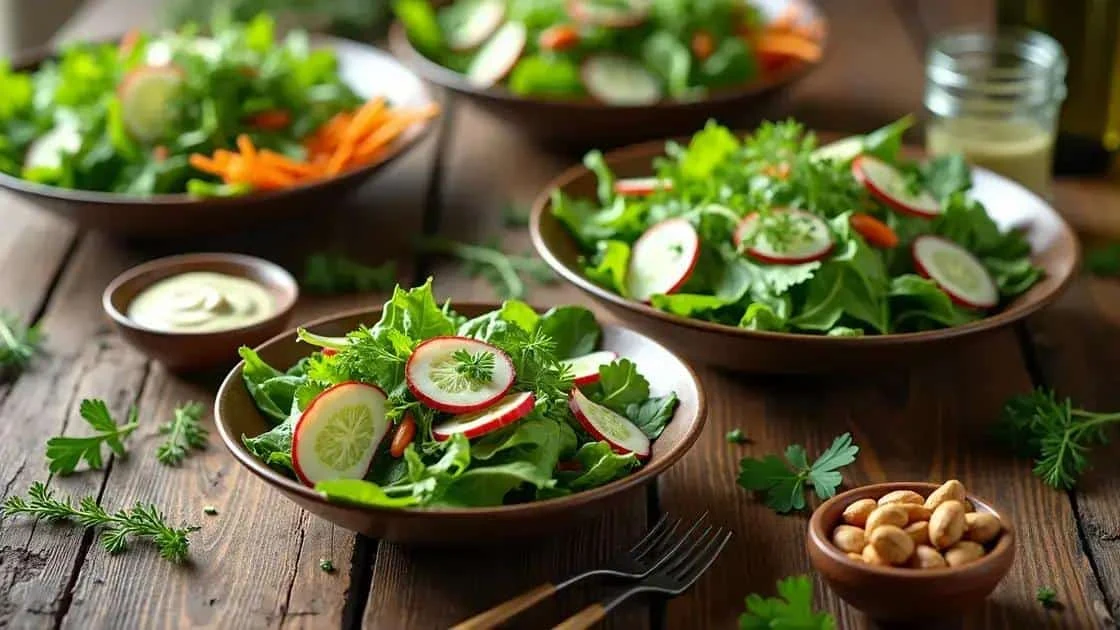
Classic green salads provide a fresh contrast to richer Christmas dishes. Use the following ingredients as a flexible selection, adjusting the quantity to your menu.
Ingredients to choose from
- 150–200 g mixed leaves, such as frilly lettuce, iceberg, rocket or radicchio, washed and dried
- 1 cos lettuce for a crisp base, as an alternative or addition to the mixed leaves
- 1 bunch rocket for a peppery flavour, adjusting the total amount of leaves as needed
- ½ cup chopped fresh herbs, such as parsley, chives or mint
- 1 cup crunchy vegetables, such as cucumber slices, grated carrot or sliced radish
- ½ cup nuts or seeds, such as walnuts, almonds or pumpkin seeds, toasted and cooled
- ¼ cup cheese, optional, such as Parmesan shavings, feta or ricotta; choose vegetarian-suitable cheese where required, or ready-to-eat tofu for a vegan version
- Salt, pepper and olive oil, to taste
Assembly tips
- Dry the leaves: use a salad spinner or clean cloth after washing so excess water does not dilute the dressing.
- Build the base: place larger leaves underneath and smaller ingredients on top.
- Balance textures: combine tender leaves with crisp vegetables and a creamy topping where suitable.
- Distribute colour: scatter herbs, cucumber and carrot across the dish.
- Keep dressing separate: offer it alongside or add a little immediately before serving.
Quick dressings for green salads
These simple dressings work with several of the leafy combinations above.
Quick citrus vinaigrette
- Combine: three tablespoons of olive oil, one tablespoon of lime juice, one teaspoon of honey and a little salt. Omit honey for children under one, or replace it with maple syrup for vegan guests.
- Emulsify: whisk vigorously or shake in a securely closed jar.
- Taste: adjust salt or lime juice as needed.
Creamy yoghurt dressing
- Mix: three tablespoons of plain yoghurt, one tablespoon of olive oil, one teaspoon of mustard and a little salt.
- Stir: combine until smooth, adding finely chopped herbs if desired.
Presentation and finishing
- Add crunch last: scatter toasted seeds or nuts over the salad at serving time.
- Add cheese: finish with a little Parmesan or fresh cheese if suitable for your menu, using vegetarian alternatives where needed.
- Garnish with herbs: use basil, thyme or other edible herbs for colour and aroma.
- Use a shallow dish: it makes the layers visible and portions easier to serve.
Preparing ahead and storing
- Wash and dry leaves ahead and refrigerate in a clean container or bag with kitchen paper. Use within their labelled date and preferably within 24–48 hours of preparation for quality.
- Keep crunchy ingredients separate: store cooled nuts and croutons in dry containers.
- Refrigerate dressings: store homemade dressings in clean closed containers and use within 48 hours unless a validated recipe gives a different limit. Do not assume every vinaigrette lasts five to seven days, especially with fresh garlic or herbs.
- Assemble shortly before serving: bring the components together and add dressing at the last moment.
Tropical fruit salads for Christmas
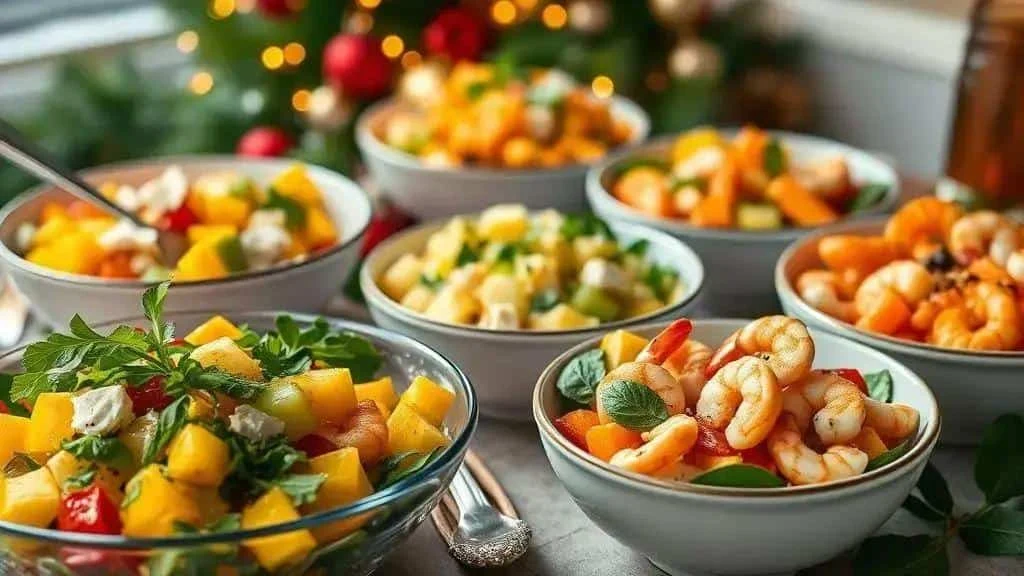
Tropical fruit adds colour and sweetness, reflecting the Brazilian summer setting of many of these Christmas combinations. Choose firm fruit and balance it with leaves, crunchy toppings and citrus dressing.
Tips for fruit salads
- Choose firm fruit: ripe-but-firm mango, pineapple and papaya hold their shape when cut. Star fruit is another option in the original Brazilian selection, but people with kidney disease should avoid it. Keep prepared fruit refrigerated; firm texture does not make prolonged room-temperature storage safe.
- Avoid overripe fruit: it can collapse and release liquid into the leaves.
- Serve dressing separately: preserve the texture of fruit and leaves until eating.
- Combine textures: pair soft fruit with suitable nuts, savoury granola or toasted seeds, checking all allergens.
- Balance sweetness: a little lime juice or mild vinegar adds contrast.
Fruit salad 1: mango, rocket and cashews
Ingredients
- 200 g rocket, washed and dried
- 1 medium mango, peeled and diced
- ½ cup cashews, toasted and cooled, or almonds
- 50 g goat’s cheese, optional, crumbled; use suitable tofu for a vegan version
- 3 tablespoons olive oil
- 1 tablespoon lime juice
- Salt and pepper, to taste
Method
- Arrange the leaves: spread the rocket across a shallow serving dish.
- Add mango: distribute the cubes evenly over the leaves.
- Toast the nuts if needed: stir them in a dry frying pan for around two to three minutes, watching closely, then cool before adding. Already toasted cashews do not need toasting again.
- Make the dressing: shake the oil, lime juice, salt and pepper in a securely closed jar.
- Finish: scatter over the cashews and optional cheese. Serve dressing separately or add immediately before serving.
Variations
- Add fully cooked, safely cooled grilled turkey strips if desired.
- Mix rocket with washed baby spinach for a milder base.
Fruit salad 2: pineapple, mint and cucumber
Ingredients
- 2 cups firm pineapple pieces, peeled and cored
- 1 cucumber, thinly sliced
- 2 tablespoons chopped mint
- Juice of 1 lime
- 1 tablespoon honey or agave syrup, optional; use agave or omit for vegan guests, and no honey for children under one
- 1 tablespoon olive oil
- Salt and pepper, to taste
Method
- Combine: place the pineapple, cucumber and mint in a bowl.
- Make the dressing: mix the lime juice, oil, optional honey or agave, salt and pepper.
- Dress: pour over the salad and mix gently.
- Refrigerate: chill for 15–20 minutes before serving.
Variations
- Replace cucumber with thin pear slices for a sweeter combination.
- Add a little finely chopped red chilli for gentle heat.
Fruit salad 3: papaya, prawns and Brazil nuts
Ingredients
- 300 g medium prawns, peeled, cleaned, thoroughly cooked and chilled
- 1 medium papaya, peeled, deseeded and cut into firm cubes
- ⅓ cup Brazil nuts, chopped, toasted and cooled
- Juice and zest of 1 orange
- 2 tablespoons olive oil
- Salt and pepper, to taste
Method
- Prepare the prawns: use the cooked, chilled prawns directly. If cooking from raw, follow the thorough-cooking and prompt-cooling guidance in the prawn and avocado recipe above; colour or a fixed two-to-three-minute timing alone is insufficient.
- Combine: gently mix the prawns, papaya and nuts in a bowl.
- Dress: mix the orange juice and zest with the oil, salt and pepper, then pour over the salad.
- Serve: divide into individual portions and serve promptly, keeping reserves refrigerated.
Variations
- Replace prawns with thoroughly cooked and safely cooled grilled chicken strips for a seafood-free version.
- Use cashews if Brazil nuts are unavailable or more expensive; both need appropriate nut-allergy checks.
Storage and serving
- Storage: cut fruit only a few hours ahead and refrigerate in covered containers. Aim to serve within 12 hours for quality, following any shorter ingredient storage limit.
- Dressings: keep separate until serving where possible to preserve texture.
- Portions: around 120–150 g of salad per person in total can work alongside other dishes, adjusted to appetite and menu.
- Presentation: clear glasses or shallow dishes show off the fruit’s colours.
Grain and pulse salads
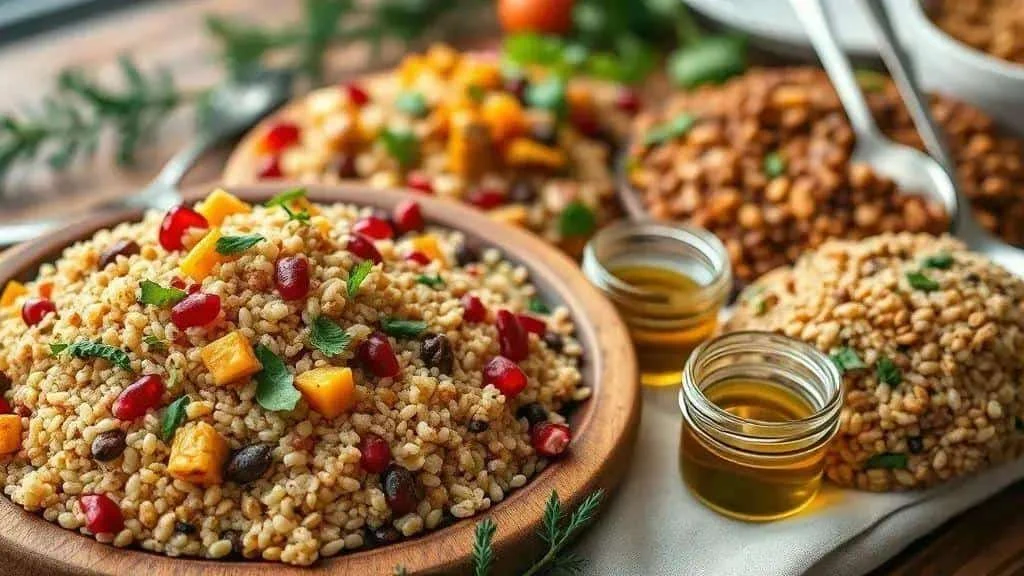
Grains and pulses add substance and texture to salads, and can provide fibre and plant protein as part of a varied meal.
What grains bring to the menu
- A substantial base: quinoa, brown rice and lentils give salads more body than leaves alone.
- Ingredient variety: using different grains and pulses broadens the mix of foods without making a specific digestive-health promise.
- Versatility: serve freshly cooked and warm or safely chilled, with fruit, vegetables or other protein foods.
Grain salad 1: quinoa with roasted vegetables
Ingredients
- 1 cup dry quinoa, rinsed and cooked according to the packet; this may yield roughly three cups cooked, depending on the product
- 2 cups roasted vegetables, such as diced squash, pepper and onion
- ¼ cup chopped parsley
- 3 tablespoons olive oil, divided
- Juice of 1 lime
- Salt and pepper, to taste
Method
- Roast the vegetables: toss with one tablespoon of oil, salt and pepper, then roast at 200°C until tender and golden, around 25–30 minutes depending on size.
- Cook the quinoa: follow the packet. A typical starting ratio is one cup of quinoa to two cups of water, brought to the boil and simmered for around 15 minutes; use the product’s directions if different. Fluff with a fork.
- Combine: mix the cooked quinoa, roasted vegetables and parsley in a bowl.
- Dress: add the remaining two tablespoons of oil and the lime juice, then season to taste.
- Serve: offer freshly cooked and warm, or cool promptly and refrigerate for a cold salad. Optional feta or suitable ready-to-eat tofu can be added at serving time.
Grain salad 2: farro with pomegranate and walnuts
Ingredients
- 1 cup dry farro, rinsed and cooked according to the packet; some varieties take around 25–30 minutes, while others take longer
- 1 cup pomegranate seeds
- ½ cup walnuts, toasted, cooled and chopped
- 3 tablespoons olive oil and one tablespoon of balsamic vinegar
- Salt and pepper, to taste
Method
- Cook the farro: follow its packet instructions, drain and cool promptly in a shallow container; refrigerate if not using straight away.
- Toast the walnuts if needed: stir in a dry frying pan for around two minutes, watching closely, then cool and roughly chop.
- Combine: mix the farro, pomegranate and walnuts in a bowl.
- Dress: add oil, vinegar, salt and pepper and stir gently.
- Serve: bring out shortly before eating, keeping reserves chilled. Barley or brown rice can replace farro; farro and barley contain gluten, while cooked rice has the shorter storage limit noted above.
Grain salad 3: lentils, brown rice and herbs
Ingredients
- 1 cup cooked green or brown lentils
- 1 cup cooked brown rice
- ½ cup finely chopped red onion
- ¼ cup chopped parsley and mint
- 3 tablespoons olive oil and the juice of one lime
- Salt and pepper, to taste
Method
- Prepare the lentils: cook dry lentils according to the packet until tender, drain and measure one cup cooked for the salad. Alternatively, drain and rinse ready-cooked canned lentils. The quantity here is cooked, not one cup of dry lentils.
- Prepare the rice: cook according to the packet and measure one cup cooked. Cool within an hour, refrigerate and use within 24 hours; do not leave it cooling in the pan for a long period.
- Combine: mix the cooled lentils, rice, onion and herbs in a large bowl.
- Dress: add the oil, lime juice, salt and pepper and stir evenly.
- Refrigerate: chill for 30 minutes, then check seasoning before serving. This time counts within the rice’s overall storage period.
Practical tips
- Cooking ratios: follow each packet’s grain-to-water ratio. One part dry grain to two or three parts water is only a rough guide and does not suit every grain or method.
- Texture: combine tender grains with suitable nuts, seeds or crunchy vegetables.
- Dressings: lime or cider-vinegar vinaigrettes work well; keep separate where helpful for texture.
- Storage: cool cooked ingredients promptly and refrigerate at 5°C or below. Use non-rice cooked components within 48 hours or any shorter ingredient limit; rice-containing salads within 24 hours. Add fresh leaves near serving time.
- Substitutions: quinoa, brown rice, barley, farro and couscous give different textures and cooking yields. Check cooking instructions, gluten content and storage requirements rather than swapping blindly by weight.
Salads with chicken, turkey and seafood
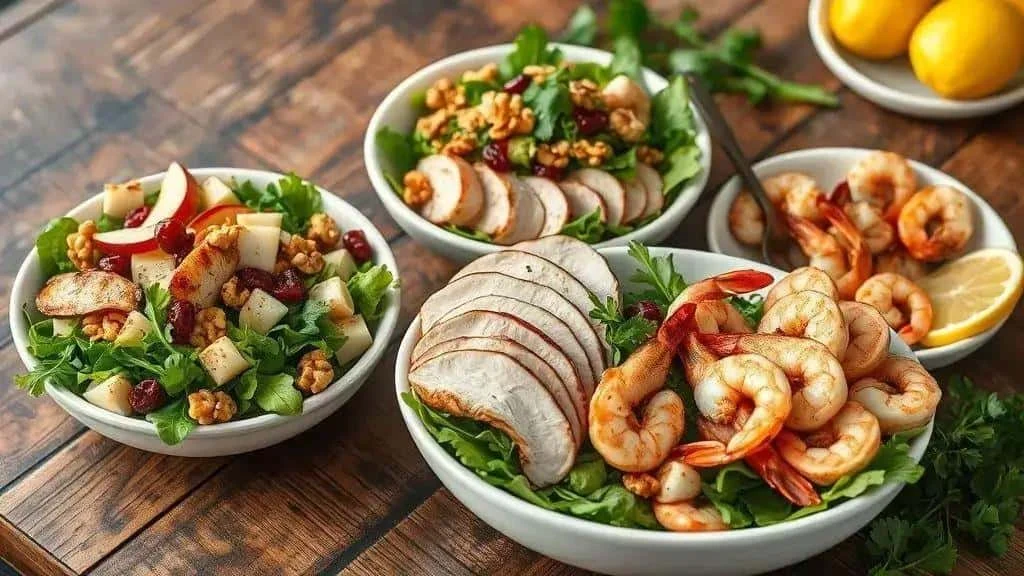
Cooked poultry or seafood can make a salad more substantial. Pair it with fresh produce, suitable seasoning and portions that fit the rest of the meal.
Grilled chicken salad with apple and walnuts
Ingredients
- 300 g chicken breast fillets; use suitable cooked tofu for a vegetarian version
- 150 g mixed leaves, such as lettuce, rocket and spinach, washed and dried
- 1 medium apple, cored and diced, or pear
- ½ cup walnuts, toasted, cooled and chopped, or cashews
- 3 tablespoons olive oil, divided
- 2 tablespoons cider vinegar or lime juice
- 1 teaspoon Dijon mustard, optional
- Salt and pepper, to taste
Method
- Season the chicken: coat with one tablespoon of oil, salt and pepper, then refrigerate for ten minutes. Do not wash raw poultry; keep its utensils separate from salad ingredients.
- Cook thoroughly: grill in a heated non-stick pan until the thickest part reaches 70°C for two minutes or 75°C for 30 seconds. Four to six minutes per side is only a rough guide for thin fillets. Rest briefly before slicing with clean equipment.
- Arrange the base: place the leaves and diced apple on a serving dish.
- Add the chicken: serve freshly cooked slices over the leaves for an immediate warm salad, or cool promptly and refrigerate before making a cold version.
- Make the dressing: whisk the remaining two tablespoons of oil with the vinegar, optional mustard, salt and pepper.
- Finish: add some dressing and scatter over the walnuts, serving the remaining dressing separately.
Variations
- Add raisins for a sweeter contrast.
- Use turkey breast instead, cooking it thoroughly with the same temperature checks.
Smoked turkey salad with cranberries and rocket
Ingredients
- 250 g ready-to-eat cooked smoked turkey breast, sliced, or cooked ham; check the label, as smoking alone does not establish that meat is cooked
- 120 g rocket, washed and dried
- ⅓ cup dried cranberries, or chopped dried apricots
- ¼ cup Parmesan shavings, optional
- 3 tablespoons olive oil and one tablespoon of balsamic vinegar
- Salt and pepper, to taste
Method
- Arrange the rocket: spread it across a large dish.
- Add turkey: arrange the ready-to-eat slices over the leaves, keeping the dish chilled until serving.
- Scatter toppings: add the cranberries and optional Parmesan.
- Make the vinaigrette: mix oil, balsamic vinegar, salt and pepper.
- Serve: dress immediately before eating so the rocket stays crisp.
Variations
- Use ready-to-eat cooked smoked chicken breast, following its labelled storage instructions.
- Add toasted walnuts for crunch, with clear allergen information.
Seafood salad with lime and herbs
Ingredients
- 300 g medium prawns, peeled, cleaned, fully cooked and chilled, or thoroughly cooked squid or octopus
- 200 g cooked octopus, optional, chilled and sliced
- 150 g mixed leaves, including iceberg lettuce if desired, washed and dried
- ½ cup cherry tomatoes, halved or cut into smaller suitable pieces for young children
- Juice and zest of 1 lime
- 3 tablespoons olive oil and one finely chopped garlic clove
- Chopped parsley and chives, to taste
- Salt and pepper, to taste
Method
- Prepare the seafood: use fully cooked, chilled seafood directly. If starting with raw seafood, cook each type thoroughly using an appropriate method, then cool promptly and refrigerate; do not apply one short prawn-cooking time to squid or octopus.
- Mix the dressing: combine oil, lime juice and zest, garlic, herbs, salt and pepper.
- Combine: mix the leaves, tomatoes, prawns and optional octopus in a large bowl.
- Dress: add the dressing and fold gently to distribute it.
- Chill briefly: refrigerate for 10–15 minutes, then serve chilled. Do not leave seafood salad standing at room temperature.
Variations and precautions
- Fish alternative: use fully cooked, safely cooled salmon pieces. Fish, crustaceans and molluscs are distinct allergens, so confirm which ingredients are suitable.
- Storage: keep refrigerated and aim to use within 24 hours, following any shorter use-by or after-opening instructions. The clock starts with the oldest prepared component, not final assembly.
- Portions: around 150–180 g can suit a substantial side; a main-course salad may need 200–250 g or more depending on appetite and accompaniments. These are planning estimates, not nutritional requirements.
Warm vegetable salads and gratins for colder days
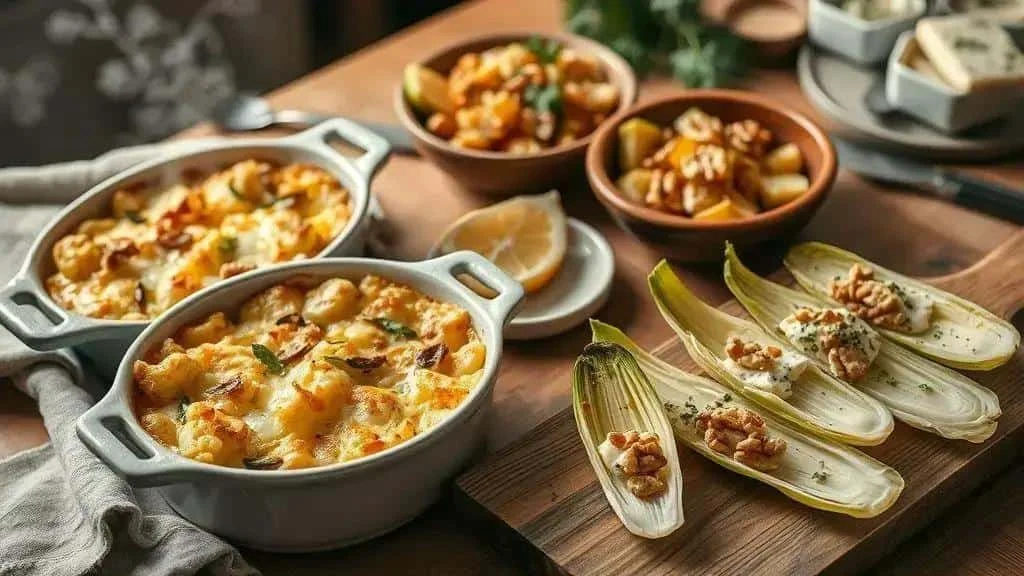
Warm vegetable dishes and gratins offer a comforting alternative for a winter Christmas meal. Their richness depends on the amount of cream, cheese and oil used.
Cauliflower gratin with cheese and garlic
Ingredients
- 1 kg cauliflower, cut into florets
- 2 tablespoons olive oil
- 2 garlic cloves, chopped
- 200 g cream, or a suitable plant-based cooking cream
- 150 g grated mozzarella, or a suitable vegan cheese alternative
- 50 g grated Parmesan; use vegetarian hard cheese for a vegetarian version, or a suitable plant alternative for a vegan version
- Salt and pepper, to taste
- A little grated nutmeg, optional
Method
- Part-cook the cauliflower: boil the florets in lightly salted water for around 6–8 minutes until just tender, then drain well.
- Cook the garlic: warm it briefly in the oil until fragrant, without burning.
- Season the cream: mix with salt, pepper and the optional pinch of nutmeg.
- Assemble: place the cauliflower in an ovenproof dish, add the garlic oil and cream, then scatter over both cheeses or their chosen alternatives.
- Bake: cook at 200°C for around 15–20 minutes until golden, bubbling and hot throughout. Rest for five minutes before serving. A vegan version requires replacing the cream and both cheeses.
Variations
- Add cooked ham or fully cooked turkey for a meat version, heating it thoroughly throughout in the gratin and reheating cooked meat only once.
- Add thyme or rosemary for extra aroma.
Warm potato salad with caramelised onions and herbs
Ingredients
- 1 kg potatoes, cut into medium cubes
- 2 large onions, sliced
- 2 tablespoons butter or a suitable spread
- 2 tablespoons olive oil
- 3 tablespoons cider vinegar
- ¼ cup chopped parsley
- Salt and pepper, to taste
Method
- Cook the potatoes: boil in lightly salted water until tender but still holding their shape, then drain.
- Cook the onions: warm the butter and oil over a medium-low heat, add the onions and cook, stirring regularly, until soft and golden. Allow at least 15–20 minutes; deeper caramelisation can take longer.
- Combine: gently mix the hot potatoes with the onions, cider vinegar and parsley, then season to taste.
- Finish: serve freshly made and warm. Optional truffle oil or Parmesan shavings change the flavour; choose vegetarian cheese or omit it where required.
Variations
- Add fully cooked crisp bacon strips for a meat version.
- Use sweet potato for a sweeter flavour and different colour, adjusting cooking time to its texture.
Chicory gratin with Gorgonzola and walnuts
Ingredients
- 8 heads of chicory, halved lengthways
- 150 g Gorgonzola, crumbled, or goat’s cheese; use a suitable plant-based cheese for a vegan version
- ½ cup walnuts, chopped and toasted
- 2 tablespoons honey, or maple syrup; vegan preparation also requires replacing the cheese, and honey is unsuitable for children under one
- Olive oil, salt and pepper, to taste
Method
- Prepare the chicory: brush the halves with oil and season with salt and pepper.
- Roast: cook at 200°C for around 8–10 minutes to begin softening; thicker heads may need longer.
- Add toppings: divide the cheese, walnuts and honey or maple syrup over the chicory.
- Finish baking: return to the oven until the chicory is tender and the topping is hot and lightly golden, around another 5–8 minutes as a guide. For pregnancy, soft blue cheese must be steaming hot throughout, not merely melted on top.
Variations
- Replace walnuts with pistachios or flaked almonds if suitable for the guests’ allergies.
- Add caramelised pear pieces for a sweet contrast.
Tips for warm salads and gratins
- Serve promptly: gratins lose their crisp surface if left standing.
- Choose the dressing: a warm vinaigrette or simple oil-and-citrus dressing can complement a vegetable dish without extra cream.
- Prepare ahead carefully: cool cooked potatoes, grains and vegetables promptly and refrigerate. Finish by reheating thoroughly once, rather than giving them only a quick surface warming.
- Portions: around 80–120 g can suit a small side among several dishes. A main-course salad usually needs a larger portion and suitable accompaniments; use the general planning estimates below rather than treating a small side as a complete meal.
Dressings and seasonings for different salads
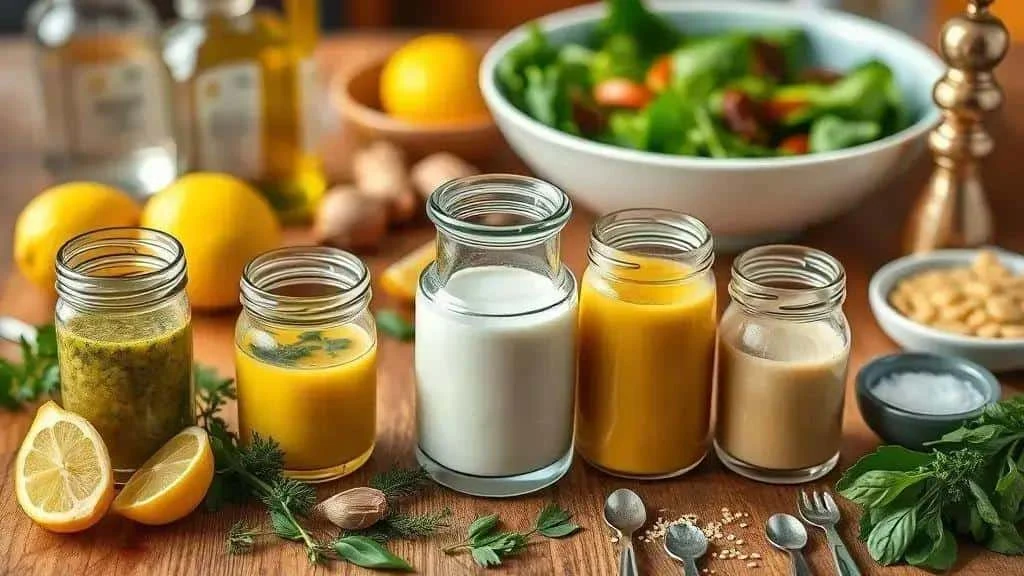
Dressings and seasonings balance sharpness, sweetness and richness. A small change in dressing can give the same salad a different character.
Basic principles
- Starting ratio: three parts oil to one part vinegar or citrus juice is a useful vinaigrette starting point, adjusted to taste.
- Emulsify: whisk or shake to combine oil and acid temporarily; shake again if the mixture separates.
- Taste: adjust seasoning with a clean spoon before serving.
- Offer dressing separately: keep leaves crisp and let guests choose the amount.
Citrus vinaigrette: a small batch
Ingredients
- 3 tablespoons extra-virgin olive oil
- 1 tablespoon lime juice, or orange juice
- 1 teaspoon honey or agave syrup, optional; omit honey for children under one and use agave for vegan guests
- Salt and pepper, to taste
- 1 teaspoon lime zest, optional
Method
- Combine the juice, optional sweetener, salt, pepper and optional zest in a jar.
- Add the oil, close securely and shake vigorously.
- Taste and adjust with a little salt or juice if needed. This is roughly four tablespoons plus the optional additions, not 200 ml.
Suggested pairings
Try with tropical fruit, rocket or a salad containing cooked fish.
Simple balsamic vinaigrette: a small batch
Ingredients
- 3 tablespoons olive oil
- 1 tablespoon balsamic vinegar
- 1 teaspoon Dijon mustard
- Salt and pepper, to taste
Method
- Mix the vinegar and mustard in a bowl or jar.
- Add the oil gradually, whisking to combine.
- Season with salt and pepper and leave for ten minutes before using. The ingredient quantities make a small batch, not 200 ml.
Suggested pairings
Serve with beetroot, stronger cheeses or a salad containing cooked roast meat.
Creamy yoghurt and herb dressing
Ingredients
- 1 cup plain yoghurt, or suitable plant yoghurt for a vegan version
- 2 tablespoons olive oil
- 1 tablespoon lime juice
- 2 tablespoons chopped herbs, such as parsley, chives or dill
- Salt and pepper, to taste
Method
- Combine the yoghurt, oil and lime juice until smooth.
- Add the herbs, salt and pepper and stir again.
- Refrigerate for 30 minutes to let the flavours develop. Final volume depends on the measuring cup and ingredients; measure the finished batch if precise portions are needed.
Suggested pairings
Use with potato or broccoli salads and other dishes that suit a creamy dressing.
Honey and mustard dressing
Ingredients
- 2 tablespoons Dijon mustard
- 2 tablespoons honey, or maple syrup; no honey for children under one
- 3 tablespoons olive oil
- 1 tablespoon cider vinegar
- Salt and pepper, to taste
Method
- Combine mustard, honey or maple syrup, and vinegar in a bowl.
- Whisk while adding the oil in a thin stream.
- Taste and adjust salt and acidity. The recipe totals eight tablespoons before seasoning, rather than the original’s stated 180 ml.
Suggested pairings
Try with chicken, turkey, apple or carrot salads.
Quick chimichurri-style dressing
Ingredients
- ½ cup chopped parsley
- 2 tablespoons oregano; fresh and dried have different intensities, so if using dried, add gradually to taste rather than assuming an identical result
- 3 tablespoons olive oil
- 1 tablespoon vinegar
- 1 garlic clove, finely chopped
- Salt and pepper, to taste
Method
- Mix the herbs, garlic and vinegar.
- Add the oil and stir thoroughly.
- Season with salt and pepper. Use straight away or refrigerate for an hour to develop the flavour; do not leave fresh garlic in oil at room temperature for storage.
Suggested pairings
Serve with grilled foods, grain salads or salads containing ready-to-eat cooked smoked meat.
Sesame and ginger dressing
Ingredients
- 2 tablespoons sesame oil
- 3 tablespoons vegetable oil
- 2 tablespoons soy sauce; choose a product specifically labelled gluten-free if required
- 1 tablespoon rice vinegar
- 1 teaspoon grated ginger
- 1 teaspoon honey or agave syrup, optional; use agave for vegan guests and omit honey for children under one
Method
- Combine the soy sauce, vinegar, ginger and optional sweetener.
- Add both oils and shake in a closed jar until combined.
- Refrigerate and shake again before using. The ingredients provide eight tablespoons of liquid plus ginger and optional sweetener, not a verified 180 ml yield.
Suggested pairings
Try with cooked seafood, cucumber, carrot or other salads that suit sesame and ginger flavours.
Seasoning and storage tips
- Taste carefully: small adjustments to salt, acidity and sweetness can change the balance.
- Label and refrigerate: keep homemade dressings in clean sealed containers and use within 48 hours, or sooner if an ingredient’s instructions require it. Longer storage needs recipe-specific evidence, not a blanket five-to-seven-day claim.
- Use-by limits matter: discard anything spoiled or stored unsafely. Normal smell or appearance cannot establish that a dressing is safe.
- Dressing portions: start with around 20–30 ml per person in total and offer extra separately; two to three tablespoons is a larger allowance, not the same measure.
- Adapt ingredients: choose verified milk-free plant yoghurt or cheese where needed, and replace honey with agave for vegan versions. Check the whole recipe, not just the main substitute.
Vegan variations and lighter-tasting alternatives
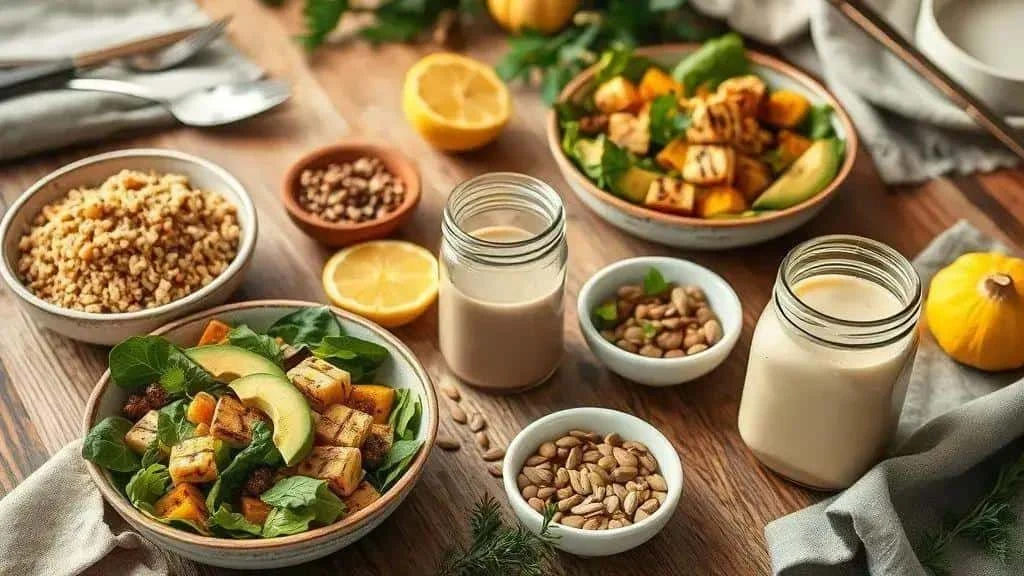
Substitutions can change flavour, texture and dietary suitability. A plant-based version is not automatically lower in energy or fat, so compare ingredients and quantities if that matters to you.
Plant-based alternatives
- One cup of cooked chickpeas can replace shredded chicken as a salad component, although the nutritional profile is different.
- 200 g firm tofu can replace cheese or meat; cook or use ready-to-eat tofu according to its packet instructions.
- 150–200 g tempeh, thoroughly cooked according to the packet, offers a firm texture and toasted flavour.
- One cup of cooked quinoa can replace a rice base or add substance to a salad.
Creamy dairy alternatives
- Half a cup of suitable plant yoghurt can replace plain yoghurt in a creamy dressing.
- Two to three tablespoons of cashew cream can replace cream in a dressing or gratin. Blend cashews soaked in the fridge with water to the required texture, and clearly identify the nuts.
- Vegan cheese or one to two tablespoons of nutritional yeast can provide a savoury, cheese-like note.
Crunch and creaminess
- A third of a cup of pumpkin or sunflower seeds can replace nuts for crunch if suitable for the guest’s allergies.
- Flaked almonds or toasted cashews provide a different crunchy topping, but remain nut ingredients.
- Diced or sliced avocado adds creaminess without a separate creamy dressing.
Alternative bases
- Brown rice or barley offers a different base from Brazilian farofa, a toasted cassava-flour accompaniment. Barley contains gluten, and energy content depends on preparation and portion size.
- Roasted sweet potato adds sweetness and colour; do not assume that substituting it guarantees a particular blood-sugar response.
- Brazilian corn couscous or quinoa can provide a gluten-free base when ingredients and preparation are verified. Ordinary wheat couscous is different and contains gluten.
Dressings and sweeteners
- Olive oil and citrus juice make a vinaigrette alternative to mayonnaise; the amount of oil still affects its richness.
- Agave or maple syrup instead of honey makes that ingredient suitable for a vegan dressing; both are still sweeteners.
- Plant yoghurt and mustard make a creamy dressing. Fat content varies by product, so it is not automatically lower-fat.
Seasonings for fresh flavour
- Fresh parsley, mint or coriander adds flavour without needing a large quantity of dressing.
- Citrus zest and balsamic vinegar add contrast and can help you adjust the amount of oil to taste.
- Pepper and ginger add warmth and depth, without a promise that they will control appetite.
Assembly tips
- Build layers: put cooked, cooled grains below plant protein ingredients and keep delicate leaves on top, away from wet dressing.
- Serve dressing separately to preserve crispness and allow individual portions.
- Plan the portion: 120–180 g is a side-dish guide. For a vegan main meal, include suitable protein foods and enough food overall rather than relying on that small side portion.
- Prepare ahead: cook grains and roast vegetables the day before, cool promptly and refrigerate within their limits, then assemble and season close to serving.
Arranging attractive, practical serving dishes
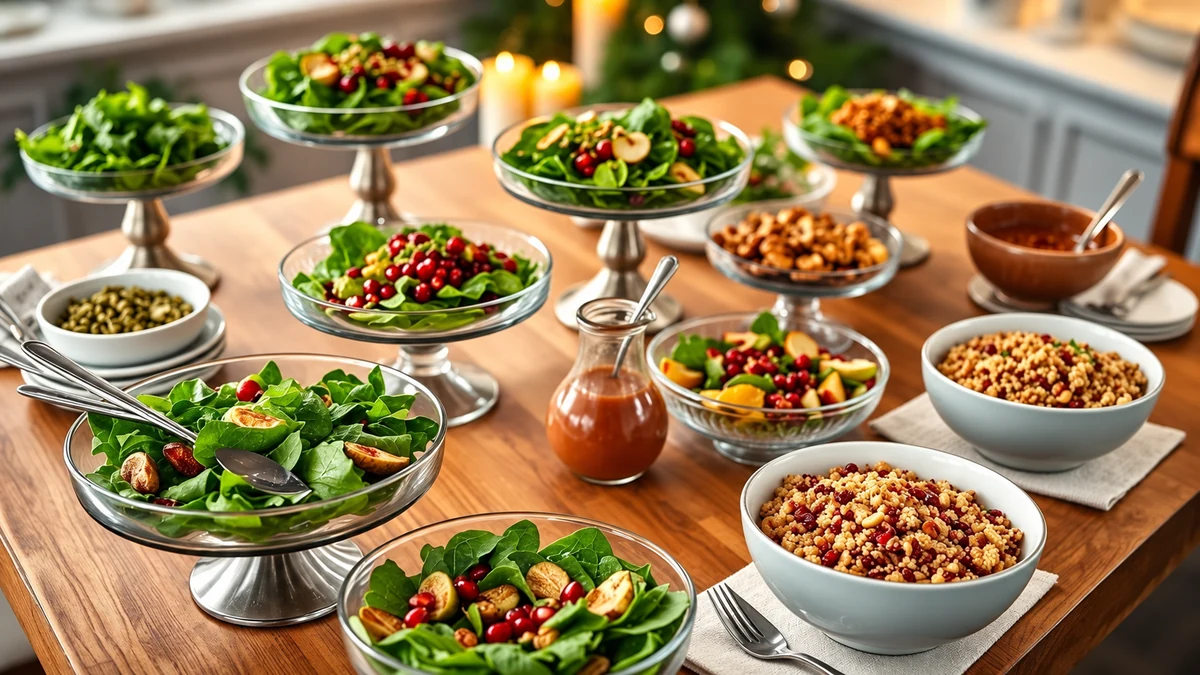
A well-organised salad table helps guests see the choices and serve themselves comfortably.
Key elements
- Colour: contrast green leaves with fruit, root vegetables and suitable seeds.
- Different heights: use stable stands and bowls without making dishes difficult to reach.
- Textures: offer crisp, creamy and tender elements.
- Serving flow: arrange dishes in a convenient order with enough room between them.
- Identification: display clear ingredient and allergen information, with accurate dietary labels.
- Suitable utensils: provide separate tongs or spoons for each dish, with a clean place to rest them.
Setting up the serving dishes
- Prepare the components: wash, dry and cut produce, keeping dressings separate and perishable ingredients refrigerated until needed.
- Choose dishes: combine clean food-safe ceramic, glass or wooden serving pieces as appropriate to the food.
- Create a base: arrange leaves or cooked, cooled grains first.
- Group colours and textures: distribute colourful ingredients so each portion has a balanced mix.
- Keep portions manageable: small tasting portions may be 80–150 g depending on the dish, but calculate the total per guest rather than multiplying that amount by every salad offered.
- Place dressings nearby: use small labelled jugs or jars next to the corresponding salads.
- Finish close to serving: add toasted nuts, herbs and cheese at the last moment.
- Label each dish: provide its name and accurate allergen information, with full ingredient details available.
- Keep reserves chilled: bring out smaller fresh portions as needed rather than filling one large dish for the entire event.
Useful serving equipment
- Shallow and deeper dishes: choose shapes that suit the salad and keep wet dressings separate.
- Stable tiered stands: add height while preserving easy access.
- Tongs and serving spoons: match their size to the dish and intended portion.
- Lidded dressing containers: protect against spills and contamination; a lid alone does not keep a perishable dressing cold.
- Water-resistant labels: remain readable if containers develop condensation.
Final checks
- Avoid overfilling: leave room to lift and serve food cleanly.
- Temperature: keep cold salads refrigerated until serving. Serve warm dishes promptly, or use suitable hot-holding equipment that maintains a safe temperature.
- Lighting: natural or warm light shows the food’s colours clearly.
- Check the arrangement: step back and check that labels, utensils and dishes are visible and accessible.
- Limit time out: for this home-serving plan, use a conservative two-hour maximum for perishable salads out of refrigeration, counting preparation and serving time together; shorten this in hot conditions and discard exposed leftovers beyond the limit.
How much salad to make per person
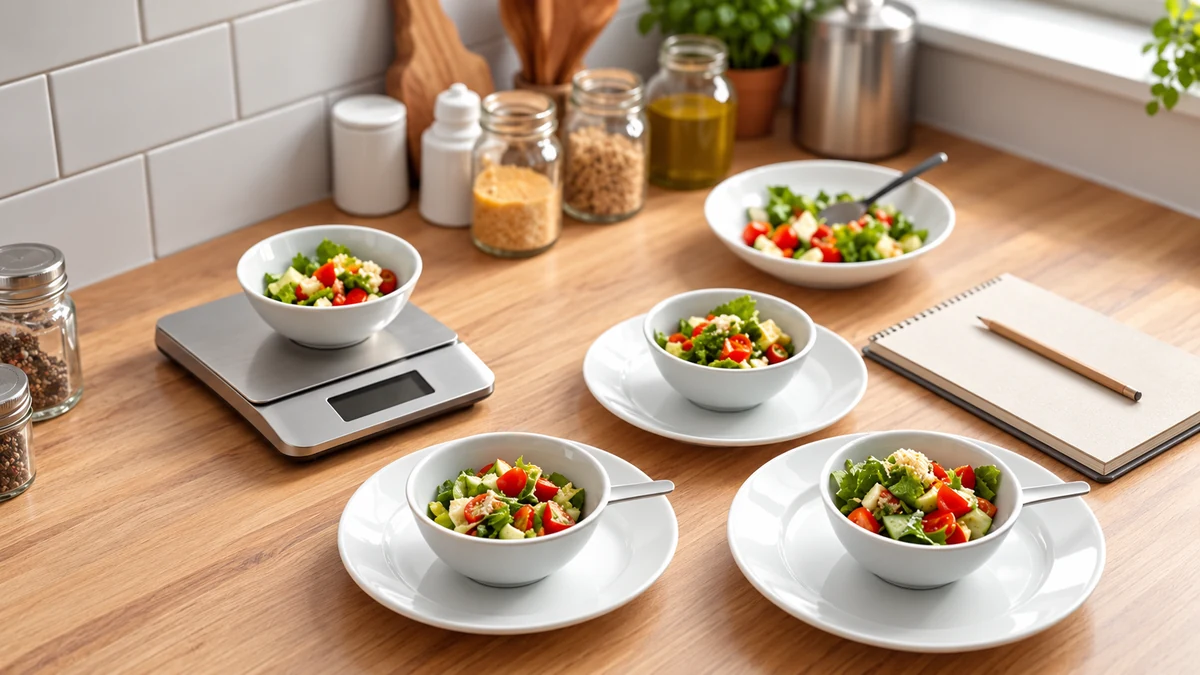
Planning quantities helps limit waste and provides enough choice for the meal. Use grams and millilitres as practical estimates, not guarantees of appetite or nutritional adequacy.
Starting portions per person
- Salad as a side: around 120–150 g in total.
- A more substantial side with poultry or seafood: around 150–180 g.
- Salad as a main course: around 200–250 g as an initial estimate, potentially more depending on ingredients and accompaniments.
- Warm vegetable dishes or gratins: around 120–180 g as a side, replenished safely as needed.
- Dressings: around 20–30 ml in total per person, divided between the available options rather than multiplied by each dressing.
- Nuts, seeds or croutons: around 15–25 g as an optional total garnish allowance, adjusted to the salad and dietary needs.
A simple calculation
Estimate the overall salad quantity using this formula:
- Average portion per person × number of guests = total salad weight in grams.
- If offering several salads, divide the total between them, allocating larger amounts to the dishes most guests are likely to choose.
- An optional 10–15% extra can allow for second helpings; avoid adding a buffer automatically if leftovers are likely.
Worked example
For fifteen guests with salad served as a side:
- Chosen average portion: 140 g.
- 140 g × 15 = 2,100 g, or 2.1 kg, of salad in total.
- If divided equally between twelve salads, 2,100 g ÷ 12 = 175 g of each for the whole group. Alternatively, allocate more to three or four main salads and smaller tasting quantities to the others, keeping the same overall total.
- With an optional 10% allowance: 2,100 g × 1.10 = 2,310 g, or 2.31 kg.
Quick planning steps
- Decide the salad’s role: side dish, substantial accompaniment or main course.
- Choose an average portion using the estimates above and your knowledge of the guests.
- Multiply by guest numbers to find the total weight.
- Allocate that total across the salads you will actually make.
- Allow an optional buffer of 10–15%, and calculate dressings and toppings separately without double-counting them in the menu.
Adjusting the estimate
- Smaller appetites: if you know guests eat smaller portions, reducing the estimate by around 10% may be appropriate.
- Many side dishes: a smaller total salad portion, perhaps 80–100 g per person, may be sufficient. Do not apply that quantity separately to every salad without considering the overall meal.
- Children and older guests: plan around individual appetites and needs rather than automatically assigning a fixed fraction of an adult portion based on age.
- Replenish gradually: keep reserve portions refrigerated and bring them out in clean dishes as needed.
- Time out of refrigeration: use the conservative two-hour home-serving limit described above, shortening it in hot conditions and counting cumulative handling time.
Quick portion reference
- Side salad: 120–150 g total per person.
- Substantial side with protein: 150–180 g.
- Main-course salad: 200–250 g as a starting estimate, adjusted to the meal.
- Dressing: 20–30 ml total.
- Nuts or seeds: 15–25 g if included as a garnish.
What can be prepared ahead?
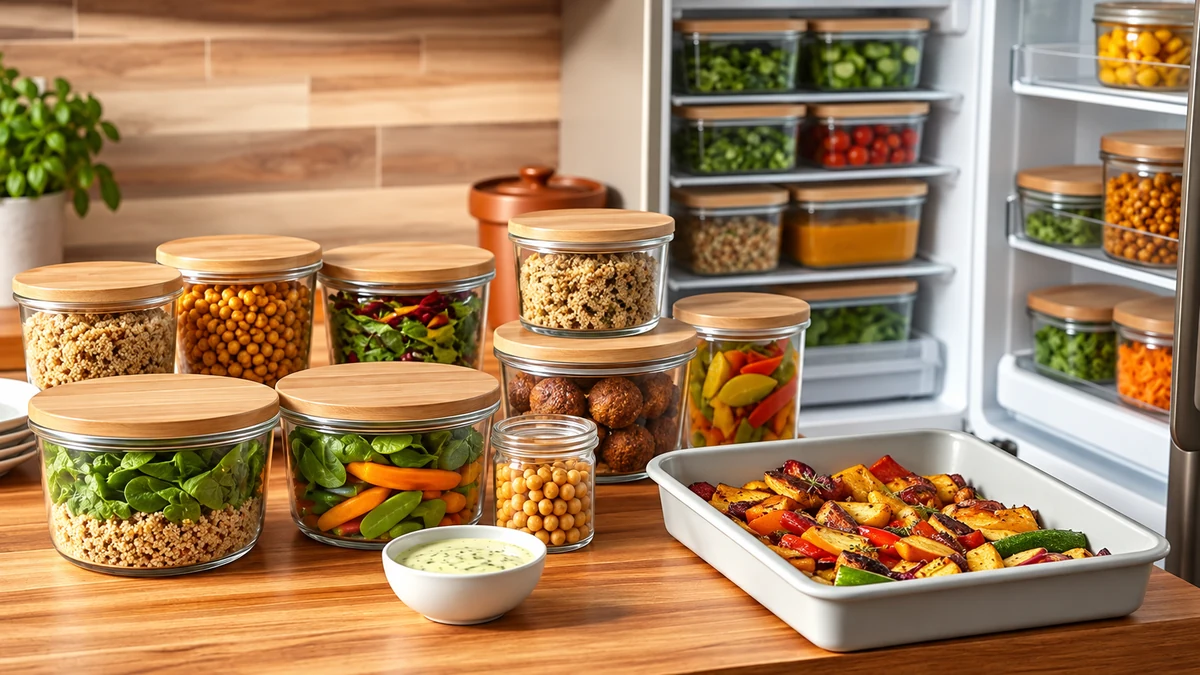
Preparing suitable components ahead reduces the work on the day. Label containers and plan backwards from each ingredient’s safe storage limit.
Components to prepare in advance
- Washed, dried leaves: refrigerate in a clean container or bag with kitchen paper. Aim to use within 24–48 hours for quality and always within any labelled use-by date.
- Roasted vegetables: cool promptly and refrigerate, using within 48 hours or freezing sooner. Reheat thoroughly once if serving hot, or serve properly chilled.
- Cooked grains: refrigerate non-rice grains promptly and use within 48 hours. Cool rice within an hour and use within 24 hours in the fridge; do not apply a four-day rule to all grains.
- Cooked chickpeas and lentils: cool promptly, refrigerate and use within 48 hours or freeze, following any shorter product instructions.
- Toasted nuts and seeds: cool fully and store in a dry airtight container. Follow the ingredient’s storage advice rather than assuming every homemade topping keeps for two weeks.
- Croutons and crisp toppings: cool completely, keep dry and add near serving time. Ingredients such as fresh cheese change storage needs.
- Dressings: prepare a day ahead where practical and refrigerate; use within 48 hours or a shorter ingredient limit. Shake vinaigrettes before using.
- Cooked chicken, turkey or fish: cool promptly and refrigerate, using within 48 hours or any shorter labelled limit. For the prepared seafood salads here, aim for no more than 24 hours. Freeze suitable components sooner if needed.
- Marinated components: some grain or cooked vegetable salads develop flavour during 12–24 hours in the fridge. Marinating does not extend their storage life.
A practical timetable
- Seven days before: choose recipes, confirm allergies and write the shopping list.
- Three to five days before: buy non-perishables. If cooking suitable components this early, cool and freeze them promptly rather than storing them in the fridge until the meal; plan refrigerator thawing time.
- Up to two days before: prepare components whose storage limits cover the serving time, such as suitable roasted vegetables and dressings. Keep everything separate and refrigerated where needed; leave rice until the day before or the day itself.
- One day before: finish suitable chilled grain or roasted vegetable combinations and portion into covered containers, observing the rice-specific limit.
- On the day: assemble fresh salads shortly before serving. Thoroughly reheat cooked components once if serving hot, and add dressings and crisp toppings last.
Storage precautions
- Temperature: keep perishables at 5°C or below, limiting cumulative time out of refrigeration as described above.
- Labels: mark containers with contents and preparation date, tracking the oldest component.
- Reheating: reheat cooked food once until steaming hot throughout, using 70°C for two minutes or 75°C for 30 seconds as a core-temperature check, then serve promptly.
- Keep components separate: separate wet dressings and crisp toppings for texture, and keep raw meat or seafood away from all ready-to-eat ingredients for safety.
Practical, economical preparation
- Portion sensibly: offer smaller quantities of several salads rather than excessive amounts of every recipe.
- Use stackable containers: save fridge space without restricting cold-air circulation.
- Use safe leftovers: combine properly stored grains with fresh leaves or cooked protein the next day only while all ingredients remain within their original storage limits.
- Plan the presentation: test the arrangement with empty serving dishes the day before, or refrigerate any food used for a trial promptly.
Storage, food safety and transport
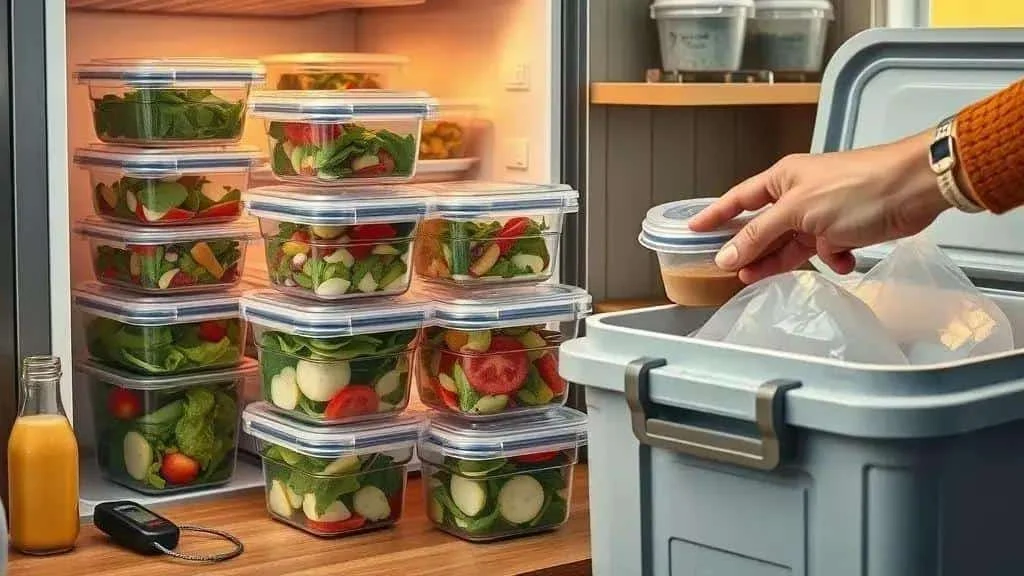
Good storage and transport arrangements help protect salad quality and reduce foodborne risks. A sealed container alone is not enough: time, temperature and handling all matter.
Storage essentials
- Fridge temperature: keep between 1°C and 5°C and check with a fridge thermometer.
- Freezing: freeze suitable cooked components promptly at around −18°C. Leafy salads and creamy dressings often lose quality when frozen, so keep components separate.
- Sealed containers: use clean food-safe containers to prevent leaks and protect food.
- Separation: store raw meat and seafood covered, below and away from cooked or ready-to-eat food.
- Storage limits: follow use-by and after-opening instructions. For this home plan, use cooked non-rice components and homemade dressings within 48 hours, rice within 24 hours after rapid cooling, and prepared seafood salads within 24 hours or sooner if required. Adding fresh ingredients does not reset these limits.
Hygiene and handling
- Wash hands thoroughly before handling food and use clean utensils.
- Separate equipment: use different clean boards and knives for raw meat or seafood and ready-to-eat salad ingredients.
- Defrost in the fridge: allow enough time and use food within 24 hours of full defrosting unless the packet gives stricter instructions; do not thaw it on the worktop.
- Reheat once: heat cooked components thoroughly, reaching a suitable time-and-temperature combination such as 75°C for 30 seconds.
- Check temperatures: use a fridge thermometer and a clean food probe where appropriate; temperature checks support, but do not replace, safe handling.
Containers for transport
- Secure food-safe containers: choose durable glass or plastic with well-fitting lids, protecting glass against breakage.
- Separate dressings and croutons: pack them separately to preserve texture.
- Insulated cool bags: use sufficient frozen gel packs to keep perishable food cold during the journey.
- Leak protection: secure containers upright, with an extra sealed bag where useful.
- Protect delicate ingredients: keep fragile salads above heavier containers or use dividers.
Packing and transporting salads
- Chill first: cool cooked components promptly in shallow portions, refrigerate within one to two hours, or within an hour for rice, and let them become fully chilled before packing. Do not rely on a cool bag to cool hot food.
- Partially assemble: combine robust chilled ingredients and keep delicate leaves and crisp toppings separate where practical.
- Pack dressings separately: seal and label small containers for adding at serving time.
- Close containers securely: check lids and use additional leak protection if needed.
- Add frozen gel packs: arrange around the chilled containers in an insulated box and keep it closed as much as possible.
- Keep the journey short: carry the insulated box in a cool part of the vehicle, away from direct sun. Air conditioning does not replace adequate refrigeration or ice packs.
- On arrival: transfer perishables straight to a fridge, or serve promptly if they have remained safely chilled.
Final transport checks
- Time out of refrigeration: use a conservative two-hour maximum in mild conditions for this home plan, reducing it to an hour in very hot conditions. Include any time food was not kept cold during preparation or transport.
- Preparation dates: label containers and keep track of the earliest use-by time among their ingredients.
- Inspect, but do not rely on appearance: discard spoiled food and anything beyond its safe storage limit even if it looks and smells normal.
- Replenish safely: keep reserves refrigerated, use clean serving dishes and avoid mixing new food into an older exposed batch.
- Separate deliveries: smaller trips may help logistics, but each batch still needs adequate cold storage and transport.
Selling salads: packaging and planning
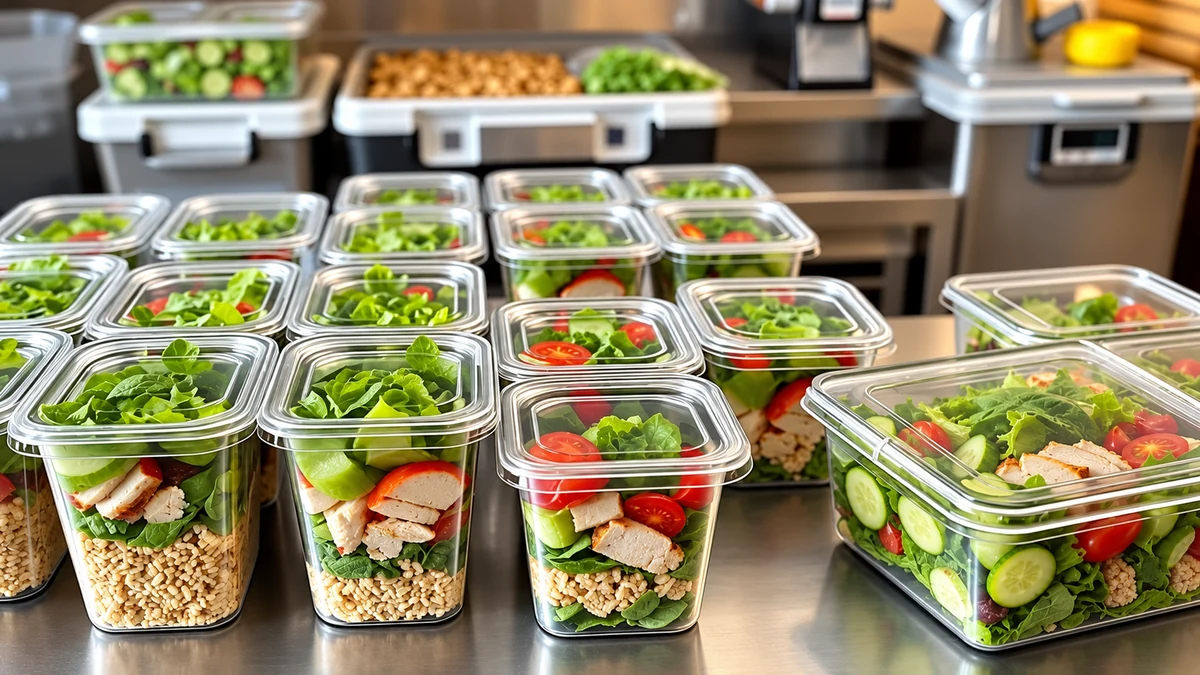
If you want to sell salads, develop and test your own production process, packaging and safe shelf life before trading. The home-serving suggestions in this article are not a validated commercial food-safety plan or a promise of income.
Packaging options
- Glass containers with secure lids can show the layers clearly and may be reusable, with suitable cleaning and breakage precautions.
- Food-safe PET or PLA packaging may suit some cold foods, but PET is not biodegradable and PLA generally needs specific industrial composting conditions. Verify the supplier’s claims and local disposal options.
- Separate dressing pots help preserve texture and allow accurate ingredient information for each component.
- Practical layering: place cooked, chilled grains below other ingredients, with delicate leaves above, while maintaining safe temperatures throughout.
- Readable labels should provide the information required for the product and sales method, including appropriate ingredient, allergen and storage details.
Pricing and costs
- Calculate the full cost: include ingredients, packaging, energy, labour, transport, overheads and likely waste.
- Set a sustainable price: compare the full cost with realistic selling prices and required margin. A fixed two-to-two-and-a-half-times multiplier does not guarantee profit or cover every tax and fee.
- Multipacks: a three-pot offer may be convenient, but calculate its margin rather than assuming a discount increases profit.
- Fees and taxes: include delivery-platform charges, market fees and applicable taxes in the plan.
Registration, hygiene and labelling
- Food handling: maintain clean surfaces and utensils, wash hands properly and use gloves appropriately if needed; gloves do not replace handwashing.
- Temperature control: establish documented preparation, chilling, storage and delivery controls appropriate to your food business.
- Allergen information: requirements depend on how food is packed and sold. In the UK, food prepacked for direct sale needs its name and a full ingredients list with the relevant regulated allergens emphasised. For distance sales, provide required allergen information before purchase and at delivery; consult the current official guidance.
- Registration: in England, Wales and Northern Ireland, register a food business with the local authority at least 28 days before trading. Check the relevant authority’s rules for your location, including Scotland, and any other permissions needed.
Production and delivery planning
- Standardise batches: test recipes and portion sizes, then record the preparation process.
- Rotate stock: organise refrigerated ingredients by their use-by dates, using the earliest-expiring suitable stock first.
- Plan cold transport: use appropriate insulated equipment and enough frozen gel packs, keeping dressings separate where useful.
- Set a justified shelf life: communicate storage and use-by instructions based on the product and your validated process. Do not automatically promise another 24 hours after delivery regardless of the food’s age.
Marketing and presentation
- Use accurate photographs: show the actual product, portion size and packaging in clear light.
- Choose suitable channels: consider social media, delivery platforms, local markets or event orders once the business is ready to trade.
- Offer planned orders: weekly subscriptions or office orders can be explored if production and delivery capacity allow.
- Tastings: offer small samples only with appropriate hygiene, temperature control and allergen information.
Payments and customer service
- Payment choices: cards, bank transfers or suitable online payments can simplify ordering. PIX is a Brazilian payment system, relevant if selling there rather than a standard UK option.
- Complaints and refunds: explain how customers can report damaged or unsatisfactory orders, and ensure your terms comply with applicable consumer rights.
- Feedback: use genuine customer comments to improve the product, obtaining permission before publishing identifiable testimonials.
Steps before starting
- Choose a small range: develop and test four to six salads, then standardise ingredients and portions. This article’s recipes are not presented as commercially tested products.
- Calculate costs: account for ingredients, packaging, labour, transport and overheads before pricing.
- Run small trials: assess flavour, packaging and storage under appropriate conditions; public sampling still requires applicable food-business precautions.
- Complete the required arrangements: confirm registration, permissions and food-safety procedures with the relevant local authority before trading.
- Plan batches: prepare and chill components within your documented process, then assemble fresh pots without extending ingredient shelf lives.
- Photograph the real product: use accurate images for social media and sales listings.
- Arrange delivery: prepare insulated equipment, gel packs and routes that maintain required temperatures.
- Review results: track costs, waste, customer feedback and margins, adjusting the range and pricing as needed.
Ideas to explore for sales
- Optional extras: offer clearly priced dressings or toasted toppings, updating allergen information accordingly.
- Local customers: explore supplying cafés, offices or events within your capacity and regulatory arrangements.
- Repeat-order offers: subscriptions or loyalty discounts may suit regular customers if the pricing remains viable.
- Accurate claims: describe ingredient origins and dietary suitability only when verified; do not use vegan or gluten-free wording as an unsupported sales claim.
These salad ideas bring different colours, textures and flavours to a Christmas meal. Choose a manageable selection that suits your guests and the rest of the menu.
Putting the ideas into practice
Try combining textures and serving dressings separately. Thoughtful substitutions can create suitable vegan options or help control costs, while careful preparation keeps the meal practical.
Thanks for reading. Follow our social channels for more seasonal recipes and visit the I Love Christmas blog for further ideas.
Christmas salads: frequently asked questions
How much salad should I make per person?
As planning estimates, allow around 120–150 g for a side, 150–180 g for a more substantial side with protein, or 200–250 g as a starting point for a main salad, adjusted to appetite and accompaniments. These are totals across the selection; an optional 10–15% extra can cover second helpings.
What can I prepare ahead?
Wash and dry leaves, cook suitable grains and pulses, roast vegetables and make dressings within their storage limits, usually the day before. Cool cooked food promptly and refrigerate; use most cooked components within 48 hours, but rice within 24 hours after cooling within an hour. Keep crisp toppings and dressings separate.
How can I make vegan or lighter-tasting versions?
Use suitable chickpeas, tofu or cooked tempeh, replace dairy with appropriate plant alternatives and replace honey with maple or agave syrup. Check every ingredient and allergen. Plant-based ingredients are not automatically lower in fat or energy.
How should I store and transport salads?
Keep perishables in clean sealed containers at 1–5°C, transport them in an insulated box with sufficient frozen gel packs and refrigerate on arrival. Keep dressings separate and limit cumulative time without refrigeration; this home plan uses a conservative two-hour maximum, shorter in hot conditions.
How do I keep the leaves crisp?
Dry washed leaves thoroughly, refrigerate in a clean container with kitchen paper and add dressing and crunchy toppings just before serving.
Which dressings work with Christmas salads?
Citrus and balsamic vinaigrettes suit many leafy or fruity salads. Yoghurt dressings work with potato and broccoli, while chimichurri-style or sesame and ginger dressings complement suitable cooked proteins and grains. Check dietary requirements for each combination.
Sources and Further Reading
- Food Standards Agency: chilling and storing food
- NHS: foods to avoid during pregnancy
- NHS: foods to avoid for babies and young children
- Food Standards Agency: cooking and reheating
- Food Standards Agency: home food fact checker, including rice
- National Kidney Foundation: starfruit and kidney disease
- GOV.UK: starting a food business
- Food Standards Agency: prepacked for direct sale labelling