
Brazilian Christmas food debates often centre on raisins, apple in potato salad and colourful arroz à grega. Family traditions, sweetness and texture all shape preferences. Soaking raisins, finely dicing apple, serving extras separately and trying a small batch first can help everyone enjoy the meal.
Brazilian Christmas food debates can liven up the dinner table: do you love or loathe raisins in savoury dishes, apple in potato salad or arroz à grega? This guide looks at why those ingredients divide opinion and offers practical ways to keep the festive meal friendly. These are Brazilian Christmas traditions, rather than a description of a typical British Christmas dinner.
Raisins: background, uses and why they divide opinion

Raisins are dried grapes, valued for their concentrated sweetness and keeping qualities. They have a long culinary history and feature in many Brazilian family Christmas recipes. There is no single family tradition or arrival story that explains every version served today.
They appear in panettone and cakes, farofa — a toasted cassava-meal accompaniment — mayonnaise-based salads and festive rice. Their sweetness and chewy texture contrast with savoury ingredients, a combination some people love and others would rather avoid.
Why do they cause so much debate?
Several preferences help explain the disagreement:
- Texture: chewy raisins can be unwelcome to someone who prefers a more uniform texture.
- Unexpected sweetness: a sweet burst in a savoury dish may feel unbalanced to someone unfamiliar with the combination.
- Family and cultural associations: what feels entirely normal in one household may be unusual in another.
- Disappointing past experiences: very hard or poorly stored raisins can put people off. Check the packaging and storage instructions; discard anything showing mould or other signs of spoilage rather than trying to disguise it.
Taste, texture, habit and memories can all play a part. A dislike does not need to be explained away or corrected.
Making raisins work in a dish
A few simple changes may make them more appealing:
- Soak them in warm water or juice for 10–15 minutes, then drain, for a softer texture.
- Try golden raisins if you prefer their lighter colour; colour alone does not indicate freshness or quality.
- Chop them into smaller pieces to distribute them through salads or rice. For a different flavour, try the same volume of dried cranberries or chopped dried apricots: 1 cup in place of 1 cup of raisins.
- Balance the sweetness with a little lemon juice or cider vinegar, as appropriate for the dish.
- Serve them in a separate bowl so each guest can choose whether to add any.
Practical alternatives
If you want a different texture or colour, consider:
- Dried cranberries — start with the same volume. They can taste tart, but many are sweetened, so check the label and taste before adding more.
- Chopped dried apricots — start with the same volume for a softer, fleshier texture. They are still sweet dried fruit.
- Raisins soaked in juice or rum — soak for 10–15 minutes for softness and aroma; soaking does not remove their sweetness. Use water or juice for an alcohol-free dish, especially when serving children.
- Chopped walnuts or other nuts — try half the original volume for crunch instead of fruitiness. Check allergies and do not serve whole nuts to children under five.
Small adjustments can preserve a family favourite while respecting guests’ preferences, without turning dinner into an argument.
Apple in potato salad: tradition, texture and family preferences
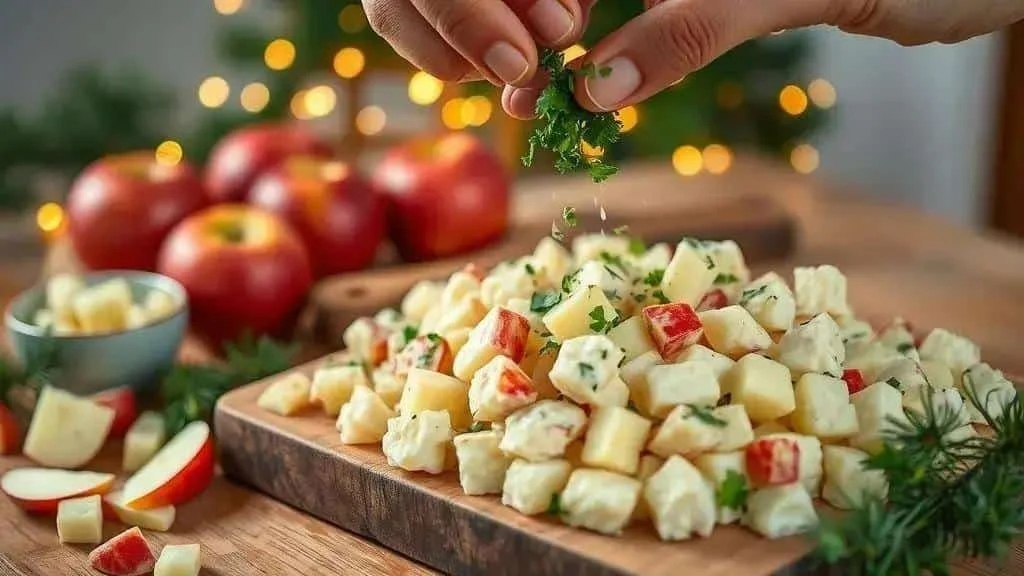
Apple in mayonnaise-based potato salad is a Christmas favourite in some Brazilian households. It combines creamy dressing with fresh, crisp apple. Other families find the sweetness or crunch out of place.
Tradition and context
Apple is one of many additions used in family potato-salad recipes, bringing freshness and a contrast in texture. Some versions have been passed between generations. Its acidity does not make the salad safe to leave unrefrigerated: keep the finished salad chilled, just as you would a version without apple.
Texture and flavour
The contrast between crisp apple and soft potato is often the main point of disagreement. A balance of sweet, sharp and savoury flavours helps. Choose a firm apple; if you want less sweetness, choose a tart variety and use a smaller amount.
Catering for the family
Small changes can make a familiar recipe more flexible:
- Choose the apple: Fuji and Gala provide a sweet, crisp contrast; a green apple such as Granny Smith is usually a sharper option.
- Dice finely: pieces about 5 mm across spread the crunch through the salad without dominating each mouthful.
- Start modestly: try 1 medium apple per 1 kg of potatoes, then adjust to your guests’ preferences.
- Offer it separately: a small bowl of diced apple lets people add their own.
- Balance the flavour: a little lemon juice or plain yoghurt adds sharpness, rather than removing the apple’s sugar.
Preparing the salad
- Cook the potatoes: wash, cut into medium-sized cubes and simmer in salted water until tender but still holding their shape.
- Drain and cool promptly: spread the potatoes in a shallow container to release heat, then refrigerate within 1–2 hours. Do not leave them on the worktop for an extended cooling period.
- Prepare the apple: wash and dice into roughly 5 mm pieces. A brief dip in water with lemon juice, followed by draining, can help limit browning; it does not substantially remove sweetness.
- Combine: mix the cooled potatoes with cooked carrot, apple and optional peas prepared according to their packet instructions. Fold in mayonnaise gradually until the texture suits you.
- Season: add salt, pepper and 1 teaspoon of lemon juice, then taste and adjust.
- Chill before serving: refrigerate for at least 1 hour for the flavours to settle. Keep at 0–5°C, bring out small portions for serving and follow any shorter ingredient use-by instructions. Eat properly chilled leftovers within 48 hours.
Substitutions and variations
- Plain yoghurt — replace half the mayonnaise for a tangier dressing; the final fat content depends on the products used. It still needs refrigeration.
- Granny Smith apple — a sharper alternative for people who dislike a sweet salad.
- Soaked raisins — add small bursts of sweetness; use sparingly if preferences differ.
- Chopped walnuts or other nuts — replace some apple with crunch, subject to allergies and age-appropriate preparation.
A practical final tip
Ask for feedback and test a small portion before the main meal. Serving optional additions separately often resolves the disagreement without abandoning the family recipe.
Arroz à grega: variations and festive-table debates
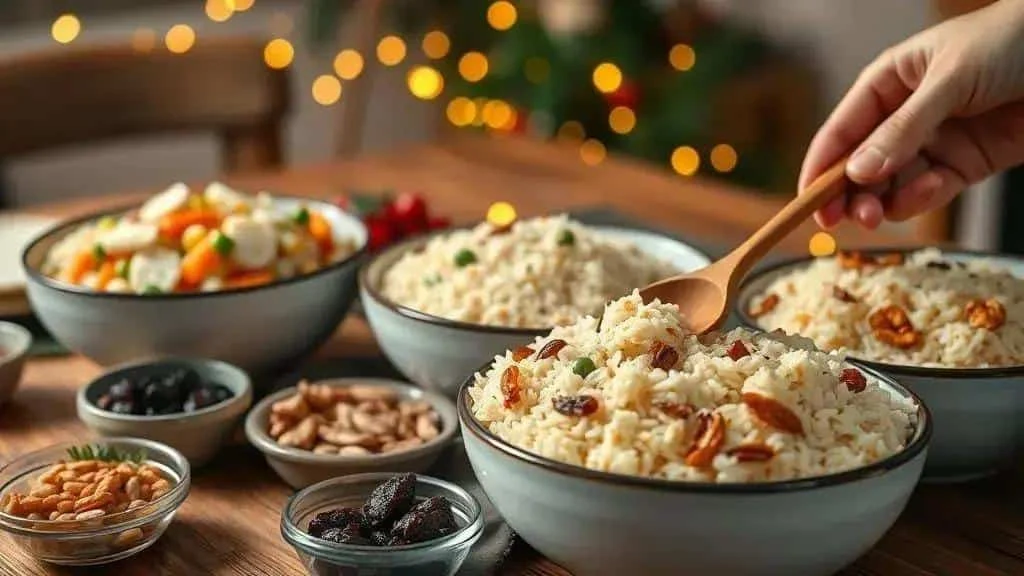
Arroz à grega literally means Greek-style rice, but the name here refers to the colourful vegetable rice familiar on Brazilian festive tables. It should not be taken as evidence that this particular recipe is a traditional Greek dish. It can be a simple accompaniment or a more elaborate festive side.
Typical ingredients (about 4 generous portions, or more as a side)
- 2 cups uncooked white rice — rinse and drain if directed on the packet. Use a 240 ml measuring cup throughout.
- 4 cups water (960 ml) — or vegetable stock. This is the original recipe’s ratio; adjust liquid and cooking time to the rice packet’s instructions.
- 1 tablespoon oil or olive oil — for softening the onion.
- 1 small onion, chopped — for the flavour base.
- 1 cup diced carrot — cooked until just tender.
- 1 cup peas — fresh or frozen, cooked as required before combining with the finished rice.
- ½ cup sweetcorn — optional; use drained ready-to-eat sweetcorn or cook according to the packet.
- ⅓ cup raisins — optional; soak for 10 minutes and drain if you prefer them softer.
- Salt and pepper to taste — check the seasoning at the end.
Popular variations
- Simple vegetable rice: carrot, peas and sweetcorn make a mild, colourful combination.
- With raisins: small bursts of sweetness make this a favourite for some and a controversial choice for others.
- With nuts: chopped walnuts or other nuts provide crunch for those who prefer to leave out dried fruit; check allergies.
- With prawns or shredded chicken: fully cooked protein can turn the rice into a main dish. Follow safe cooking and chilled-storage instructions for the added ingredient.
- With less added fat: use a little less oil to soften the onion if your pan allows. This hot rice recipe does not contain mayonnaise, and yoghurt is not a substitute for frying oil.
What divides opinion at dinner?
- Raisins: sweet fruit in savoury rice is not to everyone’s taste.
- Colour and appearance: some families prefer plain rice alongside other richly coloured dishes.
- Stronger seasoning: curry powder, saffron or herbs can change the character of the rice and may not suit the rest of the menu.
- Texture and serving temperature: rice that is too wet or has cooled unintentionally may be disappointing. Serve promptly; if keeping leftovers, cool rice quickly, ideally within 1 hour, refrigerate and use within 24 hours. Reheat only once, until steaming hot throughout.
Practical ways to reduce disagreements
- Make additions optional: offer raisins and nuts in separate bowls so people can choose.
- Soften the raisins: soak for 10–15 minutes in warm water or juice, then drain.
- Dice the vegetables finely: pieces around 5–10 mm across blend through the rice.
- Keep seasoning gentle: salt, pepper and a little olive oil can complement the rest of the meal.
- Try a smaller batch: gather opinions before the celebration and adjust the proportions.
- Manage the liquid: soften the onion in the oil, add the rice and the appropriate liquid, and cook as directed on the packet. Fold in the cooked vegetables and optional raisins, then let the rice rest briefly, about 5 minutes, with the lid on before fluffing and serving.
Serving suggestions
Use separate serving dishes for a simple version and one with extras such as raisins, nuts or cooked protein. Label additions and provide separate serving spoons; this supports choice but does not by itself guarantee protection from allergen cross-contact.
Adapting recipes for different tastes while keeping the Christmas spirit

Adapting a recipe can make guests feel welcome while preserving what the family enjoys about it.
Find out about preferences and dietary needs
Ask guests in advance about allergies, intolerances, dietary choices and food preferences. Consider children’s ages and individual needs rather than assuming everyone in an age group likes the same food. Note the ingredients that divide opinion, such as raisins, apple or hot spices.
Simple swaps that retain the character of the meal
- A different fruit flavour: try dried cranberries or chopped dried apricots instead of raisins. They are not automatically less sweet, particularly if the cranberries are sweetened.
- A tangier mayonnaise dressing: use half mayonnaise and half plain yoghurt; check product labels if reducing fat is important to you.
- Crunch without sweet fruit: replace some apple with chopped celery or toasted nuts, checking allergies and suitability for younger children.
- A plant-based protein option: use smoked tofu or seasoned cooked chickpeas instead of chicken. To make the whole dish vegan, also check mayonnaise, yoghurt, stock and any other ingredients.
- Keep stronger seasoning optional: make the main dish mild and serve stronger condiments separately.
Testing a variation before the celebration
- Choose one dish: start with the recipe that usually divides opinion, such as potato salad.
- Make a small batch: prepare a quarter of the recipe with your proposed substitution.
- Ask two or three people to taste it: invite straightforward feedback on texture, sweetness and appearance.
- Adjust the proportions: increase or reduce the new ingredient according to the feedback.
- Try again if useful: test another small variation before the main event.
Serve extras separately and label them
Separate bowls give guests more choice. Offer raisins, apple, nuts and dressings individually with clear ingredient labels. Keep nuts safely away from young children and manage allergy requirements separately from ordinary taste preferences.
Presentation that keeps a familiar festive feel
Green, red and gold ingredients, fresh herbs and a restrained touch of nutmeg or citrus can keep a dish feeling festive even when you change its ingredients.
Quick practical tips
- Try a test batch a week before the meal; make a fresh batch for the celebration rather than keeping that trial portion until Christmas.
- Use familiar flavours as a starting point, such as a suitable crunchy addition instead of dried fruit.
- Let guests know which options will be available.
- Keep a familiar version for those who prefer it, where practical.
Practical ideas for children and guests with strong preferences

Presentation and portions
Small portions make tasting less daunting. Around 80–120 g might suit some children as a starting serving, but age, appetite and the rest of the meal matter; this is not a nutritional target. Adults can also try a small tasting portion. Colourful dishes or little bowls make the options easy to see.
- Individual bowls: half a measuring cup (120 ml by volume) of salad or rice is one possible starting portion, adjusted to the child rather than treated as a requirement.
- Colourful options: carrot, peas and cherry tomatoes can be appealing. Cook, grate or cut foods appropriately for the child’s age; quarter small round tomatoes lengthways for young children.
- Suitable cutlery: child-sized forks and spoons can make eating easier.
Familiar flavours and textures
Some children prefer familiar flavours and textures, while others enjoy experimenting. Balance sweet and savoury ingredients and let the child choose whether to try the contrast.
- For adults and older children, small pieces of about 5–10 mm can help distribute textures. For young children, adapt the shape and softness of each ingredient rather than assuming any small cube is safe.
- Use gentle seasoning and leave hot condiments on the side.
- Offer a suitable crunchy accompaniment separately. Do not give whole nuts to children under five; any nut ingredients must also suit their allergies and stage of development.
Practical swaps and quantities
Small changes can keep the meal festive without forcing anyone to eat an ingredient they dislike:
- Raisins: try the same volume of dried cranberries or chopped dried apricots for a different flavour, rather than assuming either contains less sugar.
- Mayonnaise: use half mayonnaise and half plain yoghurt — for example, ½ cup of each — for a tangier dressing.
- Apple: try chopped celery or a smaller amount of Granny Smith. If the usual ratio is 1 medium apple per 1 kg potatoes, test ½ an apple instead.
- Walnuts or other nuts: offer separately where appropriate; ¼ cup shared between 4 portions is a starting suggestion, not a requirement. Observe allergy and young-child precautions.
- Protein: try 1 cup of seasoned cooked chickpeas as an addition instead of chicken, adjusting the overall quantity to the recipe. Check the remaining ingredients before calling the dish vegetarian or vegan.
Involving children
- Invite them to assemble a portion: let them choose a suitable addition, prepared safely for their age and dietary needs.
- Offer small tastes without pressure: a little spoonful is enough to try something new.
- Use playful names: a simple name such as Christmas salad can make the dish feel inviting.
- Keep the atmosphere relaxed: welcome curiosity without making a child’s willingness to eat into a test.
Separate additions and a build-your-own station
Set up small serving bowls of raisins, prepared apple, peas, suitable crunchy additions and dressings. Guests can assemble their own portions. Keep perishable ingredients chilled and replenish small amounts rather than leaving everything out throughout the gathering.
- Use clear ingredient and allergen information, not just decorative labels. Check the actual products and use separate utensils; guests with allergies may need food prepared separately to avoid cross-contact.
- Arrange the options in order: rice or salad base, fruit additions, crunchy additions, then dressings.
A quick test before the celebration
- Make a trial portion: prepare a quarter of the recipe using the planned substitution.
- Invite two or three tasters: include someone whose preferences differ from yours.
- Note the feedback: record comments on texture, sweetness and appearance, then adjust.
- Choose the final version: offer the tested variation alongside a familiar version if practical.
A few final pointers
- Include a plain option for guests who prefer fewer additions.
- Avoid combining too many contrasting flavours and textures in one dish.
- Small changes in cutting, quantity and presentation may be all that is needed.
Turning food debates into family traditions
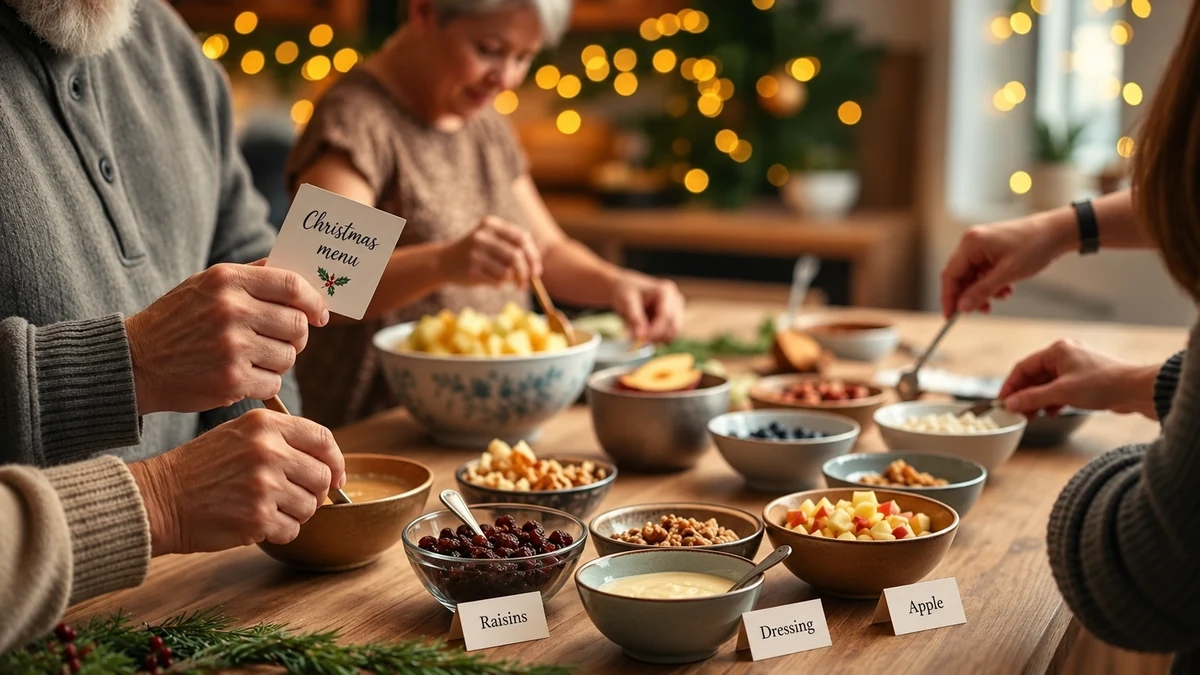
Turning a food debate into a shared tradition starts with curiosity and kindness. The aim is an enjoyable meal together, not persuading everyone to like the same thing.
Ways to involve the family
- Ask in advance: gather suggestions and organise an informal tasting before the celebration.
- Share suitable tasks: children can wash produce or decorate under supervision; adults handle heat, sharp knives and ingredients requiring careful food-safety handling.
- Let people assemble their own portions: offer clearly labelled additions and dressings, following the allergy, chilling and child-safety precautions above.
- Choose favourites informally: invite each person to suggest a variation to serve in a small quantity.
- Make room for family stories: invite relatives to share what they remember about a recipe while preparing it.
Activities that create new memories
- Try a family tasting with small portions of a few variations.
- Make a household recipe book, with each person contributing a recipe and a memory.
- Invite guests to mention something they enjoyed about the meal.
- Take photographs as you prepare the food and make a playlist for the occasion.
Simple ways to avoid arguments
- Keep feedback constructive: save detailed suggestions for a friendly conversation rather than criticising a cook at the table.
- Provide separate options: a familiar version and an optional variation let people choose.
- Respect dietary needs: ask about allergies and intolerances beforehand and identify the ingredients clearly.
- Offer a taste, not an obligation: people can try a small amount before deciding whether they want more.
Record what works and repeat it
- Write down the recipe: record quantities and useful observations after each test.
- Keep helpful feedback: note comments about flavour, texture and appearance.
- Save the favourite version: add the agreed recipe to a card or the household recipe book.
- Return to it next year: a relaxed annual ritual can become part of the celebration.
Small rituals to try
- Take a family photograph around the table before eating.
- Offer a special fruit drink alongside the tasting, adjusted to the children’s usual dietary needs.
- Invite someone to share a memory associated with a dish before serving it.
- Have a light-hearted vote for the meal’s favourite new dish.
Conclusion
Brazilian Christmas food debates need not spoil the meal. Test a small batch, serve additions separately and adjust textures. Raisins, apple in potato salad and arroz à grega may divide opinion without dividing the family.
Involve relatives in the choices and keep a familiar option available. Separate bowls of raisins, apple and suitable crunchy additions give people flexibility. Keep dietary requirements and food-safety needs in mind as well as taste.
Thank you for reading. Follow us on social media and visit the I Love Christmas blog for more recipes and festive ideas. Share the variations that work at your table and the traditions you would like to keep.
FAQ: Brazilian Christmas food debates
Why do raisins divide opinion at Brazilian Christmas dinners?
They add sweetness and a chewy texture to savoury dishes. Some people enjoy that contrast; others prefer a different texture or associate raisins with a disappointing dish. Family habits and individual taste both matter.
How can I make apple potato salad appeal to more people?
Use a firm apple, dice it finely and start with 1 medium apple per 1 kg of potatoes. Fuji or Gala gives sweetness; Granny Smith is sharper. Lemon juice or plain yoghurt can balance the flavour, but neither makes the salad safe outside the fridge.
How can I make arroz à grega suit different preferences?
Offer raisins and nuts separately, soak raisins for 10–15 minutes if you want them softer, dice vegetables finely and keep the seasoning gentle. Cook the rice according to its packet and serve promptly; cool leftover rice quickly and use refrigerated leftovers within 24 hours.
Which simple swaps can help with different tastes?
Try the same volume of dried cranberries or chopped apricots instead of raisins, or half mayonnaise and half plain yoghurt for a tangier salad dressing. Offer suitable crunchy additions separately. Dried-fruit swaps are not necessarily lower in sugar; check allergies and never give whole nuts to children under five.
How should I test a new version before Christmas dinner?
Make a quarter batch, ask two or three people with different preferences to taste it, and note their feedback before adjusting. Prepare a fresh batch for the celebration and keep a familiar option available if practical.
Sources and Further Reading
- Food Standards Agency: chilling, freezing and defrosting
- NHS: foods to avoid for babies and young children