Older Christmas traditions include the customs, songs, recipes and rituals passed between generations. Some have changed or become less familiar in particular families; others remain active community traditions. Oral histories, archives and shared activities can help preserve their meaning without assuming that every custom has disappeared.
Older Christmas traditions often survive in a song, a handwritten recipe or a decoration brought out each December. Is there a custom your family no longer follows? Here are ways to explore those memories, alongside examples from Brazil and ideas you can adapt for a Christmas gathering in the UK.
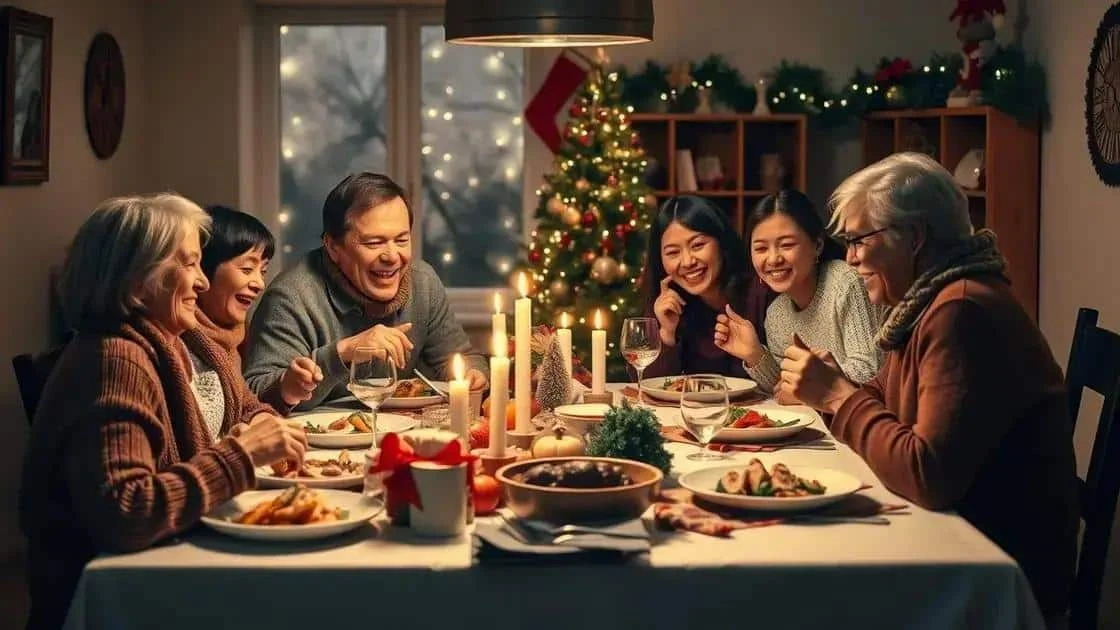
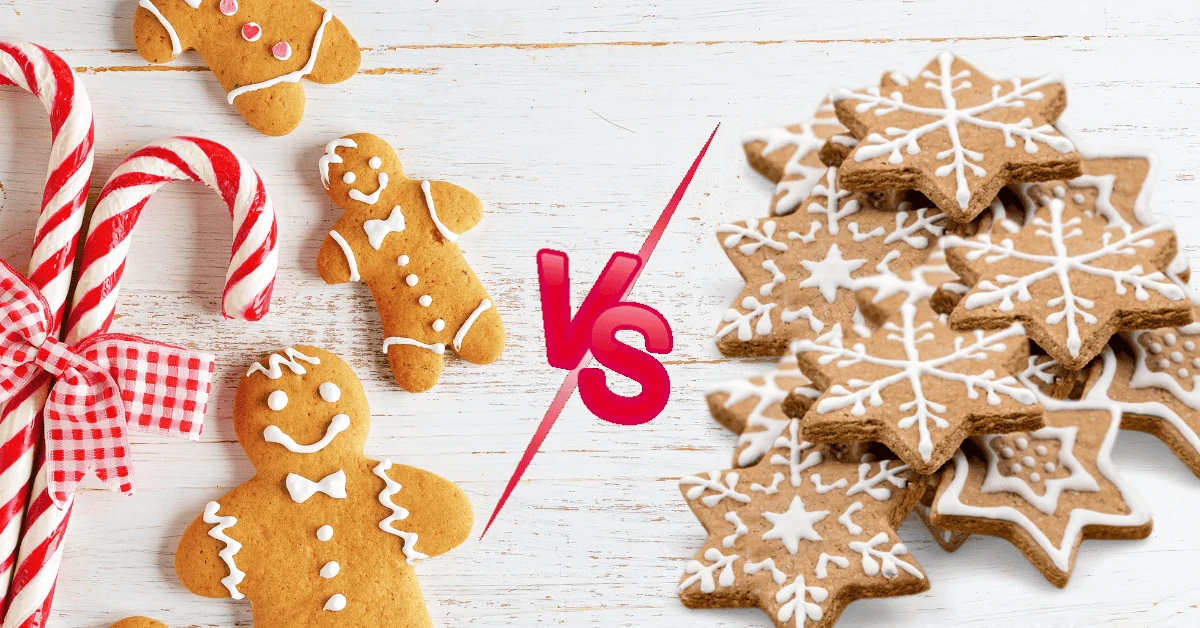
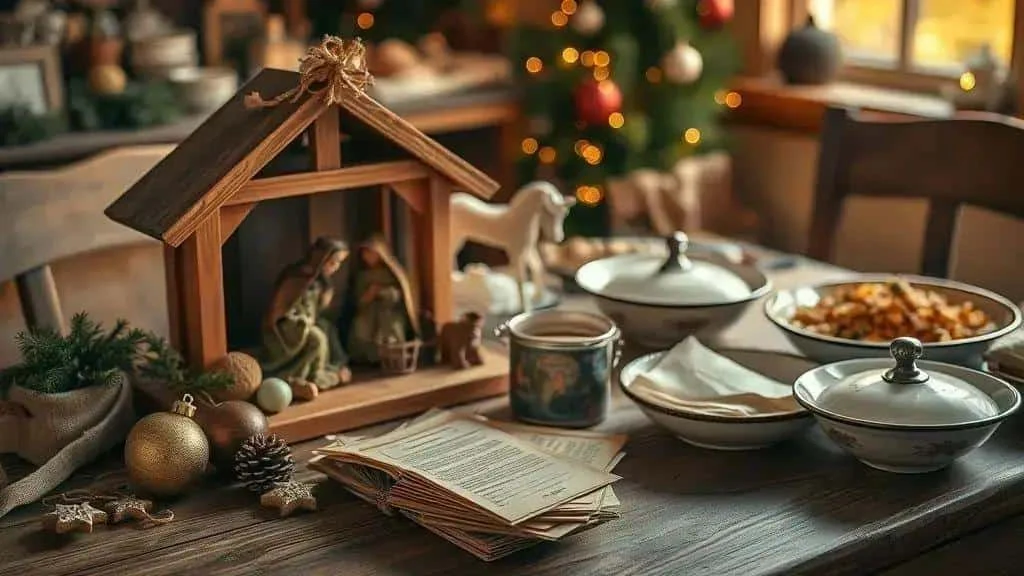
Illustrations in this article are conceptual images, not documentary photographs or evidence of a particular historical event, destination, venue or access route.
Christmas Customs in Changing Communities

Towns and cities hold traces of earlier celebrations in photographs, church collections, local archives and personal memories. Changes vary from place to place: a custom missing from one neighbourhood may still be thriving elsewhere. Start with local evidence rather than a story of universal decline.
Star Processions and Neighbourhood Visits
In some traditions, street processions include a large star carried between gathering places, with singing, prayers or visits to homes and churches. Ask local organisers or consult archives to understand the particular custom. Routes and arrangements may change over time, but that does not mean the tradition has ended.
Carol Singing and Visits Between Neighbours
Groups singing from door to door are part of several Christmas traditions. Christmas carol visits can bring neighbours together, whether organised by a church, choir or informal group. Participation differs by community; avoid assuming that shopping, crime or busy lives explain every change. Agree visits in advance and respect anyone who prefers not to join in.
Shared Meals and Community Tables
Community Christmas meals may take place in halls, churches or other shared spaces, with food and tasks divided between volunteers. These gatherings still matter in many places. If you want to start a small version, plan access, dietary needs, food safety and who will help with preparation and clearing away.
Nativity Performances and Travelling Displays
Nativity performances bring together storytelling, art and faith. Some communities stage them in public spaces; others use a school, church or home. Rather than treating amateur performances as a vanished custom, find out what local groups already do and whether they would welcome help.
Seasonal Fires and Local Beliefs
Seasonal fires and related customs have different meanings in different communities, sometimes connected with renewal or protection. These are beliefs and cultural practices, not proven effects. Research the local context and attend a properly organised event where available; recreating a fire at home is not necessary to explore its history.
Finding Traces of Earlier Celebrations
Look for decorative stars, older church Nativity sets, programmes, photographs and newspaper reports. Conversations with long-standing residents may add details missing from formal records. Compare memories with other sources where possible and record who supplied each account.
To try a small activity, arrange a short carol session or a shared meal with a few neighbours. Obtain permission for communal spaces, keep entrances and escape routes clear, and consider noise, access and supervision. A carefully planned gathering can carry a tradition forward without copying every historical detail.
Traditional Christmas Flavours Worth Recording
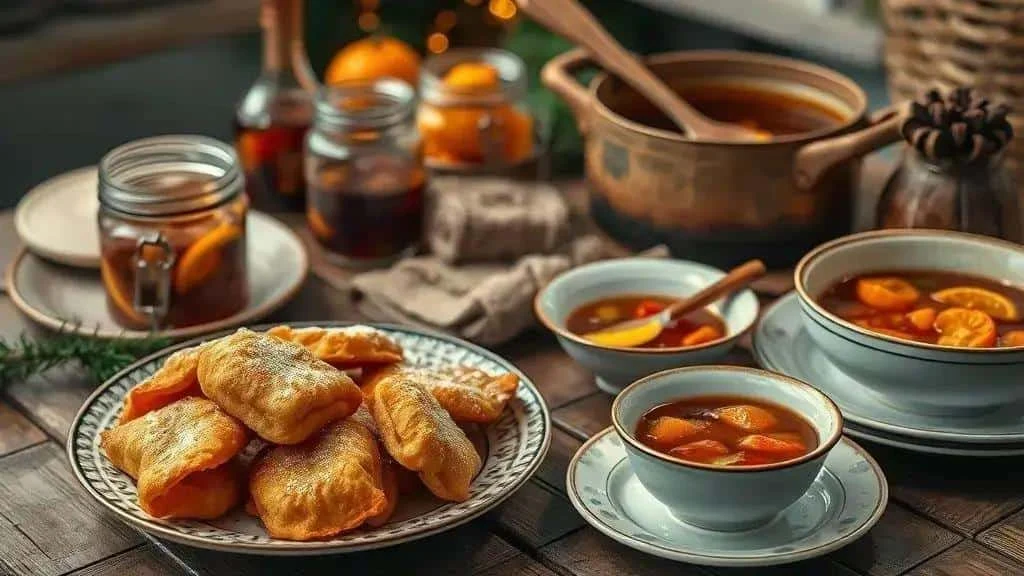
A family menu can change with work, migration, cost, taste or the availability of ingredients. A dish absent from your table may still be popular elsewhere. Recording how your relatives made it is more useful than assuming that a whole food tradition has been lost.
Fruit Preserves and Homemade Sweets
Homemade fruit preserves can hold strong family memories. Use a reliable, complete recipe with clear processing and storage instructions; reducing sugar or improvising a sealed jar does not produce a safely preserved food. For a simple fruit compote, follow a suitable refrigerated recipe rather than treating it as shelf-stable. Avoid cooking acidic fruit in unlined copper. Source: Food Standards Agency — botulism and food preservation
Rabanadas and Rich Festive Baking
Some Brazilian family recipes use rabanadas fried in lard or other rich festive preparations. They are examples of particular cooking traditions, not a universal Christmas menu. If you prefer a different fat or a baked version, use a recipe designed for that method: changing the fat or quantity can change both texture and cooking behaviour.
Handmade Savoury Dishes
Savoury pies with homemade puff pastry are a good example of a dish whose preparation can become a shared activity. Use a complete pastry recipe with measured ingredients and chilling instructions, or choose ready-made pastry when time is short. Buy cured meat from a suitable supplier rather than improvising a home-curing method from a family anecdote.
Salt Cod and Preserved Fish
Slowly desalting bacalhau, or salt cod, remains part of some Portuguese and Brazilian Christmas cooking. Plan ahead, follow the product instructions and keep the fish refrigerated during soaking. This is separate from preserving fish in oil, which needs a validated process; do not assume that covering cooked fish with oil makes it safe to store.
Mulled Drinks and Festive Broths
Wine warmed with spices is still familiar at British Christmas celebrations, so it is better described as a continuing tradition than a forgotten one. Follow a complete recipe for mulled wine or a spiced alcohol-free alternative. Gentle heating does not remove all alcohol; keep the two versions clearly labelled and serve hot drinks carefully.
Practical Ways to Preserve Family Recipes
Start with one dish and write down its ingredients, quantities, timings and storage instructions. Simplify preparation by sharing tasks or choosing a reliable modern version, not by shortening essential cooking times. Searing a roast does not replace cooking it through. Note any substitutions and invite relatives to explain the details they normally judge by experience.
Games, Songs and Seasonal Performances
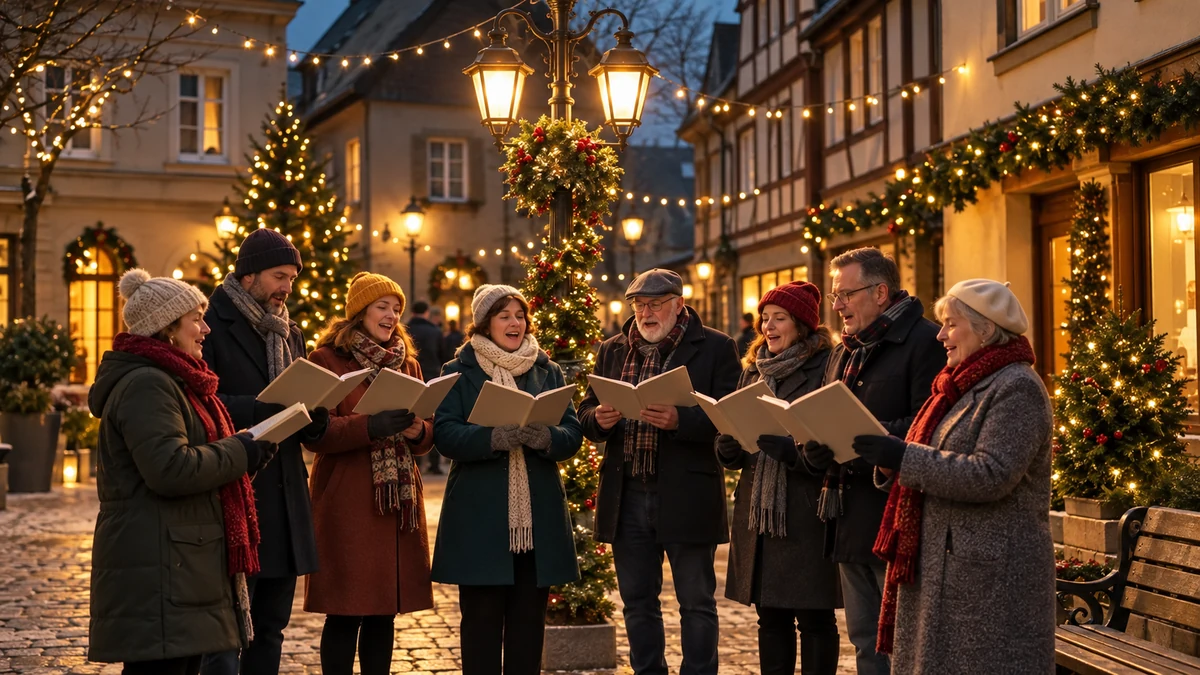
Singing, games and amateur performances have accompanied Christmas gatherings in many communities. Their forms vary, and not all the games below are specifically ancient or unique to Christmas. They are useful starting points for sharing family memories and making a gathering welcoming.
Group Games and Simple Performances
Circle games and short performances can include several generations. Choose a clear, accessible space and adapt movement to the people taking part. Seated versions are often easier to share than running or jumping games.
- Singing circle: sit or stand together and repeat a short refrain, with anyone who wishes taking a turn to lead.
- Musical movement: pass a soft object or pause a simple seated action when the music stops. This avoids the scramble and exclusion of competitive musical chairs.
- Nativity storytelling: invite willing participants to read or act out a short account using simple costumes. Explain its religious meaning respectfully and make participation optional.
Songs and Short Verses
Traditional songs may be passed on by ear, often through memorable refrains. Ask where a version came from and preserve variations rather than presenting one family arrangement as the only authentic version.
With the singer’s permission, record a short demonstration and note the words. Check rights before publishing lyrics or recordings: an old song, a modern arrangement and a particular performance can have different permissions. A private family record does not automatically permit public distribution.
Brazilian Seasonal Performances
Brazil’s pastoris, reisados and Folias de Reis bring together music, performance and religious traditions in distinct local forms. They are living cultural practices, not simply lost entertainment. Brazil’s heritage body, Iphan, has documented work towards recognising reisados and Folias de Reis; learn from the communities that maintain them. Source: IPHAN — Reisados and Folias de Reis heritage work
If you want to introduce children to one of these traditions, use a documented account or attend a community-led event. A short family play can be enjoyable, but describe it as your own adaptation rather than an authentic recreation of a complex local practice.
Helping Children Join In
- Explain briefly: tell children what the activity means in clear, age-appropriate language.
- Demonstrate first: sing the refrain or show a simple movement slowly.
- Practise in small parts: repeat a short section without expecting everyone to learn immediately.
- Choose suitable props: use large paper stars or age-appropriate instruments, avoiding small detachable pieces and long cords around young children.
- Return to it regularly: repeat the activity if people enjoy it, allowing it to change with the family.
Researching and Recording Customs
Parish collections, old newspapers and cultural centres can offer useful leads. Talking with older residents may reveal songs, movements and expressions that were never formally recorded. Treat recollections as personal accounts and note uncertainties honestly.
Use audio, photographs and written notes with agreed permissions. A clearly organised family folder can make the material easier to revisit, while private or sensitive contributions should remain restricted.
You could organise a small afternoon of singing and storytelling. Explain any recording plans beforehand, let people decline, and agree who may see or hear the results. Learning together matters more than producing a public performance.
Nativity Scenes: Materials, Meaning and Care
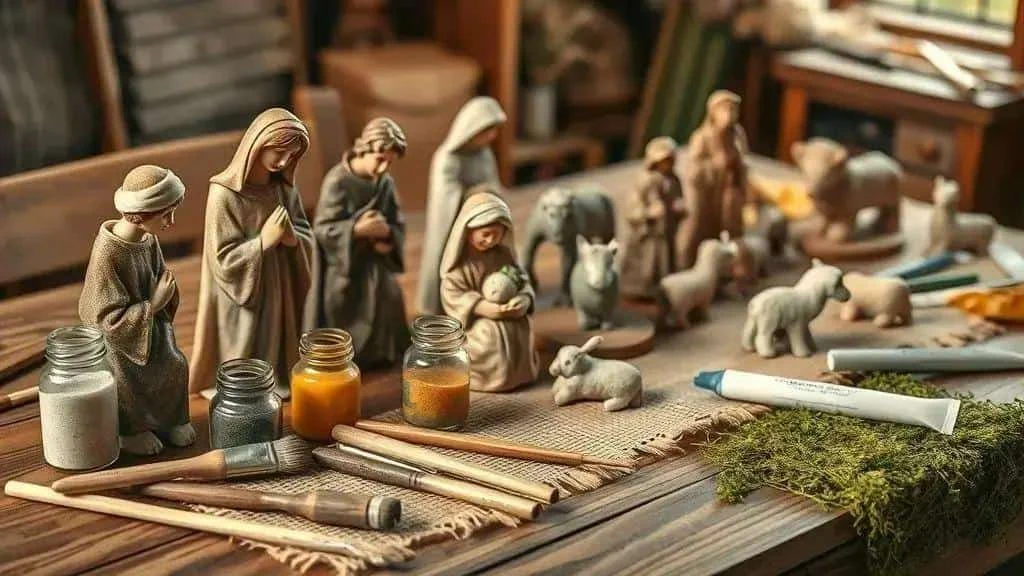
Nativity sets can be handmade, manufactured, inherited or newly bought. Their materials and appearance change, but that does not make one family’s display less meaningful than another. Research individual objects and the stories attached to them.
Different Materials and Styles
Figures made from plastic or resin can sit alongside clay, carved wood and fabric. Electric LED lighting can also be a practical choice. If you want to support craft skills, buy from a maker or learn about their process, without assuming that modern materials have erased the meaning of Christmas.
Religious and Family Meanings
A Nativity scene has a specific Christian meaning, while families may also value it as an inherited object or shared activity. Its symbolic importance depends on the people using it. Ask about those meanings rather than assuming that a decorative display indicates a loss of faith.
Looking After Older Pieces
Handle fragile figures as little as possible and keep them away from direct sunlight, damp and sudden environmental changes. Do not wash, glue or repaint a valuable or fragile piece yourself. Even brushing can detach flaking paint: ask a qualified conservator for advice when surfaces are unstable or an object is damaged.
Building a Display with Traditional Materials
You can make a modest display from suitable new materials, keeping delicate heirlooms out of children’s reach. Possible elements include:
- A manger: a smooth wooden or woven container without sharp edges.
- Central figures: Mary, Joseph and the infant Jesus in a material suited to the setting.
- Animals and shepherds: figures made from clay, fabric or wood, with small parts kept away from young children.
- Scenery: textured fabric or paper, rather than gathering wild moss or placing loose small stones within children’s reach.
- Gentle lighting: suitable LED lights used according to their instructions, with leads and battery compartments secured.
Finding Makers and Family Stories
Local craft fairs, church collections and family cupboards can be starting points. Talking to makers and older relatives may reveal how a figure was made or why it became important. Keep provenance notes with photographs where possible.
A community workshop can make new figures from appropriate materials. Keep this separate from restoring antiques, which may require specialist conservation. Creating something new can still become part of a family’s Christmas tradition.
Adapting Older Traditions at Home

Bringing a custom into today’s home need not involve a large event. Choose something meaningful, keep the first attempt manageable and adapt it to the space, time and people available.
Start with One Meaningful Activity
Pick one practice, such as a song, decoration or recipe. Give people room to contribute their own memories and preferences. Repetition can build familiarity, but a tradition should not become an obligation nobody enjoys.
Activities to Try Together
- Decoration workshop: make paper stars or simple wreaths using age-appropriate materials and adult help with cutting.
- Family recipe evening: choose a fully specified recipe, prepare it together and record the version you used.
- Carol session: set aside a short time after dinner to sing; record only with everyone’s agreement.
- Shared Nativity display: invite households to make a new figure or lend a suitable existing one, with care agreed in advance.
Making the Activity Manageable
Ready-made pastry, a recipe designed for baking rather than frying, or tasks shared across several people can reduce pressure. Follow safe preparation and storage instructions when working ahead. Adaptations may change the result, and that can become part of the story you record.
Teaching Children and Beginners
- Keep explanations short: say where the custom comes from and distinguish known facts from family recollections.
- Show each step: demonstrate slowly so people can follow without feeling rushed.
- Practise together: begin with the easiest part and welcome mistakes.
- Use visual reminders: pictures, large paper stars and short scripts can help.
- Make room next year: note what worked and decide together whether to repeat it.
Recording and Sharing Memories
Photograph the finished dish, scan a recipe book or record a short conversation with permission. Digital folders can connect relatives who live apart. Use clear filenames and access settings rather than automatically making everything public.
Practical Care and Inclusion
Offer tasks suited to different ages and abilities. Discuss allergies and dietary requirements in advance, keep ingredients identifiable, and choose appropriate lighting and materials. For shared buildings or outdoor events, check access, permissions and safety arrangements.
Try the activity with a few people first. Afterwards, ask what they enjoyed and what could be easier. A small, welcoming gathering is a worthwhile outcome in itself.
Finding Memories in Archives and Local Communities
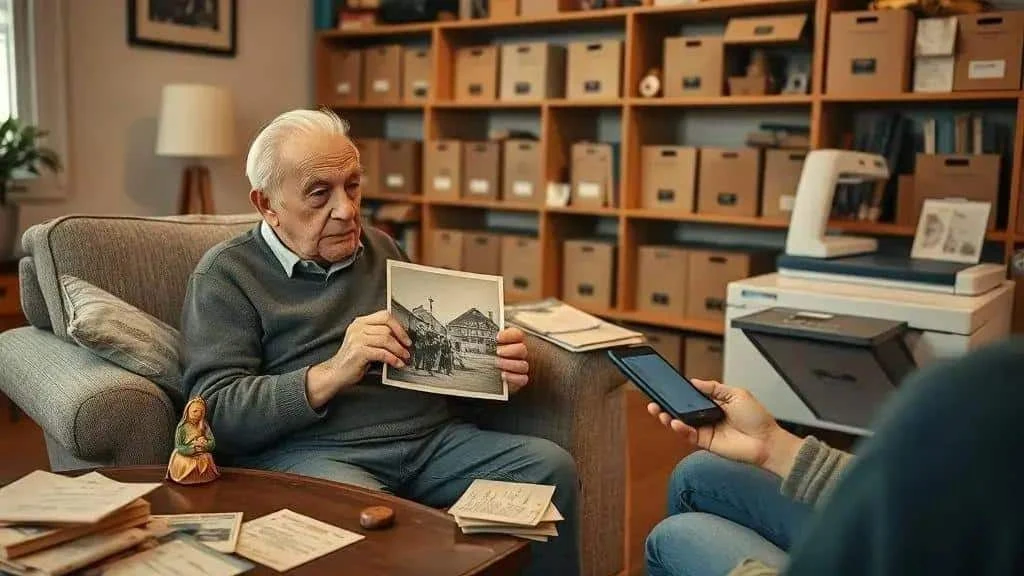
Combining written records with personal accounts can reveal how Christmas customs changed in a particular place. Keep track of your sources, including gaps and conflicting memories, rather than forcing them into a single story.
Public Archives and Collections
Try local archives, libraries and parish collections for photographs, programmes and newspaper reports. In the UK, a local studies library or county record office can be a useful first contact. Relevant collections in Brazil may use different names and access arrangements.
- Check opening times, appointments and copying rules before visiting.
- Ask whether digital copies are available and what permission is needed to share them.
- Record the date, title, collection reference and page or image number.
Interviews and Oral History
A short, respectful interview can preserve details that would otherwise be lost. Explain the purpose, allow breaks and let the contributor decide what they want to discuss.
- Prepare open questions: ask what happened, who took part, what people sang or ate, and roughly when it was.
- Agree consent: explain recording, storage and intended use, including any publication. Record only with permission and document any restrictions. Source: Oral History Society — informed consent
- Use simple equipment: a phone or portable recorder can work well in a quiet room; test the sound before starting.
- Add context: note the date, place and the contributor’s connection to the tradition, subject to their privacy wishes.
Newspapers, Leaflets and Local Media
Search event notices, photographs and community reports. Useful terms include carol procession, community Christmas meal, Nativity play and seasonal singing, alongside the place name. Use the original local-language terms when researching another country.
- Narrow searches by date, but leave room for uncertain recollections.
- Save source links and reference details; make copies only where permitted.
Communities, Churches and Makers
Local organisers, religious communities, craftspeople and long-standing businesses may hold programmes, objects or memories. Approach them respectfully and recognise their knowledge rather than treating traditions as material to extract.
- Suggest a short conversation and accept a refusal without pressure.
- You can offer help scanning photographs or labelling objects, without making that help conditional on someone sharing a personal story.
Organisation, Preservation and Ethics
A small collection becomes more useful when it is clearly organised and handled with care. Privacy, ownership and permission are part of preservation, not an afterthought.
- Use clear filenames: for example, YYYY-MM-DD_type_place_contributor, omitting names where privacy requires it.
- Keep descriptive notes: record a summary, keywords and permissions; store private contact details separately from public files.
- Keep backups: retain at least two copies in separate locations, such as an external drive and a suitably protected cloud folder.
- Protect physical objects: use suitable archival enclosures for paper and appropriate padded support for fragile objects; seek advice for damaged or unstable materials.
- Respect rights and privacy: agree how stories and images may be used, including contributions involving other identifiable people.
Sharing the Collection
A small display, workshop or private digital collection can help others reconnect with local memories. Choose the format around the permissions you have and the needs of the contributors.
- Arrange an informal session to show selected findings and invite further memories.
- Keep high-quality original recordings and scans where possible, with convenient access copies such as MP3, JPG or PDF. Avoid replacing the originals with repeatedly compressed copies.
- Share short extracts on local social media only where permissions cover that use, and avoid publishing private details.
Recording one song or identifying a photograph is already worthwhile. A collection grows through careful, modest contributions rather than a rush to gather everything.
Keeping Christmas Memories Alive
A recipe, verse or decoration can bring generations into conversation. Research its context, record what people actually remember and adapt the activity thoughtfully. Continuing a tradition does not require pretending that the past was uniform or perfect.
Explore the I Love Christmas blog for more seasonal ideas, and follow our social channels for further inspiration. Choose one memory to record or one activity to try with people close to you.
Thank you for reading. If you share a family memory, respect the privacy of everyone involved and make clear whether it is a personal recollection or a documented historical account.
Frequently Asked Questions About Older Christmas Traditions
What are older Christmas traditions, and have they disappeared?
They are customs, songs, recipes and rituals passed through families or communities. Some become less familiar or change over time, while others remain active. Their history needs to be understood locally rather than assuming a universal decline.
How can I bring back a custom without making Christmas more complicated?
Choose one manageable activity, such as a song, recipe or decoration. Share tasks, adapt it to the people involved and repeat it only if it remains enjoyable.
Where can I research local Christmas customs?
Try local archives, libraries, parish collections, old newspapers and community groups. Personal memories can add valuable detail, particularly when recorded with consent and compared with other sources.
How can I adapt a traditional recipe for today’s kitchen?
Use a complete, reliable recipe and record changes. Ready-made components or shared preparation can save time, but substitutions and different cooking methods may alter the result. Do not improvise preserving methods or shorten essential cooking times.
How can I teach children older songs and games?
Explain the context briefly, demonstrate a simple part and practise together. Use age-appropriate props, offer seated options and let children choose whether to participate.
How should I look after an older Nativity set?
Handle it carefully and protect it from damp, direct sunlight and sudden environmental changes. Do not wash, glue, repaint or brush unstable surfaces. Ask a qualified conservator about damaged, fragile or valuable pieces.
Sources and Further Reading
- IPHAN — Reisados and Folias de Reis heritage work
- Oral History Society — getting started
- Oral History Society — informed consent
- Oral History Society — legal and ethical considerations
- Food Standards Agency — botulism and food preservation