
A Christmas family games session brings together simple activities, clear rules and thoughtful prizes. Plan the space, materials and timing, then offer flexible roles so different generations can enjoy the occasion together. Cooperation and comfort matter more than a perfect score.
Christmas family games can add a shared activity to the celebrations before or after your meal. If you want straightforward rules, inexpensive materials and something for children and adults, these five ideas provide a practical starting point. Choose the ones that suit your gathering rather than making participation compulsory.
Illustrations in this article are conceptual images, not documentary photographs or evidence of a particular historical event, destination, venue or access route.
Why organise Christmas family games?

A shared games session gives relatives a chance to spend time together, cooperate and join in beyond sitting down for the meal. It can be lively or quiet, competitive or collaborative, depending on the group.
What the activities can offer
- Shared memories — working on a task together can prompt conversations and stories after the celebration.
- Different ways to join in — adaptable roles allow children, teenagers and adults to contribute comfortably.
- Teamwork — cooperative tasks give people a reason to listen and make decisions together.
- Creative practice — simple games offer opportunities to draw, plan, solve clues and handle craft materials, without promising particular developmental outcomes.
- A modest budget — many activities use suitable items already at home, so there is no need for elaborate equipment.
Including different ages and needs
Offer a choice of difficulty and roles, and ask what would help people participate. Nobody should have to explain a private health condition to request an adjustment.
- Mix interests and skills across teams, rather than assuming age determines ability or energy.
- Provide seated and less physical options for anyone who wants them.
- Use pictures, large print, spoken clues or logic puzzles according to the participants’ preferences.
- Allow changes of role, a partner’s help or a break without penalising the team.
Practical starting points
- Choose the aim and length: decide whether to keep scores or simply play together. A 30–90-minute session is one possible range, with the number of activities adjusted accordingly.
- Choose the space: use a clear room or suitable garden area, removing fragile objects and keeping exits unobstructed.
- Prepare simple supplies: use paper, tape, lightweight boxes and large unbreakable decorations. UK product-safety guidance highlights hazards from small objects, magnets and button batteries; these do not belong in young children’s game kits. Source: Office for Product Safety and Standards: small hazards big harm
- Agree the rules: explain the scoring, boundaries and any consequences for deliberate unfair play before starting.
- Choose thoughtful rewards: homemade certificates or choosing the next family film can recognise participation. Avoid prizes that require hugs, unwanted physical contact or embarrassing tasks.
A quick plan: date, space and duration
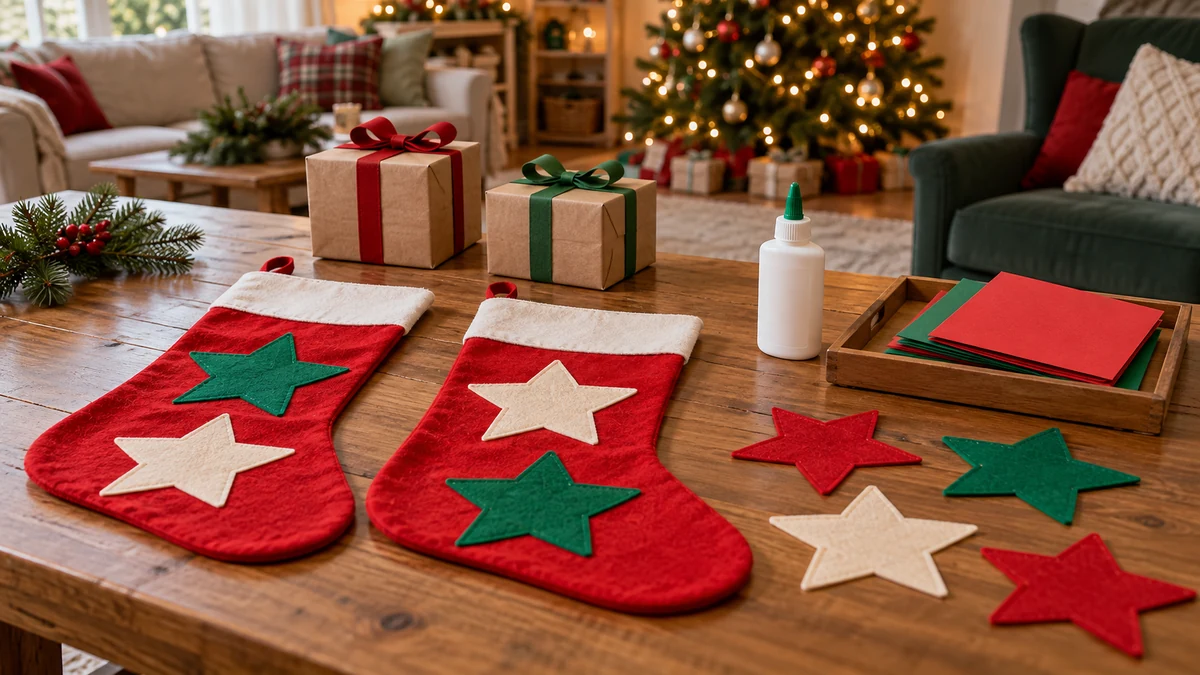
Start with the practical decisions: who is coming, when they are available, where the activities can happen and how much time the group wants to spend playing.
Planning step by step
- Set the date and time: check availability and consider meals, children’s naps and travel arrangements.
- Confirm participants: ask privately about access needs and relevant food allergies if prizes include food. Share only what the organiser needs to know.
- Prepare the space: identify the activity area, remove fragile objects and use markings that will not catch feet or mobility aids.
- Set the total length: around 45–60 minutes may suit a mixed group; a shorter 20–40-minute session may suit some younger children. Treat these as planning examples, not age-based rules.
- Allocate realistic time: include introductions, transitions, breaks and the finish. Choose three short rounds for an hour, or extend the session if you want all five activities at their full length.
- Prepare the kits early: put paper, tape, pens and other supplies in separate trays, with spare suitable materials available.
- Plan alternatives: prepare seated versions and agree fair scoring that does not penalise access adjustments.
- Have a backup plan: move indoors if weather or footing is unsuitable. Keep first-aid supplies accessible and know how to get help if needed.
An example one-hour programme
- 0–10 minutes: welcome, explain the rules and form the teams.
- 10–15 minutes: demonstrate a simple practice task.
- 15–50 minutes: play three short rounds of about 8 minutes each, leaving the remaining 11 minutes for changes and a break. A full treasure hunt or longer craft needs its own larger slot.
- 50–55 minutes: total the scores and prepare the recognition categories.
- 55–60 minutes: thank everyone, give prizes and take an optional group photograph.
Quick tips
- Keep a timer visible and give gentle reminders rather than startling alarms.
- Reuse clean, suitable materials; discard damaged decorations or anything with sharp edges.
- Choose one host to explain transitions and keep the session moving.
- Reward cooperation and creativity as well as correct answers.
- Ask permission before taking pictures, and do not interrupt every activity to photograph it.
Five activities: aims, materials and rules
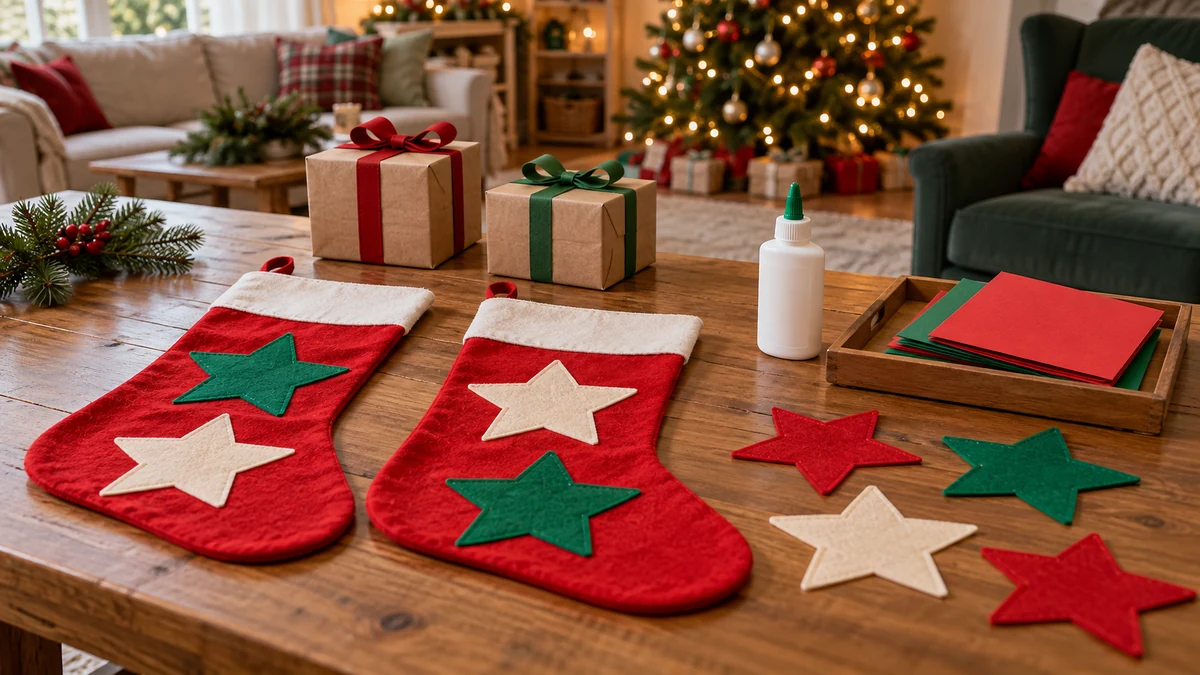
Here are the five activities at a glance, followed by more detailed instructions for the treasure hunt, wrapping challenge and charades. The timings are alternatives to fit your programme, not tasks that all fit into the same short slot.
Christmas treasure hunt
Aim: work together to follow clues and find a festive surprise.
Materials:
- Numbered clue cards
- Envelopes to hold the clues
- Suitable non-food keepsakes, or food prizes with ingredients checked and an alternative available
- Pencils and paper for notes
- A simple map or picture guide, if useful
Rules:
- Create teams with similar numbers and a choice of roles.
- Give each team its first clue at the same time.
- Agree a total limit, such as 20–30 minutes for a stand-alone hunt, or use fewer clues for a short round.
- Ask the organiser to replace any damaged or unreadable clue; do not penalise an accidental tear or an accessible-format request.
- Choose in advance whether to count correctly solved clues or completion of the whole route.
Gift-wrapping challenge
Aim: practise cooperation and a creative finish with simple wrapping materials. Speed is optional.
Materials:
- Lightweight empty boxes of comparable size
- Wrapping paper, preferably cut to suitable sizes beforehand
- Short ribbons, bows and labels
- Appropriate round-ended scissors for supervised users, or no scissors when paper is pre-cut
- Adhesive tape
Rules:
- Give each team one empty box per round.
- Agree a comfortable limit, such as 5–8 minutes, and extend it when needed.
- Award points for practical wrapping and the chosen decorative finish rather than demanding hurried cutting.
- Pause immediately if tools are used unsafely; adult supervision is required for children using scissors.
- Keep ribbon short and on the table, never around a neck, limb or face.
Christmas characters and songs: charades
Aim: share familiar festive references through gestures and guessing.
Materials:
- Cards naming characters, films or song titles
- Simple comfortable hats or props, if wanted
- A clock or timer
Rules:
- The player acts out the card without speaking in the standard version.
- Give the team around 60 seconds to guess, adjusting the limit if needed.
- Award a fixed score per correct answer and allow a pass on an unfamiliar or uncomfortable card.
- Offer drawing, writing, spoken clues or a partner where preferred; no single alternative suits every access need.
Christmas jumper and costume parade
Aim: create a festive look together and show it in a comfortable, light-hearted way.
Materials:
- Old tops, T-shirts or jumpers that participants are happy to decorate
- Large paper or felt shapes and short fabric strips; avoid broken CDs and sharp decorations
- Suitable craft glue, removable tape and pre-cut pieces
- Comfortable hats, gloves or securely attached fabric bows, if wanted
Rules:
- Allow 10–15 minutes for a simple design, with extra drying time for any glue.
- Offer a brief presentation on clear, level flooring, a seated display or a photograph of the outfit alone. Do not build a raised makeshift catwalk.
- Choose broad categories such as imaginative design, thoughtful reuse or best teamwork.
- Keep small loose parts, long cords, sharp pins and battery lights out of children’s costumes. Do not attach decorations while someone is wearing the garment if tools or glue could cause harm.
Make an ornament or miniature tree
Aim: plan and assemble a small decoration using a limited set of materials.
Materials:
- Large felt shapes, paper bows and age-appropriate stickers
- Clean cardboard tubes and fabric scraps, without tiny bottle tops or sharp edges
- Suitable washable craft glue, tape and pre-cut pieces or supervised scissors
- A stable cardboard base or pre-made paper cone, rather than a glass bottle
Rules:
- Give each team an equivalent kit, adding accessible tools where needed.
- Allow 15–20 minutes for a simple design, plus drying time.
- Consider creativity, practical construction and how the materials were used.
- Recognise thoughtful reuse and shared problem-solving without encouraging extra clutter or unsafe materials.
Idea 1: Christmas treasure hunt in detail

Teams follow clues around a permitted part of the house or garden to find a final surprise. Keep the route short, accessible and easy for the organiser to supervise.
Aim
Encourage teamwork, observation and discussion through a sequence of manageable puzzles. Enjoyment is the aim, not testing how fast someone can run.
Materials
- Cards or paper with written, drawn or large-print clues
- Envelopes for each clue location
- Suitable keepsakes or a voucher to choose a shared family activity
- Pens and paper for team notes
- Removable tape to attach clues securely without damaging surfaces
- A lightweight box for the final treasure
Rules
- Balance team numbers and offer roles such as reader, solver and clue collector.
- Start teams together, using separate colour-coded routes if the space would otherwise become crowded.
- Identify out-of-bounds areas, including the working kitchen, stairs, private rooms and places with fragile items. Keep clues away from sockets, heaters and tree cables.
- Set the total time before starting. Count solved clues when time runs out, with extra time or support for agreed adaptations.
- Leave other teams’ envelopes alone; explain any consequence for deliberate interference beforehand.
- The organiser can give a hint when a clue is unclear. Help needed for reading or access should not cost points.
Quick setup
- Write the route: prepare around 6–10 clues for a longer hunt, with fewer for a short session. Check that the sequence has one clear answer at each stage.
- Place the clues: put each card where the previous answer directs players, within comfortable reach, then test the full sequence.
- Create the teams: share out roles and give each team paper and a pen.
- Explain the boundaries: cover permitted locations, walking only, timing and the way points will be counted.
- Begin: hand out the first clue and start a visible timer.
- Finish and score: check solved clues and use an agreed extra riddle or a shared result if scores are tied.
Tips and variations
- Offer illustrated clues for younger children and optional riddles for participants who enjoy them.
- Include a short task, such as naming a song or fitting together a large paper puzzle, while providing a non-performance alternative.
- If adding decoy clues, make them optional and clearly within the permitted area. Skip them if they are likely to frustrate or confuse the group.
- For a cosy evening version, use torches as props in a well-lit room. Do not darken walking routes or send children outside to search after dark.
- In a small space, bring numbered envelopes or boxes to a table so the whole hunt can be completed seated.
Scoring and prizes
One simple system is 10 points per solved clue, with an optional deduction only for deliberate interference explained in advance. Prefer a shared completion bonus to rewarding a rush through the route. A handmade trophy or choosing the next family playlist can be enough; no prize should require unwanted contact or embarrassment.
Idea 2: gift wrapping in detail
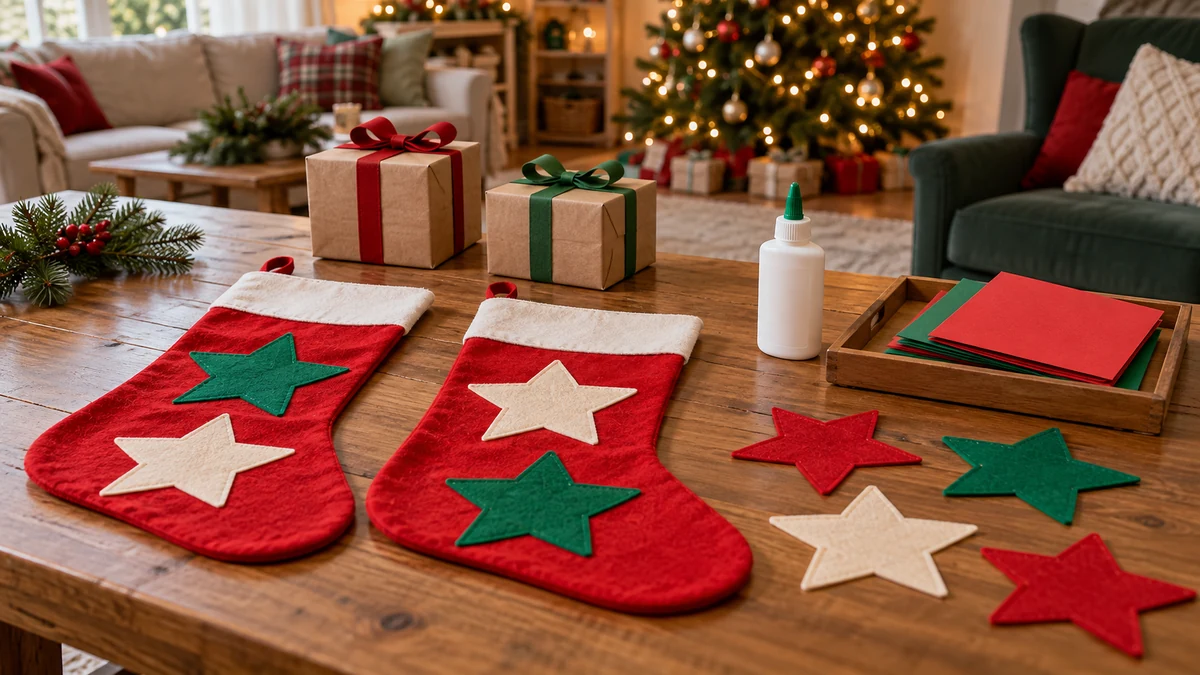
This table-based challenge combines practical wrapping and an imaginative finish. Pairs can divide the folding, taping and decorating in whatever way works best for them.
Aim
Practise cooperation and dexterity through a manageable creative task. A time limit can add structure, but should not make anyone rush with tools.
Materials
- Empty lightweight boxes of similar size, one per team or round
- Wrapping paper in sheets large enough for each box
- Adhesive tape, with pieces prepared in advance if that makes handling easier
- Appropriate round-ended scissors for supervised use, or pre-cut paper so no cutting is needed during the round
- Short ribbon pieces and paper bows for decoration
- Labels and pens
- A clock or timer that everyone can follow
- A stable table at a comfortable height, with room for seated participation
Rules
- Give teams comparable boxes and materials, with any accessible tools they need.
- Set a comfortable limit, for example 5–8 minutes per box, rather than making every participant meet a very short deadline.
- Use the supplied kit, but replace torn paper or unsuitable tools without penalising someone who needs help.
- For example, award 5 points for a functional wrapping and up to 5 points for the decorative idea. Agree how extra time will be handled fairly.
- Nobody should run with scissors or move around carrying exposed blades. Supervise children and stop cutting before a timed finish.
- Pause unsafe handling immediately and explain how to continue safely; a points deduction is not a substitute for supervision.
Step by step
- Set up each station: provide the box, roughly sized paper and tape before starting.
- Explain the criteria: show how the functional wrapping and decoration will be assessed.
- Start the round: begin the timer once everyone is ready and comfortably positioned.
- Wrap the box: fold the paper around it and secure the edges with tape.
- Add a finish: attach a short bow or label, keeping loose ribbon away from faces and bodies.
- Show the result: put tools down before presenting the box for judging.
- Record the scores: note the result and offer a change of role before another round.
Adaptations
- Ask which part of the task each person wants to do. Provide easy-grip tools, a partner or a different role without assuming that mobility needs rule out cutting or folding.
- Prepare paper and shapes in advance for young children and anyone who prefers not to use scissors.
- Add recognition for an imaginative design or thoughtful use of leftover paper.
- If space is limited, take turns at one accessible table rather than crowding several teams into a narrow area.
- Reuse clean paper and boxes where practical, checking that the materials remain suitable for the activity.
Idea 3: Christmas charades in detail

Players act out familiar festive characters, films or song titles while their team guesses. Choose references the group knows and make it easy to pass on anything uncomfortable or unfamiliar.
Aim
Explore non-verbal communication and creativity through a light-hearted team game, with alternative formats available rather than compulsory performance.
Materials
- Cards naming festive characters, films, song titles or simple scenes
- A box from which to draw the cards
- A timer for each round
- Simple optional props such as comfortable hats, without masks that restrict vision or long trailing scarves
- A notebook and pen for the scores
Rules
- Only the person giving the clue sees the card until the round ends.
- In standard charades, use gestures without speech or written words. Agree alternative communication formats before the round.
- Allow around 45–60 seconds, or more where helpful, and award the same points for a correct answer in an adapted version.
- Pointing and gestures are allowed; agree whether spelling or writing clues is part of your version. Players can remain seated throughout.
- Offer spoken clues, drawing, writing or a partner according to preference. Drawing is not automatically accessible to someone who finds gestures difficult.
- Allow a card to be exchanged without embarrassment. Decide any general pass limit beforehand, while keeping access-related changes free of penalty.
Step by step
- Prepare the cards: a pool of 30–50 ideas may suit a longer session; make fewer for a short game and mix easy and more challenging references.
- Create the teams: mix interests and familiarity with songs or films, rather than assuming all ages share the same references.
- Explain the format: cover time, passes, adaptations and scoring.
- Draw and begin: give the player time to read or hear the card privately before starting the timer.
- Record the answer: note correct guesses and use an extra round or a shared result for a tie.
- Offer turns: invite people to rotate roles, while respecting anyone who prefers guessing or watching.
Tips and variations
- Let teams choose among characters, songs and films, with any scoring difference agreed in advance.
- Offer familiar animation characters, well-known songs and older films as options, without restricting categories by age.
- A 30-second express round can be optional for players who enjoy it. Keep an untimed alternative available.
- Adapt the communication method to the person: drawing, speaking, writing and partnering are options, not interchangeable solutions for every disability.
- Give light-hearted recognition for an imaginative clue, supportive teamwork or a particularly enjoyable guess, rather than ranking someone’s confidence.
Scoring, thoughtful prizes and accessible variations
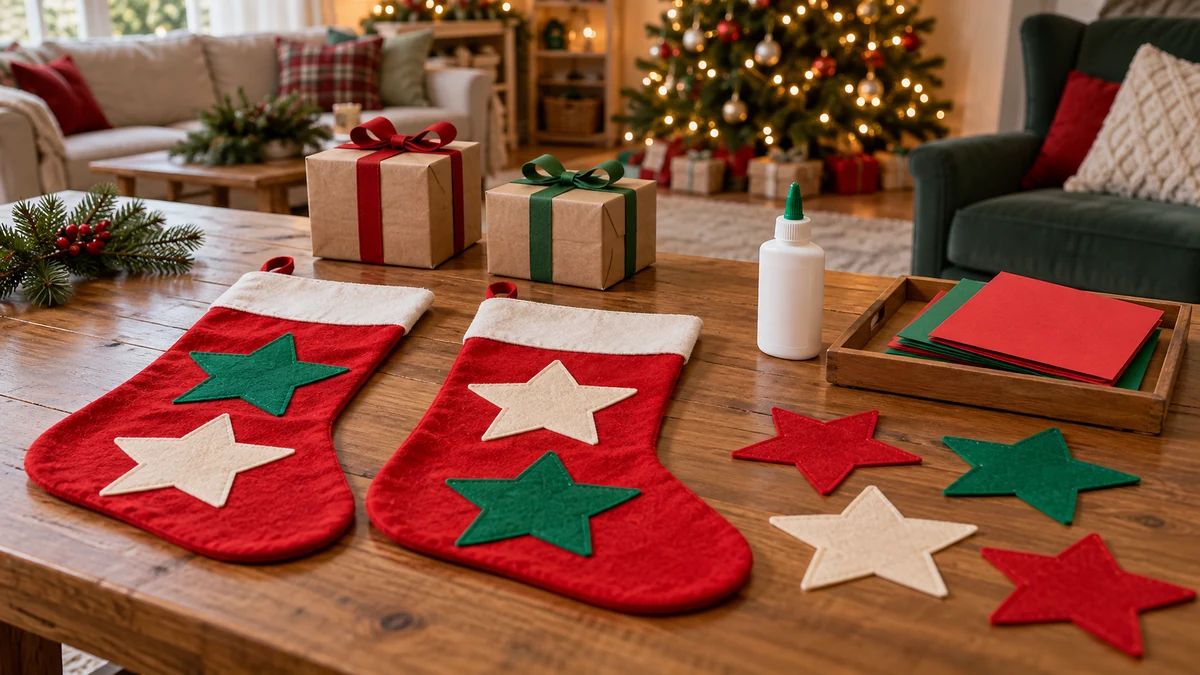
Clear scoring and flexible rules help keep the session friendly. Decide what matters most before starting: finishing together, solving clues or a small amount of competition.
A simple scoring system
Choose one easy-to-follow approach instead of combining every example below.
- Points per activity: one option is 10 points for first place, 7 points for second and 5 points for completing the task. Cooperative rounds can give all teams the same completion score.
- Creative bonuses: for example, 3 points for an imaginative solution and 2 for helpful teamwork, using the same criteria for everyone.
- Conduct: explain any deduction for deliberate interference, such as opening another team’s clue. Never penalise an adaptation or a request for help; stop unsafe play at once.
- Tie-breaks: use a short extra riddle, another creative round or a shared win. Avoid speed as the deciding factor where it undermines agreed access adjustments.
- Transparency: keep a visible scoreboard and read out updates as needed after each round.
Thoughtful prizes and categories
Choose rewards that recognise the shared experience rather than creating a large difference between winners and everyone else.
- Choice vouchers: choosing a family film, suggesting the next playlist or planning a shared meal, with everyone’s preferences respected.
- Homemade trophies: cardboard awards, printed certificates or a decorated lightweight box; avoid glass trophies for young children.
- Small gestures: an agreed offer of help with a task, or a certificate thanking someone for encouragement. Do not make affection or physical contact a reward that others must provide.
- Friendly categories: imaginative design, helpful teammate or thoughtful problem-solving, each with a simple acknowledgement.
Variations for different participants
Prepare options, then ask people which they would like. Ability, confidence and preferences vary within every age group.
- Young children: picture clues, large pre-cut materials, extra time and an adult partner can make participation easier.
- Teenagers: offer optional strategy or creative challenges, without assuming they all want a competitive version.
- Adults and older relatives: provide the same choice of active, seated and organising roles, based on preference rather than age.
- Mobility access: allow enough space for mobility aids, suitable seating and reachable materials. A participant may prefer solving, making, giving clues or working with a partner.
- Sensory preferences: avoid loud alarms and flashing lights, offer a quieter space and choose written, spoken, visual or tactile clues according to individual needs.
- Shared goals: combine interests across teams and turn some rounds into a collective target instead of a race.
Recording and celebrating
Thank people for their contributions and offer prizes without requiring a public performance. Ask before photographing anyone or sharing results and images outside the group, especially where children are involved.
To finish
Christmas family games provide a simple way to spend time together and make the celebration more participatory, whether you choose one activity or a longer programme.
Keep the rules flexible, the materials appropriate and the rewards thoughtful. A break, a different role or choosing not to play should always be acceptable.
Thanks for reading. Follow our social channels and visit the I Love Christmas blog for more festive ideas. Share photographs only with permission from everyone pictured.
Tell us in the comments which activity your group enjoyed and which adaptations worked well, without posting anyone’s private information.
Christmas family games: frequently asked questions
How can older relatives and people with reduced mobility take part?
Ask what they prefer, then offer suitable seating, reachable materials, a partner or different communication formats. Do not assign a less active role solely because of someone’s age or disability.
How long should a session with children and adults last?
Around 45–60 minutes can be a useful starting point, with fewer or shorter rounds if the group prefers. Allow extra time for a full craft activity or treasure hunt; all five full-length activities will not fit into a short programme.
What inexpensive supplies do I need?
Paper, tape, lightweight boxes, pens, suitable decorations and symbolic prizes cover many activities. Pre-cut craft materials reduce the need for scissors, and reused items should be clean and undamaged.
How can I make the session safer?
Keep routes clear, use appropriate materials, supervise children and stop unsafe handling immediately. Avoid running with tools, dark routes, small hazardous parts and slippery surfaces.
How do I make scoring clear and fair?
Choose one simple system, explain it beforehand and keep the scores visible. Reward cooperation, apply criteria consistently and never deduct points for accessibility adjustments.
What if there is little space or only a small group?
Use table-based games, take turns and choose fewer activities. Pairs or one cooperative team can work just as well as several competing teams.