New Year is a major family celebration in Russia, often associated with a decorated yolka tree, Ded Moroz and Snegurochka, a festive meal and a midnight toast. Customs vary between households and regions; public events and fireworks depend on current local arrangements rather than a fixed nationwide programme.
New Year in Russia brings together familiar winter imagery, family meals and distinctive festive characters. This guide explores those customs and offers ideas for a celebration at home, including the Brazilian adaptations in the original article. It is a cultural introduction, not a recommendation to travel: when checked on 18 October 2026, the FCDO advised against all travel to Russia. Source: FCDO: current Russia travel advice
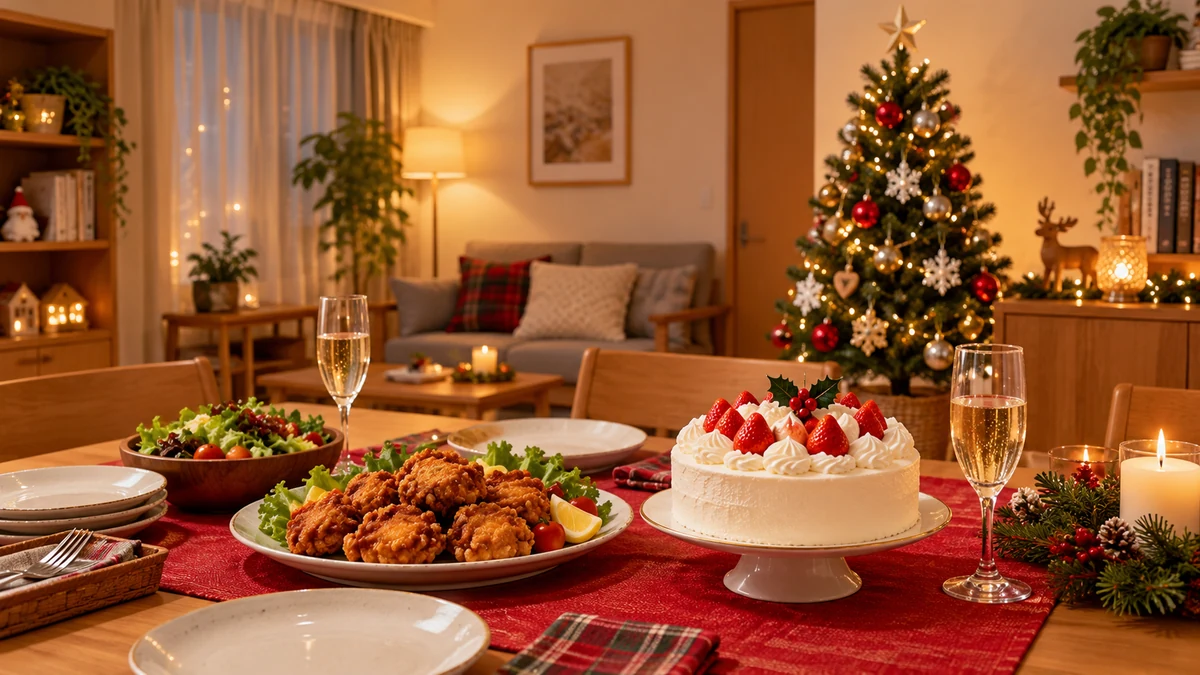
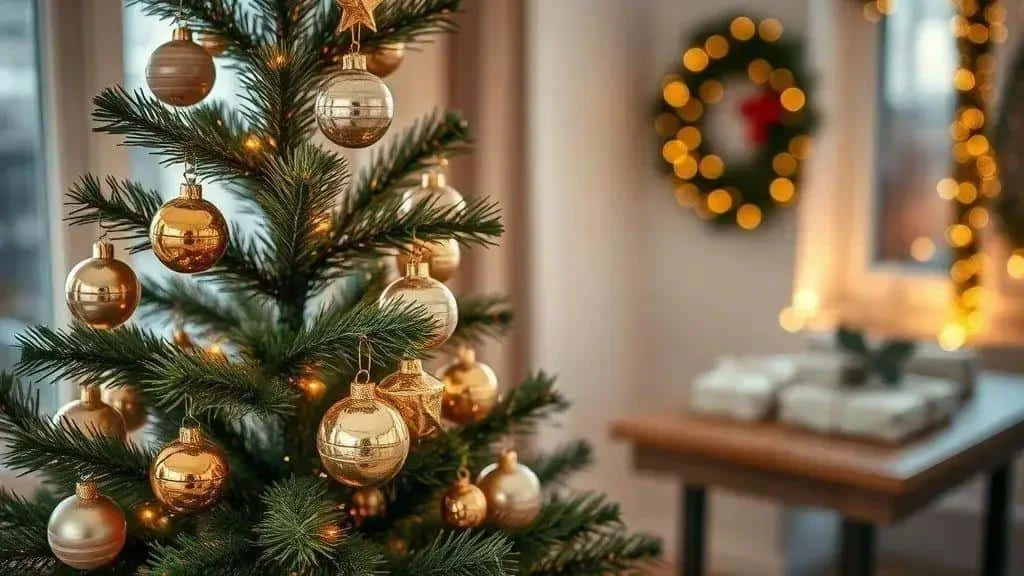
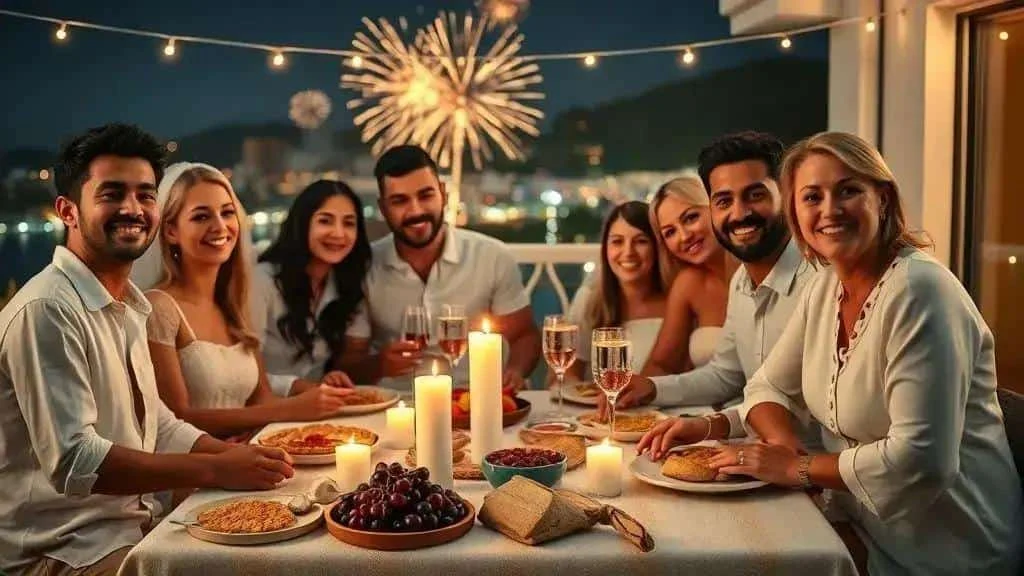
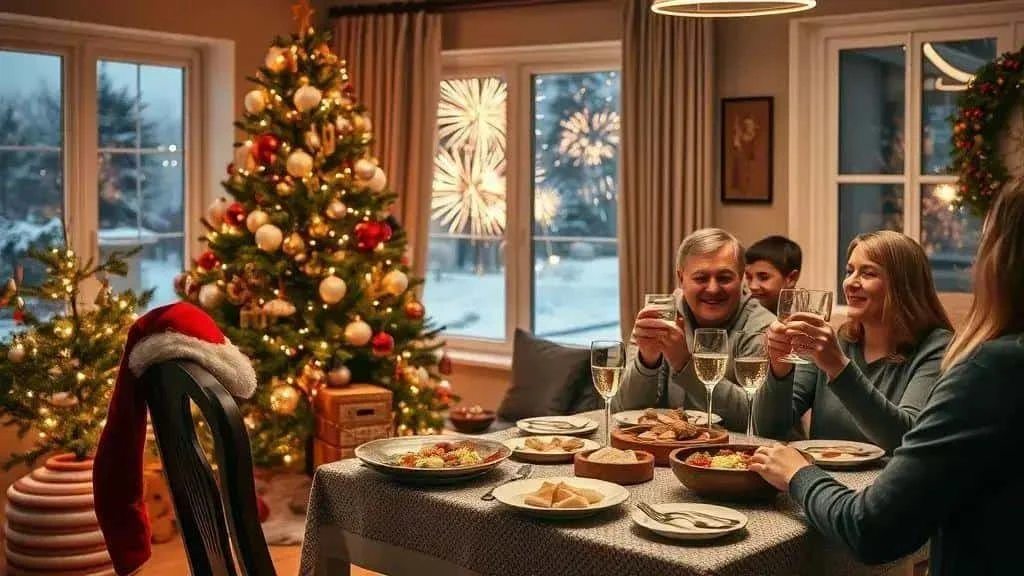
Illustrations in this article are conceptual images, not documentary photographs or evidence of a particular historical event, destination, venue or access route.
The history and importance of New Year in Russia
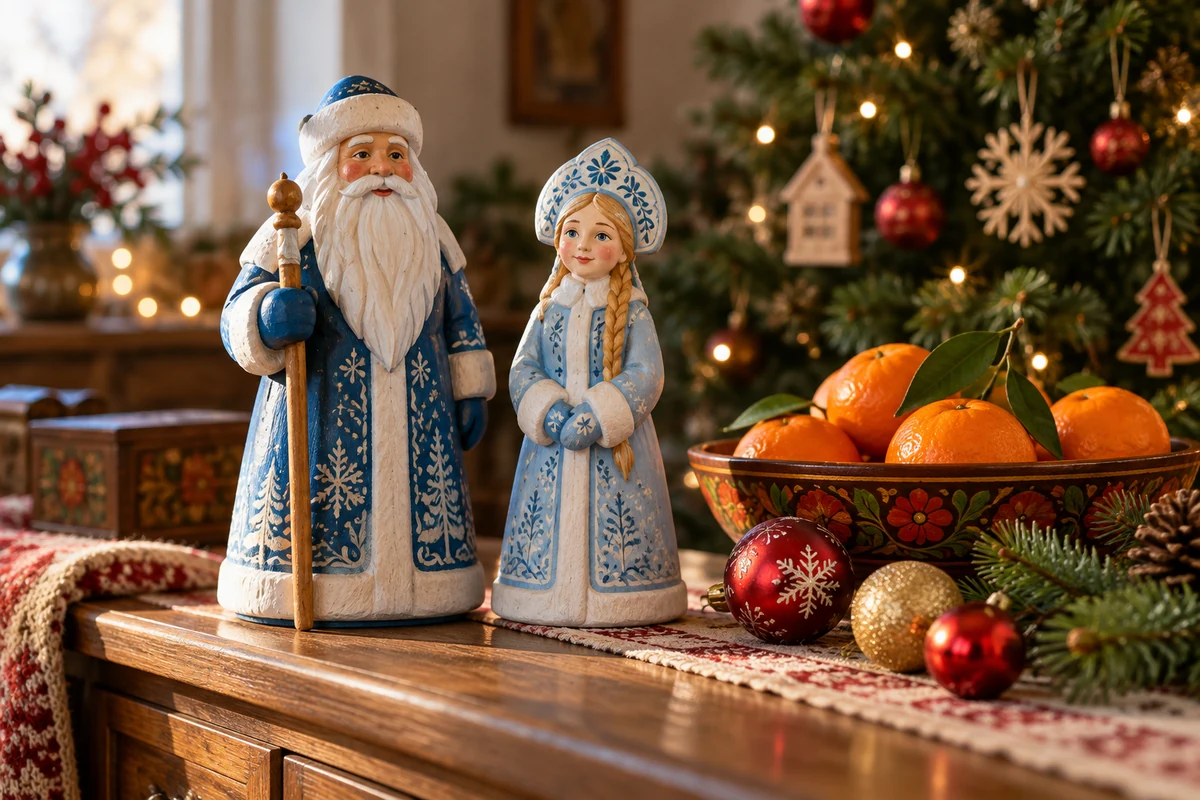
New Year celebrations in Russia have changed with calendars, religion and government policy. Their history cannot be reduced to a single uninterrupted winter-solstice tradition: different periods gave the civil and religious holidays different meanings.
In 1700, Peter the Great introduced 1 January as the start of the year. That reform should not be confused with adopting the Gregorian calendar, which came much later. The Library of Congress describes the decree and the subsequent changes to Russian festive customs. Source: Library of Congress: Christmas and New Year in Soviet history
Changes over time
Imperial celebrations included court festivities and gift giving, but practices varied by place and social setting. Under the Soviet Union, official hostility to religious celebrations also affected festive trees and customs before they were reintroduced in a secular form.
- The 1930s: a December 1935 appeal in Pravda promoted children’s New Year trees, helping establish a secular celebration separate from Christmas. Source: Library of Congress: Christmas and New Year in Soviet history
- The Soviet festive tradition: Ded Moroz and Snegurochka became familiar figures in children’s New Year celebrations, alongside decorated trees and presents.
- Family celebrations today: many households combine inherited customs with their own food, entertainment and ways of exchanging gifts.
For many families, New Year is an important occasion to gather and exchange good wishes. A television broadcast of the Kremlin clock is a familiar midnight reference, though Russia spans several time zones and does not enter the new year at one single moment.
The occasion can also symbolise renewal, hope and a fresh start. Resolutions and good-luck customs express those wishes; they do not determine what the coming year will bring.
Understanding the historical changes helps explain why New Year occupies such a prominent place in Russian family life without assuming that everyone celebrates in the same way.
Family traditions and popular customs
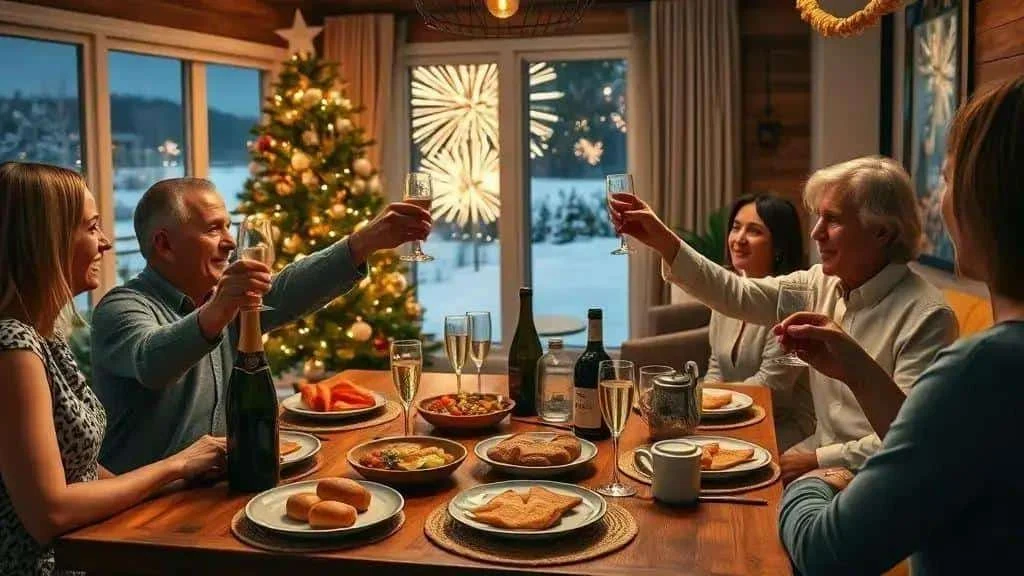
Russian New Year often centres on relatives, friends and gifts. It is distinct from Christmas observed on 7 January by the Russian Orthodox Church, whose calendar practice should not be treated as universal to every Orthodox community.
Familiar traditions
- The New Year tree, or yolka: a decorated tree provides a festive focal point for presents and family photographs.
- Ded Moroz and Snegurochka: Grandfather Frost and his granddaughter, the Snow Maiden, appear as gift-giving characters in children’s festivities and decorations.
- Television favourites: familiar films and seasonal programmes are part of the evening in some homes, offering a shared sense of nostalgia.
- The midnight chimes and toast: families may follow the Kremlin clock on television and raise glasses as the year changes. Sparkling wine is customary in some households, but an alcohol-free toast is equally possible.
- Public celebrations: winter events and fireworks have formed part of festivities in some cities. Their presence, access and timing must be checked for the particular year; they are not guaranteed.
- Visits and greetings: exchanging good wishes and small gifts with relatives or friends can extend the celebration beyond midnight.
Household customs and beliefs
Some families express hopes for prosperity through a generous table, symbolic ornaments or written wishes. These are cultural or personal practices, not proven methods of attracting wealth or good fortune.
In households with children, games or small performances may accompany the meal. Familiar songs and recipes can connect generations without every family following an identical ritual.
Decorations, the yolka and Ded Moroz
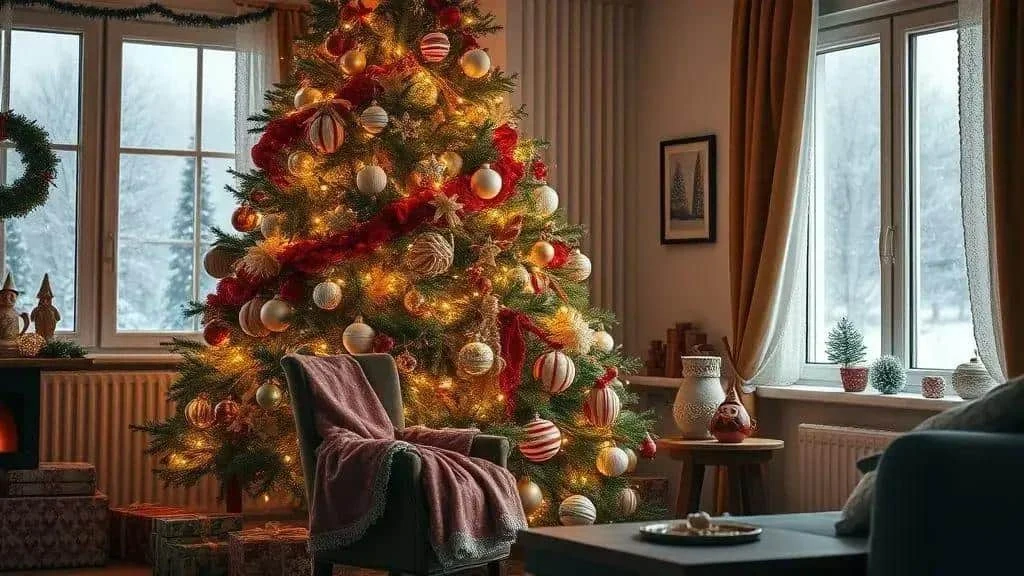
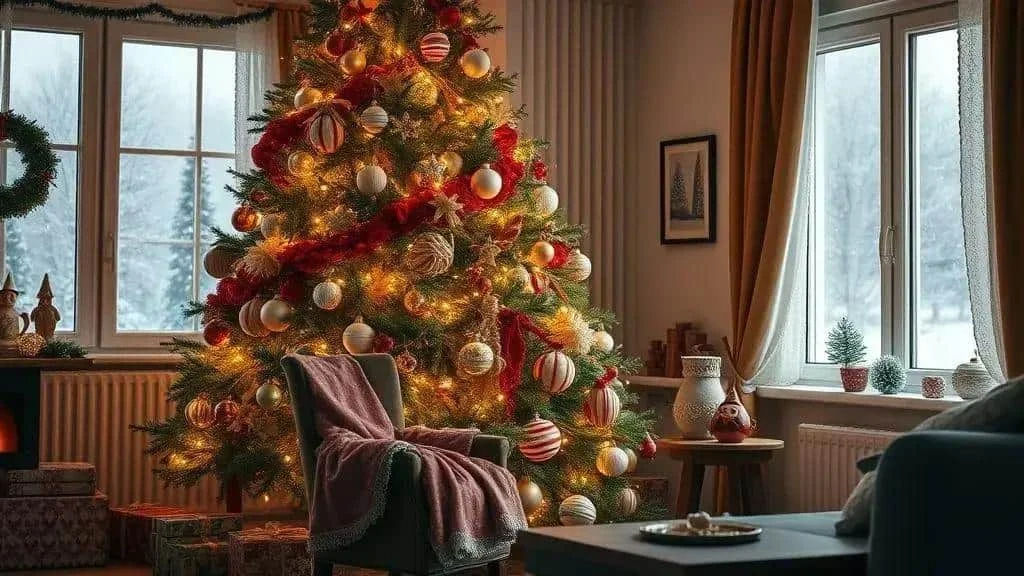
A decorated Russian New Year tree, or yolka, often combines lights, colourful baubles and objects with family associations. Its size and style depend on the home rather than a prescribed design.
Glass baubles, tinsel, garlands and handmade ornaments may appear alongside older decorations. Some families keep Soviet-era pieces, while others choose contemporary colours and materials.
Practical tree-decorating ideas
- Position: choose a stable spot away from heat sources and clear of doors and walkways. A window or dining area can make a pleasant backdrop if it is suitable for the tree.
- Lighting: warm-white LED lights can create a cosy effect. Use lights appropriate for their location and follow their instructions.
- Order: arrange the lights first, then garlands, larger ornaments and smaller details, without trapping or damaging cables.
- Real or artificial: a real cut tree needs an appropriate watered stand and care; an artificial tree can be reused if it remains sound and is stored well.
- Safety: avoid overloaded sockets, inspect lights for damage and switch them off when unattended. Keep flames away from trees, foliage and textiles.
Ded Moroz may appear as a figurine or image near the tree. He is commonly shown as an elderly bearded figure in a long winter coat with a staff. Snegurochka also appears in seasonal decorations and cards.
The Brazilian adaptation suggested in the original uses locally available ribbons, wood, straw and handmade ornaments. This is a creative mixture of influences, rather than a claim that those materials define an authentic Russian style.
A small figure or illustration of Ded Moroz can introduce the character’s story. Explain the reference if you wish, and choose a few meaningful details rather than trying to reproduce a single supposedly standard design.
Food and drink at a Russian New Year meal
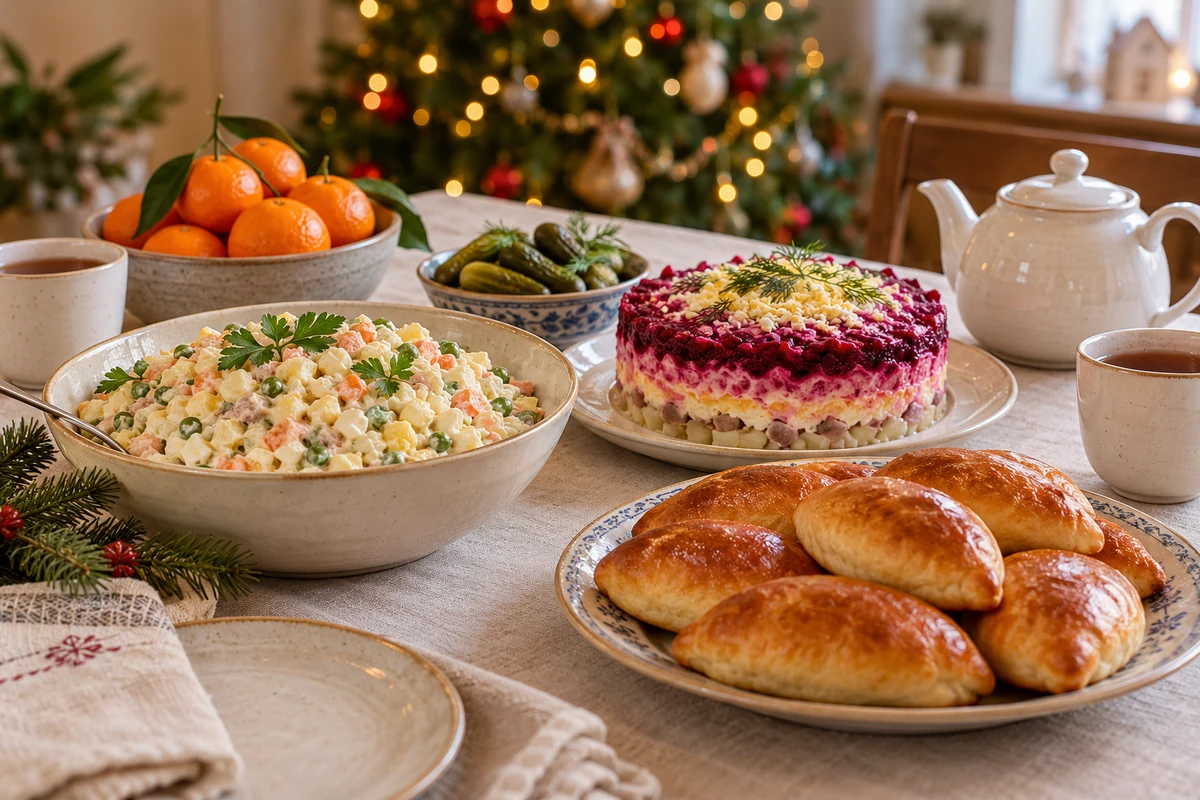
The festive meal may include salads, small savoury dishes and hot food, with people gathering over the course of the evening. A long celebration does not mean perishable dishes can safely remain on the table all night: serve smaller portions and keep chilled food refrigerated until needed.
Familiar dishes
- Olivier salad: modern household versions often combine potato, carrot, peas, egg, pickles and a cooked protein with mayonnaise. Recipes vary; it is a familiar favourite, not an obligation for every table.
- Herring under a fur coat, or shuba: this layered salad traditionally uses herring with vegetables such as beetroot, potato and carrot, plus mayonnaise. ITMO University’s guide distinguishes this dish from other festive salads; using salmon would be a variation, not the standard herring recipe. Source: ITMO University: traditional New Year foods
- Pirozhki: small baked or fried filled buns may contain cabbage, meat or potato and can be convenient to share.
- Zakuski: a selection of small starters may include pickled vegetables, fish, cheese or eggs, depending on household tastes and budget.
Drinks
A midnight toast may involve sparkling wine. Vodka is also associated with Russian drinking customs, but neither is necessary for the celebration. Tea, water and mors, a berry-based drink, provide alcohol-free options.
Desserts and finishing touches
Cakes, biscuits, home baking and fruit can finish the meal. Mandarins are a familiar New Year association. Blini with suitable toppings may also appear, while caviar is an optional expense rather than a requirement for a festive table.
Variety can make the meal enjoyable, but it need not be excessive. Preparing suitable dishes ahead allows more time together, provided their cooling, refrigeration and reheating requirements are respected.
Public celebrations: changing programmes and conditions
Public New Year celebrations in Russia have included decorated squares, winter attractions and performances. This describes a type of celebration, not a confirmed programme for an upcoming holiday. The current FCDO advice against all travel remains relevant to readers considering a visit.
Firework displays
Fireworks are familiar festive imagery, but municipal displays can be cancelled or restricted. Check current official notices rather than relying on old photographs or assuming a display will take place at midnight.
Concerts and entertainment
Seasonal programmes may include music or activities for children where events are held. Dates, performers, admission and access arrangements vary; no particular concert is confirmed by this article.
Winter attractions and refreshments
Festive markets or squares may offer hot drinks, food, craft stalls or seasonal displays. A past description of blini, tea or ice sculptures should not be treated as a promise that the same attractions will operate in a particular place or year.
Practical considerations and current travel advice
- Cold weather: conditions can be severe. Suitable clothing and attention to local weather matter, but do not address the wider risks identified in official travel advice.
- Access: check current restrictions and event notices. Arriving early does not guarantee admission or make a crowded location safe.
- Transport: holiday timetables, road closures and wider disruption can affect travel; do not assume a normal service or straightforward return journey.
- Security: the FCDO advises against all travel to Russia. Following event staff or staying in an official area does not remove that warning or the limitations on UK consular assistance.
- Payments: FCDO entry guidance states that Visa and Mastercard cards issued outside Russia do not work in Russian shops or cash machines. The original suggestion simply to carry both cash and a card was therefore insufficient. Source: FCDO: payments and entry requirements in Russia
Russia’s public festive traditions can be explored through cultural resources and recordings without assuming that attending a celebration is currently advisable. Consult the latest official guidance for any personal travel decision.
Celebrating at home, including Brazilian adaptations
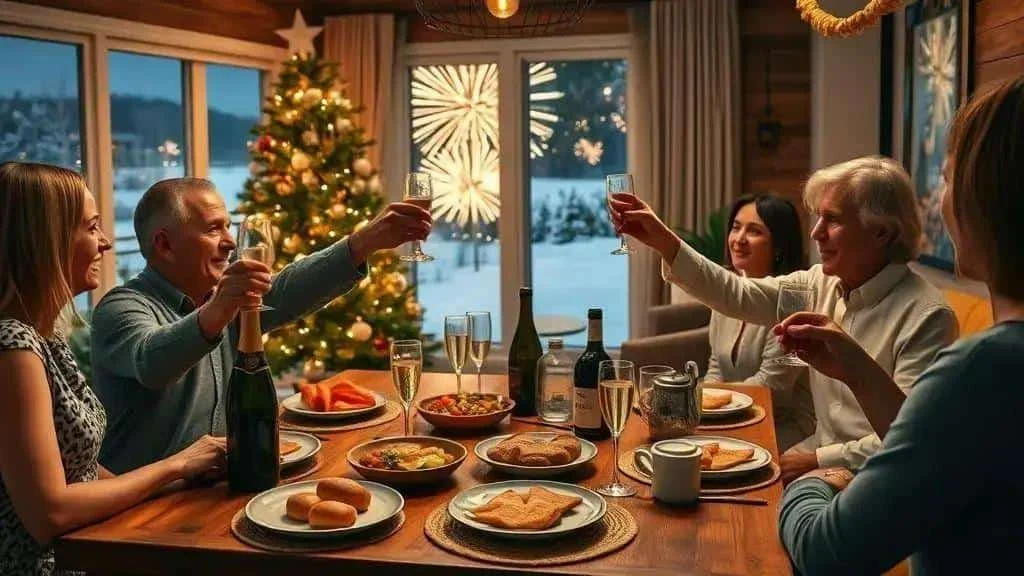
To take inspiration from Russian New Year traditions at home, choose a few recognisable details: a decorated tree, a suitable recipe and an explanation of the seasonal characters. You do not need an elaborate reconstruction.
Decoration ideas
- Lighting: use suitable warm-white lights around the tree, keeping cables clear of the dining space and following product instructions.
- Ornaments: combine baubles, ribbons and handmade pieces, perhaps adding a small Ded Moroz figure or picture.
- A Brazilian touch: the original suggests incorporating locally made wood or straw decorations. Treat this as a personal adaptation for a Brazilian home, not a traditional Russian requirement.
An adaptable menu
Choose reliable recipes that suit your guests and can be prepared safely. Olivier salad can have different cooked-protein versions. If replacing herring with smoked salmon in a layered salad, describe it as an adaptation, check suitability for your guests and keep fish and mayonnaise-based dishes chilled rather than leaving them at room temperature through the evening.
- Pirozhki: choose a tested recipe for baked buns with a suitable meat, cheese or vegetable filling, following its cooking and storage guidance.
- Drinks: offer sparkling wine only for adults who want it, alongside tea, water or a berry drink such as mors.
- Dessert: a familiar cake or homemade biscuits can keep the meal manageable without needing to represent a specific Russian tradition.
Activities and the evening’s pace
For the Brazilian adaptation, you could combine Russian seasonal music with Brazilian favourites and arrange supper at a time that suits your guests. If watching a Kremlin-clock recording or broadcast, check the time difference: Moscow midnight is not midnight in Brazil or the UK, and Russia itself has several time zones.
- For children: tell a short story about Ded Moroz or let a willing adult wear a suitable coat and hat. Avoid loose trailing costume pieces and keep any staff or props safe.
- Games: cards, memories of the past year or a small family performance can make a pleasant evening. These are flexible activity ideas rather than customs followed by every Russian family.
Safety, organisation and spending
Plan food quantities, refrigeration and any make-ahead preparation. For this home celebration, lights or a recorded display are a straightforward alternative to fireworks or sparklers; keep pyrotechnics out of indoor activities.
- Food checks: the Food Standards Agency advises cooling cooked leftovers and refrigerating them within one to two hours, then eating them within 48 hours or freezing them. Rice has stricter limits, and product instructions still apply. Source: Food Standards Agency: cooling and storing leftovers
- Getting home: agree safe transport arrangements with guests and do not rely on someone who has been drinking to drive.
With a manageable meal, a few symbolic decorations and relaxed activities, the original Brazilian adaptation can retain its Russian inspiration while fitting the household’s climate, preferences and routine.
Conclusion
New Year in Russia brings together a complex history, family gatherings and recognisable festive customs. Food, seasonal characters and shared memories help explain its importance without implying that every household celebrates alike.
If you enjoy exploring traditions, adapt a few ideas thoughtfully at home. Keep cultural references clear, food handling safe and the scale of the gathering comfortable for everyone involved.
Thank you for reading. Visit the I Love Christmas blog for more articles about festive customs, recipes and seasonal ideas.
FAQ: New Year traditions in Russia
When is New Year celebrated, and how does it differ from Orthodox Christmas?
The civil new year begins on 1 January, with celebrations often starting on 31 December. It is distinct from Russian Orthodox Christmas on 7 January; Orthodox calendar practices differ between churches.
Who are Ded Moroz and Snegurochka?
Ded Moroz, or Grandfather Frost, is a seasonal gift-giving character, often accompanied by his granddaughter Snegurochka, the Snow Maiden. They appear in children’s festivities and decorations.
Which foods are associated with the Russian New Year table?
Olivier salad, herring under a fur coat, small starters and filled buns are familiar examples, with variations between families. Sparkling wine is optional, and plenty of households also offer tea or other alcohol-free drinks.
How can the traditions be adapted for a celebration in Brazil?
Use a few relevant decorations, learn about the seasonal characters and choose recipes that suit your guests. Explain food substitutions as variations and plan chilled storage carefully, especially in warm weather.
Is it currently advisable to travel to Russia for public celebrations?
When this article was checked on 18 October 2026, the FCDO advised against all travel to Russia. An organised event, warm clothing or following local instructions does not cancel that advice. Check the current official guidance rather than relying on this cultural overview to assess travel safety.
How can I decorate a tree inspired by Russian New Year traditions?
Combine suitable lights, baubles and handmade ornaments, perhaps with a Ded Moroz or Snegurochka decoration. There is no single required design; keep the tree stable and follow electrical and fire-safety precautions.
Sources and Further Reading
- FCDO: current Russia travel advice
- Library of Congress: Christmas and New Year in Soviet history
- ITMO University: traditional New Year foods
- FCDO: payments and entry requirements in Russia
- Food Standards Agency: cooling and storing leftovers