A warm-weather Christmas in Brazil calls for more than choosing a beach. Match the destination to your needs, check current travel advice and local conditions, arrange transport and accommodation, and keep festive food properly chilled. Plan outdoor activities around the weather rather than assuming sunshine or calm seas.
A warm-weather Christmas in Brazil offers a very different setting from a British December. This guide keeps its Brazilian focus, with coastal ideas, a refreshing menu and practical details to consider before planning a festive trip.
Illustrations in this article are conceptual images, not documentary photographs or evidence of a particular historical event, destination, venue or access route.
Choosing a Warm-Weather Christmas Destination
For a warm-weather Christmas in Brazil, think about the kind of stay you want: a busy coastal city, a quieter village, an island or a base for outdoor activities. Warm weather does not mean every destination has the same climate or facilities.
For Families
Look for suitable accommodation, reliable transport and nearby medical facilities. Maceió and the Pipa area are possible starting points for research, but beach conditions vary within each destination. A beach or natural pool should never be assumed safe for children simply because it appears calm in photographs.
For Couples
Búzios, Morro de São Paulo and Fernando de Noronha offer different coastal settings to consider. Compare access, accommodation and the actual beaches near your chosen base; an island stay can involve more transfers and expense than a mainland town.
Keeping the Trip Affordable
Compare the complete journey from the UK, including onward flights, transfers and baggage. A smaller coastal town is not automatically cheaper once transport is included, especially during the Christmas and New Year peak.
Nature and Outdoor Activities
Jericoacoara and Ilha Grande offer different outdoor experiences. Choose activities with suitable operators and check seasonal conditions, access restrictions and your own ability rather than treating every coastal destination as equally suitable for every water sport.
Practical Selection Tips
- Weather: research the seasonal climate, then check forecasts nearer the time. Rain, rough seas and excessive heat remain possible.
- Booking: compare availability early for Christmas travel, especially if you need family rooms or specific transfers.
- Local transport: check distances and arrangements between the airport, accommodation, beaches and restaurants.
- Health and safety: read current FCDO advice and destination-specific health guidance, arrange suitable insurance and plan sun and insect protection.
- Local events: look for confirmed Christmas programmes and opening hours. Do not assume a concert, service or restaurant meal will be available without checking.
Use these points to build a trip around the people travelling, with enough flexibility for weather, rest and changes to local arrangements.
Brazilian Coastal Destinations to Research

A warm-weather Christmas in Brazil can involve a well-served resort area or a more remote stay. The examples below are starting points, not guarantees of weather, value or bathing safety.
Areas with a Choice of Visitor Facilities
Porto de Galinhas in Pernambuco and Maceió in Alagoas offer a range of accommodation and coastal activities. Natural-pool visits depend on tides, local rules and suitable conditions; children still need close supervision.
Characterful Coastal Towns
Búzios in Rio de Janeiro state and Trancoso in Bahia are options for travellers interested in coastal scenery, restaurants and smaller accommodation. Check seasonal prices and Christmas meal bookings.
Walking and Water Sports
Jericoacoara in Ceará, Ilha Grande in Rio de Janeiro state and Florianópolis in Santa Catarina have different landscapes and activity options. Use qualified instructors where appropriate and verify conditions locally; they are not interchangeable windsurfing, surfing or walking destinations.
Marine Scenery and Nature Visits
Fernando de Noronha and Maragogi are known for marine scenery. Check current visitor arrangements, permits, charges and reservations. Visibility and access vary, and marine wildlife should not be touched or disturbed.
Comparing Less Expensive Bases
A smaller town may suit your budget, but compare accommodation with transport, meals and access to the activities you want. Public beaches do not necessarily make every associated tour or transfer free.
Practical Selection Tips
- Access: check all flight, road and boat connections, including the final transfer and what happens if a service is disrupted.
- Availability: Christmas is a busy period in many destinations; reserve essential arrangements before relying on them.
- Tides and sea conditions: consult local guidance for natural pools and boat trips, and follow lifeguards and warning signs.
- Essentials: pack suitable sun protection, a hat, insect repellent and any medicines you need, following travel-health advice.
- Christmas meals: confirm restaurant availability or choose self-catering accommodation with reliable refrigeration and cooking facilities.
Match the location to your preferred pace, with practical plans for food, transport and weather rather than relying only on appealing beach photographs.
A Refreshing Christmas Menu
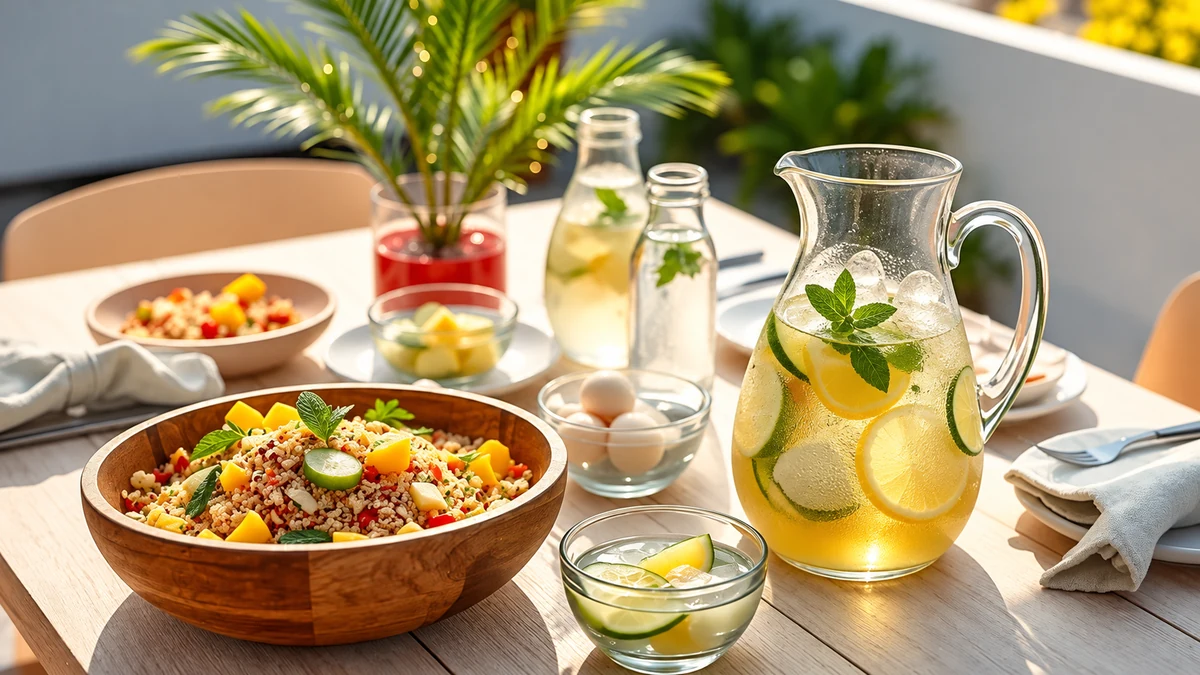
For a warm-weather Christmas in Brazil, lighter dishes can be enjoyable, but salads, cooked grains, fish and cut fruit still need safe handling. Cold food is not automatically safe to leave outside: keep perishable dishes chilled until serving and put out small amounts.
Salads and Cold Dishes
A tropical quinoa salad combines cooked grain with mango, cucumber and herbs. This version uses one cup of dry quinoa before cooking; use the same measuring cup throughout and follow the quinoa packet’s cooking directions.
Tropical quinoa salad ingredients:
- 1 cup dry quinoa — measured in a 240 ml measuring cup, then cooked and cooled promptly.
- 1 medium mango — peeled and diced.
- 1 cucumber — deseeded and diced.
- ½ red onion — finely chopped.
- ¼ cup chopped coriander — or parsley if preferred.
- Juice of 1 lime — for the dressing.
- 2 tablespoons olive oil — 30 ml in total.
- Salt and pepper — to taste.
Method:
- Cook the quinoa: rinse if directed and cook according to the packet, which may use about two cups of water for one cup of dry quinoa. Cool in a shallow container and refrigerate promptly rather than leaving a deep pan on the worktop.
- Prepare the produce: wash ingredients as appropriate, dice the mango and cucumber, and chop the onion and herbs using clean utensils.
- Combine: mix the cooled quinoa with the vegetables, mango and herbs in a clean bowl.
- Dress and chill: add the lime juice, oil, salt and pepper. Refrigerate until serving; a short chilling period improves the serving temperature but does not make unsafe handling safe.
A Chilled Fish Dish with Lime
The original recipe described raw ceviche as cooked by lime juice. Citrus does not reliably eliminate the hazards of raw fish. The following is therefore an explicitly adapted cooked-fish salad with ceviche-style flavours, not a raw ceviche recipe. Source: Peoria City/County Health Department: ceviche safety
Ingredients for cooked white fish with lime:
- 500 g boneless white fish fillets — such as cod, haddock or another suitable white fish, kept chilled until cooking.
- Juice of up to 6 limes — add gradually to taste after cooking; the dish no longer needs enough juice to submerge raw fish.
- 1 red onion — thinly sliced.
- 1 mild red chilli — deseeded and finely chopped, optional.
- Chopped coriander — to taste.
- Salt — to taste.
Method:
- Prepare the fish: check for bones, keep it separate from ready-to-eat ingredients and use clean utensils. Do not rinse raw fish around the sink, where splashes can spread contamination.
- Cook thoroughly: steam or poach the fillets until fully cooked and steaming hot throughout; the flesh should be opaque and separate easily. A clean probe can confirm a safe equivalent such as 70°C for two minutes. Cool promptly in shallow portions and refrigerate, then break into bite-sized pieces with clean utensils. Source: Food Standards Agency: cooking food safely
- Add the dressing: gently combine the cold cooked fish with onion, optional chilli and coriander. Add lime juice gradually and season to taste.
- Keep chilled: refrigerate until needed and serve in small batches, ideally on the day it is prepared. Do not leave the dish out in the heat or use lime juice as a substitute for refrigeration.
Refreshing Drinks
Water, alcohol-free fruit drinks and chilled infusions can accompany the meal. One simple option is an alcohol-free tropical fruit punch inspired by Brazilian clericot-style serving.
Alcohol-free tropical fruit punch ingredients:
- 1 litre sparkling water — chilled.
- 300 ml orange juice — use a suitable pasteurised juice where needed.
- 1 cup diced pineapple — using the same 240 ml measuring cup.
- 1 apple — washed, cored and diced.
- Mint — a few washed sprigs.
- Ice — made from safe drinking water, as desired.
Method:
- Combine the fruit and juice: add the pineapple, apple and orange juice to a clean large jug and keep chilled.
- Add the sparkling water: pour it in shortly before serving and stir gently.
- Finish: add mint and suitable ice, then serve promptly.
Serving and Storage
- Use small batches: keep reserve portions refrigerated and replace serving dishes rather than topping up food that has already been outside.
- Maintain the cold chain: use a working fridge or an effective cool box for perishable dishes. Ice around a serving bowl only helps if it actually keeps the food cold.
- Treat all perishable dressings carefully: yoghurt is not a safer substitute for mayonnaise when left in the heat. Follow storage instructions and keep chilled.
- Prepare ahead carefully: refrigerate prepared ingredients and add dressing near serving time where that improves texture.
- Edible decoration: whole fruit can make a simple centrepiece. Keep washed, cut fruit chilled until it is served.
Outdoor Activities for Family and Friends
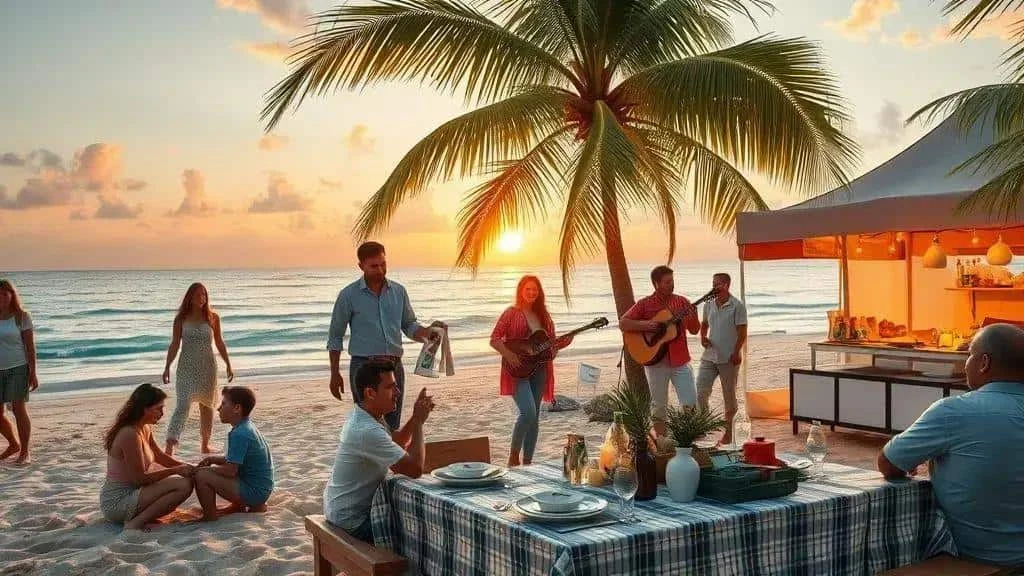
Plan activities around local conditions and the needs of the group. Shade, rest and access to drinking water are as important as filling the day with things to do.
Ideas for Children
- Sand games: try supervised sandcastle building or a simple treasure hunt in a suitable dry area away from water and hazards.
- Creative activities: bring reusable craft materials or tell stories in the shade. Avoid collecting shells or natural objects where this is restricted or could disturb wildlife.
- Rest area: provide properly secured shade, drinking water and regular breaks, with adults supervising children throughout.
Ideas for Adults and Couples
- Evening walks: choose a suitable, locally recommended route. For boat trips, check the operator, weather and safety equipment.
- Activities: beach games or an appropriate lesson may suit the group. Paddleboarding and kitesurfing require suitable conditions, equipment and instruction; they are not automatically gentle activities.
- Music and meals: a small gathering or a booked local restaurant may be simpler than arranging an event on a public beach.
Community and Cultural Events
- Markets: check local listings for craft markets, food stalls and performances during your actual dates.
- Religious celebrations: confirm service times, locations and any visitor guidance.
- Concerts and screenings: use confirmed programmes rather than assuming free outdoor events happen every evening.
Practical Safety Arrangements
- Drinking water: keep safe water available and take breaks from the heat. Do not assume sports drinks are necessary for every outing.
- Sun protection: use shade, suitable clothing and sunscreen as directed. Carry basic first-aid supplies appropriate to your trip.
- Transport and access: check actual walking distances, accessible routes and reliable return transport.
- Local rules: confirm restrictions on gatherings, amplified music, lighting and activities in public or protected places.
Reducing Waste
- Reusable tableware: choose practical items that can be washed and used again, avoiding glass where beach rules prohibit it.
- Take rubbish away: separate waste according to local arrangements and do not leave food scraps on the beach.
- Lighting and decorations: use minimal, reusable decorations where permitted, avoiding light pollution in sensitive wildlife areas.
A Simple Day-Out Checklist
- Safe drinking water and appropriate chilled drinks
- Sunscreen, hats and suitable clothing
- Towels and permitted portable seating
- Basic first-aid supplies and essential medicines
- Food in suitable chilled containers, with reusable utensils
- A charged phone and appropriate torch if needed
A Flexible Daily Plan
- Morning: consider a short walk or children’s activity if conditions are suitable.
- Hottest part of the day: plan shade, an indoor break and lunch rather than assuming midday water sports are the best choice.
- Late afternoon: enjoy a suitable walk or family time, checking when it gets dark and how you will return.
- Evening: have a planned meal or attend a confirmed event, with transport arranged where necessary.
Accommodation, Transport and the Christmas Budget
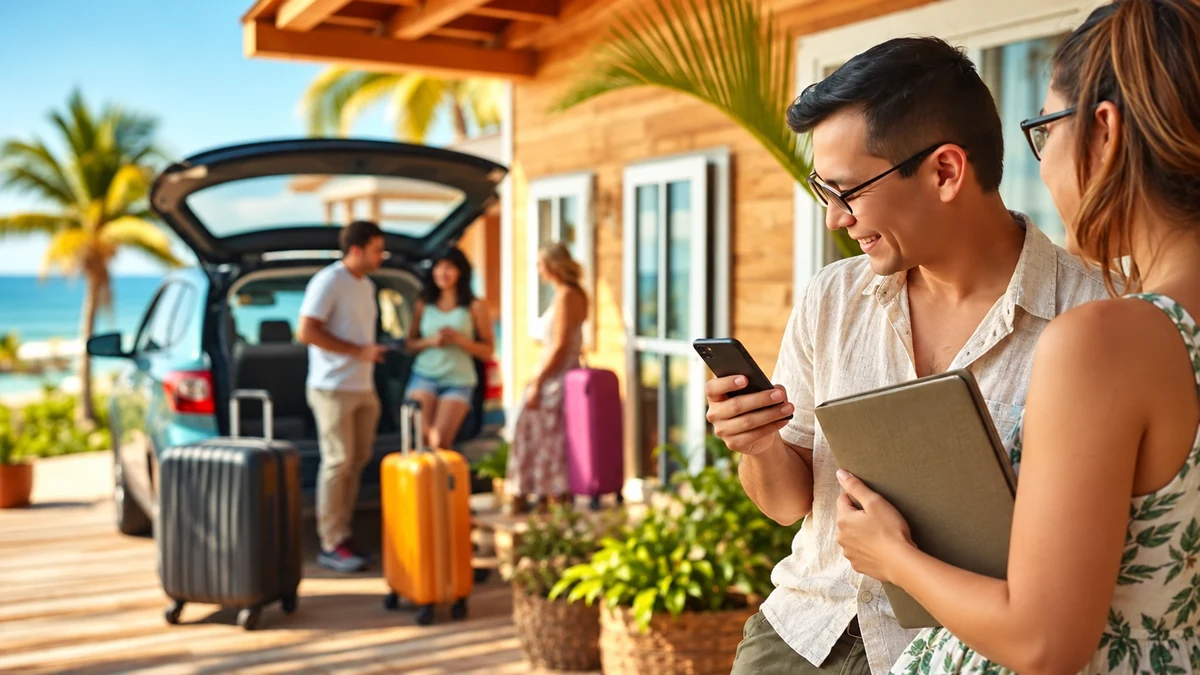
Planning the whole trip makes a warm-weather Christmas in Brazil easier to manage. A cheap room or flight may not be the best value if it adds difficult transfers or unexpected charges.
Choosing Accommodation
Read recent reviews and check the facilities you need, including refrigeration if self-catering. A whole property may suit a group, but compare the total price, terms, location and sleeping arrangements rather than assuming it is cheaper.
- Compare totals: check the full price and booking terms across suitable options.
- Check distances: look at realistic journey times to beaches, shops and restaurants.
- Look for extra charges: cleaning, service fees, deposits and local charges can affect the final cost.
- Cancellation terms: understand the refund deadline and any exclusions before paying.
- Direct offers: you may ask an established provider about a longer-stay rate, but verify payment arrangements and do not abandon booking protections for an unverified discount.
Planning Transport
Compare practical journeys, not just headline fares. Include the time and cost of reaching your final destination.
- Flights: compare dates and set price alerts if helpful. Allow adequate connection time, especially for separate tickets; a very short connection is not a reliable saving strategy.
- Car hire: check licence requirements, insurance, deposits, fuel terms and the suitability of the driving route.
- Transfers: compare reputable shared and private services, including their schedules and luggage allowances.
- Local journeys: ask about reliable taxis, available booking services and current public transport times.
Building a Realistic Budget
Make a shared plan for essential costs and agree what each traveller will pay before the trip.
- Total costs: include accommodation, travel, food, activities, insurance and any permits or visitor charges.
- Self-catering: preparing some meals may save money if the accommodation has suitable facilities and food can be stored safely.
- Free activities: look for suitable walks and public spaces, checking access restrictions and any transport cost.
- Loyalty schemes: compare points bookings with cash fares and all associated fees before assuming they save money.
- Currency costs: check your card provider’s exchange-rate and fee terms before choosing between payment conversion options.
Before-Travel Checklist
- Booking confirmations saved securely and available offline
- Valid travel documents, current entry requirements and suitable insurance
- A workable airport-to-accommodation transfer plan
- Suitable payment cards and a modest amount of local cash
- Confirmed food-shopping and Christmas meal arrangements
Avoiding Unexpected Costs
- Check bills: review accommodation and car-hire charges and keep receipts.
- Book essential activities: check availability and cancellation conditions before committing to your itinerary.
- Pack essentials: bring suitable personal items and medicines, checking any import or prescription requirements.
- Share expenses clearly: keep a simple record of group costs and agree how to settle them.
Tropical Decorations with Less Waste
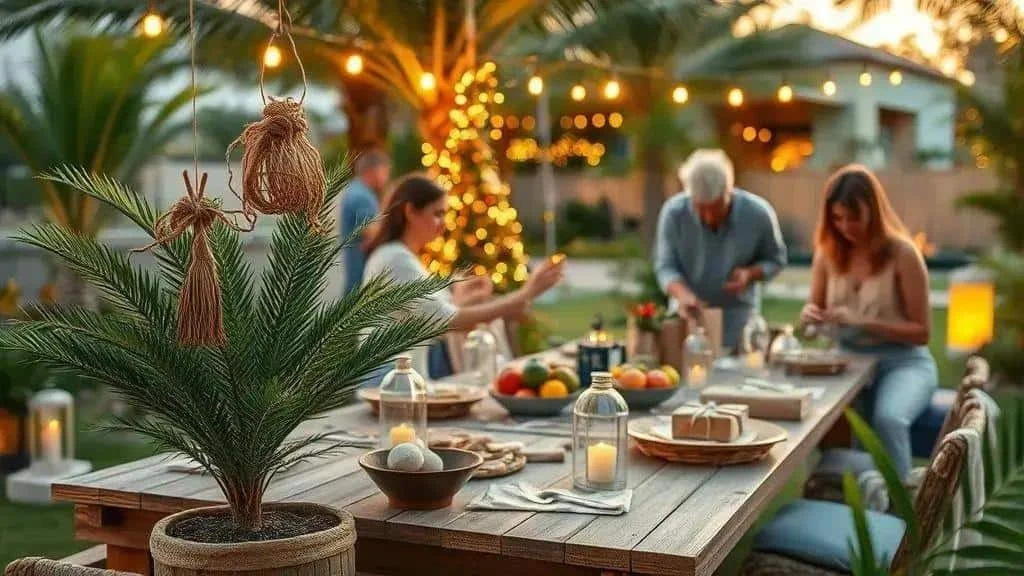
A warm-weather Christmas in Brazil does not need disposable beach-themed decorations. Reuse what you have and choose a small display suited to the setting.
Materials and Decorations
Reused fabric, existing ornaments and responsibly sourced materials can work well. Do not remove shells, branches or plants from protected places, and do not assume a natural material has no environmental impact.
- A simple wreath: use legally sourced foliage or a reusable base that can be stored for another year.
- Fabric decorations: turn existing scraps into bows or other lightweight ornaments.
- A coastal theme: use existing shell decorations or paper alternatives rather than collecting from the shoreline.
Tropical Table Details
A basket of whole fruit or a small arrangement of responsibly sourced flowers can suit the setting. Plan to eat usable fruit afterwards and avoid purchasing more than the household needs.
- Centrepieces: place a fruit basket beside a separate suitable LED light. Keep battery compartments and electrical parts away from fruit juice and moisture.
- Small plants: choose locally suitable potted plants that someone can care for after the celebration.
Lighting
Choose suitable LED lights, observe outdoor and moisture ratings, and follow charging instructions. Avoid leaving decorations on when nobody is using the space.
- Solar lights: check the product’s charging needs and whether its lighting is appropriate for the location and local wildlife.
- Timers: use them to limit unnecessary lighting where the product supports them.
An Alternative Christmas Display
A freestanding reusable decoration can provide a festive focal point without attaching ornaments to living trees. Obtain permission before decorating a property’s plants and avoid damaging them.
- Alternative tree: use a stable reusable frame or an existing decorative piece, keeping walkways clear.
- Suitable ornaments: choose lightweight, secure items that tolerate the conditions and cannot blow into the sea or garden.
Gifts and Wrapping
Choose presents that suit the recipient and wrapping that can be reused. Supporting a local maker can be worthwhile, but the usefulness and durability of the gift matter too.
- Fabric wrapping: reuse a scarf or cloth instead of buying single-use decorative material.
- Useful gifts: consider something the person needs or an experience with suitable booking terms.
Managing Food and Other Waste
Plan portions, label any waste containers clearly and follow local collection arrangements. Avoid creating excess cooked food on the assumption that it can always be donated later.
- Separate waste: use the categories actually accepted by the local service.
- Food donations: arrange acceptance with an organisation in advance and follow its food-safety requirements. Food exposed to unsafe temperatures should not be donated.
Final Thoughts
A warm-weather Christmas in Brazil works best with realistic travel plans, food kept at safe temperatures and activities matched to local conditions. A few well-chosen experiences can be more enjoyable than an overloaded itinerary.
Leave room to rest and spend time together, whether you choose a coastal city, a small town or an island stay.
Thank you for reading. Follow our social channels and visit the I Love Christmas blog for more seasonal ideas.
FAQ: A Warm-Weather Christmas in Brazil
Which Brazilian destinations should I consider for a beach Christmas?
Porto de Galinhas, Maceió, Búzios and Trancoso are possible starting points for research. Compare access, facilities, budget and current conditions; none guarantees sunshine or safe bathing everywhere.
How can I keep Christmas food safe in hot weather?
Keep perishable food properly chilled, serve small batches and minimise time in the heat. Salads and yoghurt dressings still need refrigeration. For the fish dish here, cook the fish thoroughly before cooling and dressing it; lime juice is not a safety substitute for cooking.
What should I pack?
Bring appropriate clothing, sun and insect protection, essential medicines, travel documents and suitable payment methods. Add a light layer and rain protection according to your destination and forecast.
How can I control travel costs?
Compare the whole trip, book essential arrangements with suitable terms and include transfers, baggage and extra fees. A shared property or transfer may help, but compare actual totals rather than assuming it is cheaper.
What matters most for beach and outdoor safety?
Follow local warnings and lifeguard advice, supervise children closely, plan shade and safe drinking water, and use suitable operators for water activities. Check current travel and health advice before departure.
How can I decorate with less waste?
Reuse ornaments, fabric and suitable LED lighting, avoid collecting from protected natural areas, and plan food portions sensibly. Keep decorations and rubbish out of the environment and follow local disposal rules.
Sources and Further Reading
- GOV.UK: Brazil travel advice
- Visit Brasil: Jericoacoara
- Visit Brasil: north-eastern Brazil
- Food Standards Agency: cooking food safely
- Peoria City/County Health Department: ceviche safety
- GOV.UK: chilling and freezing food