Cauliflower cheese gratin combines tender florets with a creamy white sauce and cheese, baked until the topping turns golden. Adapt the ingredients for a vegan or gluten-free version and serve as a comforting side dish at Christmas or an everyday dinner.
Cauliflower cheese gratin is a straightforward way to bring a creamy, golden-topped dish to the table. Follow the method below, then explore the dairy-free alternatives and tips for a crisp topping.
Ingredients for cauliflower cheese gratin
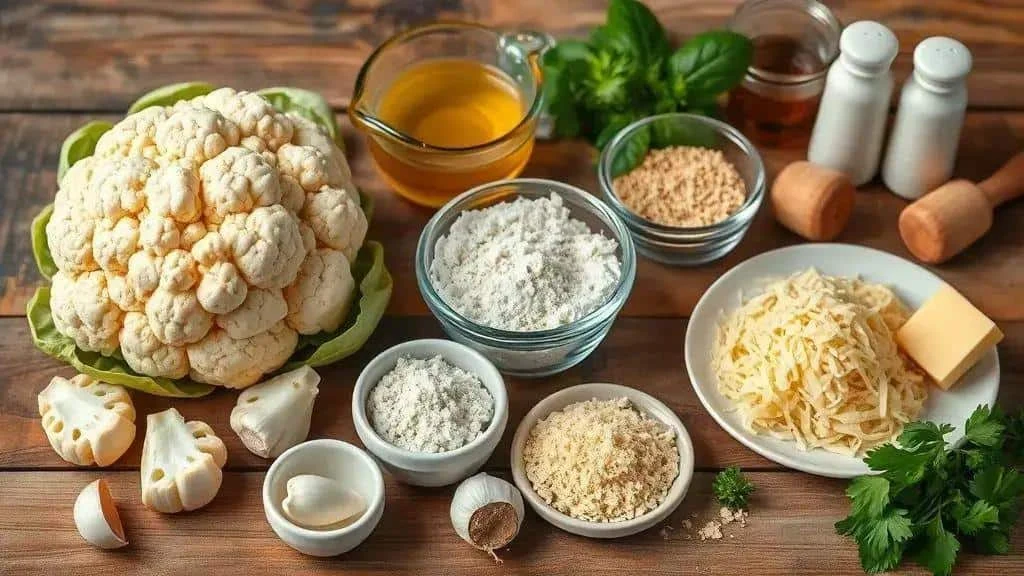
For about 4 generous servings of cauliflower cheese gratin, gather the following:
- 1 medium cauliflower, 700–900 g – divided into florets. Frozen florets can also be used; cook according to their packet and drain well.
- 2 tbsp butter – or 2 tbsp olive oil or vegan butter for a dairy-free sauce.
- 2 tbsp plain flour – alternatively, use 1½ tbsp cornflour for a gluten-free sauce, following the separate slurry method below.
- 500 ml whole milk – or unsweetened soya or oat drink. Use gluten-free oat drink if required.
- 150 g grated cheese – for example, mozzarella and Parmesan, reserving one quarter for the topping. Choose vegetarian hard cheese if needed. For a vegan version, use 120–150 g vegan cheese or 3 tbsp nutritional yeast; yeast adds flavour but will not melt like cheese.
- ½ cup breadcrumbs – wholemeal breadcrumbs also work. Use gluten-free breadcrumbs if needed, or omit for a less crunchy finish.
- 2 garlic cloves – chopped or crushed, optional.
- Salt to taste – start sparingly because the cheese is salty; you may not need the full suggested teaspoon.
- Freshly ground black pepper – to taste.
- A pinch of nutmeg – optional.
- 1 tbsp chopped parsley – to finish.
Substitutions and quick tips
Replace half the milk with vegetable stock for a different flavour, tasting before adding salt. For a gluten-free dish, use cornflour in the sauce, gluten-free breadcrumbs and suitable labels throughout. For a vegan dish, replace the butter, milk and cheese, and check the breadcrumbs too. A little olive oil mixed into the crumbs helps them brown.
How to make cauliflower cheese gratin

Follow these steps to prepare cauliflower cheese gratin, with a separate sauce method if you are using cornflour:
- Preheat the oven: set it to 200°C, or 180°C fan. Lightly grease a medium ovenproof dish with butter or olive oil.
- Prepare the cauliflower: cut into similar-sized florets, rinse and drain. Cook fresh florets in boiling water for about 5–7 minutes, until just tender, then drain very well. Follow the packet instructions for frozen florets rather than simply thawing them; excess water will dilute the sauce.
- Make the white sauce: melt the 2 tbsp butter in a saucepan. If using garlic, cook it briefly without browning. Stir in 2 tbsp plain flour and cook for 1 minute. Gradually whisk in the 500 ml milk until smooth, then simmer gently for 2–3 minutes, stirring as the sauce thickens. If using cornflour instead, follow the alternative below and do not add the plain flour.
- Season, or use the cornflour alternative: season the sauce with a little salt, pepper and optional nutmeg. For the gluten-free alternative, mix 1½ tbsp cornflour with a little cold milk taken from the measured 500 ml. Gently cook the optional garlic in the butter or oil, add the remaining milk and bring to a simmer. Whisk in the slurry and cook, stirring, until thickened. This replaces the flour-based sauce; vegan cooking does not itself require cornflour.
- Add the cheese: reserve one quarter of the 150 g cheese for the topping. Remove the sauce from the heat and stir in the remainder until smooth. For a vegan sauce, use vegan cheese or nutritional yeast, allowing for the different flavour and texture.
- Assemble: spread the drained cauliflower in the prepared dish and cover with sauce. Sprinkle over the ½ cup breadcrumbs and reserved cheese. Keep the parsley for serving.
- Bake until golden: bake for about 20–25 minutes, until bubbling and hot throughout. For extra colour, finish under the grill for 2–3 minutes, watching closely and using a grill-safe dish.
- Check and serve: a fork should pass easily through a floret and the topping should be golden. Leave to stand for 5–10 minutes, then sprinkle with parsley and serve. Use oven gloves when moving the dish.
Practical tips
Extra crunch: mix the breadcrumbs with an optional extra 1 tbsp olive oil. Variations: add fully cooked crisp bacon for a meat version, or thyme for more aroma. Storage: cool and refrigerate within 2 hours, covered at 5°C or below, and use within 48 hours. Reheat only once until steaming hot throughout. Substitutions: cornflour replaces flour using a slurry; plant drink replaces milk; vegan butter or oil replaces butter. A fully vegan or gluten-free dish requires checking every ingredient.
Cheese and vegan cauliflower gratin variations

Adapt cauliflower cheese gratin to suit your table. Melting cheese gives a rich sauce and browned crust; plant-based alternatives provide a different way to make a creamy bake.
The cheese version
Choose cheeses that melt well and bring the flavour you enjoy.
- 150 g grated cheese – try 100 g mozzarella and 50 g Parmesan, or vegetarian hard cheese where required.
- Optional: 50 g Cheddar – for a stronger flavour.
- ½ cup breadcrumbs – optionally mix with an extra 1 tbsp melted butter for a richer topping.
Practical tips: divide the cheese between sauce and topping, rather than adding the full amount twice. For a meat variation, scatter 50 g fully cooked crisp bacon over the finished gratin.
The vegan version
Replace all the dairy ingredients, choosing products that suit the flavour and texture of a savoury sauce.
- 2 tbsp vegan butter or 2 tbsp olive oil.
- 500 ml unsweetened plant drink – soya or oat, with a gluten-free label if needed.
- 120–150 g grated vegan cheese – or 3 tbsp nutritional yeast for a savoury flavour, without the same melting effect.
- 1 cup cashews, optional – soak in the fridge for 4 hours, drain and blend with 200 ml fresh water. This makes a separate cashew cream alternative: use some in place of part of the measured 500 ml plant drink, rather than adding the entire quantity on top. Reserve any surplus separately and refrigerate promptly.
- 1½ tbsp cornflour – for a gluten-free sauce, mixed with a little cold liquid before adding to the pan. A cashew-based sauce may need less thickening; check its consistency first.
Getting the texture right: cashew cream or a little cooked mashed potato can thicken a plant-based sauce. Add nutritional yeast and seasoning to taste. Top with suitable vegan breadcrumbs or panko and a little olive oil. Cashews add a nut allergen, and ordinary panko contains gluten.
Finishing touches and combinations
Brown without burning: bake at 200°C, or 180°C fan, for about 20–25 minutes, then grill briefly if needed, watching closely. Herbs and spices: thyme, nutmeg and black pepper suit either version. Extra texture: add chopped walnuts or flaked almonds. Using leftovers: they can accompany an open sandwich or form part of a savoury filling. Refrigerate promptly, use within 48 hours and reheat only once until steaming throughout, including the centre of any new dish.
Serving cauliflower gratin at a festive dinner

Serve cauliflower cheese gratin in its baking dish while hot, keeping the golden topping intact rather than transferring it to another dish.
Assembling the dish
- Choose the dish: a fairly shallow ovenproof dish gives more surface area for the topping and is easy to serve from.
- Add the layers: spread out the florets, pour over the sauce and smooth gently with a spatula.
- Top: sprinkle with the breadcrumbs, optionally mixed with butter or oil, and the reserved cheese.
- Garnish after baking: add chopped parsley, a little lemon zest or fresh thyme.
Presentation at the table
Serve straight from the dish on a heatproof trivet, with a serving spoon nearby. For a help-yourself dinner, place plates within reach and use oven gloves when moving or replacing the hot dish.
Accompaniments and drinks
- Roast meats: serve alongside roast poultry, pork loin or a pork joint.
- Vegetables and salad: green leaves with a citrus dressing or roasted vegetables add freshness and a different texture.
- Drinks: sparkling water is a simple choice. Adults who drink alcohol might choose white wine, sparkling wine or cider; check suitability if catering for vegans.
Servings and timing
Yield: a medium dish gives about 4 generous or 6 smaller side servings. Finishing time: allow roughly 20–25 minutes for a freshly assembled warm gratin. A chilled dish will take longer: ensure the centre is steaming hot, then brown briefly under the grill if needed.
Storing and reheating
Storage: cool and refrigerate within 2 hours in a covered container at 5°C or below. Use within 48 hours, or freeze promptly.
- Preheat the oven to 180°C, or 160°C fan.
- Reheat covered: cover an ovenproof dish with foil and heat until steaming hot right through. The time depends on the portion and dish depth; a fixed 10-minute warm-up may not be enough.
- Restore the topping: remove the foil and, if needed, increase the oven to 200°C, or 180°C fan, for a few minutes to brown the surface. Watch carefully to avoid burning.
- Individual portions: use a microwave or oven following its instructions, checking that the centre is steaming hot. Finish under a grill only in a suitable dish. Reheat each portion once only.
Final practical tips
Make ahead: cool the cooked cauliflower and sauce promptly in shallow containers and refrigerate within 2 hours. Assemble cold, keep chilled and bake within 48 hours, allowing enough time to heat the centre thoroughly. Vary the texture: add toasted chopped nuts or flaked almonds just before serving. Avoid an excessively deep dish if you want plenty of crisp topping.
More about cauliflower
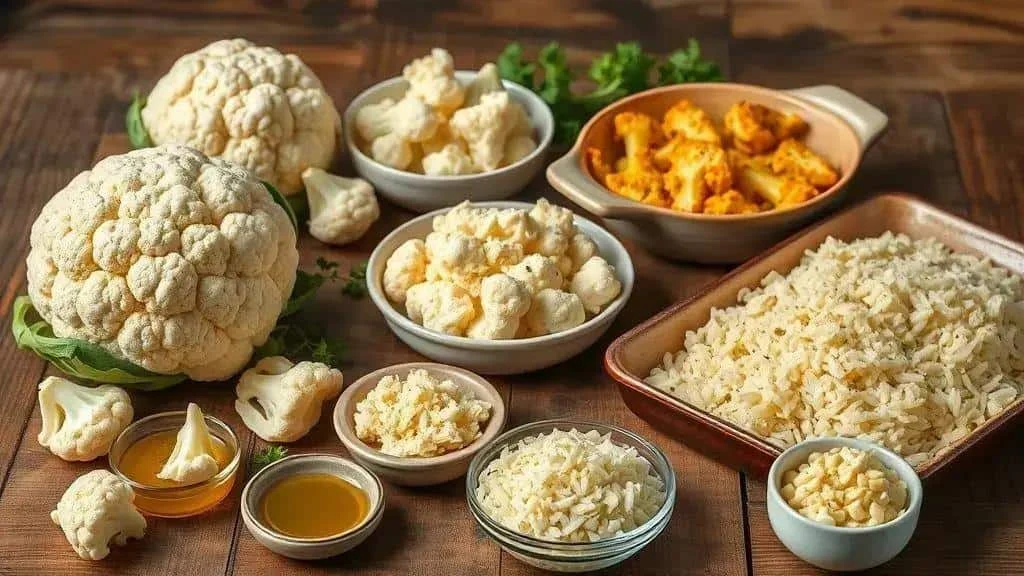
Cauliflower is a versatile vegetable. Its compact florets work in bakes, roasts, purées and finely chopped vegetable sides.
Cauliflower in a varied diet
- Vegetable variety – cauliflower is one way to include a different vegetable alongside the other foods you eat.
- Fibre – vegetables can contribute to your fibre intake as part of a varied diet; this dish is not a treatment for digestive problems.
- Look at the complete dish – cheese, butter and sauce change its nutritional profile, so a gratin should not automatically be described as a low-calorie meal.
- Keep health claims in perspective – eating this recipe cannot be said to prevent illness or provide a particular level of protection against disease.
- Balance and portions – serve it with a range of other foods rather than relying on one vegetable to supply everything you need.
Interesting features
- A cultivated vegetable: cauliflower is one of the varied crops developed through the long cultivation and selection of Brassica oleracea.
- Related to broccoli: cauliflower and broccoli are cultivated forms of the same species, Brassica oleracea, alongside crops such as cabbage and kale.
- Different appearances: cauliflower varieties do not all look the same. Choose a firm, fresh head and let its colour and shape bring variety to the table.
- The compact head: the edible head, often called the curd, is associated with modified flower development. It can be divided into the smaller florets used for this recipe.
Choosing and storing cauliflower
- Choose a firm head with compact florets, avoiding mould, soft patches or obvious deterioration.
- Check freshness rather than relying on appearance alone; discard cauliflower with signs of spoilage or an unpleasant smell.
- In the fridge: follow any packaging storage instructions and use while fresh. Keep it protected from contamination and check it regularly rather than treating a fixed seven-day period as a guarantee.
- Freezing: divide into florets and follow a reliable vegetable blanching and freezing method. Cool promptly after blanching, drain thoroughly, then pack in freezer-safe containers and date them. Avoid leaving cooked florets warm on the worktop.
Other ways to prepare it
- Roasted: toss florets with olive oil, salt and pepper, then roast at 200°C, or 180°C fan, until tender and golden.
- Grilled or sautéed: cook until tender with a little bite, adjusting the heat so the outside does not burn before the inside cooks.
- Cauliflower rice: grate or pulse the florets into small pieces, then cook as a vegetable side. It has a different texture and nutritional profile from rice.
- Purées and sauces: blend cooked florets for a smooth vegetable purée. Follow your blender’s instructions for hot food; do not seal hot liquid in an unsuitable blender.
Using it in a festive menu
Cauliflower cheese gratin works well with thyme, nutmeg and a salad with citrus dressing. It is a flexible festive side, but check the cheese, sauce and topping carefully when adapting it for particular dietary requirements.
Enjoy your gratin
Cauliflower cheese gratin makes a comforting addition to a festive dinner or special meal. Choose the classic cheese version or adapt every ingredient needed for a plant-based or gluten-free bake.
Thank you for following the recipe. Find more kitchen tips and festive inspiration on our social channels, and visit the I Love Christmas blog for more recipes and ideas.
Cauliflower cheese gratin: frequently asked questions
Can I prepare cauliflower gratin ahead of a festive dinner?
Yes. Cool the cooked cauliflower and sauce promptly, refrigerate within 2 hours and assemble cold. Keep at 5°C or below and bake within 48 hours. Allow extra time for a chilled dish and check that the centre is steaming hot, not just that the topping has browned.
How can I make a creamy vegan version?
Replace the butter, milk and cheese with suitable plant-based alternatives and check the breadcrumbs. Nutritional yeast adds savoury flavour but does not melt like cheese. Cashew cream can replace part of the sauce liquid; remember that it adds a nut allergen.
How can I reheat it without a soggy topping?
Reheat covered at 180°C, or 160°C fan, until steaming hot throughout, then uncover and briefly brown at 200°C, or 180°C fan, if needed. The centre determines when it is hot enough, not a fixed reheating time. Reheat only once.
Can I use frozen cauliflower?
Yes. Cook it according to the packet, drain thoroughly and use in the gratin. Simply thawing it is not a substitute for the required cooking, and excess moisture can make the sauce watery.
How can I make the gratin gluten-free?
Replace the plain flour with 1½ tbsp cornflour mixed into a little cold milk before adding to the hot liquid, and use gluten-free breadcrumbs. Check the remaining ingredients, including plant drinks and stock if used.
How many people does a medium dish serve?
About 4 generous or 6 smaller side servings, depending on appetites and the other dishes in the meal.
Sources and Further Reading
- Food Standards Agency: cooking and reheating safely
- Food Standards Agency: chilling, freezing and defrosting safely
- Royal Botanic Gardens Kew: cabbage and its cultivated relatives