Christmas drinks can include warming favourites such as mulled wine and eggnog, alongside alcohol-free choices such as spiced apple juice or fruit-infused water. Plan for different preferences, check ingredients and label alcoholic drinks clearly. This guide offers serving and flavour ideas rather than fully measured recipes.
Christmas drinks can add a festive touch to a gathering, whether you serve mulled wine to adults who want it or a refreshing alcohol-free drink. There is no need for alcohol to make the occasion special.
Here we look at familiar festive drinks, ideas for serving them with food and ways to make the selection welcoming for different guests.
Choose a manageable menu, keep water available and let everyone decide what they would like to drink.
Christmas drinks and their traditions
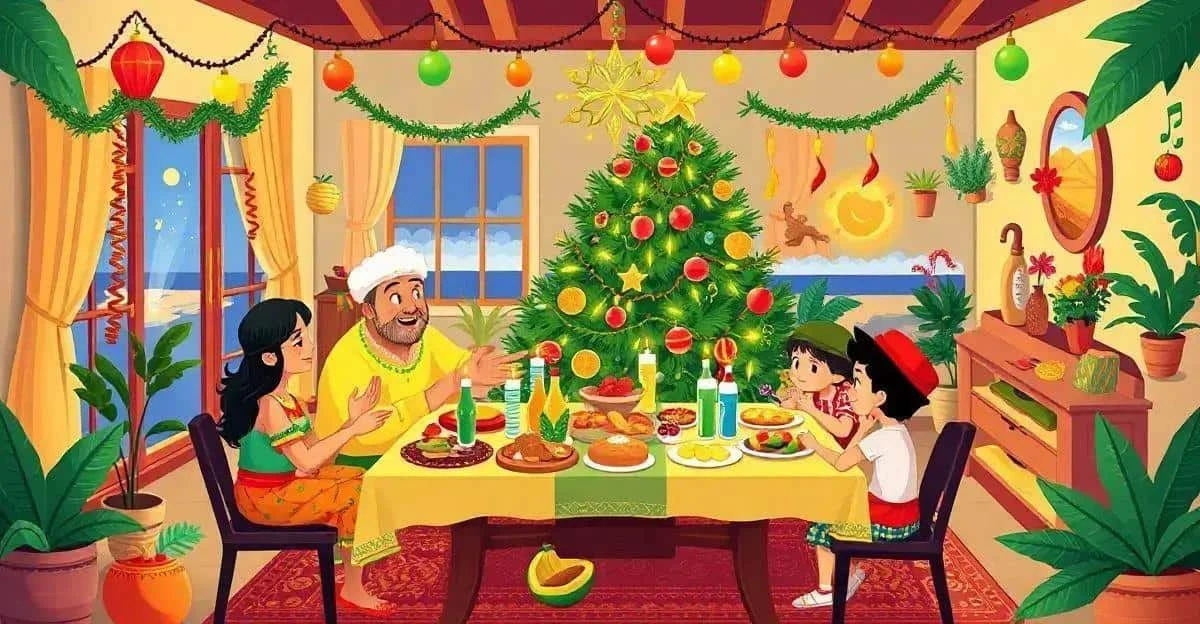
Christmas drink traditions reflect different cultures, climates and household preferences.
A warm spiced drink might suit a cold evening, while a chilled fruit drink may be more welcome at a summer Christmas celebration.
Drinks can become associated with religious celebrations, family gatherings or local festivities, although customs vary.
Recipes passed between generations often gain small personal changes. Your family’s favourite does not have to be the same as anyone else’s.
Traditional festive drink ideas
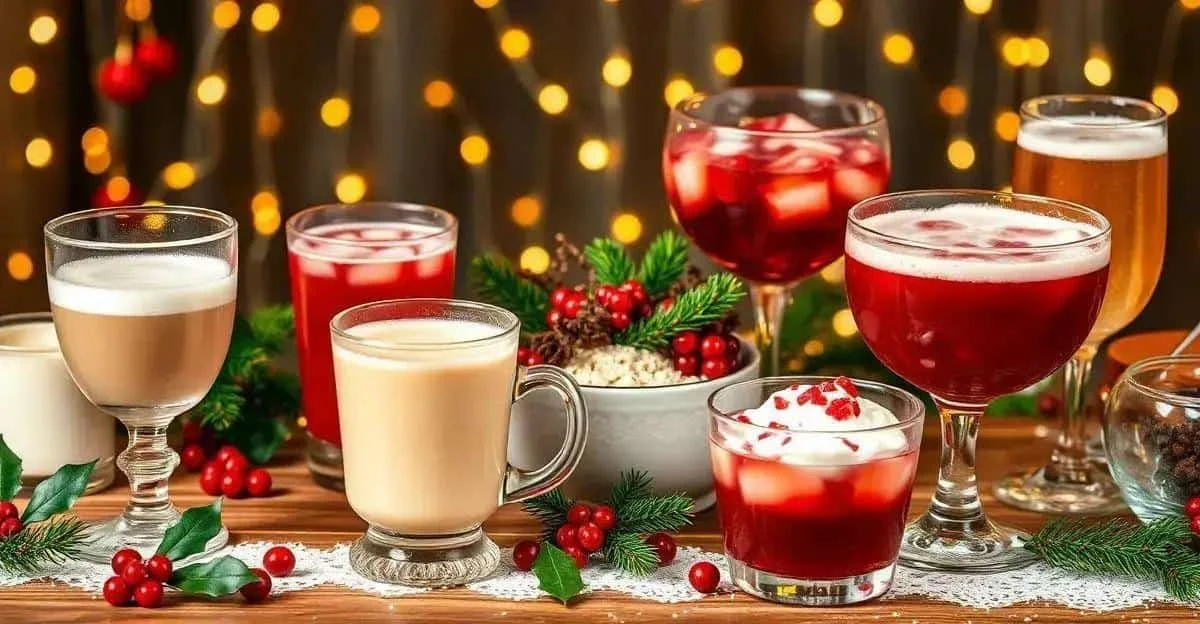
Traditional festive drink ideas provide a starting point for your Christmas menu. Use a reliable measured recipe when preparing any of these drinks.
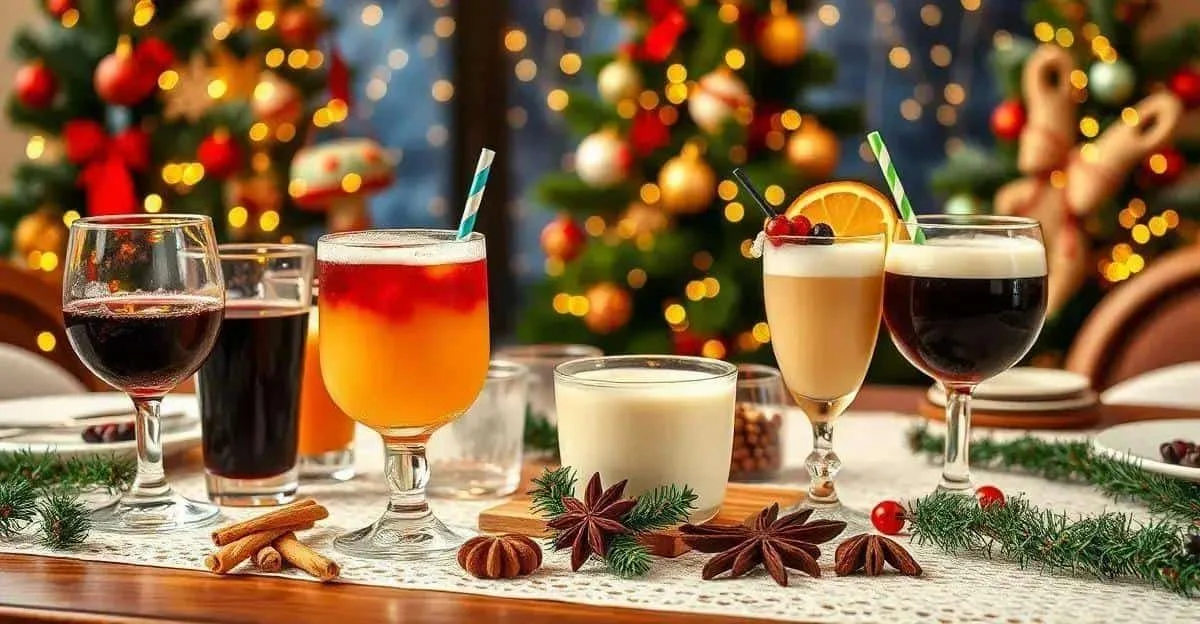
Mulled wine combines wine with flavourings such as cinnamon, cloves and orange. Serve it only to adults who choose alcohol, and do not assume warming it removes all the alcohol.
Eggnog is a rich drink commonly made with eggs, milk and sugar, with nutmeg as a finishing flavour. Choose a properly cooked recipe or suitable pasteurised egg products, follow storage instructions and check whether alcohol has been added.
Apple cider needs particular care in a UK menu because cider normally means an alcoholic drink. For an alcohol-free alternative, use clearly labelled apple juice warmed with suitable spices.
A fruit punch can combine different fruit flavours in a colourful serving bowl. Check every ingredient before describing it as alcohol-free.
Choose the flavours you enjoy and explain what is in each drink, rather than relying on a festive name alone.
Alcohol-free drinks for children
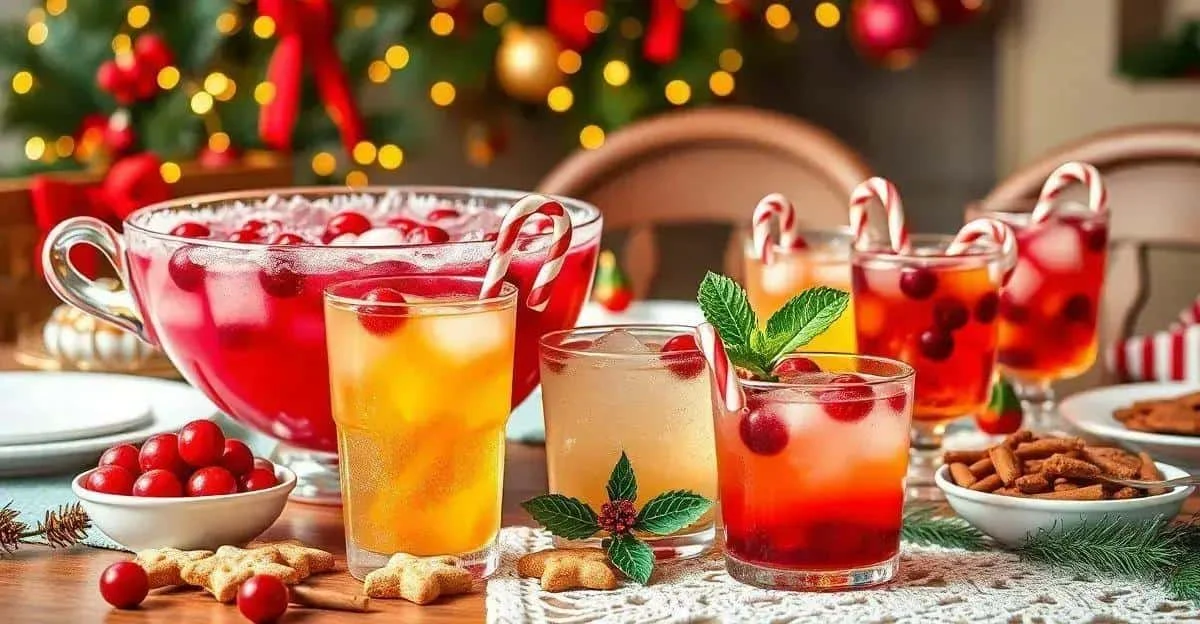
Alcohol-free drinks for children should be clearly separated from alcoholic drinks. Water or milk can be the everyday option, with a small festive drink offered as an occasional treat.
A small serving of fruit juice can add colour to the meal. NHS guidance recommends limiting fruit juice and smoothies to a combined maximum of 150ml a day, with a meal.
A chocolate milkshake is another occasional treat. Check milk allergies and the sugar content, and use an appropriate serving size.
For a festive lemonade, consider a version with little or no added sugar. A lemon slice can decorate the serving jug rather than becoming a loose garnish in a young child’s drink.
Hot chocolate can suit a chilly day. Let it cool to a comfortable temperature before serving, and choose any toppings with the child’s age and allergies in mind.
Plain sparkling water in a suitable reusable cup can feel festive without adding sugar. There is no need to offer sugary fizzy drinks.
The important thing is that children can join the celebration with drinks that are appropriate for them.
Serving drinks with Christmas dishes

Pairing drinks with Christmas dishes is a matter of taste. With roast turkey, some adults may enjoy a red wine, but lighter options or an alcohol-free drink can work just as well.
With potato salad, a light beer is one option for adults who choose alcohol. For fish dishes, some prefer a lighter white wine such as Sauvignon Blanc. These are suggestions, not rules.
A vegetable and nut roast can be served with cider for adults who want it, or spiced apple juice. With dessert, a small serving of port may appeal to some adults, while hot chocolate offers another choice.
Ask guests what they enjoy and keep alcohol-free options available throughout the meal. Nobody needs to follow a pairing suggestion or explain why they are not drinking alcohol.
Presenting your Christmas drinks
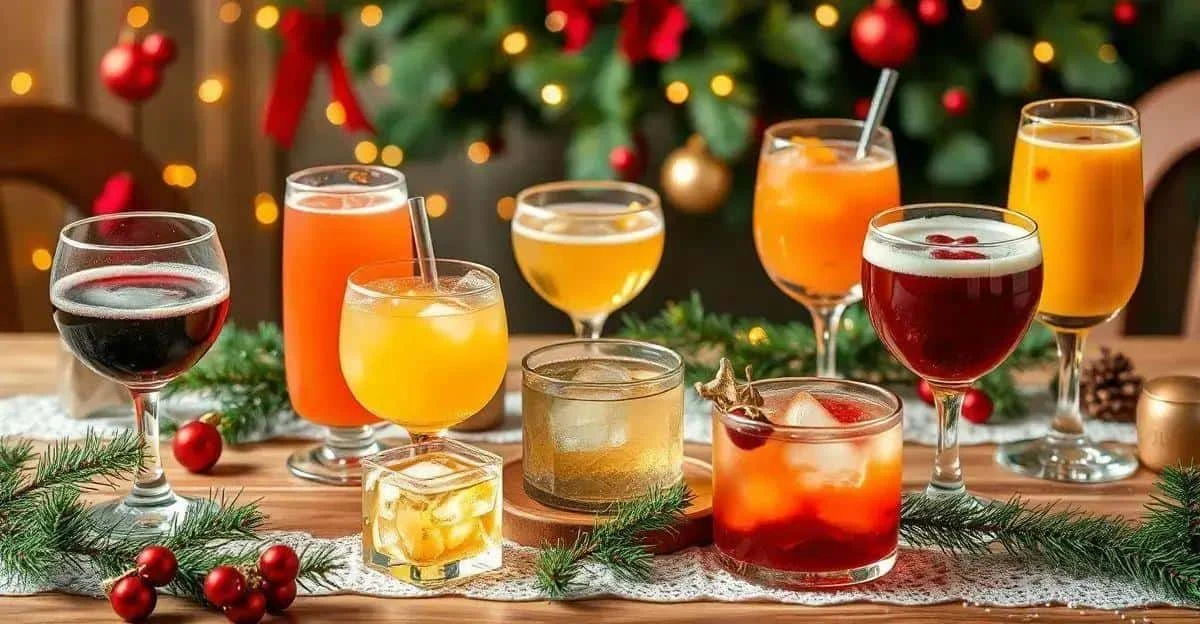
Presenting Christmas drinks starts with suitable glasses or cups. Use stable containers for cocktails and appropriate glasses for wine, with child-friendly cups where needed.
Simple garnishes such as orange slices or mint leaves can add colour. If you use ice, prepare it hygienically; flavoured ice and shaped ice are optional details for drinks where they are appropriate.
For serving on trays, choose stable serving trays and leave enough space to carry them safely. Clear drink labels should identify alcohol and ingredients, especially when drinks look similar.
Keep fresh flowers and Christmas decorations separate from the drinks unless you know they are food-safe and intended for consumption. A small display beside the serving area is enough.
Lighter and less-sweet Christmas drink options
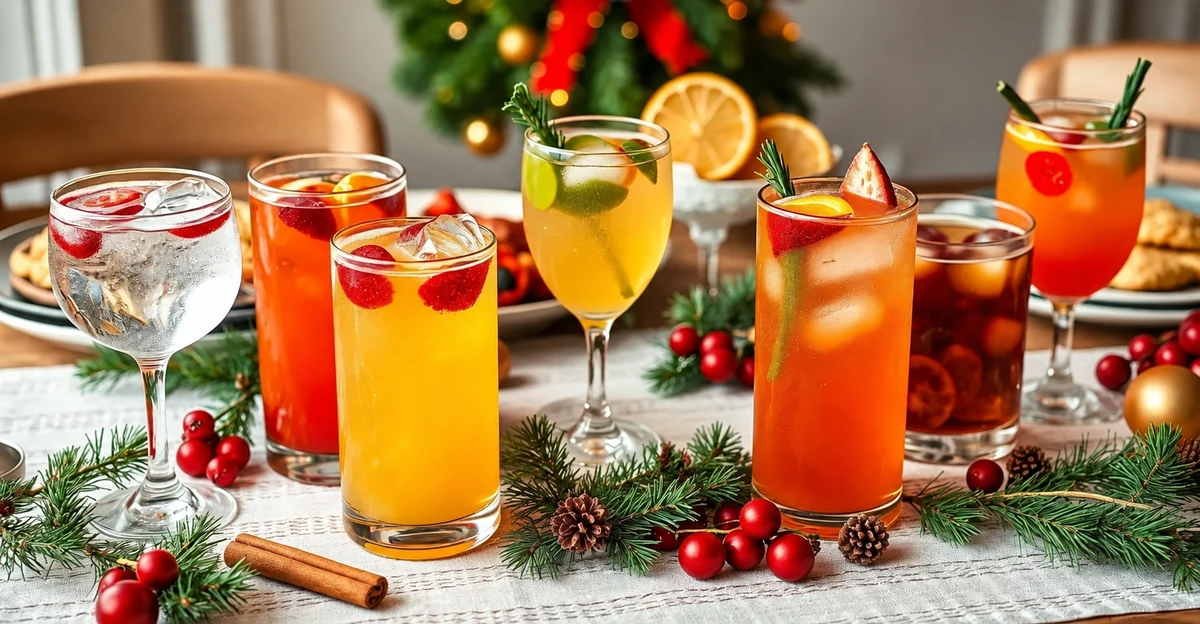
Less-sweet Christmas drink options can offer variety. A fruit smoothie may contain fruit and yoghurt, but it is not automatically a low-sugar drink; keep portions small and check ingredients.
An unsweetened iced hibiscus tea is an option for adults who already enjoy it. Do not present herbal drinks as suitable for everyone or as a treatment; choose a familiar alternative where needed.
Almond drink with cocoa is another flavour combination, but it contains nuts and is not necessarily lower in sugar or calories than other drinks. Read the label rather than assuming.
Try fruit-infused water with a flavour such as lemon and basil. Wash ingredients and prepare it hygienically.
Fermented drinks such as kombucha should not be assumed to be alcohol-free or to provide proven health benefits. Check the product label and choose a different drink when alcohol needs to be avoided.
A varied selection can include plain water, familiar unsweetened drinks and small portions of richer festive treats.
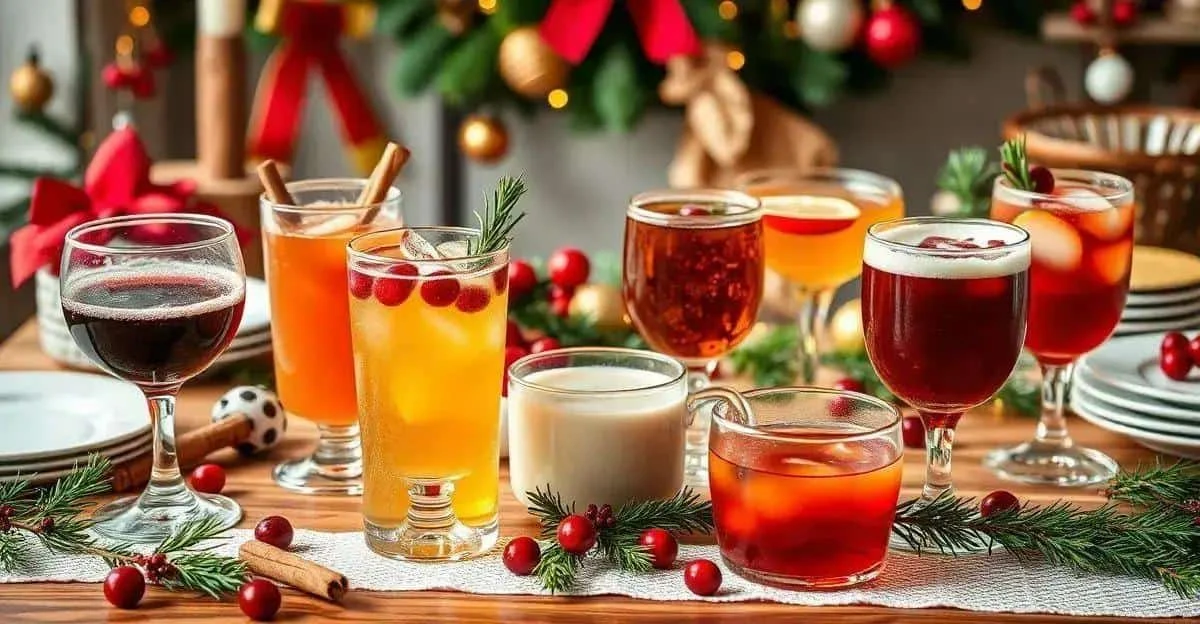
A personalised Christmas drink menu can use flavours your guests enjoy. Local or seasonal ingredients may offer inspiration, but there is no need to present these choices as a verified current trend.
Let guests choose simple flavour additions where practical. For less sugar, reduce sweetening rather than assuming agave or another syrup is sugar-free.
Tea-based drinks provide different flavour options without needing health claims. A varied alcohol-free selection helps people choose a drink that suits them.
Use a few decorative touches and clear labels. Straightforward serving arrangements are usually more useful than an elaborate display.
Choosing drinks for your celebration
Christmas drinks can combine tradition with new ideas.
This guide has explored familiar festive flavours, alcohol-free options and practical ways to serve them. Use tested recipes when you need exact quantities and preparation instructions.
Pairing suggestions and simple presentation can help, but guest preferences and clear ingredient information come first.
Aim for a selection that is personal, varied and appropriate for your guests, rather than following an outdated trend list.
A thoughtful drinks menu can make the occasion enjoyable and welcoming, with no pressure to drink alcohol.
Frequently asked questions about Christmas drinks
Which drinks are associated with Christmas?
Mulled wine, eggnog and cider are familiar examples. Alcohol content varies by recipe, and UK cider is normally alcoholic. Spiced apple juice offers an alternative.
What alcohol-free drinks can I offer children?
Keep water or milk available. A small festive hot chocolate or juice can be an occasional treat, taking age, allergies, temperature and sugar content into account.
Which drinks suit Christmas food?
Preferences matter more than fixed rules. Offer water and alcohol-free choices alongside any wine or beer, and let guests choose what they enjoy.
How can I improve the presentation of Christmas drinks?
Use suitable cups, stable trays and simple food-safe garnishes. Clearly label alcoholic drinks and ingredients, especially when several options look alike.
What less-sweet Christmas drinks could I serve?
Plain or fruit-infused water and familiar unsweetened drinks are options. Smoothies and fruit juice still contain sugar, so keep portions small.
How can I personalise a Christmas drink menu?
Use flavours your guests enjoy, provide clear ingredient information and include genuinely alcohol-free options. You do not need to follow a particular year’s trends.