Christmas food in northern Brazil can include pato no tucupi, jambu, maniçoba and tambaqui, alongside family gatherings, nativity scenes and local celebrations. Customs vary across this vast region. Amazonian ingredients bring distinctive flavours to the table, but cassava-derived products require particular care: use professionally processed tucupi and maniva from reputable suppliers, following their instructions.
Christmas food in northern Brazil brings together regional flavours and family memories. If you would like to serve pato no tucupi at Christmas, start by understanding its ingredients and the care they need. These menu ideas introduce an Amazonian influence without treating every northern Brazilian household as the same.
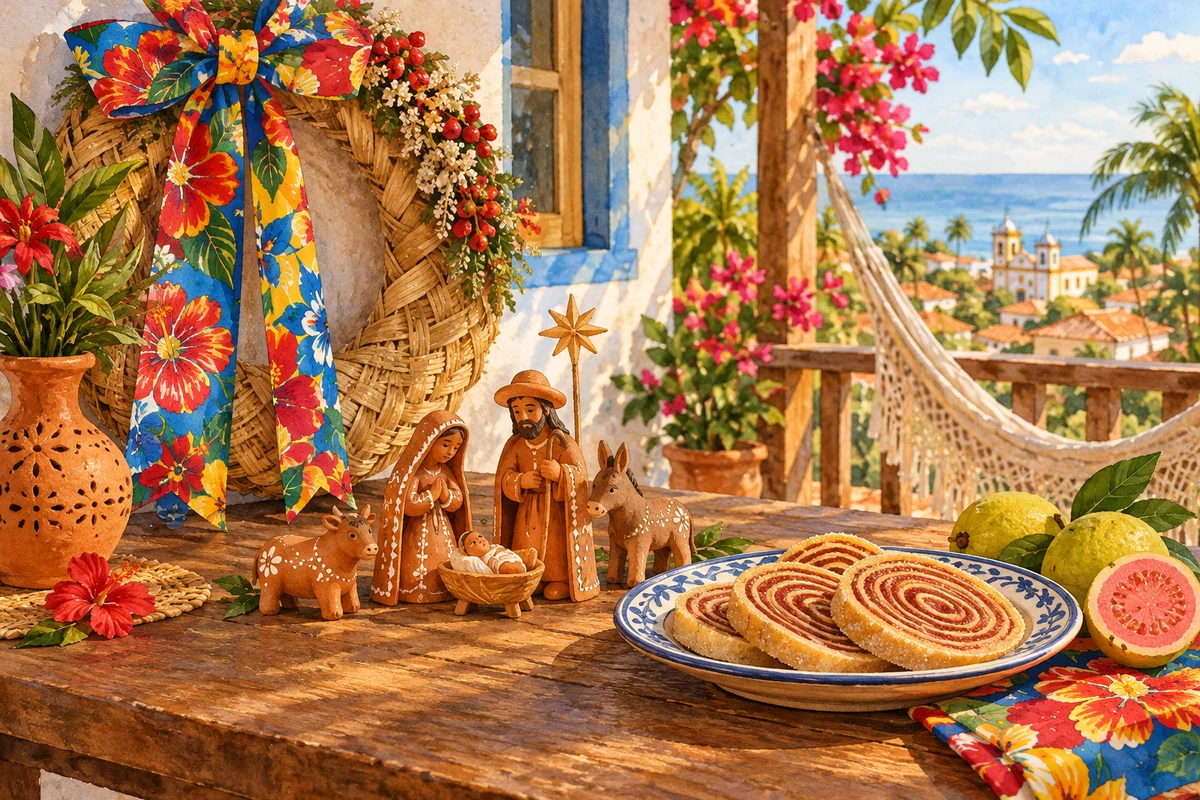
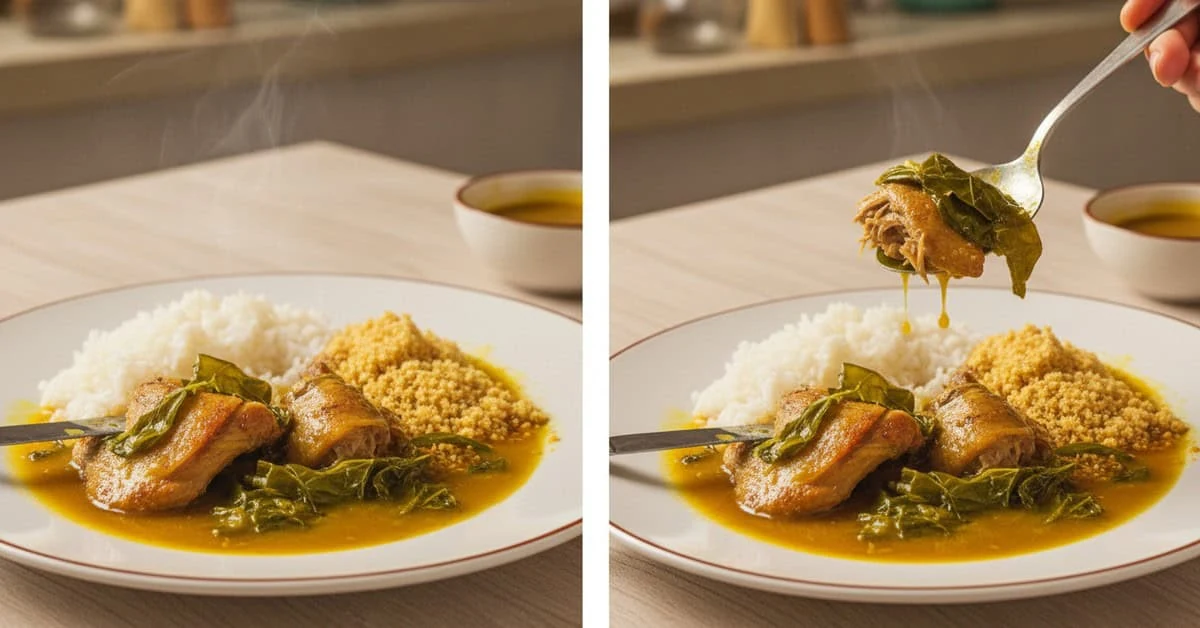
Illustrations in this article are conceptual images, not documentary photographs or evidence of a particular historical event, destination, venue or access route.
Pato no tucupi: ingredients, background and a place at Christmas
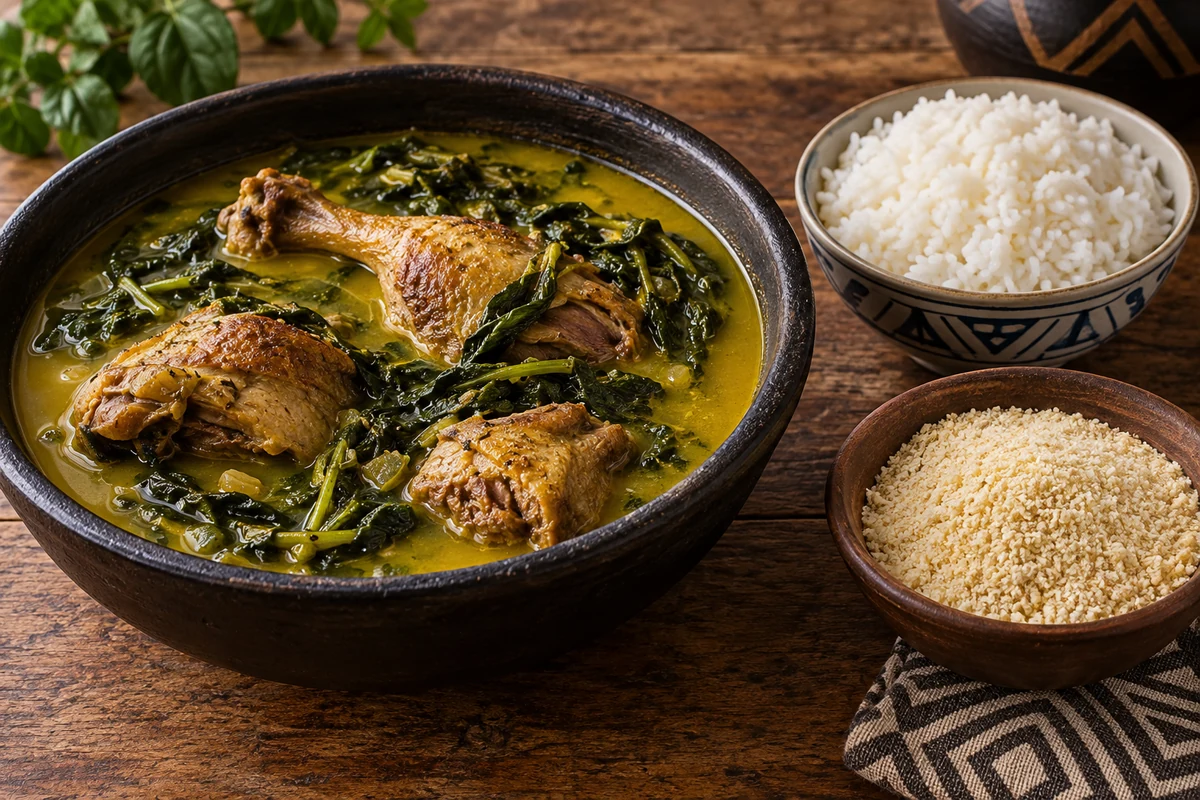
Pato no tucupi is particularly associated with Pará and draws on Indigenous and regional Amazonian food traditions. Duck, a yellow sauce made from processed cassava juice, and jambu leaves create its characteristic combination of flavours.
Ingredients for pato no tucupi
For a family meal serving roughly 6–8, depending on the side dishes, allow:
- 2.5–3 kg whole duck – jointed; a 1.8–2 kg chicken is a smaller, different-yield alternative, so adjust the number of servings.
- 1.5–2 litres tucupi – commercially processed by a reputable food producer, with clear storage and cooking instructions. Do not use raw cassava juice or attempt to detoxify bitter cassava at home using this recipe.
- 200–300 g jambu leaves – washed and prepared as the supplier directs; spinach provides a different flavour and none of jambu’s characteristic tingling sensation.
- 300–400 g prepared edible cassava – optional, cooked separately according to its packet instructions; alternatively, serve ready-to-eat toasted cassava flour.
- 3 garlic cloves – crushed or chopped.
- 2 medium onions – chopped.
- 2 tablespoons oil or Brazilian bottled butter – for browning.
- 1 pimenta-de-cheiro or small chilli – optional; the heat varies, so add to taste.
- Salt and black pepper – to taste.
- Spring onions and coriander – chopped, to finish.
- Juice of 1 lime – for flavour, not for disinfecting the duck.
Ingredient notes and substitutions
Tucupi and jambu give the dish its identity. Cassava can contain cyanogenic compounds, and inadequate processing can leave harmful residues in tucupi and maniva. Buy properly processed products from a traceable supplier and follow the label; a short boil is not a substitute for safe production. If these products are unavailable, make duck in ordinary poultry stock with a little lime instead, clearly describing it as an adaptation. Source: Embrapa: cassava products and processing
Main preparation steps
- Season the duck: Do not wash raw poultry. Season the pieces with salt, pepper and lime juice, then refrigerate for 20–30 minutes. Keep raw poultry and its utensils separate from ready-to-eat food.
- Brown the duck: Heat the oil in a large pan and brown the pieces in batches for colour and flavour; browning does not seal in juices or cook the centre.
- Cook the aromatics: Transfer the duck to a dish reserved for uncooked meat. Soften the onion and garlic in the pan, adding chilli if wanted.
- Simmer in tucupi: Return the duck, add the processed tucupi and enough suitable cooking liquid to cover, then simmer gently until tender. Allow around 60–90 minutes, but check rather than rely on time: the thickest meat must reach 70°C for 2 minutes or 75°C for 30 seconds. Follow any additional cooking instructions on the tucupi packaging. Source: Food Standards Agency: cooking food safely
- Prepare the leaves: Cook the washed jambu as directed by its supplier before adding it towards the end. If using spinach instead, stir it in and cook through; it will not reproduce jambu’s flavour or sensation.
- Finish and serve: Once the duck is fully cooked, adjust the seasoning and add spring onions and coriander. Serve hot with ready-to-eat cassava flour and freshly cooked rice.
Its meaning at Christmas
A regional dish can bring familiar ingredients and memories into a family celebration. For households that serve pato no tucupi at Christmas, it may express a connection with Pará and Amazonian food culture. It is not a universal Christmas dish across all seven northern states.
Sharing recipes, remembering relatives and talking about where ingredients come from can make the meal a link between generations, as well as something enjoyable to eat.
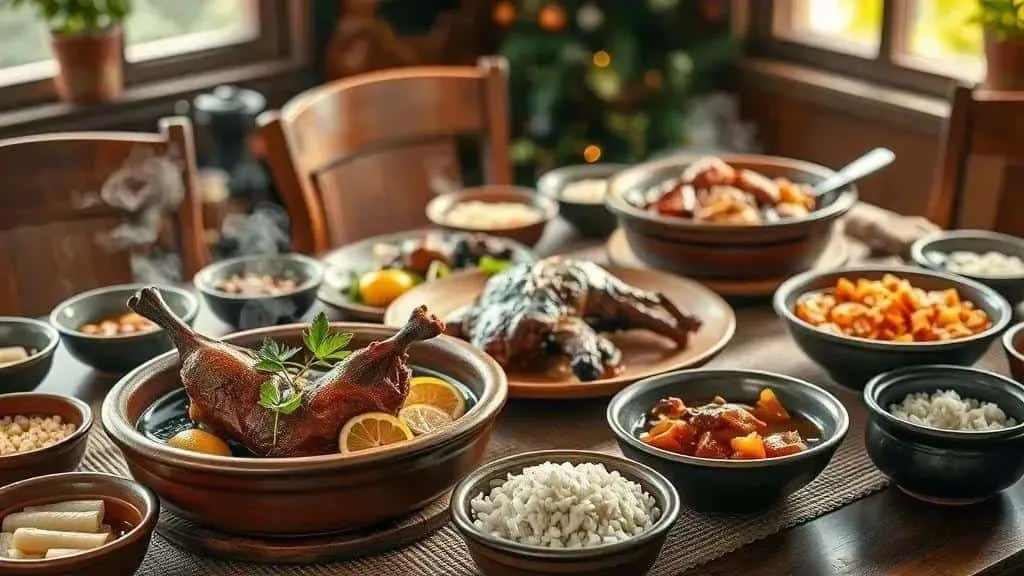
These practical outlines cover duck, fish and maniçoba. They assume properly processed ingredients: they are not instructions for making raw cassava products safe. The duck method is repeated here as a convenient menu reference.
Ingredients for pato no tucupi
- 2.5–3 kg duck – jointed; a 1.8–2 kg chicken can be used, with serving size and cooking time adjusted.
- 1.5–2 litres tucupi – professionally processed, labelled and purchased from a reputable supplier; never raw cassava juice.
- 200–300 g jambu leaves – washed and prepared as directed; spinach is a different-flavoured alternative.
- 300–400 g prepared edible cassava – optional, cooked separately according to its packaging.
- 2 medium onions – chopped.
- 3 garlic cloves – crushed.
- 2 tablespoons oil or Brazilian bottled butter.
- 1 pimenta-de-cheiro or small chilli – optional, to taste.
- Juice of 1 lime, salt and black pepper – for seasoning.
- Spring onions and coriander – to finish.
How to cook pato no tucupi
- Season: Without washing the raw duck, season with salt, pepper and lime. Refrigerate for 20–30 minutes and clean any surfaces or utensils that have touched the raw meat.
- Brown: Heat the oil in a large pan and brown the duck pieces in batches.
- Add aromatics: Set the duck aside on a suitable dish and soften the onion and garlic. Add chilli if desired.
- Simmer: Return the duck and cover with processed tucupi and extra cooking liquid if needed. Simmer until tender, checking the centre reaches the safe temperature and holding time given above; an estimated 60–90 minutes is only a guide.
- Add the jambu: Prepare the leaves according to the supplier’s instructions and add near the end of cooking.
- Finish: Check the seasoning only once the meat is cooked, scatter over the herbs and serve hot with rice and ready-to-eat cassava flour.
Variations on pato no tucupi
- Chicken can be a more accessible option; it changes both the flavour and the yield.
- Bay leaves can be added for a different aromatic note. Remove them before serving.
Ingredients for roast tambaqui
- 1 whole tambaqui, 2–3 kg – gutted and scaled by the fishmonger.
- 3 garlic cloves – crushed.
- Juice of 2 limes – for the marinade; citrus does not make raw fish safe to eat.
- Coarse salt – to taste.
- Orange or lime slices – to add aroma during roasting.
- Alternative fish: use a legally sourced fish suitable for roasting, chosen with your fishmonger. Pacu or pirarucu portions may be available in Brazil; a local alternative is often more practical in the UK.
How to cook roast tambaqui
- Prepare and marinate: Check the prepared fish for remaining scales and bones, pat dry and season with garlic, salt and lime. Cover and refrigerate for 30 minutes.
- Add the aromatics: Place citrus slices and herbs in the cavity without packing it tightly.
- Roast: Preheat the oven to 200°C conventional or 180°C fan. Place the fish in an oiled roasting tin. A whole 2–3 kg fish may need considerably longer than a smaller portion, so follow your fishmonger’s guidance and check the thickest part is cooked through rather than relying on a fixed short time.
- Serve: Check carefully for bones when portioning, especially for children. Serve with rice, leafy salad or pirão, a Brazilian broth thickened with cassava flour.
Variations on roast tambaqui
- An outdoor barbecue can add a smoky flavour, provided the fish cooks through. Never use a charcoal barbecue indoors or in an enclosed space.
- Serve an acerola or passion fruit sauce alongside for a tart contrast.
Ingredients for maniçoba
- 1 kg commercially processed, fully cooked maniva – cassava leaves from a reputable producer, with clear instructions. Do not substitute raw leaves or a product whose processing cannot be verified.
- 800 g–1 kg mixed pork cuts and sausages – cured products require their supplier’s preparation instructions; fresh cuts do not need desalting.
- 2 large onions – chopped.
- 4 garlic cloves – crushed.
- Salt, pepper and oil – to taste.
- Ready-to-eat farinha d’água or toasted cassava flour – to serve.
- If maniva is unavailable: make a different stew with ordinary edible greens instead. Spinach is not maniva and should not be presented as an authentic substitute.
How to prepare maniçoba
- Check the maniva: Use only a properly processed product and follow its instructions. Traditional preparation involves prolonged processing, but simply washing leaves or boiling them for a stated number of days is not a reliable home safety check. This outline does not cover detoxifying raw cassava leaves.
- Prepare the meats: If using salted cuts, follow the packet’s desalting directions in the fridge, then cook them thoroughly. Keep raw meat separate from ready-to-eat ingredients.
- Cook the base: Soften the onion and garlic in a little oil in a large pan.
- Combine and simmer: Add the fully processed maniva and cooked meats, with enough water to reach a stew-like consistency. Simmer gently to combine the flavours, following the maniva manufacturer’s instructions rather than treating an arbitrary cooking time as proof of safety.
- Adjust the consistency: Stir to prevent sticking and add water if necessary. Taste for seasoning only when every ingredient is fully cooked.
- Serve: Offer with freshly cooked rice and ready-to-eat cassava flour.
Practical tips
- Plan ahead: If cooking the day before, finish cooking the entire dish before cooling and refrigerating it; do not store partly cooked poultry to finish later.
- Explain substitutions: If you replace jambu with spinach, tell guests that the flavour and tingling sensation will be different.
- Balance the menu: Pair strongly flavoured dishes with plain rice, cooked roots or a fresh salad.
Planning an Amazonian-inspired Christmas meal
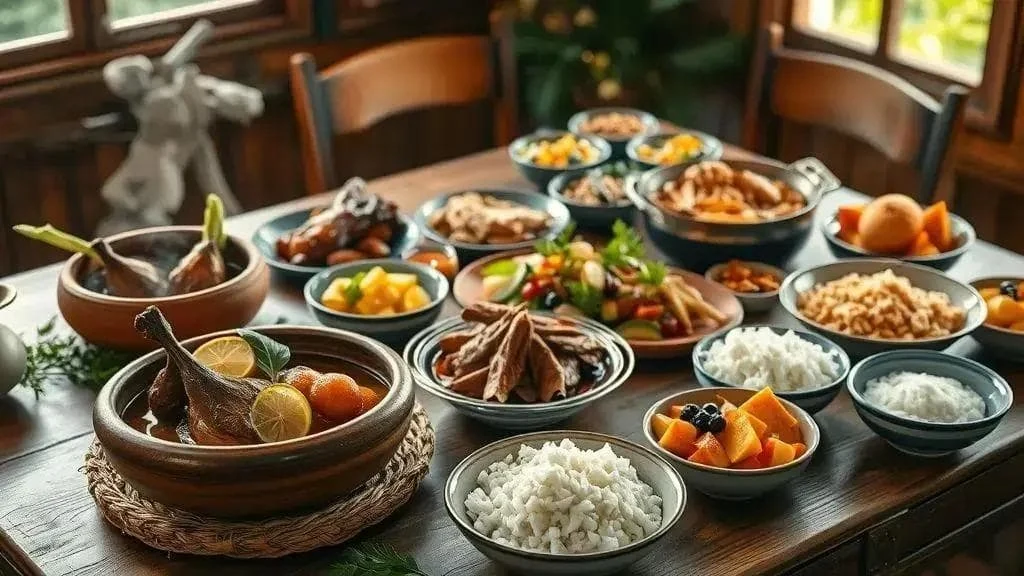
Think about contrasting flavours and textures rather than serving every regional speciality at once. A balance of rich and fresh, warm dishes and crisp accompaniments makes a generous family meal easier to organise.
Combining dishes
Choose one main dish with tucupi and jambu, then add rice and a suitable cassava accompaniment. A citrus-dressed salad can provide freshness, while cooked roots or pirão make the meal more substantial.
Main dishes and suggested accompaniments
- Pato no tucupi – serve with fluffy white rice and cassava flour. Plan portions around the amount of usable meat after removing bones and the number of other dishes.
- Roast tambaqui – try a rocket and orange salad with roasted sweet potato. Allow for bones and any other courses when buying the fish.
- Maniçoba – serve with white rice and a small portion of toasted cassava flour, letting guests help themselves to seconds.
- Cassava cake made with properly prepared ingredients, or tapioca pudding, can round off the meal with a sweet course.
- Drinks might include sparkling water and juices made from cupuaçu or taperebá where available. Wine is optional; provide appealing alcohol-free choices for everyone.
Colour and texture
Combine a rich stew, a crisp flour topping and succulent fish or poultry. Greens and citrus add colour. Explain the tingling sensation associated with jambu, and identify nuts and other allergens rather than assuming every garnish suits every guest.
Serving order and practical arrangements
- Organise the serving area: Keep hot dishes hot and chilled foods refrigerated until needed. Avoid leaving a full buffet standing out throughout a long celebration.
- Serve promptly: Bring the duck or fish to the table once cooked and the accompaniments are ready.
- Use smaller serving dishes: Replenish them as needed to make portions manageable and reduce waste. Three or four side dishes for the table are usually more practical than a separate large selection for each person.
- Help guests choose: Provide separate serving utensils and clear ingredient labels for vegetarian dishes and dietary requirements.
Variations and adaptations
- Vegetarian ideas include roasted hearts of palm, plantain moqueca or a mushroom bake topped with properly prepared cassava mash. Check every stock and seasoning is suitable.
- Without jambu, use ordinary edible greens and describe the dish as an adaptation.
- For a smaller budget, choose responsibly sourced local fish and affordable seasonal vegetables rather than importing every ingredient.
A few final planning tips
- Write down the main ingredients and allergens for each dish so guests do not have to guess.
- Prepare suitable desserts or fully cooked stews ahead where their storage instructions allow. Fresh rice is simplest; if prepared ahead, it needs separate cooling and storage care.
- Food-safe serving bowls and clean, suitable decorative leaves can add character. Keep ornamental or unidentified plants away from food.
Family Christmas traditions in northern Brazil
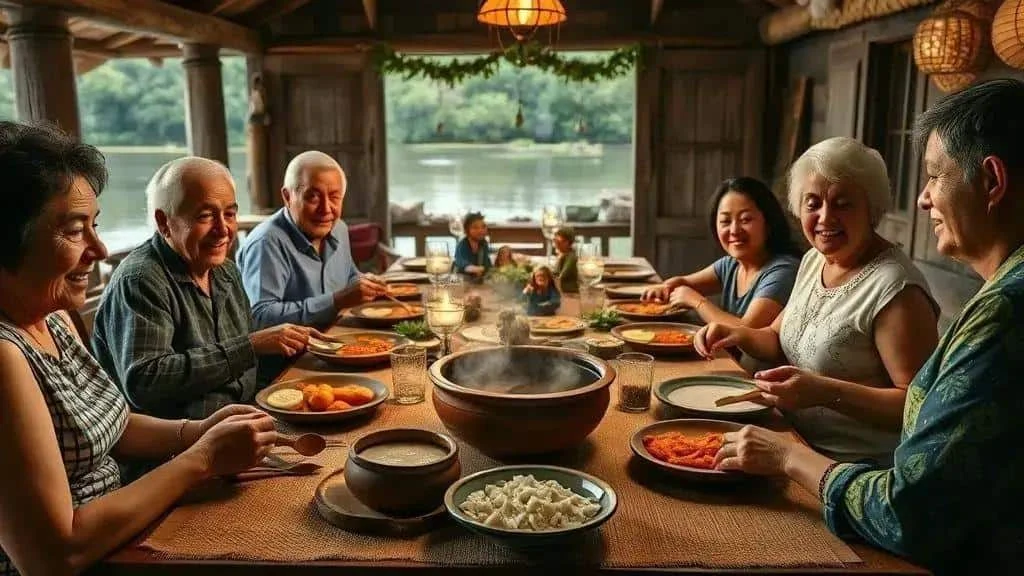
Across northern Brazil, Christmas celebrations vary between communities and households. For many families, visiting relatives, sharing a meal and attending a church service are familiar parts of the season; others celebrate in different ways.
Christmas dinner and sharing food
The meal can be an occasion for sharing. Bringing a dish to relatives or neighbours, cooking together and swapping family stories all help create a sense of connection. How this happens depends on each household’s circumstances and traditions.
Nativity scenes, church services and songs
In Christian households, a nativity scene may be a focus for decorating together. Christmas services, prayers and singing can give the holiday a religious meaning. These are possible traditions, not practices shared by everyone in the region.
Regional ingredients and family symbols
Some households bring local flavours to their celebration through tucupi, jambu or regional fish. Simple gifts, handmade decorations and familiar stories can be equally meaningful ways of connecting generations.
Games, music and memories
Games and storytelling give different generations something to enjoy together. Families may choose regional music, Christmas songs or their own favourite recordings, rather than following one fixed regional programme.
Involving younger family members
Invite younger relatives to learn a family recipe, record a story with permission or help prepare the table. Adapting a dish for dietary needs can keep a gathering welcoming without pretending the adaptation is identical to the original.
Celebrating thoughtfully
- Explain ingredients: Tell guests about jambu and clearly identify allergens before serving.
- Share the jobs: Offer small, age-appropriate tasks so people can participate without overcrowding the kitchen.
- Record memories: With permission, take photographs or make short recordings of older relatives’ stories.
- Respect local traditions: Learn about the ingredients and crafts you use rather than reducing a diverse region to a single style.
Ingredients, substitutions and preparing ahead
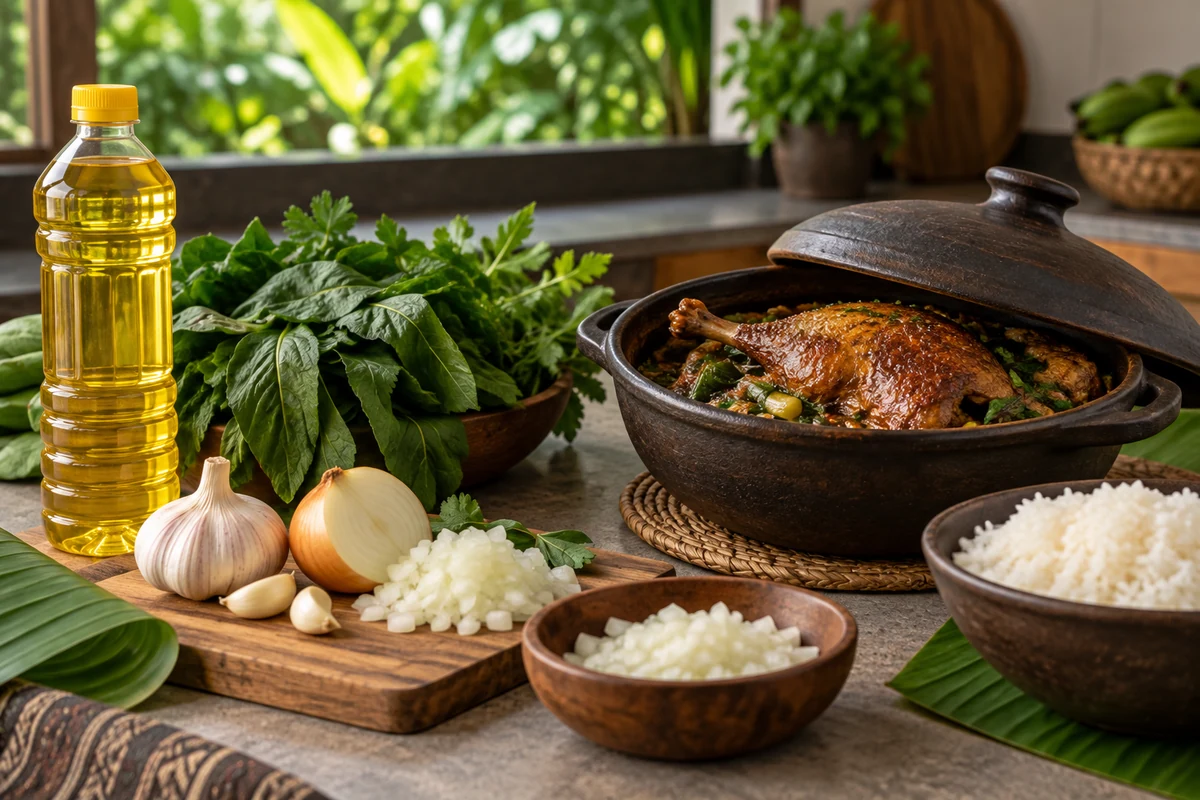
Plan the menu before shopping. Choose foods you can source and store safely, balance rich dishes with simpler sides, and avoid taking on unfamiliar raw cassava processing for a celebration.
A practical shopping list
- 1.5–2 litres processed tucupi – for a duck dish serving roughly 6–8, depending on portions; buy a traceable product and follow its label.
- 200–300 g jambu – sourced as a food ingredient and prepared according to the supplier’s instructions.
- 1–2 kg prepared edible cassava – for side dishes; use a food-grade product and cook it fully as directed, never serve it raw.
- 2.5–3 kg duck or 1.8–2 kg chicken – adjust servings and cooking time for the different bird.
- 500 g ready-to-eat cassava flour – for serving and a crisp topping; buy an appropriate prepared product.
- 200 g Brazil nuts – optional for salads or farofa; label clearly as a nut ingredient and keep separate if needed.
Practical substitutions
- Duck → chicken: often easier to find, but different in flavour, yield and cooking time.
- Jambu → spinach: gives a green vegetable accompaniment without jambu’s characteristic sensation.
- Tucupi → ordinary stock: poultry or vegetable stock with a little lime produces a different dish. Do not use raw cassava liquid as a shortcut.
- Tambaqui → a suitable local fish: ask a fishmonger for a responsibly sourced roasting fish and adapt the method to its size.
Preparing ahead: what to do and when
- Two or three days ahead: Confirm your ingredients and fridge space. If salted meats need soaking, follow the producer’s instructions and keep them refrigerated throughout.
- The day before: Cook duck or chicken completely if preparing it ahead, then cool and refrigerate safely. Keep purchased tucupi in its original container as directed; do not make or bottle raw cassava juice for this menu.
- Later that day: Measure dry ingredients, prepare suitable garnishes and check serving dishes. Store washed or cooked greens as directed and keep perishable ingredients chilled.
- On the day: Cook the fish and rice near serving time. Reheat previously cooked dishes thoroughly once, and serve promptly rather than leaving them lukewarm for hours.
- Freezing: Freeze cooled, fully cooked portions promptly in labelled containers. Defrost in the fridge, allowing enough time for the portion size, and use within 24 hours of fully defrosting; follow any more restrictive product instructions. Source: GOV.UK: chilling, freezing and defrosting food
Storage and food safety
- Cool promptly: Divide cooked leftovers into small, shallow portions and refrigerate within two hours. Rice needs faster cooling, ideally within an hour.
- Refrigerate: Keep the fridge at 5°C or below. Eat ordinary cooked leftovers within 48 hours or freeze them; keep cooked rice refrigerated for no more than 24 hours before reheating. Source: Food Standards Agency: storing and reheating rice
- Reheat carefully: Reheat only once, until steaming hot throughout, stirring where appropriate. Reheating cannot reliably rescue food that has been stored unsafely.
Shopping and budgeting tips
- Choose reputable suppliers: Price matters, but traceability, correct storage and clear preparation instructions are particularly important for Amazonian cassava products.
- Buy only what you will use: Larger packs of flour or nuts are worthwhile only if you have suitable storage and can use them within their labelled dates.
- Share the menu: Agree which dish each household will bring, including how hot or chilled food will be transported safely.
- Try unfamiliar dishes first: A smaller practice meal helps you judge seasoning, portions and timing without the pressure of Christmas dinner.
Bringing regional flavours to the table
Northern Brazilian Christmas meals can celebrate ingredients, stories and family connections. Dishes such as pato no tucupi, maniçoba and tambaqui offer a way to explore particular regional traditions while recognising the area’s diversity.
Thoughtful planning, safe ingredients and clearly explained substitutions make the meal more manageable. The aim is a welcoming celebration, not a claim that one menu represents every family in the Amazon.
Thank you for reading. For more festive recipes and regional traditions, visit I Love Christmas and share your own family food memories with us.
Questions about Christmas food in northern Brazil
What is pato no tucupi, and why is it associated with northern Brazil?
It combines duck, processed tucupi and jambu, and is particularly associated with Pará. It reflects Indigenous and regional Amazonian food traditions and may be served for celebrations, including Christmas in some households.
Where can I find tucupi and jambu outside the Amazon?
Try reputable Brazilian or specialist food shops, checking traceability, storage and preparation instructions. If suitable products are unavailable, ordinary stock and edible greens make a different, clearly labelled adaptation.
Can I use another meat instead of duck?
Chicken can work as an adaptation, but its flavour, weight and yield differ. Adjust portions and cooking time, and make sure it is fully cooked.
Does maniçoba need special preparation precautions?
Yes. Cassava leaves require proper processing to reduce harmful compounds. Use a professionally processed product from a reputable supplier and follow its instructions; this article does not provide a method for detoxifying raw leaves.
How can children help prepare an Amazonian-inspired Christmas meal?
They can help set the table, decorate a nativity scene or measure suitable dry ingredients with adult supervision. Keep children away from raw meat, sharp tools, hot pans and unfamiliar raw cassava products.
Which dishes can I prepare ahead?
Fully cooked stews and suitable desserts may be prepared ahead and stored safely. Do not partly cook poultry for finishing later. Cook rice fresh where possible, and follow its stricter cooling and storage guidance if preparing it in advance.
Sources and Further Reading
- Food Standards Agency: cooking food safely
- Food Standards Agency: storing and reheating rice
- Embrapa: cassava products and processing
- GOV.UK: chilling, freezing and defrosting food