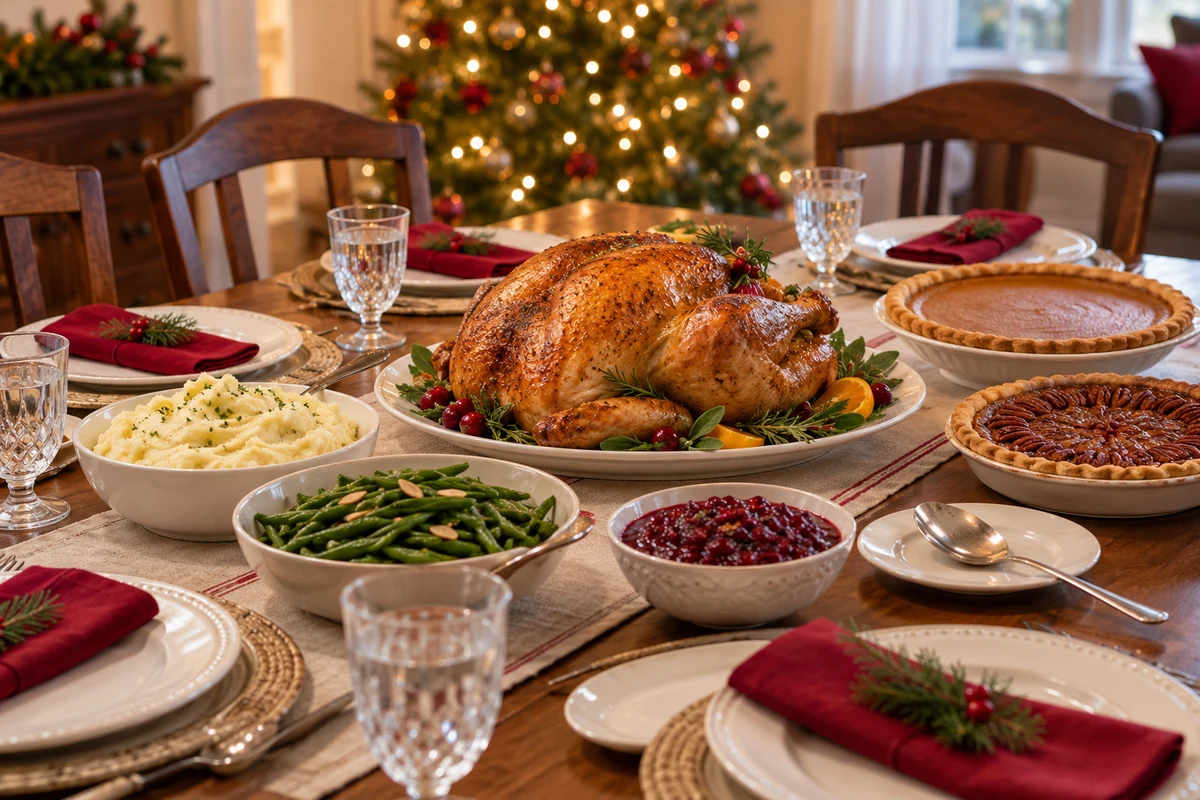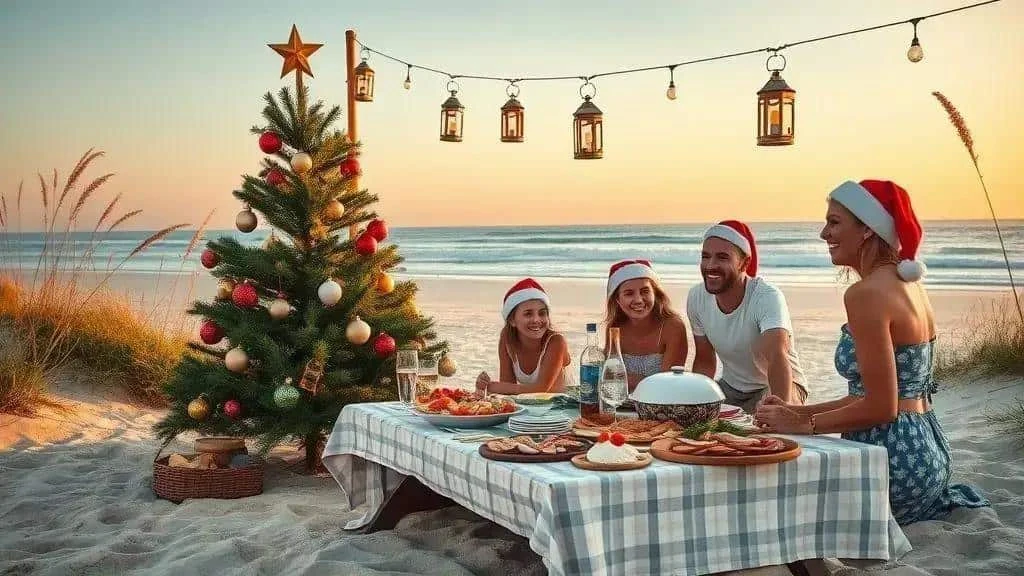
Christmas in Australia falls in summer, with celebrations ranging from traditional roast dinners to seafood lunches, barbecues and beach outings. Outdoor gatherings, pavlova and festive lights are familiar possibilities, but customs and weather vary across the country. Plan around local conditions, food storage and the needs of your guests.
Christmas in Australia can mean a warm afternoon outdoors rather than a winter evening by the fire. Here are some traditions, food ideas and practical ways to enjoy a summer celebration, whether at the coast or at home.
Illustrations in this article are conceptual images, not documentary photographs or evidence of a particular historical event, destination, venue or access route.
Christmas at the beach: weather, dates and customs
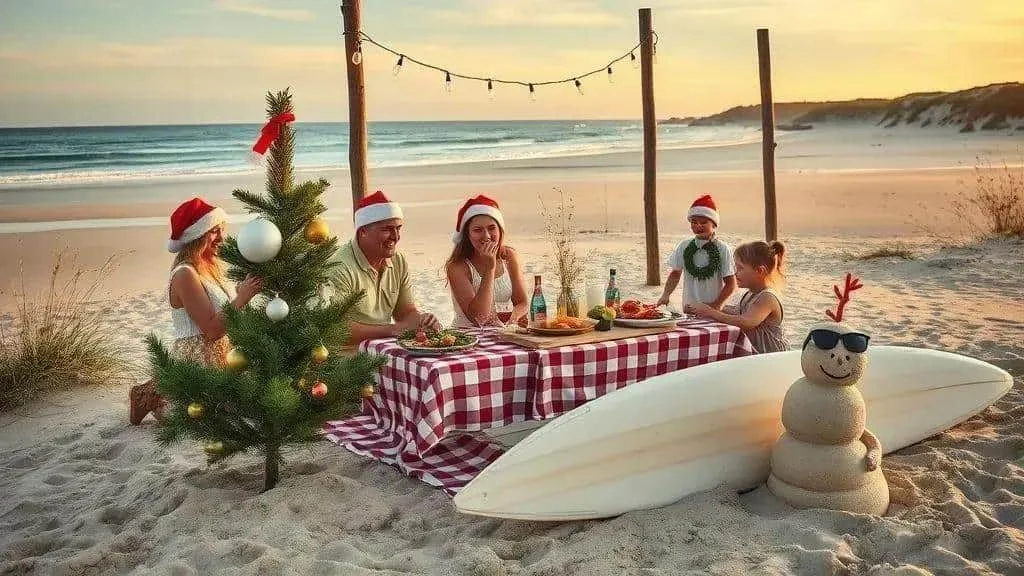
A beach Christmas can bring an informal picnic, time on the sand and a meal with friends or family. It is one option among many, not how every Australian celebrates. Weather, facilities and local restrictions shape what is practical.
Weather and dates
December is summer in Australia, but conditions differ greatly between regions: tropical areas have a wet season, and southern locations can have changeable weather. There is no dependable national 20–35°C temperature range for Christmas Day. Christmas is on 25 December, followed by Boxing Day on 26 December; check local holiday timetables for services and events. Source: Tourism Australia: seasons and regional weather
Customs and traditions
Some celebrations retain British-derived customs alongside traditions shaped by Australia’s communities and summer climate. Familiar possibilities include:
- A barbecue or picnic: grilled food, seafood and salads can feature alongside, rather than universally replace, a hot Christmas meal. Source: Tourism Australia: summer activities
- Pavlova and chilled desserts: cream and fruit toppings suit a festive table, provided they stay chilled. Christmas pudding, cakes and other traditional desserts remain options too.
- Carols by Candlelight: outdoor singing and concerts bring communities together. Check the organiser’s current programme and arrangements for any event you plan to attend.
- Santa in summer clothing: images of Santa in shorts or with a surfboard are playful seasonal motifs, rather than a description of a universal custom.
- Outdoor decorations: lights and festive displays can suit a garden or coastal setting when permitted and securely installed.
Practical planning for a beach Christmas
Think about comfort, facilities and changing conditions before carrying everything onto the sand:
- Sun protection and shade: combine protective clothing, a broad-brimmed hat, sunglasses, shade and suitable broad-spectrum, water-resistant SPF50 or higher sunscreen used as directed. Source: Cancer Council NSW: the five sun-protection measures
- Water and cold storage: bring drinking water and a properly packed cool box for perishable food; chilled drinks alone do not keep a picnic safe.
- Choose the time carefully: check the local UV forecast, heat and weather alerts. An early or late outing may be more comfortable, but time of day alone does not remove the need for protection.
- Care for the setting: take rubbish home, use reusable containers and follow fire restrictions and beach rules.
- Check facilities and bookings: confirm whether picnic tables, shelters or barbecues can be used or reserved, and whether cooking is allowed that day.
Combining familiar traditions with summer
Keep the parts of Christmas that matter to your family, such as music or exchanging gifts, while adapting the meal and timing. Cold dishes, salads and fruit desserts can work well when safely stored. A late-afternoon gathering may be pleasant, with an indoor alternative if conditions change.
Australian Christmas food: summer ideas and regional variety
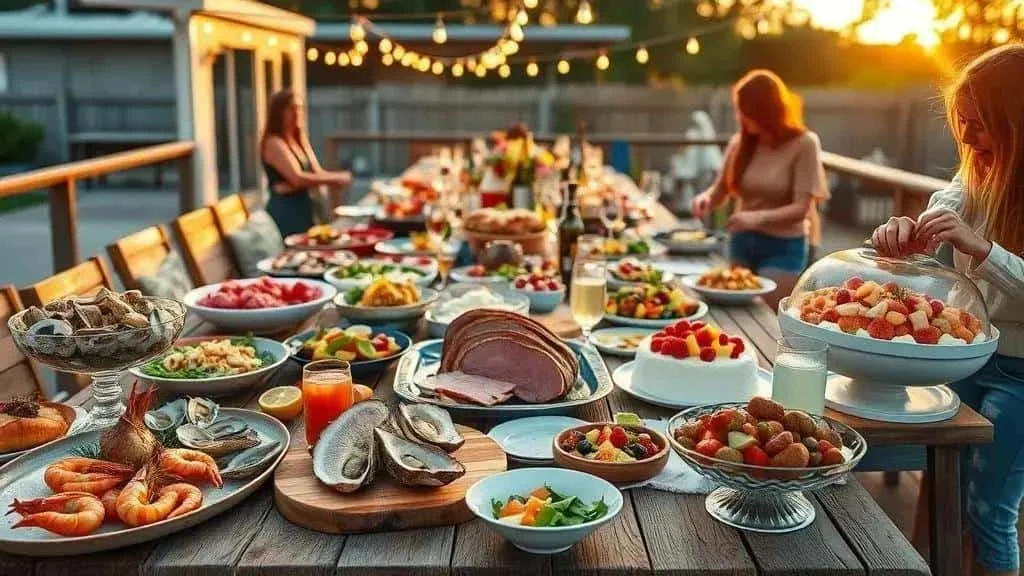
There is no single Australian Christmas menu. Seafood, ham, roast meats, salads, barbecue dishes and a variety of desserts may all appear, depending on family traditions, preferences and the weather.
Food ideas for a summer celebration
Choose dishes that suit your cooking and refrigeration facilities. Being served cold does not mean food can safely remain at ambient temperature throughout a hot day.
- Seafood platters: cooked prawns, crab or lobster can be options if properly chilled. Raw oysters are not suitable for everyone; check guests’ needs and current food-safety advice before serving them.
- Grilled fish: white fish or salmon can be seasoned with herbs and cooked using a suitable recipe; timing depends on the cut and equipment.
- Barbecue dishes: choose cuts suited to the cooking method and cook them thoroughly, with separate utensils for raw and ready-to-eat food.
- Fresh salads: leafy salads, potato salad, chickpeas and fruit offer variety. Prepare them hygienically and refrigerate perishable ingredients.
- Bread and appetisers: bread, preserves, cheese and cured meats can be served in small amounts, with cold items returned to suitable storage as needed.
Regional differences
Local ingredients and climate influence menus, but it is misleading to assign every household the same meal based on its postcode. Coastal seafood, inland produce and different cultural traditions can all contribute.
- Eastern coastal cities such as Sydney and Brisbane: seafood and outdoor meals are possibilities, subject to household preferences and the day’s weather.
- Southern cities such as Melbourne and Adelaide: roast ham or other hot dishes may sit alongside salads, but summer heat can also affect these locations.
- Tropical northern areas, including northern Queensland: tropical fruit and varied cuisines can inspire the meal. Plan for humidity and wet-season weather rather than assuming guaranteed sunshine.
Desserts and drinks
Offer desserts people enjoy and drinks that suit everyone, including those who do not drink alcohol. Cold serving temperatures are a preference, not a substitute for safe storage.
- Pavlova: a meringue base with cream and fruit such as strawberries, kiwi or passion fruit; keep the finished dessert refrigerated until serving.
- Trifle and ice cream: custard, fruit and sponge layers or frozen desserts are other possibilities. Use suitable recipes and maintain their required storage temperatures.
- Drinks: water, iced tea and alcohol-free fruit drinks can accompany optional wine or beer for adults. Avoid alcohol before swimming or supervising children in water.
Food safety and preparation
Plan cold storage before choosing your menu, and keep raw ingredients separate from food that is ready to eat.
- Keep perishables properly chilled: Food Standards Australia New Zealand advises keeping cold food at 5°C or below. Use a fridge or effective cool box with ice packs; a decorative tray of ice is not enough unless it maintains the necessary temperature. Source: Food Standards Australia New Zealand: food safety basics
- Prepare only as far ahead as appropriate: wash and cut produce hygienically, refrigerate prepared salads and follow the storage instructions for each dish.
- Serve small portions: replenish from cold storage rather than leaving bowls out for hours. Keep track of cumulative time out of refrigeration; this matters for many perishable foods, not only mayonnaise-based dishes.
- Transport: pack chilled food in an insulated cool box with sufficient ice packs, keep it shaded and open it as little as practical.
- Vegetarian and vegan choices: grain salads, vegetable skewers, tofu or falafel can broaden the menu. Check ingredients and allergens; plant-based dishes may also need refrigeration.
Outdoor decorations: lights, coastal themes and inexpensive ideas
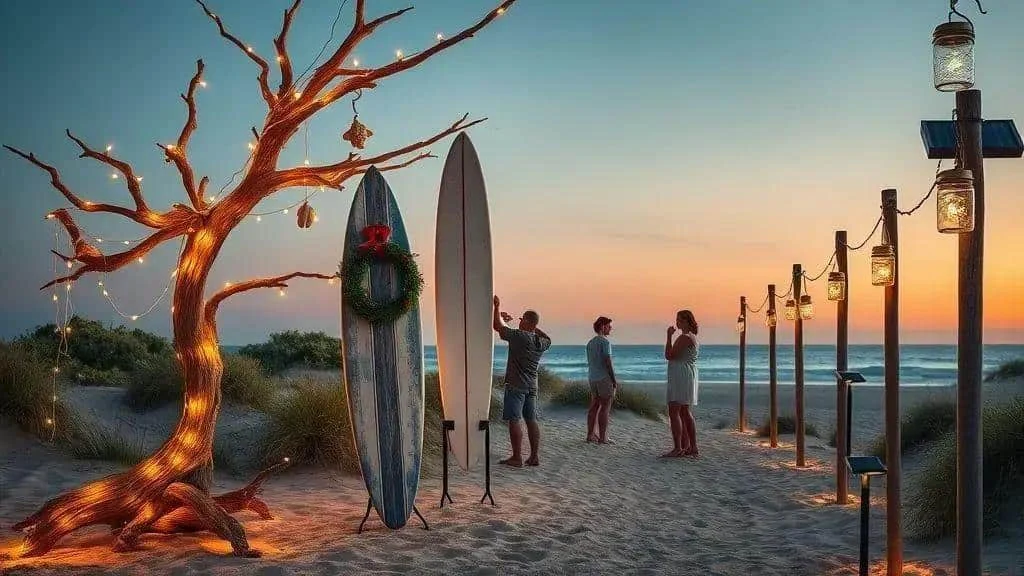
Wind, sand, moisture and salt can affect decorations. Choose a small display that is suitable for the location and easy to secure, supervise and remove.
Lighting
Use lights specifically rated for outdoor use and follow their installation instructions. Solar or battery-powered options may be practical, but neither a waterproof claim nor reinforced-looking cable makes an unsuitable product safe near water. Source: Queensland Electrical Safety Office: Christmas lights
- String lights: use suitable clips and supports without damaging cables, trees or public fixtures.
- LED lanterns: choose stable, shatter-resistant holders and secure battery compartments, especially around children.
- Solar path lights: position them where permitted and away from walking routes or places where they could become a trip hazard.
Alternatives to a conventional tree
A few coastal details can suggest a Christmas tree without taking materials from the beach or installing a large structure.
- A wooden tree shape: use wood you already own or obtain lawfully, assembled on a stable support. Loose stacked branches are not a safe freestanding structure.
- A surfboard backdrop: decorate a securely mounted board away from walkways and children; do not simply lean a heavy board against something.
- A tree outline: attach suitable lights to an approved support, keeping cords out of reach and away from access routes.
- A potted plant: decorate a suitable plant you already have without damaging it. Using a plant as decoration does not by itself provide an ecological benefit.
Budget-friendly craft ideas
Reusing suitable materials can save money. Keep projects simple and choose decorations you can use again rather than making disposable objects for one afternoon.
- Shell-shaped and wooden ornaments: use existing craft supplies. Collect natural materials only where permitted, and leave living organisms and protected habitats undisturbed. Adults should handle hot glue.
- Lights in holders: use a holder and light designed to work together, with ventilation and battery access as required by the instructions.
- Fabric wreaths: tie reusable fabric strips onto a smooth, secure base with no exposed sharp ends.
- Weather-suitable ribbons: choose reusable materials and secure them so they cannot blow into the sea. Bring paper decorations indoors if they get wet or windy.
Securing and checking the display
A display must suit the location, weather and tide. Remove it if conditions make it unstable rather than trying to keep it in use at all costs.
- Stable supports: use an appropriate base and follow the equipment’s instructions. Do not put stakes into public ground or dunes without permission.
- Suitable fittings: choose corrosion-resistant fixings appropriate to the display, with no sharp edges or loose parts.
- Electrical protection: keep connections away from water, use suitable outdoor equipment and required safety-switch protection. Fixed electrical work belongs with a licensed professional.
- Local permission: check rules for public spaces, installations, barbecues and fires before setting up.
- Damaged equipment: switch off and stop using damaged lights or cables. Tape is not an adequate repair for faulty electrical insulation.
Reducing waste
Take every decoration and fastening home afterwards, and favour durable items you already own. Natural or recycled materials are not automatically harmless: even biodegradable decorations can litter a beach or harm wildlife.
Family activities and summer memories
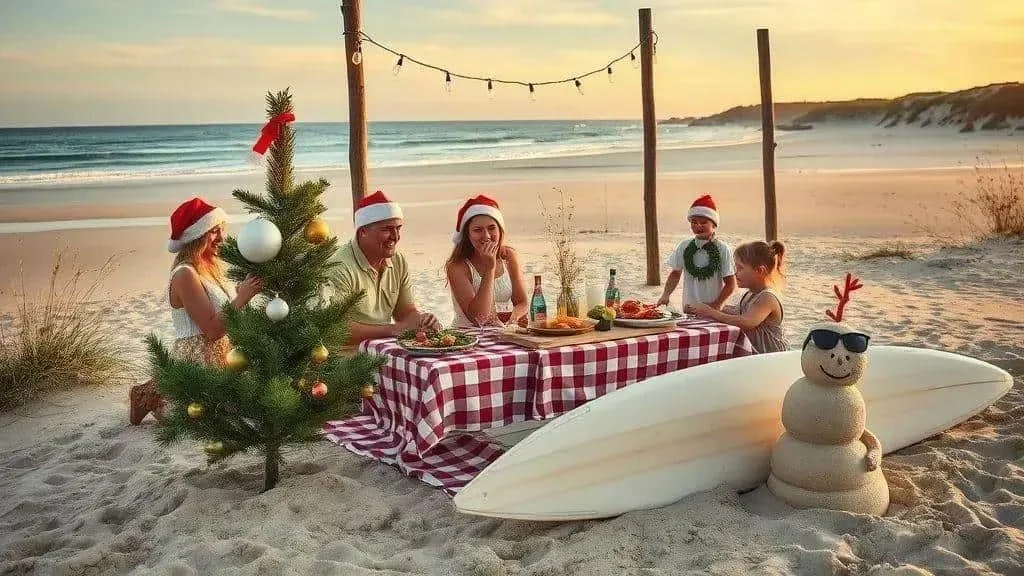
Simple activities can bring people together without a complicated programme. Match them to the children’s ages, abilities and interests, and change plans when it becomes too hot, windy or tiring.
Games on the sand
- Sandcastles and sand figures: build together or form friendly teams, with optional symbolic prizes rather than pressure to compete.
- A treasure hunt: use large, clearly marked reusable clues in a supervised area away from water. Avoid burying small plastic items, and account for every piece afterwards.
- Ball games and flying discs: choose an open permitted area away from swimmers, wildlife and other beach users.
- Water activities: follow lifeguard advice and choose conditions suited to each participant. Swim between the red and yellow flags at a patrolled beach; boards belong in the areas designated for them. A flotation aid does not replace close adult supervision. Source: Surf Life Saving Australia: lifeguard advice
Craft projects
Bring safe, age-appropriate materials rather than relying on collecting objects from the beach. Keep craft activities away from food and tidy everything away afterwards.
- Coastal ornaments: use larger shell-shaped craft pieces and a simple display base. Keep small parts and cords away from young children; a necklace is not suitable for every age.
- Painted stones: decorate stones you already own using age-appropriate materials, and take them home rather than leaving painted objects in natural habitats.
- Bubbles: use an age-appropriate bubble product under supervision, away from eyes, mouths and slippery walking surfaces.
- A small time capsule: invite children to write or draw a message, then keep it in a labelled container at home to open next year. Do not bury or abandon it on the beach.
Useful materials
- Suitable craft fastenings, with cords controlled by an adult where necessary.
- Existing shell-shaped ornaments or other legally obtained craft materials.
- Age-appropriate paints and brushes, used according to their labels.
- A sturdy, shatter-resistant lidded container for keepsakes.
- Properly fitted safety equipment for the chosen water activity, alongside close supervision and local advice.
Small traditions to repeat
- A family photograph: choose a safe spot and include only people who are happy to take part.
- A moment of thanks: invite optional contributions. Record or share them only with the participants’ agreement.
- Simple gifts: a handmade keepsake or small exchange can be enough; agree a budget and make participation optional.
- Songs at sunset: sing or listen together at a considerate volume, respecting local restrictions and other visitors.
Comfort and supervision
- Sun protection: use the combination of shade, clothing, hat, sunglasses and sunscreen, and reapply sunscreen according to its directions, including after swimming as appropriate.
- Drinking water: keep water readily available and take breaks from heat and activity.
- Watching children near water: assign an attentive adult, keep young children within arm’s reach and avoid distractions. Lifeguards do not replace a carer’s supervision.
- First aid: bring basic supplies, know where help is available and keep any usual prescribed medicines accessible to the responsible adult.
- Food storage: use effective refrigeration for perishables and choose a menu you can keep at safe temperatures.
Tips for parents and organisers
- Treat activity blocks of around 20–40 minutes as a flexible suggestion, not a target children must meet.
- Provide shade and frequent opportunities to rest.
- Have an indoor alternative for rain, strong wind, extreme heat or unsafe beach conditions, such as a board game or storytelling.
- Take photographs or short videos with agreement, and consider privacy before sharing them.
Travelling, giving gifts and respecting the local setting
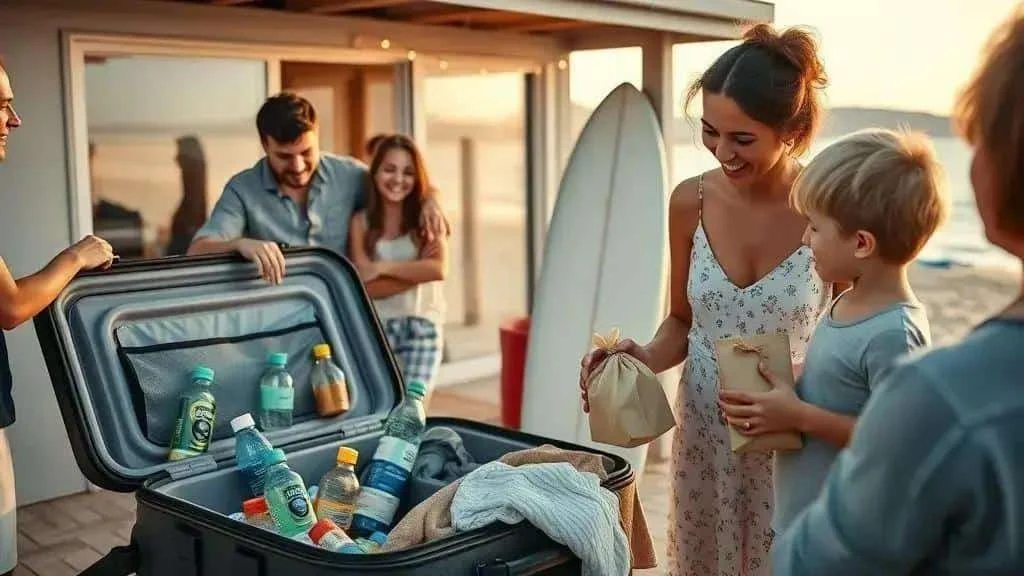
A little planning helps a Christmas visit run smoothly while showing respect for hosts, communities and the environment.
Before travelling
- Documents and bookings: check current passport and entry requirements with the relevant official authorities, and confirm accommodation and transport arrangements.
- Clothing: pack for the particular destination and forecast, including sun protection, suitable footwear and layers or rainwear where needed.
- Personal essentials: take suitable sunscreen, insect repellent used as directed, basic first-aid supplies and your usual medicines with any required travel documentation.
- Local information: check beach access, patrol hours, weather warnings, tides and any protected-area restrictions.
Thoughtful gifts
- Local products: a gift from a local maker or producer can support their business; consider what the recipient would actually enjoy.
- Biosecurity: check Australia’s rules before bringing food, plant material, wooden items or animal products into the country, and declare goods as required. A wrapped gift is not exempt. Avoid giving animals as surprise presents. Source: Australian Department of Agriculture: travelling to Australia
- Reusable wrapping: fabric, an existing box or suitable recycled paper can reduce unnecessary packaging.
- A personal note: a short message can make a simple present thoughtful without elaborate wrapping.
Being considerate during celebrations
- Public spaces: keep routes clear, remove rubbish and decorations, and avoid damaging vegetation or dunes.
- Community rules: check restrictions on music, fires, barbecues and equipment before the gathering.
- Hosts and neighbours: follow invitations and event arrangements, keep noise considerate and remember that not everyone observes Christmas.
- Holiday services: Christmas Day and Boxing Day can affect shop hours and transport. Check the applicable local schedule rather than relying on normal opening times.
A final planning checklist
- Pack perishable food in a suitable cool box with enough ice packs to maintain its temperature.
- Agree a meeting point and a clear supervision plan before anyone approaches the water.
- Ask about allergies and dietary requirements before preparing the meal.
- Choose gifts that are easy to transport and permitted under the relevant travel rules.
- Arrange an indoor alternative for unsuitable weather or beach conditions.
Christmas in Australia can combine familiar festive traditions with summer meals and outdoor activities. The best plan is one that suits the people attending and the conditions on the day, whether that means a beach picnic or a celebration at home.
We hope these ideas help you plan a comfortable, enjoyable summer Christmas. Browse our other guides for more festive traditions and practical inspiration.
Explore I Love Christmas for recipes, craft ideas and seasonal travel guides. Happy Christmas!
Frequently asked questions about Christmas in Australia
What is the weather like at Christmas in Australia?
December is summer, but Australia has varied climates. Tropical regions have a wet season and conditions elsewhere can also change. Check the destination’s forecast and UV advice rather than expecting a fixed national temperature range or guaranteed sunshine.
What might an Australian Christmas meal include?
Seafood, ham, roast meats, barbecue dishes, salads, pavlova and other desserts are all possibilities. Menus vary by household and community; summer foods have not universally replaced traditional hot meals.
How can I decorate a beach gathering considerately?
Check permission first, use a small secure display, keep access routes clear and take every item home. Avoid damaging vegetation or collecting protected materials, and choose lighting suitable for the setting.
What activities suit children at the beach?
Supervised sand games and short, age-appropriate activities are good starting points. For water activities, follow lifeguard advice, choose a patrolled beach, use appropriate equipment and maintain close adult supervision. Flotation aids are not a substitute for it.
How can I choose suitable gifts for a Christmas visit?
Consider the recipient, your budget and transport requirements. Local crafts may be an option, while food, plants, wood and animal products require attention to biosecurity rules. Check restrictions before travelling and declare goods when required.
Sources and Further Reading
- Tourism Australia: seasons and regional weather
- Tourism Australia: summer activities
- Cancer Council NSW: the five sun-protection measures
- Food Standards Australia New Zealand: food safety basics
- Queensland Electrical Safety Office: Christmas lights
- Surf Life Saving Australia: lifeguard advice
- Australian Department of Agriculture: travelling to Australia