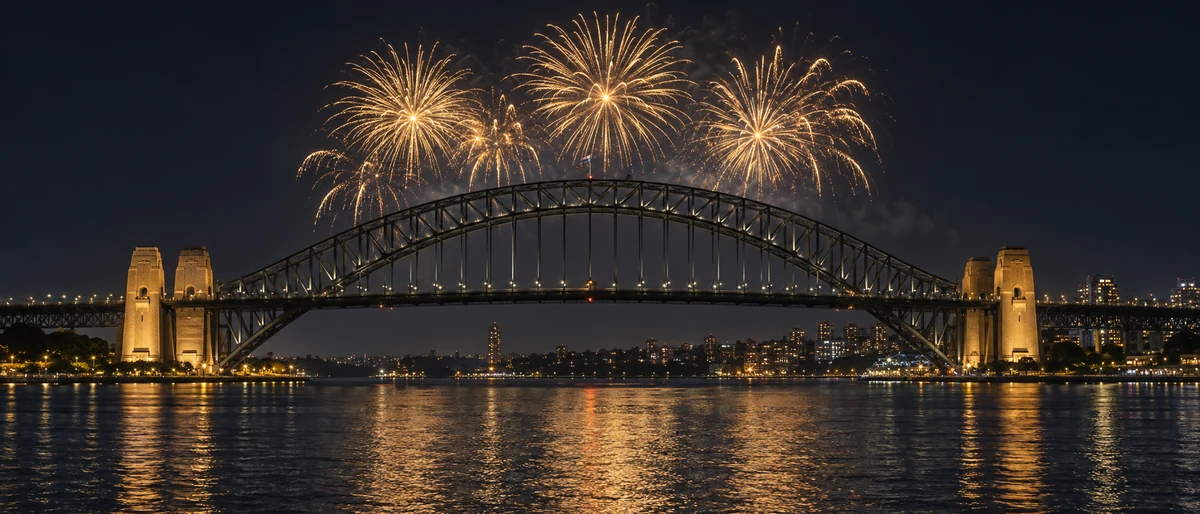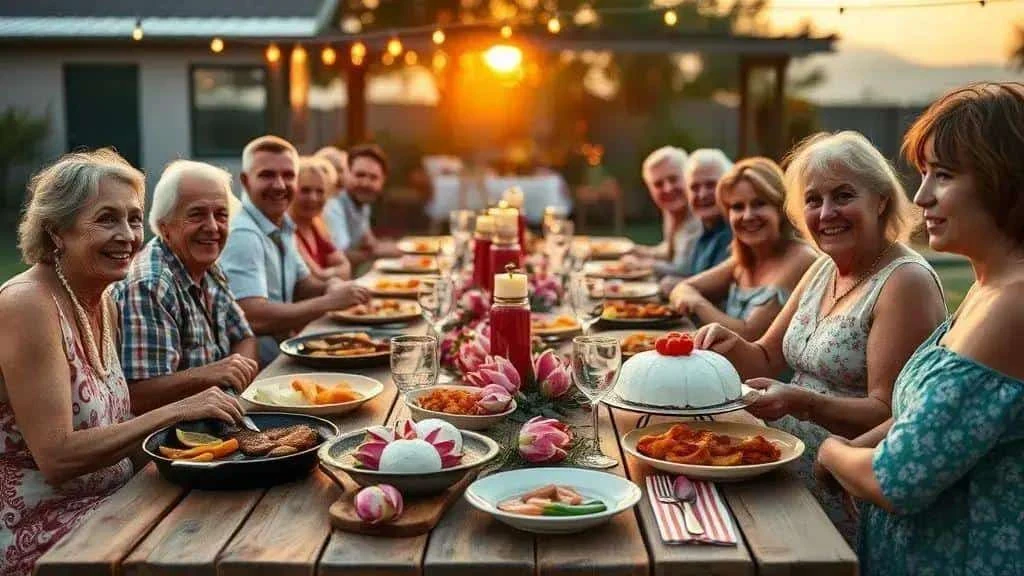
Christmas in South Africa falls in the southern hemisphere’s summer. Depending on the family and location, celebrations may include church services, carol singing, a braai, a roast dinner or time outdoors. Menus and customs vary across a diverse country; shade, drinking water and chilled food storage are useful considerations for a summer gathering.
Christmas in South Africa offers a different seasonal setting from the snowy scenes familiar on British Christmas cards. Some families spend time in gardens or by the sea; others prefer a meal indoors. Explore the foods and celebrations below, alongside practical hosting ideas that you can adapt to your own climate and household.
Illustrations in this article are conceptual images, not documentary photographs or evidence of a particular historical event, destination, venue or access route.
How summer shapes the celebrations
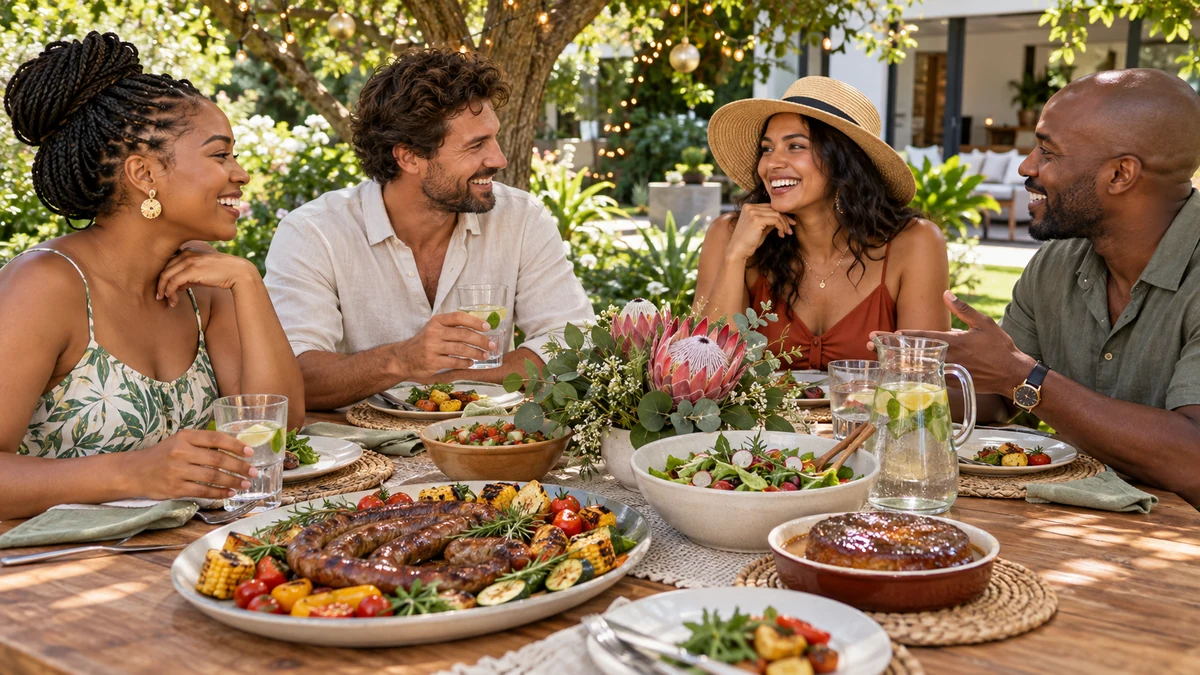
December’s summer conditions can make outdoor meals and activities appealing, but weather varies across the country. A garden lunch, a trip to the coast or a gathering at home are possibilities rather than a single national routine.
What summer can change
- Outdoor gatherings: gardens, patios and suitable picnic spaces can provide room to meet, with shade and comfortable seating planned in advance.
- Food and drink: some households choose a braai with salads, while others serve roast meat or different family favourites. Desserts might be warm or chilled; offer water and alcohol-free drinks alongside other choices.
- Decorations: flowers, foliage, festive ornaments and outdoor-rated lights can create a seasonal setting. Proteas are one possible decorative reference, not an essential feature of every Christmas table.
- Timing: daylight allows for lunches and early-evening gatherings. Church services and family meals follow local schedules, so confirm times rather than assuming a fixed pattern.
- Activities: a shaded game, a walk or singing together can suit an outdoor gathering, with quieter indoor alternatives when needed.
- Practical arrangements: consider drinking water, shade, sun protection and keeping perishable food chilled, especially during a long afternoon.
Planning for comfort
Arrange the space: use suitable shade and keep routes between seating, food and facilities clear. Secure umbrellas or shelters according to their instructions and the weather.
Keep food cold: Food Standards Agency picnic guidance recommends a cool box or bag with ice or frozen packs for foods normally kept in the fridge. Shade alone does not keep salads, dairy desserts or prepared dishes safely chilled. Source: Food Standards Agency: keeping food safe on a picnic
Consider guests’ needs: make water available and provide somewhere comfortable to rest. If activities involve water, arrange close adult supervision and a dry area for changing.
Prepare for changing weather: have an indoor alternative. A light awning is not suitable shelter from every storm or strong wind.
Respect different traditions: let guests contribute music and food meaningful to them rather than trying to represent every South African community through one menu or playlist.
Reduce waste: use decorations and tableware you can reuse, plan realistic quantities of food and check which materials local recycling services accept.
Thoughtful planning leaves more time for conversation and enjoyment. An outdoor Christmas can be appealing, but comfort and the actual forecast should determine where the gathering takes place.
Religious traditions and community events
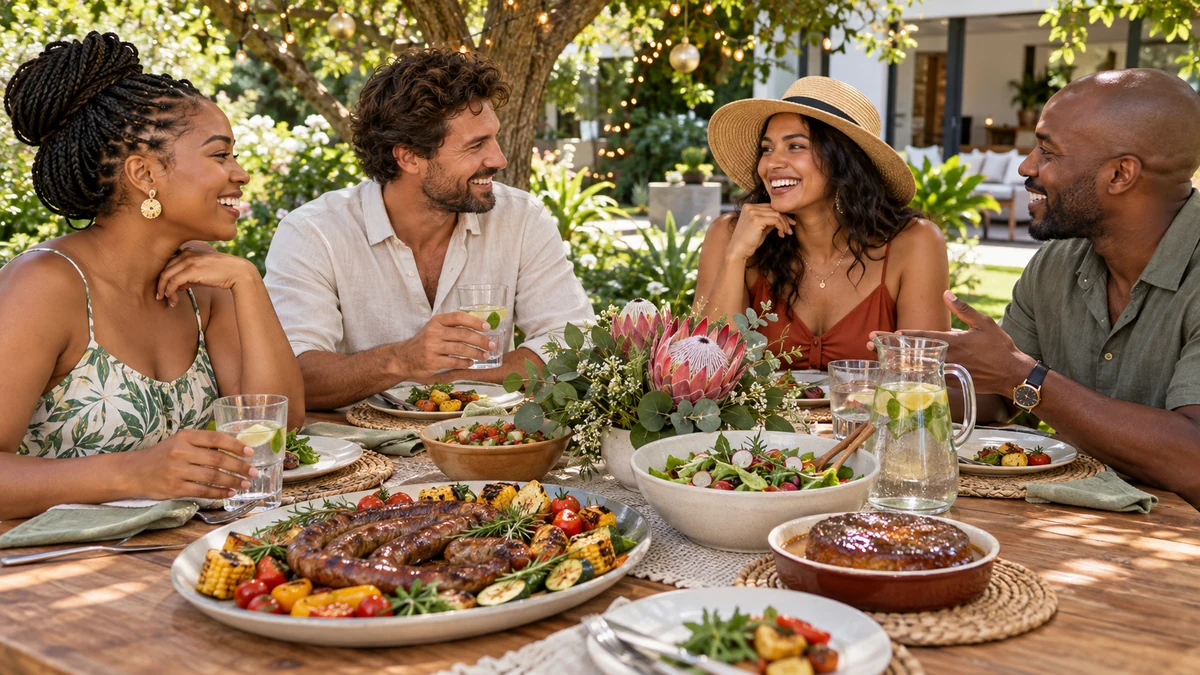
Religious traditions are important to many South Africans who celebrate Christmas, while other people mark the holiday socially or do not observe it. Services, concerts and community events differ between denominations, neighbourhoods and organisers.
Christmas worship and music
The following are examples you may encounter, not a checklist followed by every church or household.
- Christmas services: churches may hold services with Bible readings, prayers and singing. Check the congregation’s times, language and arrangements for visitors.
- Carols by candlelight: organised carol events can be part of the season. For example, SANBI advertised a Rotary carol concert at Harold Porter National Botanical Garden in December 2025; consult the current organiser for future dates rather than reusing that schedule. Source: SANBI: Carols by Candlelight, December 2025
- Choirs and gospel music: performances may take place in churches or public venues, with repertoire and style determined by the musicians and community.
- Nativity performances: some churches or community groups stage the Christmas story, including productions involving children and young people.
- Shared Christian events: different denominations may cooperate on an occasion. Do not assume that an event involves every local religion or is open to visitors without checking.
Community celebrations
Beyond worship, local organisations may arrange music, markets or practical support. Availability, admission and the purpose of each event should be confirmed directly.
- Outdoor concerts: some venues invite audiences to bring picnic blankets or chairs. Check what is permitted and how seating and access are organised.
- Neighbourhood gatherings: residents may organise music or shared food. A private gathering, including one in a township, should not be treated as an attraction that visitors can enter without invitation.
- Christmas markets: craft and food markets can offer opportunities to support local makers. Look up current opening dates and vendor information.
- Community meals and support: churches and charities may organise meals or collections. Ask what is needed and how to contribute appropriately.
- Different cultural influences: menus and performances may reflect several traditions, or focus on one community’s customs. Diversity does not mean every event combines all of them.
How an event can be organised
A well-planned gathering needs clear responsibilities, suitable facilities and communication. These are useful hosting considerations rather than a claim that every community event follows the same system.
- Volunteers: allocate tasks such as welcoming guests, serving food and providing information, with trained people handling specialist responsibilities.
- Partners and permissions: where relevant, organisers should coordinate with venues and appropriate local authorities rather than improvising public stages or electrical installations.
- Food hygiene: plan chilled storage, clean preparation areas and separate equipment for raw and ready-to-eat food.
- Clear information: publish the time, location, access arrangements and any requested contributions through the channels the community actually uses.
Joining in as a visitor
Consideration and preparation help you understand the occasion and avoid imposing on hosts or other guests.
- Dress for the venue and weather, and bring suitable sun protection for daytime outdoor events.
- At a service, follow the congregation’s guidance about participation and photography.
- Check whether to bring water, a chair or a picnic blanket, rather than assuming these are supplied or allowed.
- Ask before bringing food, toys or donations; an agreed contribution is more useful than an unsolicited one.
- Seek permission before photographing people, particularly during worship or private family moments.
Music, faith and mutual help can all form part of the season. The details are best understood through a particular event or household, with room for different ways of celebrating.
Festive food in South Africa
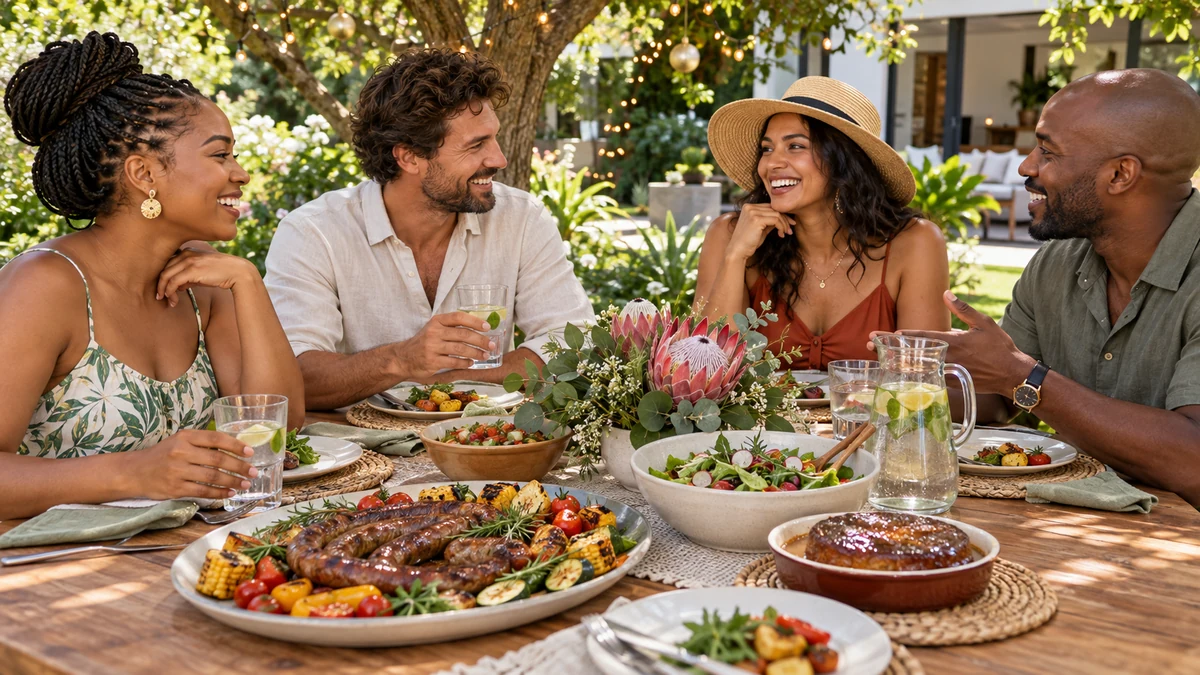
A Christmas table may include grilled dishes, a roast, salads and a choice of desserts. South African Tourism highlights braai, boerewors and malva pudding among the country’s foods, but these should not be presented as a compulsory Christmas menu. Source: South African Tourism: food traditions
Savoury dishes and meal ideas
- Braai: a barbecue meal may include boerewors, lamb, chicken, fish or vegetables. If cooking meat-free options, agree suitable ingredients and separate preparation arrangements with guests who need them.
- Snoek and seafood: fish or seafood may be chosen, particularly where it is readily available. The menu depends on the cook and location rather than a universal coastal Christmas rule.
- Roast turkey or gammon: some families keep a roast at the centre of Christmas lunch, with their preferred sauces and accompaniments despite the summer weather.
- Other local dishes: bobotie, seasoned rice or chakalaka may feature in a gathering. Choose a coherent menu rather than trying to serve every dish associated with the country.
Salads and accompaniments
- Potato salad: a creamy or lighter version can accompany grilled food. Keep it chilled until serving, whatever dressing is used.
- Green salad and coleslaw: fresh vegetables can add variety to the meal, with dressings served separately if helpful for guests’ preferences.
- Rice and pap: rice dishes or pap, a maize-meal preparation, are possible accompaniments. Textures and recipes vary.
- Bread and condiments: bread, chutneys, pickles and suitable sauces can complete the table without requiring a large number of separate dishes.
Desserts
- Malva pudding: a sweet sponge pudding with sauce, often enjoyed warm with custard or ice cream.
- Pavlova: a meringue dessert with a crisp exterior and softer centre, usually finished with cream and fruit. It is a possible festive choice, not uniquely South African.
- Peppermint Crisp tart: a chilled biscuit-based dessert associated with caramel, cream and peppermint chocolate. Check the recipe’s ingredients and refrigeration requirements.
- Trifle and melktert: these are different desserts: trifle is layered, while melktert is a milk tart. Either may suit a family menu, and both need storage appropriate to the recipe.
Drinks
- Iced rooibos: a caffeine-free drink option when made with plain rooibos, served chilled and sweetened to taste if desired.
- Wine and sparkling wine: adults who drink alcohol may choose local wines. Offer alternatives and arrange transport that does not rely on anyone driving after drinking.
- Ginger beer and cider: check labels rather than assuming these drinks are alcohol-free or low in alcohol. Choose clearly labelled alcohol-free options where required.
Serving food in warm weather
- Keep chilled food cold: use a fridge or a properly packed cool box with ice packs until food is needed, and replenish smaller serving dishes.
- Store desserts appropriately: cream-filled desserts need refrigeration, and ice cream needs to remain frozen until serving. Placing a dish in the shade is not a substitute for temperature control.
- Make water easy to reach: offer water and other drinks without forcing guests to queue around the cooking area.
- Keep preparation clean: wash hands, protect food from insects and use separate clean utensils for raw and cooked items.
A manageable menu gives the host more time with guests and makes storage and serving easier. Choose dishes that fit the available kitchen, equipment and weather.
Decorating the garden and table
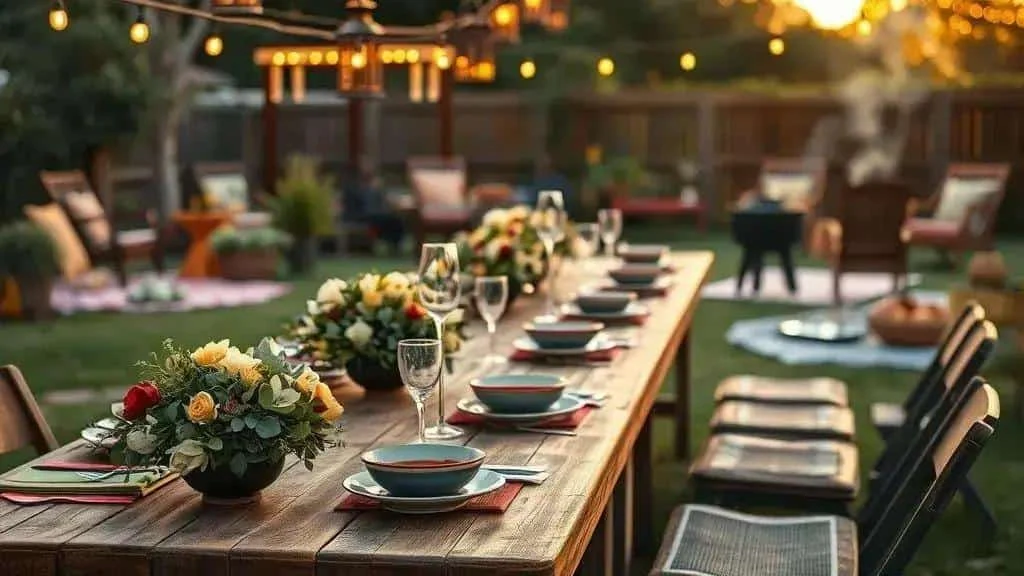
For a summer Christmas gathering, start with shade, clear routes and a comfortable table. The decorative ideas below are suggestions for your own celebration, not a description of one traditional South African design.
Planning the space
Separate dining, social and food-preparation areas where possible. Keep seating in suitable shade and avoid placing the table in the path of smoke from a barbecue.
- Clear routes: leave room to move between seats, food and facilities without passing close to the braai.
- Shade: use suitable umbrellas, a pergola or another secure shelter, following the manufacturer’s instructions and weather limits.
- Food protection: covers can help keep insects away, while chilled storage is still needed for perishable dishes.
Lighting and atmosphere
Choose lighting that makes paths and steps visible as well as creating a festive mood. Keep cables out of walking routes and use equipment rated for the conditions.
- String lights: outdoor-rated lights can decorate a patio or garden, secured away from heat sources and without overloaded sockets.
- LED lanterns and candles: flameless lighting avoids an open flame near decorations. Keep battery compartments secure and follow the product’s outdoor-use instructions.
- Path lighting: illuminate changes of level and service areas without dazzling guests or creating trip hazards.
Centrepieces and flowers
Reuse suitable containers and choose responsibly sourced plants or paper flowers. A low arrangement leaves space for food and conversation.
- Proteas and foliage: bought flowers or handmade paper versions can provide inspiration. Do not assume you may pick wild plants from gardens or protected areas.
- Fruit and natural materials: fruit, herbs or items you already own can decorate the table. Keep decorative materials clean and separate from food where needed.
- Reused containers: jars, baskets and smooth-edged tins can become decorative holders if clean, stable and suitable for the purpose.
Furniture and comfort
Choose seating and surfaces that suit the guests and the length of the gathering. Appearance matters less than stability, accessibility and comfort.
- Tables: use stable, easy-to-clean surfaces with enough space for serving dishes and place settings.
- Extra seating: provide suitable chairs rather than relying only on low cushions or benches that some guests may find difficult to use.
- Rugs and light blankets: blankets may help on a cooler evening. Only use rugs where they stay flat and do not obstruct walking routes.
Practical ways to reduce waste
Small choices can help avoid unnecessary purchases and rubbish without making the celebration complicated.
- Reusable tableware: use washable plates and cups where practical, allowing time and facilities for cleaning.
- Waste containers: label bins according to the materials accepted by local collection services, rather than assuming all packaging is recyclable.
- Homemade decorations: fabric scraps and reused card can make simple ornaments, with tools and materials chosen for the people taking part.
Safety and practical arrangements
Plan how to keep guests away from cooking heat and how to move indoors if conditions change.
- Braai area: use the equipment outdoors in a stable, clear location, following its instructions and local fire restrictions. Keep children and combustible materials away, and have appropriate fire-safety arrangements.
- Drinking water: place it within easy reach without blocking paths or food preparation.
- An indoor alternative: make space for guests if rain, strong wind or excessive heat makes the garden unsuitable.
Children’s activities and outdoor entertainment
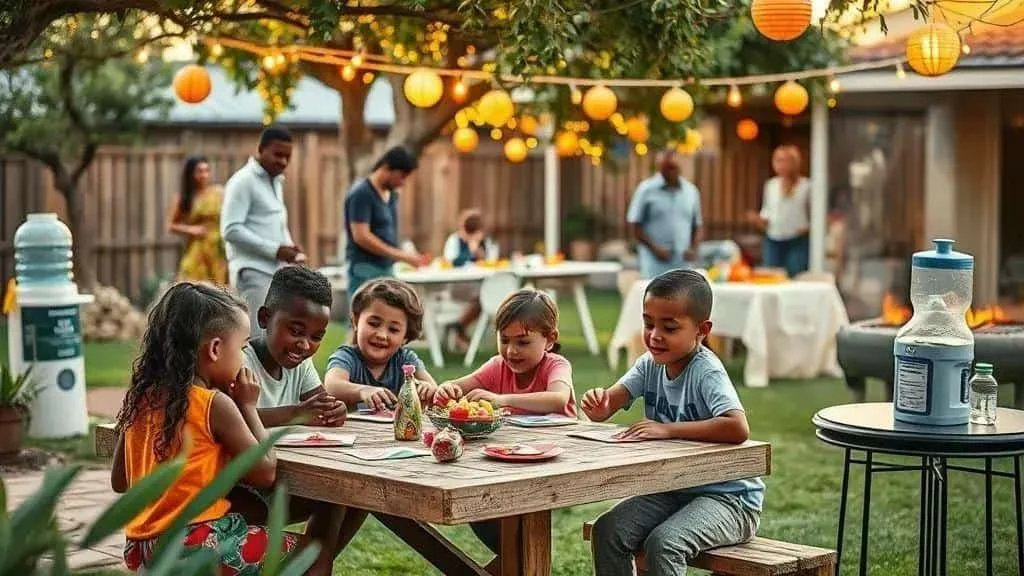
Outdoor activities can give a summer celebration variety, provided they suit the weather, children’s needs and available supervision. The following are hosting ideas rather than traditional activities practised by every South African family.
Creative activities
Simple crafts can be enjoyable without sharp tools, hot glue or complicated materials. Offer seated options and let children decide whether they want to take part.
- Paper protea decorations: use large card shapes, washable pens and school glue to make stylised flowers inspired by proteas. Adults can prepare the pieces beforehand.
- Christmas cards: provide card, washable pens and large paper decorations. Choose materials appropriate to each child and avoid loose glitter or small parts for children likely to put them in their mouths.
- A nature-spotting game: look for a large leaf, a flower colour or a bird from a safe, agreed area. Observe rather than collecting unknown plants, shells or small stones.
Making a paper protea decoration
Adapt the task to the child, with an adult preparing shapes where necessary. Age alone does not determine whether a child can safely handle tools or materials.
- Gather the materials: coloured card, school glue and washable pens, plus scissors for a capable adult or suitably supervised child. Use a flat card backing rather than a pointed barbecue skewer.
- Prepare petals: draw and cut six to eight large petal shapes. Pre-cut pieces let children focus on arranging and decorating.
- Make the centre: cut a large circle of card and glue it to the flat backing.
- Add the petals: arrange them around the centre, overlapping slightly, then glue them in place.
- Decorate: add colour with washable pens and let the glue dry on a flat surface.
- Display the flower: attach it to a greeting card or stand it against a stable display board. No sharp stem or loose hanging cord is needed.
Games and movement
Keep active sessions short in warm weather and offer a seated version or a quiet alternative. Stop if children are uncomfortable, overheated or no longer enjoying the activity.
- Water-transfer game: walk a small cup between two stable containers on a suitable surface, or play seated at a table. Clear spills promptly and avoid turning it into a running race.
- Soft-ball passing: use a large soft ball for gentle passing or rolling instead of water balloons, which can leave small fragments. Choose a clear area and adapt the distance to the participants.
- A festive movement course: invite children to move around widely spaced markers or choose simple seated movements. Avoid requiring deep backward bends or movements that cause discomfort.
Stories and cultural activities
Music, storytelling and short performances can provide a quieter change of pace, especially when the day is hot.
- Stories and songs: use accurately attributed stories and songs that participants know or can learn respectfully. Do not invent a supposedly traditional South African tale or translation.
- Puppet shows and drama: a short story about kindness or a familiar Christmas scene can involve willing children without forcing anyone to perform.
- Music and movement: let people contribute music they enjoy. If demonstrating a particular dance tradition, use someone who can explain it accurately rather than presenting improvised steps as authentic.
Comfort and supervision
Preparation can reduce risks, but no activity is automatically risk-free. Adjust the plan to the children, venue and conditions.
- Water breaks: make drinking water accessible and allow breaks whenever children need them.
- Sun protection: provide shade and encourage suitable clothing, hats and sun protection according to individual needs.
- Supervision: agree which adults are responsible, particularly near water or cooking equipment. A meeting point is useful but does not replace supervision.
- First-aid arrangements: keep appropriate supplies and emergency contact information accessible, and know who can provide help.
- Food requirements: discuss allergies beforehand, prevent cross-contact and keep perishable snacks chilled until needed.
An example children’s programme
A loose plan helps organisers prepare, but timings should change with the weather and children’s preferences. The schedule below is an example for a family gathering, not a traditional local timetable.
- 10.00–11.00: paper flowers and cards in a shaded or indoor space, with breaks as needed.
- 11.00–11.30: a drink and a suitable snack, with children seated while eating.
- 11.30–12.15: gentle games in suitable shade or indoors; avoid strenuous activity during excessive heat.
- 12.15–13.00: lunch together with suitable seating and supervision.
- 15.00–15.45: stories or a short optional puppet show after time to rest.
- 16.00: thank everyone, share any appropriate keepsakes and finish the organised activities.
A flexible plan leaves room for quiet play and individual needs. A successful afternoon does not require every child to join every activity or remain outdoors throughout.
Taking inspiration for a celebration at home
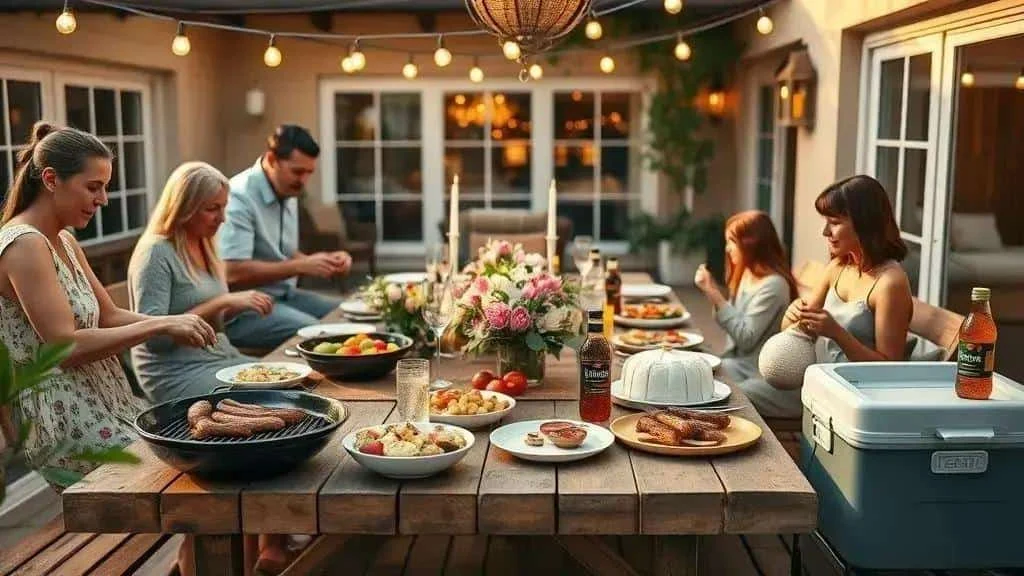
A South African-inspired Christmas at home can focus on chosen foods, music and time together. If you are in the UK in December, adapt to winter conditions rather than trying to reproduce summer weather or claiming to represent every South African tradition.
Planning the menu
- Choose a main dish: consider a suitable braai menu if outdoor conditions allow, or use an appropriate indoor cooking method. Never move a charcoal barbecue indoors to escape the weather.
- Prepare selected dishes ahead: follow the recipe’s storage instructions and make sure there is enough fridge space for prepared food.
- Choose one dessert: malva pudding, a chilled tart or a fruit-topped pavlova can give the meal a focus without requiring a large dessert buffet.
- Agree dietary alternatives: check ingredients and preparation for guests needing particular options. A label alone does not prevent allergen cross-contact.
Decorations and atmosphere
- Use what is available: paper proteas, responsibly sourced flowers or existing foliage can provide inspiration without requiring imported decorations.
- Choose suitable lighting: string lights and LED lanterns can create a festive setting when used according to their instructions.
- Reuse materials: clean jars, fabric garlands and homemade cards can add personal detail without a large shopping list.
Music
- Choose a thoughtful playlist: include carols and South African artists you enjoy, identifying music accurately rather than treating different styles as interchangeable.
- Consider volume and timing: keep conversation possible and respect neighbours, with quiet spaces for anyone who needs them.
Shared activities
- Simple crafts: set up a card or paper-flower table with suitable materials for the people taking part.
- Adaptable games: offer gentle passing games, music or seated activities, with participation optional.
- Sharing and support: agree food contributions in advance or ask a chosen local organisation what help it needs. Do not make donations a condition of attending.
Food storage and practical arrangements
- Drinks: make water and alcohol-free choices readily available, adapting hot or cold options to the weather.
- Chilled dishes: keep salads, cream desserts and other perishable foods in appropriate cold storage until serving. Refill small dishes rather than leaving everything out.
- Outdoor conditions: plan shade, sun protection and food covers for warm-weather gatherings, or suitable indoor space when it is cold or wet.
- Braai safety: use outdoor cooking equipment only as intended, away from people and combustible materials, with responsible adult supervision and local restrictions checked.
Finishing touches and small gifts
- Reusable packaging: suitable fabric bags, reused boxes or clean containers can hold a small keepsake without elaborate wrapping.
- Thoughtful gifts: a paper flower, a card or appropriately labelled food from a reliable source can be a simple gesture. Ask about allergies and do not present an improvised food preserve as safely shelf-stable.
- A practical checklist: prepare a shopping list, storage plan, cooking timetable and alternative venue if the weather changes.
Choose a few ideas that suit your household and explain their inspiration honestly. A welcoming gathering can reflect an interest in South Africa while remaining a celebration adapted to your own guests and circumstances.
A summer setting, many ways to celebrate
Christmas in South Africa combines a summer season with many different family, religious and culinary traditions. Outdoor gatherings are one possibility, alongside church services, indoor meals and quieter celebrations.
Use the food, decoration and activity ideas as a starting point, checking the practical details for your venue and respecting the particular traditions you choose to explore.
Thank you for reading! Visit the I Love Christmas blog for more recipes, decorating ideas and articles about festive traditions. Share photographs only with the permission of the people shown.
Enjoy a celebration that suits your family, whether outdoors in summer or around a table indoors.
Frequently asked questions about Christmas in South Africa
When is Christmas in South Africa, and how does the season affect it?
Christmas Day is 25 December, during the southern hemisphere’s summer. Weather permitting, some families enjoy outdoor meals or time by the sea, while others prefer indoor gatherings. Customs and conditions vary across the country.
Which foods might be served?
A family may choose a braai, roast turkey or gammon, salads and desserts such as malva pudding, trifle or a chilled tart. These are possibilities rather than a fixed national menu; ask your hosts what they plan to serve.
How should I prepare for a hot-weather gathering?
Arrange shade, drinking water, suitable sun protection and an indoor alternative. Keep perishable food in a fridge or properly packed cool box until needed. Shade alone is not adequate cold storage.
How can I include local traditions respectfully?
Learn from reliable sources and willing participants, identify music and stories accurately and follow the rules of any religious venue. Ask before photographing people and do not expect an individual to represent every South African community.
Can I plan a South African-inspired Christmas on a small budget?
Yes. Choose a manageable menu, reuse decorations, make paper flowers and offer simple optional activities. Adapt the plan to your own climate and facilities rather than buying many imported items or trying to recreate every tradition at once.
Sources and Further Reading
- South African Tourism: food traditions
- SANBI: Carols by Candlelight, December 2025
- Food Standards Agency: keeping food safe on a picnic