Sydney’s New Year’s Eve fireworks are among the world’s best-known celebrations, with displays around the harbour and Harbour Bridge. They are not the world’s first: Auckland, for example, welcomes the new year earlier. This guide covers viewing areas, tickets, transport, family planning and watching from abroad. Source: Auckland Council — New Year’s Eve celebrations
Sydney’s New Year’s Eve fireworks can be memorable whether you watch beside the harbour or from home. Here is how to plan your viewpoint, journey and return, using the current official event information rather than assuming arrangements stay the same each year.
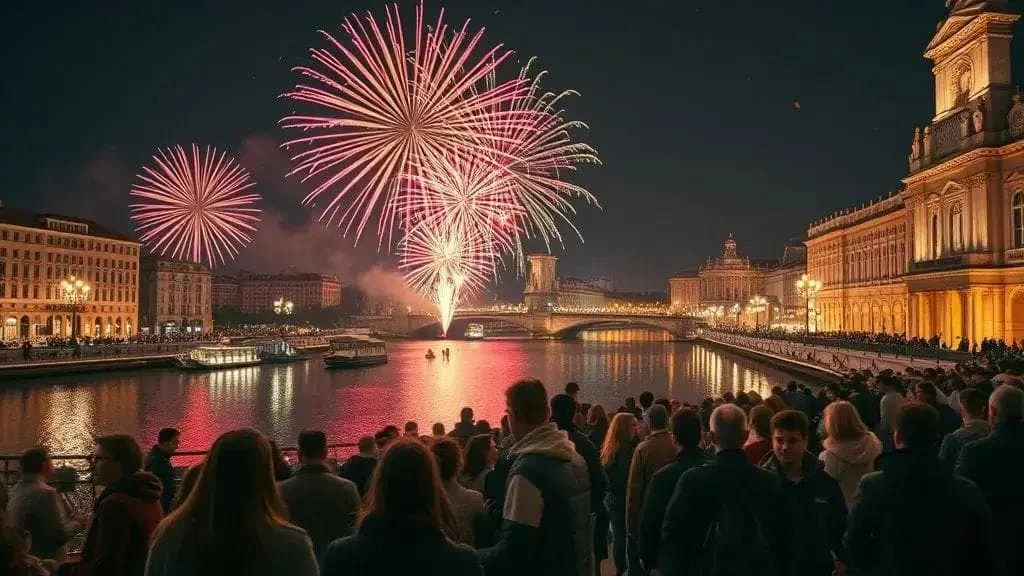
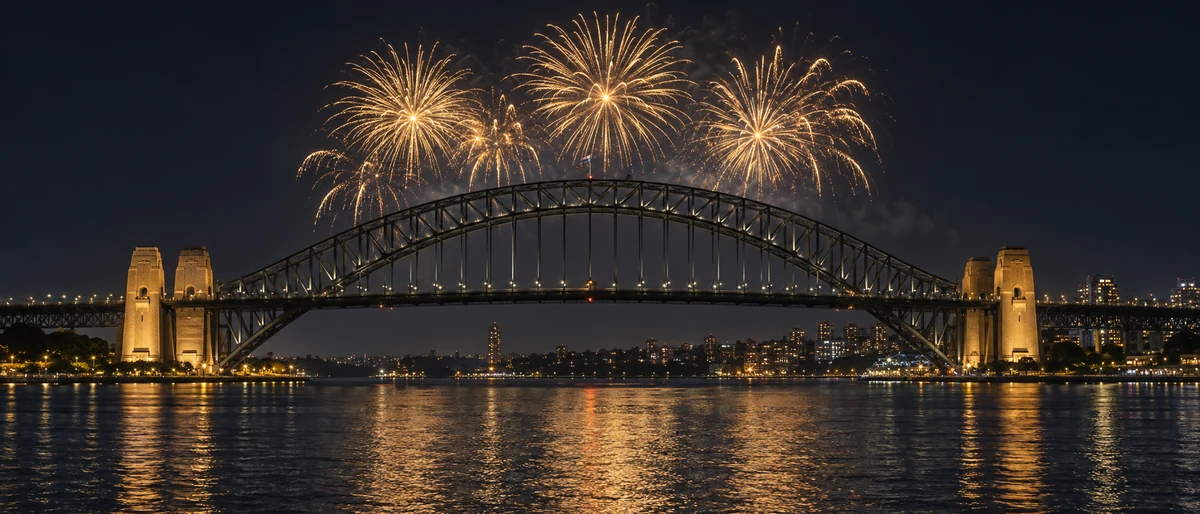
Illustrations in this article are conceptual images, not documentary photographs or evidence of a particular historical event, destination, venue or access route.
What to expect from Sydney’s fireworks
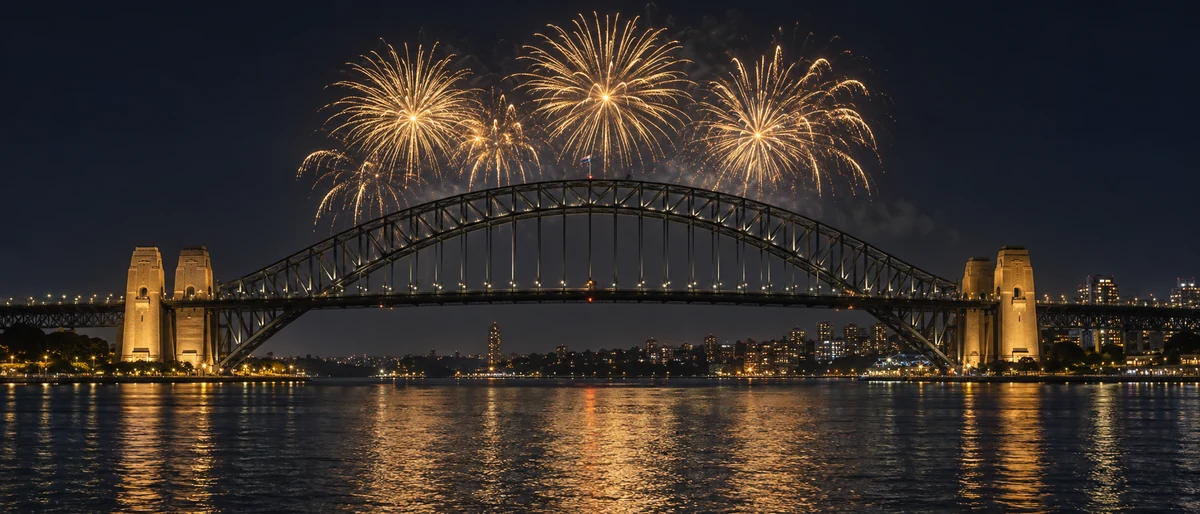
The harbour provides a dramatic setting for choreographed fireworks, colourful reflections and views of the Opera House and Harbour Bridge. The precise firing locations, soundtrack and programme depend on the year’s event.
Main features of the display
- Duration: check the official schedule for the length and timing of each display; do not rely on a previous year’s running time.
- Music and rhythm: choreographed sequences and a soundtrack help build towards the countdown, although what you hear depends on your viewing location or broadcast.
- Firework effects: aerial bursts, trails and effects around the bridge can create several layers of light across the harbour.
- Colour: contrasting colours and changing patterns give each sequence its character; specific themes are announced by the organisers.
- Reflections: the harbour can mirror the colours, offering attractive photographs where the water is visible from an authorised viewing area.
The atmosphere and sensory experience
Expect sudden changes in brightness, loud bangs and large crowds. Sound may reach more distant viewpoints after the flash. Boats and waterfront spectators add to the atmosphere, but noise and a long wait can be tiring, particularly for children or anyone sensitive to busy environments.
Practical ways to enjoy the evening
- Plan your arrival: free areas can reach capacity well before midnight. Check opening times and live capacity notices; bring a blanket or folding chair only where permitted.
- Choose a suitable viewpoint: use the official vantage-point map to find an authorised place with the harbour view you want, rather than assuming every waterfront street is accessible. Source: Sydney New Year’s Eve — Official event and current arrangements
- Compare ticketed areas: check whether a ticket actually includes a seat, an unobstructed view, food or facilities. Paying does not automatically mean fewer crowds or better visibility.
- Plan both journeys: public transport is usually more practical than driving near the harbour, but closures and crowded stations affect the return journey too.
- Check weather and safety updates: dress for a summer day and a potentially cooler evening, and follow official announcements about any programme changes.
- Take photographs considerately: a longer exposure can capture light trails. Use a support only where allowed, keeping equipment out of walkways and other people’s views.
Tickets, reserved areas and free viewpoints
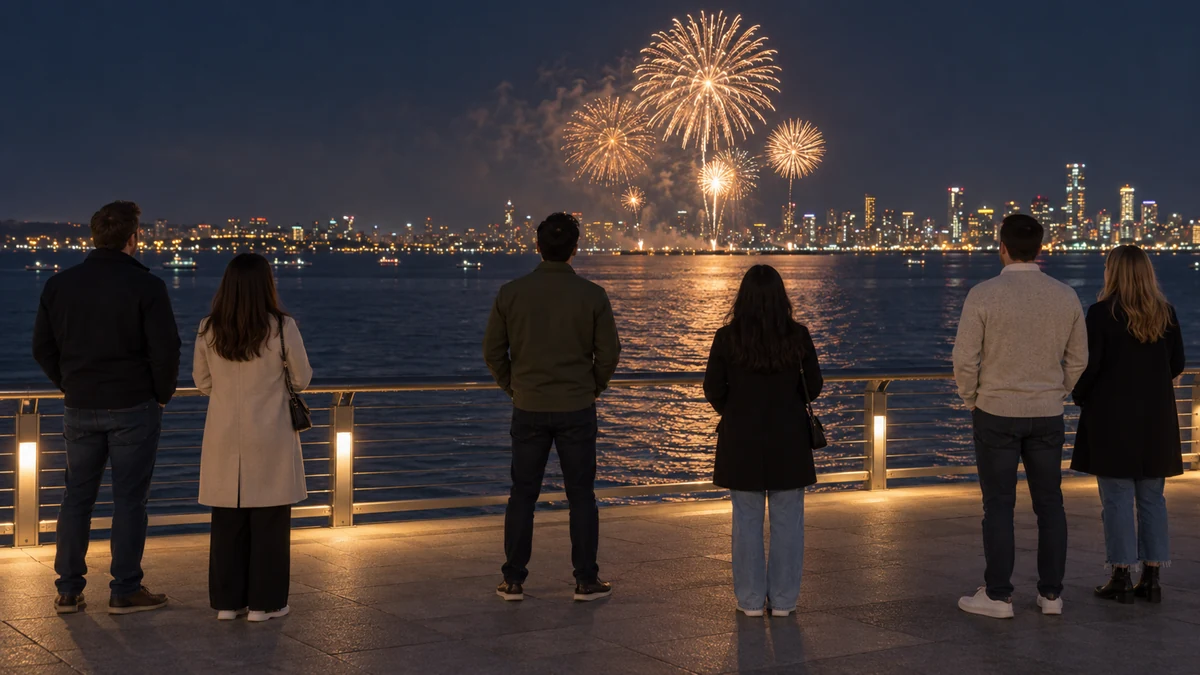
Sydney has both ticketed locations and free public viewing areas. Compare the actual entry rules, facilities and view before choosing, and allow for the time you may spend waiting.
Ticketed areas
- Possible options: offers may range from standing admission to reserved seating, restaurant dinners or harbour events. Inclusions differ substantially.
- Buying tickets: use the organiser’s official website or an authorised seller. Save your ticket offline and bring identification if the booking terms require it.
- What to compare: look for a clear description of seating, sightlines, toilets, accessibility, food and drink. These are details to verify, not benefits guaranteed by every paid ticket.
- Booking ahead: popular events can sell out. Read entry times, cancellation terms, weather policies and any restrictions on leaving and returning.
Public viewing areas
- Places to investigate: Circular Quay, Mrs Macquarie’s Chair, the Botanic Garden area, The Rocks, Milsons Point and North Sydney’s foreshore have different viewing arrangements. Some sections are ticketed or closed; they are not all free.
- Sightlines: buildings, trees and the angle of the shoreline can restrict the view. Check each official listing for what is visible, rather than judging only by its distance from the harbour.
- Arrival and capacity: there is no universal arrival time that guarantees entry. Follow the current opening and capacity information and have an alternative plan.
- Comfort: take suitable clothing and permitted seating or a blanket. Read bag-size and chair restrictions before packing.
Transport and practical arrangements
- Public transport: consult the current journey planner and event notices. Services, station access and stopping patterns can change on New Year’s Eve. Source: Transport for NSW — Service alerts
- Road closures: check official access maps and pedestrian entry points; a normal route may be unavailable.
- Harbour cruises: book with a suitable licensed operator and read the route, safety arrangements and cancellation terms. Exclusion zones and conditions affect where vessels can go; a particular view is not automatic.
- Meeting and returning: agree a clearly identifiable meeting point and a second route home in case the first becomes unavailable.
Rules, safety and consideration for others
- Entry checks: bags may be searched at controlled entrances. Allow time and check which items are permitted.
- Restricted items: do not bring private fireworks or fly a drone over the event. Check each venue’s restrictions on glass, alcohol and other items.
- Follow staff instructions: stay behind barriers and keep entrances, exits and emergency routes clear.
- Children and animals: supervise children closely. Ordinary pets are unsuitable for a crowded fireworks outing and may be prohibited; check the separate arrangements for assistance animals with the venue.
Useful things to plan
- Water and food: bring permitted drinks and simple snacks, checking container rules. Do not assume nearby shops will be accessible or queues short.
- Toilets: locate facilities on the venue map, including accessible toilets where needed. Neither a paid ticket nor a free location tells you everything about provision or queues.
- Portable charger: charge your phone beforehand and keep a power bank handy for tickets, maps and contacting your group.
- Pack lightly: avoid bulky belongings that make walking, security checks and boarding transport more difficult.
Watching from elsewhere
- Live coverage: look for viewing information on the official event website and its announced broadcast partners closer to the date.
- Time zones: convert Sydney’s display time to your own location before arranging a viewing party. The UK and Brazil see the midnight celebrations during the previous calendar day.
- Watching at home: gather around a television or computer, prepare snacks and keep the volume considerate. You can enjoy the spectacle without the harbour crowds.
Harbour viewpoints: the bridge, Opera House and surrounding areas
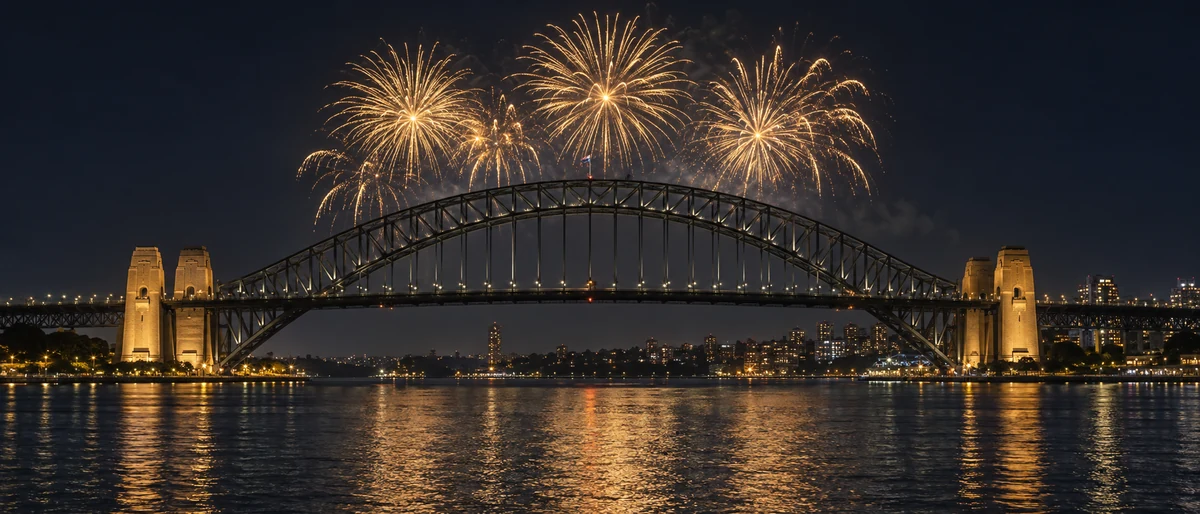
The Harbour Bridge and Opera House are landmarks to look towards, not a promise of public access everywhere around them. Alternative foreshore locations offer different angles, but they can also become extremely busy.
Views of the Harbour Bridge
Choose an authorised foreshore viewpoint looking towards the bridge. The bridge itself is part of the fireworks operation and is not a public viewing platform during the display. Advantages: suitable shoreline positions can offer a strong view of the bridge and harbour reflections. Limitations: restrictions, crowds and partial sightlines vary; use the official access map rather than attempting to reach the bridge deck. Source: Sydney New Year’s Eve — Official event and current arrangements
Opera House and Circular Quay
Views vary around Circular Quay and the Opera House precinct. A position beside the Opera House does not necessarily show the building itself in your photograph. Advantages: some authorised locations offer recognisable harbour views and nearby transport connections. Limitations: access may be controlled, sightlines can be partial and transport arrangements change during the event.
Other areas to compare
Investigate these locations through the current official listings, without assuming they will be quiet or freely accessible:
- Mrs Macquarie’s Chair: this part of the foreshore is known for harbour views, but entry, ticketing, walking routes and capacity depend on the event arrangements.
- The Rocks: the historic waterfront has different vantage points and hospitality venues. A table or street address alone does not guarantee a view of the fireworks.
- Milsons Point: the northern side of the bridge has popular foreshore viewing areas with their own ticketing and entry conditions.
- North Sydney foreshore: several locations provide different harbour angles. Some are free and others ticketed; crowds and closures can affect both. Source: North Sydney Council — New Year’s Eve viewing areas
Planning for your chosen location
- Arrival: follow that location’s opening time, booking instructions and capacity updates rather than a fixed number of hours before midnight.
- Transport: check the event journey planner before choosing a train, bus, metro, light rail or ferry route. Ferry services in particular can be restricted by harbour operations.
- Accessibility: compare step-free routes, accessible viewing areas and toilet provision. Accessible options may exist at free as well as ticketed locations, sometimes with advance registration.
- Comfort: pack only permitted seating and bags, and plan for weather changes during a long outdoor wait.
- Photography: use an authorised position with a clear sightline to the water. Adjust shutter speed and sensitivity without climbing barriers, approaching the edge or obstructing others.
- Safety: listen to stewards and leave emergency access clear, even if another position would offer a better photograph.
Matching the venue to your priorities
For photographs, compare the actual sightline to the landmarks you want in frame. For a family outing, consider waiting time, toilets, noise and the journey home rather than assuming a park will be peaceful. If seating matters, choose a booking that explicitly includes it and check the rest of the facilities separately.
Transport, road closures and arrival planning

New Year’s Eve brings major changes to roads and pedestrian routes around the harbour. Plan the journey without depending on being able to drive directly to a viewing area.
Public transport
Ferries, trains and buses may operate special timetables alongside metro and light rail services. Check the current Transport for NSW planner, payment arrangements and event notices; do not assume every normal stop or connection will operate.
- Ferries: services can be busy, altered or suspended around harbour exclusion periods. Confirm both the outward and return service before relying on a ferry.
- Trains, metro and light rail: these are different networks, with separate stops and possible event restrictions. Check the recommended station for your venue rather than assuming Circular Quay will be the best access point.
- Buses: diversions and temporary stops may apply. Read the route-specific notices before leaving.
Road closures and restricted areas
Official maps show vehicle closures, controlled pedestrian routes, entrances and exits. Respect barriers and staff instructions; a route marked on a general map may be inaccessible during the event.
- Pedestrian access: some roads become pedestrian routes, while other spaces close to pedestrians as well as vehicles. Follow the current event map.
- Security checks: controlled entrances may include bag searches and ticket checks.
- Alternative routes: plan a second way in and out, allowing for changes if a viewing area reaches capacity.
Choosing when to arrive
Allowing enough time reduces the pressure of queues and diversions, but early arrival does not guarantee admission. Practical approach: follow the venue’s opening time, ticket conditions and live advice, then add time for your own journey and security checks.
- Check the official event map before travelling and again for updates on the day.
- Agree an exact, recognisable meeting point with your group.
- Allow extra time for queues, walking diversions and entry checks.
Taxis, rideshares and drop-off points
Pick-up and drop-off access is limited around closed roads. Use designated areas and confirm a reachable meeting point with your driver.
- Do not stop in prohibited places or block traffic while waiting; follow the directions of traffic staff.
- Agree your return meeting point beforehand because mobile networks may become congested at busy times.
Parking and alternatives to driving
Parking close to the harbour can be limited and expensive. If you drive part of the way, identify a lawful parking location and a confirmed onward transport connection; do not assume a station car park will have space.
- Parking outside the busiest area: check opening hours, restrictions, overnight rules and the final return service before leaving your car.
- Walking and cycling: verify which routes remain open and where bicycles can be left. Event closures may affect normally convenient paths.
Accessibility and individual needs
Check accessible viewing arrangements, step-free approaches and facilities for the specific venue. A paid area is not necessarily more accessible than a free one, and some arrangements need to be booked in advance.
- Booking requirements: carry any reservation confirmation or documentation explicitly requested by the venue; check requirements rather than assuming medical paperwork is needed.
- Support if wanted: arrange assistance or a companion according to your preferences, and plan a suitable route for leaving the venue.
Leaving safely
Choose a return route, an alternative and a meeting point before the display. A portable charger, water and suitable clothing can make a delayed journey easier to manage.
- Keep the group informed: agree when you intend to leave and how to reconnect if separated.
- Locate assistance: identify first-aid points, information staff and usable exits when you arrive.
Watching with children: family planning
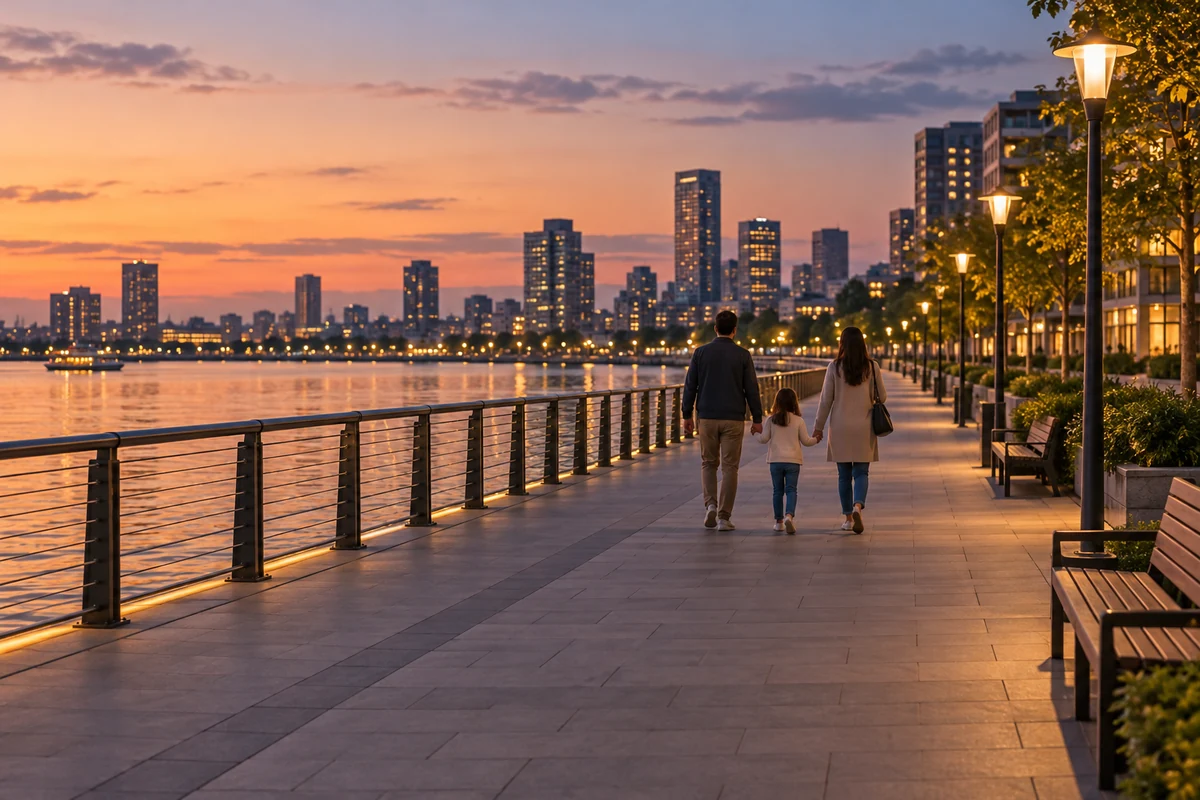
A family visit needs more than a good view. Consider rest, food, hearing protection and how your child copes with noise, queues and a late journey home.
Before the event
- Choose a suitable time: check whether the current programme includes the earlier 9 pm display. Watching that, or watching from home, may suit your child better than waiting until midnight.
- Check admission: make any required booking and read the opening and capacity arrangements. Calling an area family-friendly does not guarantee space or a short wait.
- Contacts and meeting plan: save important numbers, carry necessary identification and agree what to do if anyone becomes separated.
- Family bag: pack permitted water and non-perishable snacks, wipes and a change of clothes without overloading yourself.
- Hearing protection: use properly fitted, age-appropriate hearing protectors where needed. Ordinary music headphones or noise-cancelling headphones are not a substitute for suitable protective earmuffs.
What to bring
- Permitted seating or a blanket: check the venue’s rules. Even small chairs can obstruct a crowded route if placed carelessly.
- Small torch: useful for finding belongings after dark without dazzling other spectators.
- Contact details: a discreet wristband or label with a carer’s telephone number can help staff reunite a separated child with their family.
- Snacks and water: take manageable portions in containers allowed by the venue.
- Sun protection and layers: December is summer in Sydney. Prepare for daytime sun as well as a cooler or wet evening.
During the event
- Know the way out: choose a suitable viewing position with an understood exit route, while keeping the route itself completely clear.
- Keep familiar routines where possible: regular food, water and rest can help during a long evening.
- Avoid dense crowds: move away before an area becomes uncomfortably crowded, following staff directions.
- Notice distress early: if your child becomes frightened or overwhelmed, use your plan to leave rather than feeling obliged to stay for the finale.
- Toilets and changing facilities: check their location and availability for your chosen venue, whether entry is free or paid.
Comparing venues for a family
- Parks and gardens: assess their actual event layout and entry rules. A garden setting does not mean there will be room for children to run around during a crowded celebration.
- Ticketed family events: check precisely which facilities, seating and age arrangements are included.
- Northern foreshore locations: Milsons Point and North Sydney offer several options, but they are popular and should not be assumed to be quieter.
- Harbour cruises: consider only suitable operators with clear child-safety arrangements, lifejacket provision and boarding information. A small boat is not automatically a comfortable or safe alternative.
Health and safety
- Contact wristband: include a reachable carer’s number and explain to your child which event staff can help if they become separated.
- First aid: locate the event’s first-aid facilities and carry any personal supplies you normally need.
- Water: offer drinks regularly, especially after a hot afternoon outdoors.
- Keep away from unauthorised fireworks: do not approach informal firing areas or pick up firework debris.
Getting home with children
- Plan the return: agree the route and meeting place before leaving home, in case phone reception becomes unreliable.
- Public transport: check the return timetable and accessibility of the route. Allow for crowded services and the practicalities of travelling with a pushchair.
- Car collection: use an authorised pick-up point and confirm a location the driver can reach despite road closures.
- Leave when needed: if your child is tired, use your planned route home rather than waiting until the biggest wave of departing spectators.
Small ways to improve comfort
- Try hearing protectors beforehand: check fit and let your child become familiar with wearing them before the event.
- Bring a small activity: a favourite toy or quiet game can make waiting easier.
- Build in breaks: rest in suitable areas before the crowd builds; do not plan to wander through a densely packed viewing area.
- Explain what will happen: describe the lights, loud sounds and journey home in advance so the evening feels less unfamiliar.
Live coverage and time zones: watching from the UK or Brazil

Watching remotely avoids the travel and crowds. Check the event’s announced broadcast arrangements and convert the display time carefully for your location.
Official viewing information
- Event website and official channels: use the links announced by Sydney New Year’s Eve for that year’s coverage, rather than assuming an old video link is live.
- Television and broadcast partners: check whether your local broadcaster is showing the full display or highlights, and whether the programme is live.
- Be cautious about paid streams: do not assume a ticketed waterfront event includes special online coverage. Pay only for a clearly described service from a verified provider, if you choose one.
- Have a backup: keep another legitimate viewing option available on a phone or computer in case your main connection fails.
Time zones: a practical example
At New Year, Sydney uses Australian Eastern Daylight Time, UTC+11, while the UK uses Greenwich Mean Time, UTC+0. Sydney is therefore eleven hours ahead of the UK. Source: NSW Government — Time zones and daylight saving
- Example: midnight at the start of 1 January in Sydney corresponds to 1 pm on 31 December in the UK. Check the broadcast’s starting time separately, as coverage may begin earlier. Source: GOV.UK — When the clocks change
- Watching from Brazil: for locations on Brasília time, UTC−3, Sydney’s midnight is 10 am on 31 December. Other Brazilian time zones differ, so use a world clock for your own city.
Preparing to watch from home
- Check the start time: confirm the official coverage time and set a reminder in your local time zone.
- Test the connection: use reliable Wi-Fi or a wired television connection if available, and check playback beforehand.
- Use a larger screen if convenient: cast from a phone or use a supported television app, following the provider’s instructions.
- Expect a delay: online coverage can lag behind the event. Different devices may not show the countdown at precisely the same moment.
- Check regional availability: if a stream is unavailable where you live, look for an authorised alternative offered in your region.
Sharing the experience
- Watch together: invite friends or arrange a call with relatives watching elsewhere, allowing for different stream delays.
- Use one main audio source: mute additional screens to avoid distracting echoes.
- Make it a small occasion: prepare snacks and comfortable seating for an afternoon viewing in the UK, or a morning gathering on Brasília time. Keep sound at a considerate level.
Common streaming problems
- Buffering: temporarily lower the picture quality and close other applications using the connection.
- Signing in: if your verified provider requires an account, test it beforehand. Do not enter payment details on an unfamiliar page claiming to unlock official free coverage.
- Getting help: use the provider’s genuine support pages if playback problems persist.
Safety, comfort and lower-cost celebrations
A good evening depends on practical planning as much as a spectacular view. Consider the demands of the venue and choose an option that fits your budget and comfort level.
Essential safety habits
- Stay within permitted areas: follow stewards and barriers, without entering closed spaces for a closer look.
- Find assistance: identify first-aid points, information staff and exits on arrival.
- Check prohibited items: private fireworks, glass and other restricted items must not be brought into areas where they are banned.
- Plan for crowds: agree where to meet, avoid obstructing routes and follow staff directions if the area becomes too busy.
Looking after yourself
- Hearing: use suitable hearing protection where needed and increase your distance from loud sound. Ordinary headphones do not provide equivalent protection.
- Food and water: take permitted refreshments and avoid excessive drinking, particularly when navigating crowds and transport.
- Weather: prepare for summer sunshine, an evening breeze and possible rain; check the forecast before travelling.
- Personal supplies: carry necessary medication and a small torch, with simple first-aid supplies if you normally use them.
Ways to spend less
- Compare official free viewpoints: check their facilities and access requirements. Free admission can reduce costs, but it does not guarantee less crowding or a complete view.
- Watch at home: invite friends to bring something to eat and enjoy legitimate live coverage together.
- Private views: if you have permission to use a property with a harbour view, respect its capacity and safety rules. Never access a roof or balcony without authorisation.
- Local celebrations: compare community events closer to where you are staying, checking admission and facilities before setting out.
- Weigh up cruise costs carefully: a shared harbour booking is not necessarily cheaper than a land-based option. Prioritise a suitable operator and safe arrangements over an unusually low price.
Saving money without sacrificing safety
- Plan transport costs: check the applicable fares and payment method. Buying a local transport ticket early does not necessarily make it cheaper; avoid relying on an expensive last-minute taxi.
- Bring permitted snacks: reusable containers and your own refreshments can reduce spending, provided they comply with venue rules.
- Choose a realistic plan: follow opening and entry arrangements rather than paying for a rushed alternative when a free area is already full.
- Coordinate useful items: friends can share a blanket or charger where practical. Everyone who needs hearing protection should have their own suitable pair available throughout the display.
Quick checklist
- Necessary identification and accessible electronic tickets
- Permitted water, snacks and personal medication
- Suitable hearing protection and weather-appropriate clothing
- Portable charger and a small torch
- A meeting point and return route agreed with your group
Being a considerate visitor
Respect residents and the waterfront: take your rubbish away, avoid unauthorised fireworks and follow event instructions so others can enjoy the evening too.
Ready to plan your New Year’s Eve?
Start with the official vantage-point and transport information, then choose the view, facilities and waiting time that suit you. Recheck arrangements close to the date because a previous year’s plan may no longer apply.
If a particular facility matters, verify it before booking. If you would rather avoid the cost and crowds, watching from home remains a comfortable way to enjoy the harbour celebrations.
Thank you for reading. Explore our other seasonal guides for ideas for your own celebration.
Visit the I Love Christmas blog for festive food, decorating and end-of-year inspiration. Have a wonderful New Year’s Eve!
Frequently asked questions about Sydney’s New Year’s Eve fireworks
Do I need a ticket to see Sydney’s fireworks?
Some locations are ticketed and others are free. Check the current official vantage-point listing, entry rules and capacity information. Buy any required ticket through an authorised seller and verify what it includes.
What is the best way to get there and back?
Public transport is generally more practical than driving into the harbour area. Use the current journey planner and event notices to choose your route, allowing for station restrictions, ferry changes and crowds after the display.
How can I plan a suitable visit with children?
Consider waiting time, noise, toilets and the journey home. Use suitable hearing protection, carry a carer’s contact details and agree a meeting plan. An earlier display, if scheduled, or watching from home may suit your child better.
How can I watch from the UK or Brazil?
Follow the official event website’s announced broadcast links. Sydney’s midnight is 1 pm on 31 December in the UK and 10 am that day on Brasília time. Check the programme start and regional availability separately.
What should I do if there is an emergency or a weather change?
Follow event staff instructions, use the designated first-aid or information points and monitor official updates. Keep your exit route and alternative meeting point in mind, and do not enter closed areas.
Sources and Further Reading
- Sydney New Year’s Eve — Official event and current arrangements
- Sydney New Year’s Eve — Planning guide
- North Sydney Council — New Year’s Eve viewing areas
- Transport for NSW — Service alerts
- NSW Government — Time zones and daylight saving
- GOV.UK — When the clocks change
- Auckland Council — New Year’s Eve celebrations