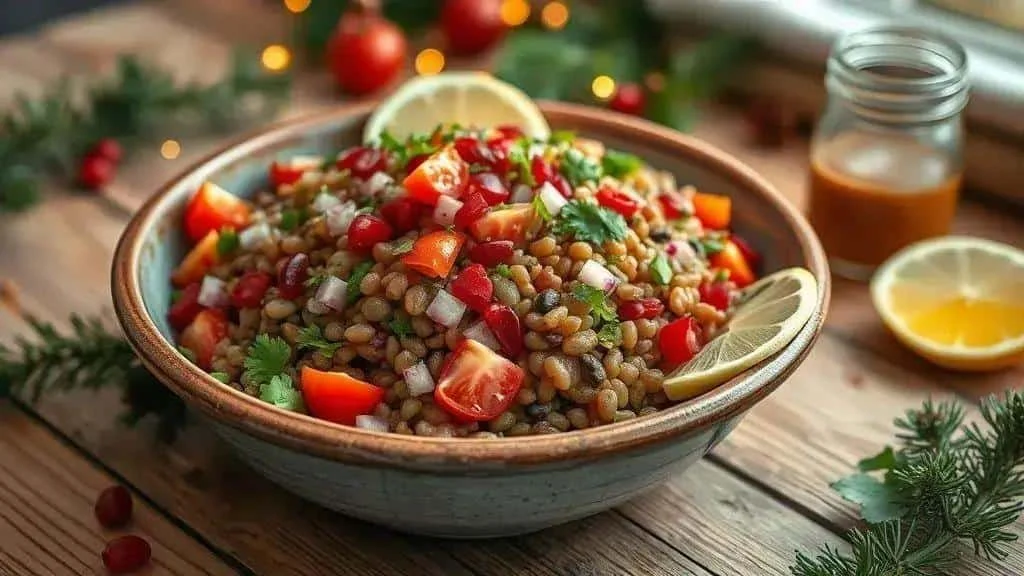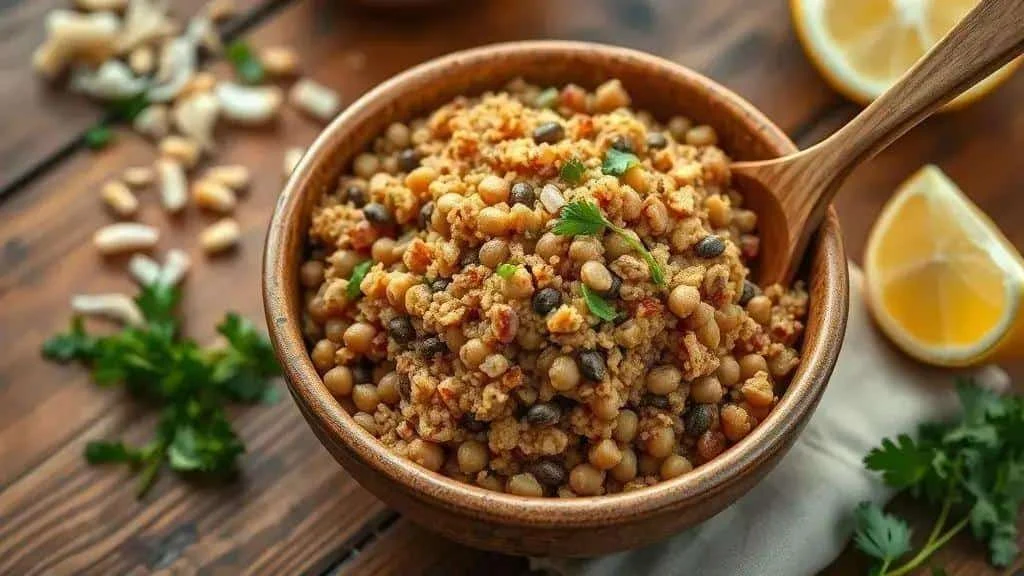
Lentil farofa combines cooked lentils, toasted Brazilian cassava flour, nuts and seasonings for a textured New Year’s Eve side dish. Keep the crunchy toppings separate until serving, and refrigerate the cooked lentil mixture if preparing ahead.
Lentil farofa for New Year’s Eve brings a Brazilian accompaniment to the celebration table. Tender lentils contrast with toasted flour and crunchy nuts, with optional bacon or plant-based alternatives.
Ingredients for crisp lentil farofa
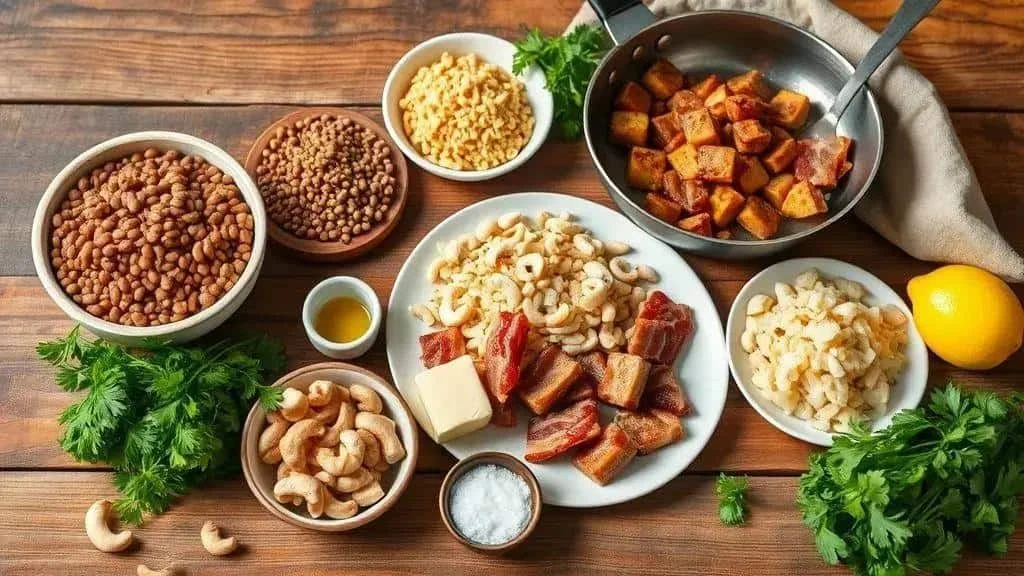
For this crisp lentil farofa, use the ingredients below, choosing substitutions to suit your guests.
- 200 g dried whole brown or green lentils, roughly 1 cup – cook until tender but holding their shape. Ready-cooked lentils are convenient, but 2 cups or one tin is not necessarily the equivalent yield: check the drained quantity and adjust the flour to the mixture.
- 200 g toasted Brazilian cassava flour for farofa – approximately 2 cups depending on the product. Use farinha de mandioca, not tapioca starch or generic baking cassava flour. Suitable prepared maize farofa flour or toasted panko makes a different variation; panko usually contains wheat.
- 100 g diced bacon, optional – replace with 100 g smoked tofu or finely chopped, well-cooked shiitake mushrooms for a plant-based version, also using oil instead of butter.
- 2 tablespoons butter OR 3 tablespoons olive oil – choose one. Oil avoids milk ingredients but is not automatically a lower-calorie swap at these quantities.
- 1 medium onion, finely chopped – or 2 shallots for a different flavour.
- 2 garlic cloves, chopped – optional, to taste.
- 60 g toasted chopped cashews or walnuts, roughly ½ cup – sliced almonds or suitable pumpkin seeds are alternatives, considering individual allergies.
- 2 tablespoons chopped fresh parsley – coriander is another option.
- Zest of 1 lemon, optional – for citrus aroma.
- Salt and black pepper – taste the finished dish before adjusting.
Quick tips
Use whole lentils rather than split red lentils, which soften differently. Drain cooked lentils thoroughly. Rinse tinned lentils if appropriate, then drain well. Toast the flour and add the nuts near the end to retain contrasting textures.
How to make crisp lentil farofa
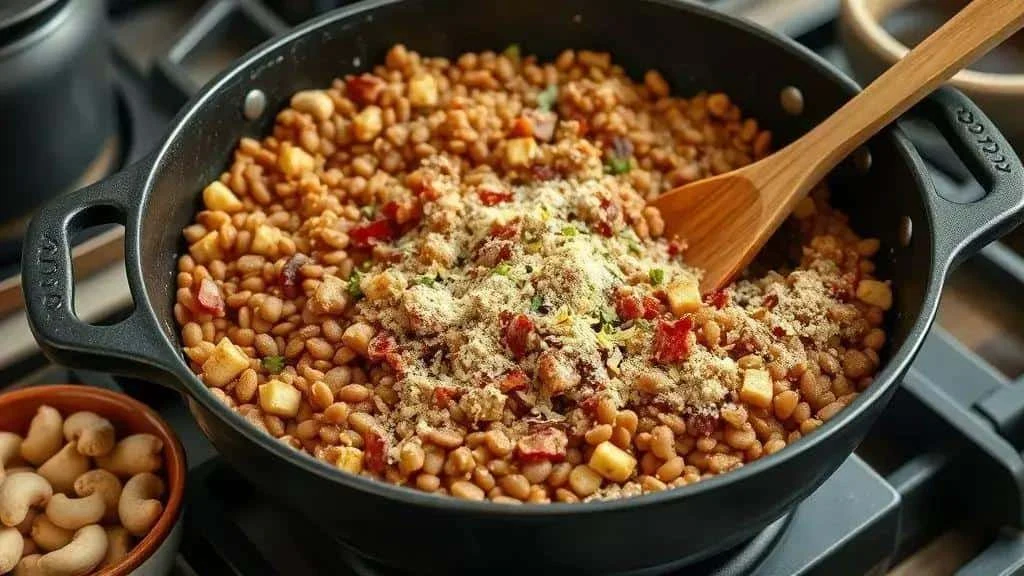
- Prepare the lentils: sort and rinse the 200 g dried lentils, removing any stones or damaged pieces.
- Cook until tender: use enough water and follow the packet’s cooking instructions. A 12–15 minute cooking time may be too short for dried whole lentils. Taste for tenderness while the grains still hold their shape, then drain thoroughly. Let excess steam escape briefly, without leaving cooked lentils out for prolonged cooling.
- Cook the bacon or alternative: heat a large frying pan and cook the bacon thoroughly. Add only as much of the listed fat as needed, since bacon releases its own. For a vegan version, use oil to cook the tofu or mushrooms according to the product. Reserve some topping if desired.
- Soften onion and garlic: remove excess rendered fat if necessary, then cook the onion until softened and lightly golden. Add the garlic towards the end so it does not burn.
- Add the lentils: stir in the cooked, drained lentils and heat through, allowing excess surface moisture to evaporate.
- Add flour gradually: stir in the 200 g toasted cassava flour a little at a time until the mixture has the texture you want. You may not need all of it if using a smaller ready-cooked lentil quantity. A little extra oil can help if it seems excessively dry.
- Finish: add the 60 g toasted nuts, parsley and optional lemon zest. Taste and season with salt and pepper.
- Optional extra toasting: spread the freshly cooked farofa in an ovenproof tray and heat at 180°C, or 160°C fan, for roughly 6–8 minutes, stirring and watching for burning. Alternatively stir in a wide pan over gentle heat. This finishing step is not a guaranteed reheating time for a large chilled batch.
Practical tips
- Tinned lentils: rinse if needed, drain well and gently blot excess moisture with clean kitchen paper before using.
- Gluten-free preparation: choose suitable labelled cassava flour and check all ingredients and cross-contact. Replacing nuts is not a gluten-free requirement; panko usually contains wheat and needs a separate gluten-free alternative.
- Salt: bacon and salted nuts may already season the dish sufficiently.
- Storage: this contains cooked lentils and possibly meat or tofu, so it is not shelf-stable. Cool promptly, refrigerate below 5°C within 1–2 hours and use within 48 hours or freeze. Reheat once until steaming hot throughout.
Getting a crisp texture
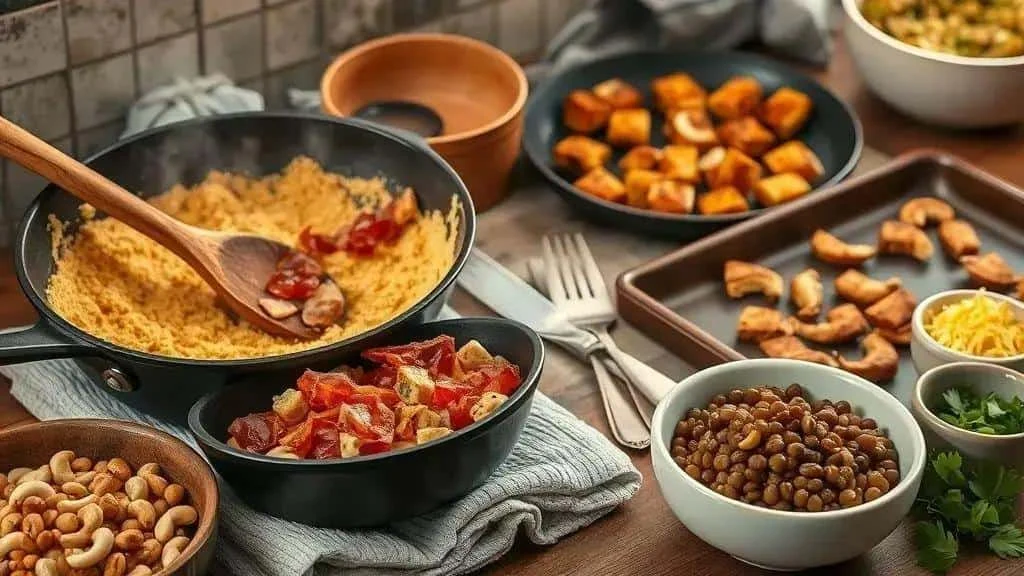
- Add toasted flour near the end: stir gently over low heat, avoiding scorching the already toasted product.
- Drain the lentils well: tender, intact lentils with little surface water work better than wet or mushy ones.
- Use contrasting textures: toasted nuts or seeds provide crunch alongside the softer lentils.
- Use fat moderately: a coating helps carry flavour, while too much makes the mixture greasy.
- Keep toppings separate: cook bacon or tofu separately and add just before serving. Tofu can brown well but will not necessarily have bacon’s texture.
- A brief oven finish: spread freshly made farofa in a thin layer and toast at 180°C, 160°C fan, stirring as needed. Watch the flour and nuts rather than relying solely on a timer.
- Different crunchy ingredients: a little toasted panko or a suitable ready-to-eat maize product changes the texture. Check wheat and other allergens; it is a variation on traditional cassava-flour farofa.
Practical techniques
- Toast the flour separately: stir the measured cassava farofa flour in a wide pan over gentle heat until fragrant, following product instructions. Already toasted flour may need very little extra heating.
- Toast the nuts: spread the measured nuts on a tray and toast at 160°C, 140°C fan, checking frequently. Five to seven minutes is only a guide; chop if needed and add near serving time.
- Layer the texture: reserve some cooked bacon or tofu for the top rather than stirring it all through early.
- Reduce surface moisture: drain lentils in a sieve and spread briefly on a clean shallow tray while preparing the pan. If not using soon, cool and refrigerate promptly.
- Reheat thoroughly: stir chilled farofa in a pan or heat in an ovenproof dish until steaming hot throughout, then add fresh crunchy toppings. Do not mistake surface crispness for a hot centre.
Storage reminders
- Covered containers: keep the cooked farofa refrigerated and use within 48 hours. A dry-looking texture does not make the lentil mixture safe for days at room temperature.
- Cool promptly: use shallow portions rather than leaving a deep warm container out for hours to avoid condensation.
- Refresh the texture: thoroughly reheat once, then add separately stored toppings. A quick 2–3 minute fry is not enough for every batch size.
Vegan and festive lentil farofa variations
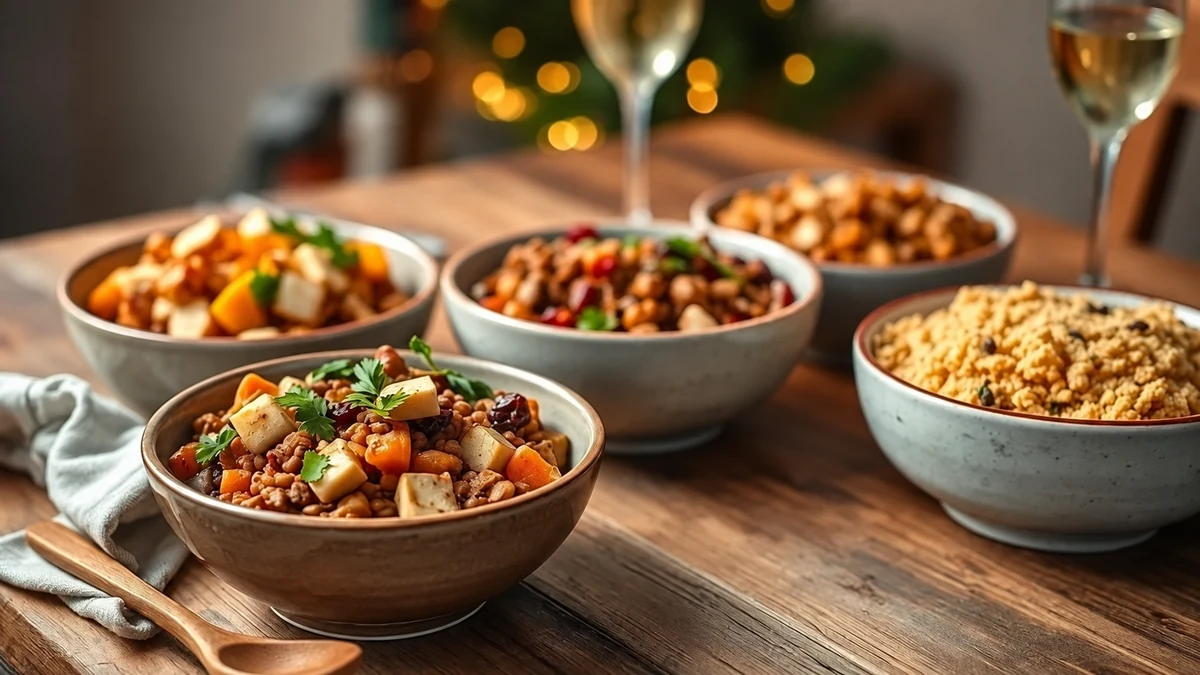
Simple vegan version
Choose plant-based ingredients throughout and check the seasoning on any prepared tofu or flour blend.
- 200 g cooked lentils, roughly 1 cup – well drained. This variation uses less lentil than the main recipe made from 200 g dried lentils, so add flour to texture.
- 2 tablespoons olive oil – for cooking.
- 1 medium onion, finely chopped.
- 2 garlic cloves, chopped.
- 100 g smoked tofu, diced; well-cooked shiitake mushrooms are an alternative.
- Up to 200 g toasted cassava farofa flour – add gradually; cup measurements vary by product.
- 60 g toasted nuts or suitable seeds – such as cashews or pumpkin seeds, according to dietary needs.
- 2 tablespoons chopped parsley, plus salt and pepper to taste.
- Soften the onion: heat the oil, cook the onion until soft and add garlic near the end.
- Cook the tofu or mushrooms: cook until hot, browned and no longer wet, following the product instructions where relevant.
- Add the lentils: stir in and heat thoroughly, allowing excess moisture to evaporate.
- Add flour: stir in gradually and stop when the mixture is loose and crumbly rather than dry and powdery.
- Finish: add the nuts and parsley, season and serve promptly.
Dried fruit and nut variation
This version adds sweetness, citrus and extra crunch to the celebration table.
- 200 g cooked lentils, well drained – again, a smaller cooked-lentil quantity than the main recipe.
- 2 tablespoons butter or 3 tablespoons oil; use oil and suitable other ingredients for a vegan version.
- 1 small onion, chopped.
- 50 g raisins, roughly ⅓ cup – or dried cranberries.
- 60 g chopped dried apricots, optional – check sulphites if relevant.
- 90 g chopped nuts – walnuts, Brazil nuts or almonds, suitable for your guests.
- Up to 200 g toasted cassava farofa flour, zest of 1 orange and salt to taste.
- Cook the onion: soften it in the chosen butter or oil.
- Add dried fruit: stir in the raisins and optional apricots to warm them. If very dry, soak and drain them beforehand; heat alone does not hydrate them.
- Add lentils: stir in the cooked lentils and heat through. Keep some or all of the nuts for the final topping if preferred.
- Add flour and zest: incorporate the flour gradually to the desired texture, then add orange zest and the nuts.
- Taste and serve: adjust salt and offer alongside your chosen main and salad.
Panko and herb variation
This is a smaller breadcrumb-based lentil side, with a different balance from the cassava-flour version. It is not automatically a low-fat dish.
- 200 g cooked lentils, thoroughly drained.
- 50 g panko breadcrumbs – usually wheat-based; cup volume varies, so use the weight.
- 1 tablespoon olive oil – to coat and flavour.
- 40 g toasted seeds – such as sunflower or pumpkin, if suitable.
- 2 tablespoons chopped fresh herbs – parsley, chives or a little thyme.
- Zest of 1 lemon and salt to taste.
- Toast the panko: stir in a dry pan over gentle heat until lightly golden, then set aside.
- Prepare the lentils: heat the cooked lentils thoroughly in the oil, especially if chilled, then combine with the toasted panko and seeds.
- Add herbs and zest: fold through gently and season to taste.
- Serve immediately: panko softens as it absorbs moisture, so combine shortly before eating rather than leaving the finished dish warm for a long time.
Ingredient substitutions and seasonal ideas
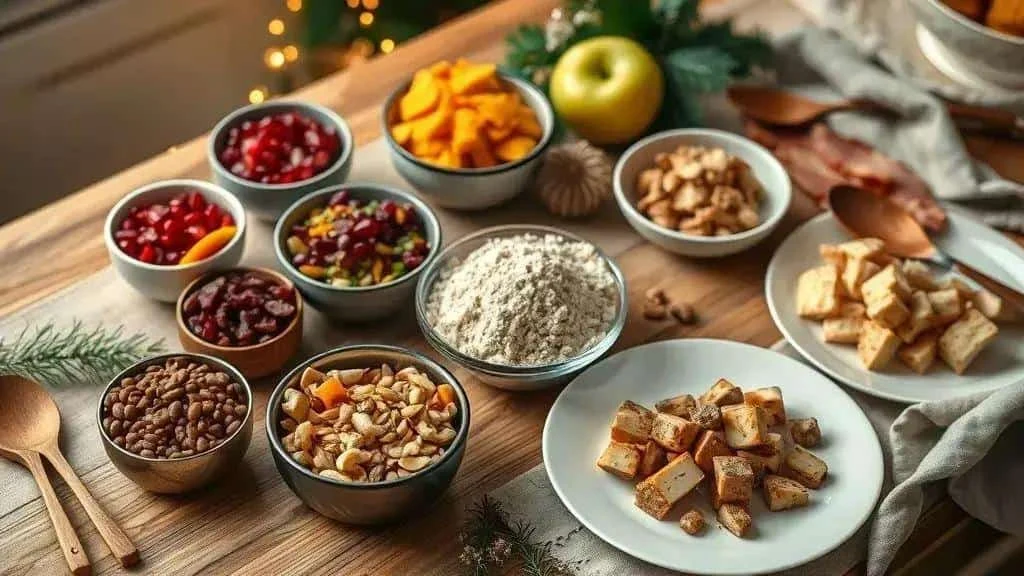
Adapt lentil farofa with ingredients available to you. The suggestions below offer different flavours and textures; choose produce that is in season where you live.
Substitutions for preferences and dietary needs
- Bacon, 100 g: replace with 100 g smoked tofu or well-cooked shiitake mushrooms, and use oil for a vegan version. Mushrooms do not inherently taste smoked.
- Butter, 2 tablespoons: the recipe offers 3 tablespoons olive oil instead. Check all other ingredients if avoiding milk; lactose intolerance and milk allergy have different requirements.
- Cassava farofa flour, 200 g: a suitable prepared maize farofa product or toasted panko gives a different texture. Follow the product’s cooking instructions and add by texture; UK cornflour is starch and is not a substitute.
- Dried lentils, 200 g: well-drained ready-cooked lentils are convenient, but compare cooked yield rather than assuming a single tin is equivalent. Cooked chickpeas create a chunkier variation.
- Nuts, 60 g: pumpkin or sunflower seeds may work for some guests, but are not automatically safe for every nut-allergic person. Check individual needs and cross-contact.
Optional fruit and vegetable additions
- ½ cup pomegranate arils – for colour and tartness. Dried cranberries offer a different texture; raw cranberries are not an equivalent sweet substitute.
- 1 tablespoon orange zest – or lemon zest to taste.
- 1 cup roasted squash cubes – or cooked sweet potato for a soft contrast.
- ⅓ cup dried cranberries – raisins are an alternative.
- 1 medium green apple, chopped – or a firm pear, prepared just before serving.
- 2 tablespoons fresh herbs – parsley, chives or a little mint.
Adding fruit and vegetables
- Add fruit and zest near the end: fold in dried cranberries, fresh pomegranate or citrus zest at serving time to retain their texture and aroma.
- Fold in roast vegetables: use cooked squash or sweet potato with little surface moisture. Cold vegetables do not inherently contain less water; reheat chilled additions thoroughly if serving a hot dish.
- Use apple sparingly: add chopped apple just before serving for a fresh crunch.
- Finish with herbs and seeds: sprinkle over at the table.
- Reserve crunchy toppings: cook bacon or tofu separately and add close to serving, handling any prepared-ahead topping safely.
Adjusting the flavour
- Sweet and savoury balance: use dried fruit moderately and add citrus zest if wanted; nuts do not remove sweetness, so adjust the fruit itself to taste.
- Texture: combine a soft addition such as squash with a crisp topping such as seeds or panko.
- Final seasoning: taste after the bacon or salted nuts have been added before using more salt.
Preparing lentil farofa ahead
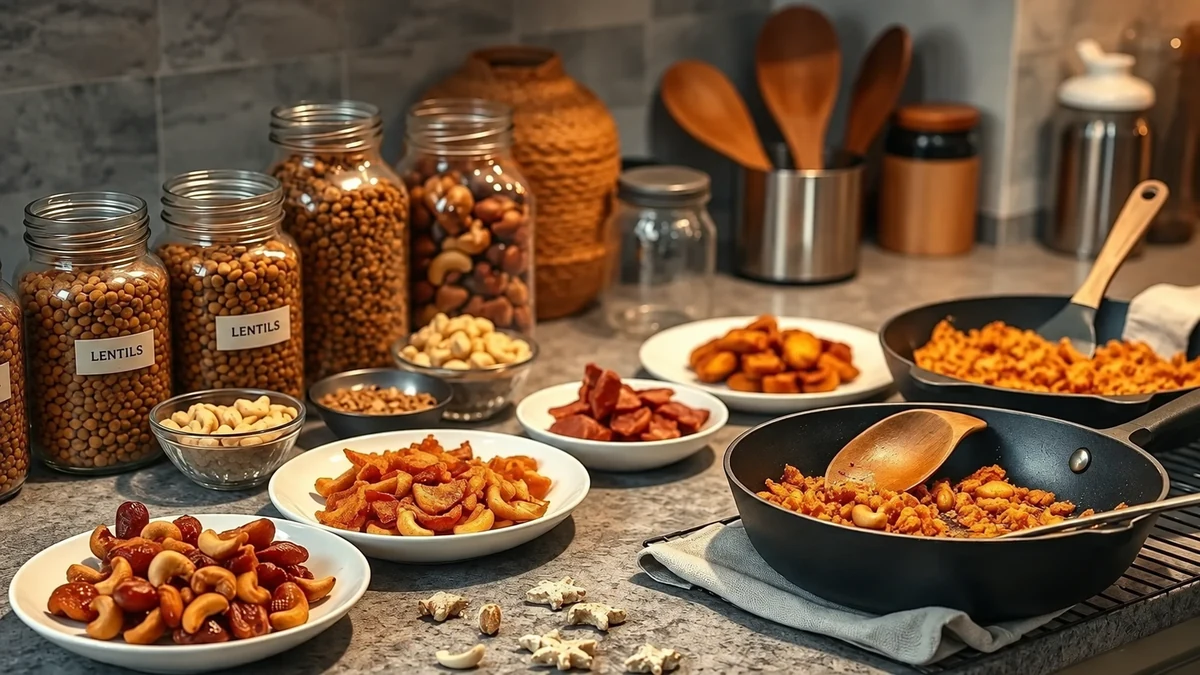
- Cook lentils until tender but intact: follow their packet rather than a fixed 12–15 minutes. Drain well and spread in a clean shallow container for prompt cooling if not using immediately.
- Prepare components separately: toast flour and nuts, soften onion and garlic, and cook the chosen bacon or tofu. Separate storage helps preserve texture, with cooked moist ingredients refrigerated.
- Keep the final mixing for later: refrigerate the cooked lentil mixture and keep dry toasted flour and toppings separate where their storage instructions allow. Fresh parsley and zest are best added at serving.
- Use shallow portions: divide cooked ingredients into meal-sized containers to cool and reheat more evenly.
- Cool promptly: refrigerate cooked components within 1–2 hours rather than waiting for a deep container to become completely cold on the worktop.
Storage guidance
- Containers: use clean, food-safe covered tubs or jars suitable for the ingredients and temperature.
- In the fridge: use cooked farofa and its cooked moist components within 48 hours below 5°C, or freeze. Separate dry flour, panko and nuts follow their own product instructions; do not assume every homemade toasted mixture lasts for weeks.
- In the freezer: freeze promptly cooled portions without the final crunchy toppings. Around 3 months is a quality guide; label the date and keep continuously frozen.
- Avoid condensation without delaying cooling: portion shallowly and refrigerate promptly, then keep covered. Do not leave cooked lentils at room temperature just to preserve a dry texture.
A practical preparation schedule
- A few days ahead: buy and measure dry ingredients. If cooking lentils more than 48 hours before the meal, cool and freeze them instead of keeping them in the fridge for three days.
- The day before: cook and chill the lentil base if desired, storing flour and toppings separately. The storage clock starts when each component was cooked, not when they are mixed.
- On the day: thoroughly reheat the prepared base once and add the toasted flour, nuts and fresh herbs near serving time.
Reheating and finishing
- Frying pan: use a wide pan with a little oil if needed, stirring until steaming hot throughout. Two to four minutes may not be sufficient for a large chilled portion.
- Oven: spread in an ovenproof dish at about 180°C, 160°C fan, and stir as needed until fully hot. Do not rely on the brief fresh-toasting time for reheating from cold.
- Finish at serving: add the suitable cooked topping, nuts and citrus zest, then serve promptly.
Final storage and serving checks
- Keep cooked food at suitable temperatures: serve promptly or use proper hot holding, and refrigerate leftovers promptly. A warm room is not a storage place for lentil farofa.
- Defrost in the fridge: allow enough time for the portion to thaw, use within 24 hours of fully defrosting and reheat once until steaming hot throughout.
- Taste after reheating: adjust seasoning, but never use tasting as a test of whether poorly stored food is safe.
- Keep dry toppings separate: follow storage instructions for plain toasted nuts, seeds and panko. Once mixed with cooked lentils, vegetables, bacon or tofu, the whole dish needs chilled storage.
What to serve with lentil farofa
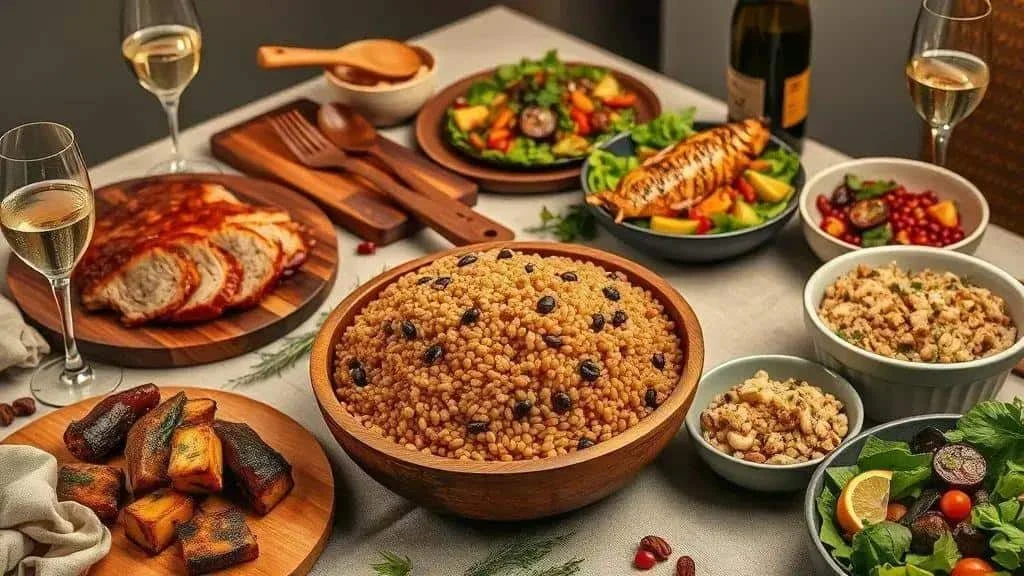
Lentil farofa adds a crumbly contrast to roast mains and salads. Choose complementary dishes rather than serving several heavy accompaniments at once.
Main-course ideas
- Roast pork leg – a rich main alongside the toasted flour and lentils.
- Roast beef or sirloin – the farofa provides a dry, textured accompaniment to the meat and gravy.
- Bacalhau – properly soaked and cooked salt cod pairs with the crumbly flour; adjust salt carefully.
- Herb-roasted fish – especially suitable with a little citrus zest in the farofa.
- Herb-roasted chicken – another practical main-course option.
- Vegan vegetable roast or cooked tofu – pair with the oil-based farofa made without bacon or other animal ingredients.
Other sides and salads
- Rice with nuts – use moderate portions and consider whether both dishes need nuts.
- Leaf salad with pomegranate – offers a fresh, tart contrast.
- Sweet potato mash – a soft side alongside the crumbly farofa.
- Roast vegetables – squash, carrots or beetroot add colour and sweetness.
- Potato salad – a creamy contrast, kept chilled until serving.
Drink ideas
- Brut sparkling wine, optional – a possible pairing for guests who choose alcohol; sparkling water also works.
- White wine, optional – Sauvignon Blanc or a less full-bodied Chardonnay may suit fish and salad mains.
- Red wine, optional – Pinot Noir or a suitable Merlot may suit roast meat; individual wines vary.
- Lager, optional – another pairing according to preference, with an alcohol-free alternative available.
- Alcohol-free choices – sparkling water with lemon, passion fruit juice or white grape juice.
Serving the meal
- Serve freshly made or properly reheated: let diners eat promptly rather than keeping the farofa lukewarm throughout the evening.
- Add crunchy elements last: sprinkle bacon, nuts or panko over just before serving.
- Add citrus aroma: zest complements richer mains; a little vinegar adds acidity but also moisture, so use sparingly if desired.
- Balance the plate: offer a main, a modest farofa portion and fresh salad.
- Coordinate temperatures: bring hot dishes to the table when ready and keep salads chilled until then.
Finishing touches
- Fresh herbs – parsley or chives add colour and aroma.
- Citrus zest – use a little to complement the lentils.
- A little butter or oil – if needed during reheating, adds flavour without making the mixture greasy.
Conclusion
Crisp lentil farofa is a flexible New Year’s Eve side dish. Cook the lentils until tender, use the correct toasted flour and save crunchy toppings for serving. Careful storage matters as much as texture when preparing ahead.
Thank you for reading. Follow our social channels and visit the I Love Christmas blog for more festive recipes and seasonal inspiration. Enjoy your celebration.
FAQ: crisp lentil farofa
How do I cook lentils without making them mushy?
Choose whole brown or green lentils, follow the packet and check until tender but still intact. Drain thoroughly. A fixed 12–15 minutes is not enough for every dried variety, while split red lentils naturally break down more easily.
Can I prepare farofa ahead, and how should I store it?
Yes. Store cooked moist components chilled below 5°C and use within 48 hours, or freeze promptly. Keep suitable dry toasted flour and toppings separate according to their instructions. The finished lentil farofa is not safe to store for days at room temperature.
What can replace bacon in a vegan version?
Use smoked tofu or well-cooked mushrooms, and replace butter with oil. Check all other ingredients. Tofu contains soy, and mushrooms do not automatically provide a smoky flavour.
How do I keep the farofa crisp for serving?
Drain the lentils well, add toasted flour near the end and reserve crunchy toppings until serving. If preparing ahead, reheat the cooked base thoroughly once before adding the final toppings.
What goes well with lentil farofa?
Roast pork, beef, fish, chicken or a suitable vegan main all work, with salads or mash for contrasting textures. Offer drinks according to preference, including alcohol-free choices.
Sources and Further Reading
- Food Standards Agency — cooking food safely
- Food Standards Agency — chilling, freezing and defrosting
- Food Standards Agency — food allergies and intolerances