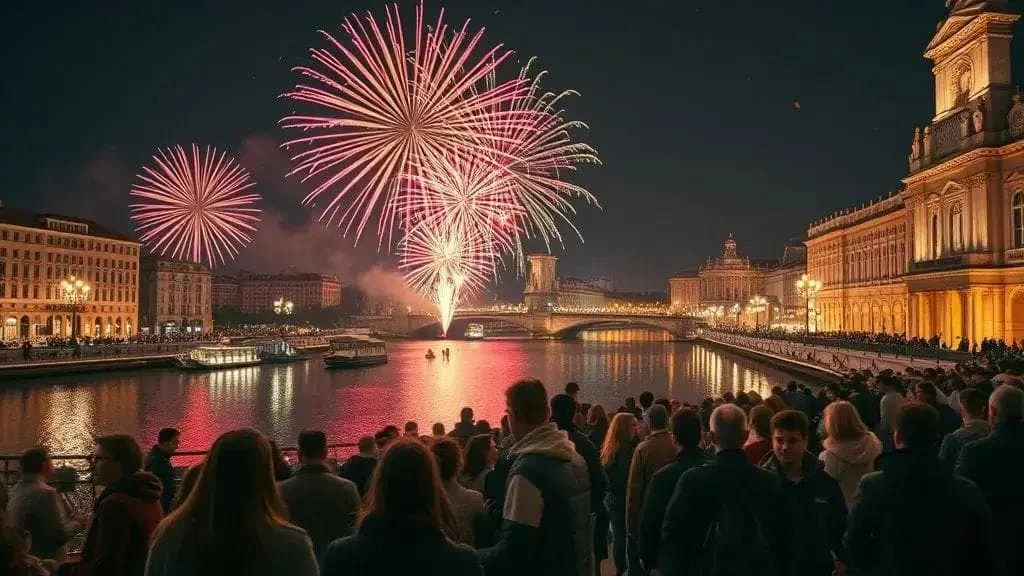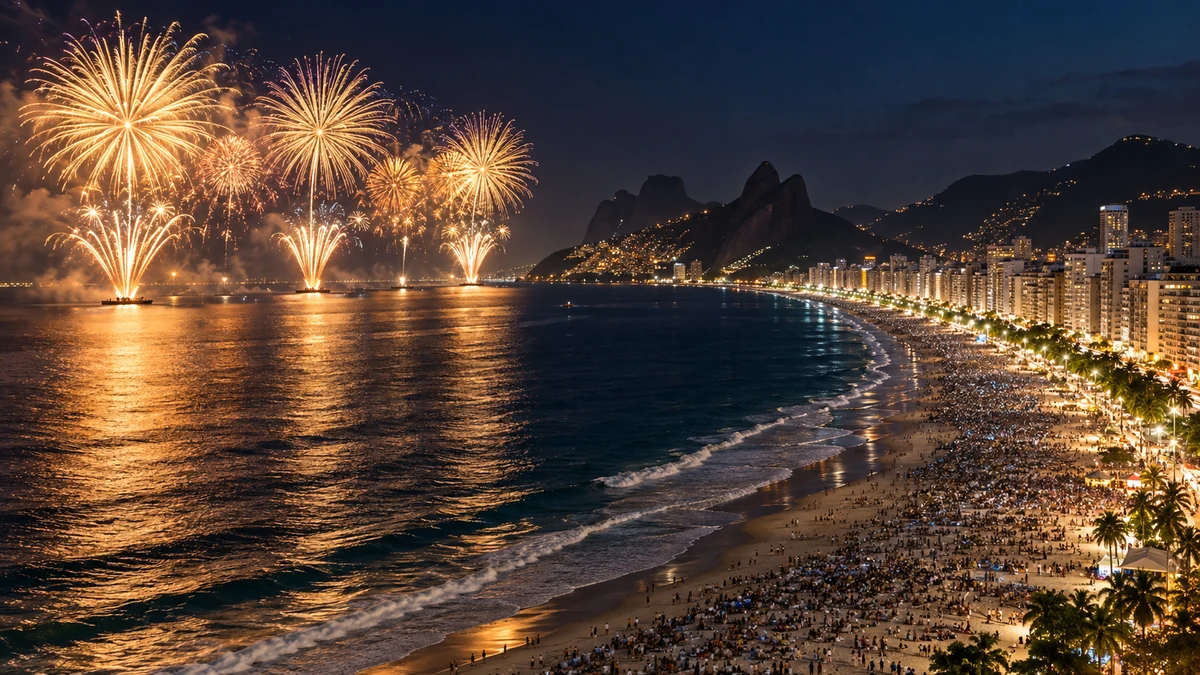
New Year’s Eve in Copacabana combines a large public beach celebration with fireworks and entertainment. Plan accommodation, transport, viewing arrangements and essential supplies in advance, checking the official information for the edition you will attend. The public celebration and paid private parties are different; neither an early arrival nor a ticket guarantees a particular view or a trouble-free evening.
New Year’s Eve in Copacabana can be a memorable experience, but a little planning matters. This guide covers practical decisions rather than a fixed timetable. The official Réveillon 2026 information describes the night of 31 December 2025 into 1 January 2026; check new announcements before using it for a later visit.
Illustrations in this article are conceptual images, not documentary photographs or evidence of a particular historical event, destination, venue or access route.
Getting there: transport, timing and access
Plan both directions of your journey before setting out. Allowing extra time can help with queues and road closures, but follow the event’s actual access arrangements rather than relying on an ordinary journey planner alone.
Public transport
- Metro: stations serving the area include Siqueira Campos, Cantagalo and Cardeal Arcoverde. For the 2025–26 celebration, MetrôRio required a special pass during its holiday operation, with timed outward travel and different return arrangements. Do not assume ordinary tickets or contactless payment will be accepted at a future edition. Source: MetrôRio: special arrangements for the 2025–26 celebration
- Buses: routes and stops may change around the beachfront. Check the official transport plan and establish how you will return before choosing a service.
- Taxis and ride-hailing: identify a permitted pick-up point outside any restricted area. A booking does not override road closures or guarantee a car will be available after the celebration.
Access points and arrival times
- Beachfront access: use named streets and fixed landmarks to orientate yourself. Save a map, but confirm which routes are open and follow staff instructions at controlled entry points.
- Arrival time: choose a time that fits the published programme, your transport booking and the needs of your group. There is no universal arrival window that guarantees space near a stage.
- Leaving after the fireworks: expect heavy pedestrian traffic and queues. Plan an authorised return route; do not assume a walk to another neighbourhood or a different station will be quicker or suitable for everyone.
Accessibility and families
- Accessible facilities: check whether designated viewing areas are available, where they are and whether registration is required. Confirm the full route, including station lifts, pavements and any beach access.
- Children and older relatives: discuss crowd tolerance, rest needs and an early-exit option. Carry a guardian’s contact details for children and choose a clear meeting point without obstructing an exit.
Practical arrival checklist
- Bags and restricted items: pack lightly. Check both event and transport restrictions on glass, sharp objects, large cool boxes and other bulky items before leaving.
- Documents and communication: check current identification requirements for your circumstances, keep emergency details accessible, and charge your phone. Save important information offline in case mobile networks are congested.
- Payments: carry only what you need, with a small amount of cash if appropriate. Check the amount on a payment terminal before confirming a purchase.
- Personal security: keep valuables discreet and belongings close. The FCDO warns about theft on Rio’s beaches and recommends particular care; read its current Brazil travel advice before your trip. Source: FCDO: Brazil safety and security
Planning for changes
- Official updates: consult Rio City Hall, the event organisers and transport operators for the relevant date. The city’s operational plan covers road restrictions and services; arrangements can change between editions. Source: Rio City Hall: operational plan for New Year 2026
- A back-up plan: agree on what to do if separated or unable to use your first route. Choose an accessible fixed landmark and an alternative, because a station entrance or junction may be too crowded to wait at.
Where to stay: neighbourhoods and booking choices
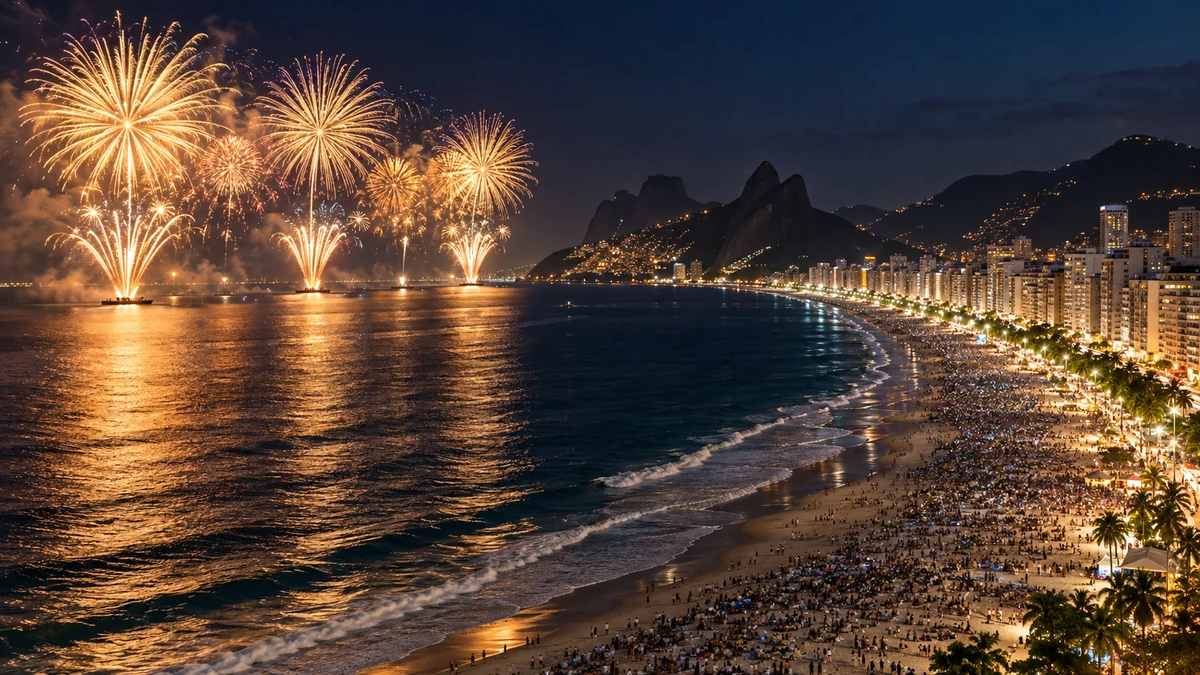
Your accommodation affects the whole New Year’s Eve in Copacabana experience, from the journey to the beach to the return after midnight. Compare the exact address and access arrangements rather than choosing on neighbourhood reputation alone.
Areas to compare
- Copacabana: convenient for being near the celebration, with potentially high prices and considerable noise. If a room view matters, ask the hotel to confirm the specific room’s sightline in writing.
- Ipanema: a separate beachfront neighbourhood with restaurants and accommodation. It is not simply the edge of Copacabana beach, and a room facing Ipanema does not guarantee a view of Copacabana’s fireworks.
- Leme: at the northern end of the beachfront, with its own accommodation options. Do not assume it will be quiet or free of crowds on the night.
- Botafogo and Flamengo: alternatives worth comparing for price and transport. Check the specific journey and holiday services rather than planning a long late-night walk as your default return.
Accommodation types
- Hotels: confirm reception hours, access during closures, cancellation terms and exactly what any New Year’s package includes.
- Holiday apartments: potentially useful for groups. Verify the address, occupancy limit, building rules, check-in arrangements and any balcony restrictions before paying.
- Hostels and guesthouses: compare recent reviews, sleeping arrangements, lockers and reception access. A lower price is useful only if the property meets your needs.
- Private parties and viewing packages: check whether food, drinks, toilets, seating and the advertised view are included. These optional paid experiences are separate from the public beach celebration.
Booking ahead
- Start researching early: several months ahead may offer more choice, especially for particular rooms or larger groups. No fixed booking window guarantees availability or the lowest price.
- Compare dates: arriving before 31 December can make settling in easier. Compare the total cost of extra nights and any minimum-stay conditions rather than assuming a longer stay saves money.
- Cancellation terms: read the deadline, local time zone and any non-refundable deposit. Flexible rates may cost more but can be useful if plans change.
Checks before booking
- Recent reviews: look for consistent comments on noise, cleanliness, location and whether previous New Year’s arrangements matched the description.
- Transport access: confirm the practical route to a usable station or permitted pick-up point, including how closures affect arrival with luggage.
- Room and balcony details: ask about lifts, stairs, the actual view and child-safety measures. Never rely on a balcony as a play area or allow climbing on its furniture or railings.
- Additional charges: include cleaning, deposits, compulsory meals, service charges and any event supplement in your comparison.
Comfort and convenience
- A workable location: consider walking distance, crowd restrictions and accessible routes. A short distance on a map does not necessarily mean an easy journey on the night.
- Useful services: confirm secure storage, reception contact details and how to get help outside normal hours.
- Family needs: choose suitable sleeping arrangements, toilet access and somewhere to rest. Ask about step-free access where needed, rather than assuming a hotel is fully accessible.
Balancing cost and experience
- Comparison sites: compare the same room type, dates and cancellation terms. If contacting a property directly, verify its official contact details.
- Shared costs: calculate the total per person for an apartment or several rooms, including fees and transport. Group accommodation is not always the cheaper option.
- Avoiding scams: verify the property and seller, keep written booking terms and use a payment method with appropriate protection. Be cautious about requests to move payment away from a trusted booking platform.
What to take: beach essentials and practical packing
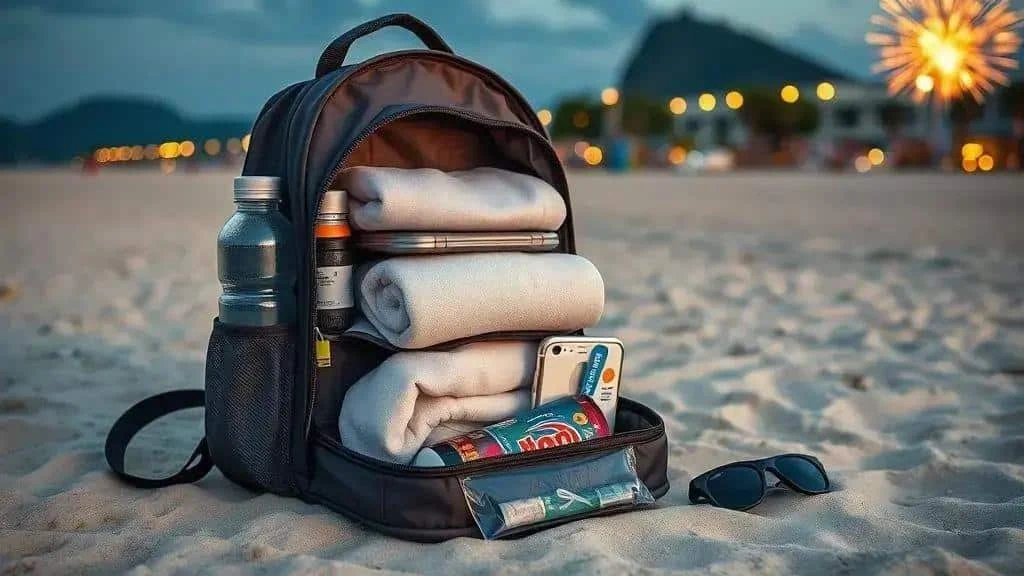
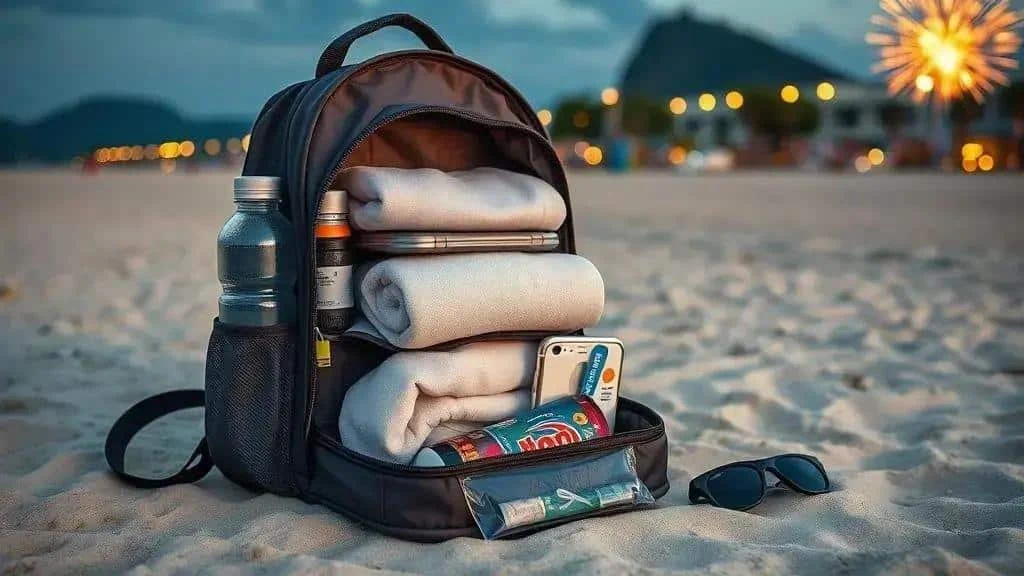
Take a small, manageable bag with items you can reach easily. A crowded celebration is different from a quiet day on the beach, so check restrictions before carrying chairs, cool boxes or other bulky equipment.
Essentials
- Identification and payment: check the current document requirements for an international visitor and the services you will use. Carry necessary documents securely and keep copies and emergency details separately.
- Phone and power bank: charge both and bring a compatible cable. A spare battery can help, but cannot guarantee a mobile signal in a large crowd.
- Drinking water: plan access to safe drinking water and use a container permitted by the event and transport operator. Adjust supplies to the weather, duration and individual needs.
- Sun protection: if arriving in daylight, use shade and suitable clothing as well as sunscreen. NHS guidance recommends at least SPF 30 with good UVA protection, with regular reapplication according to its advice and the product instructions. Source: NHS: sunscreen and sun safety
- Hat and sunglasses: useful during daylight, together with shade breaks rather than prolonged exposure while waiting.
- Light clothing: dress for Rio’s summer conditions and carry a light rain layer if needed. Keep a spare change at your accommodation rather than bringing unnecessary luggage.
Comfort items
- A small towel or canga: a lightweight beach wrap can be practical where there is room to use it without obstructing movement.
- Seating or a mat: bring one only if permitted and appropriate for the area. Do not place chairs or spread belongings across circulation routes.
- A compact cushion: optional for an agreed seated setting, but not a substitute for a realistic rest plan.
- Food storage: choose compact supplies that meet entry rules. Perishable food needs appropriate temperature control; avoid carrying it for hours without a way to keep it chilled.
- Offline information: save maps, tickets and contact details. Keep headphones off while navigating the crowd so you can hear announcements and instructions.
Looking after the group
- Personal supplies: carry small dressings and any items you normally need. Use medicines only as directed for the individual, and locate official medical assistance rather than relying on a travel kit for emergencies.
- Children’s contact information: use a discreet guardian contact card or suitable identification band, avoiding unnecessary personal details displayed publicly.
- A small torch: can help in poorly lit areas, but do not shine it into other people’s eyes or use it to enter closed routes.
- Secure storage: keep a small bag close to your body. A water-resistant pouch may protect against splashes, but a padlock does not make belongings theft-proof.
- Restricted objects: avoid glass and sharp items, and check the current permitted-container rules. Do not bring your own fireworks.
Packing and carrying
- Organise small items: pouches can make inspection and finding essentials easier. Follow any specific bag requirements announced for the event.
- Separate essentials: avoid keeping every card, key and contact detail in one place. Agree how each adult will manage their own belongings.
- Keep the bag light: choose secure straps and keep access to valuables controlled in crowded areas.
- Leave bulky luggage behind: use secure storage at your accommodation for suitcases and spare items you do not need during the celebration.
Other useful items
- Phone protection: a suitable pouch can reduce sand and splash exposure; check its limitations and avoid displaying the phone unnecessarily.
- Hand hygiene: carry a small sanitiser and tissues if useful, while using proper handwashing facilities when available.
- Simple snacks: choose food that suits allergies and ages and can be stored safely for the time you will be out.
- A light extra layer: useful if rain or wind is forecast. Keep your packing practical and check the latest weather alerts.
Planning the evening: shows and fireworks
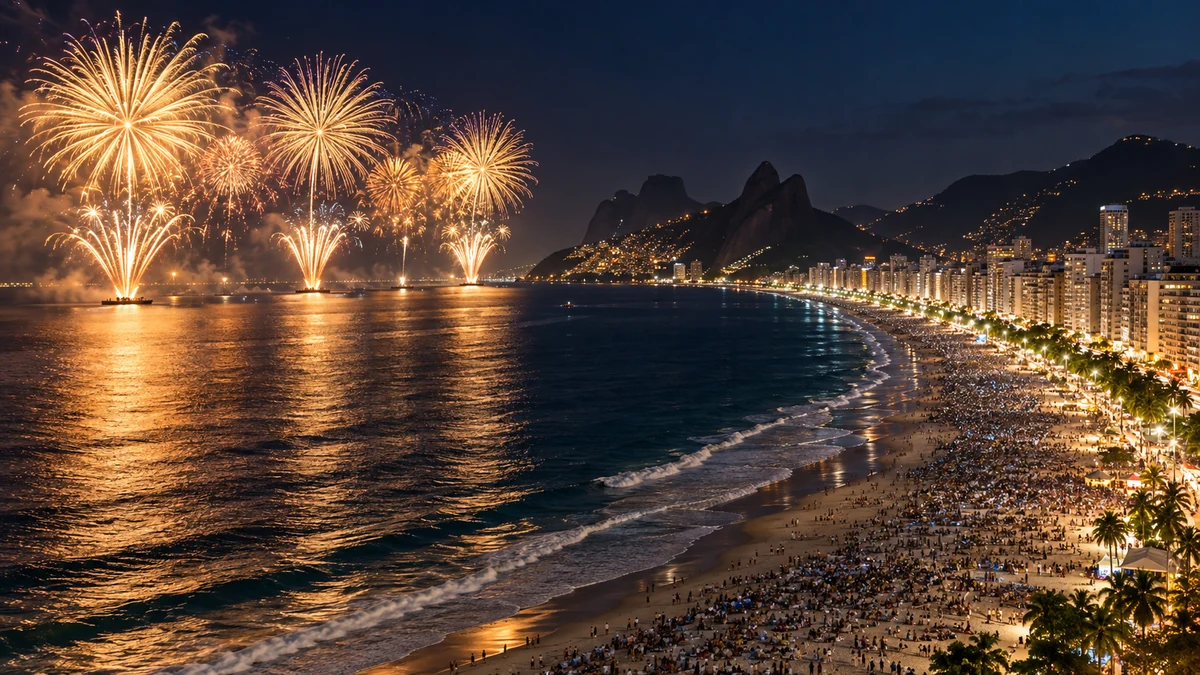
Use the official programme to choose what matters most to your group. Leave time for security checks and slow movement, and accept that a preferred viewing position may not be available.
Entertainment and facilities
- Official programme: check confirmed artists, stages and timings for your edition. Do not treat a previous year’s line-up as a current announcement.
- Arrival planning: allow a generous margin, taking account of transport slots and access controls. Arriving a fixed number of minutes early does not guarantee space.
- Stages and sound: consider visibility, loudspeakers and crowd density. A position close to a stage may suit a concert but be uncomfortable for someone sensitive to noise.
- Facilities: identify toilets, official medical posts and open routes before settling in, using the current event map and on-site signs.
Choosing a viewing position
- Along Copacabana beach: views depend on the year’s fireworks arrangement, weather, smoke and crowd conditions. There is no single position that guarantees the entire display.
- Near a stage: useful for following a performance, but equipment or structures may obstruct part of the sky and the area may be densely packed.
- Leme and neighbouring beaches: check the actual coastline and event map. Leme is at the end of the Copacabana beachfront; Ipanema is a different beach, not a guaranteed quieter viewpoint for the same fireworks.
- Hotel terraces and private venues: confirm authorised access, the exact sightline, seating and capacity. A paid package alone does not establish an unobstructed view.
- Elevated viewing: use only a properly authorised viewing area. Do not climb walls, stand on street furniture or gather in building entrances, lift lobbies or emergency routes.
Around the fireworks display
- Restricted zones: stay behind barriers and away from launch platforms, boats and any marked exclusion areas. Watch from the public area permitted by organisers.
- Arrival and departure routes: identify official options in advance. Follow crowd-management instructions rather than attempting a shortcut through a barrier or against a controlled flow.
- Journey time: queues and walking can take much longer than on a normal evening. Do not book a connection on the assumption that access will clear within 30–60 minutes.
- Staff instructions: follow police, transport and event staff directions, leaving evacuation routes and emergency access clear.
Practical tips on the night
- Meeting point: agree on a fixed landmark and an alternative that do not block an entrance, crossing or emergency route.
- Photographs: stay on the ground, keep aware of people around you and do not climb chairs or railings for a better picture.
- Group comfort: leave before crowd density becomes uncomfortable. Children, older people and anyone with access needs may prefer a less crowded alternative to the beach.
- Exclusion areas: respect fencing, tape and signs at all times, including after the fireworks finish.
- Food and toilets: plan breaks before peak congestion when possible, without assuming facilities will be close to your chosen spot.
Following changes during the event
- Official updates: follow City Hall, the event organiser and transport operators for changes, and listen to on-site announcements.
- Maps: use them as an aid, not proof that an access point is open. Apps may not reflect temporary crowd controls or station restrictions immediately.
- Flexibility: be prepared to change plans or leave if weather, crowd conditions or official instructions require it.
Keeping costs manageable: public access and paid options
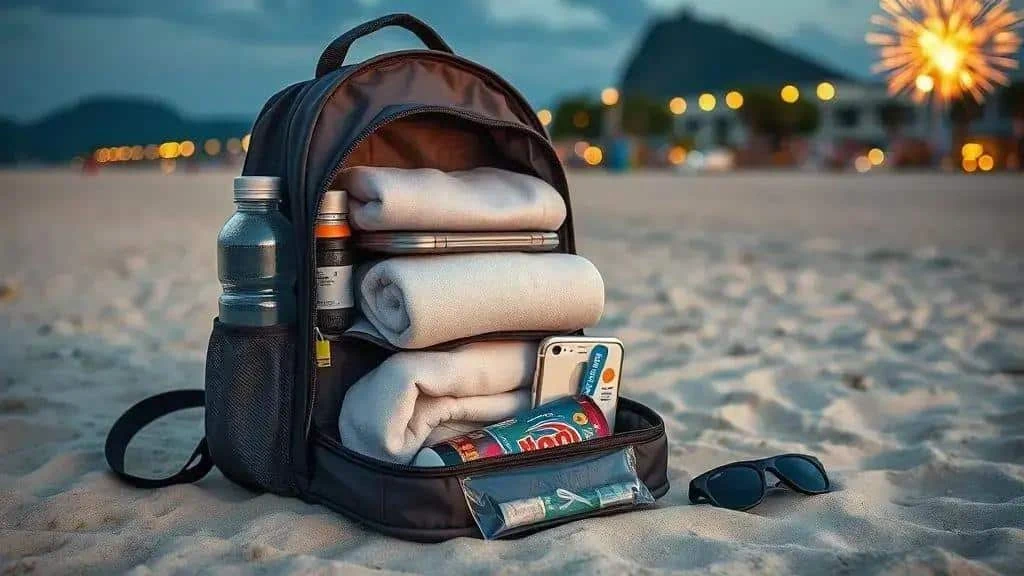
Decide which expenses matter to your group and compare the whole trip. Rio’s official visitor information describes the public New Year’s programme as free; hotel parties, restaurant events and other private packages have separate charges and conditions. Source: Carioca Digital: information about Rio New Year celebrations
Tickets and advance purchases
- Know what you are buying: do not buy a supposed general ticket for the free public beach celebration. Buy legitimate transport passes or a clearly identified private event only through its authorised channels.
- Compare sellers: check official prices and the identity of the organiser. Be cautious about unusually cheap offers or packages with unclear locations.
- Price alerts: optional alerts can help you compare offers, but use verified websites and avoid unsolicited payment links.
- Full price: include booking charges, taxes, compulsory extras and any cancellation cost in your comparison.
When a private venue may suit you
- Included services: check food, drinks, seating, toilets, access and the view. Decide whether these meet your group’s actual needs.
- Group bookings: compare the total and per-person price, capacity and cancellation terms. A shared booking does not automatically improve safety or comfort.
- Supplier checks: look for recent independent reviews and confirm the venue directly. Photos from earlier editions are not a promise of identical arrangements.
- Alternatives: compare authorised hotel or restaurant events, a more modest celebration, or watching a broadcast. Do not use an unapproved rooftop or building entrance as a free viewing platform.
Food and drink costs
- Bring suitable snacks: permitted water and safely stored food can reduce purchases, but avoid carrying more than you can comfortably manage.
- Shop ahead: compare local prices and opening hours before the night. Buying earlier may offer more choice, but perishable food still needs proper storage.
- Share where practical: compare portion sizes and prices, taking allergies and preferences into account rather than assuming shared dishes are always cheaper.
- Check the charge: confirm the price before ordering and inspect the amount on the terminal. A card payment does not remove the risk of an incorrect or fraudulent charge.
Budgeting together
- Per-person budget: include accommodation, travel, food and any optional private event, using a simple shared list or spreadsheet.
- Shared expenses: agree who pays for common purchases and how costs will be settled. Keep records and avoid carrying a large communal cash fund.
- Payment back-up: keep a spare means of payment securely separate where practical, and carry only the cash you reasonably need.
- Contingency: allow an affordable buffer for changed transport or other costs. Choose the amount for your circumstances; an arbitrary percentage is not a guarantee that every unexpected expense is covered.
Saving without relying on shortcuts
- Choose your priorities: the public celebration does not require a private party package. Plan around the experience you want and the conditions your group can manage.
- Public transport: compare the official holiday fares and services with private transfers. Check special-pass rules rather than assuming a normal ticket covers the journey.
- Group offers: ask whether a discount exists, then compare the complete terms with individual bookings.
- Payment checks: verify cancellation rules, seller contact details and the service being supplied before sending money.
Visiting with children, older relatives or access needs
Talk through the realities of a long, noisy and crowded night before committing. A quieter venue or an earlier celebration may be a better fit, and no checklist can guarantee that a major beach crowd will be comfortable for everyone.
Planning ahead
- Location: look for a manageable setting with confirmed toilets, rest options and an exit route. Do not assume an edge of the beach will remain uncrowded.
- Timing: balance the need to arrive in time with the length of the wait. Follow the event and transport timetable, allowing for food, rest and an early departure.
- Accommodation-based viewing: a confirmed room or authorised venue view may offer easier rest breaks. Check the actual view and arrangements rather than relying on a general seafront description.
Transport and access
- Manageable routes: minimise difficult surfaces and long walks where necessary. Confirm where vehicles may stop and how far the remaining journey is.
- Step-free access: check ramps, lifts, accessible toilets and any designated viewing provision with the operator or organiser close to the date.
- Contacts: save the accommodation address, meeting points and essential numbers offline, and share the plan with every responsible adult.
Comfort and protection
- Seating: confirm seating provision or permission to bring a compact seat. Keep all equipment out of circulation routes and avoid depending on a patch of sand remaining available.
- Noise: discuss suitable hearing protection for anyone who needs it and avoid loudspeakers. Protection does not make prolonged loud noise comfortable for everyone; leaving remains an option.
- Clothing and weather: take suitable light layers and rain protection, checking the forecast rather than packing for a British winter evening.
Food and water
- Drinking water: plan regular access and follow any individual medical advice about fluids. Do not assume everyone should drink the same amount or needs a sports drink.
- Meals and infant feeding: choose age-appropriate food and plan safe storage. If travelling with a baby, follow current feeding guidance and the product instructions; do not carry prepared formula or food warm for hours without suitable arrangements.
- Routine: allow for usual meals and rest, and adjust the outing if the wait becomes too demanding.
Health and help
- Regular medicines: bring what the individual needs in labelled packaging and follow prescribed instructions. Check any travel documentation requirements in advance.
- Small first-aid supplies: carry familiar basics if useful, without sharing medicines or treating a kit as a substitute for professional help.
- Identification and assistance: keep guardian contacts accessible and locate official medical and information points from the current event map.
Keeping children comfortable
- Quiet activities: a small book or age-appropriate activity may help during waiting, provided it does not add clutter or distract from supervision.
- Rest breaks: agree where to rest and when to leave. Do not assume a quick return to the hotel will be possible through a dense crowd.
- During the display: stay in the authorised viewing area, supervise children closely and move away or leave if the noise or crowd becomes distressing.
Quick checklist
- Documents and contacts — necessary identification, insurance details and emergency information for your circumstances.
- Personal medicines and supplies — what each person needs, carried and used as directed.
- Water and food — suitable supplies with safe storage and a plan for replenishment.
- Comfort — confirmed rest arrangements, appropriate clothing and any needed hearing protection.
- Communication — charged phone, offline information, power bank and an agreed meeting plan.
Ready for the celebration
Planning New Year’s Eve in Copacabana means checking the right edition’s information, choosing suitable accommodation and organising both the outward and return journey. Pack lightly and keep your expectations flexible about queues, views and access.
Consider everyone’s comfort, including children, older relatives and people with access needs. Agree on costs, responsibilities and a back-up plan, with permission for anyone to choose a quieter evening instead.
Thank you for reading. Follow our social channels for more seasonal ideas and visit the I Love Christmas blog for celebration guides and inspiration.
Frequently asked questions about New Year’s Eve in Copacabana
What is the best way to avoid traffic on the way there?
Check the official holiday transport plan and book any required special metro pass through authorised channels. Allow extra time and follow your travel slot; a normal road journey or ride-hailing booking may be affected by closures.
How do I choose accommodation with a fireworks view?
Ask the property to confirm the specific room or authorised terrace’s view and access. A seafront address alone is insufficient, and Ipanema faces a different beach. Check cancellation terms and any extra event charges.
What should I avoid taking to the beach celebration?
Check the current event and transport rules. Avoid glass, sharp objects, personal fireworks and unnecessary bulky equipment. Container, bag and cool-box restrictions may differ between services and editions.
How can I make the evening more manageable for children and older relatives?
Confirm rest, toilets, transport and an exit plan, and consider whether a less crowded setting would be better. Bring necessary personal supplies and suitable hearing protection, and leave if conditions become uncomfortable.
Do I need to buy a private party ticket?
No general private ticket is needed for the public beach celebration described by the city. Private venues are optional and have their own prices and terms. Transport may require a separate special pass, so check that independently.
Sources and Further Reading
- MetrôRio: special arrangements for the 2025–26 celebration
- FCDO: Brazil safety and security
- Rio City Hall: operational plan for New Year 2026
- NHS: sunscreen and sun safety
- Carioca Digital: information about Rio New Year celebrations