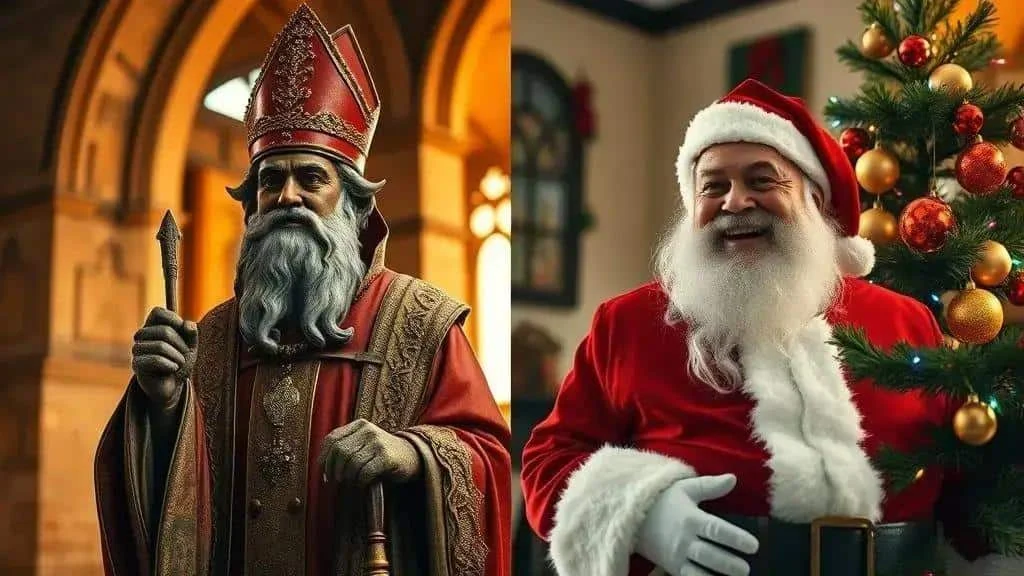
The history of Santa Claus brings together the legends of St Nicholas, a fourth-century bishop remembered for generosity, European festive traditions, literature and illustration. Over time, these influences helped create the familiar gift-giver with his sleigh, reindeer and red coat.
The history of Santa Claus — have you ever wondered how stories about a fourth-century bishop became part of Christmas celebrations around the world? Here we explore the history, legends and changing traditions behind that transformation.
Illustrations in this article are conceptual images, not documentary photographs or evidence of a particular historical event, destination, venue or access route.
The Historical Origins of St Nicholas

Nicholas is traditionally said to have been born in Patara, in Lycia, now part of Türkiye, towards the end of the third century. He became bishop of Myra and is remembered for charitable deeds. Direct evidence about his life is limited; many details come from later traditions and texts.
Historical Sources
Contemporary records are scarce. Accounts written long after his lifetime brought together stories of generosity and miracles. Historical evidence therefore needs to be distinguished from later religious legend.
His Best-Known Deeds and Legends
- Secret gifts: according to one tradition, Nicholas gave money to help three young women whose family could not afford their dowries, protecting them from hardship and exploitation.
- Protection for sailors: stories of seafarers who credited Nicholas with saving them during storms helped establish his reputation as a protector of those at sea.
- Healing miracles: medieval accounts describe cures and, in some versions, children being restored to life. These are stories of faith within hagiography, the literature devoted to saints, rather than independently verified events.
Relics and the Spread of Devotion
In 1087, relics associated with Nicholas were taken to Bari in Italy. The Basilica of San Nicola became a pilgrimage centre, helping devotion to the saint spread and strengthening his associations with children, sailors and merchants.
Images and Symbols
In medieval art, Nicholas appears as a bishop, wearing a mitre and carrying a crozier. Three purses or golden balls are recurring symbols of his legendary gifts. Such recognisable details helped keep his stories alive as representations changed.
The Legends and Miracles Behind the Character
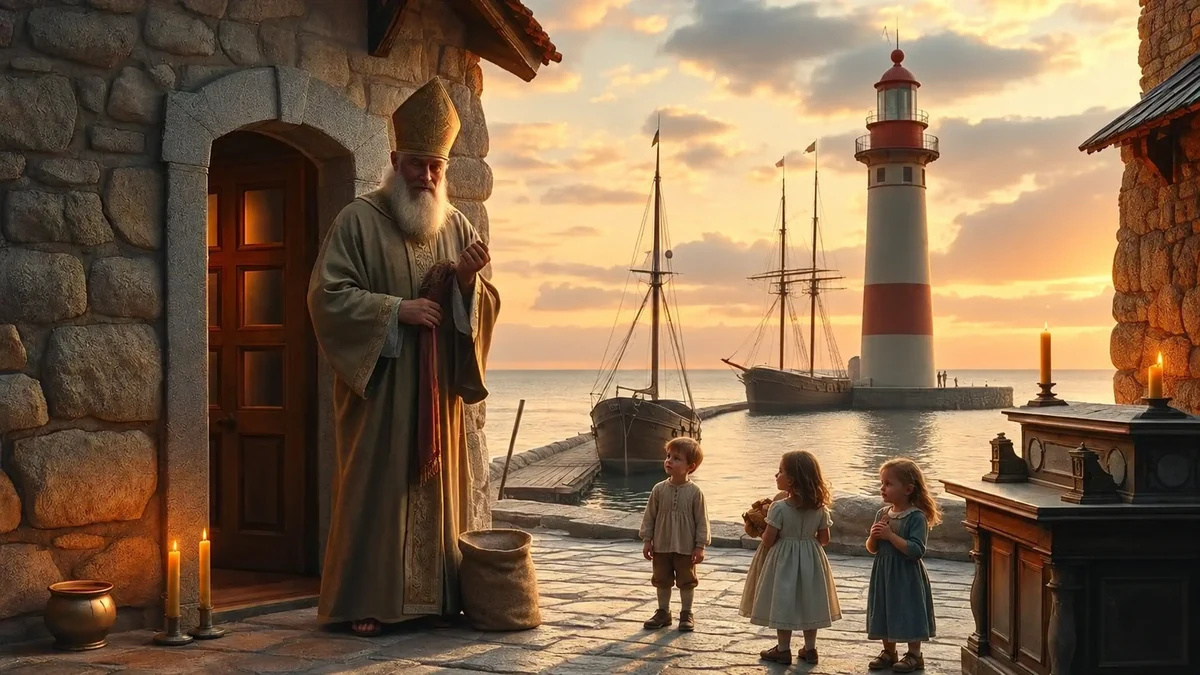
Stories about St Nicholas often share a central theme: generosity towards vulnerable people. They circulated in different forms and were recorded in accounts of saints’ lives, where history, belief and storytelling overlap.
Well-Known Legends
- Secret gifts: Nicholas is said to have left gold for three young women so that they could afford dowries and marry — a story of discreet, protective help.
- Protection for sailors: seafaring traditions credit him with rescues during storms, explaining his role as a patron saint of sailors.
- Stories of restored life: medieval texts describe healings and children returning to life. These belong to religious legend and can be discussed respectfully without graphic detail.
- Help during famine: other legends tell of food being provided or multiplied to support families facing hunger.
Symbols That Lived On
These stories left a distinctive visual legacy: three golden purses or balls, ships and the charitable bishop himself. The secrecy of his gifts also offers a clear connection with the later idea of an unseen Christmas gift-giver.
Cultural Change
As devotion spread across Europe, the stories acquired local variations. Their themes of protection, generosity and concern for children helped connect the saint’s traditions with the developing figure of Santa Claus.
From St Nicholas to Santa Claus in European Traditions
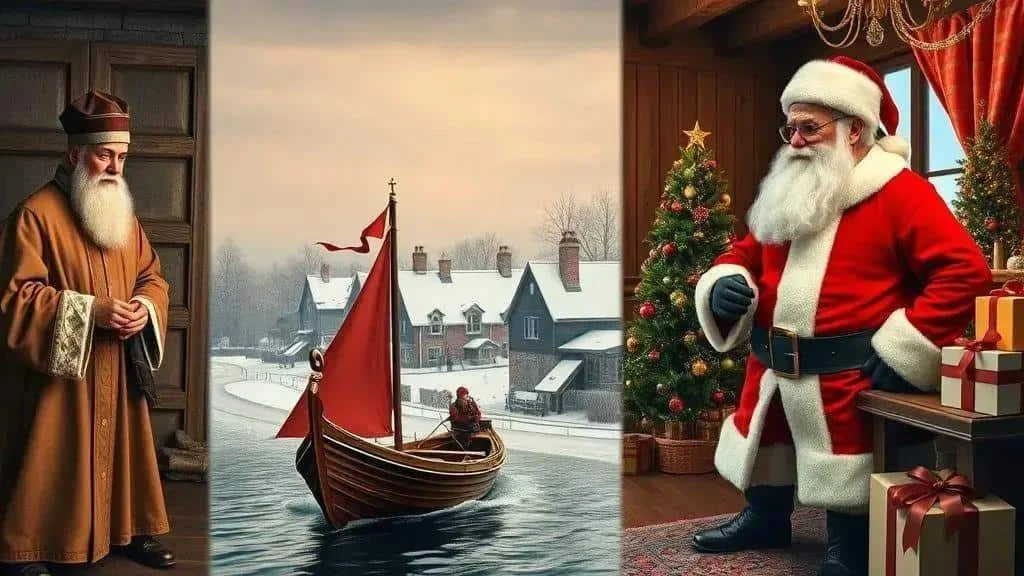
Santa Claus developed gradually through an exchange of local customs, stories and images. Several figures contributed to the result; there was no single moment when one character simply replaced another.
Regional Influences
- The Netherlands: the name Santa Claus derives from Sinterklaas, the Dutch St Nicholas figure, traditionally shown with a mitre and crozier. His influence on American Santa traditions is important, although a simple, uninterrupted transfer by Dutch settlers should not be assumed.
- Germany: Sankt Nikolaus and the Weihnachtsmann are distinct figures: the former is associated with the saint, while the latter is a more secular Christmas gift-giver.
- Britain: Father Christmas originally personified Christmas feasting and good cheer, rather than bringing children’s presents. His identity later became closely intertwined with Santa Claus. Source: English Heritage — Father Christmas
Literature and Illustration
During the nineteenth century, poems and pictures helped bring familiar details together. “A Visit from St. Nicholas”, published in 1823, popularised the sleigh, reindeer and chimney visit. Illustrators, including American cartoonist Thomas Nast, subsequently helped develop Santa’s appearance.
A Recognisable Look
Artists depicted festive gift-givers in different ways before the red coat with white trim, belt and boots became especially familiar. This recognisable combination made Santa easy to identify in advertisements, children’s books and Christmas celebrations.
Commerce and a Global Audience
In the twentieth century, Santa appeared widely on cards, in shop windows and in advertising. Businesses and mass media helped spread a more secular figure associated with Christmas presents, reaching audiences well beyond Europe.
Themes That Remained
- Generosity: helping others remains a central part of the tradition.
- Children: letters, presents and a mysterious overnight visit remain familiar features.
- Festive symbols: reindeer, sleighs, chimneys and distinctive clothing make the character instantly recognisable.
Local Adaptations
Different communities have made Santa part of their own celebrations. In Brazil, for example, Papai Noel appears alongside nativity scenes and traditions influenced by Portugal, with local music, decorations and charitable campaigns.
Advertising and the Modern Image of Santa Claus
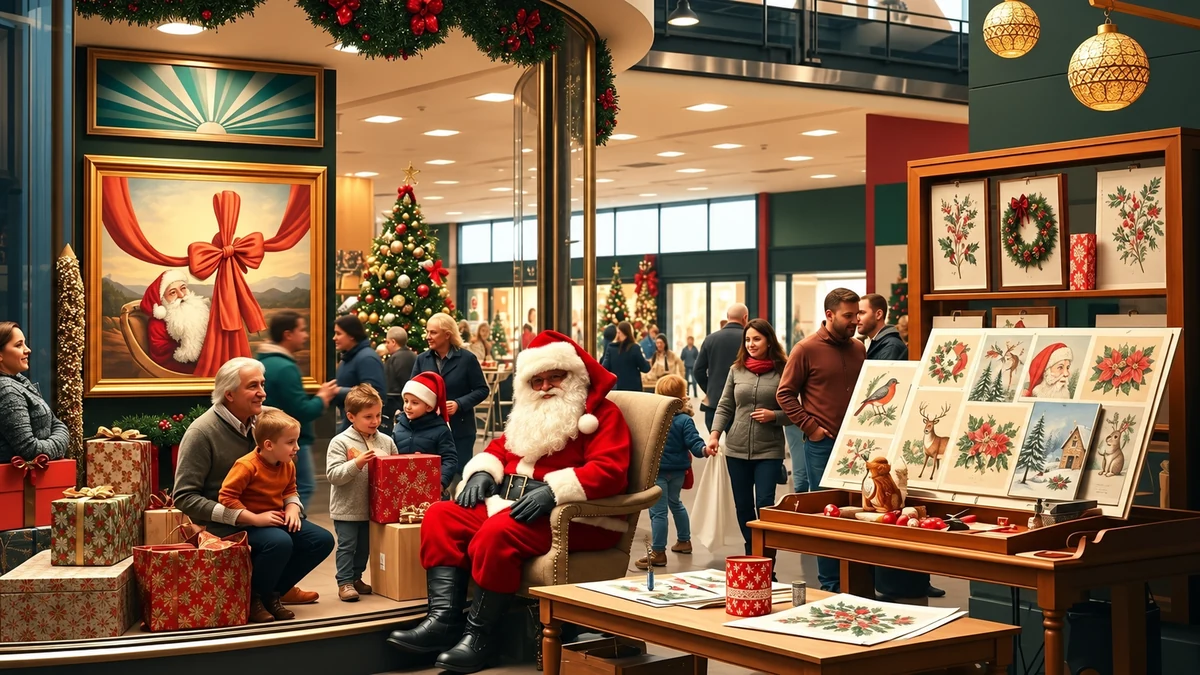
Commerce and mass media have strongly influenced Santa’s development. A figure linked to religious traditions also became a prominent symbol of seasonal shopping and celebration.
Advertising and Illustration
Twentieth-century magazine illustrations and advertisements brought the red coat, white beard and cheerful expression to large audiences, helping create a more consistent public image. Coca-Cola commissioned Haddon Sundblom’s Santa illustrations in 1931, but neither the character nor his red clothing originated with that campaign. Source: The Coca-Cola Company — Haddon Sundblom’s Santa illustrations
Department Stores and In-Person Visits
Department stores employed performers to play Santa, giving children an opportunity to meet him and pose for photographs. These visits strengthened the connection between the character, family outings and gift-giving.
Products and Merchandising
Toys, cards and wrapping paper all made use of Santa’s image. His presence in shop windows and campaigns also made him a commercial tool, closely associated with Christmas promotions and seasonal sales.
Cultural and Social Effects
- Recognition: Santa’s familiar appearance can be recognised in many countries.
- Shopping: the character became associated with festive spending and large-scale gift exchanges.
- Modern rituals: letters to Santa, photographs and shopping-centre visits became part of many families’ Christmas routines.
Criticism and New Uses
Critics argue that commercial pressure can overshadow values such as kindness and solidarity. At the same time, charities and community projects use Santa’s image to encourage giving, drawing on the older theme of generosity.
Santa in Brazil
In Brazil, Papai Noel appears in shop windows, advertising and public celebrations. Although the setting and customs differ, his use as a festive attraction reflects a wider international pattern.
Clothes, Colours and Symbols: How the Familiar Look Developed
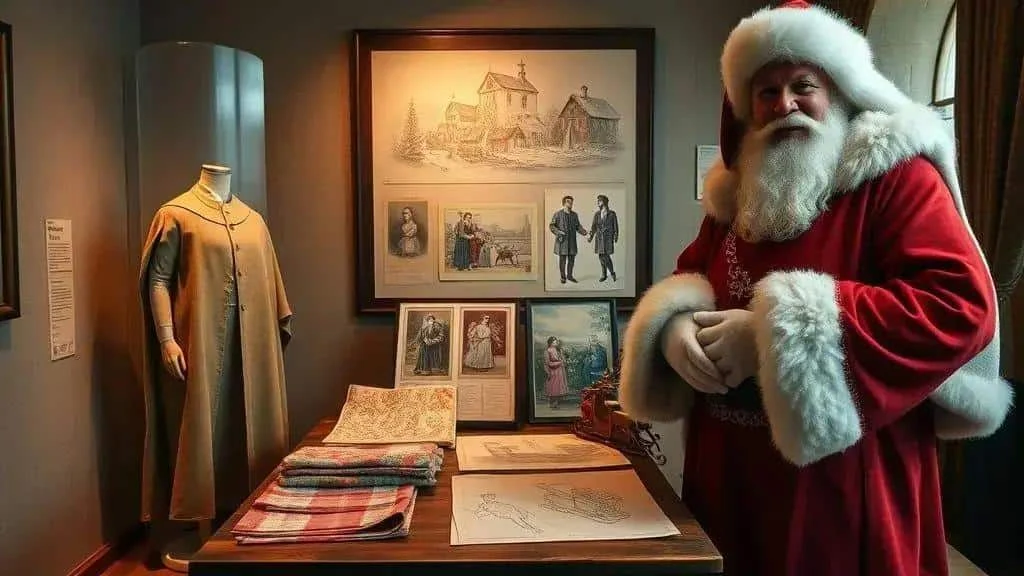
Santa’s modern appearance brings together religious imagery, winter clothing and artistic invention. Its details developed at different times and in different places, rather than following a single documented design.
Clothes and Accessories
St Nicholas’s mitre, cape and crozier remain part of depictions of the saint, while winter coats and warm trim appear in other festive traditions. Artists drew on varied references as they developed different versions of the Christmas gift-giver.
- Mitre and crozier: these identify the bishop St Nicholas, rather than Santa’s usual modern costume.
- Red coat with white trim: this familiar winter-inspired outfit became an enduring visual symbol.
- Long white beard: this suggests age, wisdom and kindness.
- Sack of presents and sleigh: these support the story of delivering gifts overnight.
A belt and boots help define the familiar silhouette, while illustrations and advertisements reinforced Santa’s rounded figure and cheerful expression.
Why Red and White?
Santa appeared in red before twentieth-century advertising campaigns, although artists also used other colours. Later images helped make bright red, white and touches of black or gold especially familiar, and easy to reproduce on cards, toys and decorations.
Fur-like trim, including modern fabric and faux-fur versions, also evokes cold weather and warmth. It contributes to the cosy appearance associated with the character.
How the Image Became Familiar
Illustrations, postcards, advertisements and costumed performers repeatedly used similar features. That visual consistency helped audiences recognise Santa in campaigns, decorations and products across different countries.
Local variations remain, but red clothing with white trim, a beard, presents, reindeer and a sleigh are widely recognised parts of the Christmas story.
Brazilian Traditions Associated with Papai Noel

In Brazil, Papai Noel has been adapted to a summer Christmas and local festivities. He appears in shopping centres, beach-themed images, community celebrations and charitable campaigns.
Popular Customs
- Shopping-centre Santa: costumed performers meet children, pose for photographs and take part in seasonal events.
- Santa at the beach: festive images sometimes place him beside the sea, with lighter clothing or tropical accessories.
- Amigo oculto: this gift exchange between friends or colleagues resembles Secret Santa. It shares the pleasure of a surprise present, without needing to claim a direct historical origin in St Nicholas’s legends.
- Letters and workshops: schools and community groups may organise letter-writing and decoration-making activities.
- Nativity scenes alongside Santa: many Christmas displays combine religious imagery with the festive gift-giver.
Local Details
- A summer setting: lighter costumes and tropical details can acknowledge the warmer weather.
- Media influence: television, advertising and seasonal campaigns help shape how Papai Noel is presented.
- Charitable events: toy collections and food-donation campaigns use the figure to encourage practical help for families.
- Regional variety: music, food and decorations vary between communities and regions across Brazil.
Practical Ideas
- For families: invite children to write cards and help wrap gifts for others, making generosity part of the activity.
- At school: arrange supervised decoration-making with suitable reused materials, choosing tools appropriate to the children’s ages.
- At events: combine Brazilian Christmas music, local foods and a visit from Papai Noel to create a welcoming celebration rooted in the community.
These examples show how a familiar figure can sit alongside religious traditions, folklore and community activities while taking on a distinctly Brazilian setting.
Conclusion
The journey from St Nicholas to Santa Claus shows how stories, images and customs can combine to create a lasting Christmas figure. Understanding that history helps us appreciate both the older traditions and their modern adaptations.
Despite commercial influences, generosity and care for children remain important themes. Bringing those values into our celebrations can make Christmas more thoughtful and welcoming.
Thank you for reading. Follow us on social media for more Christmas stories and ideas, and visit the I Love Christmas blog for further inspiration.
FAQ — The History and Image of Santa Claus
Who was St Nicholas, and why is he associated with Christmas?
St Nicholas is remembered as a fourth-century bishop of Myra known for generosity. Later legends about gifts and protection for children helped shape Santa Claus, alongside other festive traditions. Many details of the saint’s life come from later accounts rather than contemporary evidence.
Why does Santa wear red and have a white beard?
Artists depicted Santa in varied ways before the red-and-white outfit became especially familiar. Winter clothing and illustrations contributed to the look, while later advertising spread it more widely. Coca-Cola did not invent Santa’s red clothing.
How did advertising influence the modern image of Santa?
Advertisements, cards and commercial campaigns repeatedly showed a cheerful, white-bearded figure in a red coat. This helped make him widely recognisable and strengthened his association with Christmas shopping and presents.
What Brazilian traditions involve Papai Noel?
Examples include shopping-centre visits, summer or beach-themed images, letters, charitable collections and amigo oculto gift exchanges. Customs vary, and the character is adapted to local celebrations and the summer climate.
How can we keep generosity at the centre of Christmas?
Consider donations, volunteering, community activities and thoughtful gifts within your means. Small, practical acts of kindness can bring the tradition’s generous spirit into everyday life.
Sources and Further Reading
- St Nicholas Center — Historical background
- English Heritage — Father Christmas
- The Coca-Cola Company — Haddon Sundblom’s Santa illustrations