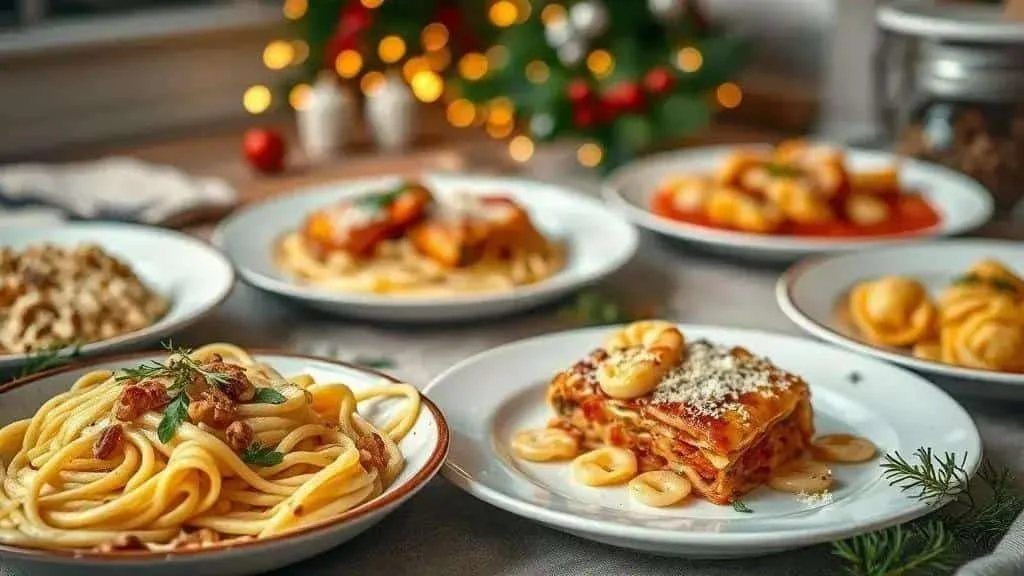
These seven cold starters for New Year’s Eve include salmon tartare, herby chickpea salad, bruschetta, cucumber canapés, pressed vegetable terrine, citrus ceviche and chicken wraps. Some components can be prepared ahead; others need last-minute assembly. Keep perishable dishes chilled and follow the additional precautions for raw fish. Vegetarian and vegan variations are included.
Cold starters for New Year’s Eve can make party catering easier, with colourful dishes to share with family and friends. These ideas suit a Brazilian summer celebration, but also work as a chilled buffet at a British winter gathering. Choose a manageable selection rather than making all seven.
Why choose cold starters for New Year’s Eve?
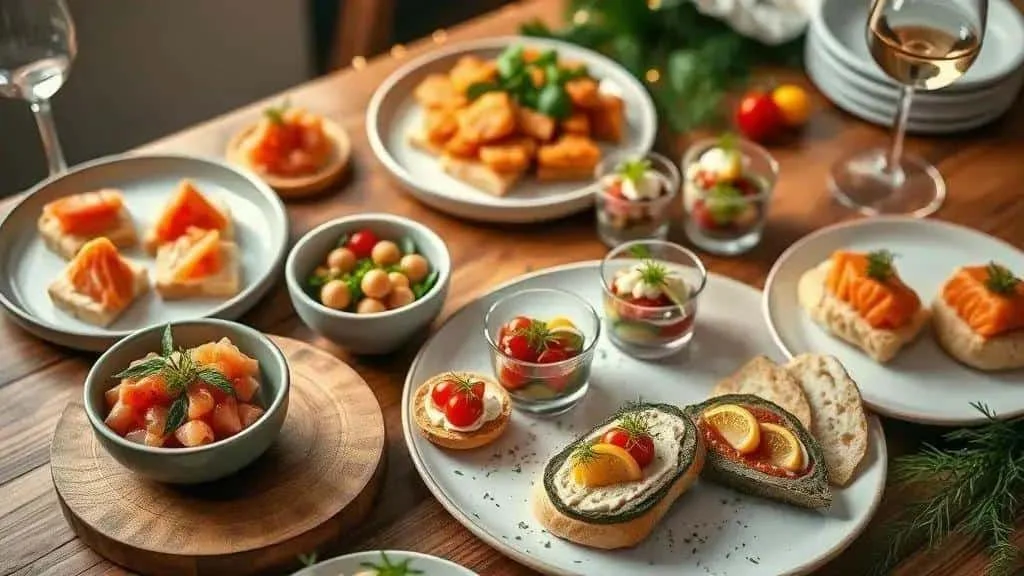
Cold starters simplify serving, giving the host more time with guests instead of having to finish every dish at the last minute.
They are particularly appealing on warm Brazilian summer evenings and can accommodate different dietary needs. Cold serving does not mean leaving perishable food unrefrigerated throughout the party.
Practical advantages
- Prepare ahead: make suitable components a few hours or a day beforehand, then chill them promptly. Assemble crisp bases shortly before serving.
- Simple service: these dishes do not need reheating. Keep perishable items in the fridge until needed and bring out small batches.
- Easy variety: combine different flavours and textures to suit a range of tastes.
- Portion control: small servings let guests try several dishes and can help reduce waste.
Choosing a balanced selection
Balance creamy, crisp and tangy elements. Include at least one vegetarian choice alongside, for example, chilled cooked chicken or a suitable fish dish.
- Texture: pair crisp toast or crackers with softer spreads and terrines.
- Colour: use herbs, citrus fruit and vegetables to brighten the table.
- Convenient sizes: aim for one or two bites per canapé.
- Simple substitutions: thick strained yoghurt can replace cream cheese in some toppings, although it is less firm. Chickpeas make a useful vegetarian alternative to tuna in a salad.
Presentation that makes a difference
Leave space between dishes so guests can reach them easily. Serve sauces in small bowls and label allergens clearly. Check ingredient packets rather than relying on the recipe name to identify dietary suitability.
Planning and serving cold starters
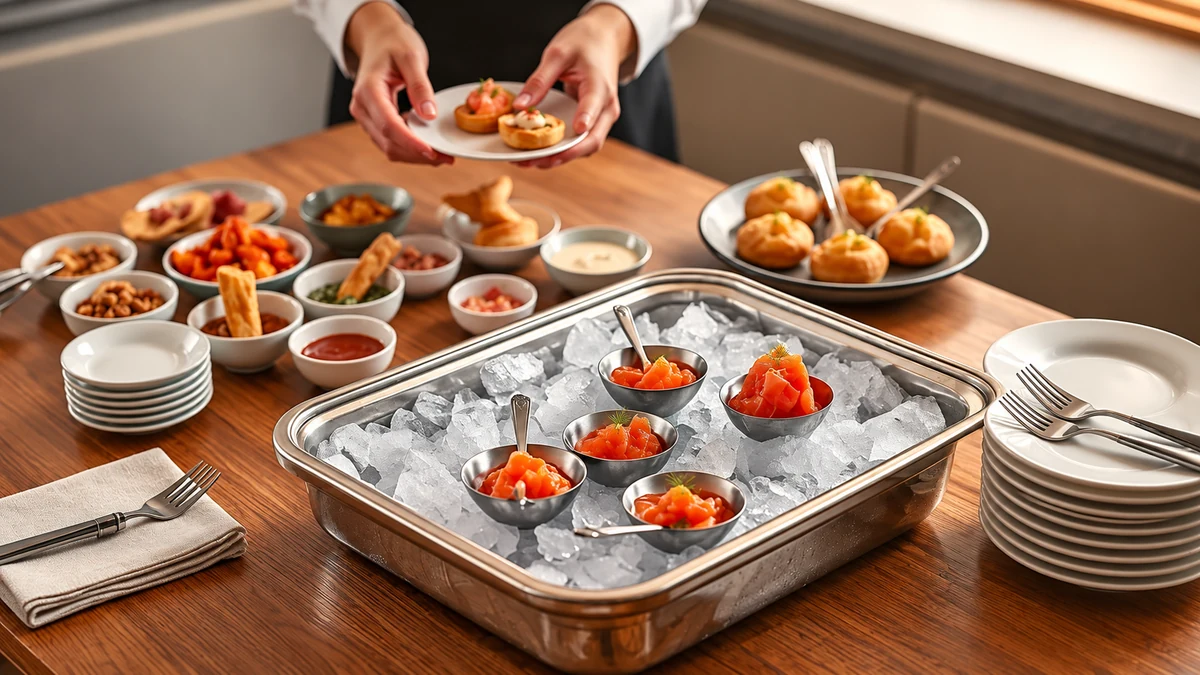
Think about quantities, fridge space and serving arrangements before shopping. A short preparation schedule makes the evening easier to manage.
Planning ahead
- Estimate portions: allow roughly 6–8 small canapé-sized pieces per guest across the whole selection before a meal, or 10–12 if they form the main buffet. Adjust for appetite, duration and the size of each item.
- Write a shopping list early: separate longer-keeping items, such as crackers and unopened jars, from fresh fish, herbs and leaves. Follow storage instructions and use-by dates.
- Prepare suitable dishes ahead: many spreads, pressed terrines and salads can be made 12–24 hours beforehand and kept covered in the fridge. Raw-fish dishes need separate care, described below.
- Identify dietary needs: label vegetarian, vegan and gluten-free options accurately and use separate utensils. Lactose-free dairy is not suitable for a milk allergy.
- Check chilling capacity: make room in the fridge and, if transporting food, use insulated cool bags with ice packs. Check the temperature rather than assuming a cool box stays cold indefinitely.
Assembly and service
- Plates and portions: use individual servings or small platters that are easy to handle while standing.
- Give each sauce its own serving spoon or tongs. Guests should not dip used eating utensils into shared dishes.
- A suitable tray of ice beneath a serving platter can help keep it cold. Keep meltwater out of the food and do not rely on ice alone without checking temperature.
- Place small plates, suitable cutlery and napkins within easy reach.
- Keep replacement portions covered in the fridge, ready to bring out as needed. Do not top up an old platter with freshly chilled food.
Storage and food safety
- Keep food chilled: aim for a fridge temperature of 0–5°C. Bring out small amounts close to serving time, especially in a warm room or outdoors; a fixed time allowance is not a guarantee that food remains safe in the heat.
- Avoid cross-contamination: use separate clean boards and utensils for raw fish, raw chicken and ready-to-eat foods. Wash hands thoroughly between tasks.
- Store food covered and follow the earliest applicable use-by date. A sealed container does not reset the storage life of ingredients prepared earlier.
- Discard perishables whose safe storage or time out of refrigeration is uncertain. Smell and appearance cannot reliably establish safety.
Time-saving ideas
- Prepare individual portions in the kitchen where practical, keeping them chilled until service.
- Ready-sliced bread and suitable ready-to-eat ingredients can save preparation time without needing premium brands.
- Share simple jobs: one person can replenish chilled dishes while another looks after drinks.
- Use a short timetable for preparation, cooling, assembly and serving, allowing enough time for cooked components to chill safely.
Practical presentation
Leave gaps between dishes to make choosing easier. Vary the heights with stable, food-appropriate stands, keeping platters secure. Washed herbs and citrus slices add colour without elaborate decoration.
Seven cold starters: ingredients, methods and variations

Salmon tartare
Ingredients:
- 200 g salmon – skinless, boneless and specifically supplied for eating raw, with appropriate parasite controls confirmed by the supplier. Ordinary fresh salmon or tuna is not automatically suitable. If uncertain, choose a cooked-fish dish instead.
- 1 tbsp red onion – finely chopped.
- 1 tbsp capers – chopped.
- 1 tbsp fresh lime juice.
- 1 tsp extra virgin olive oil.
- Salt and black pepper – to taste.
- Parsley or chives – chopped, to finish.
Method:
- Keep the salmon cold: take it out of the fridge only when ready to cut it. Chilled fish is also easier to dice neatly.
- Chop the ingredients: dice the salmon finely with clean equipment, then combine it with the onion, capers and herbs in a chilled bowl.
- Season: fold in the lime juice, oil, salt and pepper. Citrus changes the texture but does not make raw fish safe to eat.
- Serve: spoon onto toast or washed leaves, using a small ring mould if desired. Garnish with herbs and serve promptly. Do not offer raw-fish dishes to pregnant, elderly or immunocompromised guests.
Variations:
- Add a little lemon zest for extra aroma.
- Try soy sauce and ginger for a different seasoning; check soy and wheat allergens.
Herby chickpea salad
Ingredients:
- 2 cups cooked chickpeas – drained and chilled.
- ½ cup cherry tomatoes – halved.
- ¼ cup red onion – thinly sliced.
- ¼ cup mixed parsley and mint – chopped.
- 2 tbsp extra virgin olive oil.
- 1 tbsp fresh lemon juice.
- Salt and pepper – to taste; cider vinegar can replace the lemon juice.
Method:
- Combine: put the chickpeas, tomatoes, onion and herbs in a large bowl.
- Dress: add the oil, lemon juice, salt and pepper, then mix gently.
- Chill: cover and refrigerate for about 30 minutes to let the flavours mingle.
- Serve: divide into small bowls or arrange on a platter with washed salad leaves.
Variations:
- Add diced cucumber for crunch.
- Add crumbled feta for a dairy version; choose a vegetarian-labelled cheese where required.
Soft tomato and goat’s cheese bruschetta
Ingredients:
- 1 baguette – sliced for toasting.
- 200 g cherry tomatoes – halved.
- 2 tbsp olive oil – for the tomatoes, plus a little for brushing the bread.
- 50 g goat’s cheese – crumbled; check vegetarian suitability if needed.
- 1 garlic clove – halved, for rubbing over the toast.
- Fresh basil – to finish.
Method:
- Soften the tomatoes: cook gently in the oil for around 15–20 minutes, until tender. This uses a modest amount of oil and is not a preserving method.
- Toast the baguette: brush lightly with oil, toast until golden and rub the warm slices with the cut garlic.
- Assemble: let the tomato topping cool, then spoon onto the toast and add the goat’s cheese shortly before serving.
- Finish: add basil and black pepper. For pregnant guests, avoid uncooked mould-ripened goat’s cheese; choose a suitable pasteurised fresh cheese instead.
Variations:
- Use buffalo mozzarella for a milder topping.
- A small drizzle of honey adds sweetness. Do not serve honey to babies under one year.
Cucumber canapés with cream cheese and dill
Ingredients:
- 2 firm cucumbers – sliced into rounds about 1 cm thick.
- 150 g cream cheese – softened briefly just enough to mix, then kept chilled.
- 1 tbsp fresh dill – chopped.
- 1 tsp lemon juice.
- Salt and pepper – to taste.
Method:
- Mix the topping: stir the cream cheese, dill, lemon juice, salt and pepper until smooth.
- Prepare the cucumber: wash, slice and pat the rounds dry with kitchen paper.
- Assemble: spoon or pipe a little cream cheese onto each round.
- Garnish: finish with dill and a little lemon zest, then chill until service.
Variations:
- Thick strained Greek yoghurt gives a tangier topping, although it may not pipe as firmly as cream cheese.
- Add strips of smoked salmon if suitable for your guests. Pregnant and immunocompromised people should avoid cold-smoked fish unless thoroughly cooked; older people should also consider the increased listeria risk.
Pressed grilled vegetable terrine
Ingredients:
- 1 medium aubergine – sliced and grilled until tender.
- 1 courgette – sliced and grilled until tender.
- 1 red pepper – grilled and peeled.
- 200 g cream cheese or well-drained ricotta – for the filling. Mashed, well-drained firm tofu gives a softer vegan version; check it is ready to eat or prepare according to its packet first.
- 2 tbsp olive oil – for brushing the vegetables.
- Salt, pepper and herbs – to taste.
Method:
- Cook the vegetables: brush lightly with oil and grill until fully tender. Drain excess moisture and cool promptly before layering.
- Line a mould: line a suitably sized small loaf tin with food-safe cling film, leaving an overhang.
- Layer: alternate vegetables with thin layers of seasoned cheese. This is an egg-free pressed terrine, not a baked custard.
- Press and chill: cover with the overhanging film, place a clean flat weight on top and refrigerate for at least 4 hours. Its firmness depends on how well the filling was drained.
- Unmould: lift out carefully and slice if firm enough. A softer version can be spooned onto toast or served alongside salad instead.
Variations:
- Spread a little pesto between the layers, checking milk, nuts and vegetarian or vegan suitability.
- Use suitable goat’s cheese for a different flavour and texture.
Citrus white fish ceviche
Ingredients:
- 300 g white fish – boneless and diced, specifically supplied for raw consumption with appropriate parasite controls. Sea bass or sole must meet the same requirement; the species name alone is not enough.
- 120 ml fresh lime juice – about ½ cup.
- ¼ cup red onion – very thinly sliced.
- 1 red chilli – deseeded and finely chopped, adjusting the amount to taste.
- 1 tbsp coriander – chopped.
- Salt – to taste.
Method:
- Marinate: combine the fish and lime juice in a chilled bowl and refrigerate for 10–20 minutes. The fish may turn opaque, but this is a texture change, not cooking or proof of safety.
- Add the flavourings: gently stir in the onion, chilli, coriander and salt.
- Check the texture: avoid an unnecessarily long marinade, which can make the fish firm. Extra lime or extra time cannot replace proper raw-fish controls.
- Serve cold: portion into tasting spoons, small glasses or washed leaves and serve promptly. Choose a cooked alternative for vulnerable guests.
Variations:
- Add a little coconut milk for a creamier version.
- Use parsley instead of coriander for a different flavour.
Chilled chicken wraps with yoghurt and mint
Ingredients:
- 2 cooked chicken breasts – shredded and safely chilled; the detailed version below uses about 400 g cooked chicken.
- 4 tbsp plain yoghurt – full-fat or lower-fat, preferably thick.
- 1 tbsp mint – chopped.
- 1 tsp fresh lemon juice – adding more to taste if needed.
- Small tortillas or large lettuce leaves – for wrapping.
- Salt and pepper – to taste.
Method:
- Mix the filling: combine the cold shredded chicken with the yoghurt, mint, lemon juice, salt and pepper. Add the yoghurt gradually so the filling stays thick.
- Fill the wraps: divide an appropriate amount between the tortillas or washed lettuce leaves and roll up without overfilling.
- Chill: cover and refrigerate until ready to serve.
- Portion: cut in half for smaller servings. If using cocktail sticks, make them visible and remove them before serving to children.
Variations:
- Replace the chicken with cooked, seasoned chickpeas for a vegetarian filling.
- Add grated apple for sweetness and crunch.
1. Salmon tartare: ingredients, method and variations
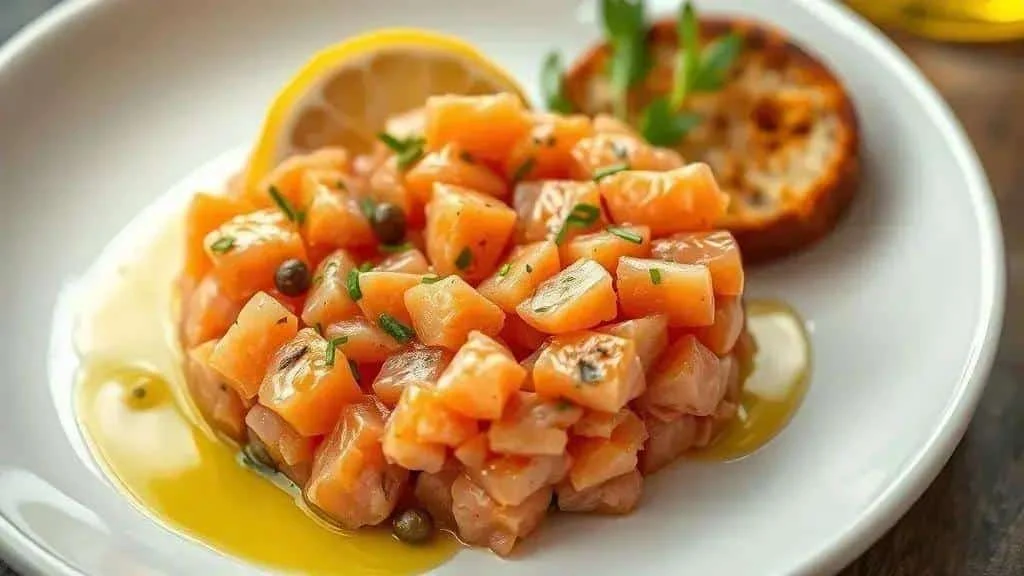
Salmon tartare
Ingredients:
- 200 g salmon – skinless, boneless and diced; use fish specifically supplied for eating raw, with parasite controls confirmed. Tuna is an alternative only if the supplier confirms the same suitability.
- 1 tbsp red onion – finely chopped.
- 1 tbsp capers – chopped.
- 1 tbsp fresh lime juice.
- 1 tsp extra virgin olive oil.
- 1 tsp Dijon mustard – optional.
- Salt and black pepper – to taste.
- 1 tbsp chives or parsley – chopped, to finish.
- Rye toast or mini crostini – to serve. Washed salad leaves offer a bread-free base; check all the other ingredients if gluten-free food is required.
Method
- Keep the fish cold: remove it from the fridge only when ready to cut. If previously frozen, thaw it in the fridge according to the supplier’s instructions.
- Dice neatly: use a sharp knife and a clean board reserved for raw fish to make small, even cubes.
- Prepare the flavourings: chop the onion, capers and chives finely so they do not overwhelm the fish.
- Combine: put everything in a chilled bowl, adding the lime juice, oil and mustard if using.
- Season gently: add salt and pepper sparingly. Lime alters the flesh but does not cook the fish or eliminate its food safety risks.
- Shape the portions: use a small metal ring or a spoon to place the tartare on toast or individual plates. Press only lightly.
- Finish: scatter with chives and a few capers, add a little oil if desired and serve promptly.
Variations
- Soy and sesame: add 1 tsp soy sauce and ½ tsp sesame oil, and swap chives for coriander. These introduce soy, sesame and potentially wheat allergens.
- Citrus: add lemon zest and 1 tsp orange juice for a fragrant variation.
- Creamy: fold in 1 tbsp cream cheese or thick Greek yoghurt, keeping the mixture cold.
- Alternative presentation: serve in tasting spoons or small glasses over washed rocket leaves.
Useful tips
- Raw-fish precautions: freshness and same-day use alone are insufficient. Ask the supplier about suitability for raw eating and required freezing treatment; do not assume a brief spell in a domestic freezer is enough. Freezing for parasites does not eliminate all bacterial risks. Vulnerable guests should choose cooked fish instead.
- Texture: fold gently rather than mashing the cubes.
- Timing: prepare close to service, keep covered and chilled, and assemble portions at the last minute. Follow the supplier’s storage instructions and use-by date.
2. Herby chickpea salad: ingredients, method and variations
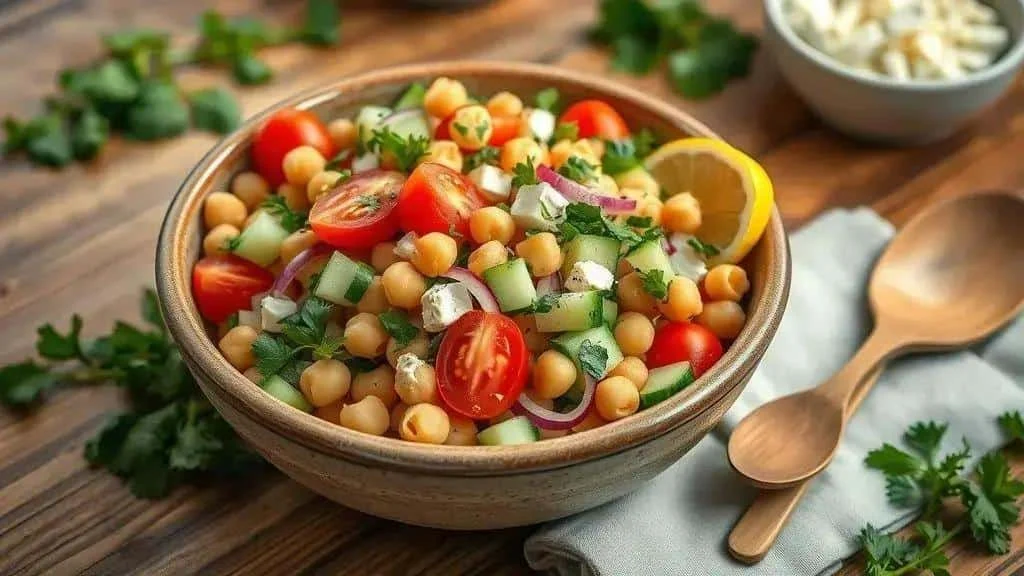
Ingredients:
- 2 cups cooked chickpeas – drained and cold. Rinsed tinned chickpeas or cooked white beans also work.
- ½ cup cherry tomatoes – halved.
- ¼ cup red onion – finely sliced; spring onion offers a milder alternative.
- ¼ cup parsley – chopped.
- ¼ cup mint – chopped, optional. This is a more herb-rich variation than the quick version above, which uses ¼ cup mixed herbs in total.
- 1 small cucumber – diced; half a green pepper can provide crunch instead.
- 2 tbsp extra virgin olive oil – adjust to taste.
- 1 tbsp fresh lemon juice – or cider vinegar.
- Salt and black pepper – to taste.
- Optional: ⅓ cup crumbled feta – for a dairy version; check vegetarian suitability where needed.
Method
- Drain the chickpeas: rinse tinned chickpeas under clean running water and drain thoroughly.
- Prepare the vegetables: halve the tomatoes, dice the cucumber and slice the onion finely.
- Combine: place the chickpeas, tomatoes, cucumber, onion, parsley and mint in a large bowl.
- Dress: add the oil and lemon juice, season gradually and toss gently.
- Adjust: taste and add a little more acidity, seasoning or oil if needed.
- Chill: cover and refrigerate for 20–30 minutes before serving.
- Finish: add feta if using and a final grind of pepper.
Variations
- Mediterranean-inspired: add sliced black olives and 1 tsp dried oregano.
- Spicy: add finely chopped red chilli or up to ½ tsp chilli flakes, according to taste.
- With quinoa: fold in cooked, safely cooled quinoa for a different texture and a more substantial salad.
Useful tips
- Timing: allow around 30 minutes of chilling for the flavours to develop.
- Texture: use a broad spoon and mix gently to keep the chickpeas whole.
- Storage: keep covered in the fridge and use within 48 hours of preparation, or sooner if an ingredient requires it. Herbs added near serving time retain their freshness better.
- Servings: approximately four small starter portions, or two to three more generous side portions, depending on the rest of the meal.
3. Tomato and goat’s cheese bruschetta: ingredients, method and variations
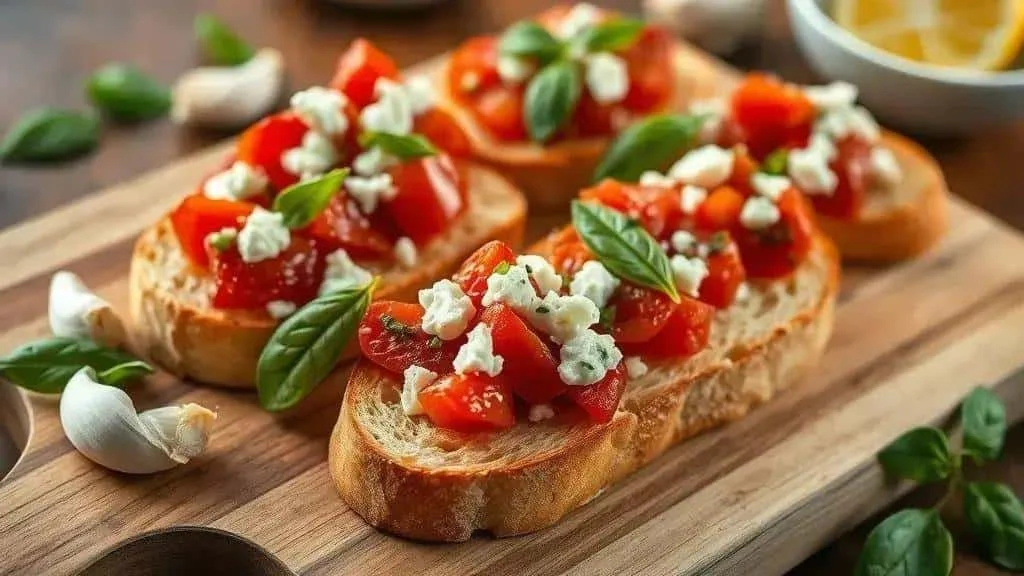
Tomato and goat’s cheese bruschetta
Ingredients:
- 1 baguette – cut into about 12 slices; ciabatta is an alternative.
- 200 g cherry tomatoes – halved.
- 3 tbsp extra virgin olive oil – 2 tbsp for the tomatoes and 1 tbsp in total for the bread, with a little extra only if wanted for finishing.
- 1 garlic clove – halved.
- 100 g goat’s cheese – crumbled or thinly sliced. This gives a more generous topping than the 50 g quick version above; seasoned ricotta is another option.
- 1 tsp sugar – optional, to balance sharp tomatoes.
- Salt and black pepper – to taste.
- Basil leaves – to finish.
- Lemon zest – optional.
Method
- Heat the oven: set it to 160–180°C and line a baking tray with baking paper. The roasting time will depend on the temperature and tomato size.
- Season the tomatoes: toss with 2 tbsp oil, the optional sugar, salt and pepper.
- Roast: arrange cut-side up and cook for around 15–20 minutes, or until tender and lightly coloured. Allow to cool promptly. These are soft roasted tomatoes, not shelf-stable tomatoes preserved in oil.
- Toast the bread: distribute the remaining 1 tbsp oil across all the slices, brushing lightly. Toast in the oven or under the grill until golden on both sides, watching closely.
- Add garlic: rub the warm toast lightly with the cut garlic clove.
- Assemble: divide the cooled tomatoes and cheese between the slices and add basil.
- Finish: add lemon zest, a little extra oil if wanted, and a final seasoning check just before serving.
Variations
- Creamier: spread a thin layer of cream cheese or ricotta on the toast before adding the tomatoes and goat’s cheese.
- Sweet contrast: drizzle a little honey over the cheese, except in portions for babies under one.
- Vegan: use a suitable cashew spread seasoned with lemon and salt, check the bread, and omit honey. Label the cashew allergen.
- With cured ham or smoked fish: these are optional toppings, not essential ingredients. For pregnant guests, cold-cured meat and cold-smoked fish need thorough cooking; choose another topping for this chilled dish. Consider the smoked-fish guidance above for other vulnerable guests too.
Useful tips
- Make ahead: chill the cooked tomatoes within 1–2 hours, cover and use within 48 hours. Oil does not preserve them at room temperature.
- Bread texture: thin, well-toasted slices support the moist topping better than thick, soft bread.
- Last-minute assembly: top the toast shortly before serving to keep it crisp.
- Presentation: whole basil leaves and an optional small drizzle of oil make a simple finish.
4. Cucumber, cream cheese and dill canapés: ingredients, method and variations
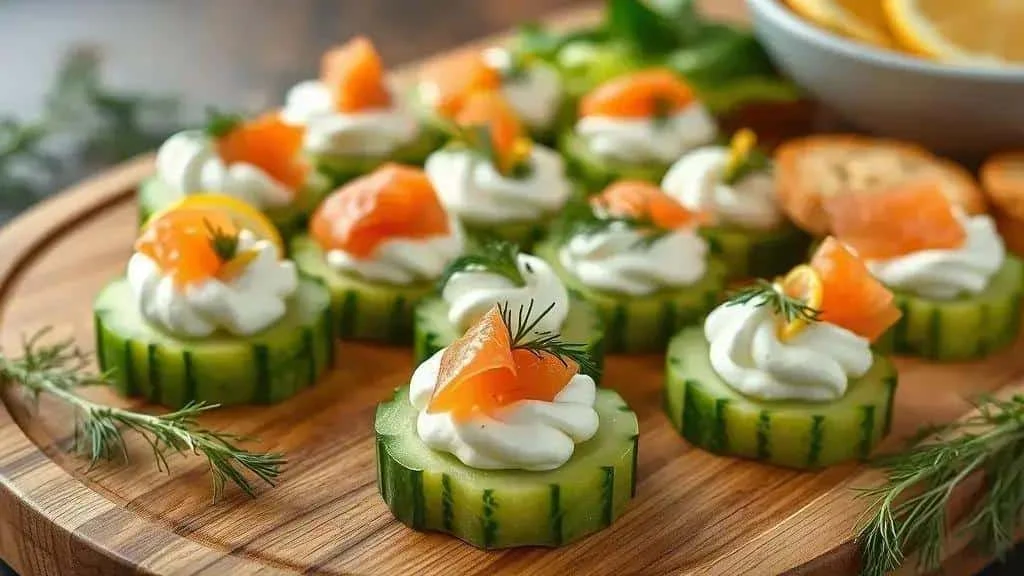
Ingredients:
- 2 small firm cucumbers, about 400 g in total – sliced 8–10 mm thick. Japanese cucumbers or tender courgette rounds offer different textures.
- 150 g cream cheese – softened only enough to mix. Alternatively, use 120 g very thick strained Greek yoghurt for a softer topping.
- 1 tbsp fresh dill – finely chopped; chives or parsley also work.
- 1 tsp fresh lemon juice.
- Salt and black pepper – to taste.
- 12–16 crostini or savoury crackers – optional bases. Endive leaves are a bread-free alternative; cucumber rounds can also serve as the base on their own.
- Optional: 100 g smoked salmon – cut into small strips, subject to the guest suitability guidance above.
- Optional: lemon zest and ready-to-eat microgreens – prepared according to the packet, to garnish.
Method
- Dry the cucumber: wash and slice it, then pat gently with kitchen paper to remove surface moisture.
- Make the topping: mix the cream cheese, dill, lemon juice, salt and pepper until smooth.
- Adjust: taste and add seasoning or lemon sparingly, keeping the topping thick enough to hold its shape.
- Assemble: add a small spoonful of topping and a cucumber round to each crostini, in either order. Alternatively, pipe the topping directly onto cucumber rounds.
- Add optional salmon: place a small strip on selected canapés and keep these separate from vegetarian portions.
- Garnish: finish with lemon zest, dill or suitable microgreens; a few drops of oil are optional.
- Keep chilled: refrigerate until serving. There is no need to take these out 30–40 minutes beforehand.
Variations
- Tangy yoghurt: use thick strained Greek yoghurt and add a small drizzle of pomegranate molasses.
- Soy and sesame: mix ½ tsp soy sauce into the topping and sprinkle with toasted sesame seeds, labelling the extra allergens.
- Vegan: use plant-based cream cheese or cashew spread with endive leaves, omit fish and check all remaining ingredients.
- Pickled contrast: add a thin piece of pickled chilli or cucumber for a sharper finish.
Useful tips
- Avoid soggy bases: dry cucumber slices before assembling.
- Prepare separately: refrigerate the topping and assemble crisp bases close to service.
- Portions: three or four small cucumber canapés per person can form part of the overall starter allowance. Do not add that number on top of a full allowance for every other recipe.
- Presentation: offer clearly separated herb-only and salmon versions, with suitable serving utensils.
5. Pressed grilled vegetable terrine: ingredients, method and variations
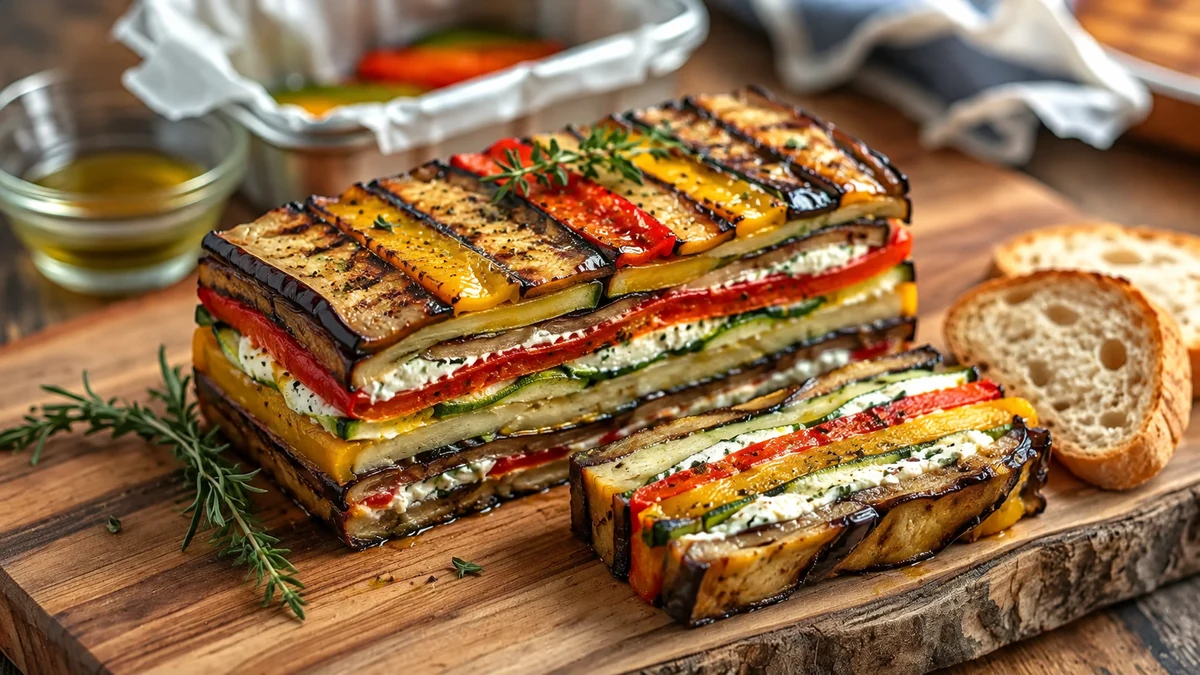
Pressed grilled vegetable terrine
Ingredients:
- 1 medium aubergine, about 300 g – sliced lengthways about 5 mm thick.
- 1 medium courgette – sliced lengthways about 5 mm thick.
- 1 red pepper – grilled, peeled and cut into strips.
- 1 yellow pepper – grilled, peeled and cut into strips; orange pepper is an alternative.
- 1 medium onion – sliced and grilled until tender.
- 200 g well-drained ricotta or cream cheese – for the creamy layer. For a softer vegan version, use 200 g well-drained firm tofu, prepared according to its packet and cooled if cooking is required.
- No eggs or setting agent are needed for this pressed version. It is chilled rather than baked, so raw eggs must not be added. The result is softer than an egg-set or gelled terrine; serve it from the mould if it will not slice neatly.
- 2 tbsp extra virgin olive oil – for brushing the vegetables.
- 1 tbsp balsamic vinegar – optional; add gradually so the filling does not become watery.
- Salt and black pepper – to taste.
- Fresh basil or thyme – chopped, to taste.
- Food-safe cling film and a loaf tin or terrine mould – choose a size that holds the layers snugly.
Method
- Heat the pan: warm a griddle or frying pan over a medium heat and lightly brush the vegetables with the measured oil.
- Cook the vegetables: griddle the aubergine, courgette, peppers and onion in batches until fully tender and lightly coloured. Thin slices may take around 2–4 minutes per side, but thicker pieces will need longer. Drain excess oil and moisture.
- Cool and drain: spread the cooked vegetables out to cool promptly, then blot away excess moisture. Do not leave them sitting at room temperature for hours.
- Mix the filling: combine the drained ricotta, cream cheese or prepared tofu with herbs, salt and pepper. Add the optional balsamic gradually. Use the egg-free filling described above; chilling raw eggs would not cook or set them.
- Line the mould: leave enough cling film overhanging to fold over the top later.
- Layer: start with a thin layer of filling, then alternate aubergine, filling, courgette, onion and peppers. Press gently as you go, avoiding large gaps.
- Press and chill: fold the film over, cover with a clean flat board that fits the mould and add a modest, stable weight. Refrigerate for at least 4 hours, preferably overnight.
- Unmould carefully: remove the weight and lift using the film. If firm enough, cut into slices about 1–1.5 cm thick with a sharp knife; otherwise serve as spooned portions from the mould.
- Serve chilled: offer with toast or salad, bringing out only the portions needed.
Variations
- Pesto: spread 1–2 tbsp between selected layers. Check nuts, milk and vegetarian or vegan suitability.
- Goat’s cheese: add thin slices between layers for a stronger flavour, choosing a cheese appropriate for your guests.
- Walnuts: add chopped toasted walnuts for crunch, label the nut allergen and adapt the texture for young children.
- Vegan: use drained prepared tofu and, if wanted, 1 tbsp nutritional yeast. Expect a softer pressed dish. A firm agar-set version needs a separately tested recipe and the product’s heating instructions; simply stirring agar into warm water is not a reliable substitute here.
Useful tips
- Control moisture: drain cooked vegetables well before assembly, without extending their time out of refrigeration.
- Keep slices even: regular, thin pieces make the layers easier to assemble.
- Prepare the day before: overnight chilling helps the layers settle, although it does not guarantee a firm set with every cheese or tofu.
- Neater cutting: clean and dry the knife between cuts; do not force a soft terrine into thin slices.
- Storage: chill cooked components within 1–2 hours and use the assembled dish within 48 hours of that first preparation, respecting earlier use-by dates. Freezing may make the vegetables and dairy filling watery.
6. Citrus white fish ceviche: ingredients, method and variations
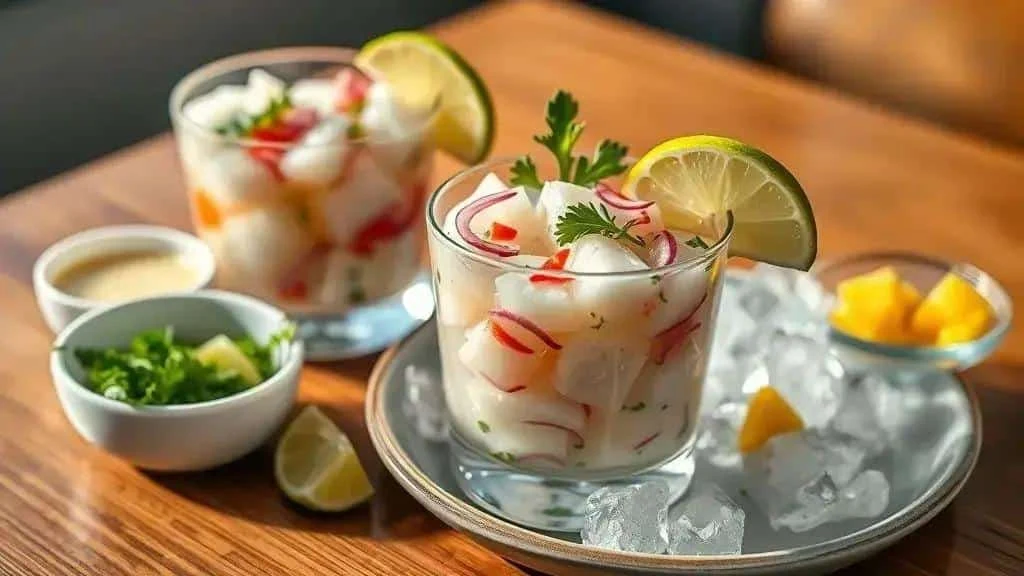
Citrus white fish ceviche
Ceviche is fish marinated in citrus and served cold. The acid changes its texture and colour, but the fish remains raw for food safety purposes. Follow the raw-fish precautions in the tartare section; a thoroughly cooked and chilled fish salad is a different, safer alternative for vulnerable guests.
Ingredients
- 300 g white fish – boneless and diced, with suitability for raw consumption and parasite controls confirmed by the supplier. Do not substitute ordinary sea bass, sole or tilapia solely because it looks fresh.
- 120 ml fresh strained lime juice – about ½ cup. For a milder flavour, replace half with orange juice; neither version is a safety treatment.
- ¼ cup red onion – thinly sliced.
- 1 red chilli – deseeded and finely chopped; jalapeño or chilli flakes can be used to taste.
- 1 tbsp coriander – chopped; use parsley if preferred.
- Salt – to taste.
- 1 tsp lime zest – optional.
- Optional: 2 tbsp coconut milk – for a creamier variation.
Method
- Select and chill: use appropriately supplied fish as described above and keep refrigerated until preparation. Follow any thawing and storage instructions from the supplier.
- Dice: pat dry with kitchen paper if needed and cut into roughly 1.5 cm cubes using clean equipment. Do not rinse raw fish around ready-to-eat ingredients or work surfaces.
- Use a chilled bowl: glass or stainless steel is suitable.
- Add lime juice: gently turn the cubes so the juice coats them evenly.
- Season: add a little salt and fold through carefully.
- Add onion and chilli: stir gently to distribute them.
- Marinate in the fridge: allow around 10–20 minutes for the desired texture. An opaque appearance is not evidence that the fish has been cooked or made safe.
- Finish: stir in coriander, optional zest and coconut milk, adjusting seasoning sparingly.
- Serve promptly: divide into small glasses, tasting spoons or washed leaves, keeping the remaining portions refrigerated.
Variations
- Coconut and mango: add the optional 2 tbsp coconut milk and a few small mango cubes.
- Peruvian-inspired serving: offer cooked, cooled sweet potato and toasted corn, known as cancha, alongside.
- Without coriander: use parsley and lime zest instead.
- Vegan: use drained, ready-to-eat hearts of palm, or mushrooms cooked thoroughly and cooled before dressing. Lime juice does not replace cooking where an ingredient requires it.
Useful tips
- Safety: follow the raw-fish precautions above rather than relying on freshness, lime or same-day preparation. If suitability is uncertain, do not serve the fish raw.
- Marinating time: small cubes generally change texture in 10–20 minutes; prolonged marinating can make them too firm. This timing concerns texture only.
- Temperature: keep chilled until serving and minimise time out, particularly in hot weather. Do not use a two-hour allowance as a reason to leave raw-fish dishes on a warm buffet.
- Presentation: small portions with mango, sweet potato crisps or suitable ready-to-eat microgreens add colour.
7. Chilled chicken wraps with yoghurt and mint: ingredients, method and variations
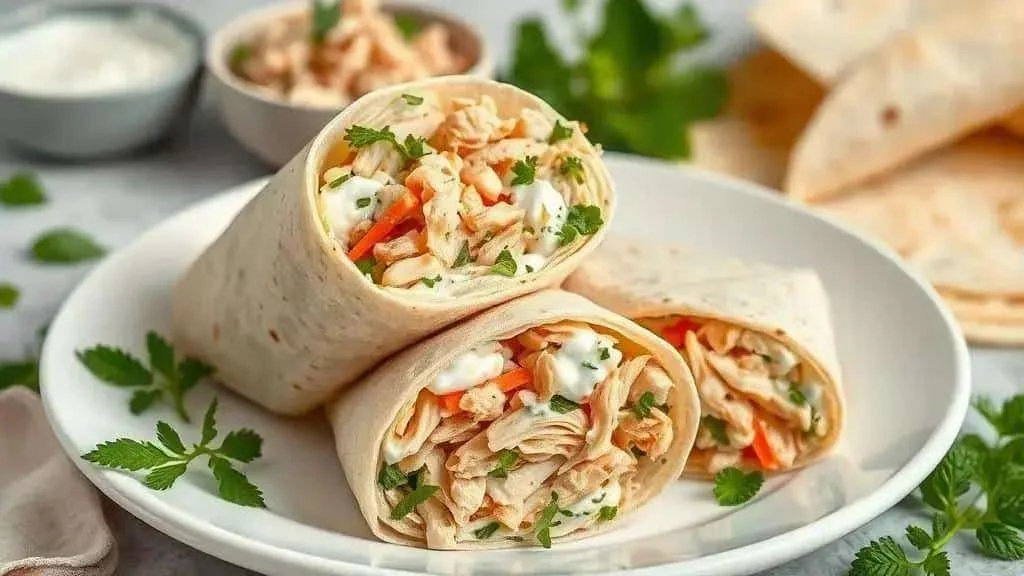
Chilled chicken wraps with yoghurt and mint
Ingredients:
- About 400 g cooked chicken breast – shredded and safely chilled, often around two breasts depending on size. Weigh after cooking; 400 g raw chicken will not give the same amount. Suitable ready-cooked roast chicken is an alternative.
- 4 tbsp plain yoghurt – preferably thick, added gradually. Four tablespoons are not equivalent to 120 g. Mayonnaise or cream cheese can be used to taste for a different consistency, checking allergens.
- 1 tbsp fresh mint – chopped; parsley is an alternative.
- Up to 1 tbsp fresh lemon juice – start with the 1 tsp used in the quick version and increase to taste without making the filling runny.
- 50 g grated carrot – or grated apple for a sweeter variation.
- ¼ cup chopped parsley.
- 1 tsp Dijon mustard – optional.
- Salt and black pepper – to taste.
- 6 small tortillas – regular or wholemeal, or use large washed lettuce leaves. For gluten-free servings, check every ingredient as well as the base.
- Optional: 2 tbsp chopped walnuts or seeds – for crunch; label allergens and adapt or omit for young children.
Method
- Cook the chicken if needed: poach breasts in gently simmering water until thoroughly cooked. Around 15–20 minutes may suit some sizes, but check the thickest part with a clean thermometer: 75°C for 30 seconds, or 70°C for 2 minutes. Do not rely on the timer alone.
- Shred and chill: once cool enough to handle, shred with clean forks, spread in a shallow container and refrigerate within 1–2 hours of cooking. Use cold chicken for the filling; do not leave whole breasts out until completely cold.
- Make the dressing: combine yoghurt, optional mustard, lemon juice, mint and parsley, seasoning gradually.
- Combine: fold in the cold chicken, carrot and optional nuts or seeds.
- Check consistency: add dressing gradually so the filling stays thick. Brief chilling can help it hold together, but it will not remove excess liquid. If needed, add a little extra cooked, chilled chicken if available.
- Soften the tortillas: follow the packet instructions. A brief warming of around 10–15 seconds may be enough for ready-to-eat wraps; let them cool before adding the chilled filling.
- Fill and roll: divide the filling between the wraps without overfilling. Fold in the sides and roll firmly; reserve any surplus filling in the fridge. Lettuce leaves can be used instead.
- Cut: slice diagonally in half. Make any cocktail sticks obvious and remove them before serving to children.
- Keep chilled: cover and refrigerate until serving, rather than taking the wraps out 30–40 minutes early.
Variations
- Vegetarian: replace chicken with cooked, mashed chickpeas seasoned with cumin and lemon.
- Ginger and soy: add 1 tsp grated ginger and 1 tsp soy sauce, checking soy and wheat allergens.
- With fruit: fold in a little diced apple or mango for sweetness and texture.
- Spicy: add finely chopped red chilli or a pinch of chilli flakes.
Useful tips
- Assembly: filling the wraps close to service helps keep the tortillas from becoming soggy.
- Portions: one or two small wraps per person may suit a substantial buffet, but fewer half-wraps may be enough before dinner. Count these within the overall menu, not as additional canapé-sized pieces.
- Storage: keep filling covered in the fridge and use within 24 hours of mixing, without exceeding the chicken’s existing storage limit or use-by date. Mixing does not restart its storage time.
- Presentation: arrange diagonal halves with lemon slices and suitable ready-to-eat microgreens.
Enjoy your New Year’s Eve gathering
A selection of cold starters can reduce last-minute cooking and leave more time for your guests.
Try unfamiliar recipes before the occasion, adjust seasoning to taste and plan preparation around safe chilling and the best time for assembly.
Thank you for reading. Follow our social channels and the I Love Christmas blog for more festive food and celebration ideas.
Share your photos and serving ideas to inspire other readers planning their own celebration.
FAQs: cold starters for New Year’s Eve
How far ahead can I prepare cold starters?
Suitable spreads, pressed terrines and salads can usually be prepared 12–24 hours ahead and kept covered in the fridge, within ingredient storage limits. Prepare raw-fish dishes close to service using appropriately supplied fish; citrus marinating does not make fish safe. Assemble toast-based canapés last to keep them crisp.
How should I keep cold starters safe during the party?
Keep perishables chilled at 0–5°C until needed and serve small batches, especially in warm conditions. Use separate serving utensils, keep replacement portions refrigerated and discard food whose safe storage is uncertain. Ice beneath a platter can help, but does not replace checking temperature and limiting exposure.
How many pieces should I allow per guest?
As a planning guide, allow around 6–8 small canapé-sized pieces across the whole selection before a meal, or 10–12 for a more substantial buffet. Larger wraps or bowls of salad count differently; adjust for the rest of the menu and your guests’ appetites.
Which choices suit vegetarians or vegans?
Herby chickpea salad, egg-free pressed vegetables with prepared tofu, canapés with plant-based spreads and chickpea wraps can all work. Check bread, cheese, pesto and sauces; omit fish, meat and honey as needed, and label allergens separately from vegan or vegetarian suitability.
Can I freeze anything to prepare ahead?
Some cooked components, such as the tomato topping, can be cooled promptly and frozen separately. Dairy spreads, pressed terrines, cucumber and assembled canapés may lose texture. Follow ingredient-specific freezing instructions, thaw in the fridge, and assemble fresh components near serving time. Freezing does not rescue food that has already been stored unsafely.
Sources and Further Reading
- Food Standards Agency: cooking and reheating
- Food Standards Agency: chilling, freezing and defrosting
- NHS: foods to avoid for babies and young children
- NHS: foods to avoid in pregnancy
- Food Standards Agency: smoked fish and listeriosis risk
- Food Standards Agency: parasite controls for raw fish
- Food Standards Australia New Zealand: raw fish precautions