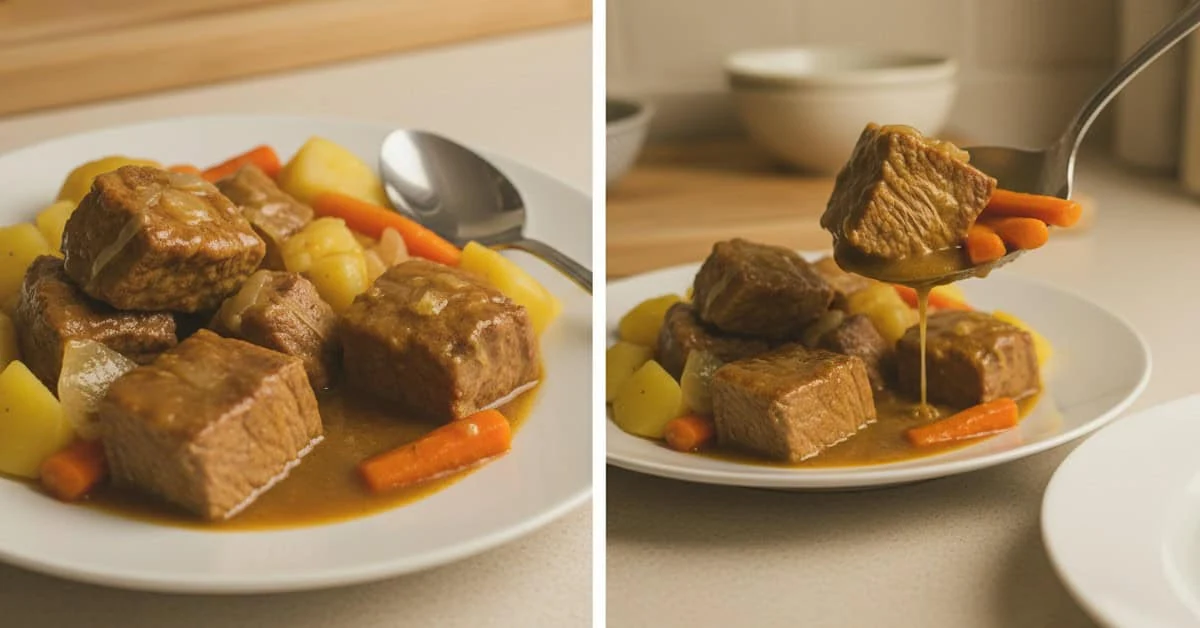
This Brazilian Christmas beef casserole uses collagen-rich cuts, gentle cooking, garlic, bay leaves and paprika, with optional red wine. Serve the tender beef and vegetables with mash, rice or Brazilian farofa. It serves 6–8 and can be cooked the day before, chilled promptly and reheated once for Christmas dinner.
A Christmas beef casserole brings the comfort of Brazilian carne de panela to a festive table. The method is straightforward: brown the beef, build a flavourful sauce and give the meat time to soften. Here are the ingredients, practical steps and serving ideas.
Ingredients for Brazilian Christmas beef casserole
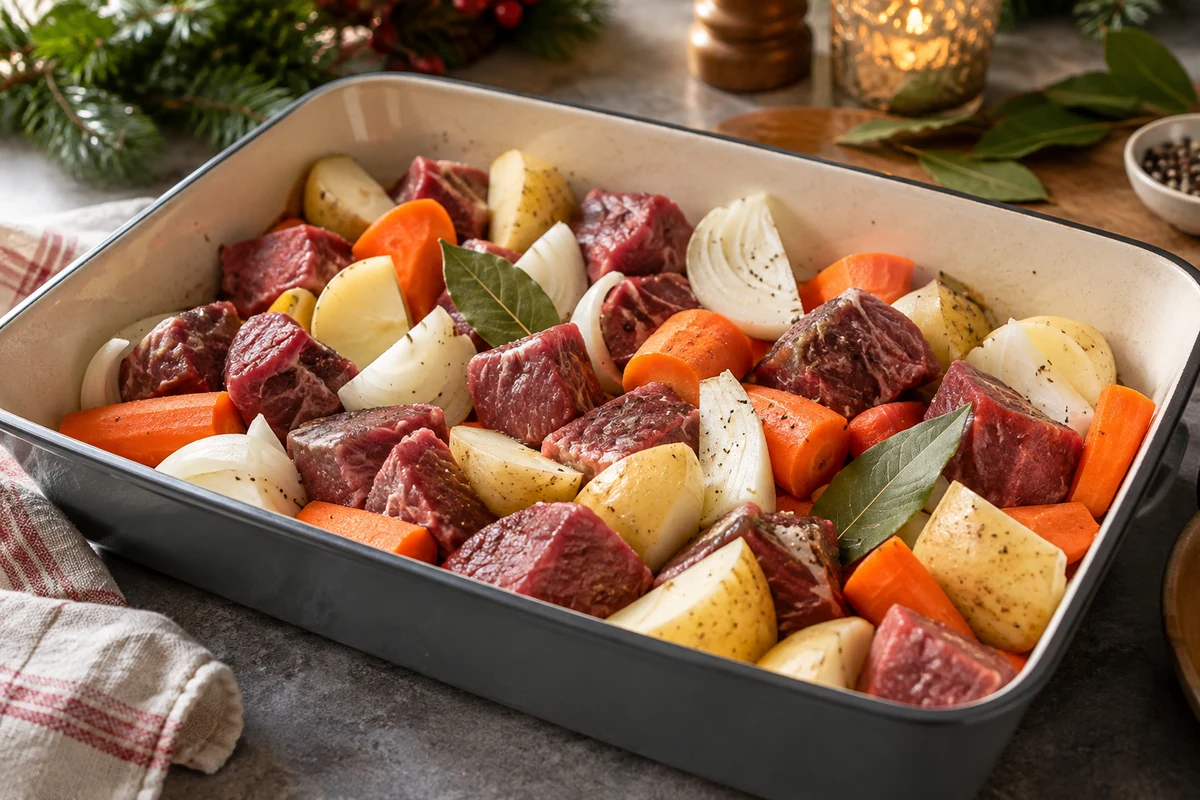
For this Brazilian Christmas beef casserole, you will need the following ingredients for 6–8 servings:
- 1.8–2 kg beef chuck or shoulder, cubed – choose a cut suitable for braising; shin or brisket are alternatives, though cooking times differ.
- 2 tablespoons olive oil – for browning; vegetable oil also works.
- 2 medium onions, sliced – for the sauce base; red onions are an alternative.
- 4 garlic cloves, crushed – reduce the quantity if you prefer a milder flavour.
- 3 large carrots, cut into chunks – for colour and texture; small whole carrots are another option.
- 4 medium potatoes, cubed – cooked in the casserole; Brazilian mandioquinha, or arracacha, is an alternative where available.
- 2 ripe tomatoes, chopped or 200 g passata – to give the sauce body and acidity.
- 500 ml beef stock, plus extra if needed – homemade or ready-made; vegetable stock gives a different flavour but is not necessarily lower in fat or salt.
- 120 ml red wine (optional) – replace with 120 ml extra stock for an alcohol-free version.
- 2 bay leaves – remove before serving.
- 1 sprig rosemary or thyme – or about 1 teaspoon dried herbs.
- 1 tablespoon sweet paprika – use smoked paprika for a more pronounced smoky flavour.
- 1 tablespoon Worcestershire sauce (optional) – adds savoury depth; check its fish and other allergen information.
- Salt to taste, up to approximately 1–1½ teaspoons – start with less if the stock is salted and adjust after reduction.
- 1 teaspoon ground black pepper – or less to taste.
- Up to 1 tablespoon brown sugar or honey (optional) – add only if the finished tomato sauce needs balancing.
- 1–2 tablespoons butter (optional) – to finish the sauce.
- 1 tablespoon cornflour mixed with 2 tablespoons cold water (optional) – for a thicker sauce.
Substitutions and notes
Chuck, shoulder and shin contain connective tissue that softens during slow cooking. A pressure cooker shortens the process; a conventional casserole needs a gentle simmer until the beef is fork-tender. Add the vegetables later so they retain their shape. For an alcohol-free sauce, replace the wine with stock; an optional teaspoon of balsamic vinegar can add acidity, but taste before adding more.
How to make Brazilian Christmas beef casserole
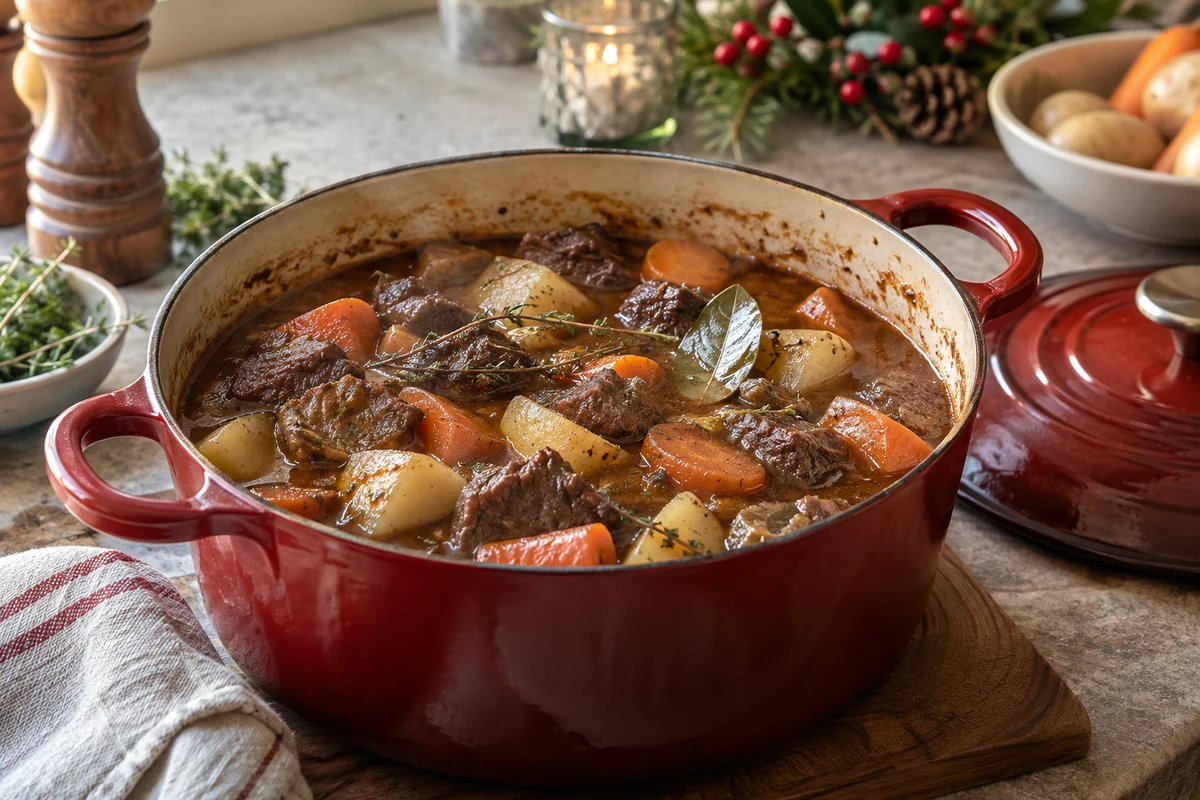
Follow these steps for a tender, flavourful Brazilian Christmas beef casserole.
- Prepare the ingredients: Cut the beef into 4–5 cm cubes and pat dry with kitchen paper. Do not wash raw meat. Slice the onions, crush the garlic and cut the carrots and potatoes into evenly sized pieces. Clean equipment after contact with raw beef.
- Season the beef: Mix with a little salt, the pepper and half the paprika. If preparing ahead, cover and refrigerate rather than leaving it on the worktop.
- Brown in batches: Heat the oil in a large heavy-based casserole over a medium-high heat. Brown small batches on all sides and transfer to a plate. Browning develops flavour; it does not seal juices inside the meat.
- Cook the sauce base: Lower the heat and soften the onions in the same pan. Add the garlic and cook for about a minute without burning it.
- Deglaze: Pour in the 120 ml wine or 120 ml replacement stock. Scrape up the browned bits with a wooden spoon, leaving any burnt residue behind.
- Add tomatoes and seasoning: Stir in the tomatoes or passata, bay leaves, rosemary or thyme, optional Worcestershire sauce and remaining paprika. Cook for about 2 minutes.
- Return the beef: Add the browned meat and its juices, then the 500 ml stock. In a conventional casserole, add enough extra stock to come almost level with the meat. Bring to a simmer. For a pressure cooker, follow its minimum-liquid and maximum-fill instructions instead.
- Cook gently: Cover a conventional casserole and simmer gently for roughly 2–2½ hours, stirring occasionally and adding liquid as needed, until the beef is fork-tender; tougher cuts may take longer. In a pressure cooker, 30–35 minutes at pressure is a starting point for chuck cubes, subject to the appliance instructions. Release pressure safely before checking and cook longer if needed.
- Add the vegetables: Add carrots and potatoes for the final 30–40 minutes of conventional simmering. With a pressure cooker, release pressure as instructed, then add them and simmer without pressure until tender. Never try to open a pressurised cooker.
- Balance the sauce: Taste and adjust salt and pepper. Add a little of the optional sugar or honey only if needed, and stir in 1–2 tablespoons butter if you want a richer finish.
- Thicken if needed: Stir the cornflour and cold water together again, then add gradually to the simmering sauce. Cook, stirring, until the sauce thickens; you may not need all the mixture.
- Finish before serving: Remove the bay leaves and woody herb stems. Let the casserole stand, covered, for 5–10 minutes before serving hot.
- Serve for Christmas: Spoon into a warmed serving dish with its vegetables. Add fresh herbs if desired and offer a modest portion of mash, rice or farofa alongside.
Practical tips
Choose a braising cut such as chuck, shoulder or shin. Smaller cubes may soften sooner, but tenderness still determines the cooking time. For advance seasoning, marinate with herbs and garlic in the fridge for a few hours, within the meat’s use-by date.
Beef casserole variations
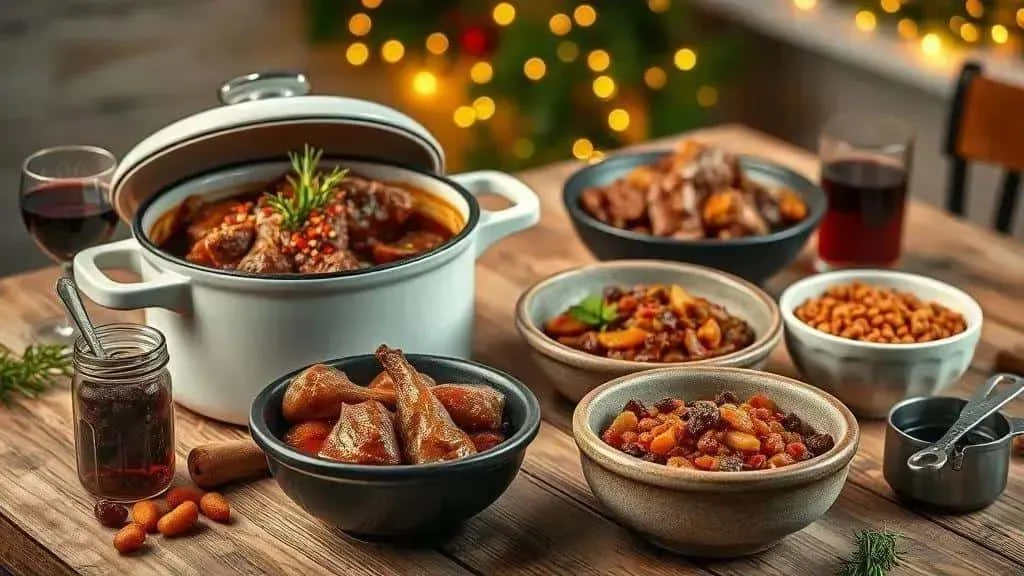
Adapt this beef casserole to suit your Christmas menu. These are alternatives, not additions to combine all at once.
Classic wine and herbs
Use the wine and herb quantities from the main recipe for a deeper, festive sauce.
- 120 ml red wine – replace with 120 ml stock if avoiding alcohol; cooking does not guarantee that all alcohol disappears.
- 1 rosemary sprig and 2 bay leaves – thyme can replace rosemary.
A spicy version
Add chilli gradually for a warmer, aromatic casserole.
- Up to 1 teaspoon chilli flakes – adjust to your preference.
- 1 mild fresh red chilli, deseeded and sliced – use instead of, or with a smaller amount of, the flakes; omit for a mild dish.
A slow-cooker version
A slow cooker can cook the beef gently, provided its capacity and instructions suit this quantity.
- Allow around 6–8 hours on low as a guide – use the appliance’s instructions and check the meat is fully cooked and tender; time varies by model and cut.
- Brown the beef and soften the onions first, then transfer to the slow cooker with the other ingredients. Follow its liquid and fill guidance, since evaporation is much lower than on the hob. Cut root vegetables evenly and position them as the manufacturer recommends. Avoid repeatedly lifting the lid.
A pressure-cooker version
Pressure cooking can shorten the time, although the cut and cube size still affect tenderness.
- At pressure: start with approximately 30–35 minutes for chuck or shoulder cubes, following the appliance instructions and checking tenderness after safe pressure release.
- Vegetable tip: add potatoes and carrots only after releasing pressure safely. Simmer without pressure until tender, rather than assuming a universal ten-minute pressure setting.
A version with less added fat
Trim excess visible fat and reduce the added oil if that suits your preferences.
- Use 1 tablespoon oil instead of 2 with a suitable pan, and skim excess fat from the sauce.
- Choose a lower-salt stock if needed; replacing beef stock with vegetable stock does not automatically lower fat or salt. Check the label.
Christmas dried-fruit variation
Dried fruit gives the sauce sweetness; taste before adding any extra sugar.
- 100 g chopped dried apricots and 50 g raisins – soak in warm water for 10 minutes, drain and add towards the end of cooking.
- Optional brown sugar or honey – use only if still needed, within the main recipe’s maximum tablespoon, not an additional one.
Vegetarian mushroom and lentil alternative
Mushrooms and lentils make a separate vegetarian casserole. This smaller quantity does not replace the beef weight-for-weight or provide the same 6–8 generous main-course portions.
- 500 g button or portobello mushrooms – cut into large pieces and brown before adding to the vegetables.
- 200 g cooked lentils – add for the final 10–15 minutes. Simmer this variation only until the vegetables are tender, rather than using the beef’s long cooking time.
- Use vegetable stock and omit ordinary Worcestershire sauce, which commonly contains fish. A tablespoon of vegetarian soy sauce can add savoury flavour; check wheat and soya allergens. For a vegan version also omit butter and honey.
Tips for adapting the recipe
Adjust salt and acidity at the end, after the sauce has reduced. Use the cornflour slurry from the main recipe if needed. Seasoning raw beef with garlic and herbs for 1–4 hours in the fridge can add flavour; keep within its use-by date.
Choosing and preparing the beef
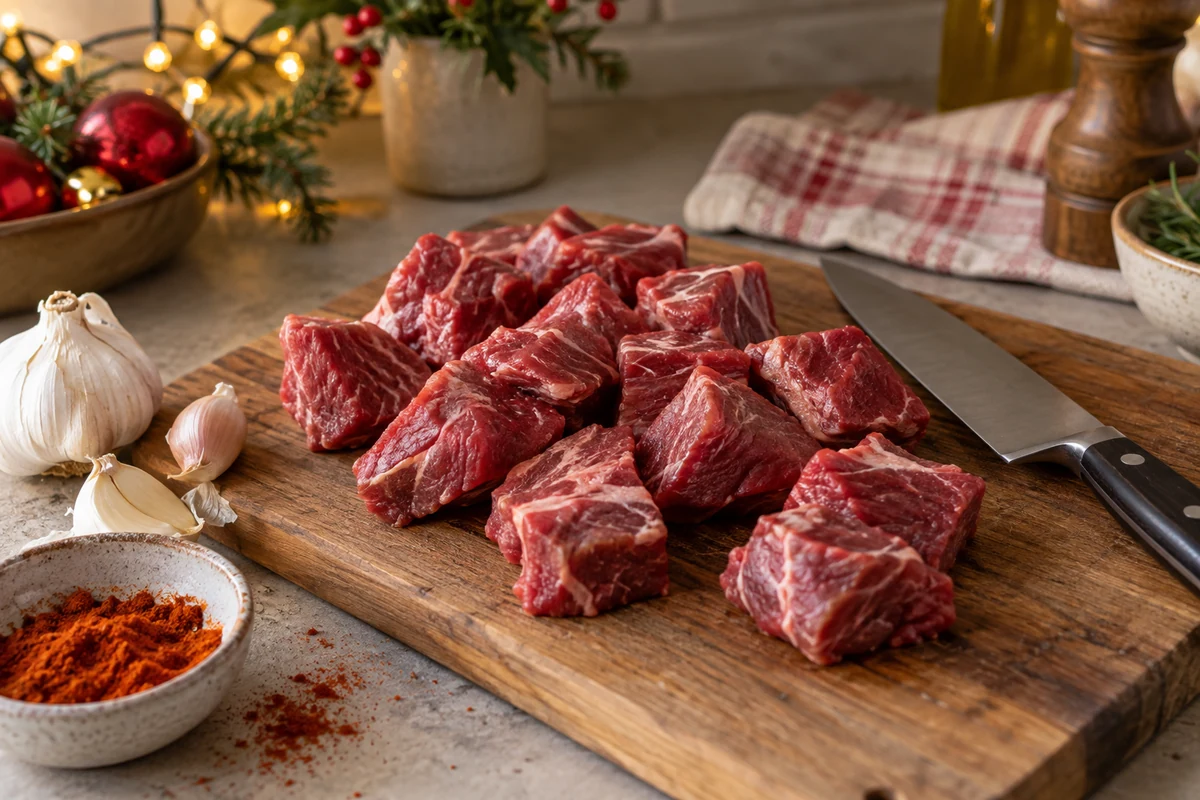
Collagen-rich cuts suit slow cooking. Chuck, shoulder and shin soften during braising, whereas very lean quick-cooking cuts can become dry.
- Chuck: a useful balance of connective tissue and fat; use 1.8–2 kg for this recipe.
- Shoulder: a flavourful alternative in the same quantity, with tenderness checked during cooking.
- Shin: rich in connective tissue; allow additional cooking time if needed.
- Other cuts: ask your butcher for a braising alternative. Lean cuts such as topside need different handling and are not necessarily a quicker substitute in this method.
Recommended seasoning
These repeat the main recipe’s quantities for reference; do not add a second set.
- 2 tablespoons olive oil – for browning.
- Salt to taste, up to approximately 1–1½ teaspoons – adjust after reduction.
- 1 teaspoon ground black pepper, or less to taste.
- 1 tablespoon sweet paprika, or smoked paprika for a smoky flavour.
- 4 crushed garlic cloves – for the sauce base.
- 2 bay leaves and 1 rosemary sprig, or thyme instead of rosemary.
- 120 ml red wine (optional), or 120 ml extra stock for an alcohol-free version.
Preparation checklist
- Trim and cut: remove excess fat and cut into even 4–5 cm cubes. Do not wash raw meat.
- Dry the surface: pat with kitchen paper so the beef browns more readily.
- Season ahead if useful: coat with salt, pepper and paprika. Cover and refrigerate if not cooking immediately; a garlic-and-herb marinade can be left for up to 4 hours within the use-by date.
- Brown in batches: heat the oil and colour the beef without crowding the pan. Set aside briefly while preparing the sauce.
- Cook the aromatics: soften the onions, then add the garlic briefly without burning it.
- Deglaze: add wine or stock and scrape up the browned bits.
- Add liquids and herbs: return the beef, add the tomatoes, stock and remaining seasonings. Follow the liquid guidance for your chosen cooking method.
- Cook until tender: allow around 2–2½ hours at a gentle conventional simmer, or use the pressure-cooker instructions with 30–35 minutes as an initial guide. Extend the cooking if the meat is still firm.
- Include the vegetables: add carrots and potatoes for the final 30–40 minutes of conventional simmering, or after safe pressure release, then simmer until tender.
- Make final adjustments: taste the sauce and adjust seasoning. Use optional sugar sparingly and butter for richness, within the listed quantities.
- Finish and serve: stand covered for 5–10 minutes, remove bay leaves and woody stems, then serve the cubes with their sauce.
Check both cooking and tenderness: a safe core temperature is 70°C for 2 minutes or 75°C for 30 seconds, but braising cuts generally need longer to soften. Continue until a fork enters easily. This cubed recipe does not require tying or carving a whole joint.
Side dishes for Christmas dinner
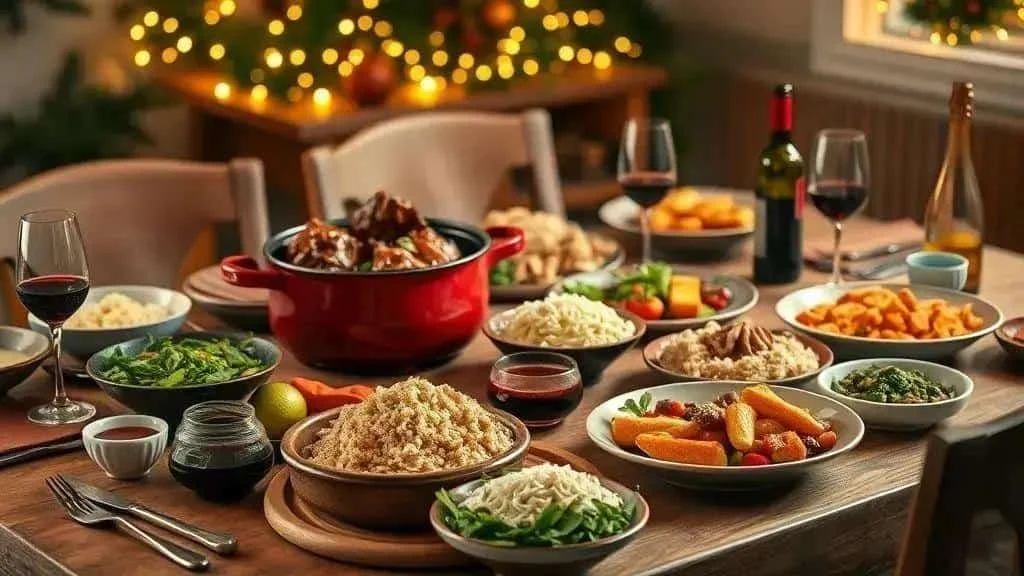
Balance flavours, colours and textures around the beef casserole. It already contains potatoes, so choose additional starchy sides according to appetites.
Classic accompaniments
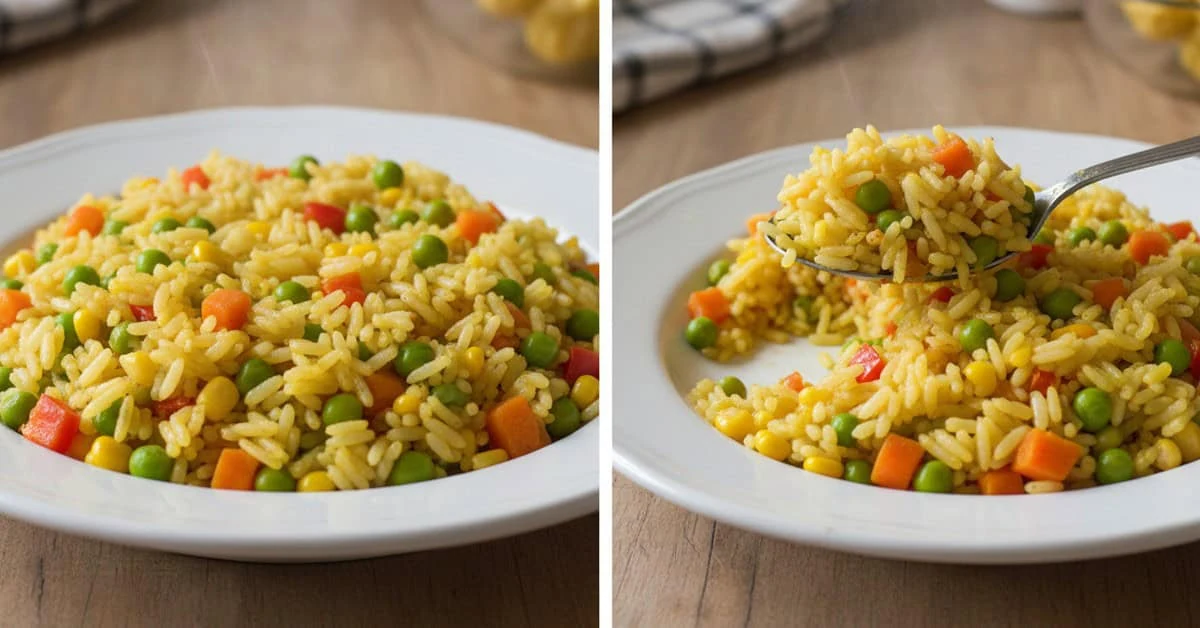
- Brazilian-style vegetable rice, around 300–400 g uncooked for 6–8: add carrots, peas and herbs to complement the sauce.
- Mashed potato, using around 1.2 kg potatoes for 6–8: a creamy alternative if you omit the potatoes from the casserole.
- Crunchy farofa, around 300–400 g prepared: toasted cassava flour with softened onion, herbs and optional cooked bacon adds a Brazilian contrast.
- Roasted vegetables: carrots, courgettes and onions with olive oil and herbs add colour.
- A fresh salad: leaves, cherry tomatoes and thinly sliced red onion with a citrus dressing balance the rich sauce.
Sauces and extras
- Rich gravy: reduce some of the casserole sauce if needed, tasting for salt after reduction.
- Brazilian vinaigrette: chopped tomato, onion and pepper with vinegar and oil offers a fresh accompaniment.
- A sweet-sour contrast: serve a little apricot preserve or chutney with the dried-fruit variation.
Vegetarian and dietary alternatives
- Balsamic roasted vegetables: prepare separately from meat and its juices for vegetarian guests.
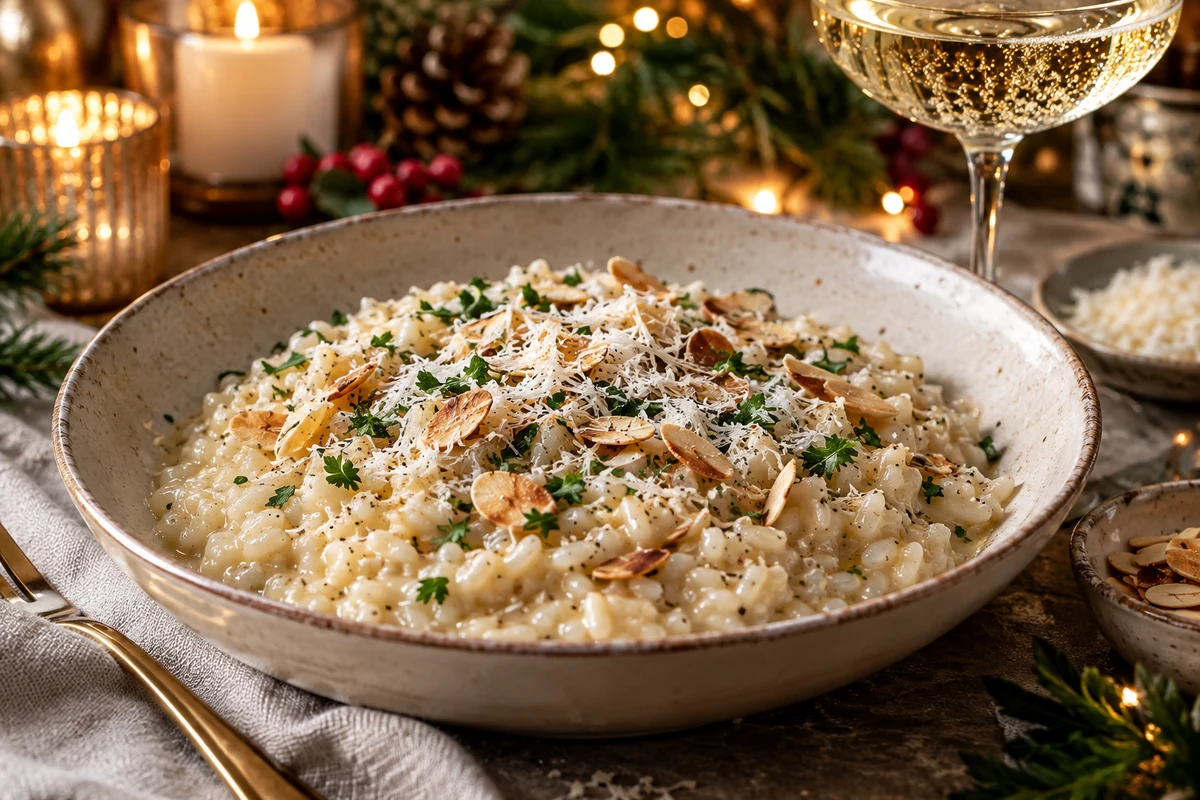
- Mushroom risotto, using around 500 g Arborio rice for 6–8: make with vegetable stock and vegetarian cheese if used, as a separate meat-free main course.
- Quinoa with herbs and chickpeas: another meat-free option; use gluten-free stock and avoid cross-contact if serving someone with coeliac disease.
Desserts to finish
- Homemade rabanada: Brazilian festive French toast, served warm with cinnamon sugar.
- Caramel custard or chocolate mousse for 6–8: choose a recipe suitable for advance preparation and refrigerate as required.
- Baked fruit with honey and nuts: an alternative dessert; flag the nut ingredients for guests.
Drinks to serve
- Light- to medium-bodied red wine: Merlot or another wine you enjoy can accompany the beef.
- Brut sparkling wine: an optional festive choice for adults who drink alcohol.
- Alcohol-free drinks: grape juice, sparkling water or citrus iced tea provide alternatives.
Table layout and timing
Arrange hot and cold dishes separately to make serving easier. Warmed dishes help briefly, but do not safely hot-hold food on their own: food being held hot should remain at 63°C or above. Prepare suitable components ahead and keep chilled items refrigerated until serving. Label allergens clearly and plan the cooking, vegetable additions and serving time together.
Preparing ahead with less stress
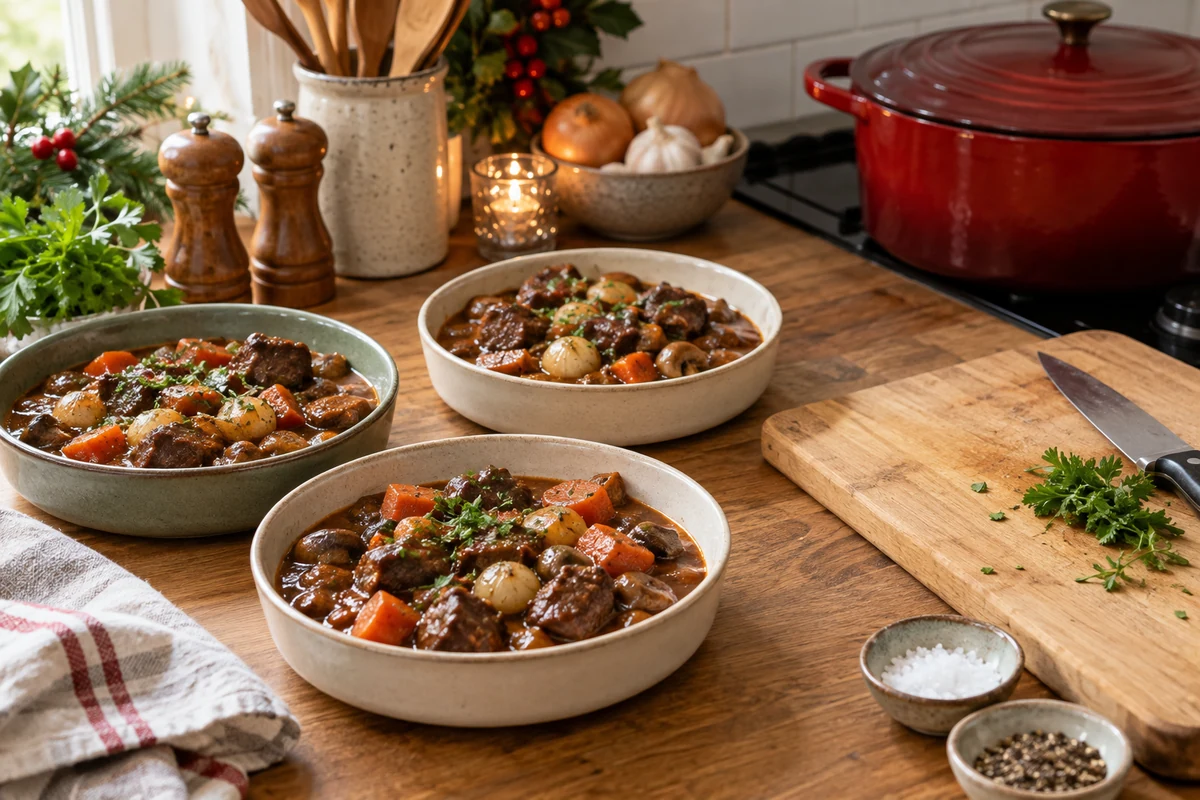
Planning ahead helps your Christmas beef casserole reach the table hot and tender without a last-minute rush.
Planning checklist
- Write the full menu and distinguish dishes that must be finished on the day from those suitable for advance preparation.
- Make a shopping list separating fresh and cupboard ingredients.
- Plan a timetable for preparation, cooking, chilling where needed and final serving.
What can be made ahead?
- Beef casserole: cook the day before, divide into shallow containers, cool promptly and refrigerate within 2 hours at 5°C or below. Use within 48 hours and reheat once until steaming hot throughout.
- Sauces and stocks: cool promptly and freeze in portions. Defrost in the fridge and use within 24 hours of full thawing.
- Farofa and dry accompaniments: storage depends on the ingredients. Farofa containing meat, eggs or moist vegetables needs prompt refrigeration, not simply an airtight jar on the worktop.
- Chilled desserts: custards, mousses and suitable tarts may be made ahead according to their recipe and safe storage instructions.
- Salads and fresh ingredients: prepare on the day, refrigerate where necessary and dress shortly before serving.
A practical timetable for the day
- Morning: check ingredients and equipment; leave cooked meat refrigerated until it is time to reheat, rather than warming it gradually all morning.
- Three to four hours before: prepare vegetables and organise oven space. Do not leave cooked dishes for hours in a merely lukewarm oven.
- One to two hours before: time the mash and rice for service. If hot-holding sauces, maintain at least 63°C rather than relying on the presence of a water bath.
- Near serving time: allow enough time to reheat the casserole thoroughly, stirring and checking the centre. A large chilled batch may need longer than 30 minutes; temperature, not the clock alone, determines readiness.
- At the table: transfer to warmed serving dishes, add fresh herbs if desired and serve promptly.
Storage and reheating
- Cool promptly: divide into shallow portions and refrigerate within 2 hours at 5°C or below. Eat within 48 hours or freeze.
- Reheat thoroughly: add a little stock and heat in a covered pan, stirring, until steaming hot throughout; aim for 70°C for 2 minutes or 75°C for 30 seconds. Reheat only once.
- Choose a suitable method: hob or oven works well, while individual microwave portions need stirring, standing time and checks for cold spots.
Delegate and simplify
- Ask for help: delegate salad assembly, drinks and washing up.
- Use suitable serving dishes: oven-to-table cookware can save washing up; follow its heat and hob suitability instructions.
- Create serving areas: separate drinks, starters and hot dishes to reduce crowding.
Tips for avoiding last-minute problems
- Keep useful basics nearby: pepper, oil, extra stock, kitchen paper and a clean food thermometer.
- Try unfamiliar recipes beforehand: a practice run helps you judge seasoning, equipment and timing.
- Track serving times: note key stages so food is ready together without prolonged lukewarm holding.
Storing, reheating and using leftovers
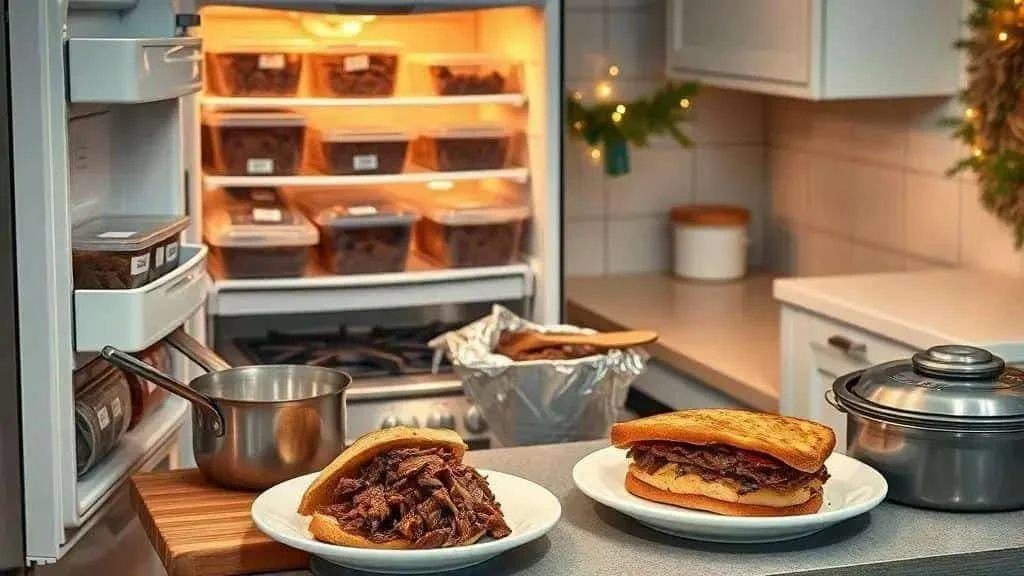
Prompt storage: divide the casserole into shallow portions and refrigerate within 2 hours. Use clean covered containers; vacuum packing does not extend the safe chilled storage time given here.
- Fridge: keep at 5°C or below and eat within 48 hours of cooking.
- Freezer: freeze promptly in suitable containers; aim to use within 3 months for best quality. Freezing does not make previously mishandled food safe.
- Label portions: record the contents and cooking/freezing date.
- Avoid a deep, slowly cooling pot: shallow portions cool faster. Refrigerate within 2 hours rather than waiting indefinitely for a large casserole to become completely cold.
Safe reheating
- Hob: reheat in a covered pan with a splash of stock, stirring regularly until the centre of the beef and sauce reaches 70°C for 2 minutes or 75°C for 30 seconds. Bubbling edges alone are not enough.
- Oven: use a covered ovenproof dish at 180°C conventional / 160°C fan. Time depends on quantity, depth and starting temperature; check the centre is steaming hot rather than relying on a fixed 15–25 minutes.
- Microwave: heat individual portions under a vented microwave-safe cover, following the appliance instructions. Stir or turn during heating, allow standing time and check for cold spots.
- Slow cooker: do not use a low setting to reheat chilled leftovers slowly. Reheat thoroughly on the hob, in the oven or microwave first; use a suitable appliance only to hold already-hot food at 63°C or above.
- Defrosting: thaw in the fridge and use within 24 hours of full thawing. If defrosted in the microwave, reheat immediately. Do not thaw on the worktop.
Ideas for leftovers
- A refreshed stew: cook fresh vegetables first, then add safely stored beef and stock and reheat everything thoroughly once.
- Sandwiches and pies: shred the chilled beef for a cold sandwich within its storage window, or bake in a pie until the centre is steaming hot.
- A rice bake: combine with vegetables and cheese, then heat thoroughly once. Cooked rice needs cooling ideally within 1 hour and refrigeration for no more than 24 hours before reheating; follow the shortest storage limit of all ingredients.
- Soup: add chopped beef to a freshly made vegetable-and-stock base and reheat thoroughly. Be careful of steam if blending hot liquids.
- Croquettes or pastries: use cold, safely stored beef with firm mash or pastry, and cook until the filling is steaming hot; a browned exterior is not enough.
Final checks: reheat only the portion needed, only once, and add stock if the sauce is too concentrated. Reworking leftovers does not restart their storage clock. Discard food beyond safe time or temperature limits even if it smells normal.
A comforting Christmas main course
Beef casserole is a practical, flavourful Christmas main that can be prepared ahead and adapted to the guests around your table.
A suitable cut, balanced seasoning and careful timing make the meal easier to organise while keeping the beef tender.
Thank you for following the recipe. Try a variation that suits your menu, share your results and visit the I Love Christmas blog for more festive recipes and ideas.
Wishing you a delicious Christmas dinner!
Christmas beef casserole: frequently asked questions
Which beef cut is best for a Christmas casserole?
Choose a braising cut such as chuck, shoulder or shin. Its connective tissue softens during gentle cooking. Check for fork-tenderness and allow longer if necessary rather than using a lean quick-cooking cut in the same way.
Can I make the beef casserole ahead?
Yes. Cook it the day before, divide into shallow portions and refrigerate within 2 hours at 5°C or below. Use within 48 hours or freeze, and reheat once until steaming hot throughout.
How can I reheat the beef without drying it out?
Add a little stock, cover and reheat on the hob or in an oven at 180°C conventional / 160°C fan. Individual microwave portions also work with stirring and standing time. Check for 70°C for 2 minutes or 75°C for 30 seconds throughout, and reheat only once.
Is red wine essential?
No. Replace the 120 ml wine with 120 ml extra stock. Taste the finished sauce before adding an optional teaspoon of balsamic vinegar or a small splash of grape juice. Do not assume cooking removes all alcohol from wine.
How can I use the leftovers?
Safely stored beef works in sandwiches, pies, soup or a rice bake. Follow the original storage deadline, reheat only once where needed, and ensure hot fillings are steaming throughout. Cooked rice has a shorter chilled limit of 24 hours and should be cooled ideally within 1 hour.
Sources and Further Reading
- Food Standards Agency: cooking food safely
- Food Standards Agency: chilling, freezing and defrosting food
- Food Standards Agency: cooking and reheating safely, including rice