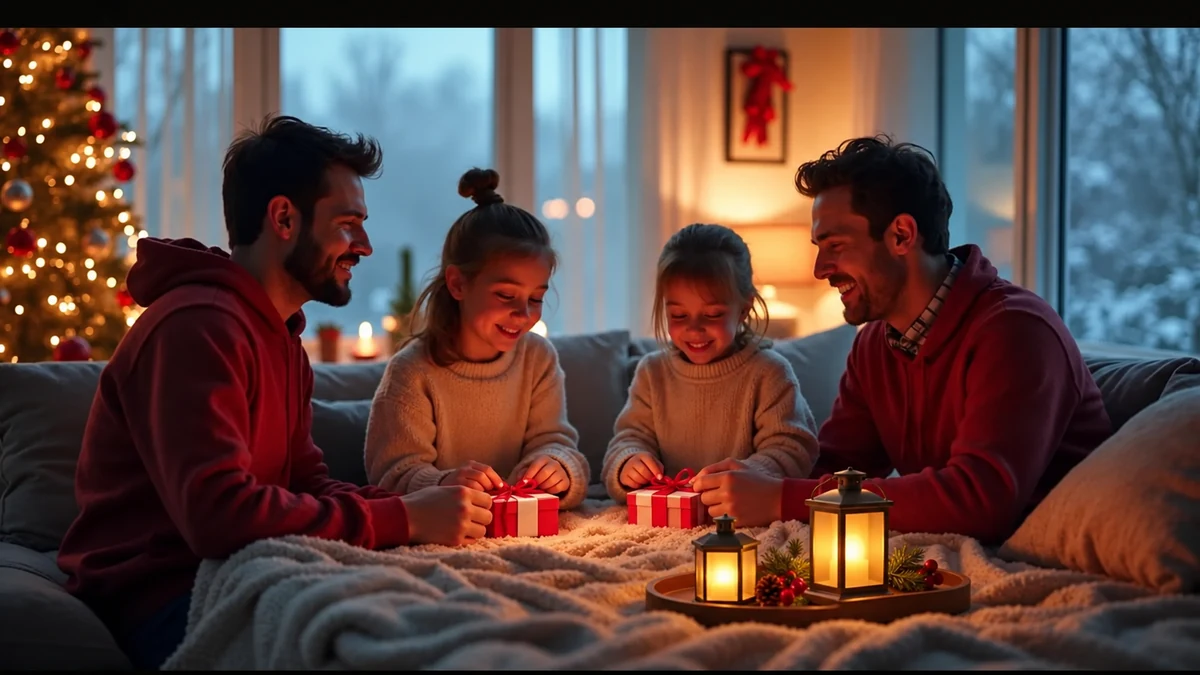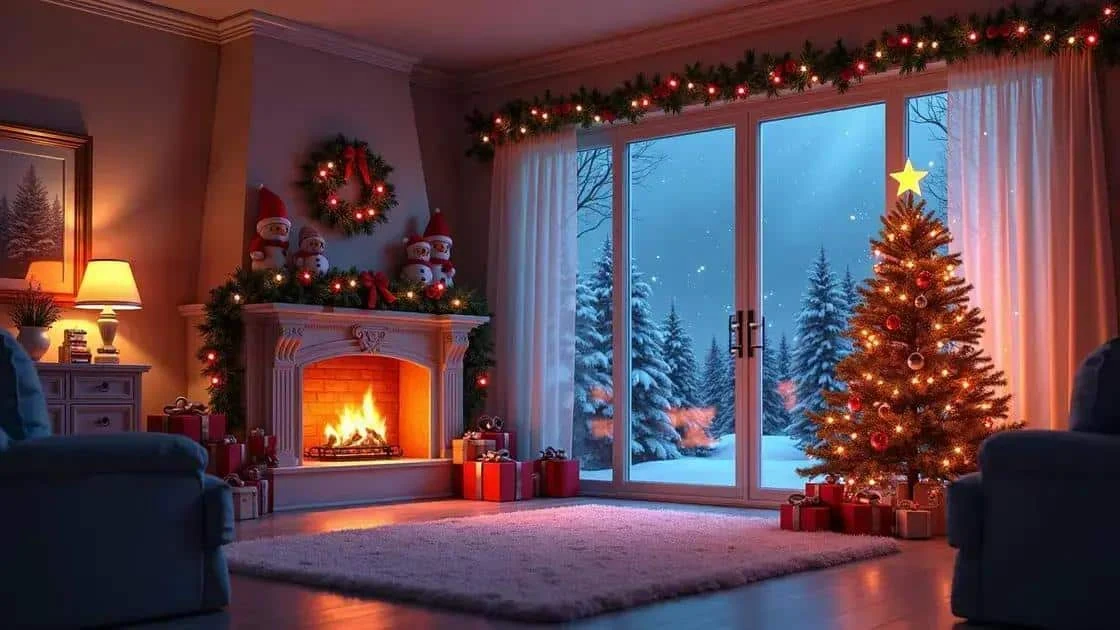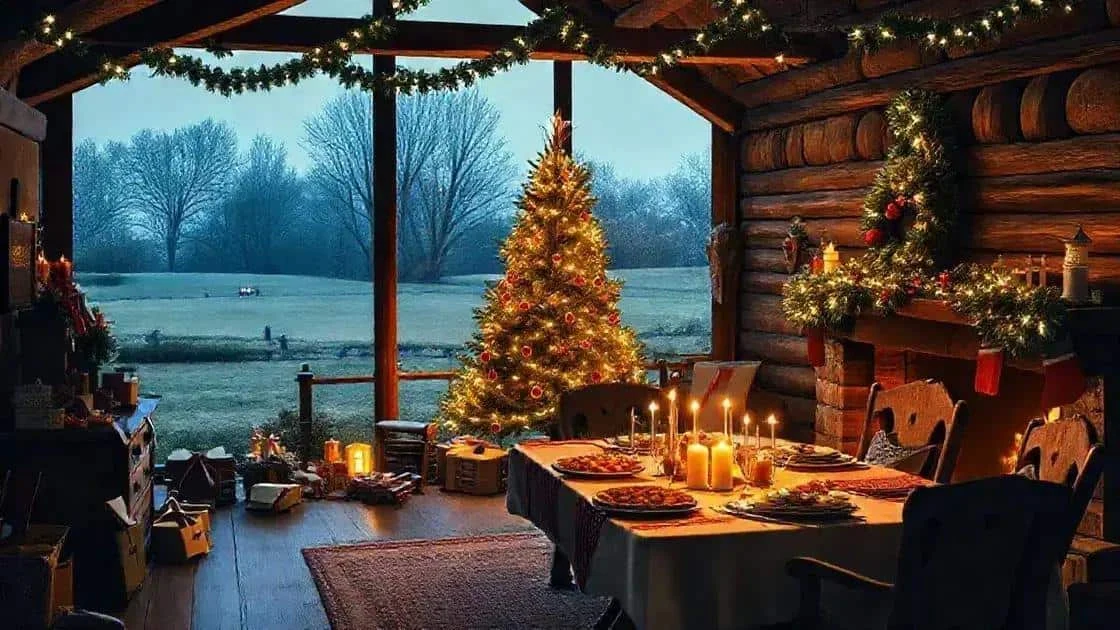
A simpler Christmas in the countryside can make use of decorations you already own, thoughtful gifts and a manageable menu. Plan activities around the weather and your group’s needs, and reduce unnecessary purchases and food waste rather than assuming every handmade or natural item is sustainable.
Christmas in the countryside can offer space for a slower celebration, whether you live there or are visiting. This guide draws on rural-inspired ideas and Brazilian food traditions, with adaptations for a British winter. An outdoor supper may suit a warm Brazilian evening; in Britain, a comfortable indoor plan is usually more practical.
Give your Christmas tree a rustic style
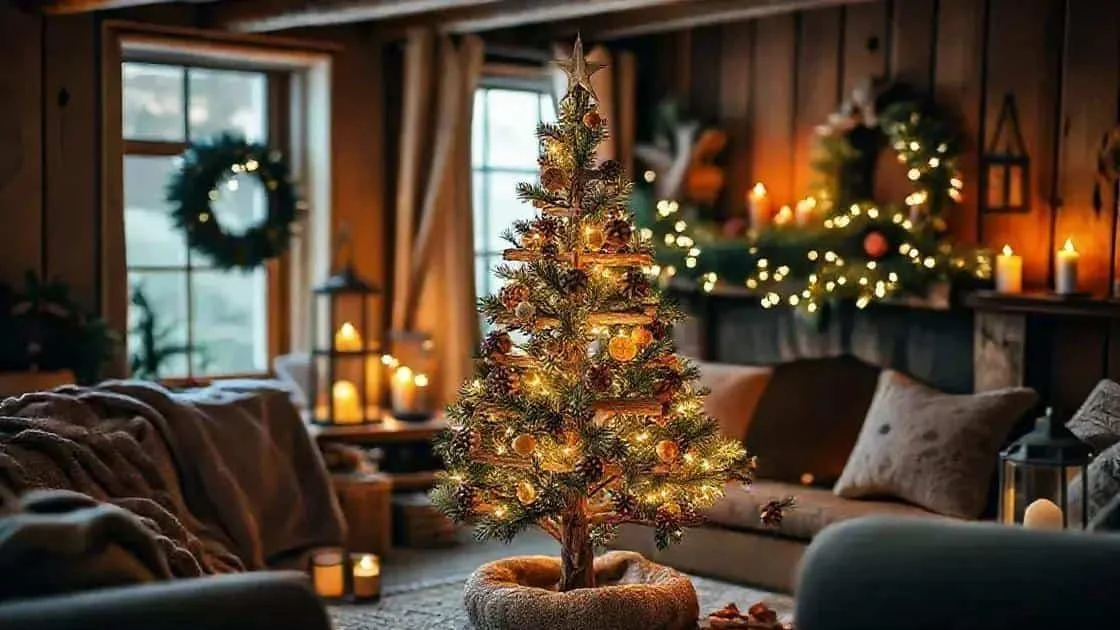
A country-style Christmas tree can be created with the tree and decorations you already have. Add a few pine cones, clean dry twigs or fabric ribbons if they suit your household. Keep loose or sharp natural materials away from young children and pets.
Natural-Looking Details
Dried citrus slices or paper fruit shapes can add colour and texture. Dry edible decorations properly and discard anything mouldy; they are not automatically an environmentally better choice than a decoration you already own. Keep them clear of lights and other heat sources.
Simple Lighting
Warm-white LED lights can give a gentle glow without using real candles on the tree. Choose a suitable set, inspect it and follow the instructions. Switch the lights off before going out or going to bed.
Handmade Ornaments
Paper stars or fabric decorations can be a shared craft project. Use materials already available where possible, and choose tools suitable for each person’s age. Avoid sharp metal edges and small detachable pieces where they could be swallowed.
A Neat Tree Base
A wicker basket can conceal a proper tree stand if it fits safely, but it must not replace the stand’s support. Make sure the tree remains stable and, for a cut tree, that the water reservoir stays accessible. Do not balance a tree on an uneven decorative log.
Finish with a lightweight star or angel if you wish. Fit it securely without climbing on unstable furniture. A simple arrangement that suits the room is more useful than one that is difficult to maintain safely.
Simple country-style Christmas decorations

Start with a few wreaths or reusable decorations rather than filling every surface. A white paper detail can suggest snow if you like the look, but there is no need to imitate a northern winter during a Brazilian summer. Match the setting to the place you are actually celebrating.
Use Natural Materials Carefully
A few dried flowers or suitable herbs can make a small arrangement in an intact jar. Check plant suitability around pets and children, and keep dried material away from heat. Collect only where permitted and do not disturb habitats for decorations.
Choose Lighting Thoughtfully
LED lights can use less electricity than comparable incandescent sets, but they still consume energy and materials. Use only the lighting you need and select outdoor-rated equipment for outdoor displays. Secure cables without damaging trees or creating trip hazards.
Set a Comfortable Table
An existing linen tablecloth or a small hessian runner can suggest a rustic style. Add gentle lighting and a low centrepiece, leaving room for serving dishes. Battery-operated candles avoid an open flame near cloth, and their battery compartments should be secure.
Reuse Materials for Crafts
Clean, intact jars and spare card can become simple decorative pieces. Keep glass whole rather than attempting to cut it, and use paint or adhesives as directed. Reusing an item is different from recycling it, and mixed craft materials may be difficult to recycle afterwards.
A small number of well-placed decorations can give a room a warm seasonal feel. Keep the setup manageable and avoid creating extra work or waste for the sake of a particular style.
Menu ideas for a country Christmas meal
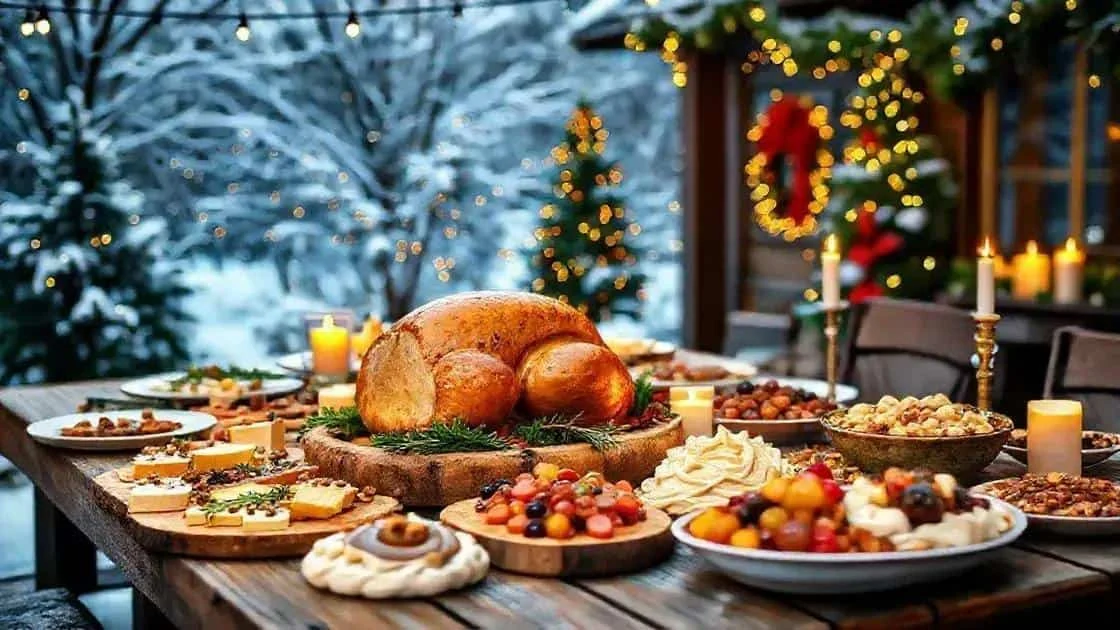
These country Christmas menu ideas are suggestions rather than complete recipes. Roast turkey with herbs and a citrus-based sauce is one possible centrepiece, but it is not compulsory. Choose a tested recipe and a menu that suits your guests, equipment and available time.
Simple Starters
A cheese and cold-meat board with bread may suit some guests; provide alternatives for different diets. Fruit preserve can add contrast. Keep perishable items chilled until serving, label allergens and do not offer honey to children under one year old.
Choose a Few Side Dishes
Consider mashed potato with leek, or Brazilian bacon farofa, a toasted cassava-flour side dish. A chickpea and vegetable salad adds another option. Check ingredients and allergens, and offer a suitable meat-free alternative where needed.
Dessert Ideas
A homemade apple tart or Brazilian chocolate pavê, a layered chilled dessert, can finish the meal. Use a complete recipe with quantities and storage instructions. Seasonal fruit choices will differ between a British winter and a Brazilian summer.
Drinks for Different Preferences
Adults who drink alcohol might enjoy red-wine sangria, while fruit juice, sparkling water or a warm alcohol-free drink can provide alternatives. Label drinks clearly and do not assume that a cooked or warmed alcoholic drink is alcohol-free.
Choose fewer dishes that you can prepare well rather than an oversized menu. Ask about dietary needs, plan fridge space and use safe storage and reheating instructions. The meal should leave time to spend with your guests.
Make small Christmas gifts by hand
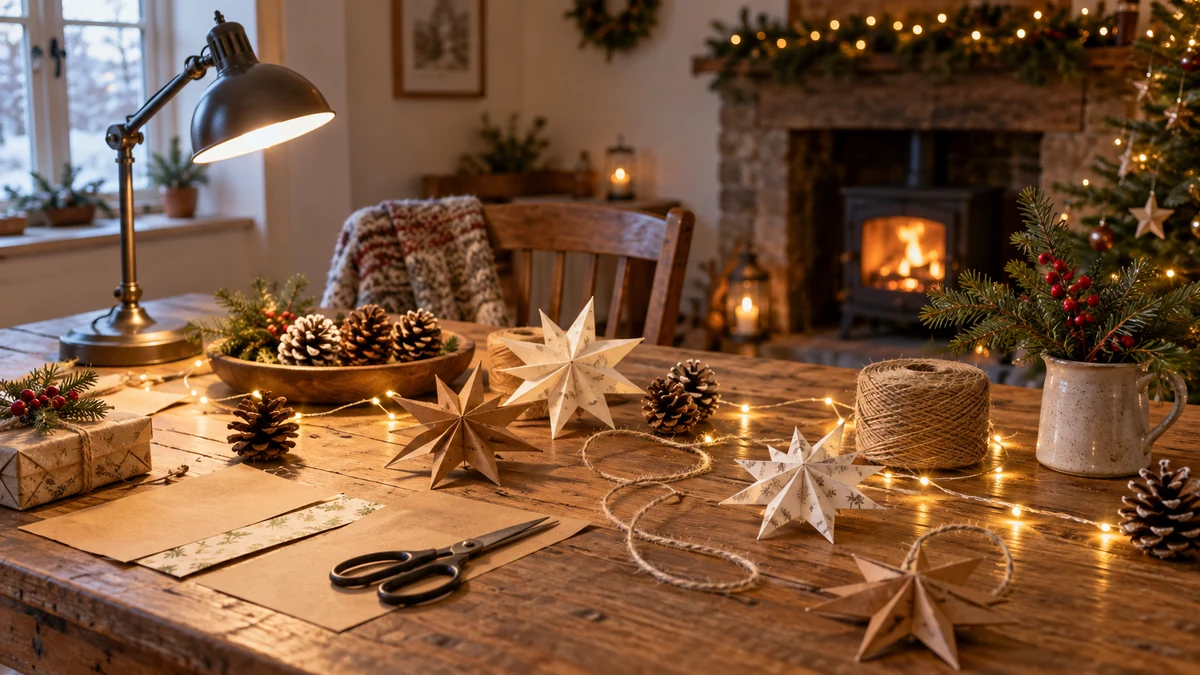
Christmas crafts can turn a few materials into a personal present. Choose a project suited to your skills and the recipient’s tastes. Handmade gifts can be inexpensive, but check the cost of new supplies before starting.
Small Decorations
Clean wine corks can be arranged into a simple decorative shape by adults or older children with supervision. Use appropriate adhesive and keep the finished ornament away from heat. Corks and small attached pieces are unsuitable as toys for young children.
Personalise the Packaging
Decorate a plain box with a drawing, spare fabric or ribbon. Children can add pictures using suitable materials. Keep packaging simple and remove unnecessary mixed embellishments if they would prevent reuse or recycling.
Homemade Food Gifts
Pack suitable homemade treats in clean, food-safe packaging and add a personal card. Include ingredients, allergens, storage instructions and when they should be eaten. Do not assume a homemade food has a long shelf life simply because it is in a closed jar.
Personal Photo Frames
Decorate an existing photo frame or make a lightweight card version with a secure stand. Use a photograph the people pictured are happy for you to share. Avoid sharp twigs or unstable attachments that could break off.
A small Christmas craft can be meaningful when it suits the recipient. The thought behind it matters more than making something complicated, and a simple handwritten message may be all that is needed.
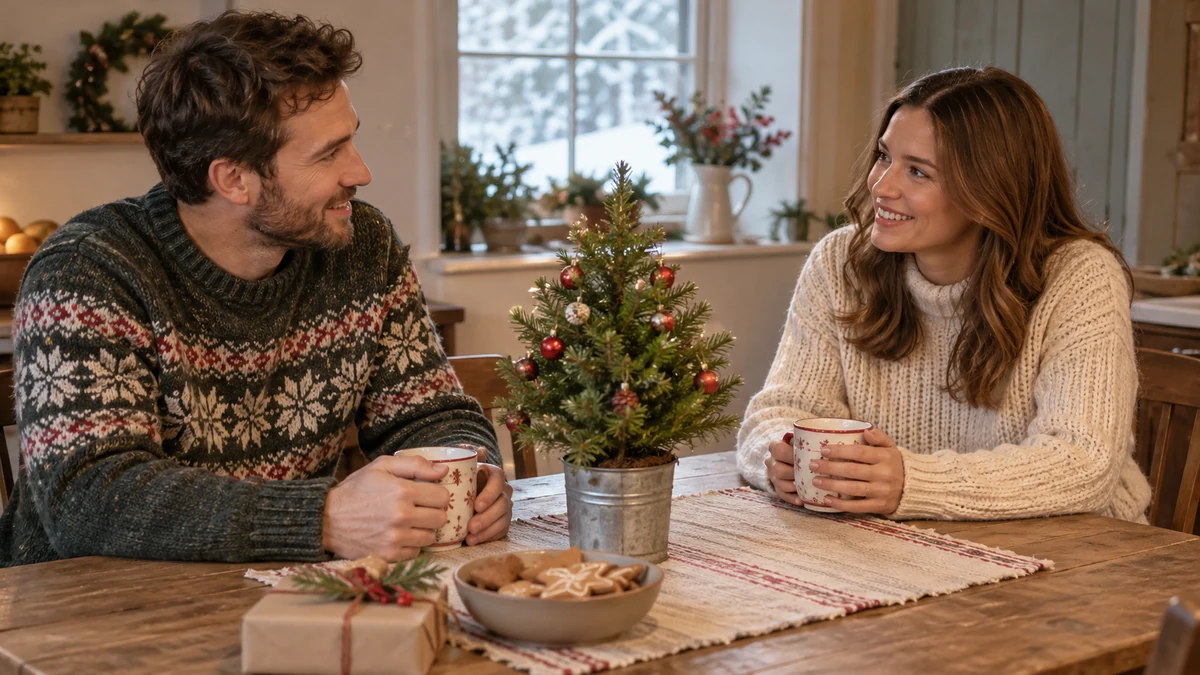
Christmas traditions in the countryside vary between families and regions. A shared Christmas meal is one possibility, perhaps using recipes passed between generations. Avoid assuming that rural households all celebrate in the same way.
A Family Nativity Scene
Some Christian families enjoy setting up a nativity scene with inherited or handmade figures. A stable base and simple backdrop are enough. Explain its religious meaning to children while respecting different beliefs and keeping fragile pieces out of reach.
Thoughtful Gift Exchanges
A gift exchange might include a homemade item, something useful or no bought presents at all. Creativity is not exclusive to country life, and handmade toys need appropriate safety consideration. Agree a budget and make participation optional.
Music and Shared Stories
Christmas songs can accompany a gathering indoors or in a suitable outdoor space. Keep the volume comfortable and ask what people enjoy. A bonfire is not necessary for atmosphere, particularly where weather, fire restrictions or the surroundings make it unsafe.
Uncomplicated Decorations
A few evergreen sprigs, ribbons or reusable ornaments can add a seasonal touch. Check plant suitability, keep decorations clear of heaters and leave doors and paths unobstructed. The result can be simple without pretending that every rural home follows one style.
Choose traditions that feel right for the people present. A familiar ritual can be adapted to a new home, a different climate or a smaller gathering without losing its meaning.
Invite children to join in
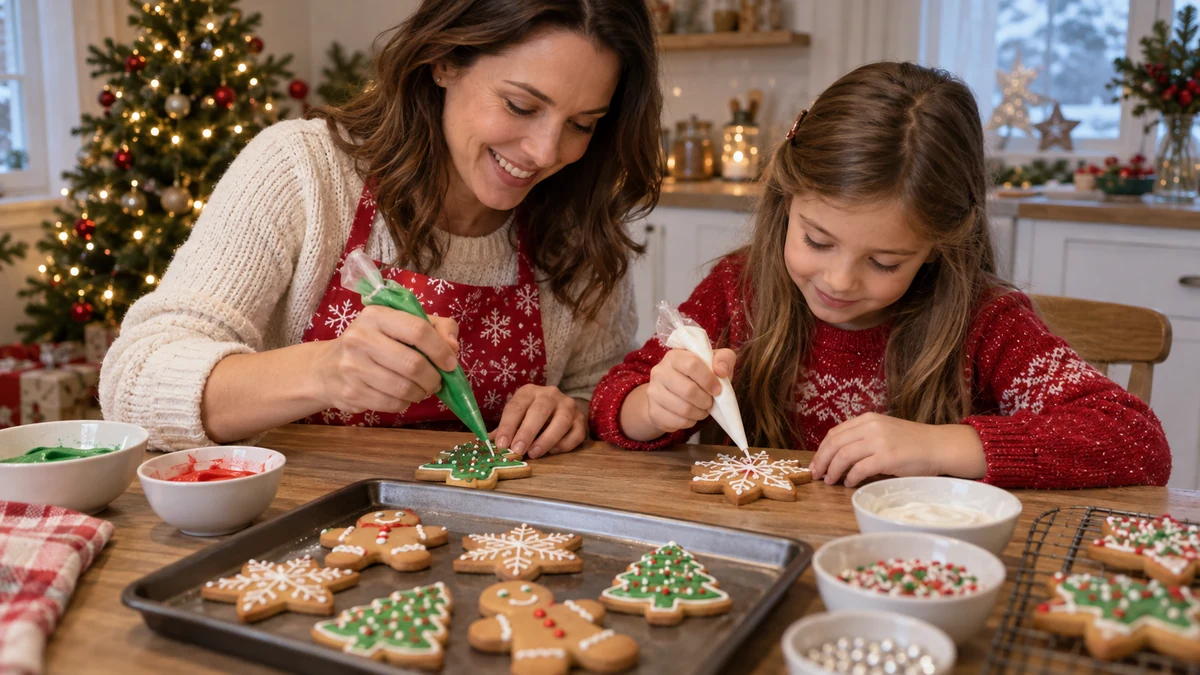
Sharing the enjoyment of Christmas with children can start with a manageable task. If making a nativity scene is part of your family’s tradition, explain the figures and offer safe pieces to arrange. Let children ask questions and choose whether to take part.
Simple Creative Activities
For Christmas crafts, provide paper, colouring materials and age-appropriate tools. Adults should supervise scissors and glue and handle hot or sharp equipment. A short activity is often more enjoyable than an elaborate project.
Help with the Meal
Children can stir suitable mixtures, arrange napkins or decorate cooled biscuits under supervision. Keep them away from hot pans and raw meat preparation, and do not let them taste raw dough. Give them a clear task and time to stop when they have had enough.
Sing or Move Together
A little festive singing or dancing can be fun for those who enjoy it. Participation should be optional, and a performance for adults is not required. Keep the volume comfortable and clear the floor of trip hazards.
Read a Christmas Story
Choose an age-appropriate illustrated book or invite someone to share a family memory. Let children ask questions or simply listen. A quiet story can provide a welcome break from a busy gathering.
The aim is to include children comfortably, not to make every moment magical. Flexible plans, supervision and opportunities to rest help the day work for different ages.
Plan a lower-waste Christmas within your budget
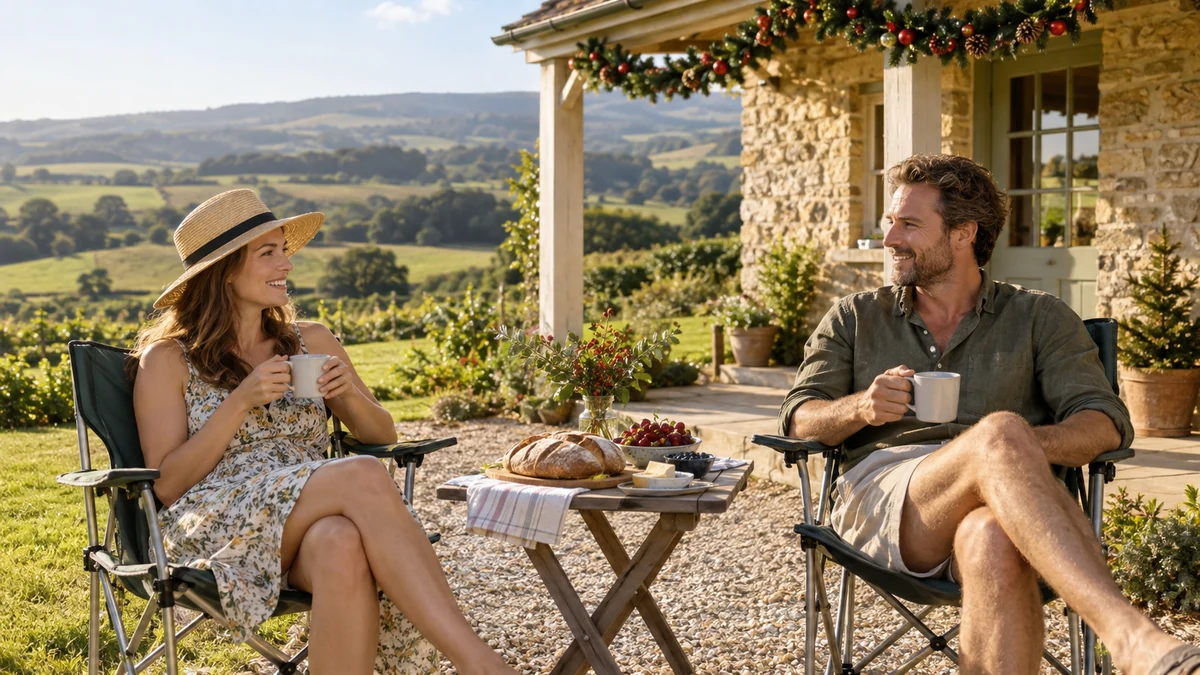
A lower-waste country Christmas starts with realistic plans. Reusing decorations you already own may avoid new purchases, provided the items are safe and suitable. Handmade, natural and locally bought are not automatic guarantees of lower environmental impact.
Thoughtful Homemade Presents
If making homemade treats, choose a reliable recipe and a quantity you can store and give away safely. Use clean, food-safe containers. For preserves, follow a tested preservation method rather than assuming an ordinary reused jar makes food shelf-stable.
Shop with the Menu in Mind
Local and seasonal ingredients may suit your menu and support nearby producers, but compare price, growing methods and what you will actually use. Location alone does not determine a food’s environmental footprint. Avoid buying extra simply because it is marketed as seasonal.
Use Resources Carefully
Be thoughtful with water and energy, use lights only when needed and plan cooking around the equipment you have. Store leftovers safely and use them promptly, following current food-safety guidance. Reducing excess portions is often easier than finding uses for too much food afterwards.
Choose Suitable Outdoor Activities
A short walk or simple outdoor activity may suit the group if weather and access allow. Check daylight, paths and suitable clothing; follow local access rules and keep clear of livestock and machinery. A picnic may suit a Brazilian summer, while a British winter gathering needs a warm indoor alternative.
These choices can help manage cost and avoid unnecessary waste, though no celebration is impact-free. Focus on changes that are practical for your household rather than trying to meet an idealised image of country life.
A Simpler Country Christmas
Celebrating in the countryside can provide a setting for familiar food, decorations and time together. A sensible budget and a manageable plan help keep preparations from taking over. You do not need to buy a new rustic look to enjoy the place you are in.
Choose a few activities, ask guests what they need and allow plans to change with the weather. A homemade gift or shared dish can be welcome, but only when it suits the recipient and can be prepared safely.
Keep what is useful, avoid unnecessary purchases and enjoy the traditions that matter to you. A thoughtful celebration can be modest, imperfect and personal.
FAQ — A Simpler Christmas in the Countryside
How can I decorate on a small budget?
Start with safe decorations you already have, then add a few paper or fabric details. Reuse intact materials rather than buying a large collection of new craft supplies.
What makes a thoughtful lower-waste gift?
Choose something the recipient wants and will use, whether bought or handmade. A personal note or small food gift can work, but handmade items are not automatically cheaper or more sustainable.
How should I choose food for a lower-waste Christmas meal?
Plan realistic portions, use ingredients you already have and compare suitable seasonal options. Consider production, storage and likely waste as well as where the food comes from.
What inexpensive activities can the family do together?
Try a story, a board game, a simple craft or a short walk suited to the weather and everyone’s mobility. Keep an indoor alternative and make participation optional.
How can I avoid wasting food during the celebrations?
Check supplies before shopping, plan portions and fridge space, and serve manageable quantities. Cool, store and use leftovers according to food-safety guidance rather than leaving them on the table for long periods.
How can children feel included in Christmas preparations?
Offer safe, age-appropriate tasks such as drawing cards, arranging napkins or decorating cooled biscuits. Supervise tools and cooking, and allow children to take breaks or choose another activity.
Sources and Further Reading
- Food Standards Agency: Christmas food hygiene
- Food Standards Agency: cooking food safely
- Food Standards Agency: chilling freezing and defrosting