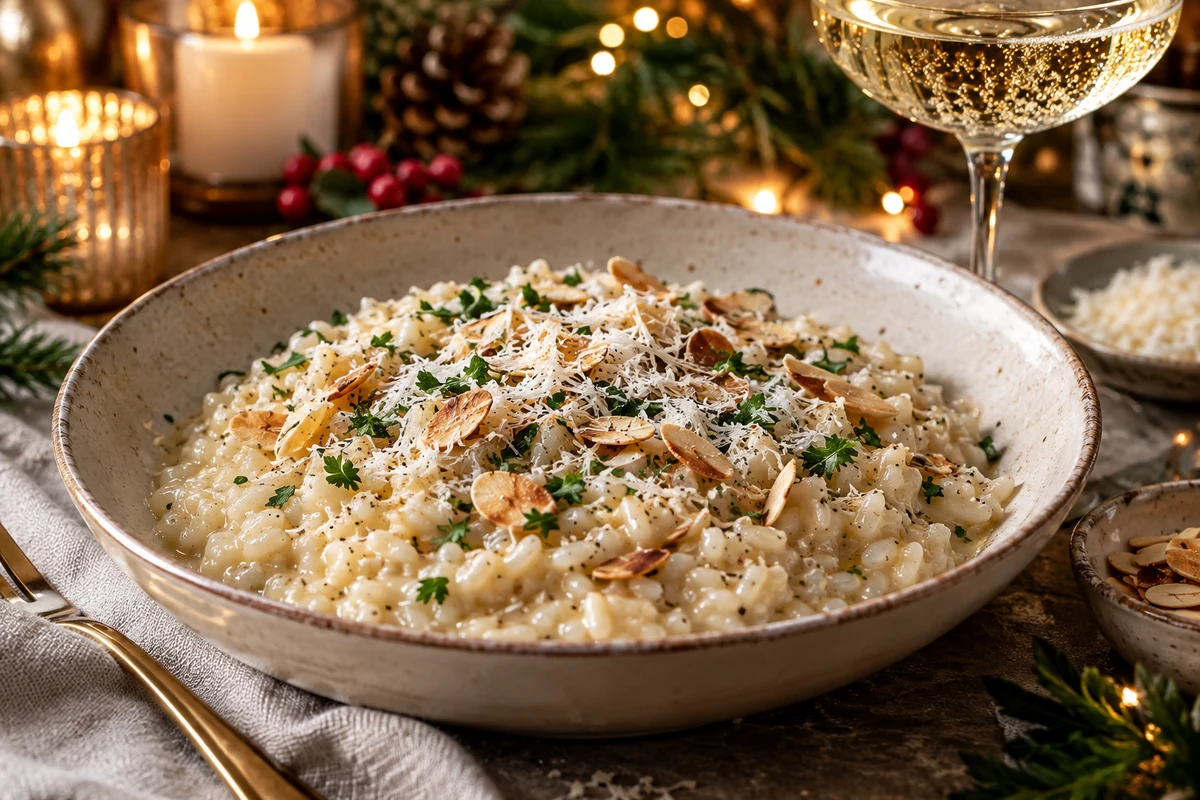
These Christmas salt cod fritters combine desalted cod, potato and herbs with a crisp breadcrumb coating. Follow the shaping and frying steps, explore baked and plant-based variations, and plan how to serve them hot without losing their crunch.
Christmas salt cod fritters, or bolinhos de bacalhau, make a welcoming starter for a festive meal. This version adds a breadcrumb coating to the familiar potato-and-fish mixture for extra crunch.
Ingredients for Crispy Christmas Salt Cod Fritters
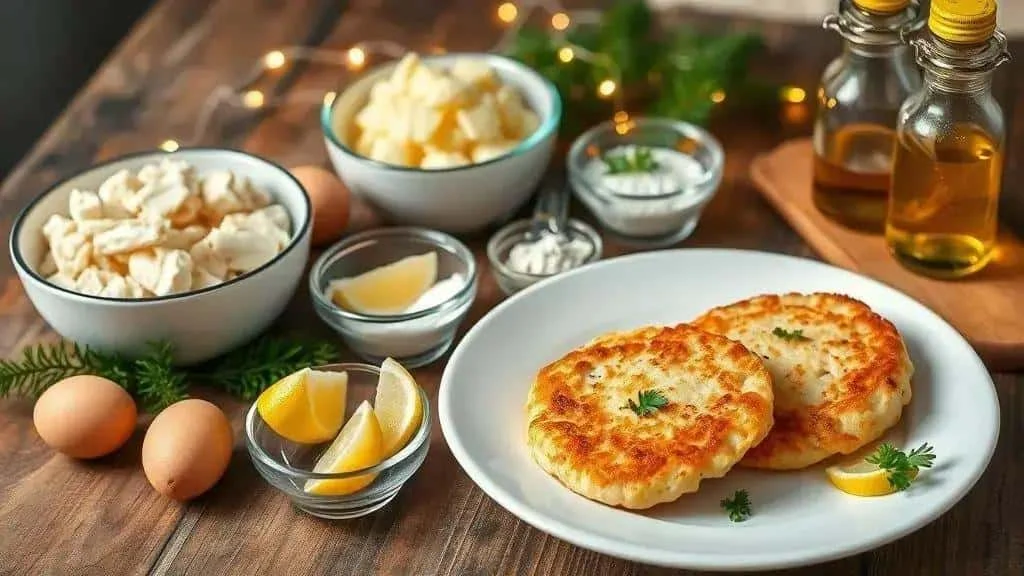
For these crispy Christmas salt cod fritters, prepare the fish before you begin mixing. The quantities below refer to fish that has already been desalted and drained.
- 500 g desalted, cooked and flaked salt cod — follow the supplier’s soaking instructions, keeping the fish refrigerated. Ready-desalted cod is convenient, but still needs cooking if sold raw; weigh 500 g after preparation rather than substituting a smaller pack automatically.
- 500 g cooked, mashed potato, roughly four medium potatoes depending on size — drain well. Properly prepared and fully cooked cassava is another possible base, but its moisture and binding properties differ; 400 g is not a guaranteed equivalent.
- 2 large eggs — for binding; have one extra egg available for the coating.
- ½ cup plain flour — add gradually according to texture. For a gluten-free version, rice flour or tapioca starch may be used as a binder, but the quantity needs adjustment and every coating ingredient must also be gluten-free.
- ½ cup breadcrumbs or panko, plus more if needed — for coating. Panko gives a lighter, coarser crust; ordinary panko contains wheat.
- 1 medium onion, finely chopped — alternatively, use 2 tablespoons finely chopped spring onions for a milder flavour.
- 2 garlic cloves, finely chopped — or ½ teaspoon garlic powder.
- ¼ cup chopped parsley — or a mixture of parsley and spring onions, with a little coriander if preferred.
- Black pepper to taste and salt only if needed — salt cod can retain plenty of salt after soaking, so season cautiously.
- Vegetable oil for frying — sunflower or rapeseed oil works well. The amount depends on the fryer or pan; do not assume that a litre is appropriate for every pan or fill it more than one-third full.
Quick Substitutions and Tips
- Extra crunch: replace fine breadcrumbs with panko for a lighter crust.
- Baked version: brush the shaped fritters with oil and bake at 200°C for about 20–25 minutes, turning halfway. Check that the centre is fully cooked; time depends on size and starting temperature.
- Check the seasoning safely: cook a small sample before tasting. Do not taste the uncooked mixture, which contains raw egg and flour.
- Aim for a firm mixture: it should hold its shape. Add flour little by little so the fritters do not become heavy or dry.
How to Make Crispy Christmas Salt Cod Fritters

- Prepare the cod: desalinate according to the supplier’s instructions in the fridge, then cook if necessary. Remove skin and bones, flake finely and drain well. Salt curing alone does not mean the fish is ready to eat.
- Cook the aromatics: heat 1 tablespoon oil and gently cook the chopped onion and garlic until softened. Allow to cool before mixing with the other ingredients.
- Combine the base: mix 500 g cooked mashed potato, 500 g prepared cod, the onion and garlic, and ¼ cup parsley in a large bowl.
- Bind the mixture: beat in the two eggs one at a time, then add the ½ cup flour gradually. Use only enough to make the mixture shapeable; very wet potato or fish may need further draining rather than large amounts of flour.
- Adjust the seasoning: fry a small spoonful until cooked through, let it cool slightly and taste it. Adjust pepper and, only if necessary, salt.
- Chill: cover and refrigerate for 20–30 minutes to make shaping easier.
- Shape: with lightly dampened hands, form tablespoon-sized balls or small ovals. Place on a lightly floured tray; keep the pieces similar in size.
- Coat: set out three bowls with extra flour for dusting, the additional beaten egg, and the breadcrumbs. Dip each fritter in flour, then egg, then crumbs. These coating ingredients are separate from the flour and eggs already mixed into the filling.
- Fry: heat the oil to 170–180°C, using a suitable thermometer. Fry a few fritters at a time until golden, turning if necessary. About 3–4 minutes is a guide, not a guarantee: the centre should reach 70°C for two minutes, or 75°C for 30 seconds.
- Drain and serve: lift out with a slotted spoon and drain on a rack over a tray. Serve promptly. If briefly holding in a 90–100°C oven, check that the food stays above 63°C rather than relying on the oven dial alone.
- Bake instead: brush with oil, arrange on a suitable non-stick tray and bake at 200°C for approximately 20–25 minutes, turning halfway. They should be golden and fully cooked in the centre.
- Finish simply: serve with lemon wedges, herby mayonnaise or a light vinaigrette, and a little fresh parsley.
Practical Tips
- Texture: the mixture should be moist but firm. Too much flour makes the fritters dense.
- Oil temperature: use a thermometer suitable for frying. Browning alone cannot tell you whether the centre is cooked. Never leave hot oil unattended or put water on an oil fire.
- Freezing: freeze shaped, coated fritters separately on a tray, then transfer to a labelled freezer container. For predictable cooking, thaw in the fridge, use within 24 hours of complete thawing and cook thoroughly. Do not assume an extra minute or two will safely cook every frozen size.
Christmas Salt Cod Fritter Variations

You can adapt crispy Christmas salt cod fritters with different coatings, fillings and serving sizes. Plant-based versions are a separate recipe variation rather than salt cod fritters in the literal sense.
Extra-Crispy Panko Coating
Use panko instead of fine breadcrumbs for a lighter, craggier crust.
- Coating station: start with ½ cup extra flour, one beaten egg and ¾ cup panko. Top up if necessary; these are coating quantities, not additions to the filling.
- Cooking: fry at 170–180°C until golden and thoroughly cooked. The usual 3–4 minutes may change with the size of the fritters.
Cheese-Filled Fritters
A small cheese filling gives a creamy centre. Serve hot, but allow guests to avoid biting into scalding cheese.
- Filling: the original suggestion of eight 15 g cheese pieces makes only eight filled fritters, not a full batch. Use mozzarella or a firm, chilled cream cheese in portions small enough for the chosen fritter size.
- Mixture: keep the outside mixture firm enough to seal. Adding cheese in the centre does not automatically justify reducing the flour to ⅓ cup.
- Assembly: flatten a portion, place a little cheese in the centre and seal completely before coating.
- Cooking: fry at around 170°C until the coating is golden and the centre is properly hot. Larger filled fritters may take longer than 3–4 minutes.
Baked and Gluten-Free
A baked version uses less frying oil. To make it gluten-free, check both the binder and the coating, as well as seasonings and preparation surfaces.
- Binder: rice flour or tapioca starch can replace wheat flour, added gradually. The original suggestions of ½ cup rice flour or ⅓ cup tapioca starch are starting points, not a tested interchangeable formula; cook a small sample to check the texture.
- Coating: use explicitly gluten-free breadcrumbs or gluten-free panko, including gluten-free flour at the first coating stage.
- Baking: brush with oil and bake at 200°C for around 20–25 minutes, turning halfway and checking the centre. A brief grill finish can add colour, but use a grill-safe tray and watch constantly.
Plant-Based Hearts of Palm or Jackfruit Fritters
For a fish-free alternative, hearts of palm or young green jackfruit provide texture, but they do not reproduce the flavour of cod.
- Base: use 500 g cooked mashed potato with 300 g well-drained, chopped hearts of palm or prepared shredded young jackfruit.
- Binding: chickpea flour or tapioca starch can help bind the mixture. The source suggests 2 tablespoons chickpea flour or 3 tablespoons starch with 2 tablespoons olive oil, or 3 tablespoons aquafaba; these options are not equivalent and are not a validated complete formula. Adjust cautiously and cook a test fritter before shaping the batch.
- Seasoning: add ½ chopped onion, one garlic clove, ¼ cup parsley, pepper and a little salt. Cook the onion and garlic first, as in the main method.
- Coating and cooking: use a plant-based coating method instead of the egg dip and check that the breadcrumbs are vegan. Fry at about 170°C or bake at 200°C until cooked through; timings need checking for this different mixture.
Mini Fritters for a Party
Small fritters suit a drinks reception or starter platter. Adjust the portion size and cooking time together.
- Size: weigh portions of 12–15 g if you want consistent mini fritters.
- Yield: weigh the finished mixture and divide by your chosen portion weight. A base containing 1 kg of fish and potato alone would already make more than 60 pieces at 12–15 g, so the original 50–60 estimate is not consistent with those sizes.
- Cooking: small pieces may take around 2–3 minutes in oil at 170–175°C, or 12–15 minutes in a 200°C oven. Check a representative centre rather than relying only on time or colour.
- Serving: arrange on a platter with separate dip bowls. If using cocktail sticks, make them obvious and keep them away from young children.
Olive and Sun-Dried Tomato Variation
Olives and sun-dried tomatoes add a savoury Mediterranean-style flavour.
- Additions: fold in ⅓ cup chopped green olives and ¼ cup chopped sun-dried tomatoes, rehydrated or drained as appropriate to the product.
- Seasoning: add 1 tablespoon olive oil, lemon zest and basil or oregano. Start with less if using dried herbs, which are more concentrated than fresh.
- To serve: offer yoghurt and herb sauce or a little olive oil. Taste a cooked sample before adding salt, since olives and tomatoes also contribute seasoning.
How to Keep the Fritters Crisp

- Use panko: its coarse crumbs create a light, crunchy coating.
- Firm up the mixture: refrigerate for 20–30 minutes before shaping to reduce the risk of pieces falling apart.
- Control the oil temperature: keep it around 170–180°C and check with a thermometer. Lower the heat if the coating colours before the centre cooks.
- Avoid overcrowding: fry a few at a time so the oil does not cool sharply.
- Double frying is optional: a lower-temperature first fry followed immediately by a brief hotter finish can add crunch, but it is not needed for the main method. Do not partially cook the egg-and-fish mixture and leave it standing for later.
- Coat evenly: work through flour, egg and crumbs, pressing gently to help the coating adhere.
- Add a little starch: 1–2 tablespoons cornflour mixed into the coating flour can give a crisper surface.
- Choose a suitable oil: sunflower or rapeseed oil has a neutral flavour and is suitable for frying. Do not let it smoke.
- Freeze for convenience, not as a cooking shortcut: freezing preserves shaped portions, but frozen centres need careful cooking. Follow the refrigerator-thawing method above unless using a separately validated cook-from-frozen method.
- Hold briefly: use a rack in a low oven to reduce trapped steam, checking that hot-held food remains above 63°C. Freshly fried fritters have the best texture.
Serving Techniques
- Do not cover the serving tray tightly: trapped steam softens the crust.
- Keep dips separate: let guests add sauce just before eating.
- Serve small batches: replenish the platter as needed instead of leaving everything out at once.
Side Dishes and Christmas Table Ideas

Serve crispy salt cod fritters as a starter or part of a varied sharing table. These accompaniments bring freshness and contrast.
What to Serve Alongside
- Dips: herby mayonnaise with parsley and lemon, mild aioli, vinaigrette, or yoghurt and mint sauce. Keep chilled sauces cold until serving.
- Cold salads: mixed leaves with red onion and citrus dressing, or chickpeas with tomatoes and herbs.
- Roasted vegetables: carrots, courgettes and sweet potato with olive oil and rosemary.
- Bread and toast: sliced baguette, wholemeal toast or garlic bread for the dips.
- Other warm starters: mini Brazilian mash-topped pies, potato wedges or crisp polenta sticks.
- Drinks: chilled white or sparkling wine for adults who choose alcohol, alongside sparkling water and lemon iced tea.
Arranging the Table
- Starter area: place the fritters on an accessible central platter, with small bowls of sauce nearby.
- Easy movement: arrange plates, cutlery and food in a clear sequence so guests can help themselves without doubling back.
- Different heights: use stable stands to vary the display without making hot food difficult to reach.
- Labels: identify dips and any genuinely gluten-free or vegan options. Put labels beside the food, not on it.
Portions and Timing
- Per person: four to six small fritters may suit a starter, or eight to ten as part of a substantial snack meal. Adjust for their actual size and the other dishes served.
- Preparation: shape and coat ahead, keeping the mixture refrigerated. Fry close to serving for the best texture.
- Batch size: the base may make approximately 30–40 medium fritters, depending on portion weight. Weigh the complete mixture if you need an accurate count.
Presentation and Garnishes
- Finishing touches: scatter with parsley, lemon zest or a little chilli flake, according to taste.
- Plates and serving tools: provide small plates and tongs, or clearly visible cocktail sticks for adult guests.
- Serving temperature: offer the fritters hot, with lemon wedges on the side, allowing fillings to cool enough to eat safely.
Planning Ahead for Christmas
- For children: serve suitably sized, cooled pieces without sticks and with a mild sauce. Check carefully for fish bones.
- Allergies and dietary needs: fish, eggs and wheat are present in the main recipe. Separate trays alone do not prevent cross-contact; ingredients, utensils and frying oil also need appropriate separation.
- Advance preparation: prepare suitable dips and salads the day before and refrigerate them. Shape and freeze fritters if making them further ahead. Chill cooked leftovers within two hours and eat within 48 hours, or freeze; reheat only once until steaming hot throughout.
- Festive styling: use neutral crockery and lemon slices. Keep decorative greenery away from food and serving surfaces; it is not automatically edible or food-safe.
Salt Cod and Christmas Traditions

Salt cod is cod preserved by salting, often followed by drying. Its distinctive flavour has made it a familiar ingredient in Portuguese and Brazilian festive cooking.
Origins and Preservation
North Atlantic cod was salted and dried so that it could be transported and stored before modern refrigeration. Preparation today still involves removing excess salt, but storage and soaking should follow the product’s instructions.
Salting and soaking: soak in cold water in the fridge, changing the water as directed by the supplier. Thickness and curing vary, so 24 hours is not a universal rule. Cook a small sample if you need to assess saltiness; do not taste raw fish.
Salt Cod at Christmas
Salt cod is associated with Christmas Eve meals in Portugal and is also popular on Brazilian Christmas tables. It may be served with vegetables, baked with potatoes or made into fritters.
Families have their own preferences, from large flakes with potatoes to olive-oil-rich dishes and small crisp fritters. This recipe retains that Portuguese-Brazilian context rather than presenting the dish as a British Christmas tradition.
Kitchen Notes
Different cuts have different textures and yields. Well-kept cooked salt cod can be used in fritters, provided it has been chilled promptly and is still within its safe storage period.
Buying fish: choose a reputable supplier, intact packaging and appropriate storage conditions. Avoid fish with an unusual ammonia smell, but remember that appearance and smell alone cannot establish food safety.
Nutrition and Sourcing
Cod contributes protein, while the finished fritters also contain potato, flour and frying oil. Their salt content depends on the fish and preparation. Check the species, origin and current sourcing information rather than assuming every salt cod product is sustainable.
Careful storage, soaking and portion planning help you use this traditional ingredient well and reduce waste.
With a firm mixture, an even coating and controlled cooking, these fritters make a crisp, savoury addition to a Christmas meal.
Choose a variation that suits your guests, checking any dietary adaptations separately before making a large batch.
Explore more recipes, kitchen tips and festive serving ideas on the blog and its social channels.
Visit and follow the I Love Christmas blog for more festive inspiration.
FAQ: Christmas Salt Cod Fritters
How should I desalinate salt cod?
Follow the supplier’s soaking instructions in cold water in the fridge, changing the water as directed. The time depends on thickness and curing, so do not assume 24 hours is always enough. Cook a sample before checking the saltiness.
How can I make the fritters crisp?
Drain the fish and potatoes well, chill the mixture and use panko if you like. Keep frying oil around 170–180°C without overcrowding the pan, and check that the centre cooks properly. Double frying is optional, not essential.
Can I freeze the fritters before frying?
Yes. Freeze shaped, coated portions on a tray, then store in a labelled freezer container. Thaw in the fridge and cook within 24 hours of complete thawing. Do not rely on adding only one or two minutes when cooking homemade fritters from frozen.
What changes are needed for gluten-free or vegan versions?
For gluten-free fritters, use an appropriate binder and explicitly gluten-free coating ingredients, with separate preparation equipment. For a vegan alternative, replace fish and eggs, use a plant-based coating, and test the binding of a hearts-of-palm or jackfruit mixture before making the whole batch.
How do I keep them crisp before serving?
Serve promptly on an uncovered rack or platter, with sauces separately. If holding briefly in a low oven, check that the food stays above 63°C. Avoid tightly covering hot fritters, as trapped steam softens the coating.
Sources and Further Reading
- Food Standards Agency: cooking food safely
- Food Standards Agency: chilling, freezing and defrosting food
- Handling flour and flour products safely