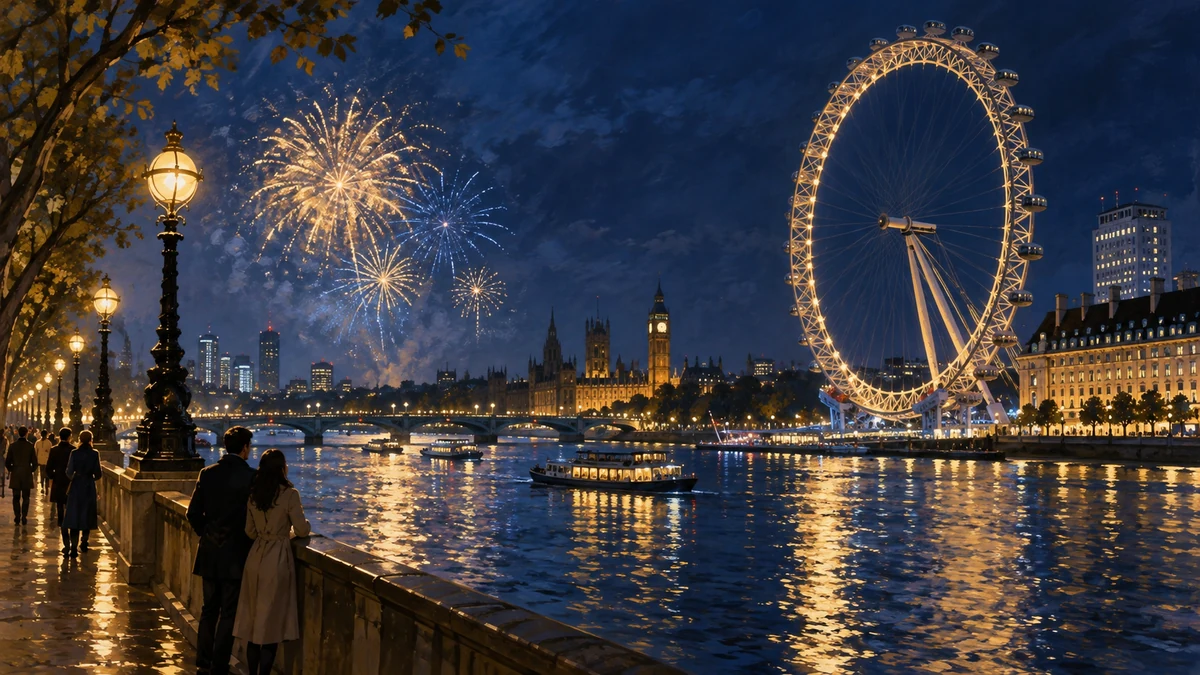
New Year in England can mean London’s midnight fireworks and Big Ben’s chimes, a pub party, Auld Lang Syne or a quiet evening at home. Traditions vary, and first-footing is especially associated with Scotland rather than England as a whole. Check tickets, transport and winter conditions before making plans.
New Year in England combines public celebrations with more intimate gatherings. London’s fireworks attract attention, but there are plenty of ways to mark the occasion elsewhere. This guide explores traditions, food and practical choices without assuming everyone celebrates in the same way.
Illustrations in this article are conceptual images, not documentary photographs or evidence of a particular historical event, destination, venue or access route.
Familiar British New Year traditions
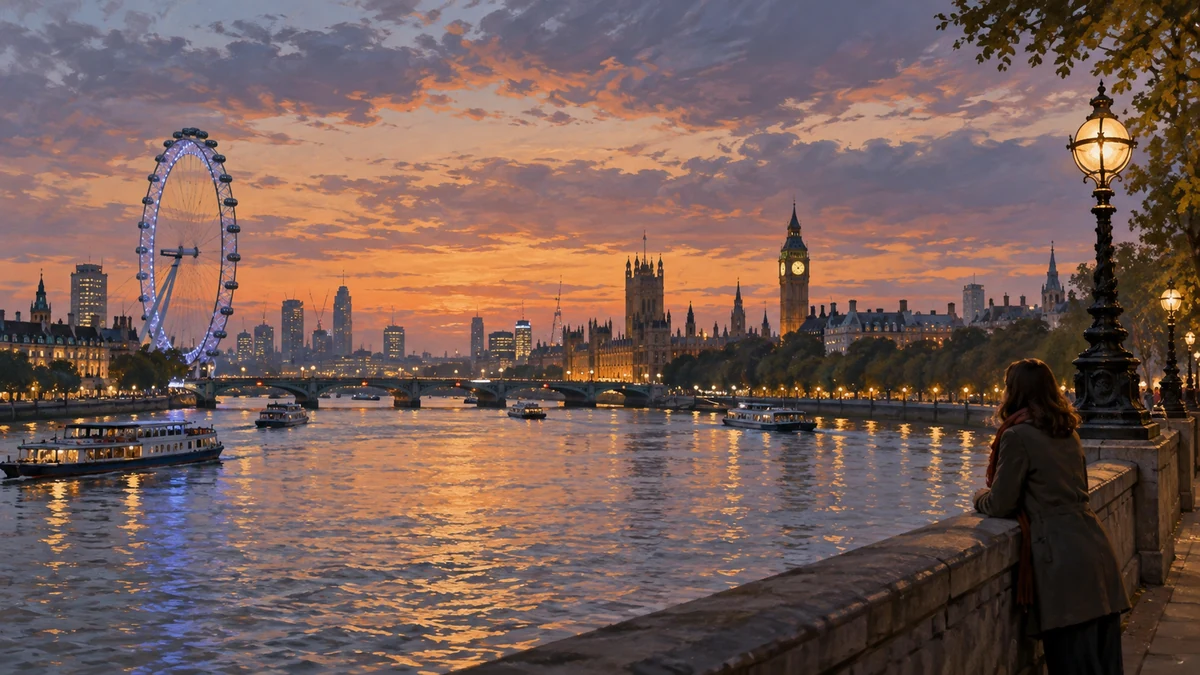
British New Year traditions range from televised fireworks and Big Ben’s chimes to meals with friends and celebrations in local pubs. England has many regional and family customs rather than one compulsory way to see in the year.
The countdown and Big Ben
As midnight approaches, people may follow a television countdown, listen to Big Ben or watch a local clock. Cheers and good wishes often follow. Some gatherings sing “Auld Lang Syne”, the Scots song widely associated with remembering friendship and times past.
Fireworks and public events
Organised displays are a feature of some celebrations, particularly London’s ticketed event. Do not assume that arriving early gives you access to the riverfront: official viewing areas, road closures, security checks and entry gates determine where ticket holders can go.
Pubs, clubs and local gatherings
Many people celebrate in pubs, clubs or at home, sometimes with live music, a DJ or a midnight toast. Venues may charge admission or require bookings. Community events vary, so check the programme, age restrictions and opening hours before travelling.
Rituals and superstitions
First-footing, a symbolic visit after midnight, is particularly associated with Scottish Hogmanay. Some families elsewhere may also keep it, but it should not be presented as a universal English custom. Exchanging good wishes is a much broader practice. Source: VisitScotland: Hogmanay traditions
Symbolic gifts and something to eat
There is no single official New Year meal or drink in England. A gathering might offer a buffet, a warm supper or a few snacks, with sparkling wine, alcohol-free drinks or whatever the hosts and guests prefer.
Practical ways to join in
- Follow the arrival time and entry instructions for your booked event; do not turn up at a restricted riverfront area without admission.
- Wear warm layers and comfortable footwear. Winter evenings can be cold, wet and windy.
- Check security requirements and transport changes, and plan an alternative route home.
- Follow stewards’ instructions, posted signs and the event’s rules.
The variety is part of the appeal: a large public celebration, a familiar local venue or a relaxed evening with friends can all be a good way to welcome the year.
London fireworks, Big Ben and the New Year’s Day parade
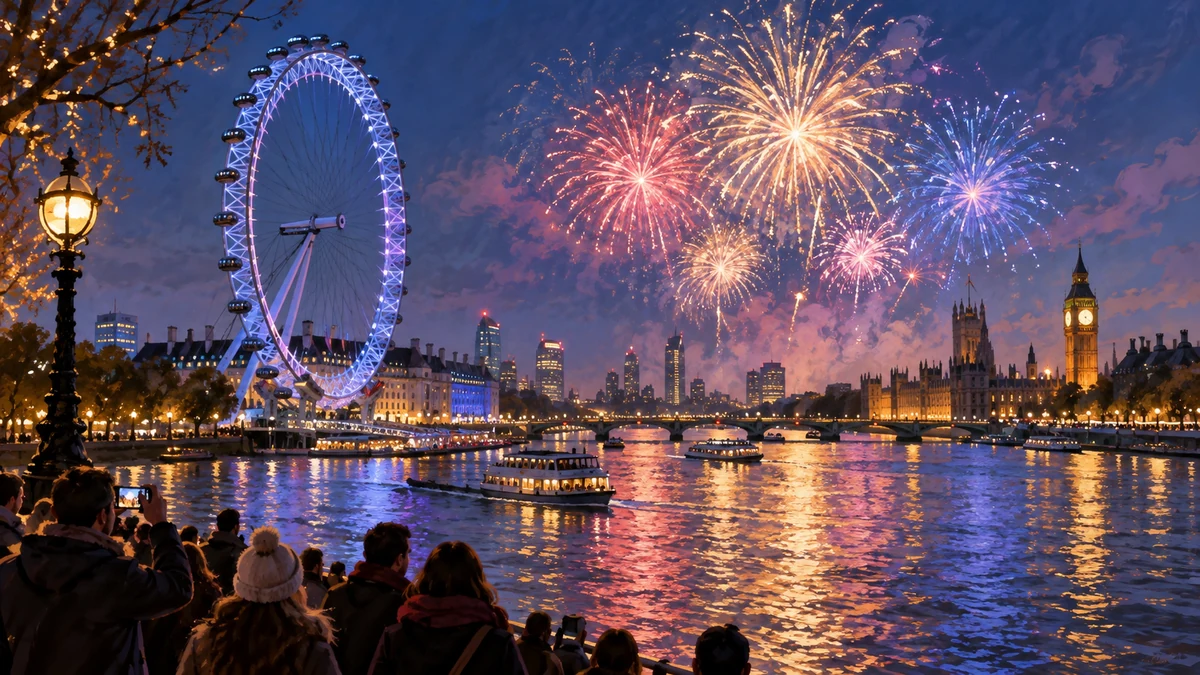
London’s midnight celebration centres on fireworks around the London Eye beside the River Thames, accompanied by the familiar chimes of Big Ben. The London Parade is a separate event on New Year’s Day, not a midnight procession along the river.
How the fireworks viewing areas work
The main event uses ticketed, colour-coded viewing areas. Check the current official map and your ticket’s entry gate; a South Bank address or a nearby bridge does not automatically mean access. Areas cannot be treated as interchangeable.
Choosing where to watch
- Official viewing areas — book through the organiser’s authorised channel and follow the entry instructions for your specific area.
- Other riverside locations — do not rely on them as free alternatives. Closures, barriers and restricted sightlines may prevent access or a view.
- Rooftop bars and restaurants — ask exactly what the booking includes and whether any view is actually promised. An elevated venue is not necessarily overlooking the display.
- River cruises — confirm the operator’s itinerary, boarding point, accessibility, viewing arrangements and cancellation terms. A river trip alone does not guarantee a view of the fireworks.
Getting there and getting home
- Check Transport for London updates. Some services may run later, while particular stations, roads or entrances can close or operate differently; there is no single timetable rule for the whole network.
- Agree on a meeting place with your group. Mobile reception and data may be unreliable in a large crowd.
- Travel light and read the current prohibited-items list. The 2026 event terms exclude backpacks, suitcases and glass, among other items.
- Use only the official ticket channel linked by the organiser and do not assume tickets will be available at the gate.
Safety and comfort
Wear warm, weather-resistant clothing and keep essentials secure. Follow stewards’ and police instructions. Check the event’s accessibility arrangements before booking if anyone in your group needs step-free access, seating or other support.
Alternatives to a crowded midnight event
Watching a broadcast at home, booking a suitable pub or choosing a smaller local event may be more comfortable. River cruises and other paid parties vary greatly: a ticket does not necessarily mean a quiet setting, seating or an accessible journey.
Food and drink for a New Year gathering
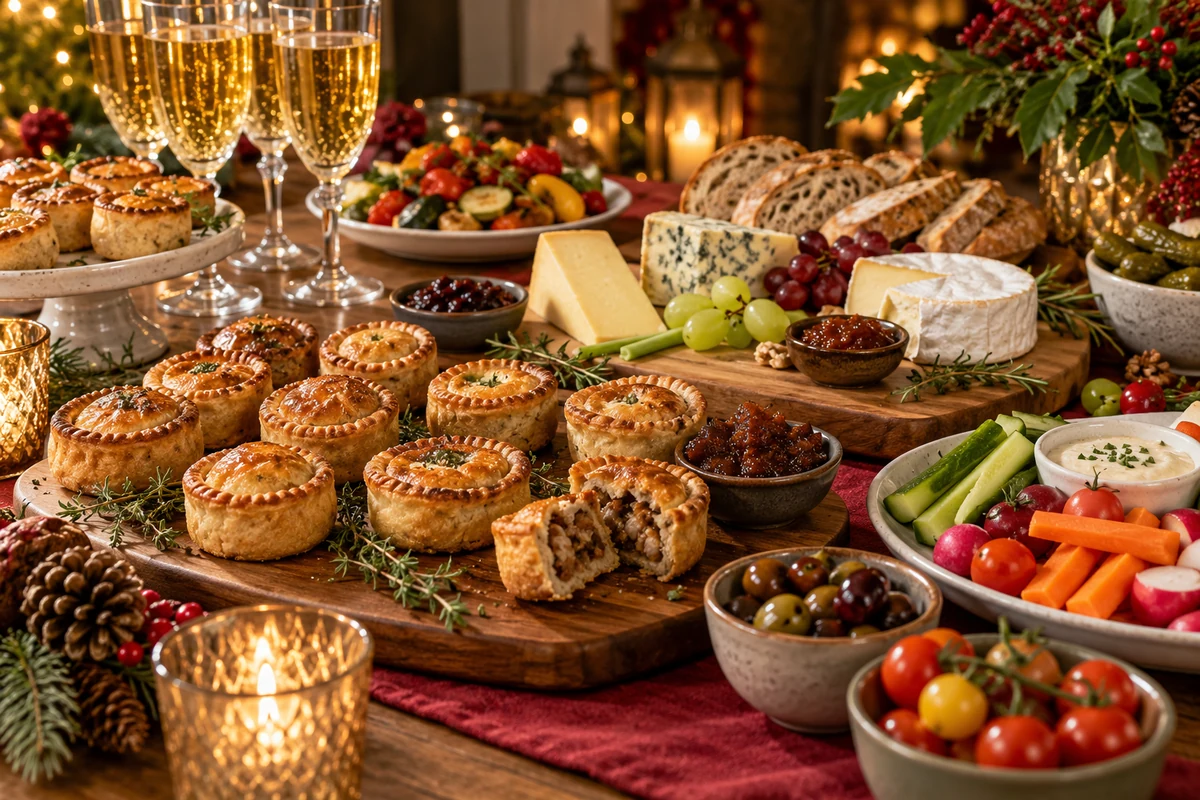
A party in England might bring together warm bites, cold dishes and drinks for a toast. The following are serving ideas, not a fixed national New Year menu.
Party food ideas
Choose a manageable selection that suits your guests and can be stored and served safely.
- Smoked salmon on blinis — a familiar canapé, but ready-to-eat cold-smoked or cured fish is unsuitable for some guests. Follow the Food Standards Agency’s advice for pregnant people and those with weakened immunity, and offer an appropriate alternative. Source: Food Standards Agency: smoked fish and listeria
- Oysters or other seafood — an optional luxury rather than a requirement. Raw shellfish carries a food-poisoning risk; properly cooked alternatives are a better choice for a mixed group, especially guests at higher risk. Source: NHS: foods to avoid in pregnancy
- Sausage rolls and pork pies — familiar savoury options. Serve according to the product’s instructions; pork pies are commonly eaten cold and still need appropriate storage.
- Prawn cocktail — use properly cooked prawns, check allergens and keep the prepared portions chilled until serving.
- Cheese, crackers and chutney — offer a selection suited to guests’ dietary needs and check storage instructions.
- Vegetarian and vegan choices — vegetable bites, stuffed mushrooms and lentil pastries can add variety. Check ingredients rather than assuming every version is vegan or allergen-free.
Drinks for the toast
Provide appealing alcohol-free options alongside any alcoholic drinks.
- Champagne or prosecco — possible choices for a midnight toast, but there is no official drink and no obligation to drink alcohol.
- Mulled wine — a warm, spiced option; a clearly labelled alcohol-free fruit drink can suit other guests.
- Gin and tonic — another optional choice for adults who drink alcohol.
- Cocktails — keep recipes and ingredients clear, and include alcohol-free alternatives.
- Beer or cider — offer water and non-alcoholic drinks too, and do not pressure anyone to join an alcoholic toast.
Practical serving tips
Put out small amounts and replenish from safely stored food rather than leaving everything on a buffet all evening. Label ingredients and allergens. Keep chilled food cold and hot food properly hot, following food-safety guidance rather than leaving perishable dishes lukewarm.
Alternatives and substitutions
Vegetable tartlets or suitable cheese canapés can replace seafood, subject to guests’ dietary needs. Alcohol-free sparkling drinks or a warm fruit punch offer a celebratory alternative to alcohol. Check labels for allergens and alcohol content.
Finishing the table
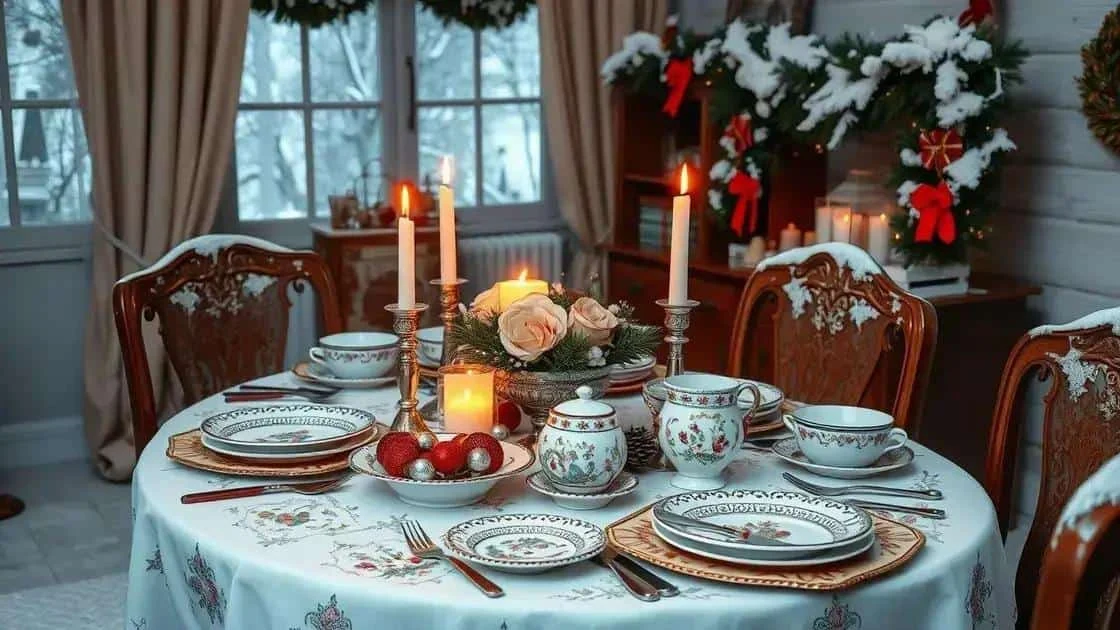
Use trays and small serving dishes to keep the table manageable. Battery-powered candles can add atmosphere without an open flame; keep loose batteries and small decorations away from children.
Superstitions, songs and the start of the year
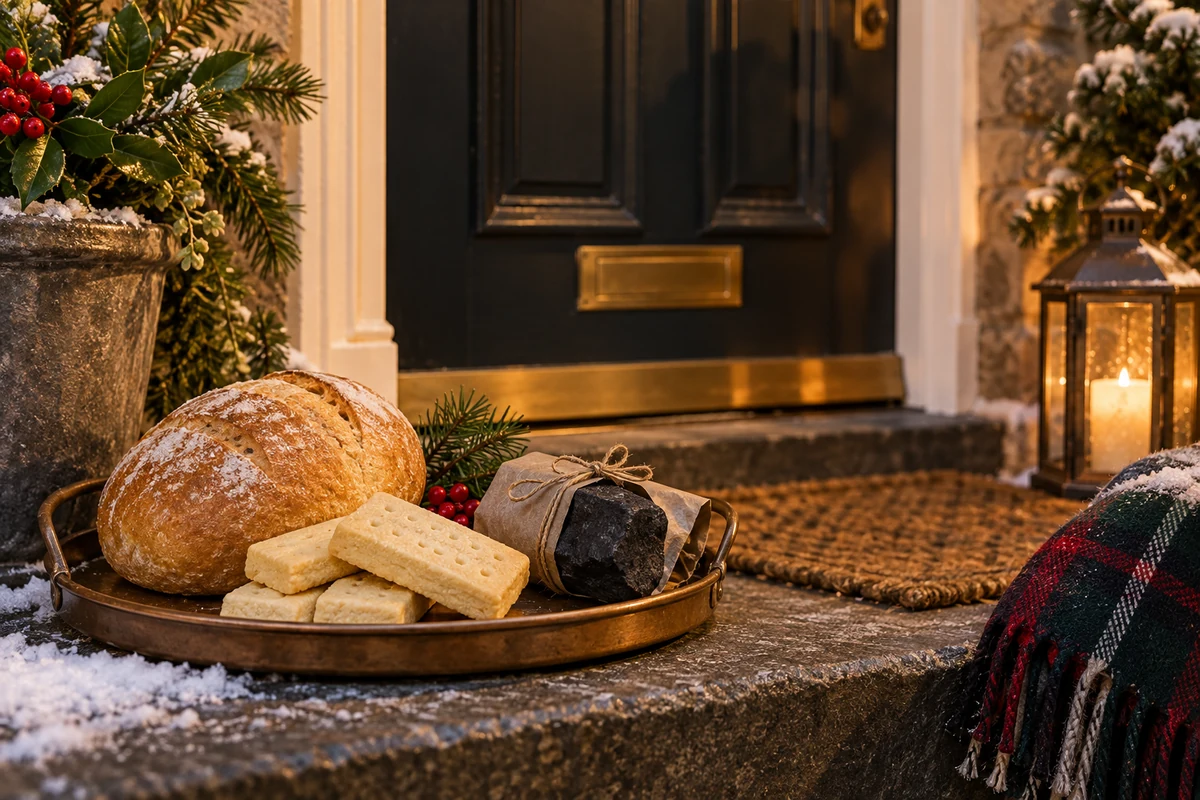
Songs and small rituals can make the change of year feel meaningful, but customs vary between countries, communities and households. Familiar British practices should not all be described as specifically English.
The first visitor: first-footing
First-footing is strongly associated with Scottish Hogmanay: a visitor arrives after midnight with a small gift and good wishes. It is symbolic, not a guarantee of luck, and households differ in how they observe it.
- Coal — traditionally associated with warmth for the household.
- Bread or shortbread — a gift of food to share, depending on the family’s custom.
- Other small gifts — follow your host’s practice rather than treating a list of objects as compulsory.
- A drink — whisky is a traditional example, but choose something appropriate to your hosts and their preferences.
Auld Lang Syne: remembering old times
“Auld Lang Syne” is a Scots song associated with Robert Burns and now sung at New Year in many places. Friends may join hands or link arms, but participation is optional. Its central themes are friendship and remembering times past.
Bells and public countdowns
Big Ben’s chimes are a familiar part of Britain’s televised New Year celebrations. Local bells and public clocks may also mark midnight, but check what is actually planned rather than expecting a ceremony at every church or town hall.
Resolutions and household traditions
Setting a resolution or reflecting on the past year is another way to mark the occasion. Food customs differ: eating pork for supposed forward progress is not a universal English New Year tradition and should not be treated as one.
Taking part respectfully
Ask your hosts before arranging first-footing. Join a song or toast only if you wish, and respect other people’s personal space during Auld Lang Syne. You do not need to follow a ritual or drink alcohol to be part of the celebration.
New Year in England with children and family

Plan around children’s ages, routines and tolerance for noise and crowds. A shorter, earlier celebration can be more enjoyable than keeping everyone awake for midnight.
Choosing a family event
Look for an event described as family-friendly, then check its actual age policy, noise levels, facilities and timetable. London’s main midnight fireworks event is not recommended for young children; the label alone is not enough to judge another venue.
An earlier countdown
An early countdown at 8 pm, or earlier if appropriate, can fit a child’s routine. Use music and simple age-appropriate decorations rather than feeling obliged to reproduce a late-night party.
Safety and comfort
- Suitable hearing protection may help at noisy events, but choose a quieter setting or leave if the noise or crowd is distressing.
- Dress children in warm layers with suitable waterproof outer clothing.
- Bring spare clothes if needed, keeping any plastic storage bags out of children’s reach.
- Agree on a meeting point and keep a responsible adult’s contact details available.
Food and sleep
Offer familiar, age-appropriate food and water, and keep bedtime needs in mind. An early celebration at home may suit young children better than a crowded display. Any video viewing should be appropriate to the child’s age rather than a requirement of the evening.
Transport and practical arrangements
Check the actual public transport timetable for your route. Services may be extended, altered or unavailable at particular stations. Leave enough time for delays and confirm a licensed taxi or other suitable return option if needed.
Activities for children
- Make paper party hats or large decorations, with adult supervision and age-appropriate materials.
- Organise a short treasure hunt with suitable prizes rather than small objects that could be swallowed.
- Choose a family film with an age rating and content appropriate to the children watching.
- Use a suitable torch for a short supervised evening walk, with batteries securely enclosed.
A simple celebration at home
A table of age-appropriate snacks, a warm drink served at a safe temperature and a few blankets can make an evening feel special. If watching a broadcast, keep the volume comfortable and respect bedtime routines.
A family checklist
- Warm clothing and any blankets you need.
- Suitable hearing protection if attending a noisy event.
- Appropriate snacks, water and prescribed medicines.
- A charged phone, power bank and necessary documents.
- A meeting plan and contact details for a responsible adult.
A good family New Year does not require a large crowd or a late night. Choose the celebration that suits your household rather than trying to fit every activity into one evening.
Transport, accommodation and safety on New Year’s Eve
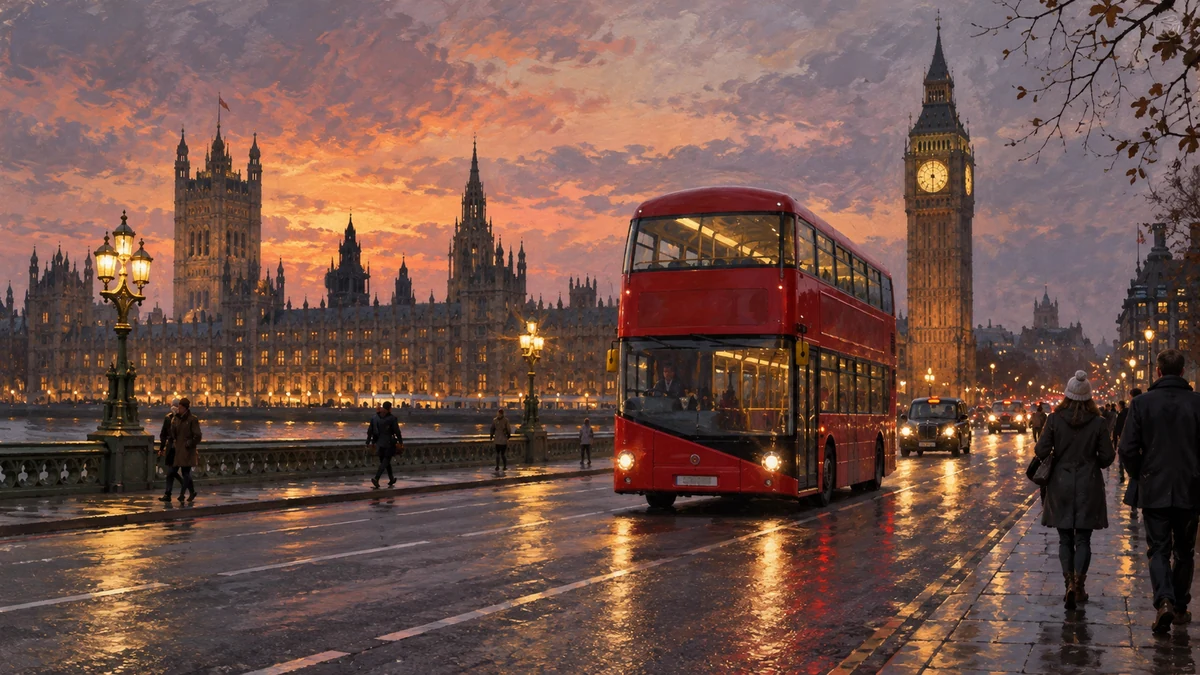
Planning cannot remove every disruption, but it can make the evening easier. Confirm essential arrangements close to the date rather than relying on a previous year’s timetable.
Transport: routes and alternatives
Check TfL for London journeys and the relevant operator elsewhere in England. Book any required tickets ahead for cruises or special services, and check which payment methods your route accepts. Do not assume every service uses London’s contactless system.
- Confirm train, Tube and bus arrangements before leaving.
- Plan safe walking routes that account for road closures and restricted areas.
- If using a taxi, arrange a licensed service and allow time for queues or traffic restrictions.
- Have an alternative station or meeting place in case the first option becomes unavailable.
Accommodation and cancellation terms
Staying near your plans may reduce the journey home, but check access during event closures. Read cancellation terms and confirm late-arrival arrangements directly with the accommodation.
- Read recent reviews and check the accommodation’s location and facilities.
- Confirm whether reception is staffed overnight or obtain clear late check-in instructions.
- Check the route from a station that is expected to be accessible after your event.
Looking after yourself and your belongings
Keep valuables secure and carry only what you need. Stay in contact with your group and agree on a recognisable meeting place. No bag design can guarantee protection from theft.
- Leave suitcases at suitable accommodation or approved storage; do not take them to an event that prohibits them.
- Keep necessary digital copies of documents in a secure location, with access protected.
- Follow instructions from stewards and police at public events.
Health and comfort
Bring warm, weather-resistant clothing and any prescribed medication you need. Check the venue’s rules for drinks and essential items. A charged phone and a realistic return plan are more useful than carrying unnecessary equipment.
- Move away from excessive noise and use suitable hearing protection where appropriate.
- Arrange warm indoor breaks for anyone who needs them, especially children and older relatives.
Useful information and communication
Keep relevant contact numbers available. In a UK emergency, call 999 or 112. Visitors may also want their consulate’s details. Agree on a meeting point that works even if phone reception fails; share live location only with someone you trust.
A short checklist
- Tickets in the format required by the organiser; a screenshot or printout is not always accepted.
- Warm layers, waterproof outerwear and comfortable footwear.
- A charged phone and suitable power bank.
- Necessary documents and securely stored copies.
- An exit route, alternative travel plan and group meeting point.
Enjoying the celebration your way
New Year in England can involve fireworks, music, food or simply spending time with people you care about. Choose a plan that suits your interests and comfort rather than assuming there is one essential experience.
Check transport, make any necessary bookings and account for children’s routines and individual accessibility requirements.
Thank you for reading. Visit the I Love Christmas blog for more festive traditions, practical planning and New Year ideas.
Frequently asked questions about New Year in England
Where can I watch London’s New Year fireworks?
Use the official event’s current viewing map and book the appropriate ticket. Do not assume public bridges, parks or river paths remain open. Private venues and cruises should confirm exactly what view, if any, their booking includes.
Do I need a ticket for the main display?
Yes, entry to the official viewing areas requires a valid ticket. Follow the organiser’s authorised sales link and the entry instructions for your area; do not rely on arriving without a booking.
Is New Year suitable for families with children?
There are suitable local and home-based options, including daytime events and early countdowns. Check each venue’s age policy and facilities. London’s main midnight fireworks event is not recommended for young children.
How should I plan transport and safety?
Check current operator updates, allow for station and road closures, arrange an alternative way home and agree on a meeting point. Keep belongings secure and follow staff instructions.
Which traditions should I know about?
Big Ben’s chimes and Auld Lang Syne are familiar parts of many celebrations. First-footing is especially associated with Scotland and varies by household; ask your hosts rather than assuming it is expected throughout England.
Sources and Further Reading
- VisitScotland: Hogmanay traditions
- London New Year’s Day Parade
- Food Standards Agency: smoked fish and listeria
- NHS: foods to avoid in pregnancy
- City Hall: London’s New Year’s Eve
- Transport for London: journey planner