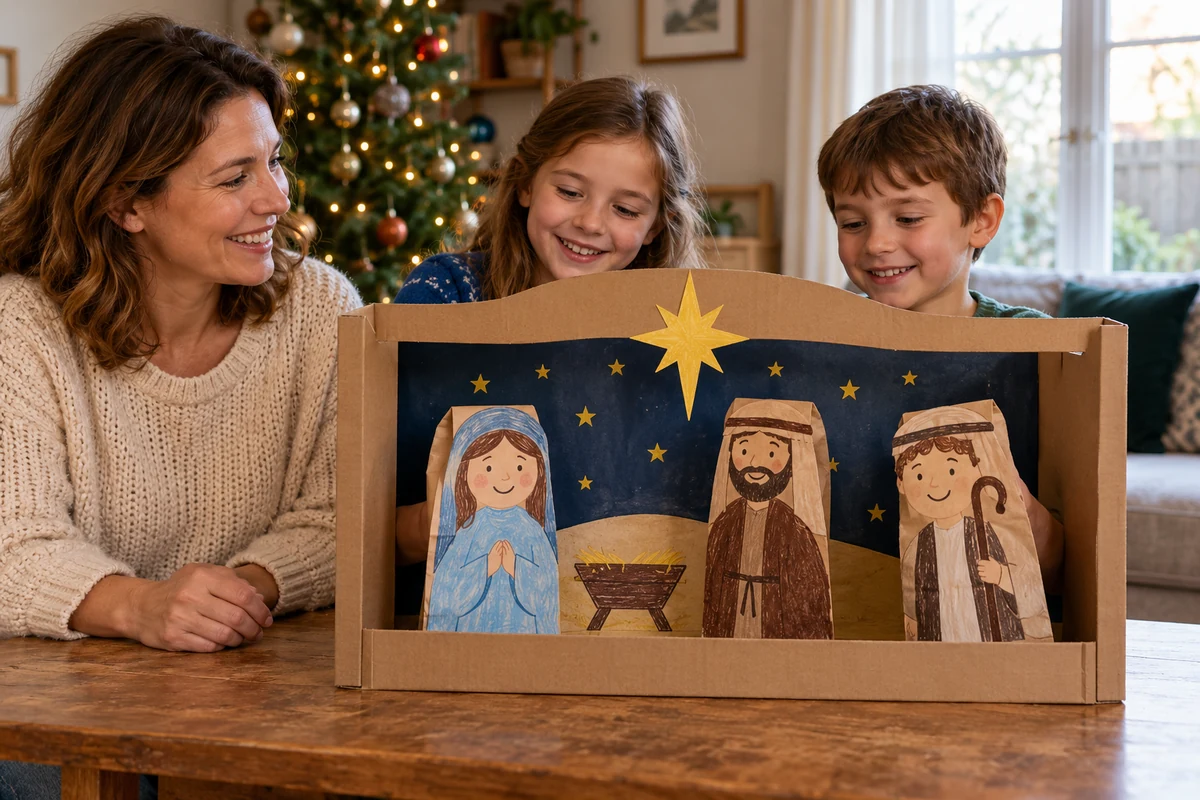
To create family traditions worth passing on, start with small, meaningful rituals that people enjoy repeating. Welcome different ages, give everyone a choice about taking part, record recipes and stories with permission, and adapt activities as circumstances change. No ritual is guaranteed to last for generations, but it can become a valued part of family life.
Finding time to create family traditions can feel difficult when life is busy. Yet a recipe, a handwritten note or a monthly get-together can become a shared memory. These practical ideas offer gentle ways to begin.
Illustrations in this article are conceptual images, not documentary photographs or evidence of a particular historical event, destination, venue or access route.
Why family traditions matter in everyday life
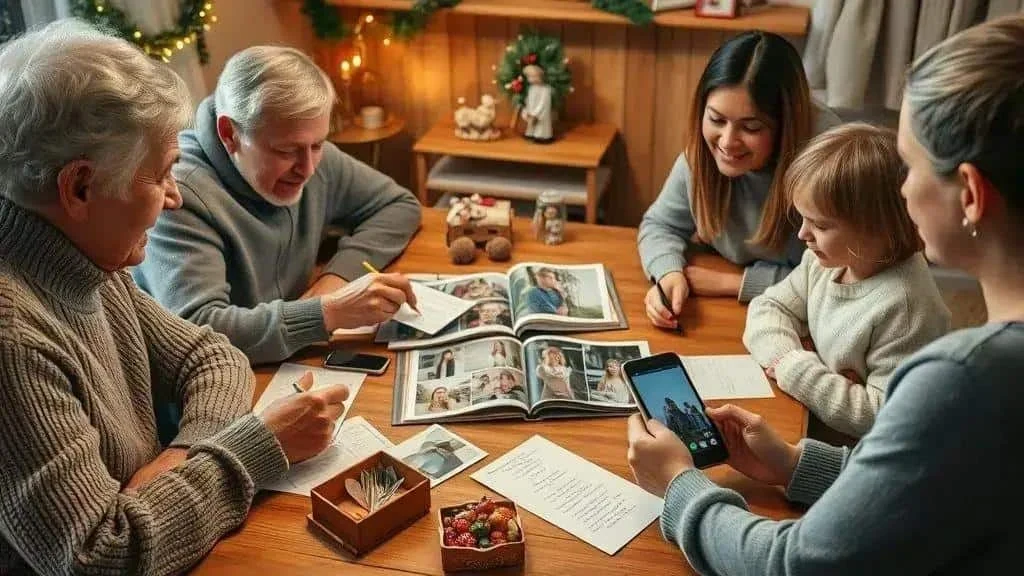
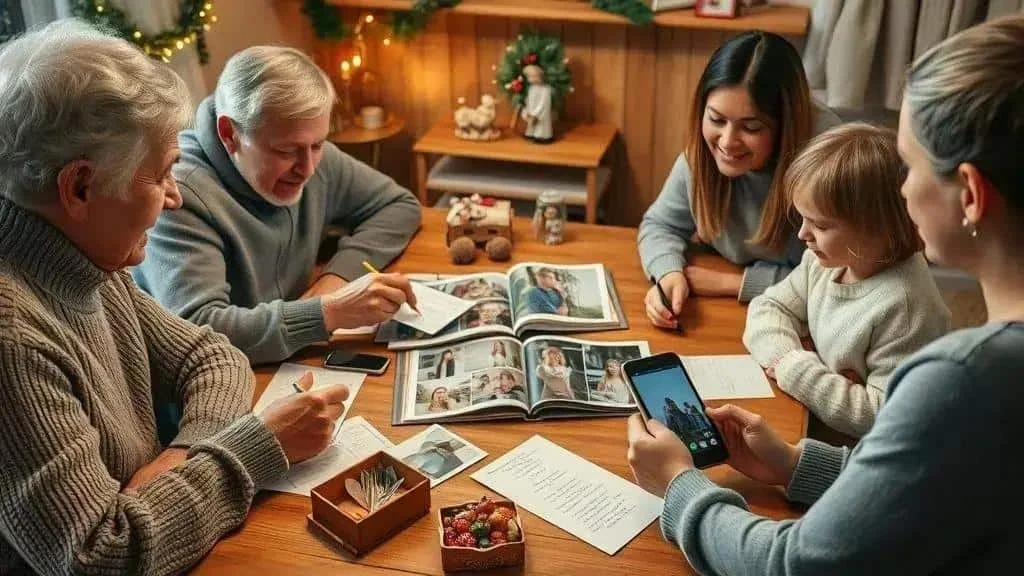
Family traditions offer familiar reminders of time spent together. A remembered song, a favourite meal or a regular game can give people of different ages something to share.
Comfort and emotional connection
Predictable routines can help children feel more secure, especially when there is room for flexibility. A themed supper or weekly game gives the family something familiar to look forward to. These activities are not a treatment for anxiety, and what feels reassuring will differ from person to person. Source: NHS: why predictable, flexible routines matter
Strengthening relationships
Shared activities make space for conversation and laughter. Sharing stories, recipes or songs can connect grandparents, parents and children through experiences they recognise together.
Making room for a pause
A familiar ritual can provide a welcome break in a hectic day. Even a short reading session or an exchange of thanks may be enjoyable. Keep it optional and manageable rather than turning it into another obligation.
Passing on values and memories
Traditions can hold family values, favourite jokes and recipes. Recording small stories in notes, albums or audio recordings makes it easier to share those memories with later generations.
Simple ways to begin
- Choose something short enough to repeat comfortably; ten to twenty minutes is one possible starting point.
- Add a small symbolic gesture to an existing meal, outing or other familiar occasion.
- Adapt activities for different ages, abilities and preferences so that everyone has a way to join in.
- Agree a day or time that suits the household, while allowing plans to change.
- If people would like a record, keep photographs, notes or a memory book. Recording is optional, not a condition of a worthwhile tradition.
Keeping traditions part of everyday life
Flexibility matters. Small variations can keep a ritual interesting and help it fit changing routines, seasons or relatives living further apart.
Choosing simple, meaningful rituals for your family
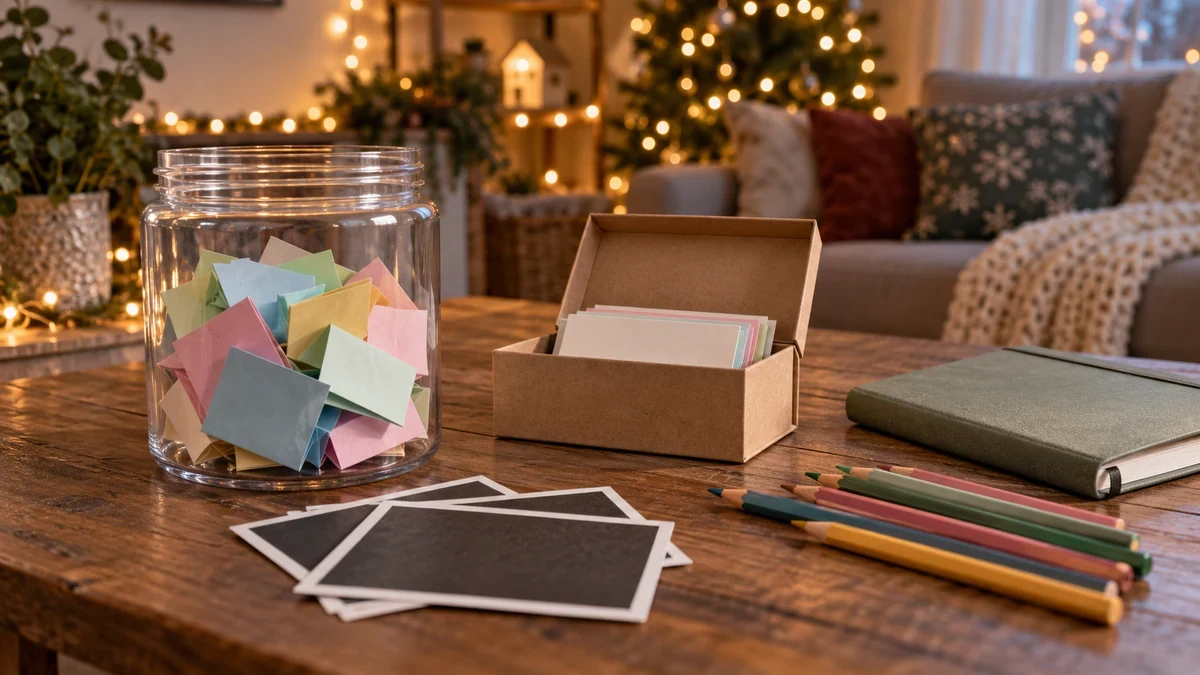
Think about what your family already enjoys and would like to repeat. Prioritise something easy to arrange, easy to remember and meaningful to the people involved.
What to look for in a ritual
- A manageable length: try ten to twenty minutes if that suits your household; a shorter activity is equally valid.
- An agreed rhythm: weekly, monthly or annually can all work. Choose a frequency you can comfortably maintain.
- Genuine meaning: link the activity to something you value, such as gratitude, humour or celebration.
- Inclusion: adapt the format for different ages and needs, with alternatives for anyone who cannot or does not want to join in.
- Affordability and practicality: an uncomplicated activity is often easier to repeat than an elaborate project.
- An optional keepsake: a photograph, note or small object can help preserve a memory if everyone is comfortable with it.
- Room for change: allow variations without losing the part that makes the activity meaningful.
Practical examples to try
- A supper question: invite everyone to share a favourite moment from their day, or choose another light question. Anyone can pass.
- Recipe night: take turns choosing a simple monthly recipe and share suitable tasks. Adults should handle hot equipment and sharp knives.
- A gratitude jar: add notes during the week and read willing contributions on Sunday. Do not require people to disclose private feelings.
- Photo of the week: choose a weekend photograph for a private family album, with permission from the people pictured.
- A story minute: invite a relative to share a short memory at bedtime or during a weekend visit.
- A regular outing: arrange a short walk and conversation, or an accessible indoor alternative. Agree any screen-free time together.
Including children and teenagers
- Offer a choice: suggest two or three ideas and let young people help decide.
- Keep roles light: someone might choose music, take an agreed photograph or open the gratitude jar.
- Respect boundaries: accept a small contribution, an alternative activity or a decision not to participate.
- Use technology thoughtfully: a short audio message, video or digital sticker can be an option, with suitable privacy settings and permission.
- Appreciate contributions: thank people for their ideas and effort without comparing them with one another.
Try it, then adjust
As a practical experiment, try a ritual a few times and ask how it feels. Simplify anything that creates unnecessary work. Change the timing or format if needed while keeping the purpose that people value.
Turning everyday moments into lasting traditions
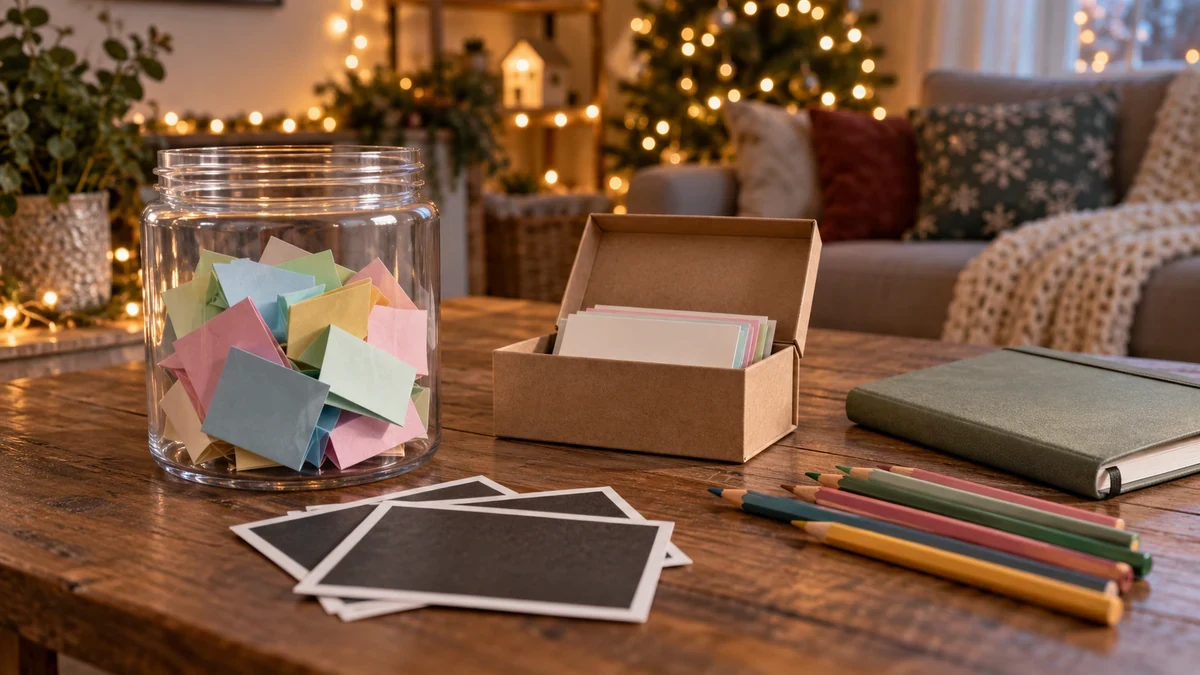
Ordinary moments can develop into traditions when people choose to repeat them. The aim is shared meaning, rather than a perfect performance or a complicated schedule.
Finding a suitable moment
- Existing routines: meals, weekend outings and bedtime can offer natural starting points.
- Celebrations: birthdays, a new arrival or a small achievement can become occasions for a familiar gesture.
- Practical activities: cooking together, tidying as a team or exchanging an evening message may already be part of family life.
- Transitions: arriving home, saying goodbye before a trip or finishing the school day can provide a moment to reconnect.
Steps for creating a tradition
- Choose a simple gesture: try an activity of five to twenty minutes, with an appropriate way for everyone to contribute.
- Agree how often: weekly, fortnightly or monthly may suit you. Begin with a realistic rhythm.
- Choose a familiar signal: a song, object or question can mark the start of the ritual.
- Invite participation: explain the idea and offer small, optional roles.
- Keep a record if wanted: notes, photographs or a private digital album can preserve moments people want to remember.
- Review and adapt: after a few occasions, simplify the activity or change its format while retaining its purpose.
Making the practice manageable
- Start small so that the activity does not become a burden.
- Link it to something already familiar, such as Sunday supper.
- Allow seasonal variations to keep it interesting.
- Use short audio messages, photographs or a private family chat when these genuinely make participation easier.
- Ask what people enjoyed and acknowledge the time you spent together.
Easy examples to test
- A gratitude minute: invite each person to mention something good about the day, with the option to pass.
- A monthly recipe: take turns choosing a dish and share age-appropriate preparation tasks.
- A memory envelope: save notes about a moment from the month and revisit them together.
Keeping the meaning while allowing change
A tradition can evolve without losing its value. Prioritise the purpose, whether connection, enjoyment or remembrance, and adapt the format to the family’s circumstances.
Welcoming children and teenagers without pressure
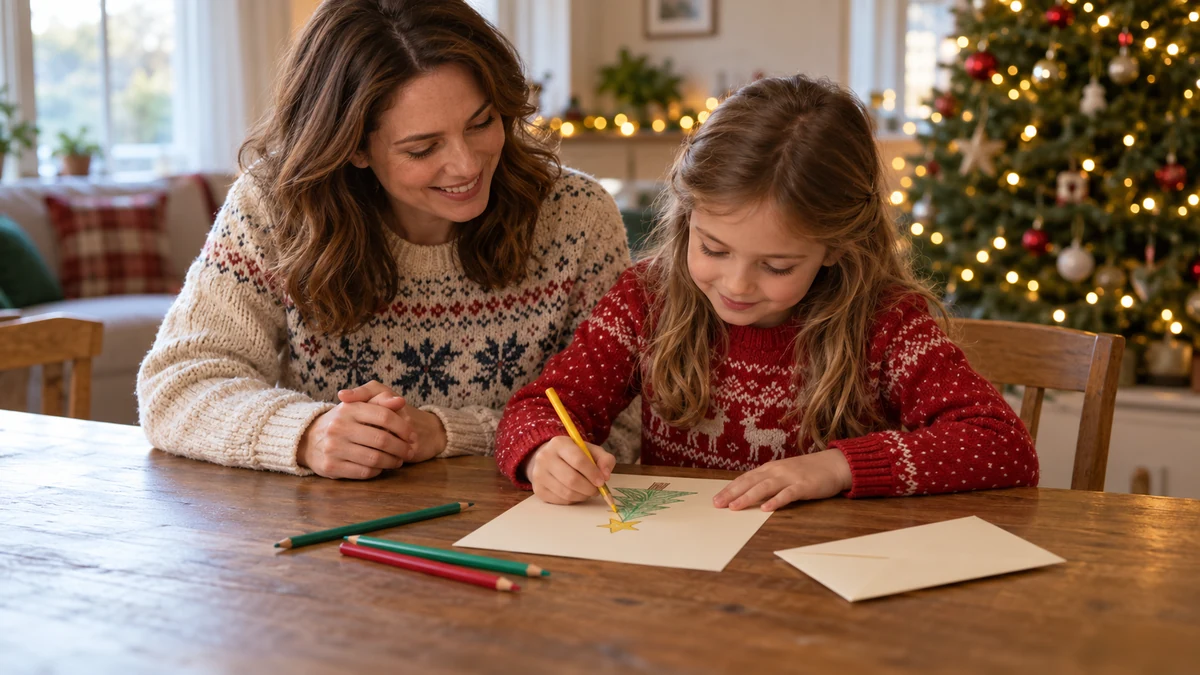
Young people need respect, genuine choices and room to make mistakes. Give them clear, manageable roles, while making sure they know their place in the family never depends on taking part.
Principles for gentle involvement
- Offer a few choices: two or three options can make deciding easier without removing their say.
- Suggest enjoyable roles: photographer, music chooser, recipe helper or keeper of the gratitude jar may appeal to different children.
- Notice effort: appreciate what someone contributed, rather than judging only the finished result.
- Stay flexible: respect teenagers’ independence and accept alternative ways to join in.
- Keep it manageable: a brief activity may fit more easily into a busy day. There is no fixed duration that guarantees a habit.
Ideas for different ages
- Ages three to six: choosing decorations, sticking large paper shapes or sharing a short sentence may suit some children. Supervise craft materials and avoid small loose parts.
- Ages seven to eleven: simple tasks might include setting out unbreakable tableware, reading a short story or recording an audio message with help.
- Ages twelve to fourteen: choosing a playlist, editing agreed family photographs or leading a short game can offer more independence.
- Ages fifteen and over: suggesting changes, creating private digital keepsakes or helping organise a gathering may appeal. Treat these age groups as suggestions, not expectations.
Useful tools and encouragement
- A private message group, short recording or simple voting board can help people share ideas. Paper and conversation work just as well.
- If the family enjoys games, make small tasks playful. Avoid linking affection, belonging or essential privileges to participation in a tradition.
- Keep photographs or short videos only when those involved want them; enjoying the moment matters more than documenting it.
- Give people creative freedom within sensible, agreed boundaries.
Giving feedback and keeping people involved
- Thank people promptly: mention something specific you appreciated.
- Ask for opinions: find out what worked and what they would change next time.
- Adjust expectations: offer less demanding tasks when needed and more responsibility when it is welcomed.
- Use gentle reminders: a calendar note can help, without making the occasion feel compulsory.
More quick ideas
- Choice night: everyone suggests a theme and the family agrees which to try.
- A sixty-second video: a willing teenager records a few highlights for a private family album, checking permission before filming or sharing.
- Young cook: a child chooses an ingredient and helps with one safe, supervised preparation step.
Small shared experiences can become meaningful over time. Respect individual pace and let young people reshape traditions rather than expecting them to copy everything unchanged.
Preserving stories, recipes and memories for future generations

Turn memories into accessible records and shared activities. A modest collection that people can find and use is more helpful than a large archive nobody knows how to open.
Ways to record memories
- Audio: MP3 recordings are a practical option for conversations, songs and spoken memories.
- Video: MP4 recordings can preserve gestures and demonstrations, such as how someone prepares a family dish.
- Text: transcriptions, typed recipes, PDFs and privately shared documents can be easy to consult.
- Photographs: JPEG images of dishes, objects and people benefit from clear captions and dates.
- Physical keepsakes: handwritten recipes, notebooks and letters can be stored in labelled albums or boxes.
Recording a family story step by step
- Prepare the setting: choose a quiet, comfortable place with suitable light if you are filming.
- Prepare open questions: a short list about childhood, recipes or favourite memories can guide the conversation without making it rigid.
- Make a quick test: record about thirty seconds to check sound and framing.
- Have a conversation: allow pauses and uncertainty. Do not prompt someone to invent details they cannot remember.
- Check your device: a phone or recorder needs enough battery and storage; specialist equipment is not essential.
- Keep independent backups: save copies in separate locations, such as a protected cloud account and an external drive. Check that you can restore them. Source: NCSC: backing up important files
Preserving family recipes
Combine written instructions with a short demonstration if that is useful. Include quantities, timings and tested variations, and ask the cook to explain their method. Clarify missing details rather than guessing them.
- Write down a complete ingredient list with clear quantities.
- Record the method, oven settings and relevant cooking temperatures and timings.
- Ask about substitutions that have actually worked. A plant-based alternative is not automatically interchangeable or suitable for every allergy.
- Photograph important stages and the finished dish as a visual reference.
Organising the collection
- Create folders such as Recipes, Stories and Photographs, with subfolders by year or person.
- Use consistent filenames: YYYY-MM-DD_name_subject, for example 2025-10-10_grandma_apple-cake.mp3.
- Add captions and useful tags so that future searches are easier.
- Arrange regular backups and retain a separate copy. Synchronising a folder alone may also synchronise accidental deletions, so check recovery options.
Sharing skills and memories
- Cook together while someone records or notes the steps, keeping filming equipment away from hot surfaces and food preparation hazards.
- Try a family recipe evening or a monthly reading of selected memories.
- Offer accessible formats, such as readable text, captioned video or audio recordings, according to people’s needs.
- Invite children to illustrate a recipe or help edit a short family video if they would enjoy it.
Choosing practical tools and formats
- Audio: a familiar phone recorder that can export a common audio format may be enough.
- Video: use a phone and a simple editor you already know; choose framing that suits the demonstration and intended screen.
- Text and photographs: choose familiar tools with controlled sharing, and check who can access an album or document.
- Backups: combine independent storage locations and periodically test that the files still open.
Permission and privacy
Ask before recording and explain who will see or hear the material. Respect boundaries, including children’s wishes and a person’s change of mind. Obtain appropriate permission before sharing images of other people’s children, and do not make private family records public by default. Source: NSPCC: photographing and filming children
Adapting traditions creatively on a smaller budget

A tradition can keep its meaning while using fewer materials or costing less. Consider practical changes that suit your family, without assuming that every handmade or locally bought item automatically has a lower environmental impact.
Practical principles
- Put meaning first: keep the central gesture; something does not have to be expensive to be special.
- Reuse suitable materials: decorations and wrapping can make use of safe items already at home.
- Choose durability: where possible, use things you can keep and enjoy for several years.
- Reduce food waste: plan portions and storage, and buy ingredients you expect to use.
Six steps for adapting a tradition
- Identify what matters: ask whether conversation, food, music or another part means most to the family.
- Simplify the format: keep that purpose while removing unnecessarily costly or complicated steps.
- Try reusable alternatives: cloth napkins or borrowed crockery may replace items bought for one occasion.
- Use existing supplies: suitable fabric scraps can become decorations, and old cards can inspire new keepsakes. Adapt craft materials for children’s ages.
- Agree an affordable budget: discuss limits without putting anyone under pressure to spend.
- Write down a simple plan: note the timing, optional roles and any agreed seasonal variations.
Ideas for saving money and materials
- Offer an agreed activity, practical help or a shared recipe instead of an expensive present.
- Share ingredient or material costs when buying together genuinely reduces waste and expense.
- Compare suitable local and seasonal options, taking price, transport and actual use into account rather than assuming they are always cheaper or greener.
- Refresh decorations from previous years with small changes instead of replacing everything.
Creative, low-cost activities
- Make decorations from paper or safe fabric scraps, with adult supervision and age-appropriate tools.
- Turn suitable leftovers into another meal safely: cool and refrigerate promptly, use within forty-eight hours or freeze, and reheat only once until steaming hot throughout. Source: Food Standards Agency: cooking, cooling and reheating food
- Create a private digital album with contributions from willing family members, avoiding unnecessary printing.
- Make simple handmade presents, with different tasks so that people can participate comfortably.
Everyday ways to reduce waste
- Compost appropriate food scraps if your local service or home system accepts them.
- Use suitable LED lighting and timers thoughtfully, following electrical safety instructions and switching decorations off when not needed.
- Reduce unnecessary single-use items and reuse what you can; a biodegradable label alone does not make something suitable for home composting.
- Donate clean, usable clothing and objects to organisations that can accept them rather than discarding them.
Keeping a tradition relevant
Changes are easier to sustain when people help choose them. Combine creativity with simple agreements so that a tradition remains accessible, enjoyable and realistic for the household.
Keep sharing memories
Begin with something small, welcome the people you care about and adapt as life changes. Whether a ritual lasts a season or is passed down for years, the time spent together can still be valuable.
Thank you for reading. Follow our social channels for practical ideas and seasonal inspiration, and explore the I Love Christmas blog for more articles.
Frequently asked questions about creating family traditions
What is a family tradition?
It is an activity, ritual or habit that a family chooses to repeat and finds meaningful. It may preserve memories and provide a sense of connection across generations.
How can we start when life is busy?
Add one small gesture to an existing occasion, such as supper. Five to twenty minutes is a possible starting point, but choose whatever feels manageable rather than aiming for a fixed duration.
How can children and teenagers join in without pressure?
Offer a few choices, suggest light roles and appreciate their ideas. Accept a smaller contribution or a decision not to take part, and let the tradition change as they grow.
What is a practical way to preserve family recipes and stories?
With permission, combine written notes, audio, photographs or short videos. Organise the files clearly, keep independent backups and check that they can be restored and opened.
How can we spend less and reduce waste?
Reuse suitable materials, choose durable items, plan food portions and try simple homemade activities. Keep costs realistic and avoid buying extra supplies merely to make an activity look sustainable.
Sources and Further Reading
- NHS: why predictable, flexible routines matter
- NCSC: backing up important files
- NSPCC: photographing and filming children
- Food Standards Agency: cooking, cooling and reheating food