Writing letters to Father Christmas combines storytelling, personal wishes and a familiar family activity. The custom developed alongside changing ideas about Santa and organised postal schemes, rather than beginning at one clearly established moment. Today, families can write, draw or dictate a message, keep it at home or follow an official postal programme’s instructions. A letter is a wish, not a guarantee of presents or a reply.
Letters to Father Christmas still bring families together around a sheet of paper and a few hopeful ideas. Where did the tradition come from, and how can you make it thoughtful as well as fun? Here are historical pointers, example messages and practical steps to try together.
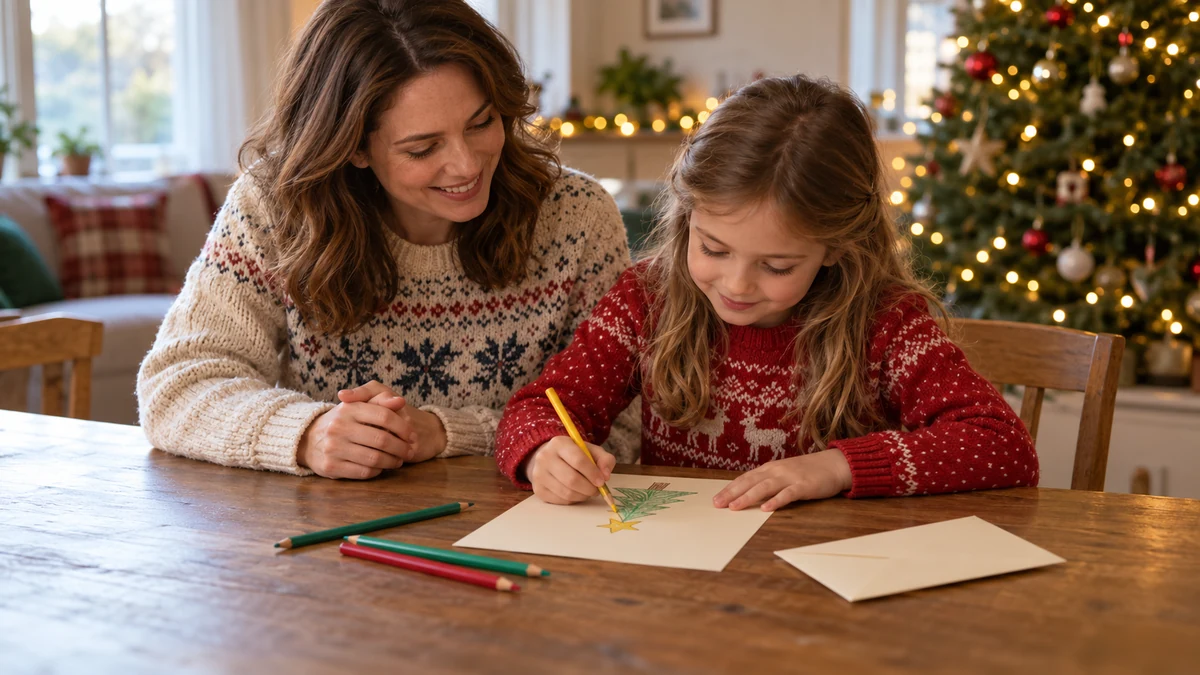
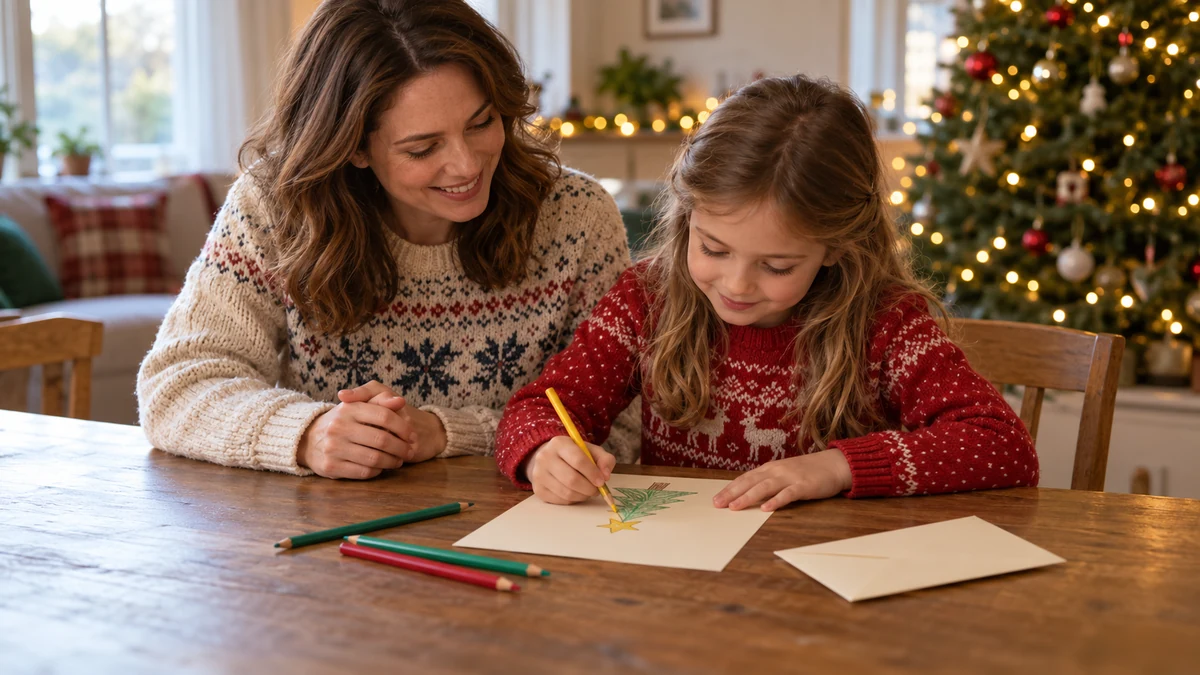
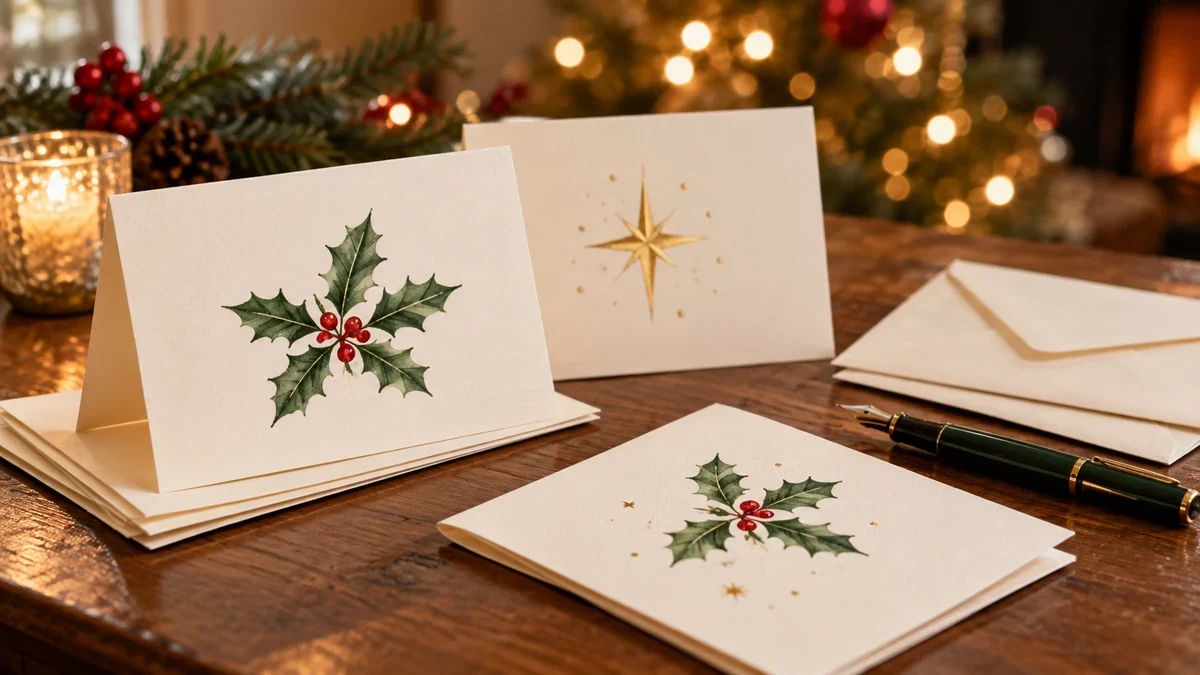
Illustrations in this article are conceptual images, not documentary photographs or evidence of a particular historical event, destination, venue or access route.
The history of writing to Father Christmas
Santa’s familiar image draws on several traditions, while the practice of sending letters has its own varied history. It is helpful to distinguish stories about gift-givers from the documented beginnings of particular postal services.
Key points in the tradition’s development
- Saint Nicholas traditions: stories about a generous saint helped shape later Christmas gift-givers. That background does not establish when children first began posting letters to Santa.
- European customs: different seasonal gift-giving figures and family practices contributed to the wider tradition; they did not all follow the same timetable or ritual.
- Dutch influences: Sinterklaas traditions are part of Santa’s cultural background, but a simple, unbroken sequence from shoes and notes to modern postal schemes would overstate the evidence.
- Nineteenth-century storytelling: poems and illustrations helped shape Santa’s popular image. The poem A Visit from St Nicholas appeared in 1823; its influence on that image should not be confused with proof that it started letter-writing. Source: Library of Congress: Santa in nineteenth-century print
- Organised postal schemes: USPS dates the beginnings of its Operation Santa initiative to 1912, when local postmasters were authorised to open and respond to Santa letters. This is a particular American programme, not the origin of every family’s tradition. Source: USPS: the history of Operation Santa
- Britain and later developments: the Smithsonian National Postal Museum records the British postal scheme beginning in 1963. Postal campaigns, community activities and some digital services have since offered different ways to participate. Source: Smithsonian National Postal Museum: early letters and the British scheme
Cultural variations
Gift-giving figures have different names and customs: Sinterklaas in Dutch tradition and Père Noël in France are examples. Families may adapt letter-writing for school activities, community programmes or their own celebrations; not every household observes it.
A creative and social activity
A letter can be an opportunity to practise writing, talk about hopes and choose a kind gesture. In a classroom or group, offer an alternative seasonal message for children who do not celebrate Christmas or prefer not to write to Santa.
Seen this way, letters to Father Christmas can be more than shopping lists. Keep the focus on expression and shared time, and avoid suggesting that the value of a child’s presents measures their behaviour or worth.
Writing a personal letter to Father Christmas
Aim for a clear, warm message in the child’s own voice. It need not be perfectly written, and drawing or dictating to an adult is just as welcome.
A suggested structure
- Greeting: begin with something simple, such as Dear Father Christmas or Hello Santa.
- Introduction: a first name is enough for a family activity. Include any other details only when needed for an official scheme.
- Thanks: mention something the child has enjoyed or appreciated during the year, if they wish.
- Main wishes: one to three ideas can keep the message focused, without implying that every request will be fulfilled.
- Optional alternatives: explain why an idea matters or suggest another possibility.
- A kind thought: the child might mention someone they care about or something kind they would like to do; this is not a test for earning presents.
- Closing and signature: finish with a friendly sign-off. Keep addresses and other identifying details off copies intended for display or online sharing.
A practical step-by-step approach
- Choose your materials: gather paper or card, coloured pencils and suitable stickers.
- Write a greeting: put Dear Father Christmas, or the child’s preferred greeting, at the top.
- Introduce the writer: use a first name or a few words about an interest. Age and location are not essential for a letter kept at home.
- Add a thank-you: invite the child to mention a happy moment or something they appreciated.
- Describe wishes: write clearly and honestly. A short list is easier to discuss than a long catalogue.
- Consider alternatives: another book, a shared activity or a smaller item may also be welcome.
- Include kindness if wanted: the child might add a caring thought, without having to prove they deserve a gift.
- Decorate the page: drawings, colours and suitable stickers make it personal.
- Finish and sign: add a closing, fold the letter and place it in an envelope.
- Decide what happens next: keep the letter as a family ritual or follow a verified postal or community scheme. Save a private copy if the child agrees.
Short example messages
- For a younger child: Hello Santa, my name is Anna. I loved reading stories with my family this year. I would like a doll or a new storybook. I hope you and the reindeer have a lovely Christmas. Love, Anna. This is a fictional example to adapt.
- For an older child: Dear Father Christmas, I am Lucas. I have enjoyed learning the guitar. I would love an age-appropriate making kit to use with an adult. A book of project ideas would be lovely too. Best wishes, Lucas. This is another fictional example.
Personal touches and presentation
- Handwriting and drawing: encourage a readable message, but let the child keep their own style and add illustrations.
- Simple decorations: paper borders or flat stickers are enough. Avoid hot wax seals, flames and loose small decorations in children’s activities.
- A picture or note: a drawing can add personality without sending a photograph of the child.
- A natural voice: short, sincere sentences work well; there is no need for an elaborate performance.
- A shared occasion: writing together can be enjoyable, while allowing anyone to keep their message private.
Using the letter as a learning activity
Invite children to plan their ideas, read back a sentence and explore unfamiliar words. Keep corrections gentle. A discussion about kindness or a shared activity can be useful, but avoid grading gratitude or comparing what different families can afford.
Templates and creative ideas for children and adults
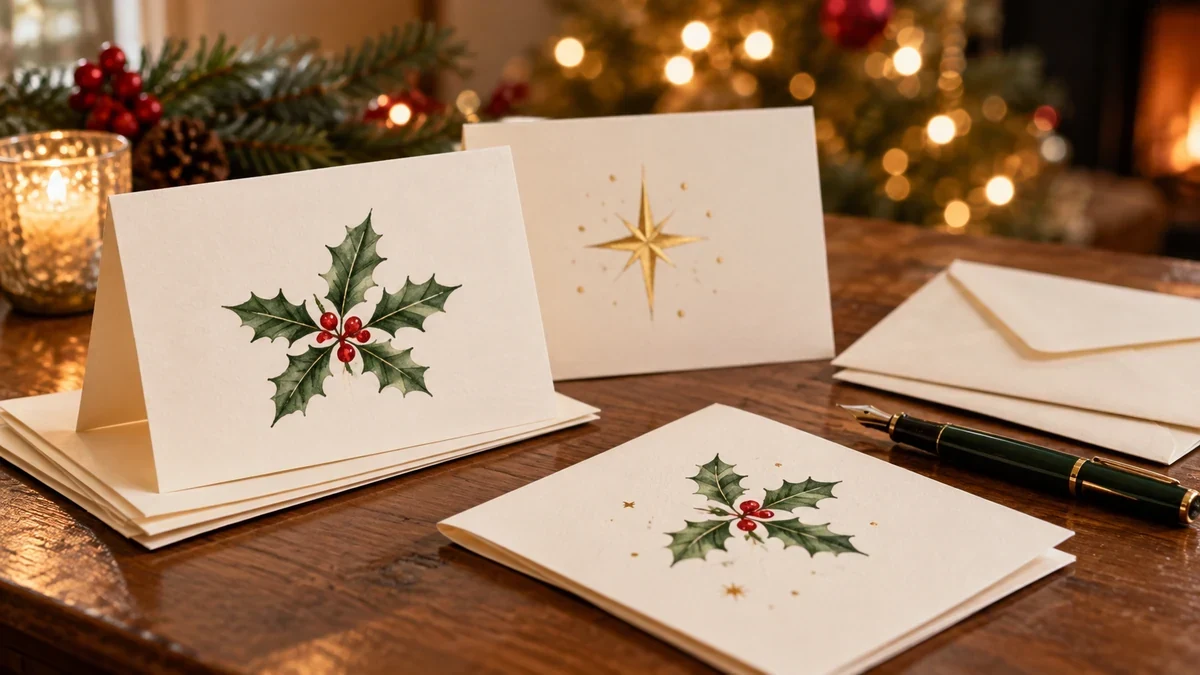
Use the following fictional examples as starting points, not scripts that children must copy. Adults can join in with a reflective message, a thank-you or a playful wish list.
Simple examples for children
-
A short message: Hello Father Christmas, I am Peter. I have enjoyed playing with my toy cars. A red car would be on my wish list this year. Merry Christmas, Peter.
-
A message with a drawing: Dear Santa, I am Sophie. I have drawn a doll I would like to play with. I hope you enjoy your Christmas Eve journey. Love, Sophie.
-
A message about learning: Hello Father Christmas, I am Jack. I have enjoyed reading more this year. An adventure book or a science kit suitable for my age would be exciting. Thank you, Jack.
Ideas for teenagers and adults
-
A wish with an alternative: Dear Santa, I am Marina. Some mugs for my home would be lovely. A gardening book or a small gift voucher would also be welcome. Thank you!
-
A heartfelt message: Hello Father Christmas, I am Richard. This year I would love more time with my family. Perhaps we could arrange a board-game evening together. With thanks, Richard.
-
A practical list: My ideas are headphones, a diary for the coming year, or a donation to a charity we choose together. Best wishes, Clara.
Creative presentation ideas
- A decorated envelope: add a few flat stickers or a paper border, keeping any postal address and stamp area clear.
- A drawing card: invite the child to draw a wish or something they enjoy about Christmas.
- A wishes box: place short notes in a small box to open together on Christmas Eve.
- An audio or video message: offer this as a private alternative if the child prefers speaking. Recording should be optional, not assumed to suit every shy child.
- A themed letter: try a pretend newspaper, an imaginary concert ticket or a treasure map. Keep the actual wishes easy to understand.
Activities for the whole family
- A letter workshop: set aside time for writing, drawing and supervised cutting and sticking.
- An exchange of kind notes: each willing person writes a small wish or offers a manageable act of kindness to another family member.
- A giving project: choose a legitimate local collection and check what it needs. Keep donations separate from any promise that Santa will fulfil a child’s request.
Making the message personal
- Be clear: describe an idea well enough to understand, without insisting on a particular expensive brand.
- Keep the list manageable: one to three wishes is a useful suggestion, not a rule about deserving presents.
- Offer thanks naturally: an honest thank-you is more meaningful than a sentence dictated for appearances.
- Personalise safely: a favourite colour, hobby or drawing can add character without including a photograph or identifying details.
- Save a keepsake: keep a private copy if the writer would like to look back at it in future years.
Digital options and posting
- Postal schemes: check the official postal operator’s current instructions for your country.
- Digital services: use an online submission only if the organiser explicitly offers it. A themed website is not necessarily an official or suitable service for children.
- Social sharing: avoid publishing children’s identifying details, addresses or full letters. A photograph of craft materials may be a better choice.
A simple template to copy or print
Create your own page with these headings: greeting, first name, something I enjoyed, my wishes, an optional kind thought, and a closing. Copy it into a document to print if useful; this article does not include a separate downloadable form. Add private postal details only as the chosen scheme requires.
Materials and steps for a handmade letter
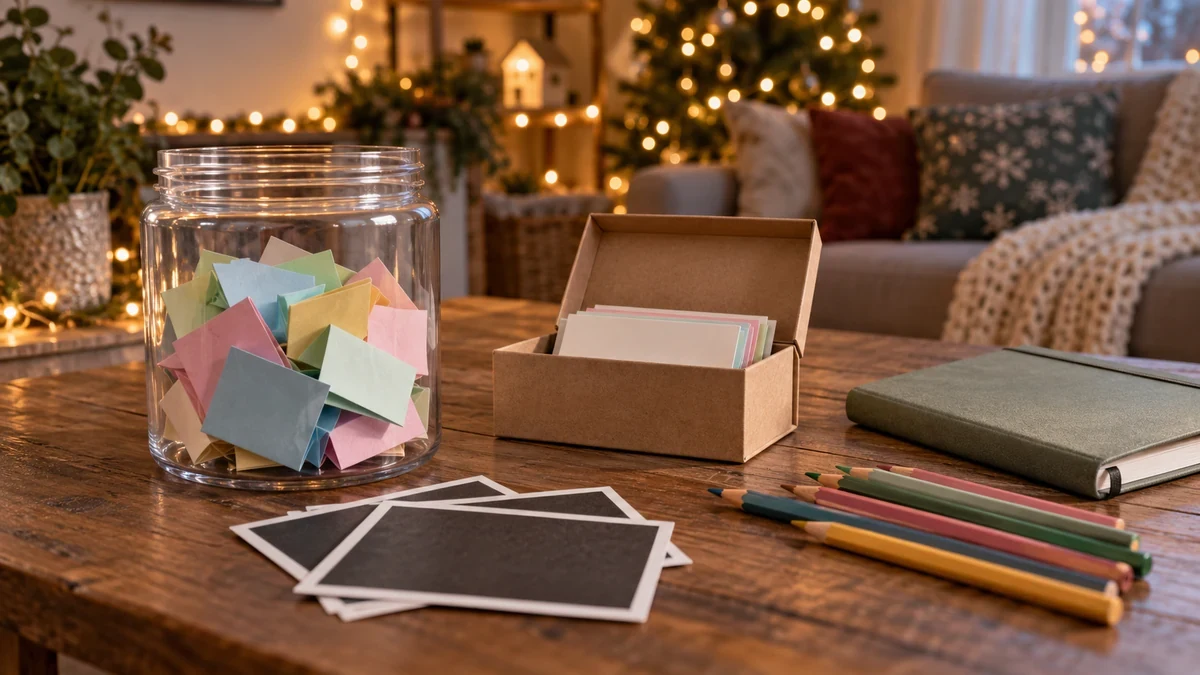
A few familiar supplies are enough. Choose materials suitable for the child’s age and abilities, and supervise their use.
Materials to gather
- Paper or A4 card: ordinary paper works well. Slightly thicker card is an option if it fits the envelope and does not make postage awkward.
- An envelope: choose one that comfortably holds the folded letter. For an official postal scheme, follow its addressing and return-address instructions; do not display that envelope publicly.
- Pens and felt tips: choose suitable writing materials and protect the table underneath.
- Coloured pencils or crayons: these make drawing straightforward. A small amount of washable paint is an alternative if it can dry fully before posting.
- Paper glue or double-sided tape: use modest amounts of age-appropriate adhesive.
- Suitable scissors and a hole punch: supervise cutting and punching; rounded tips do not remove the need for adult help.
- Stickers and decorative paper tape: flat decorations are simpler than bulky attachments.
- A seal sticker: a round paper sticker can give a finished look without hot wax or a flame.
- Craft stamps and ink: use washable, age-appropriate materials for optional festive patterns.
- Reusable scraps: suitable leftover wrapping paper or card can become decorations. Skip loose glitter and small parts around younger children.
Assembling the letter
- Prepare the table: clear a comfortable workspace and put suitable supplies within reach.
- Choose the paper: check that the finished letter will fold neatly into its envelope.
- Add the greeting: write Dear Father Christmas, Hello Santa or another friendly opening.
- Introduce the writer: one or two short lines are enough; there is no need to include unnecessary personal information.
- Add something appreciated: invite the child to mention a happy experience if they would like to.
- Describe the wishes: list a few ideas clearly, while remembering that they are requests rather than promises.
- Include a caring thought: this can be a hope for someone else or an activity the child would like to share.
- Decorate the letter: add drawings or flat paper shapes without obscuring the words.
- Sign off: add a friendly closing and signature. A photograph is not needed.
- Prepare the envelope: fold the letter and seal it securely. Avoid bulky decorations if it will go through the post.
- Keep a copy if wanted: photograph or copy the message for a private family collection, with the writer’s agreement.
Keeping the craft activity simple and safe
- Use only what you need: a little paper glue and a few flat decorations are easier to manage than lots of loose materials.
- Offer shapes to trace: stars and trees can help anyone who would prefer a starting point for their drawing.
- Allow time and breaks: make it a relaxed activity, with music if everyone enjoys it. Keep drinks away from the paper and craft supplies.
- Adapt the task: younger children may draw or dictate; older children may enjoy longer sentences or revising their wording.
- Choose a verified destination: check the organiser’s instructions and privacy information before sending. No service can be assumed safe merely because it has a Christmas theme.
A family activity with opportunities to learn
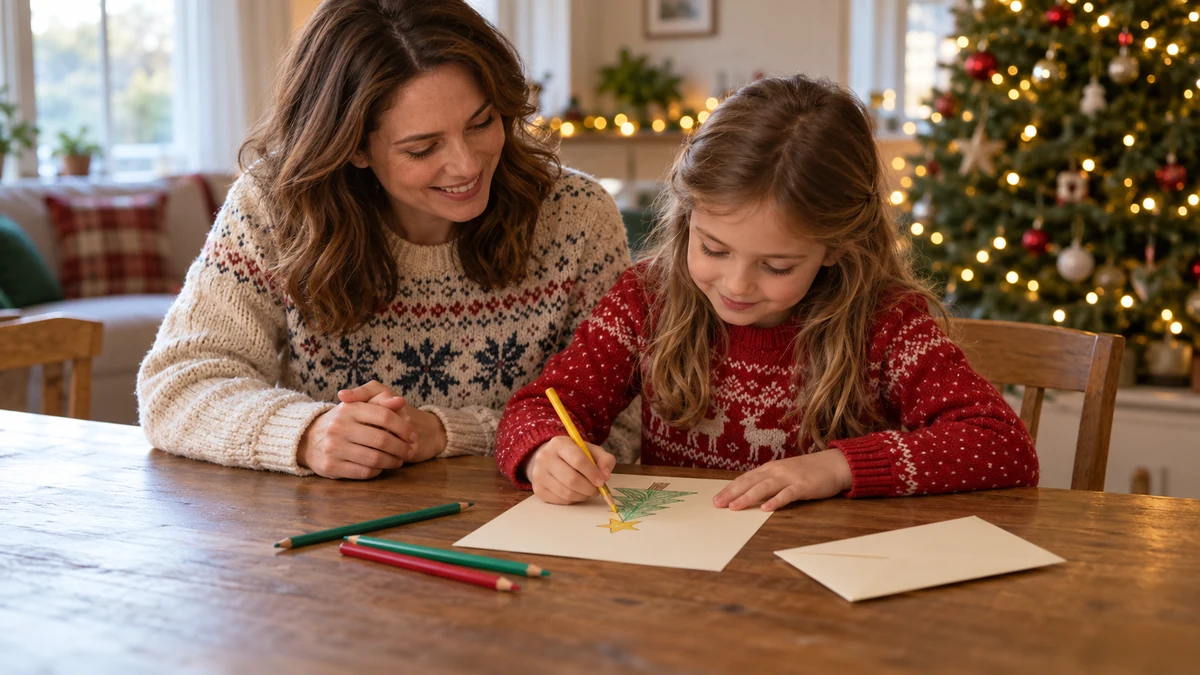
Writing a festive letter offers informal practice in reading, expression and planning. Adjust the activity to each child rather than treating it as an assessment or a requirement to celebrate Christmas.
Possible learning opportunities
- Reading and writing: explore vocabulary, sentence order and the structure of a letter.
- Expressing feelings: invite children to talk about hopes without requiring them to share private emotions.
- Practical coordination: drawing, sticking and supervised cutting offer hands-on practice at a suitable level.
- Simple maths: count items or compare sizes, keeping any budget discussion sensitive to family circumstances.
- Thinking about others: discuss a kind action or a donation project without suggesting that children must give something to deserve a gift.
Planning a letter workshop
- Set out the materials: arrange paper, envelopes, pencils and suitable decorations in an accessible workspace.
- Plan a few ideas: ask what the child would like to say and offer help only as needed.
- Write or dictate: try a greeting, a short introduction, an optional thank-you, a few wishes and a closing.
- Read it together: check that the message says what the writer intended. Correct gently if help is wanted.
- Decorate and fold: finish with drawings or paper decorations and prepare the envelope.
- Post or keep it: follow a verified scheme’s rules or save the letter as a family keepsake.
Reading and speaking activities
- Reading aloud: invite willing children to read their letters, with an option to keep them private.
- Gentle questions: ask what they enjoy about an idea or how they might use it, rather than making them defend their wishes.
- Pretend play: imagine a friendly reply together, making no promises about gifts or official responses.
Adapting for different ages
- Ages three to six: drawings, a few words or dictation to an adult may suit some children.
- Ages seven to ten: offer help with sentences and spelling if welcomed, and supervise any online research.
- Ages eleven to fourteen: explore alternatives, a shared activity or a thoughtful giving project if it interests them.
- Teenagers and adults: a reflective letter, thank-you or community idea can be a suitable alternative. These age bands are suggestions, not developmental rules.
Materials and timing
- Supplies: paper, envelopes, pencils, suitable pens, flat stickers, supervised scissors and paper glue are enough.
- Time: follow attention and interest rather than a fixed target. A short session may be plenty; a longer family workshop can be split into stages with breaks.
Reflection and future traditions
- A gentle review: ask whether the message is clear and what the writer enjoyed. Avoid scoring gratitude, creativity or the value of wishes.
- An annual collection: keep agreed letters in a private folder to revisit over the years.
- Future activities: display anonymised drawings with permission, or organise a suitable donation project together.
Safety and privacy
- Keep identifying details private: do not post addresses, phone numbers, school details or full identifying information online.
- Adult oversight: an adult should check any digital destination and the information being submitted.
- Permission: ask before photographing or sharing a child’s work or image, and respect a refusal. Other children’s parents or carers should also be consulted. Source: NSPCC: photographing and filming children
Where to send letters: post, official schemes and digital options
Choose a destination according to its published rules, not simply a festive name. A family letter can also stay at home; posting is optional.
Posting through Royal Mail
For the UK scheme, Royal Mail’s current guidance asks for a stamped envelope addressed as follows. Check its official page again before posting, particularly in a later year.
- Return details: Royal Mail asks for the writer’s full name and postal address on the back of the envelope. An adult should help with this, and keep photographs of that information private.
- Destination: Santa/Father Christmas; Santa’s Grotto; Reindeerland; XM4 5HQ. Put each part on a separate address line.
- Postage: add the appropriate stamp and ensure decorations do not hide the address or interfere with the envelope.
- Current deadline: checked in October 2026, Royal Mail asks for letters to be posted by Wednesday 9 December 2026. It aims to reply to as many as possible, so do not promise a response or a gift. Source: Royal Mail: official Letters to Santa instructions
Other official and community programmes
Schemes differ by country and purpose. Brazil’s Papai Noel dos Correios campaign invites people to adopt eligible children’s letters and provide gifts under its own rules. It is not the same service as Royal Mail’s reply scheme. Source: Correios: the Brazilian Papai Noel campaign
- Finding a programme: start with the postal operator’s official website or a trusted local school or community organisation.
- Adopting a letter: some programmes let volunteers fulfil requests. Follow the organiser’s process rather than arranging direct contact with a child.
- Rules and dates: check eligibility, locations, accepted formats and deadlines for the particular campaign and season.
Digital alternatives
A digital message may be convenient, but availability, privacy and response times depend on the service. Do not assume an online Santa form is official or that a quick reply is guaranteed.
- Official forms: use one only when it is linked from the organiser’s own website and intended for your country or programme.
- Email or a school portal: send a scan or document only if that destination explicitly accepts it and an adult has checked the arrangements.
- Social platforms and apps: avoid public submissions containing children’s details. A platform badge alone is not proof that a service is appropriate.
Sending digitally when a programme allows it
- Make a clear copy: photograph or scan the letter without including unrelated personal material in the background.
- Follow the official form: provide only the information needed and attach the file in the requested format.
- Check privacy: review who can see the submission and whether the programme may publish an anonymised version.
- Keep confirmation: save any acknowledgement privately. A submission receipt does not guarantee a reply or gift.
Further privacy checks
- Do not publish personal details: keep home addresses, phone numbers, identity documents and children’s full identifying information out of public posts.
- Have an adult review: check the letter, destination and requested information before any digital submission.
- Verify the channel: navigate from the organisation’s known official website instead of relying on an unsolicited message or social badge.
- Check photographs carefully: remove personal information before sharing, and preferably use a separate display copy with no identifying details.
A final checklist
- The message is readable or the drawing is clear, with only the personal details genuinely needed.
- The child is comfortable with the message and understands that wishes are not promises.
- Alternatives have been included only if the writer wants them.
- Any keepsake copy is stored privately and with agreement.
- The chosen programme’s destination, postage requirements and current deadline have been checked.
A tradition to enjoy in your own way
Letters to Father Christmas can make space for imagination, gratitude and shared time. Their value does not depend on a perfect letter, an expensive present or a reply arriving.
Adapt the ideas to your household, the child’s interests and your own Christmas customs. A simple drawing or a few dictated sentences can be enough.
Thank you for reading. Explore the I Love Christmas blog and our social channels for more seasonal ideas and creative family activities.
If you share an example, use an anonymised copy and ask permission first. Enjoy the occasion without feeling obliged to put it online.
Frequently asked questions about letters to Father Christmas
How can I help a child start a letter to Father Christmas?
Offer a friendly greeting, a first-name introduction and a few wishes or drawings. They can add thanks if they want to, or dictate the message to an adult. Explain that a wish list does not guarantee presents.
What age is suitable for this activity?
Follow the child’s interest and abilities. Some younger children enjoy drawing or dictating, while older children may prefer writing independently. There is no required starting age or writing standard.
Should we send the letter by post or online?
Either may be possible through a suitable verified programme, but follow its actual instructions. Royal Mail currently offers a postal scheme; check the linked official page for its address and deadline. Keeping a letter at home is also fine.
How can the activity help with learning?
It offers informal practice in planning a message, reading, writing and expressing ideas. Adapt the activity, provide help when wanted and keep it enjoyable rather than grading wishes or gratitude.
What privacy precautions should we take?
Keep identifying information off public copies and photographs. An adult should check any submission service. Supply the private return details an official postal scheme requires, but do not publish those details online.
Sources and Further Reading
- Library of Congress: Santa in nineteenth-century print
- USPS: the history of Operation Santa
- Smithsonian National Postal Museum: early letters and the British scheme
- Royal Mail: official Letters to Santa instructions
- Correios: the Brazilian Papai Noel campaign
- NSPCC: photographing and filming children