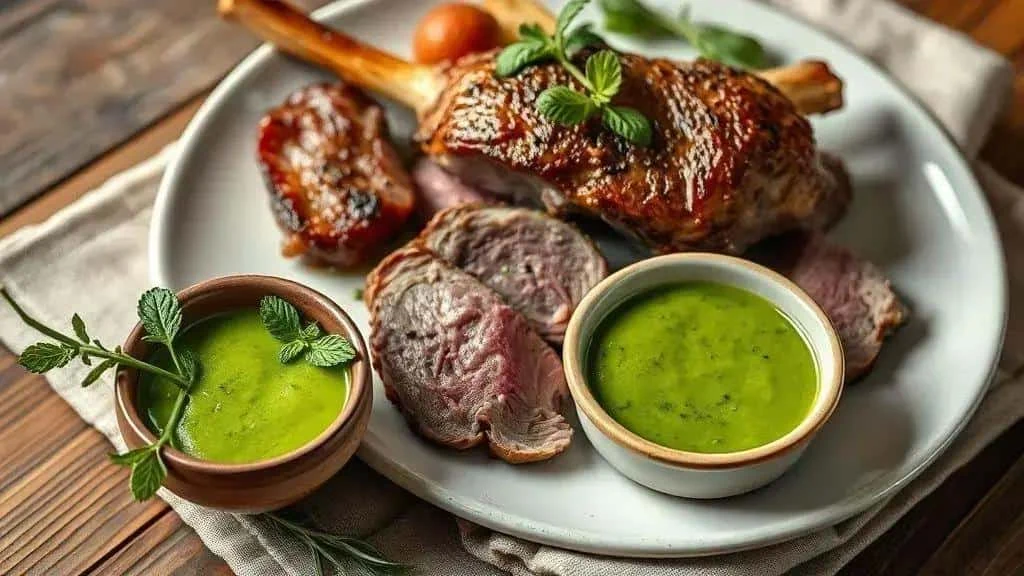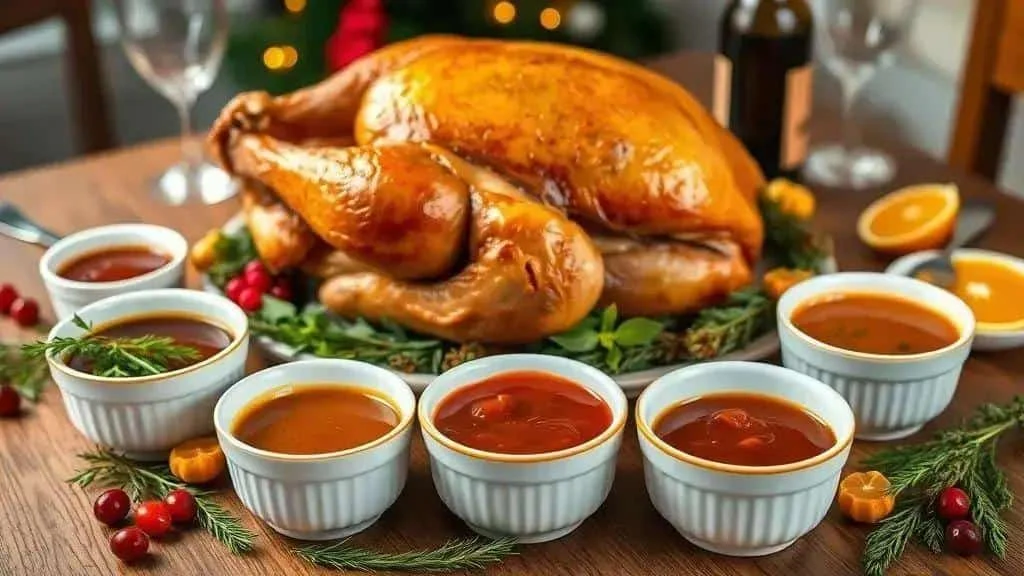
Sauces for Christmas turkey add moisture, aroma and contrasting flavours. These five ideas cover gravy, a red wine and herb reduction, orange glaze, cranberry sauce and herb butter, with dietary variations and advice on preparation, storage and serving.
These sauces for Christmas turkey offer a choice of savoury, fruity and buttery flavours for your festive meal. They also suit roast chicken, including Chester®, the branded chicken popular at Brazilian Christmas dinners. Explore the recipes and variations below without needing to make all five.
Why sauces make a difference at Christmas dinner
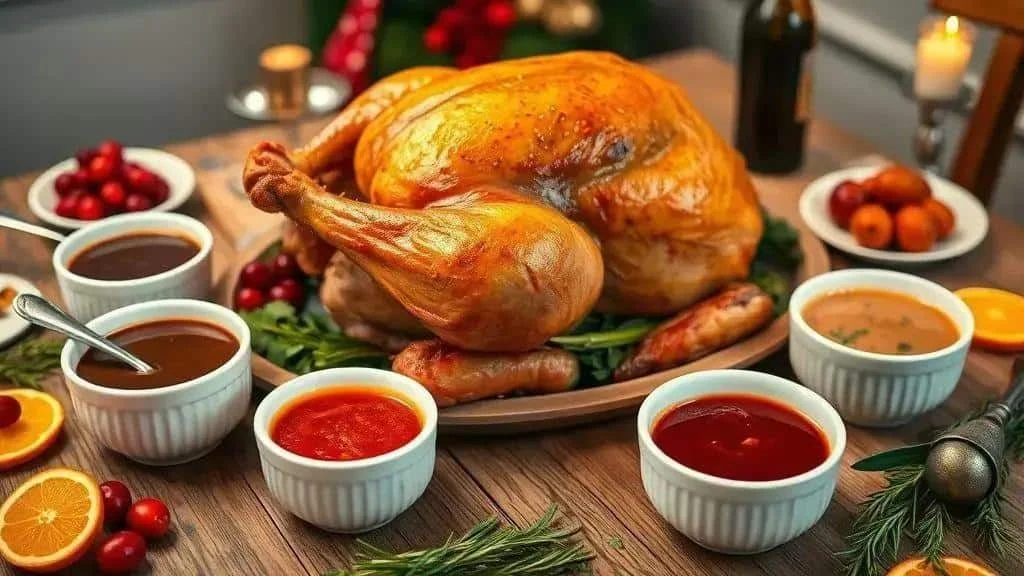
A sauce adds moisture to each serving, balances flavours and brings the turkey and side dishes together. It cannot reverse overcooking, but it can make sliced meat more enjoyable to eat.
What a sauce adds to the meal
- Flavour: stock, seasonings and aromatics complement the roast turkey.
- Moisture on the plate: a warm sauce coats each slice rather than changing how the meat was cooked.
- Contrast: creamy, tart and sweet elements make the meal more varied.
- Connection with side dishes: sauces work with rice, vegetables and Brazilian farofa, the toasted cassava-flour accompaniment.
Choosing a suitable sauce
- Consider the turkey’s seasoning: a strongly seasoned bird may suit a gentler sauce, while a simple roast leaves room for more pronounced flavours.
- Think about sweetness and acidity. Cranberry or orange brings a tart contrast to rich food; it does not remove the meal’s fat.
- Consider texture: stock-based sauces are easy to spoon over slices, while reductions and glazes give a more concentrated coating.
- Serve hot sauces freshly heated, and cranberry sauce chilled or briefly brought out for serving. Keep reserve portions at safe temperatures.
- Check dietary requirements and choose suitable gluten-free, dairy-free or less sweet variations where needed.
Practical serving tips
- Offer sauces separately in small jugs so guests can choose.
- Heat gently enough to protect the texture, but reheat previously cooked sauces thoroughly until steaming hot throughout.
- Use small ladles or serving spoons to make portions easy to control.
- Fresh herbs or citrus zest can indicate the flavour and add colour.
- A safely prepared stock can form the base of several variations with fruit, herbs or wine. Keep any portions for later use properly chilled.
Suggested combinations
- A traditional roast: pan gravy, with an optional red wine variation.
- A citrus flavour: orange sauce with a little honey and lemon zest. Honey is not suitable for babies under one.
- Sweet and savoury contrast: cranberry sauce alongside rich roast dishes.
- An aromatic finish: herb butter with garlic and thyme, added to cooked turkey just before serving.
Choosing a sauce for turkey or roast chicken
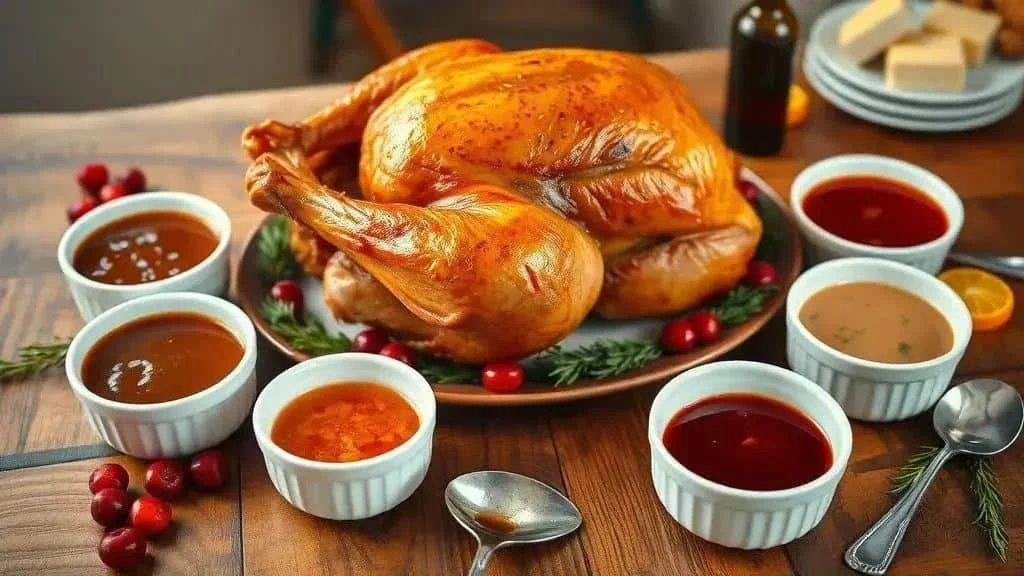
For turkey or Brazilian Chester®, consider the bird’s seasoning, the texture you want and your guests’ preferences.
Things to consider
- Serving temperature: freshly heated gravy works well with hot roast meat; cold cranberry sauce provides a different contrast.
- Seasoning strength: choose a milder sauce for strongly seasoned turkey, or a fuller flavour for a simple roast.
- Sweetness and acidity: citrus and cranberry contrast with richness, while sweeter glazes complement browned flavours.
- Consistency: a thick reduction gives a concentrated coating, while a thinner gravy is easier to distribute across the plate.
- Dietary requirements: check flour, stock, dairy, wine and other ingredients. Lactose-free dairy is not suitable for a milk allergy.
Texture and consistency
- Gravy: a thickened stock sauce that coats meat and side dishes; use the flour roux or cornflour method described below.
- Glaze: a concentrated coating made with ingredients such as honey, sugar or syrup, useful for brushing onto the roast.
- Creamy accompaniments: a buttery or creamy finish gives contrast alongside lean turkey breast.
Practical pairings
- Classic roast turkey: gravy made with properly cooked pan juices, with optional red wine or Madeira. Wine-based sauces are not necessarily alcohol-free after cooking.
- Citrus-seasoned turkey: orange glaze with honey and a little lemon zest.
- A sweet-savoury menu: traditional cranberry sauce, with an optional port variation for guests who consume alcohol.
- An aromatic option: herb butter with sage, thyme or rosemary, brushed onto cooked meat or served alongside.
Adjusting the sauce
- Too sharp: add a small amount of sugar or honey, tasting as you go. Do not use honey for babies under one.
- Too thin: simmer to reduce, or use the recipe’s starch thickening method. Whisking in cold butter off the heat adds body and shine but will not reliably thicken a very watery sauce.
- Too salty: dilute with unsalted stock or water. Apple or carrot purée changes the flavour and texture but does not remove salt already present.
- Common alternatives: stock can replace wine for a different savoury sauce; plant-based butter or oil can replace dairy in suitable recipes; maple syrup offers another flavour in place of sugar or honey, with sweetness adjusted to taste.
Quick serving tips
- A bain-marie can help with gentle heating, but check the sauce becomes thoroughly hot. If hot-holding after cooking, keep it at 63°C or above.
- Serve sauces separately so each guest can choose how much to add.
- Small ladles make it easier to avoid soaking the whole plate.
- Garnish with suitable fresh herbs or citrus zest to suggest the flavour.
Five sauces: ingredients, methods and variations
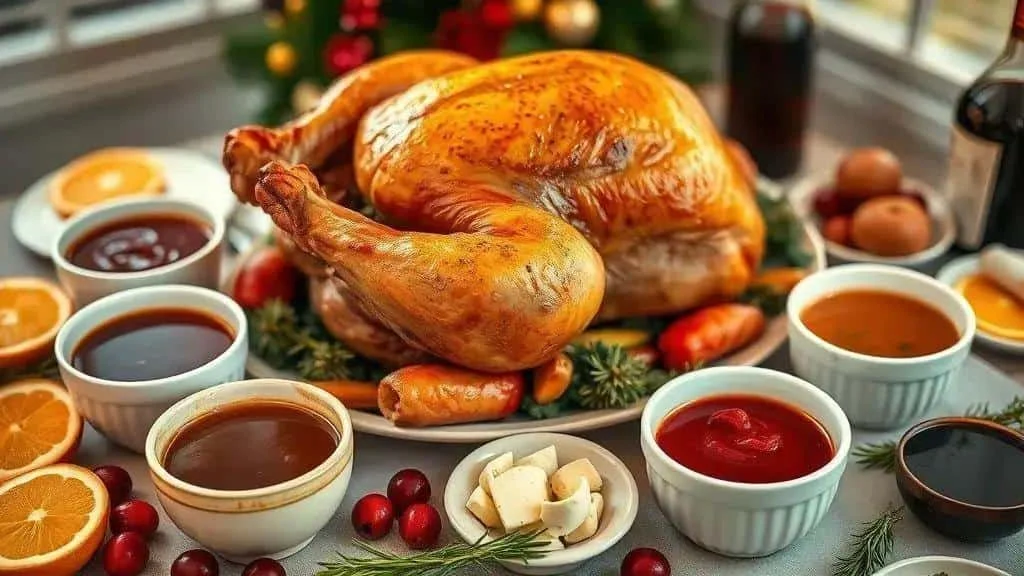
1. Roast turkey gravy
Ingredients:
- 500 ml strained roast pan juices and stock – skim excess fat and make up the volume with properly diluted chicken stock if needed. Use juices from a fully cooked bird and cook the gravy thoroughly.
- 2 tbsp butter – or suitable vegetable oil for a dairy-free variation.
- 2 tbsp plain flour – alternatively, 1½ tbsp cornflour for thickening without wheat. Mix cornflour with a little cold water to form a slurry instead of making a roux; check the stock and all other ingredients are gluten-free.
- ½ onion, chopped, optional
- Salt and black pepper, to taste
- Prepare the liquid: strain the pan juices to remove solids, skim excess fat and add stock to make 500 ml.
- Make the roux: melt the butter in a saucepan. If using onion, soften it in the butter first. Add flour and stir over a low heat for 1–2 minutes until lightly coloured. For the cornflour version, omit this flour stage and add its cold-water slurry to the simmering liquid instead.
- Add the stock: whisk the hot liquid gradually into the roux to avoid lumps.
- Thicken: simmer, stirring, for around 5–8 minutes until smooth and cooked through. Add a little water or stock if too thick; if using cornflour, follow its cooking instructions and check the texture.
- Season: taste the cooked gravy, add salt and pepper if needed, and strain for a smoother finish if preferred.
Variations
- With wine: add 50 ml red wine before simmering for a deeper flavour. Some alcohol can remain after cooking.
- With herbs: add chopped thyme or sage towards the end.
2. Sweet orange glaze
Ingredients:
- 240 ml orange juice – freshly squeezed if available.
- 2 tbsp honey – or maple syrup for a different flavour. No honey for babies under one.
- 1 tbsp brown sugar
- 1 tbsp butter, optional – for shine.
- Finely grated zest of 1 orange
- Reduce: combine the juice, honey and sugar in a small saucepan. Simmer over a medium heat until reduced by about half, stirring occasionally.
- Check the texture: it should lightly coat the back of a spoon and will thicken further as it cools. Reduction time varies with the pan and juice.
- Add the butter: take off the heat and whisk in small pieces of butter until glossy.
- Add the zest: stir in the orange zest and serve freshly made, or cool and chill promptly for later use.
Variations
- With heat: add a pinch of cayenne or black pepper.
- With spice: infuse with cinnamon or cloves during reduction, then remove whole spices or strain before serving.
3. Cranberry sauce
Ingredients:
- 300 g fresh or frozen cranberries – follow the frozen fruit packet’s preparation guidance.
- 100 g sugar – adjust to taste.
- 120 ml water
- Zest and juice of 1 orange – this version uses the whole orange’s juice; the detailed variation below uses 2 tbsp, so its liquid balance differs.
- Start cooking: combine the cranberries, water, sugar and orange juice in a saucepan over a medium heat. Add the zest towards the end.
- Simmer: stir occasionally until the berries burst and the sauce thickens, usually around 10–12 minutes. The orange’s juice content may mean it needs longer to reduce.
- Adjust the texture: leave chunky, or carefully use a hand blender or sieve for a smoother sauce. Take care with splashes from hot fruit.
- Cool: transfer to a shallow container, cool promptly and refrigerate within 1–2 hours. It will thicken as it chills; serve cold or reheat a portion once until steaming hot.
Variations
- With port: add 50 ml during cooking for another flavour. This variation is not alcohol-free.
- With spice: add a slice of ginger or a pinch of cinnamon; remove the ginger before serving.
4. Herb butter
Ingredients:
- 200 g unsalted butter, softened – or a firm vegan-labelled butter alternative. Soften only as long as needed for mixing, then refrigerate.
- 2 tbsp chopped parsley
- 1 tbsp chopped fresh thyme
- 1 garlic clove, crushed, optional
- Finely grated lemon or orange zest, to taste
- Soften the butter: work it with a fork in a bowl until creamy.
- Add flavourings: mix in the parsley, thyme, optional garlic and zest until evenly distributed.
- Shape and chill: wrap in food-safe film, form a log and refrigerate for about 1 hour until firm. Keep refrigerated and follow the short storage guidance below.
- Serve: cut small slices and add to hot, fully cooked turkey so the butter melts over it.
Variations
- With cheese: mix in a little grated Parmesan. For a vegetarian accompaniment, choose a vegetarian-labelled hard cheese; omit dairy cheese for vegan butter.
- Extra citrus: add more lemon zest to taste.
5. Red wine reduction
Ingredients:
- 300 ml red wine – choose a wine whose flavour you enjoy; it does not need to be expensive.
- 120 ml beef or chicken stock
- 1 tbsp brown sugar or honey – to balance acidity, adjusted to taste. No honey for babies under one.
- 1 sprig rosemary or thyme
- 1 tbsp cold butter, optional – for shine.
- Reduce the wine: simmer the wine and herb in a saucepan until reduced by roughly half. Do not flame the pan; reduction does not guarantee removal of all alcohol.
- Add stock and sugar: stir in the stock and sweetener, then simmer for around 5–8 minutes until slightly thicker.
- Strain and finish: remove the herb, adjust seasoning and, off the heat, whisk in small pieces of cold butter for a glossy finish.
- Serve: spoon freshly made sauce over cooked turkey, or keep it properly hot-held until serving.
Variations
- With fruit: add a little berry compote for extra fruit flavour and sweetness.
- Without wine: grape juice and stock make a different, sweeter sauce. Adjust or omit the added sugar; use ingredients without alcohol rather than assuming cooking wine removes it.
Red wine and herb reduction: a detailed variation
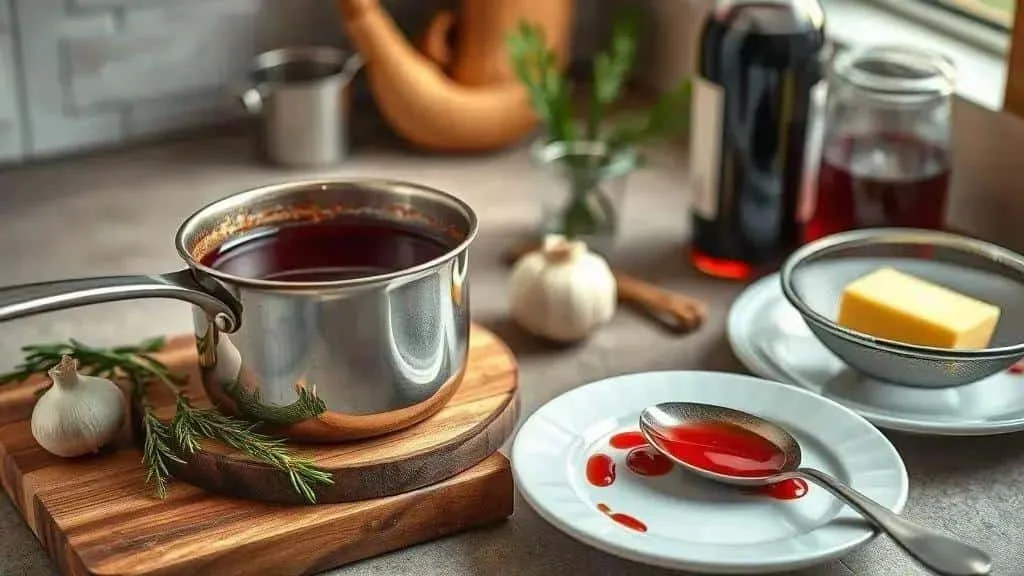
This variation adds shallot and uses 150 ml stock, compared with 120 ml in the simpler reduction above. Follow one version consistently. It gives turkey or roast chicken a concentrated savoury sauce, but is not alcohol-free.
Ingredients
- 300 ml dry red wine – choose a flavour you enjoy. Grape juice can make a different, sweeter wine-free version; adjust the sugar accordingly.
- 150 ml beef or chicken stock – homemade or properly diluted prepared stock.
- 1 shallot or ½ small onion, chopped, plus 1 tsp oil – the oil is required by the method below. The source’s separate 1 tbsp onion suggestion would give a milder variation, not an equivalent-sized onion.
- 1 sprig rosemary – or thyme.
- 1 tbsp brown sugar, optional – adjust to the wine’s acidity. Honey is another option, but not for babies under one.
- 1 tbsp cold butter – or a suitable plant-based alternative for a dairy-free finish.
- Salt and black pepper, to taste
Method
- Soften the shallot: heat 1 tsp oil in a saucepan over a medium heat, then cook the chopped shallot for about 2–3 minutes until softened and translucent.
- Add the wine: pour it into the saucepan and bring to a controlled simmer. There is no need to tilt or ignite the pan. Cooking and flambéing do not reliably remove all alcohol; use the wine-free variation if avoiding it.
- Add herbs and optional sugar: add the rosemary and, if needed, the brown sugar, stirring to dissolve.
- Reduce: simmer uncovered over a medium-low heat for roughly 8–12 minutes, until the liquid has reduced by about half. Judge the volume rather than relying on the time alone.
- Add stock: stir in the 150 ml stock and simmer for another 5–7 minutes or until the sauce lightly coats the back of a spoon.
- Strain and season: remove the herb, strain out the shallot if a smooth sauce is preferred, and adjust salt and pepper.
- Finish with butter: take off the heat and whisk in the cold butter in small pieces until glossy. Do not pour cold solid butter in a stream or boil the sauce after this step.
- Adjust: add a small pinch of sugar if too sharp, or a little hot unsalted stock if too thick.
Quick variations
- With fruit: stir in 2 tbsp berry compote towards the end, adjusting any other sweetener.
- With port: replace 30–50 ml of the red wine with port for another flavour; this remains an alcohol-containing variation.
- Vegetarian or vegan accompaniment: use vegetable stock and suitable butter, or a plant-based alternative. Check the wine’s suitability too, and serve separately from meat juices.
Orange glaze: a detailed variation
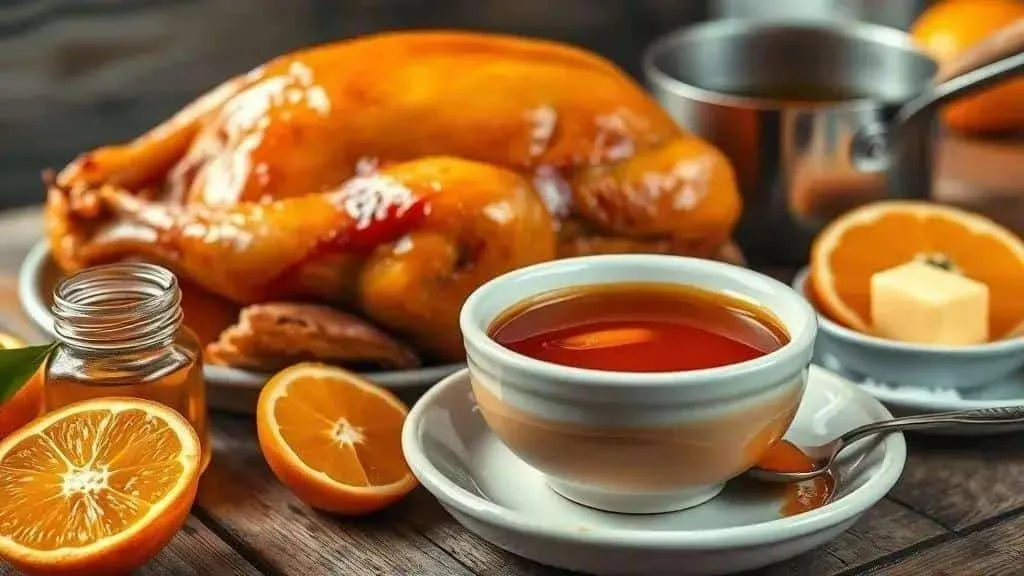
This sweet, tangy orange glaze can be brushed onto the roast or served separately. This variation allows 1–2 tbsp sugar and optional cornflour; the simpler recipe above uses 1 tbsp sugar without starch.
Ingredients
- 240 ml orange juice – freshly squeezed if possible. If using concentrate, dilute according to its label to make 240 ml juice; a universal 1:1 dilution is not assumed.
- 2 tbsp honey – or 2 tbsp maple syrup. Do not use honey for babies under one.
- 1–2 tbsp brown sugar – the detailed source version uses 2 tbsp, with 1 tbsp suggested for less sweetness. Granulated sugar is another option.
- 1 tbsp butter – or a suitable plant-based alternative for a dairy-free glaze.
- Finely grated zest of 1 orange – lemon zest offers a different citrus aroma; avoid the bitter white pith.
- 1 tsp cornflour, optional – mixed with 1 tbsp cold water if additional thickening is needed.
- A pinch of salt and black pepper
Method
- Combine: put the orange juice, honey or maple syrup, and chosen amount of sugar in a small saucepan.
- Heat: stir over a medium heat until the sugar dissolves.
- Reduce: simmer uncovered for roughly 8–12 minutes, stirring occasionally, until reduced by about half. Pan size and juice affect the time.
- Check consistency: the glaze should lightly coat the back of a spoon and will thicken as it cools. If using the optional cornflour step below, do so before the butter finish.
- Finish with zest and butter: once any optional thickening is complete, remove from the heat and stir in the zest and butter in small pieces until glossy.
- Optional thickening: before adding butter, mix 1 tsp cornflour with 1 tbsp cold water, stir into the simmering glaze and cook for about 1–2 minutes, or according to the cornflour instructions, until thickened and cooked through.
- Season: add a pinch of salt or pepper to taste. If still too sharp, the original suggests an extra ½ tsp sugar; add gradually rather than automatically.
- Brush onto the bird: set aside a separate portion for basting during the final 15–20 minutes of roasting, brushing about every 5–7 minutes if needed. Watch for burning, and confirm the bird is fully cooked. Keep serving sauce separate from any brush or glaze that touches incompletely cooked poultry.
- Serve: offer the untouched serving portion in a jug, freshly prepared or thoroughly reheated once, or brush a little over fully cooked meat just before serving.
Quick variations
- With spice: add ½ tsp cinnamon or a slice of ginger during reduction; remove whole ginger before serving.
- With heat: add a pinch of cayenne or 1 tsp Dijon mustard. Identify mustard as an allergen where relevant.
- Mixed citrus: replace the orange juice with a 3:1 mixture of orange and lemon juice, keeping the total at 240 ml. This gives 180 ml orange and 60 ml lemon juice and a sharper flavour.
Cranberry sauce: a detailed variation
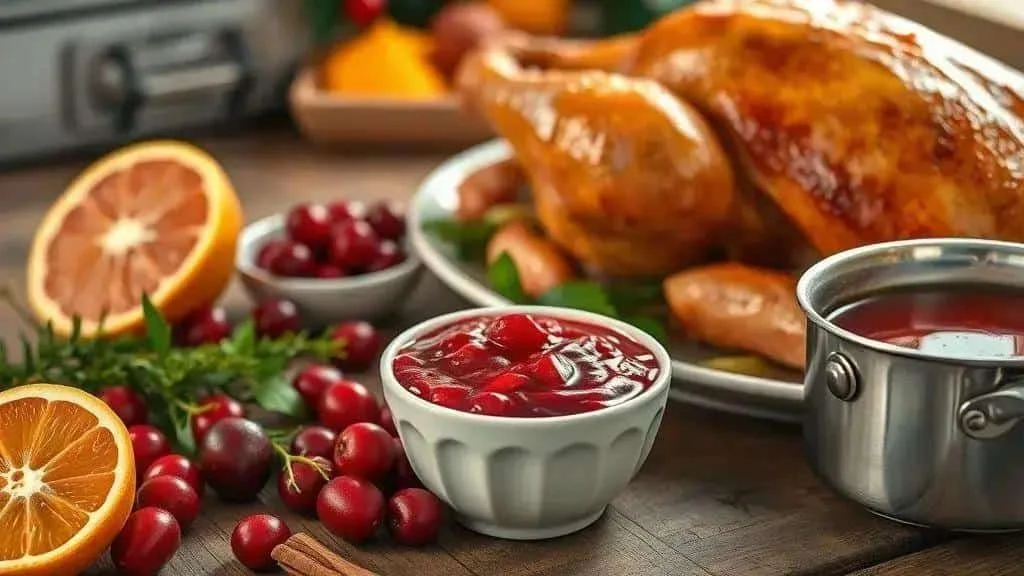
Cranberry sauce brings a bright sweet-and-tart contrast to roast turkey. This version uses 2 tbsp orange juice alongside water, unlike the whole-orange juice variation above.
Ingredients
- 300 g fresh or frozen cranberries – follow the frozen fruit packet’s preparation guidance.
- 100 g sugar – adjust to taste. Honey or maple syrup changes both sweetness and liquid content; the original’s ¾-cup syrup suggestion is not treated as an equivalent replacement for 100 g sugar.
- 120 ml water – or orange juice for a more citrus-led variation.
- Zest of 1 orange and 2 tbsp orange juice – lemon gives a sharper alternative.
- 1 cinnamon stick, optional – or ¼ tsp ground cinnamon.
- 1 tbsp port or orange liqueur, optional – replace with 1 tbsp grape juice concentrate or omit if avoiding alcohol.
- A pinch of salt
Method
- Prepare: measure the cranberries, sugar, water, orange juice and zest, with optional cinnamon and salt ready.
- Combine: put the cranberries, water and sugar in a saucepan over a medium heat.
- Cook: stir occasionally until the berries start to burst, around 8–10 minutes, allowing for the starting temperature of the fruit.
- Add citrus and spice: add the zest, 2 tbsp orange juice and optional cinnamon, then simmer for a further 2–4 minutes.
- Adjust texture: continue until thickened. For a smoother sauce, carefully use a hand blender or sieve, protecting against hot splashes. Remove the cinnamon stick before blending or serving.
- Optional alcohol: add the port or liqueur for the final 1–2 minutes if using it. Such brief cooking does not remove all alcohol; use the grape juice option or omit for guests avoiding it.
- Taste: adjust sugar or salt if needed. The original suggests an extra ½ tbsp sugar for excessive sharpness; add only as much as the sauce needs.
- Cool and chill: transfer to a shallow container, cool promptly and refrigerate within 1–2 hours. It will thicken as it chills. Serve cold, or reheat a portion once until steaming hot throughout.
Variations
- With ginger: add a slice during cooking, then remove before serving.
- With other fruit: grated apple or raspberries give a different texture and sweetness; extra fruit may alter the reduction time.
- Less sugar: try reducing the sugar to taste, recognising that tartness and texture will change. If using a sweetener, follow a recipe and product guidance suited to it; no universal erythritol substitution is assumed.
Quick tips
- Storage: cool promptly, keep covered at 0–5°C and use within 48 hours, or freeze suitable portions. Three months frozen is a quality guide, not a tested shelf life for every variation; reduced-sugar sauce is not a shelf-stable preserve.
- Serving: offer a small bowl or jug so guests can choose their portion.
- Make ahead: prepare one or two days before the meal within the 48-hour chilled limit. Freeze sooner if making it further ahead.
Preparing, storing and reheating sauces safely
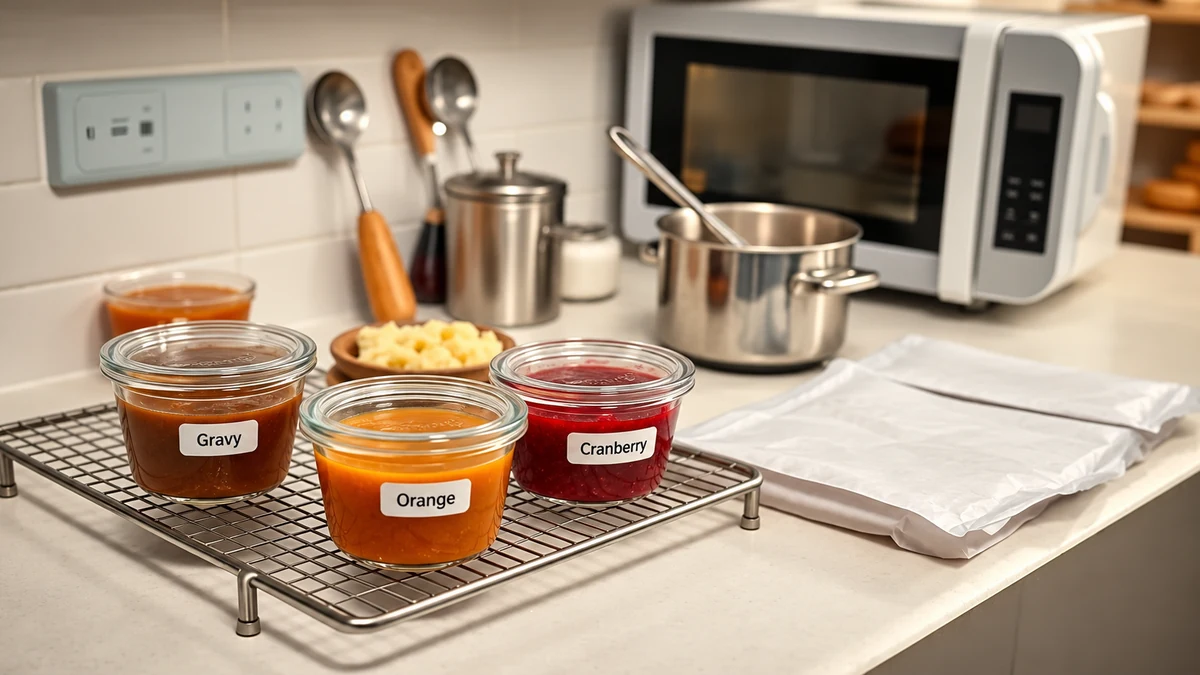
Good handling helps protect both the safety and texture of sauces. The guidance here assumes fresh ingredients, prompt cooling and a working fridge; always follow any shorter use-by date or product instruction.
Care during preparation
- Clean hands and equipment: wash hands and utensils, and use a clean spoon each time you taste.
- Cook thoroughly: use properly prepared stock and pan juices, and heat sauces thoroughly while stirring. Boiling does not make spoiled or badly stored food safe again.
- Keep batches separate: reserve sauce before serving. Do not pour used table portions back into the storage container, and discard food whose time or temperature history is unsafe or uncertain.
- Serving temperature: hot-held sauces should stay at 63°C or above. Keep cold reserves in a fridge at 0–5°C and bring out small portions as needed.
Cooling and storage
- Cool promptly: divide hot sauce into small, shallow containers so it cools more quickly; avoid leaving a large saucepan out for hours.
- Refrigerate within 1–2 hours: start cooling promptly after cooking and put suitable portions in the fridge within that time. Do not wait overnight for sauce to cool.
- Storage temperature: keep the fridge at 0–5°C and freezer at about −18°C.
- Storage time: use these homemade sauces and fresh herb butter within 48 hours when properly refrigerated, or sooner if an ingredient requires it. Freeze suitable portions earlier for longer storage; up to three months is a quality guide, and texture may change.
- Label: record the sauce, preparation date and ingredients, including allergens.
- Portion before freezing: small portions let you defrost and reheat only what is needed.
Reheating while protecting the texture
- Heat thoroughly: reheat cooked sauce once until steaming hot throughout, stirring to remove cold spots. A measured equivalent is 70°C for 2 minutes or 75°C for 30 seconds.
- Bain-marie: gentle indirect heat can help delicate sauces, but it must still bring reheated food to a safe temperature. A merely lukewarm water bath is not sufficient.
- Microwave: use a suitable covered container with venting, stir every 30–45 seconds and follow standing-time guidance. These are checking intervals, not a guaranteed total heating time.
- Butter sauces: for a freshly made sauce that has separated, remove from excessive heat and whisk in small pieces of cold butter if appropriate. Compound herb butter is different: it is intended to melt over hot food, not remain a stable hot emulsion.
- Starch-thickened sauces: if a reheated sauce needs thickening, mix 1 tsp cornflour with 1 tbsp cold water, add gradually and cook according to the starch instructions. Check the texture before adding all of it.
- Creamy sauces: heat gently while stirring, adding a little suitable warm milk or cream only if the recipe needs thinning. Avoid a vigorous boil, but still reheat thoroughly; texture must not take priority over safe heating.
Freezing and defrosting tips
- Freeze flat: suitable freezer bags laid flat save space and create thinner portions. Cool sauce promptly before packing for freezing.
- Leave headspace: liquid expands when frozen, so do not fill rigid containers to the brim.
- Defrost in the fridge: allow enough time for the portion to thaw fully; 8–12 hours may suit some small portions but is not a guarantee. Use within 24 hours of fully defrosting and do not thaw on the worktop.
- Reheat after defrosting: heat the thawed portion while stirring until steaming hot throughout, then adjust consistency if needed. Reheat only once.
Serving practices
- Use separate serving jugs: keep the untouched reserve separate from anything served at the table.
- Clean utensils: use fresh, clean spoons or ladles when replenishing.
- Avoid repeated reheating: heat only the amount you intend to serve, and reheat previously cooked sauce only once.
Quick checklist
- Divide into shallow containers and refrigerate within 1–2 hours of cooking.
- Keep at 0–5°C and use within 48 hours, or any shorter ingredient limit.
- Freeze suitable portions promptly; three months is a quality guide, not a validated shelf life for every recipe.
- Reheat once until steaming hot throughout, stirring well; 70°C for 2 minutes or 75°C for 30 seconds are measured equivalents.
- Label with the date, sauce name and ingredients, including allergens.
Side dishes, pairings and presentation
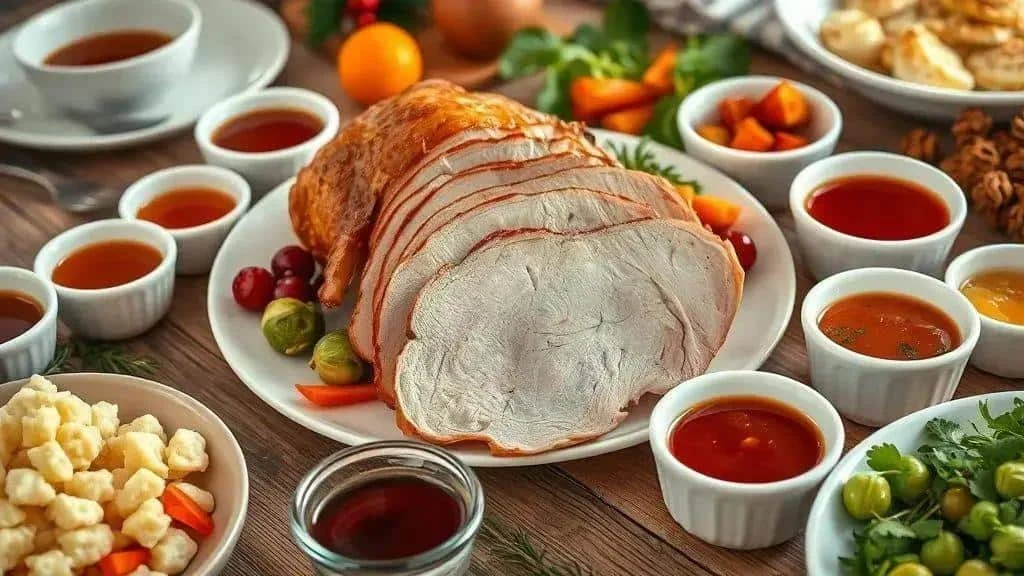
Consider textures, colours and serving temperatures when matching sauces with side dishes. Choose combinations your guests enjoy rather than feeling obliged to offer every option.
Pairings by sauce
- Gravy: suits rice, mashed potatoes and farofa, bringing a savoury flavour to milder side dishes.
- Orange glaze: pairs with roast carrots or sweet potatoes, bitter leaves and Brazilian mandioquinha mash. Mandioquinha is arracacha, a different root from cassava; use familiar mashed potatoes if preferred.
- Cranberry sauce: contrasts with rich dishes and can accompany fruit-studded farofa, apple purée or mild cheese.
- Herb butter: complements steamed broccoli, roast potatoes and freshly cooked turkey slices.
- Red wine reduction: suits mushroom dishes, risotto and earthy vegetable purées.
Arranging the roast and sauces
- Carve the fully cooked turkey on a suitable large board and keep freshly heated gravy nearby for serving.
- Place small sauce jugs where guests can reach them easily, each with its own serving utensil.
- Low, wide serving dishes make sides easy to see; green vegetables, orange roots and neutral mash provide natural colour contrasts.
- Brush orange glaze onto the bird near the end of roasting, watching for burning. Reserve a clean, untouched portion for serving rather than reusing glaze exposed to incompletely cooked poultry.
Arranging individual plates
- Serve turkey slices beside mash or rice, leaving space for farofa or other sides. Offer sauce separately or spoon a little over the meat.
- A few thyme or parsley leaves and some citrus zest add a final touch of colour and aroma.
- White or neutral plates let the colours of the sauces and vegetables stand out.
Drinks pairings
- For adults who choose wine, a light-to-medium red such as Pinot Noir or Merlot can accompany a red wine sauce. A light grape drink is an alcohol-free alternative; choose a wine-free sauce too if avoiding alcohol completely.
- Citrus sauces can pair with an aromatic white such as Sauvignon Blanc, a brut sparkling wine, or an alcohol-free citrus spritz.
- With cranberry sauce, try sparkling water with fruit or an adult’s choice of sparkling or lightly sweet wine. Pairing is a matter of taste, not a requirement.
Quantities and practical service
- About 60–80 ml of pourable sauce per person is a starting estimate, adjusted to the meal and guests. This is a total allowance, not that amount of every sauce, and does not apply to concentrated herb butter or thick glaze. Allow a separate amount for basting if needed.
- Use warmed serving jugs for hot sauces and bring chilled sauces out in small portions. Keep reserves refrigerated or hot-held at 63°C or above, rather than leaving them at room temperature for the whole meal.
- Offer small spoons and ladles, and keep used table portions separate from the main reserve.
Final touches
- Add a little crisp cooked bacon or crisp onion where suitable for contrast with creamy sauces. Soft caramelised onions give a different texture rather than crunch.
- Use washed, edible leaves or microgreens for a fresh garnish, taking guests’ dietary requirements into account.
- Small labels beside the sauce jugs can identify flavours and ingredients, including allergens. Keep paper labels out of contact with food.
Enjoy your Christmas meal
A well-chosen sauce adds flavour, moisture and contrast to roast turkey. Pick one or two that suit the rest of your menu and give yourself time for safe preparation and serving.
Thank you for reading. Follow us on social media and visit the I Love Christmas blog for more festive recipes and inspiration.
Wishing you a Christmas meal full of flavour and good company.
Sauces for Christmas turkey: frequently asked questions
Which sauce suits a strongly seasoned turkey?
Choose a gentler flavour, such as a lightly sweetened orange glaze or a small amount of herb butter, so it complements rather than competes with the bird’s seasoning. Adjust to your guests’ preferences.
Can I prepare the sauces ahead?
Yes. Prepare suitable sauces one or two days ahead, cool promptly, refrigerate within 1–2 hours and use within 48 hours or any shorter ingredient limit. Freeze suitable portions sooner if making them further ahead. Reheat cooked sauces only once until steaming hot throughout, or serve cranberry sauce chilled.
How should I defrost and reheat frozen sauces?
Defrost fully in the fridge, allowing enough time for the portion size, and use within 24 hours of thawing. Reheat once while stirring until steaming hot throughout; 70°C for 2 minutes or 75°C for 30 seconds are measured equivalents. Do not thaw on the worktop.
What can I use for dairy-free or wine-free versions?
Use a suitable plant-based butter or oil where the recipe allows, checking stock and other ingredients too. Lactose-free butter still contains milk proteins. Grape juice or stock can replace wine for a different sauce, with sweetness adjusted; cooking wine does not guarantee an alcohol-free result.
How much sauce should I allow per person?
Around 60–80 ml of pourable sauce per person is a rough total allowance, adjusted to appetite and the meal. Use smaller amounts of concentrated glaze or herb butter, and set aside separate glaze for basting so the serving portion stays untouched.
Sources and Further Reading
- Food Standards Agency: chilling, freezing and defrosting
- Food Standards Agency: cooking and reheating
- NHS: foods to avoid for babies and young children
- GOV.UK: cooking and hot holding
- USDA: nutrient retention factors, including alcohol after cooking
- Perdigão: Chester ingredients and product information